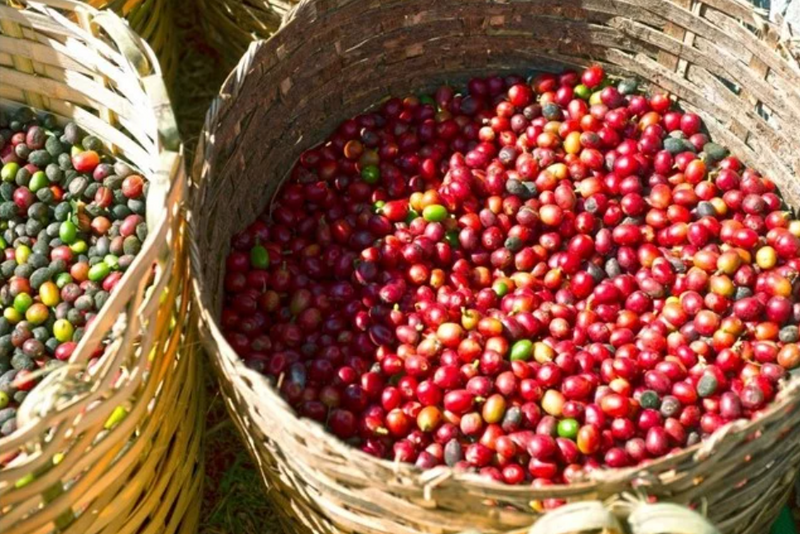
The northeastern mountainous province of Tuyen Quang is stepping up trade promotion to bring its highland produce into supermarkets and online channels.
Trade promotion paving the way for highland products
Tuyen Quang is a mountainous province with vast terrain, diverse landscapes, and more than 30 ethnic groups living from urban centers to remote highland areas such as Na Hang, Lam Binh, and Chiem Hoa. Nature has blessed the province with a wealth of distinctive specialties including ancient Shan Tuyet tea, Ham Yen oranges, forest honey, arrowroot vermicelli, and river fish. These products, rich in the essence of the mountains and forests, are comparable to the finest specialties across the country. However, due to geographical barriers and fragmented production, highland agricultural products have long struggled to access major markets, leading to frequent oversupply during bumper crops and shortages when prices rise.
The Tuyen Quang provincial Department of Industry and Trade actively organizes trade-promotion activities for highland products.
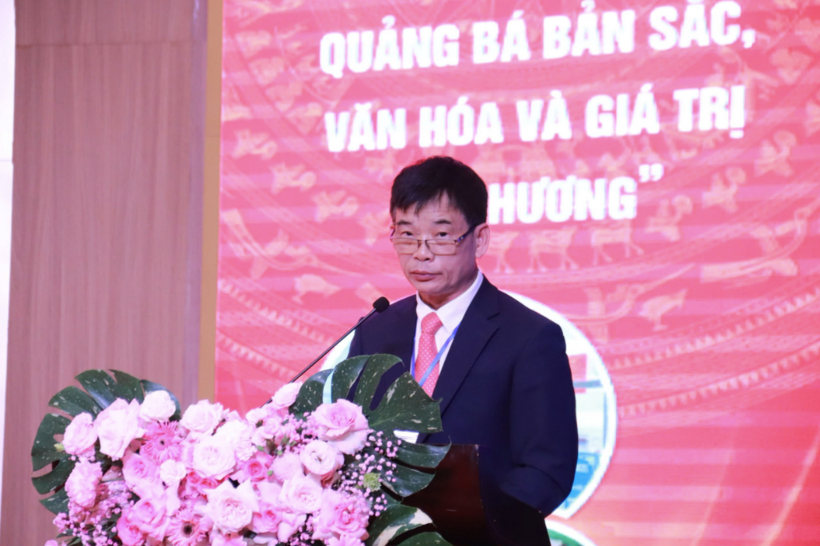
Recognizing these challenges, the Tuyen Quang provincial Department of Industry and Trade has identified a strategic priority: consumption linkages must go first to pave the way for economic seeds to flourish in the highlands. “Trade promotion is considered a key task, closely aligned with the province’s orientation toward modern agriculture and food-processing industries. Agricultural products must not only taste good but also meet standards and possess competitive capacity amid deepening international integration,” said Loc Kim Lien, Deputy Director of the Tuyen Quang provincial Department of Industry and Trade.
Loc Kim Lien, Deputy Director of the Tuyen Quang provincial Department of Industry and Trade.
One of the strongest drivers has been the One Commune One Product (OCOP) program. To date, the province has more than 450 products rated three stars or higher, including two at the national five-star level, an impressive achievement for a mountainous locality facing many hardships. OCOP program’s development has brought more than recognition. It marks a transformation in production thinking. Local people are now accustomed to following standardized procedures, ensuring quality, adopting traceability, and designing proper packaging to enhance commercial value, rather than selling whatever is available in the traditional way.
Alongside brand-building and intellectual-property protection for 36 products at a cost of more than VND 3.35 billion, the province has also enabled 19 cooperatives to access over VND 27 billion in loans to expand production. A resilient commercial infrastructure has taken shape, with 17 OCOP retail points across the province. More than 20 large-scale trade-promotion events, both domestic and overseas, have been organized, enabling highland products to debut at major exhibitions and reach professional distributors.
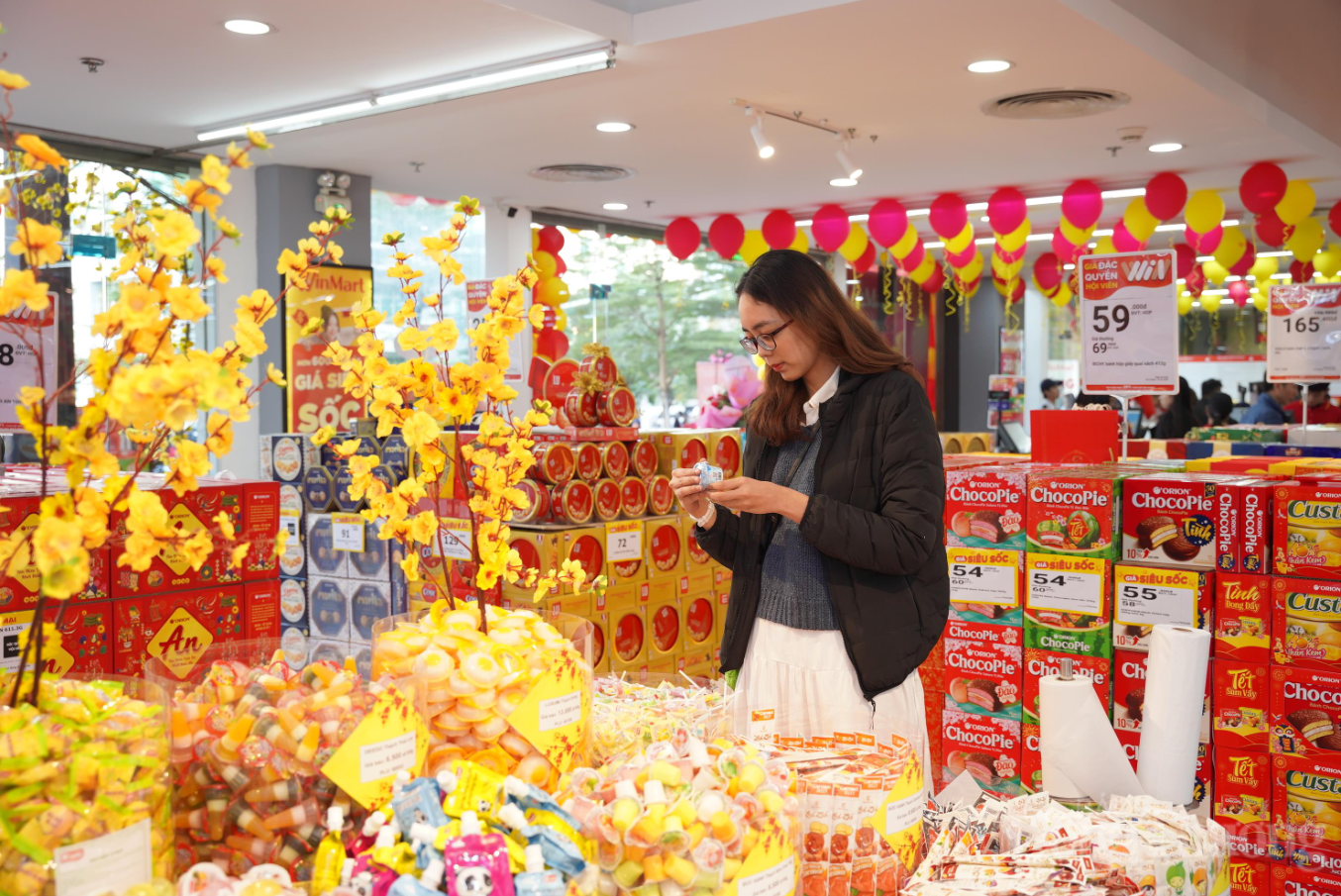
Digital technology is another major breakthrough. As e-commerce becomes an inevitable trend, Tuyen Quang’s highland products have appeared on Postmart, Voso, and Smart Tuyen Quang platforms. With just a few clicks, oranges, tea packages, and vermicelli products can reach customers nationwide without the need for long, exhausting transport routes. This is a new gateway that allows Mong, Dao, and Tay ethnic communities to sell directly from their villages without suffering from price pressure imposed by middlemen.
Value-chain linkages for sustainable development
For the value chain to be truly complete, cooperatives play a critical role. The Sang Nhung Safe Food Production and Processing Cooperative is a clear example. Growing from a group of small households with fragmented livestock production, the cooperative adopted a new mindset: only concentrated, chain-based production can ensure stable consumption. As a result, within just a few years, the model has established a closed process from raw-material zones to final products delivered to the market.
The province supported the cooperative with VND 300 million to invest in processing lines and guided the application of environmental-treatment technologies, food-safety standards, and traceability systems. These changes enabled Sang Nhung’s herbal pork products to overcome technical barriers and achieve OCOP certification, with seven products meeting ISO 2018 criteria. The cooperative’s products were also honored among the top 50 reputable and high-quality products recognized by the Vietnam Consumer Protection Association and later listed in the top 100 outstanding products in 2024.
Sang Nhung has also pioneered the “Green Agricultural Supermarket” model, purchasing thousands of items and creating linkage opportunities for many smaller cooperatives. Its distribution network is gradually expanding to Phu Tho and Hanoi, opening opportunities for highland clean food to reach urban households.
The success of this model proves that farmers are fully capable of entering the market when they receive proper guidance and supportive mechanisms. However, enabling more cooperatives to follow Sang Nhung’s example will require stronger and more comprehensive solutions.
Despite encouraging progress, Tuyen Quang’s agricultural sector still faces major challenges. Most products remain small-scale and inconsistent in output. Large enterprises that could play the role of “conductors” steering the market are still limited. Delegates at various meetings have expressed the need for stronger regional linkages, especially deeper connections with major markets such as Hanoi and Hai Phong. Only with stable key markets can production expand on a sustainable foundation.
The province also needs to elevate export potential for its key products such as tea, oranges, and aquatic goods, especially through international border-gate channels. Tourism must become a more effective commercial bridge. Visitors to ATK sites, Na Hang, and Lam Binh should not only enjoy the scenery but also bring home highland specialties, helping spread the brand of local agricultural products. Most importantly, products must be strongly standardized according to national and international benchmarks, as quality is the only passport to reach broader markets.
Mint-flower honey, a famous specialty of ethnic minority communities in Meo Vac, Tuyen Quang.
Tuyen Quang aims for more than 70 percent of OCOP products to be registered for trademark protection by 2025, helping prevent counterfeits and boosting brand credibility. Deep-processing enterprises also need greater encouragement to increase the value of agricultural goods. A jar of honey can sell for many times more if processed into a health-care product. A tea bud can “travel” farther if turned into a premium product rather than raw material.
Tuyen Quang today is no longer a poor, agriculture-dependent province. It has developed 16 industrial zones and 52 hydropower plants, gradually building a modern industrial base. Yet no matter how much it changes, specialty agriculture remains the livelihood backbone for tens of thousands of highland households. Promoting consumption is not only an economic mission but also a profound social one. Every kilogram of tea or vermicelli sold means another family has a better chance of escaping poverty.
When properly targeted, trade promotion becomes a sturdy bridge for agricultural products to transcend mountains and forests and reach consumers near and far, even international markets. Ethnic minority communities in Tuyen Quang need sufficient access to the market to stand on their own. Once local products secure their foothold, life in the highlands will certainly change for the better.
On March 6, Central Committee member of the Communist Party of Vietnam, member of the Party Committee of the Government, Secretary of the Party Committee and Acting Minister of Industry and Trade Le Manh Hung, together with candidates for the 16th National Assembly from Constituency No. 02 of Hai Phong City, held voter meetings and conducted election campaigning in Kien An Ward and Thanh Ha Commune.
Reviewing 100 years of Party leadership aims to distill key lessons, strengthen theoretical and practical foundations, and guide Vietnam’s development.
Geopolitical tensions are placing significant pressure on supply chains and exports. In context, the domestic market is seen as a crucial pillar supporting growth.
The Prime Minister has directed 10 key groups of tasks and solutions aimed at stimulating demand and promoting economic growth of 10% or higher in 2026.
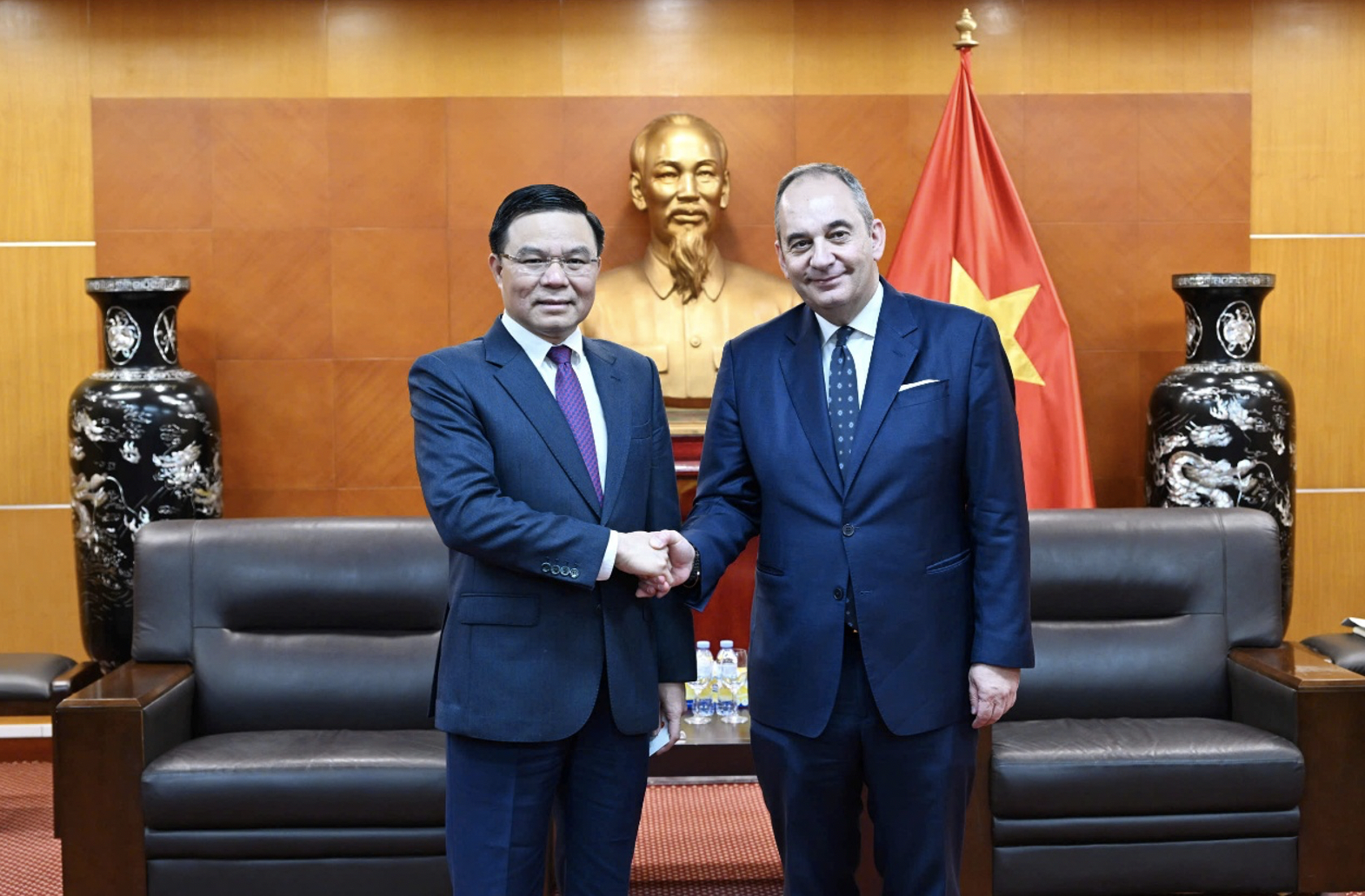
On March 3, Acting Minister of Industry and Trade Le Manh Hung held a meeting with Ioannis Plakiotakis, First Vice President of the Hellenic Parliament.
Geopolitical tensions are placing significant pressure on supply chains and exports. In context, the domestic market is seen as a crucial pillar supporting growth.
Rising tensions in the Middle East may drive up oil prices and freight costs, disrupting Vietnam’s import-export and supply chains the Import-Export Department warns