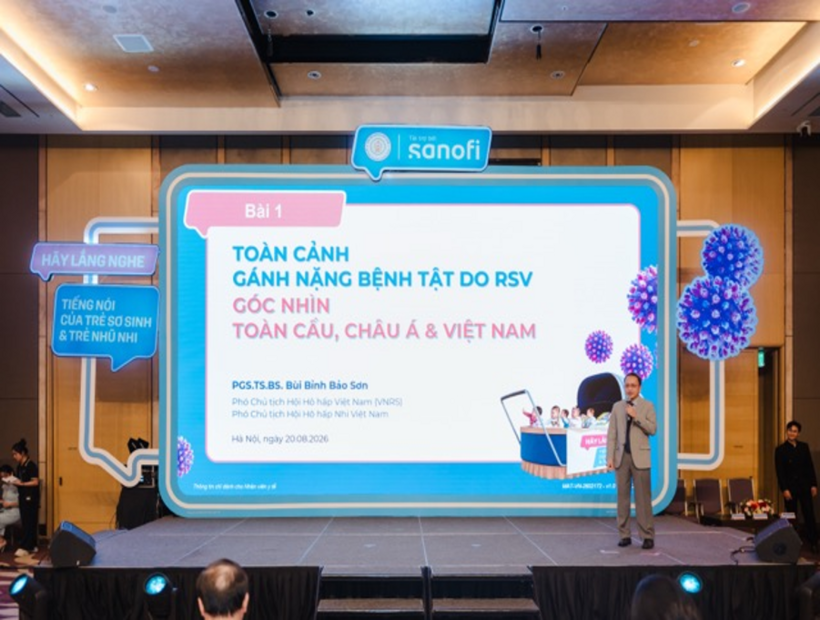
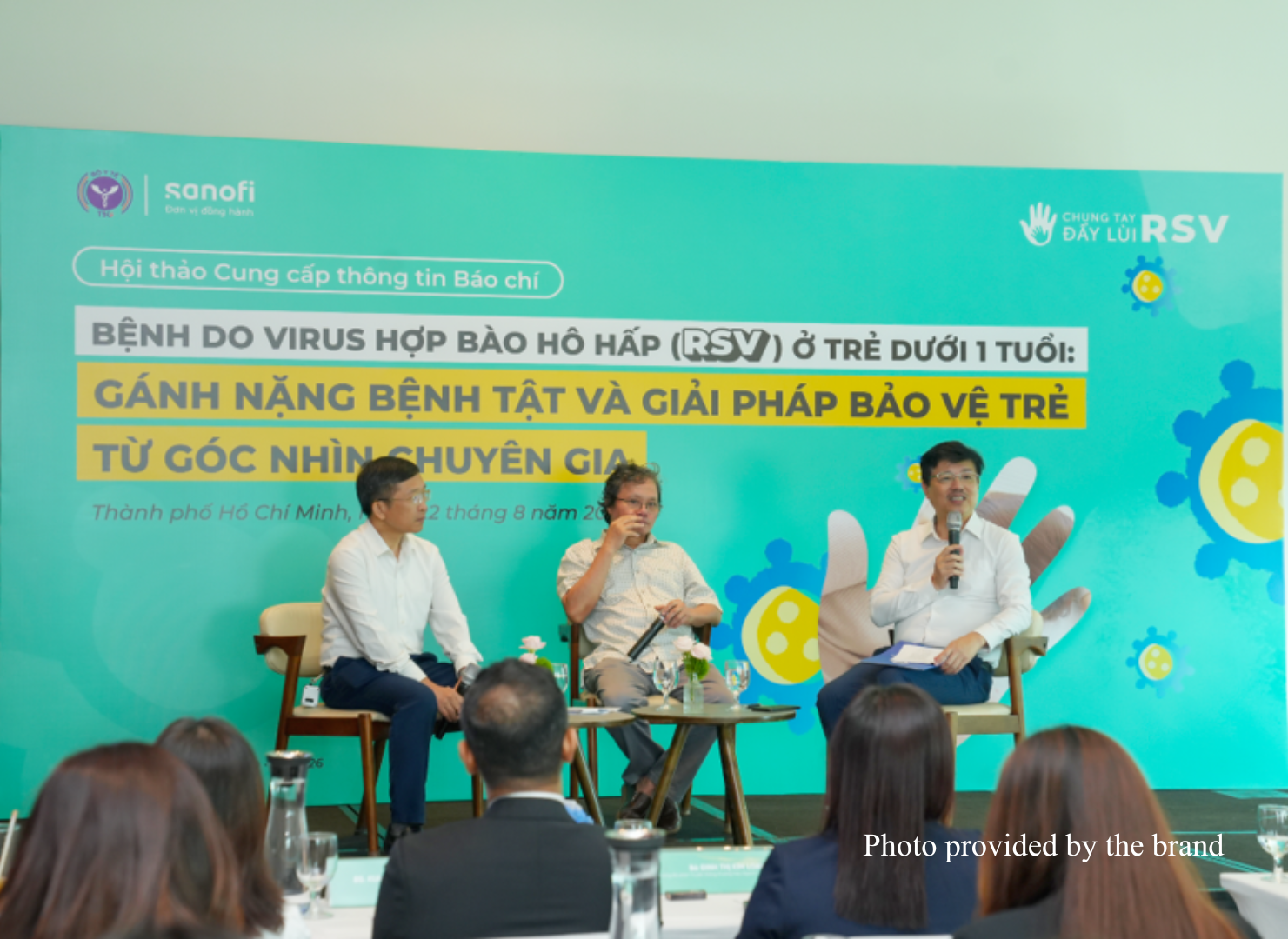
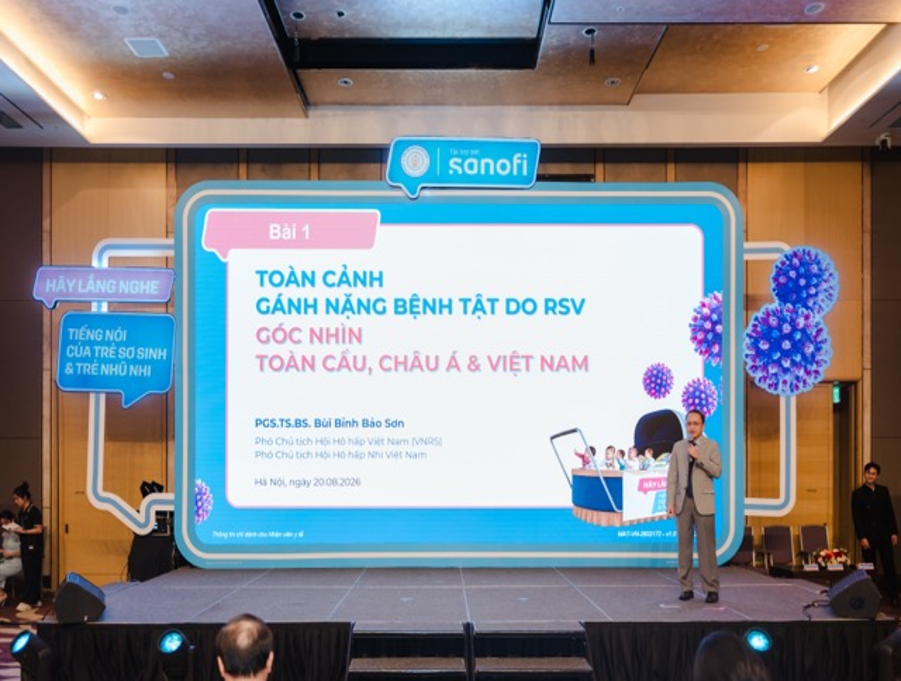
Nearly 1,000 healthcare professionals attended RSV workshops in Hanoi and Ho Chi Minh City organized by the Vietnam Pediatric Association and sponsored by Sanofi-Aventis Vietnam.
Experts shared the latest data on how widespread RSV is among children under one year old.
At the workshops, experts presented the latest evidence on the prevalence, clinical progression, and disease burden associated with respiratory syncytial virus (RSV) infection in infants under one year of age. Research findings show that RSV accounts for more than 60% of acute respiratory infections among newborns and young children worldwide. An estimated 90% of children are infected with RSV within their first two years of life, making it one of the leading causes of hospitalization among infants.
At the event, People's Physician Prof. Tran Minh Dien, MD, PhD, Director of the National Children's Hospital and President of the Vietnam Pediatric Association, noted that RSV can lead to severe lower respiratory tract illnesses, including pneumonia and bronchiolitis. Of particular concern, many children hospitalized with RSV infection, including those requiring intensive care or mechanical ventilation, were previously healthy and born full-term, highlighting the potential severity of the disease even among infants without underlying health conditions.
People's Physician, Prof. Tran Minh Dien, MD, PhD, Director of the National Children's Hospital and President of the Vietnam Pediatric Association, underscored just how widespread and unpredictable RSV can be.Provided by the organizers
Experts noted that infants under one year of age are particularly vulnerable to severe RSV infection due to their immature immune systems and narrow airways, which can be easily obstructed by mucus. Evidence also suggests that infants who experience severe RSV infection during their first year of life may face an increased risk of recurrent wheezing, asthma, or impaired lung function later in childhood. Currently, there is no specific treatment available for RSV infection.
Against this backdrop, discussions at the workshops focused on preventive strategies, including maternal vaccination during pregnancy and the use of monoclonal antibodies to protect infants from RSV.
Dr. Phan Huu Phuc, MD, PhD, Deputy Director of the National Children's Hospital and Secretary-General of the Vietnam Pediatric Association, highlighted nirsevimab, a monoclonal antibody for RSV prevention that was approved by Vietnam’s Ministry of Health for use in children under one year of age from 2025.
Experts emphasized that vaccines and monoclonal antibodies provide protection through different mechanisms. While vaccines stimulate the body to develop its own immune response, monoclonal antibodies offer immediate protection by supplying ready-made antibodies, eliminating the need to wait for the immune system to generate immunity.
According to experts, strengthening RSV prevention from an early stage can help reduce the risk of severe disease and hospitalization among infants, while lowering treatment costs, easing the caregiving burden on families, and reducing pressure on the healthcare system during peak respiratory disease seasons.
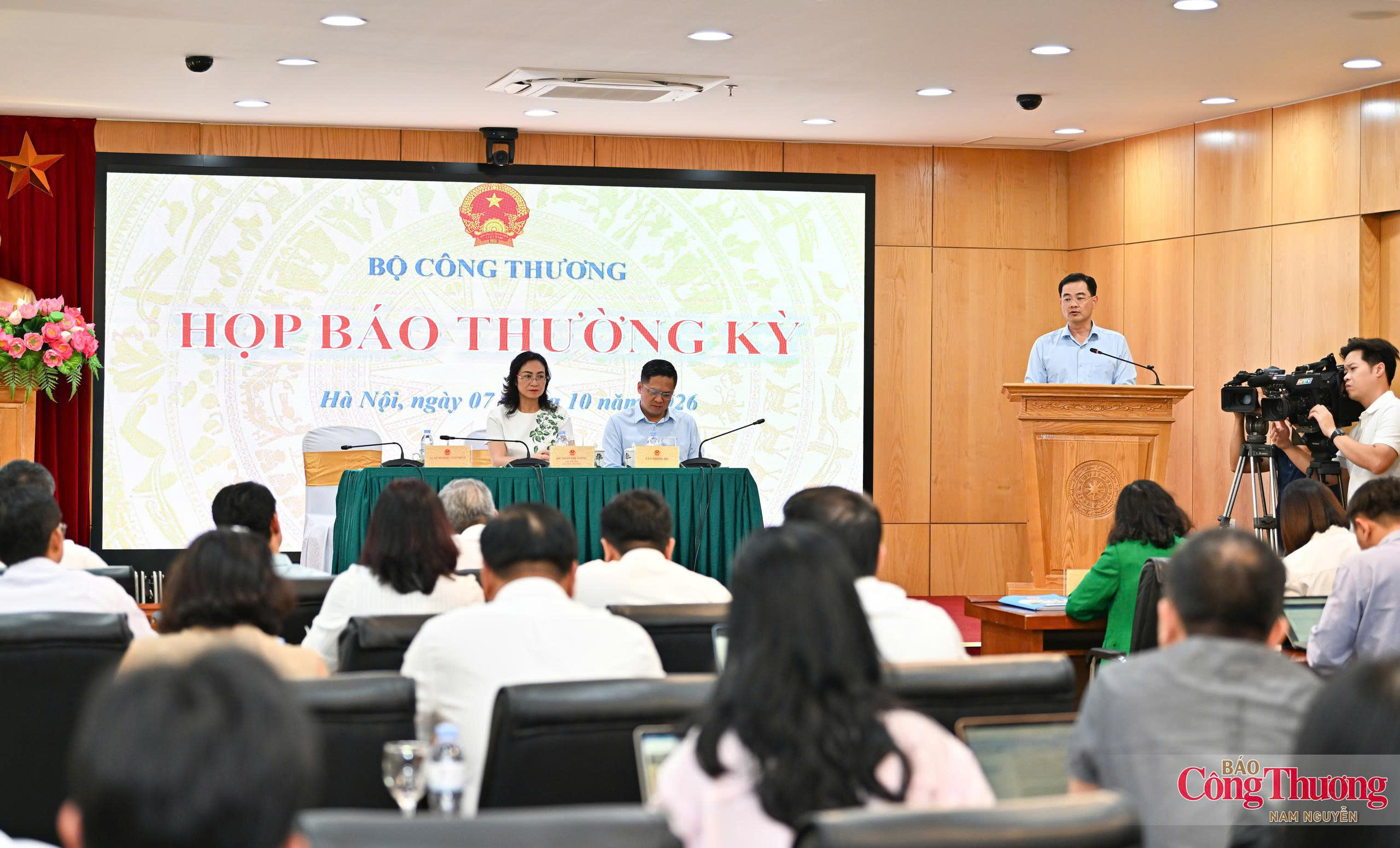
The Ministry of Industry and Trade (MoIT) held its regular press conference for the third quarter of 2026 in Ha Noi on the afternoon of October 7, chaired by Deputy Minister Phan Thi Thang.
Deputy Minister of Industry and Trade Luong Hoang Thai emphasized that building the national brand is a driving force for improving Viet Nam’s competitiveness and international standing.
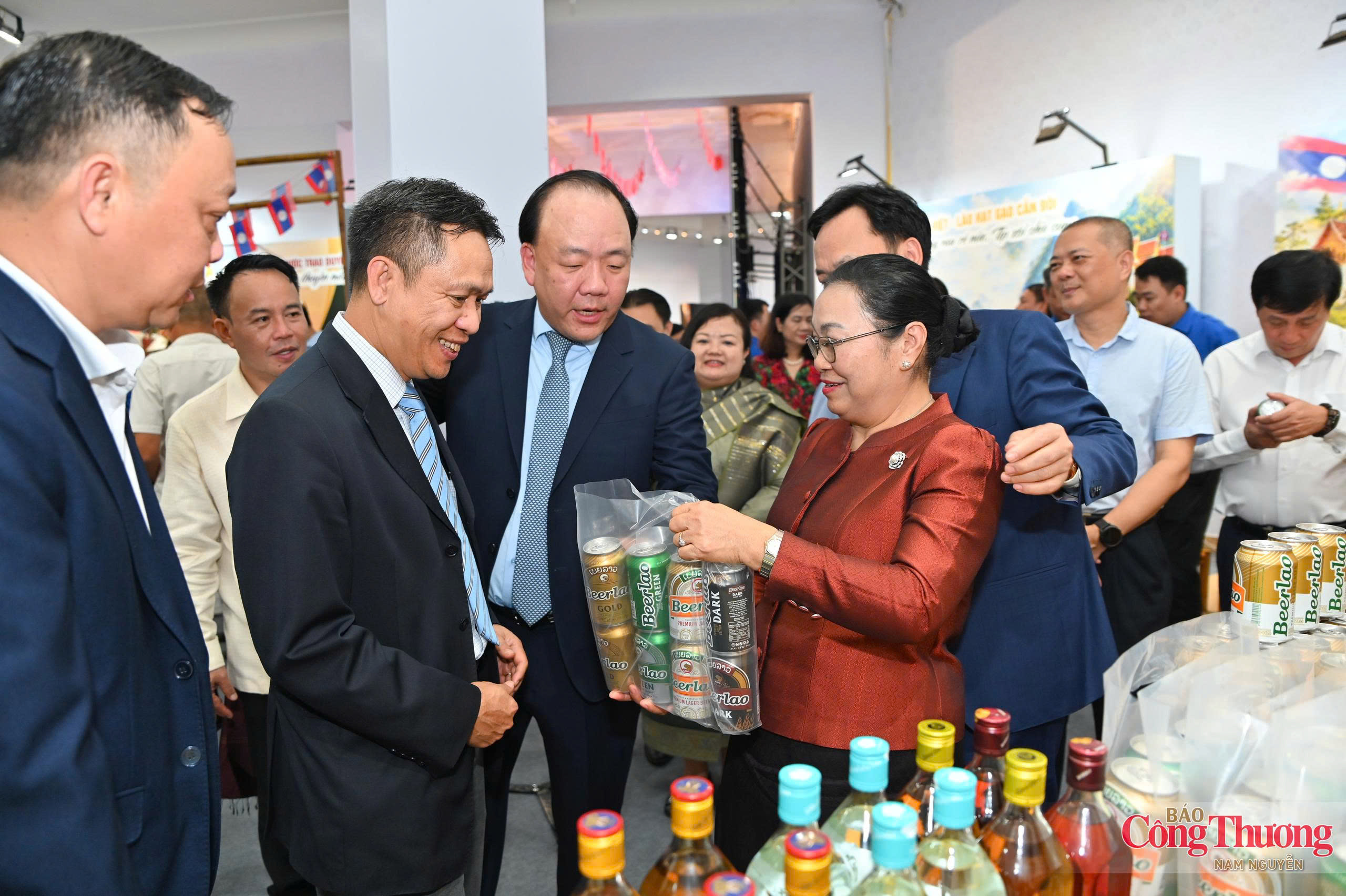
The official visit to Laos by Prime Minister Le Minh Hung is expected to inject fresh momentum into bilateral relations, with economic, trade and investment cooperation continuing to serve as a core pillar.
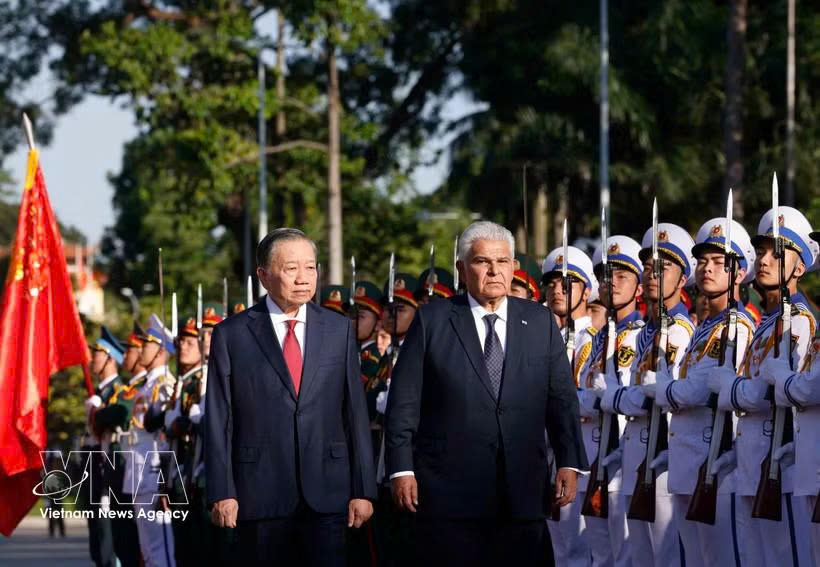
The Panamanian President’s visit is expected to contribute to further deepening and making the traditional friendship and cooperation between the two nations more substantive and effective.
Experts warn that RSV can hospitalize even healthy infants under one, with severe cases linked to long-term respiratory problems and no specific treatment available.
Vietnamese and international experts call for routine influenza vaccination to better protect older adults from severe complications and preventable deaths.
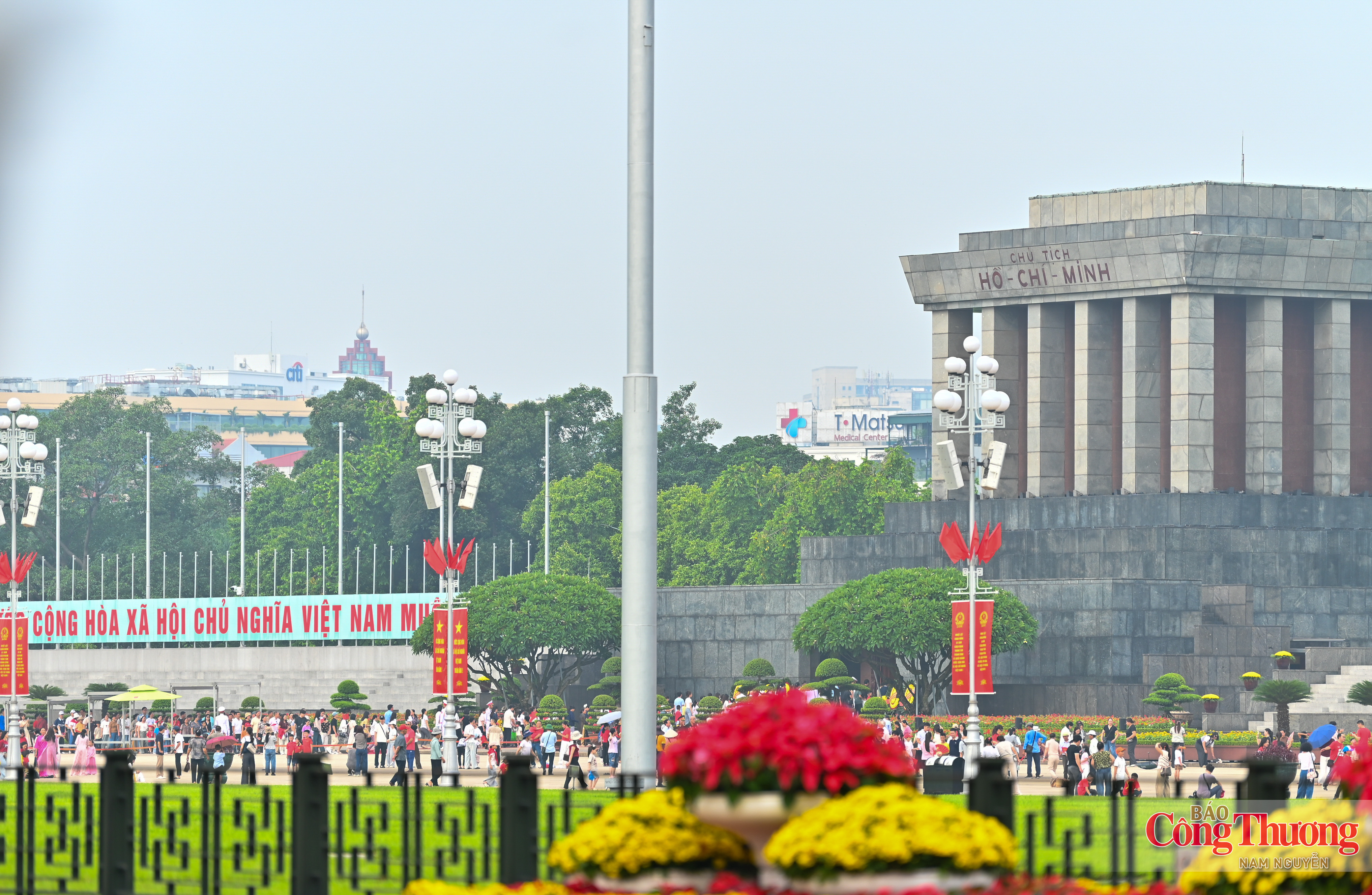
On the morning of September 1, tens of thousands of people nationwide flocked to Ba Dinh Square in Ha Noi to visit Ho Chi Minh Mausoleum and pay tribute.
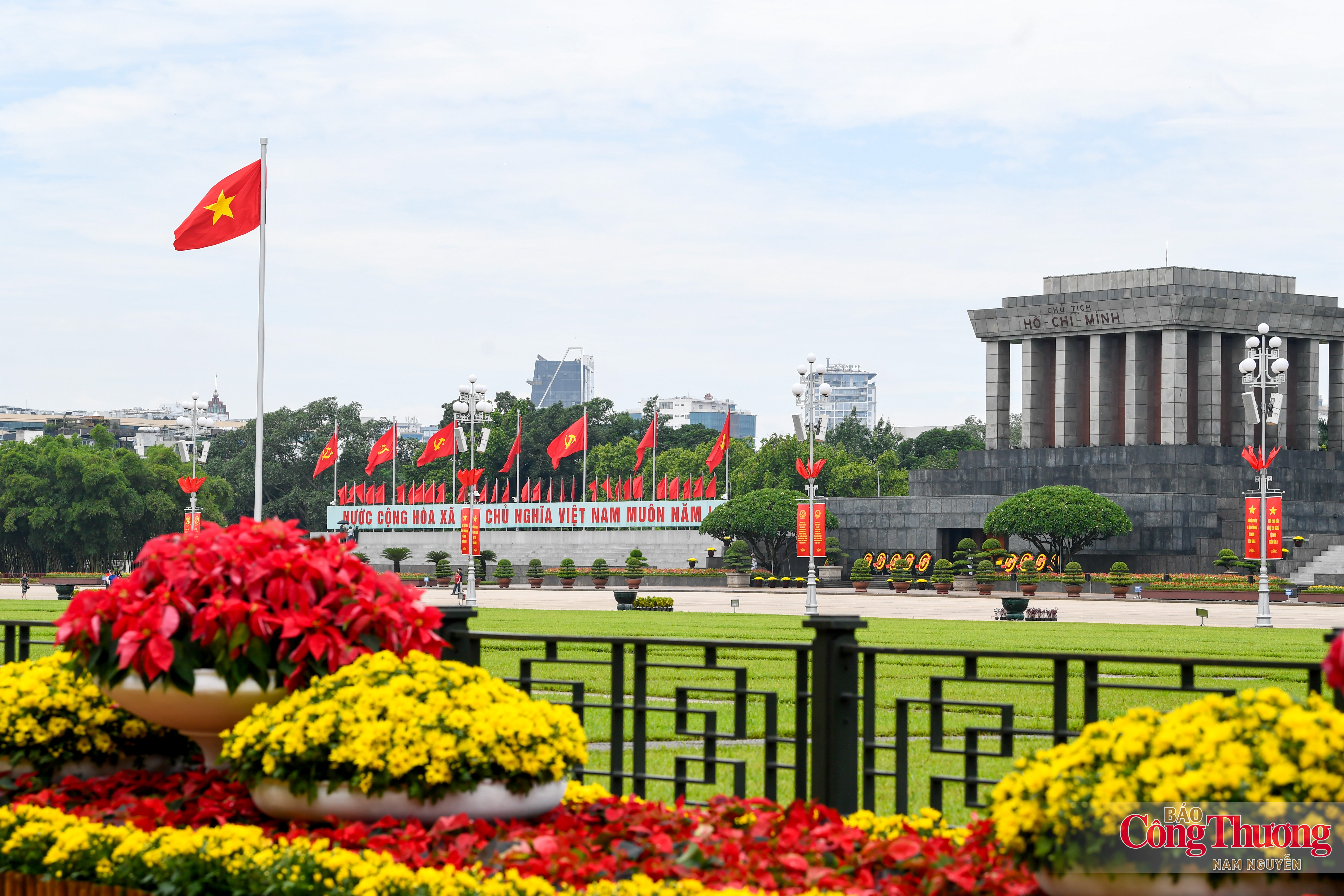
In the lead-up to National Day on September 2, Ha Noi is awash in red flags and festive decorations, creating a vibrant atmosphere and stirring national pride.
Nearly 1,000 healthcare professionals attended RSV workshops in Hanoi and Ho Chi Minh City organized by the Vietnam Pediatric Association and sponsored by Sanofi-Aventis Vietnam.