At the ceremony marking 60 years of development at Electric Power University, Vice President of the National Assembly Nguyen Hong Dien asked the university to focus on five tasks.
On the morning of November 14, 2026, in Ha Noi, the Electric Power University (EPU) held a ceremony to celebrate 60 years of development (1966–2026). Vice President of the National Assembly Nguyen Hong Dien, Minister of Industry and Trade Le Manh Hung and Secretary of the Quang Tri Provincial Party Committee Vuong Quoc Tuan attended and extended congratulations to the university.
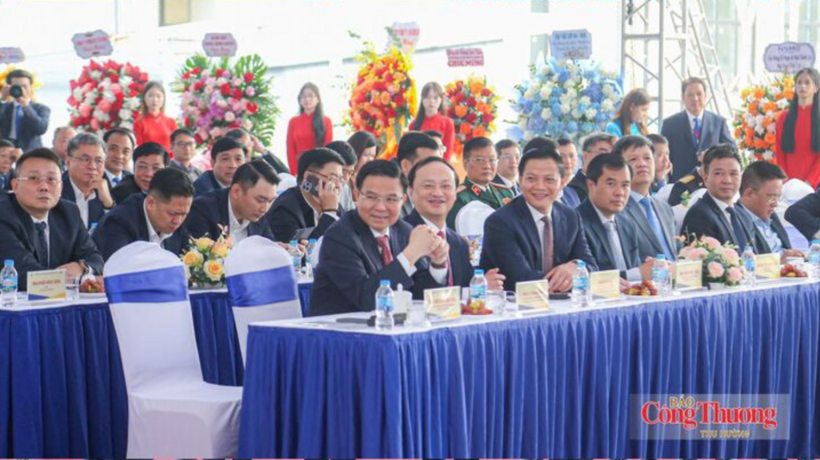
Minister of Industry and Trade Le Manh Hung and delegates attend the ceremony marking the 60th anniversary of the Electric Power University.
Also present at the ceremony were representatives of central agencies, units under the Ministry of Industry and Trade and the Ministry of Education and Training, Party Committees of universities and colleges in Ha Noi, and a delegation from Quang Tri province. The event was also attended by representatives of the Viet Nam Industry and Trade Trade Union, Viet Nam Electricity (EVN), Naval Brigade 162, police agencies, local authorities, academies, universities, colleges, research institutes, businesses and partners.
On the university's side, the ceremony was attended by members of the Executive Committee of the Party Committee and the Board of Rectors, former leaders of the university over the years, generations of teachers, officials and employees, as well as students, trainees, alumni and former trainees.
From an electrical engineering school to a multidisciplinary university
The Electric Power University carries on the technical training tradition of the Practical Industrial School, founded in 1898. On February 8, 1966, as northern Viet Nam faced the fierce destructive war waged by the American empire, the Ministry of Heavy Industry decided to split the Secondary and Advanced Electromechanical School into the Electrical Engineering Secondary School and the Mechanical Engineering Secondary School. The Electrical Engineering Secondary School, the predecessor of today's Electric Power University, was tasked with training technical human resources for the power sector.
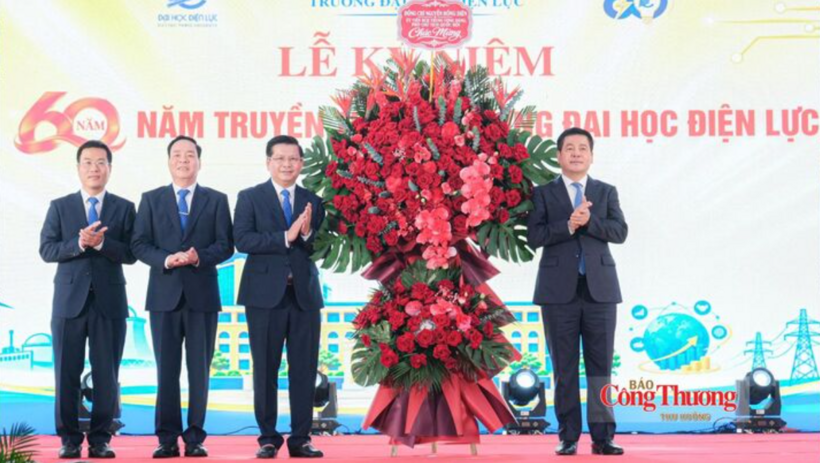
Vice President of the National Assembly Nguyen Hong Dien presents a flower basket to congratulate the university.
After several name changes, divisions and stages of development, on May 19, 2006, the Prime Minister issued Decision No. 111/2006/QD-TTg establishing the Electric Power University on the basis of the Electric Power College. The decision opened a new period of development in training, scientific research and cooperation.
Today, the Electric Power University is a public higher education institution under the Ministry of Industry and Trade, tasked with training human resources, conducting scientific research and transferring technology to serve the energy sector and socio-economic development needs. The university provides training at the undergraduate, master's and doctoral levels in fields related to electrical engineering, energy, technology and economics.
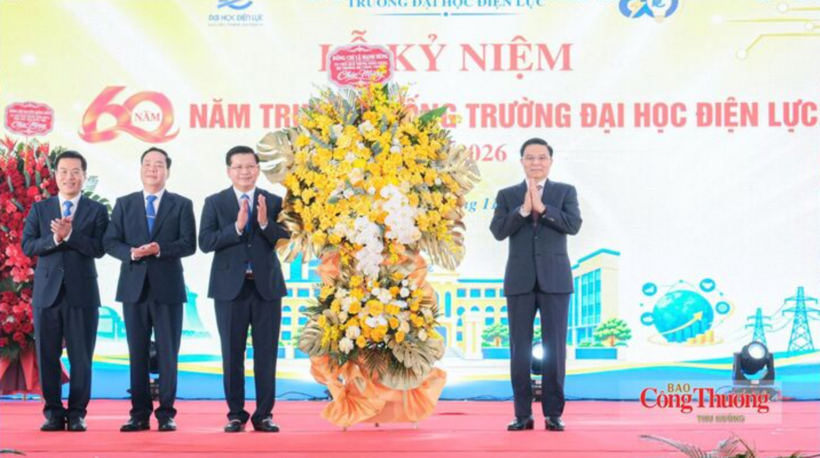
Minister Le Manh Hung presents a flower basket to congratulate the university.
Alongside renewing its training programs, improving the quality of its staff and investing in facilities, the university has focused on expanding cooperation with businesses, educational institutions and domestic and international partners. In 2026, the university enrolled students in 38 full-time undergraduate majors, broadening learning opportunities and career choices for students.
Training highly qualified human resources, mastering technology
At the ceremony, Assoc. Prof. Dr. Dinh Van Chau, Rector of the Electric Power University, stressed that the requirements of the energy transition and technological mastery demand that the university enhance its capacity, concentrate its resources and clearly define its development direction.
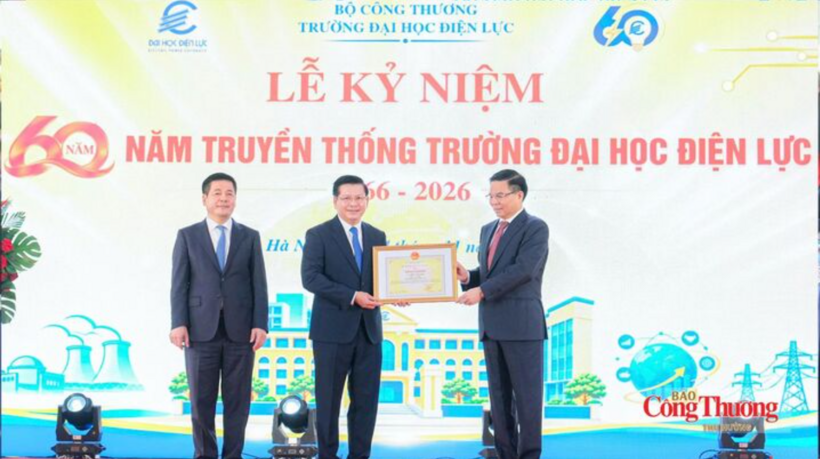
Vice President of the National Assembly Nguyen Hong Dien witnesses Minister Le Manh Hung presenting the Minister of Industry and Trade’s Certificate of Merit to Assoc. Prof. Dr. Dinh Van Chau.
In the coming period, the university aims to become a specialized, key and reputable center for training highly qualified human resources, scientific and technological research, innovation and digital transformation serving the energy sector in general and the power sector in particular. In doing so, the university will contribute to ensuring energy security and enhancing the country's technological and technical self-reliance.
According to Rector Dinh Van Chau, the university will improve training quality, link curricula with practice and business needs, and focus on postgraduate training and the development of a team of experts. Students need a solid professional foundation, digital competence, creativity and professional ethics.
The university will focus on developing its team of scientists, building research groups and specialized laboratories, and selecting practical problems of the energy sector for research, testing and transfer. Cooperation with businesses and international partners must help enhance the technological mastery of both the university and the country.
Governance reform and digital transformation must directly improve the quality of training and research and the efficiency of resource use. The university needs to build a democratic, disciplined and transparent environment that enables capable people to make the most of their strengths, recognizes individual contribution and helps students develop comprehensively.
Rector Dinh Van Chau stressed his responsibility and that of the leadership team in translating these orientations into focused tasks with clearly defined responsibilities and expected results, building consensus for the entire university to carry them out.
Five tasks proposed by the Vice President of the National Assembly
At the ceremony, Vice President of the National Assembly Nguyen Hong Dien noted that over 60 years of construction and development, generations of teachers and students of the Electric Power University have shown solidarity and creativity, overcome numerous difficulties and successfully fulfilled their assigned political tasks, contributing to training and improving the quality of human resources for national construction and development.
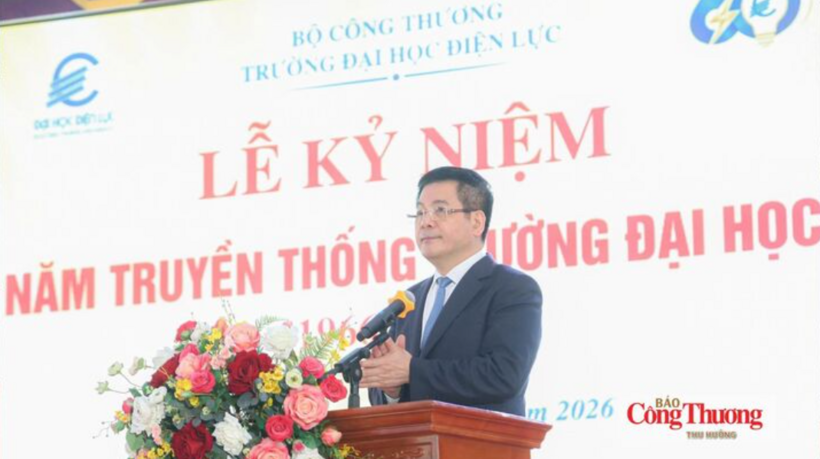
Vice President of the National Assembly Nguyen Hong Dien delivers remarks at the ceremony.
From a specialized secondary school with simple facilities and a small scale, the university has made remarkable progress in training scale, facilities and teaching and management staff, gradually affirming its position in the national education system. According to the Vice President of the National Assembly, the university currently has nearly 27,000 students and trainees enrolled in 55 programs from undergraduate to doctoral level, along with more than 800 highly qualified staff and lecturers.
In recent years, the university has reformed its management and training mechanisms and methods toward a learner-centered approach, expanded its range of majors, and linked theory with practice and hands-on experience at businesses. It has also stepped up investment in facilities and modern equipment and promoted the application of information technology in teaching, learning, scientific research and management.
According to the Vice President of the National Assembly, these reforms have helped improve the quality of graduates and affirm the university's brand. Many generations of students and trainees have grown into capable professionals and leaders and managers in various sectors, localities, agencies and businesses, contributing to the industry and trade sector and the country as a whole.
On behalf of the Party and State leaders and the Standing Committee of the National Assembly, Vice President Nguyen Hong Dien commended and congratulated the university on its achievements and acknowledged the persistent, dedicated and effective contribution of generations of teachers, officials, staff and employees to education, training and the development of high-quality human resources for the country.
The Vice President of the National Assembly said the country is entering a new era in which knowledge, science, technology, innovation and the quality of human resources determine national competitiveness and strength. Higher education must shift decisively toward both performing its training mission well and becoming a center for research, development and the transfer of knowledge and technology, contributing directly to national development.
To meet the requirements of the new situation, the Vice President of the National Assembly asked the university's Party Committee, Board of Rectors, teachers, employees and all students and trainees to focus on five tasks.
First, continue to study and thoroughly grasp the Party's guidelines and the State's policies and laws, especially the Resolution of the 14th National Party Congress, the resolutions of the Party Central Committee and the Politburo's strategic, pillar resolutions on science, technology, innovation and digital transformation, national energy security and breakthroughs in education and training development. The university needs to translate these guidelines into action programs, tasks and solutions suited to its characteristics and strengths.
The university needs to consolidate, perfect and improve the performance of its Party Committee, Board of Rectors, faculties, offices, departments and socio-political organizations. At the same time, it should uphold the responsibility of Party committees, Party organizations and leaders, promote the pioneering and exemplary spirit of officials, Party members and lecturers, and maintain solidarity, discipline and unity in implementing its development strategy.
Second, strongly reform training content, programs and methods, with training quality and students' practical competence at the center. The university should develop multidisciplinary training based on its strengths in electricity, energy, engineering and technology, and strengthen practical training, professional skills, foreign language proficiency, digital competence and students' adaptability.
The university should focus on training high-quality human resources in strategic fields such as renewable energy, nuclear power, smart grids, energy storage, automation, artificial intelligence, digital technology and emerging engineering fields. This will enable students and researchers to master and develop technology and solve practical problems.
Third, perfect a modern, transparent and professional governance model. The university should exercise genuine university autonomy linked with accountability, quality accreditation and public oversight, and step up decentralization, delegation of authority and digital transformation in management and training to ensure openness and transparency.
Staff development should be regarded as a key task, with policies to attract and make good use of talented lecturers, scientists and experts. Facilities should be modernized and a favorable academic environment built for the development of talent.
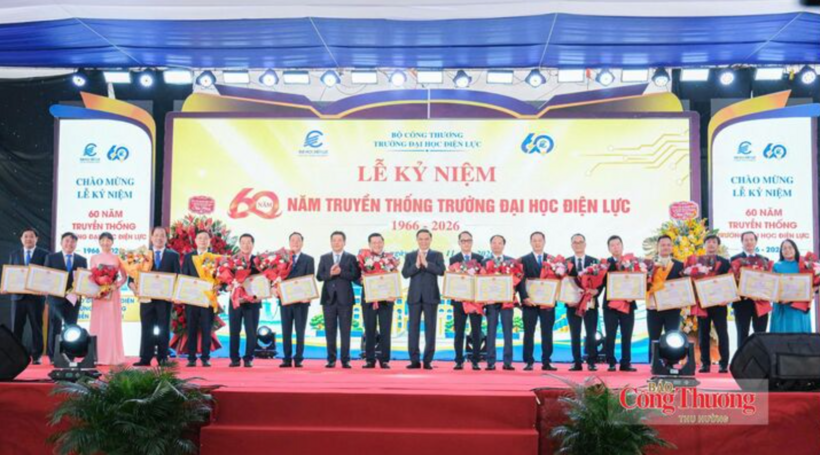
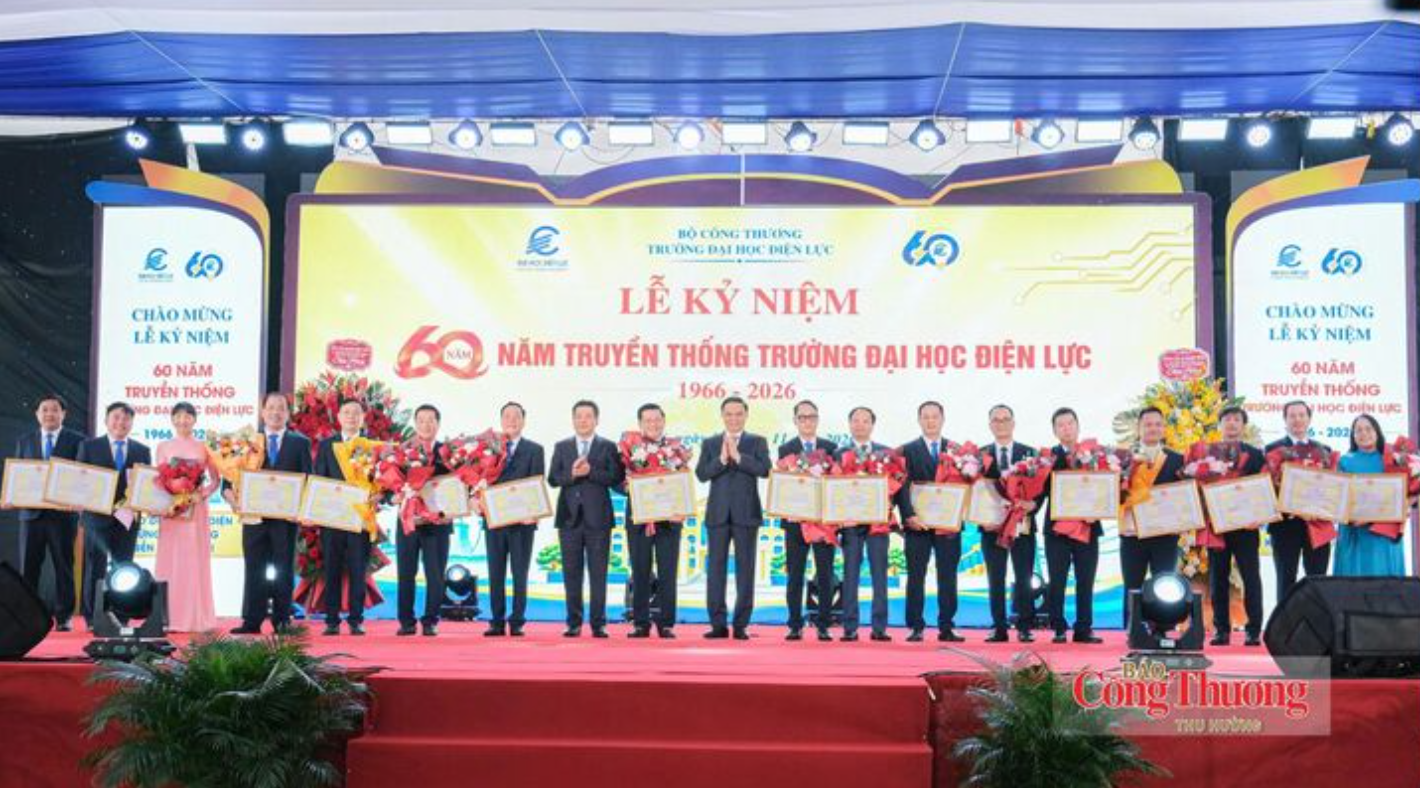
Vice President of the National Assembly Nguyen Hong Dien and Minister Le Manh Hung present Certificates of Merit to collectives and individuals with outstanding achievements in the university’s construction and development.
Fourth, link training with scientific research, innovation and technology transfer. The university should build strong research groups, make targeted investments in laboratories and practical facilities, and focus on solving problems related to energy security, energy transition and the economical and efficient use of energy.
Priority should be given to applied research and technology development in electricity and energy, while the commercialization of research results should be promoted to bring scientific products into production and daily life.
Fifth, strengthen links with businesses, research institutions and reputable universities at home and abroad. The university should proactively coordinate with groups, corporations and businesses in the power, industry and energy sectors and other economic fields to develop training programs based on practical needs and expand internship and employment opportunities for students.
International cooperation should be expanded and improved to enhance the quality of training, scientific research and technology development and transfer, gradually affirming the university's brand and reputation in the region and the world.
In addition to improving the quality of professional training, the Vice President of the National Assembly asked the university to build a healthy environment that creates favorable conditions for staff, lecturers and students to work, study, train and relax. The university should step up education on traditions and nurture revolutionary ideals, ethics and lifestyles, helping students deeply understand and cherish the historical values and traditions of the university, the Party, the country and the nation.
On that basis, students will have a foundation to nurture their dreams, ambitions and aspirations to rise and develop comprehensively. Upon graduation, they will have high professional and technical qualifications to work effectively, along with integrity, humanity, patriotism, national pride and self-respect, and a sense of responsibility toward the country and society.
Vice President Nguyen Hong Dien expressed his confidence that, with its 60-year tradition of construction and development and the solidarity, dedication and aspirations of generations of teachers and students, the Electric Power University will continue to grow strongly and affirm its position as a key, reputable and high-quality higher education institution in the energy sector. He expected the university to become a center for training, scientific research and innovation, making a practical contribution to the development of the industry and trade sector and the country.
PM Le Minh Hung called for closer cooperation in economic security, focusing on reinforcing supply chains, ensuring supplies of critical minerals and semiconductors, and developing digital infrastructure.
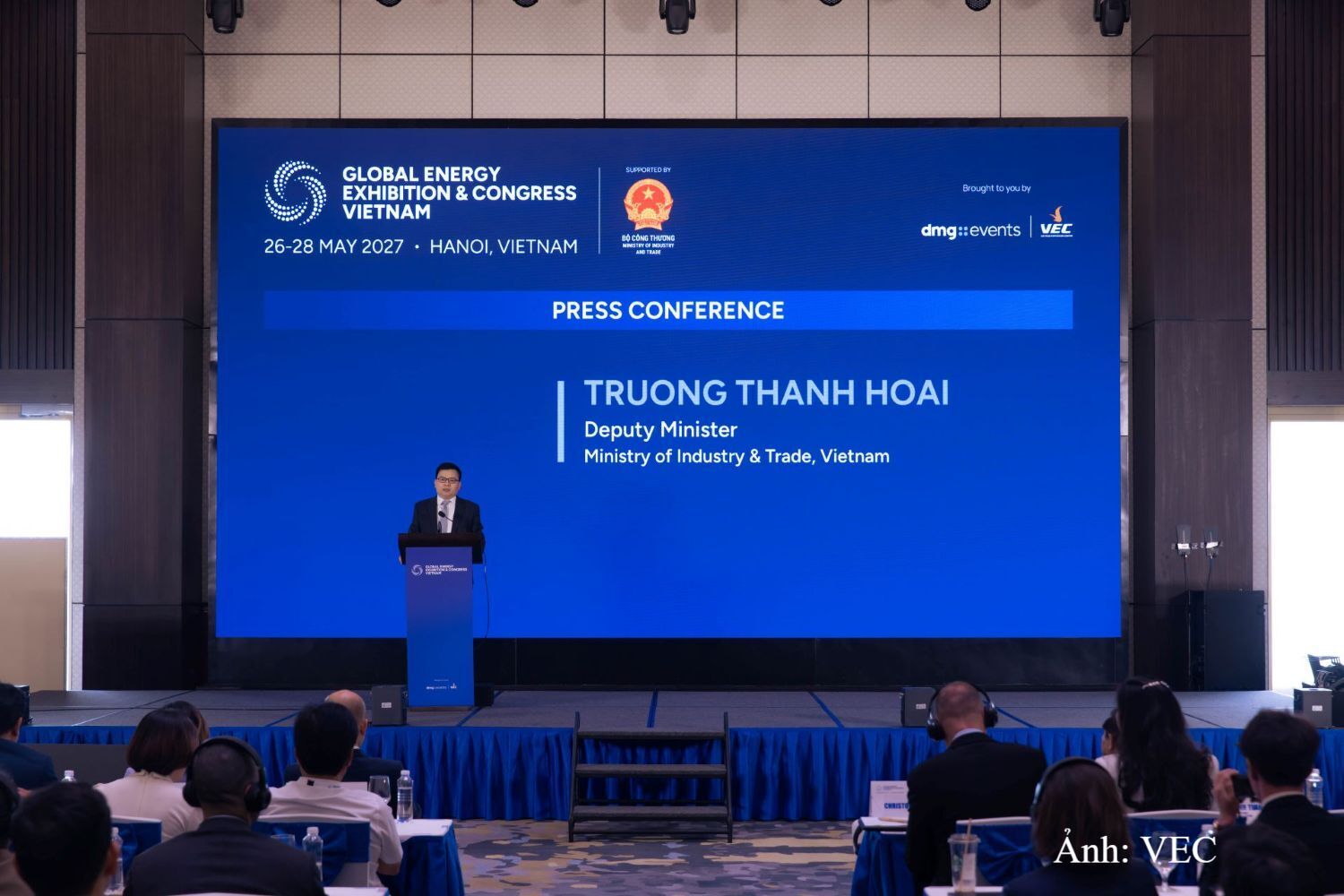
GEEC 2027 is scheduled to take place from May 26 to 28, 2027 in Hanoi, bringing together more than 800 exhibitors, 450 speakers and around 30,000 visitors and expanding opportunities for energy cooperation.
MOIT is working alongside Ninh Binh province to leverage its infrastructure advantages, strengthen regional connectivity and enhance logistics capacity.
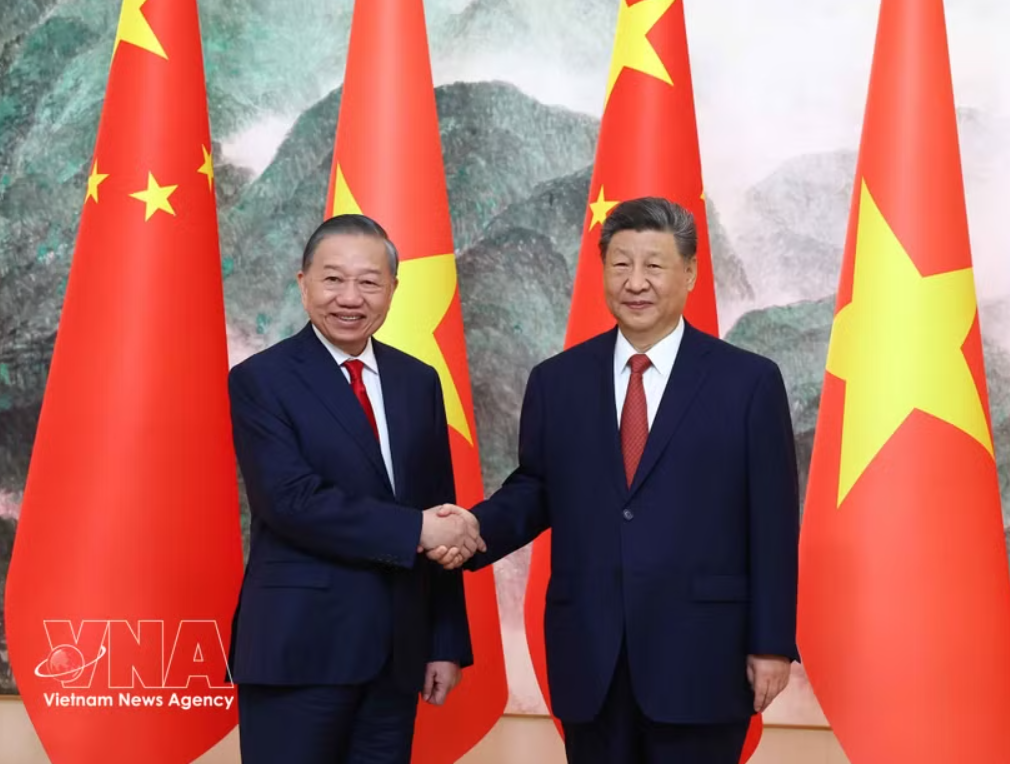
General Secretary and President To Lam asked the two countries to continue elevating strategic trust and raise economic and trade cooperation to a new height marked by greater balance, sustainability, and integration.
Viet Nam is improving mechanisms and policies for energy infrastructure and rolling out its national plan for petroleum and gas reserve and supply infrastructure through 2030, with a vision to 2050, said Prime Minister Le Minh Hung.
At the ceremony marking 60 years of development at Electric Power University, Vice President of the National Assembly Nguyen Hong Dien asked the university to focus on five tasks.
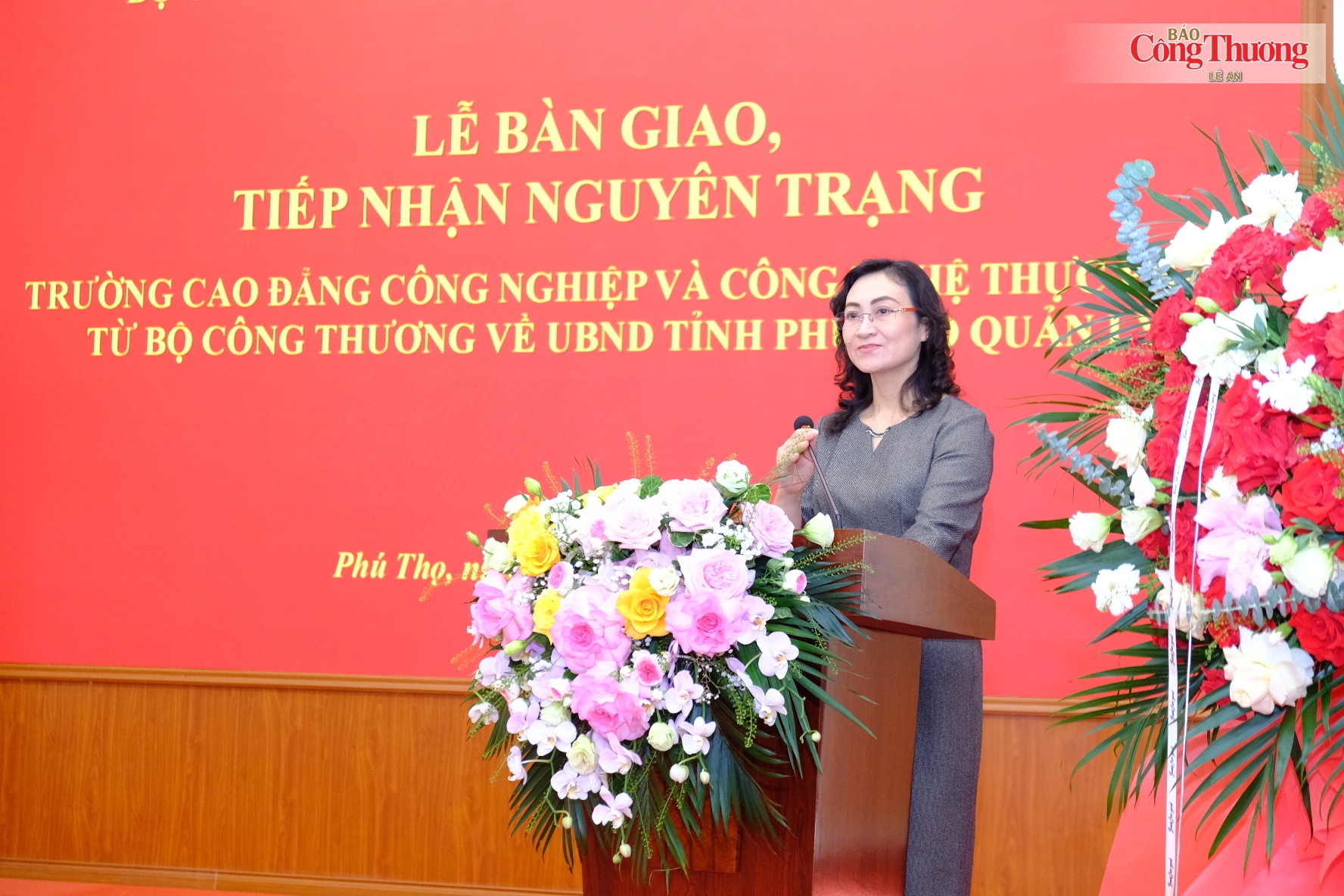
Ministry of Industry and Trade (MoIT) and the People’s Committee of Phu Tho province have organised the handover and reception of the College of Industry and Food Technology, opening a new phase of development for the institution.
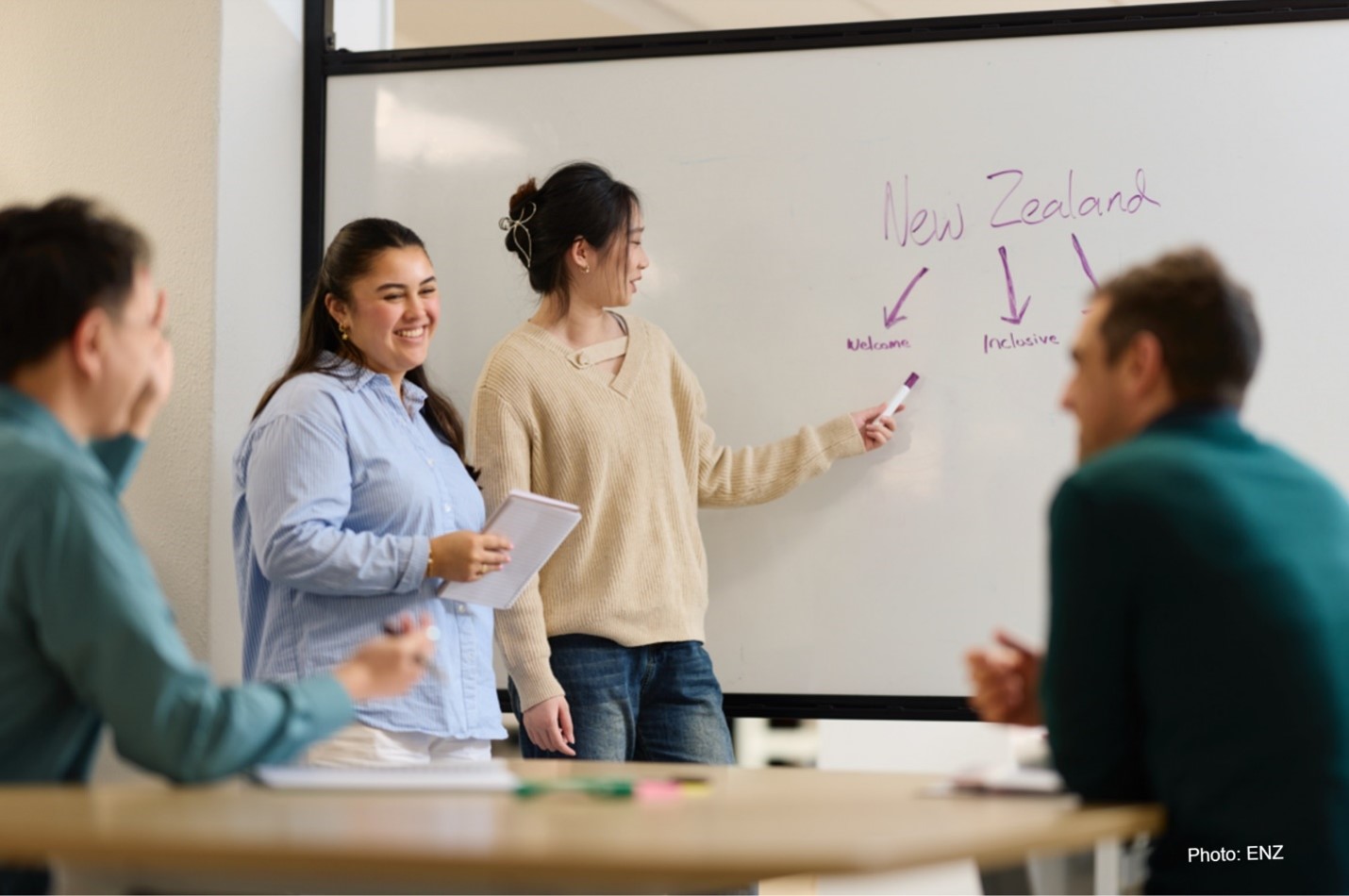
New Zealand is prioritising Viet Nam as a growth market, expanding education partnerships and opportunities for students through long-term cooperation.
For more than three decades, Ms. Dang Thi Thanh Huong has quietly shaped the legacy of Dong Phuong Cake & Confectionery, a brand rooted in tradition, craftsmanship.