Vietnam’s trade turnover is hitting record highs, with flexible and consistent policy support emerging as a key driver of growth for 2026 - 2030.
Vietnam’s import-export sector is setting new records, supported by Ministry of Industry and Trade’s flexible yet consistent governance, an important foundation for expanding markets, strengthening trade capacity and sustaining economic growth in the coming years.
In an interview with Newspaper of Industry and Trade, Associate Professor Dr. Nguyen Thuong Lang, an expert in economics and international trade and senior lecturer at the Institute of Commercial and International Economics, National Economics University, shared his assessment of key policy pillars and future directions for Vietnam’s trade development.
Policies Sustaining Strong Trade Momentum
Vietnam is expected to achieve GDP growth of around 8% this year, with total import-export turnover exceeding USD 920 billion despite global challenges. How do you assess the leadership role of the Party, the State and Ministry of Industry and Trade?
Assoc. Prof. Dr. Nguyen Thuong Lang: In 2025, despite many difficulties, Vietnam’s total trade turnover is projected to reach about USD 920 billion and could even move closer to the USD 1 trillion mark, higher than earlier forecasts. Notably, geopolitical tensions, global economic uncertainty and supply-chain disruptions have not slowed Vietnam down. Instead, they have pushed the country to adapt more quickly and strengthen its position.
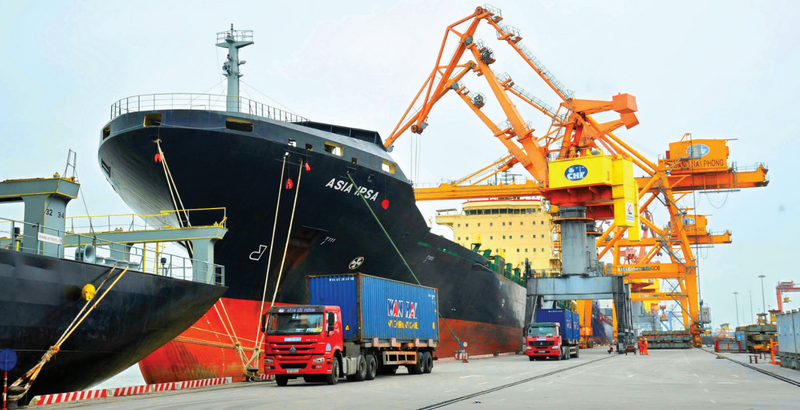
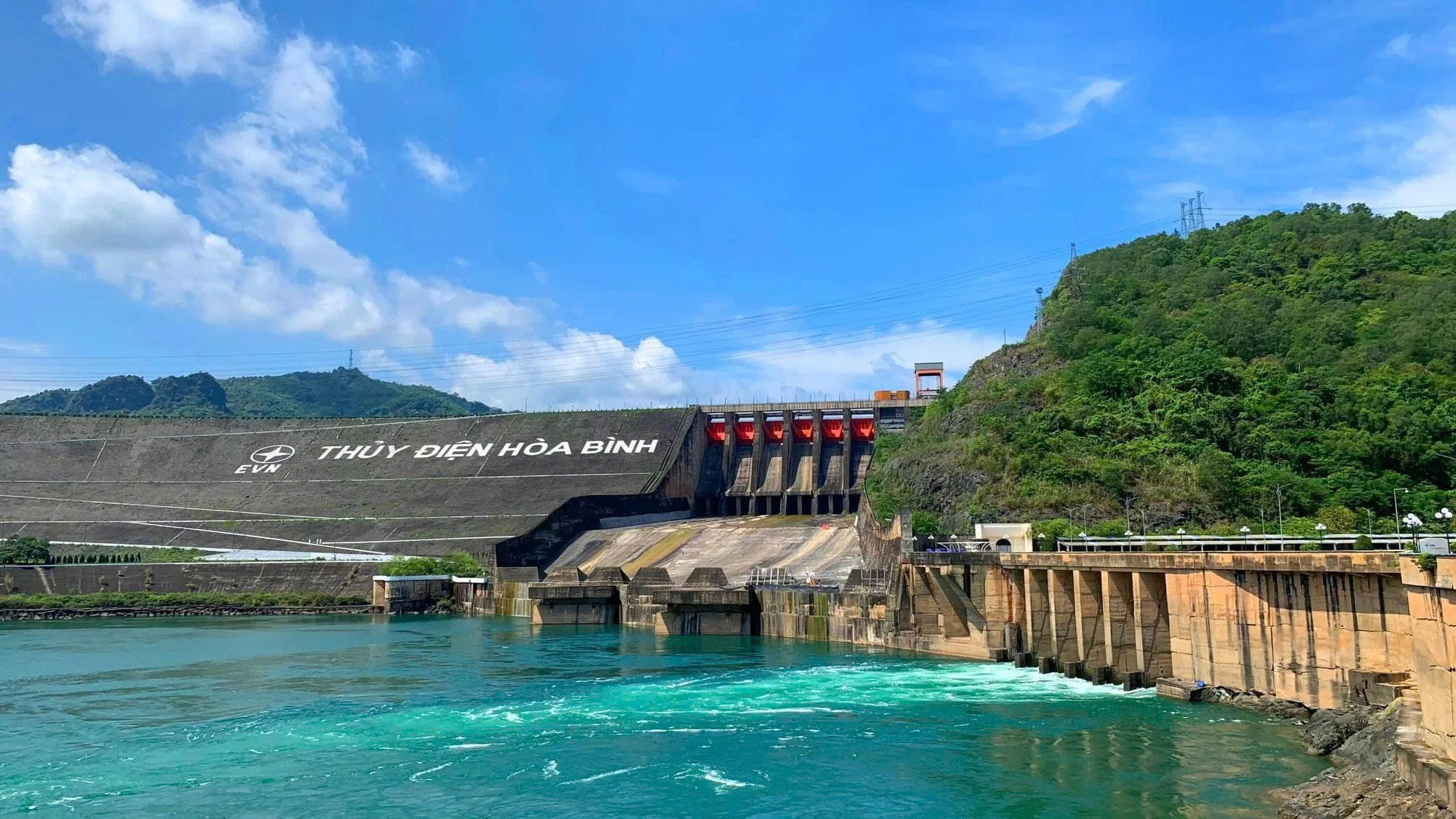
Import-export activities have become an important driver of economic growth. Photo: Can Dung
Vietnam has maintained strong momentum in import-export growth. Ministry of Industry and Trade has played a clear and timely role in policy making, setting targets and managing trade activities in response to changing global conditions.
Export promotion programmes, trade facilitation measures and overseas market surveys have been implemented in a structured manner. These efforts have helped businesses better understand international markets, identify partners and achieve practical results.
At the same time, the business environment has continued to improve, creating more favourable conditions for import - export enterprises and encouraging them to engage more actively in global markets. This has generated new momentum for the industry and trade sector as a whole.
The combination of attracting foreign direct investment and promoting exports has improved both the scale and quality of Vietnam’s trade. The export structure has shifted significantly, with high-tech products now accounting for around 36% of total exports an unprecedented level largely driven by foreign-invested enterprises.
Import - export activities have become a major engine of economic growth. In this process, Ministry of Industry and Trade has played a dual role as both policy designer and effective implementer.
Developing export-oriented supply chains, especially green supply chains, is also crucial. These supply chains need to respond quickly to market changes and provide timely information to businesses. In addition, Vietnam’s active participation in negotiating and signing free trade agreements over the past two decades has helped expand market access and strengthen the country’s position in global trade.
These results are not short-term achievements but the outcome of a long-term process, backed by consistent and coordinated leadership from the Government.
Three Pillars for Sustainable Growth
Some believe that pressure and challenges can drive innovation. Administrative reform and business support by the Ministry of Industry and Trade are seen as key factors in improving trade capacity. What is your view?
Assoc. Prof. Dr. Nguyen Thuong Lang: In today’s complex global environment, Ministry of Industry and Trade plays a leading and irreplaceable role. Ministry's has balanced its responsibilities as both regulator and market supporter, pushing forward administrative reforms while working closely with businesses to strengthen trade capacity and improve the business environment.
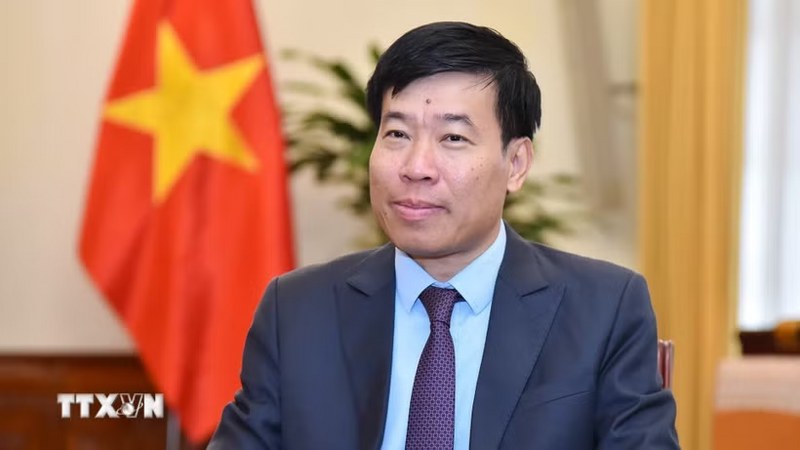
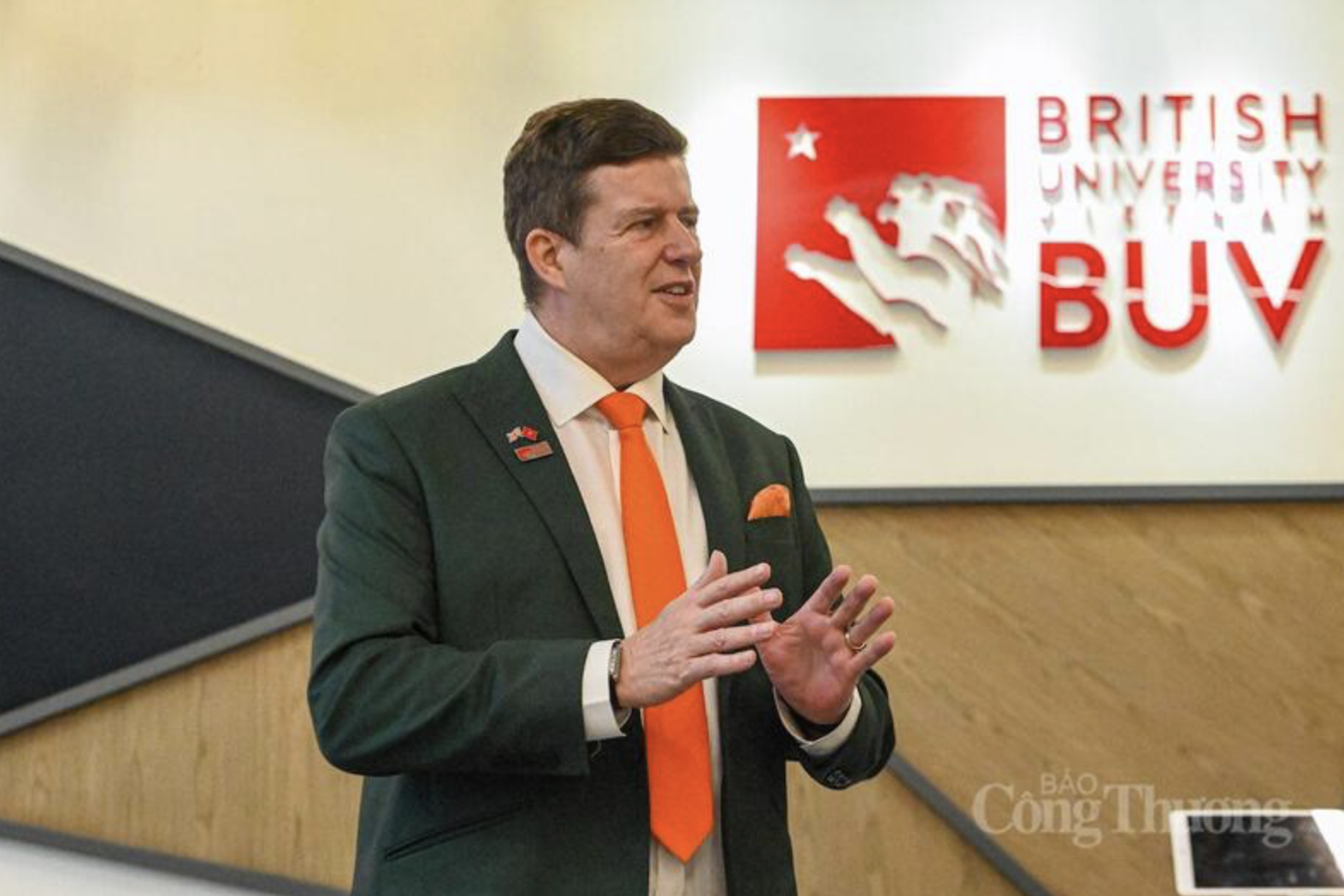
Assoc. Prof. Dr. Nguyen Thuong Lang, an expert in economics and international trade and senior lecturer at the Institute of Commercial and International Economics, National Economics University. Photo: N.H.
One clear example is the decentralisation of authority in issuing certificates of origin (C/O). Although this is a technical reform, it has had a strong impact by simplifying procedures, reducing processing time and better meeting the needs of businesses.
Importantly, the Ministry does not stop at issuing policies but works directly with local authorities during implementation. Investment promotion programmes, product promotion weeks and market connection activities have been carried out regularly, helping to build a more dynamic trade culture and increasing business confidence in international markets.
Outlook for 2026 - 2030
As Vietnam enters the 2026 - 2030 period, what opportunities do you see for economic, industrial and trade development?
Assoc. Prof. Dr. Nguyen Thuong Lang: Although some barriers remain, Vietnam is facing significant opportunities to further develop its industry and expand trade. To fully seize these opportunities, it is essential to continue improving the business environment, especially by reducing costs for enterprises, including informal costs.
Logistics remains a major challenge. While Vietnam has a relatively large transport fleet, limitations in cold storage, transport infrastructure and logistics connectivity continue to increase costs. Improving these areas would help reduce expenses, enhance trade competitiveness and make supply chains more efficient.
Economic diplomacy will also be critical. Actively developing markets, attracting partners, facilitating contracts and ensuring stable investment flows will help support long-term and sustainable economic growth.
Looking ahead, Vietnam’s total import-export turnover is expected to surpass USD 1 trillion, while the industrial sector is likely to maintain double-digit growth. This highlights the urgent need to build strong, well-connected supply chains and improve the overall capacity of Vietnam’s import-export system.
At the same time, expanding both the depth and reach of markets including emerging areas such as Halal markets, Africa and ASEAN along with closer coordination between industrial and trade policies, will provide a strong boost to economic growth in the next phase.
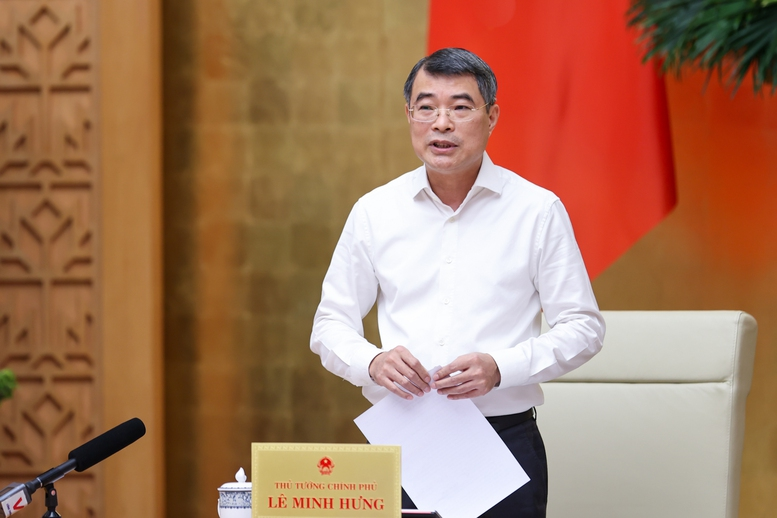
Prime Minister Le Minh Hung attends the 48th ASEAN Summit in Cebu, reaffirming Vietnam’s strong commitment to ASEAN cooperation and regional resilience.
The Ministry of Industry and Trade is seeking feedback on a draft decree on power works protection and hydropower safety, set to replace Decree No. 62/2025/ND-CP.
The State visit by Vietnam’s top leader to Sri Lanka on May 7 - 8 underscores deepening bilateral ties, paving the way for expanded cooperation in trade and investment, and stronger engagement with South Asia.
On the afternoon of May 4, Prime Minister Le Minh Hung chaired the Government’s regular meeting for April 2026, the first such session of the 16th-term Government.
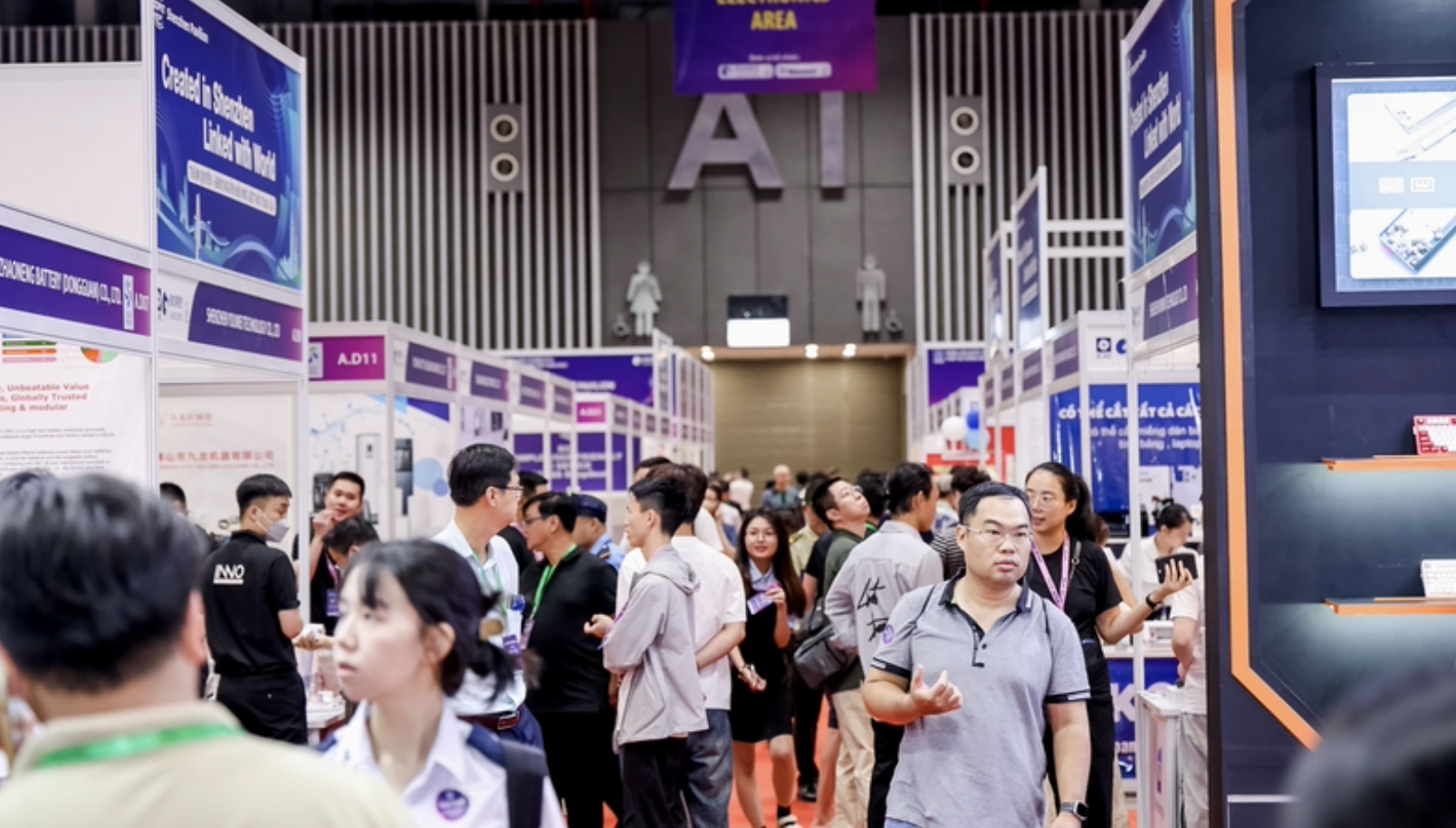
More than 300 companies are set to participate in business matching activities at the International Electronics and Smart Appliances Expo Vietnam (IEAE 2026), scheduled to take place from May 28 to 30 in Ho Chi Minh City.
Vietnam has issued a plan to implement the Law on E-commerce, defining tasks, timelines and coordination to ensure effective enforcement from July 1, 2026.
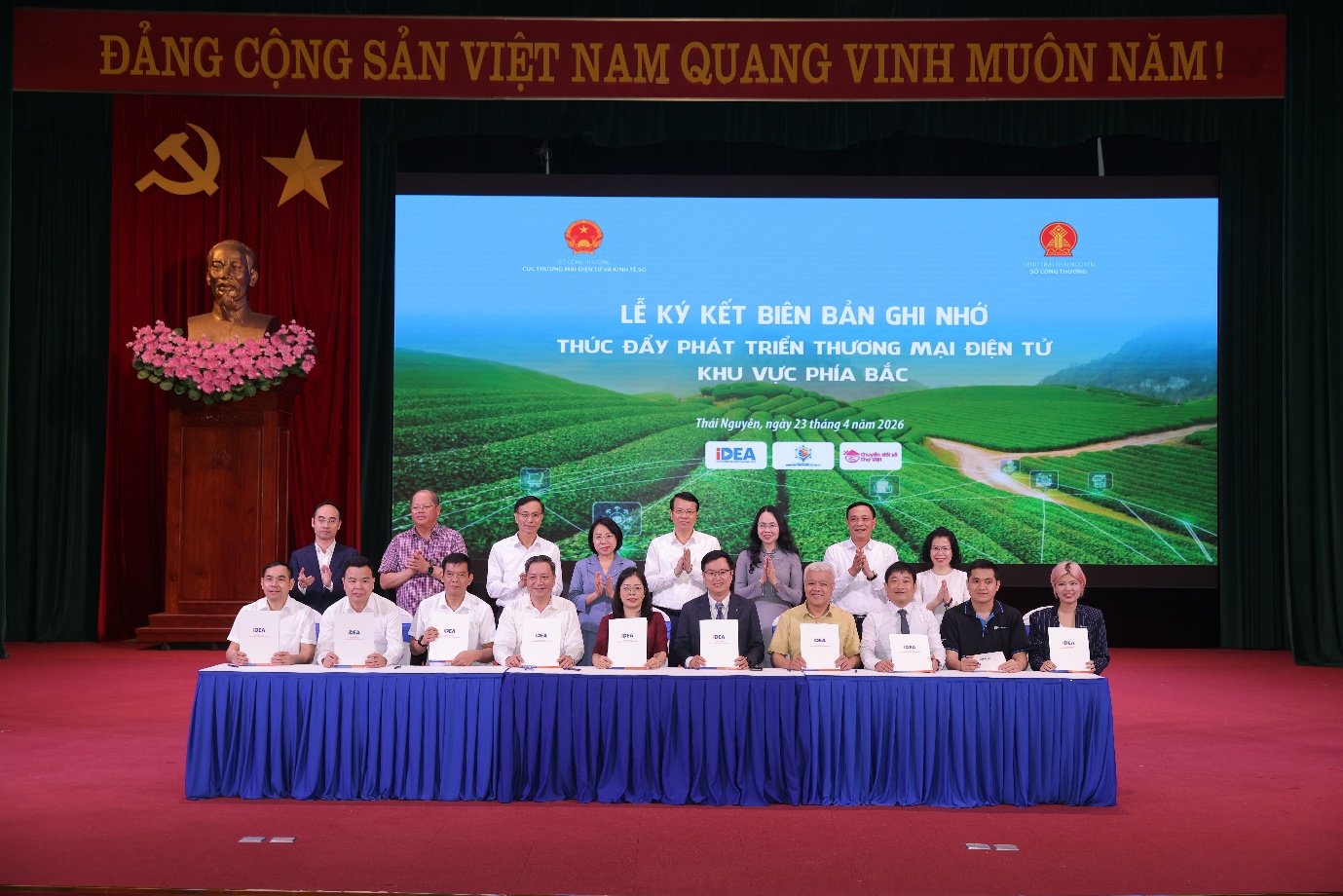
The programme in Thai Nguyen promotes e-commerce in northern Vietnam, linking localities with digital firms to expand markets and boost Vietnamese goods.