As Tet approaches, farmers in Duc Bac flower village are racing against time to perfect flowers and ornamental plants for the 2026 Lunar New Year market.
Phu Tho’s Duc Bac flower village races to meet Tet market demand
As spring colors begin to spread across rural areas toward the year’s end, flower and ornamental plant villages enter their busiest season. In Duc Bac flower village, Song Lo commune widely regarded as the flower and ornamental plant “capital” of Phu Tho production activities are more vibrant than ever. Local farmers are pouring all their effort into caring for and perfecting each pot of flowers and each shaped ornamental tree, racing against time to supply the market for the Lunar New Year of the Year of the Horse 2026.
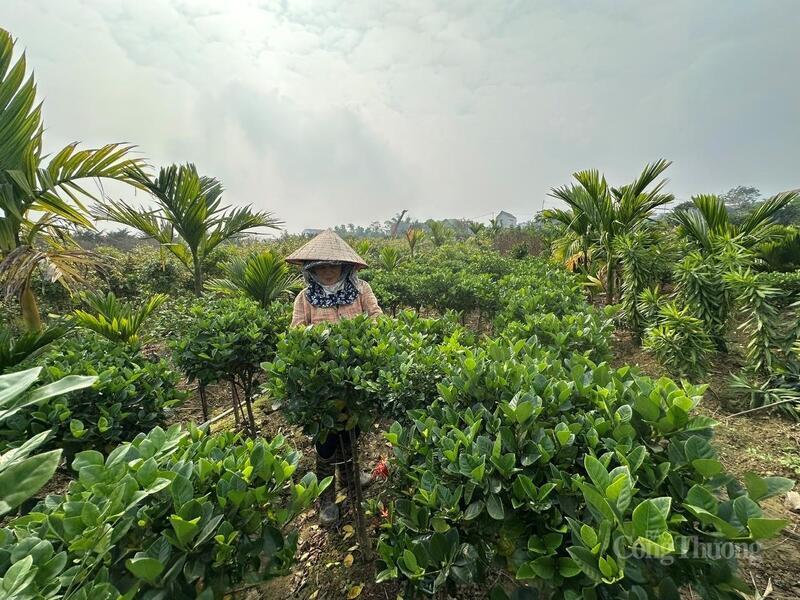
Duc Bac flower village is considered the flower and ornamental plant hub of Phu Tho province.
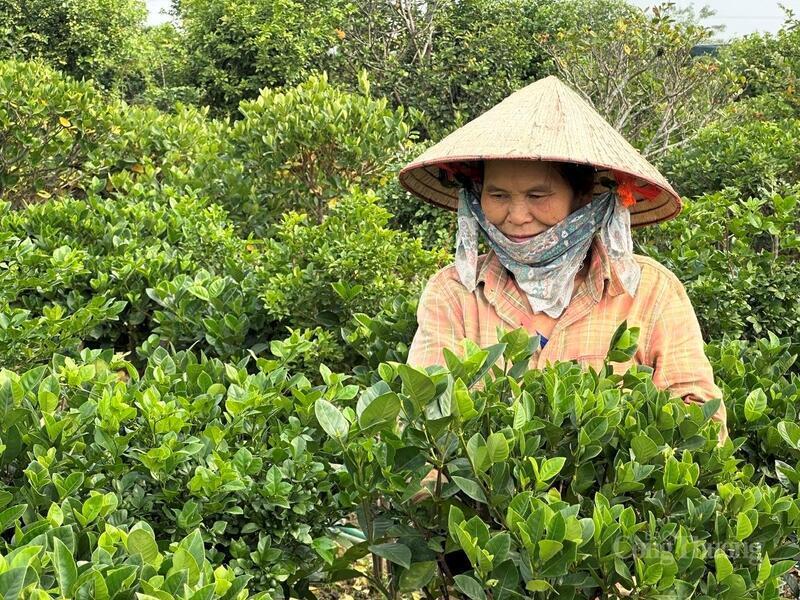
We arrived in Duc Bac flower village, Song Lo commune, when just over a month remained until Tet. Across the flower fields and garden plots, from early morning, the sounds of voices and pruning shears filled the air. Farmers busily tilled soil, shaped branches, trimmed leaves and fertilized each pot and each ornamental tree, all with the hope that their products would reach peak perfection in the hands of flower lovers during Tet.
Flower cultivation reshapes the rural landscape
Once a purely agricultural area, Song Lo commune has seen clear economic transformation thanks to decades of engagement in flower and ornamental plant cultivation. Along village roads, nestled among colorful flower gardens, stand multi-story houses, garden homes and spacious villas, visible evidence of the economic benefits brought by the flower-growing profession.
According to local statistics, Song Lo commune currently has more than 40 hectares devoted to flowers and ornamental plants, with over 300 households involved, mainly concentrated in Khoai Trung and Khoai Thuong villages. The trade began in 1996, when several households learned and introduced production models from Hung Yen province. After nearly 30 years, it has grown steadily into a key economic pillar of the locality.
In fields and home gardens alike, a wide range of flowers and ornamental plants are carefully nurtured, including roses, four-season apricot blossoms, peonies, sweet olive, bougainvillea, and Podocarpus macrophyllus. Each type requires specific care techniques from watering and fertilization to shaping and pest control especially during the critical pre-Tet period.
Farmers carefully trim, shape and nurture ornamental plants to ensure the highest quality for Tet buyers.
Recalling the village’s most prosperous phase, Tran Quoc Tuy, a resident of Khoai Trung village, said the “golden period” of Duc Bac’s flower trade fell around 2012-2013, when sweet olive trees suddenly surged in popularity and prices multiplied.
“At one point, each sweet olive tree sold for VND 4-5 million, with strong demand. Many households earned hundreds of millions, even billions of dong per year,” Tuy shared. As a result, numerous families were able to build solid houses and expand production, giving Duc Bac a new rural appearance.
In recent years, however, the flower and ornamental plant market has at times shown signs of saturation and slowdown. Even so, compared with traditional crops, flowers and ornamental plants still deliver three to four times higher economic value. For that reason, Duc Bac farmers remain committed to the trade, maintaining stable cultivation areas while gradually adjusting crop structures to better match market demand.
Tran Thi Thuan from Khoai Thuong village said: “My family has been growing flowers and ornamental plants for 10 years, with about three sao of land, mainly jasmine, Wrightia religiosa and sweet olive. This year’s weather has been unfavorable due to flooding, so we are focusing on the best possible care for the Tet season. At present, many traders have already come to place orders, and prices are higher than last year.”
Bustling trade as Tet approaches
Unlike many flower-growing areas that must transport products over long distances, most flowers and ornamental plants in Song Lo are purchased directly at the gardens by traders and hobbyists. As Tet draws nearer, the number of visitors to Khoai Trung and Khoai Thuong villages increases sharply, creating a lively trading atmosphere across the countryside.
Beyond garden sales, some households transport flowers and ornamental plants to urban areas or rent selling spaces during the peak pre-Tet days. For larger-scale gardens with high-value trees, market reach is even broader.
To diversify products and avoid direct competition, many households focus on cultivating a limited number of plant varieties, contributing to a more diverse and balanced market. This approach makes it easier for buyers to choose and helps sellers move products more efficiently.
During Tet, camellia, rose and multi-colored bougainvillea trees are consistently among the best sellers. In recent years, responding to changing consumer preferences, several households have also brought hundreds of rose trees from highland areas for cultivation, adding new highlights to Duc Bac flower village and attracting visitors from many localities.
Veteran flower growers noted that erratic weather this year has posed challenges in controlling bloom timing for Tet. To maintain product quality, farmers closely monitor weather developments and proactively apply protective measures, adjust irrigation and fertilization, and implement timely pest control.
With many flower-growing regions elsewhere affected by floods that have reduced production areas, prices of flowers and ornamental plants this Tet are forecast to rise. This is seen as an opportunity for Duc Bac gardeners to enhance product value and income, provided they seize the moment and meet market demand effectively.
Amid the year-end rush, Duc Bac flower village continues to quietly “cultivate” spring across its fields and gardens. Beyond bringing vibrant colors to Tet celebrations, the flower and ornamental plant trade is steadily opening a path toward sustainable economic development, enriching local livelihoods and adding fresh hues to the rural renewal landscape along the Lo River.
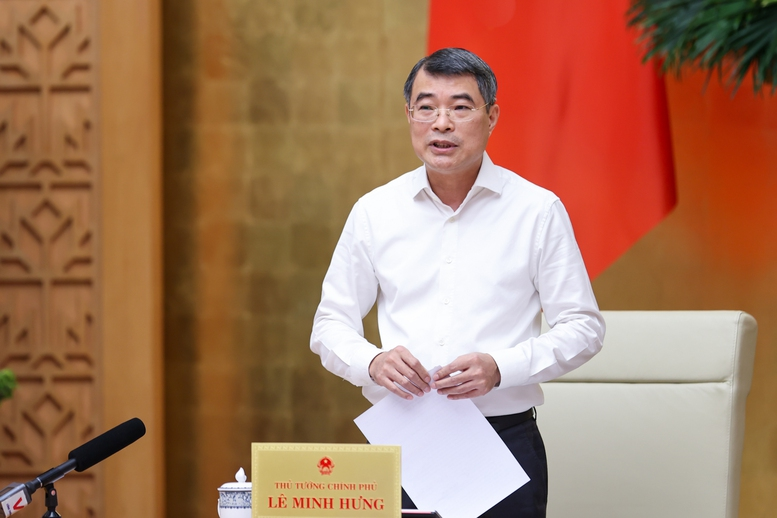
Prime Minister Le Minh Hung attends the 48th ASEAN Summit in Cebu, reaffirming Vietnam’s strong commitment to ASEAN cooperation and regional resilience.
The Ministry of Industry and Trade is seeking feedback on a draft decree on power works protection and hydropower safety, set to replace Decree No. 62/2025/ND-CP.
The State visit by Vietnam’s top leader to Sri Lanka on May 7 - 8 underscores deepening bilateral ties, paving the way for expanded cooperation in trade and investment, and stronger engagement with South Asia.
On the afternoon of May 4, Prime Minister Le Minh Hung chaired the Government’s regular meeting for April 2026, the first such session of the 16th-term Government.
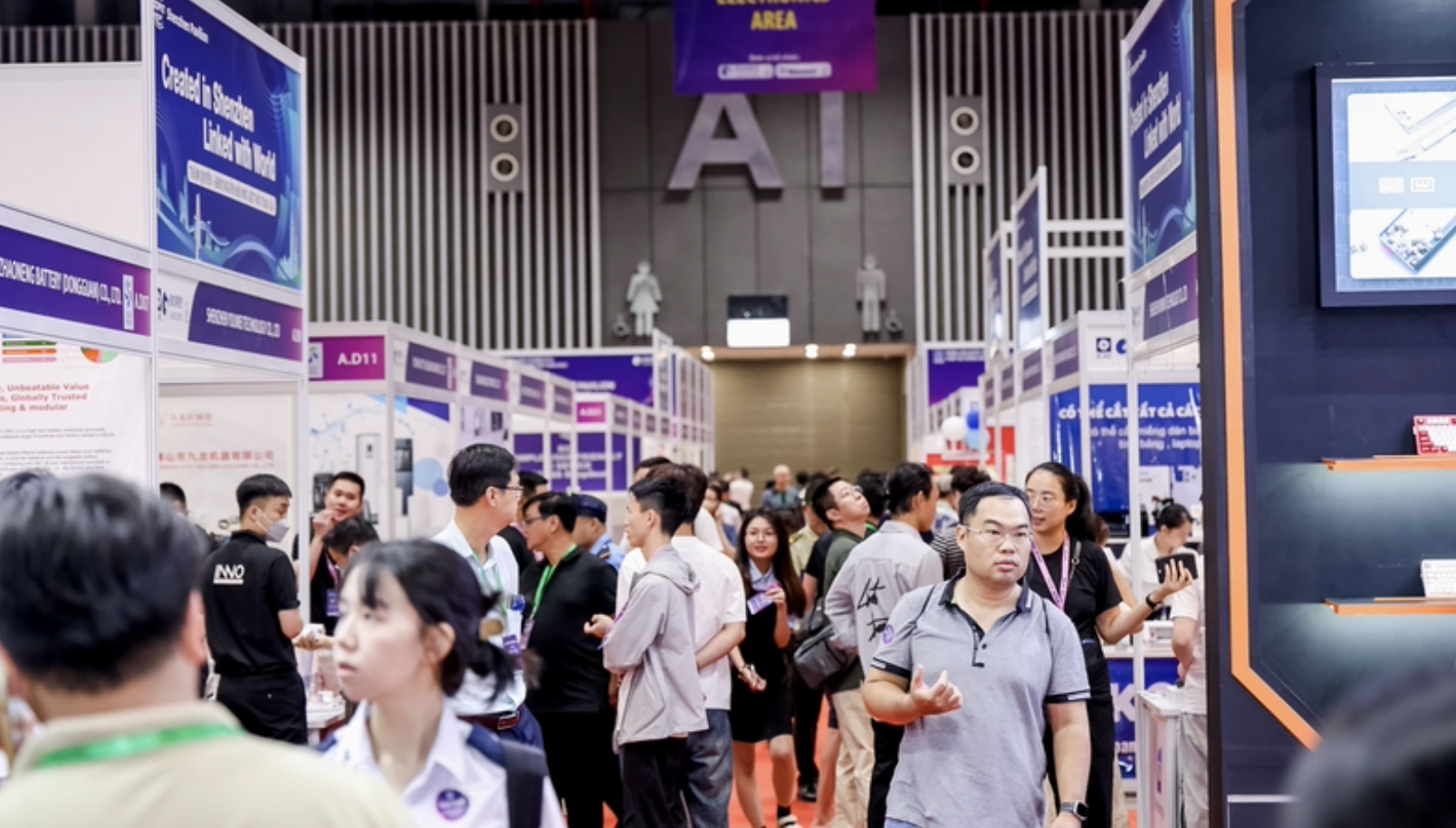
More than 300 companies are set to participate in business matching activities at the International Electronics and Smart Appliances Expo Vietnam (IEAE 2026), scheduled to take place from May 28 to 30 in Ho Chi Minh City.
Vietnam has issued a plan to implement the Law on E-commerce, defining tasks, timelines and coordination to ensure effective enforcement from July 1, 2026.
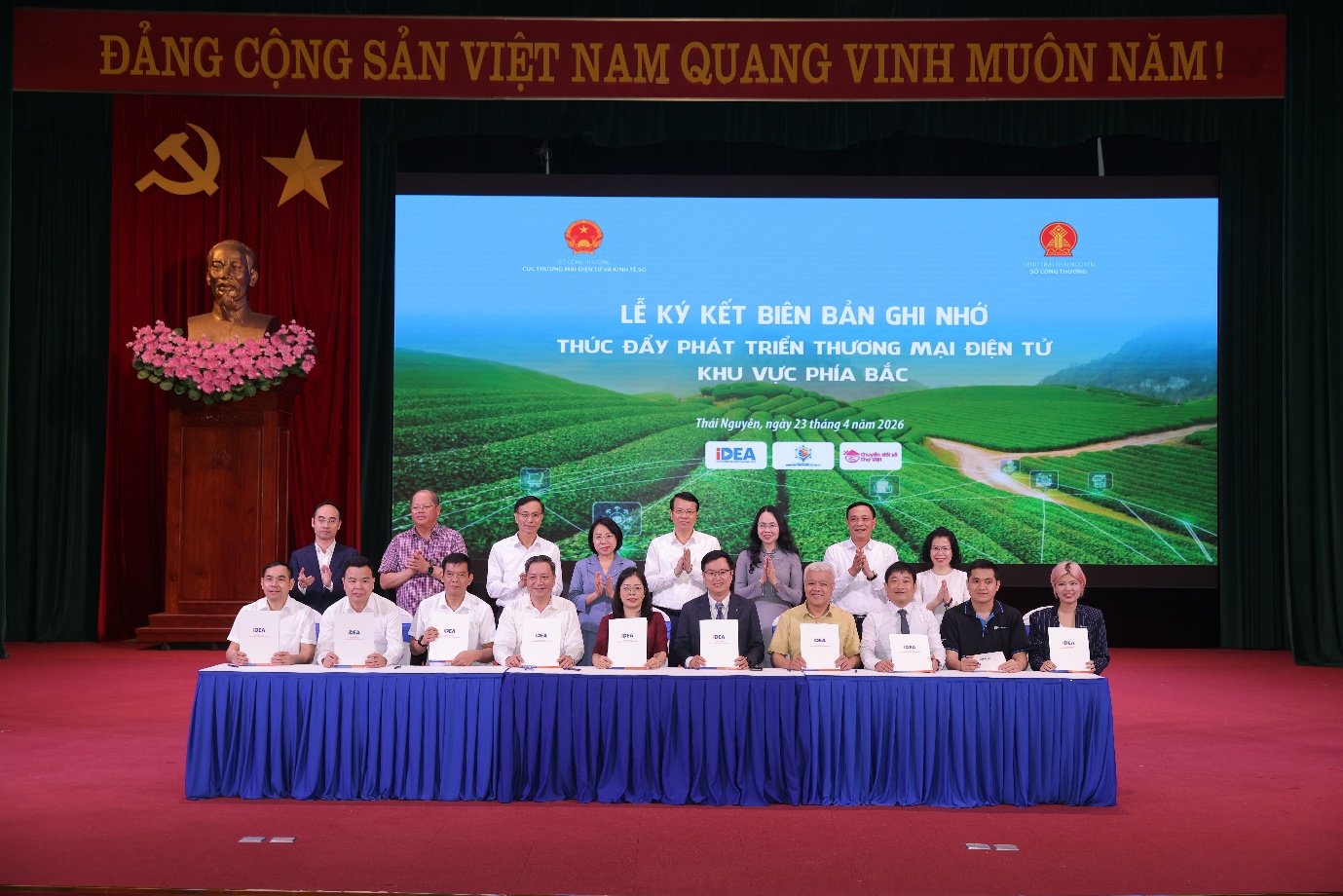
The programme in Thai Nguyen promotes e-commerce in northern Vietnam, linking localities with digital firms to expand markets and boost Vietnamese goods.