Viet Nam and Poland establish Strategic Partnership
19:05 | 23/03/2025 20:02 | 26/10/2026News and Events
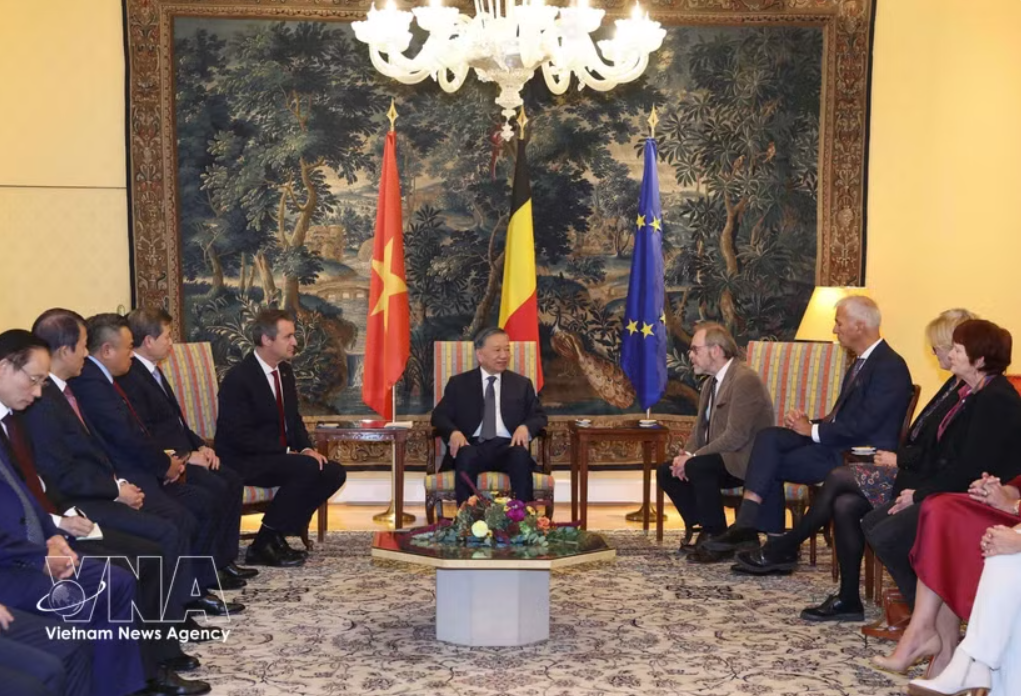
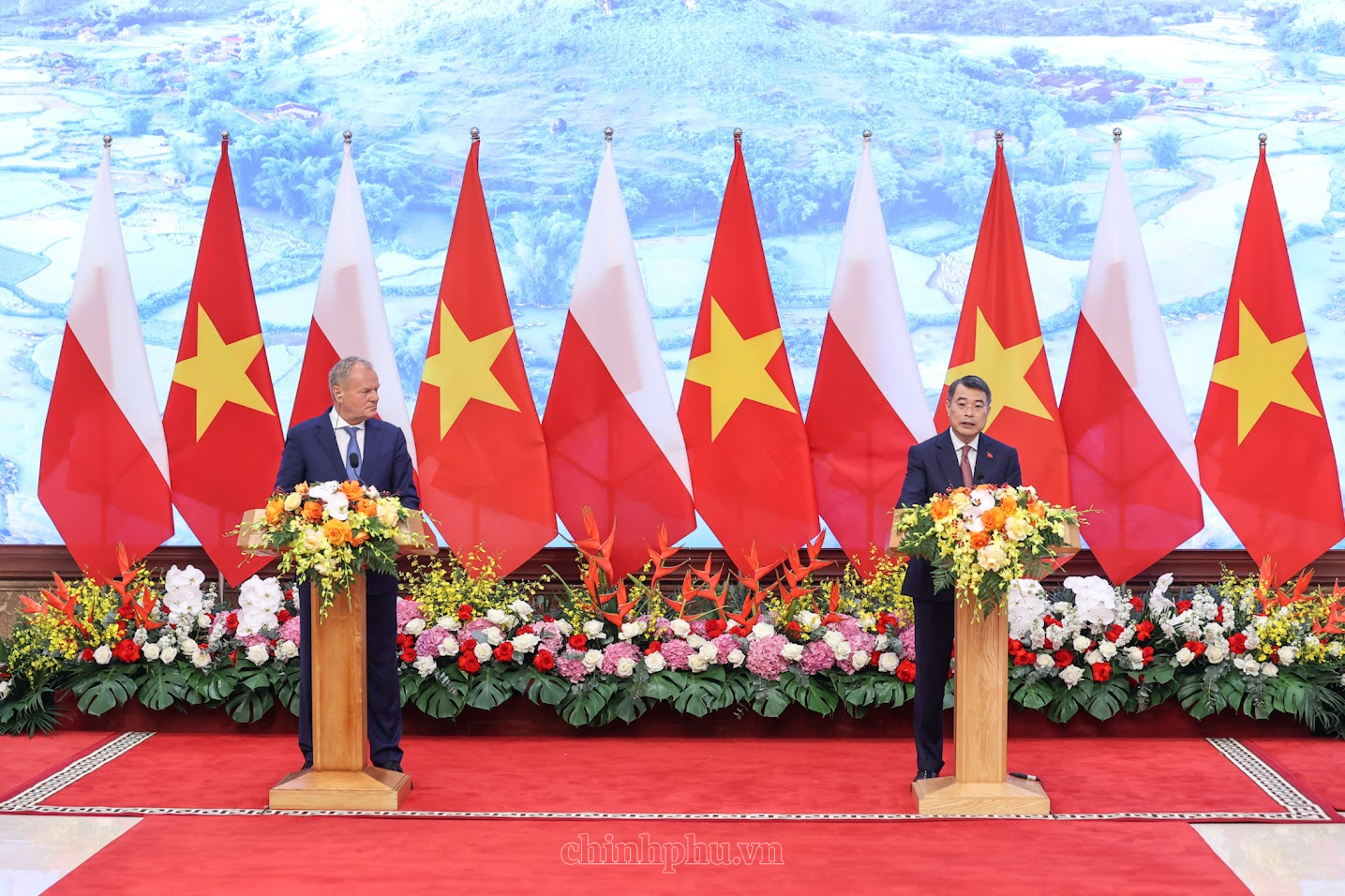
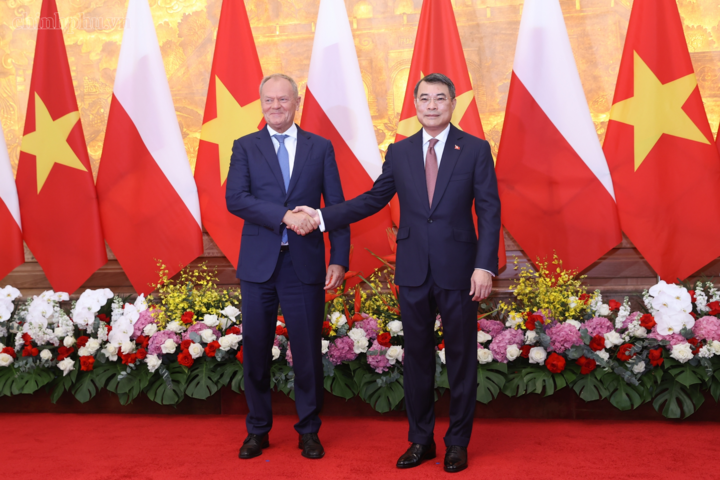
Viet Nam and Poland have established a Strategic Partnership, aiming to increase bilateral trade to USD 6 billion by 2030.


Promoting Panama’s role as a “bridge” for Vietnamese goods
At the invitation of Party General Secretary and State President To Lam and his spouse, President of the Republic of Panama José Raúl Mulino and his spouse are paying an official visit to Viet Nam from October 5 to 8.
According to the Ministry of Foreign Affairs, this will be the first visit to Viet Nam by a Panamanian head of state in 14 years, marking an important milestone in the history of bilateral relations between Viet Nam and Panama.
Over the years, bilateral relations have continued to be strengthened and developed through exchanges of delegations, high-level and other-level contacts, and bilateral cooperation mechanisms. Viet Nam and Panama have signed a Memorandum of Understanding on the establishment of a political consultation mechanism between their two foreign ministries (October 2012), an Agreement on Economic and Trade Cooperation (April 2013), an Agreement on the Avoidance of Double Taxation (August 2016), and an Agreement on visa exemption for ordinary passport holders (June 2019), among others.
Alongside strong political ties, economic and trade cooperation between Viet Nam and Panama has maintained its growth momentum, becoming one of the bright spots in bilateral relations. According to the Department of Foreign Market Development and Multilateral Trade under the Ministry of Industry and Trade, Panama has consistently ranked among Viet Nam’s top 10 trading partners in Latin America in recent years.
Citing data from Viet Nam Customs, the Department of Foreign Market Development and Multilateral Trade said bilateral trade between Viet Nam and Panama reached USD 478.1 million in 2025, up 19.2% year on year. Of this, Viet Nam’s exports to Panama stood at USD 462.6 million, up 18.42%, while imports reached USD 15.5 million, up 48.14%.
Viet Nam’s major exports to Panama include footwear; phones and components; computers, electronic products and components; textiles and garments; transport vehicles and spare parts; and seafood. In the opposite direction, Viet Nam mainly imports timber and wooden products, seafood, and iron and steel scrap from Panama.
At a meeting with Panama’s Deputy Minister of Foreign Affairs Carlos A. Hoyos on July 29, Vietnamese Deputy Minister of Industry and Trade Phan Thi Thang welcomed the strong growth in bilateral trade in 2025 and called for closer and more effective coordination to leverage Panama’s role as a bridge for Vietnamese goods to enter Latin American and Caribbean markets, while facilitating Panamanian goods’ access to Southeast Asian markets through Viet Nam.
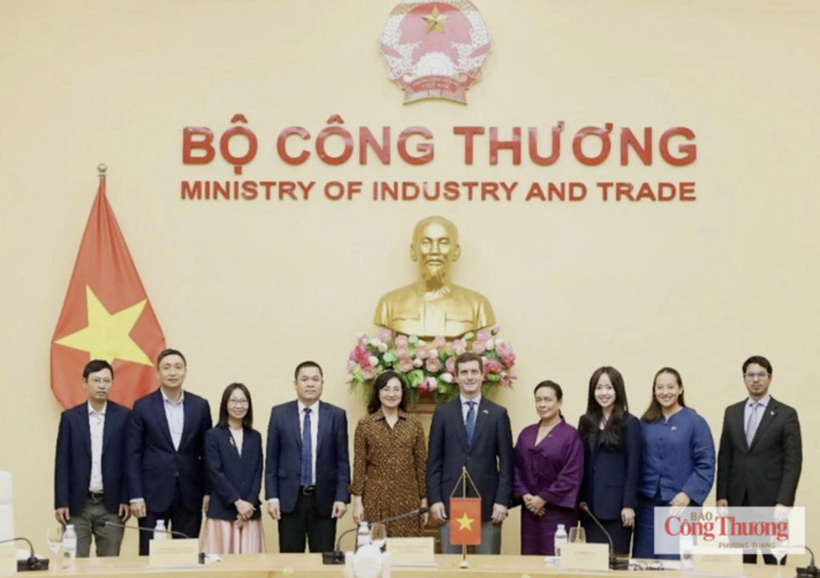
On July 29, 2026, at the Ministry of Industry and Trade’s headquarters, Deputy Minister Phan Thi Thang held a working session with Panama’s Deputy Minister of Foreign Affairs Carlos A. Hoyos.
To realize this goal, Deputy Minister Phan Thi Thang proposed that the two countries strengthen information sharing, communications and promotion of trade and investment cooperation potential; step up exchanges of delegations at all levels; and create favorable conditions for Vietnamese businesses to participate in trade promotion activities in Panama. She also called for greater efforts to promote Vietnamese exports through introduction and distribution in the Colon Free Trade Zone.
Alongside market expansion, the Deputy Minister of Industry and Trade said the two sides should strengthen cooperation in logistics, maritime transport and port operations, while studying the feasibility of establishing suitable shipping routes and cargo consolidation services. These efforts would help reduce costs and shorten transportation times between Viet Nam, Panama and Latin American markets.
Notably, investment cooperation between the two countries has also recorded positive growth alongside trade ties. As of the end of May 2026, Panama had 14 valid foreign direct investment (FDI) projects in Viet Nam with total registered capital of USD 52.4 million, ranking 59th among 154 countries and territories investing in Viet Nam.
The two sides also have significant potential to expand comprehensive cooperation in areas such as agriculture, telecommunications, infrastructure, maritime transport, aviation, banking, education and training, and green energy. They can make greater use of the strategic advantages offered by the Panama Canal to serve as a bridge for goods from both countries to gain deeper access to Latin American and Asia-Pacific markets, while contributing to the security of international supply chains.
Sharing this view, Vietnamese Ambassador to Mexico and Panama Nguyen Van Hai said Viet Nam has increasingly strong production, processing and export capabilities, supported by a highly open economy, and is well positioned to help Panamanian businesses connect with ASEAN as well as the wider Asia-Pacific region.
Meanwhile, Panama enjoys a unique geostrategic position, with its seaports, the Panama Canal, logistics hubs and leading international trade services in the region and globally.
“Therefore, there remains considerable room for the two sides to expand the scale and diversify the structure of bilateral trade,” Ambassador Nguyen Van Hai said.
Elaborating on the potential for bilateral cooperation, Ambassador Nguyen Van Hai said Panama is not only a potential market but also a “gateway”, transit point and important distribution hub for Vietnamese businesses seeking to expand into Latin American and Caribbean markets. The Panama Canal connects more than 180 shipping routes, around 170 countries and 1,900 seaports worldwide. The Colon Free Trade Zone is one of Latin America’s leading free trade centers, with an extensive network of businesses, logistics infrastructure, warehouses and re-export activities.
To fully tap the potential for cooperation, Ambassador Nguyen Van Hai said the two sides should strengthen direct connections between businesses; carefully study the demand and regulations of individual markets; promote trade and customs facilitation; develop common standards; and establish long-term distribution partner networks.
Regarding measures to boost bilateral trade, the Ambassador said the two sides should regularly organize trade promotion missions, business forums and investment matchmaking activities. These are key measures to promote economic, trade and investment cooperation between the two countries in the coming period.
Expanding cooperation across multiple sectors
Ahead of President of Panama José Raúl Mulino’s official visit to Viet Nam, Ambassador Nguyen Van Hai shared his expectations with the domestic media, saying the visit is expected to further strengthen political trust and mutual understanding and create high-level momentum to translate the potential and orientations agreed by the two sides into specific programs, action plans, projects and results.
The visit is also expected to advance economic, trade and investment cooperation across a range of sectors, including agriculture, banking, telecommunications, infrastructure, maritime transport, and education and training, as well as other areas with potential for cooperation.
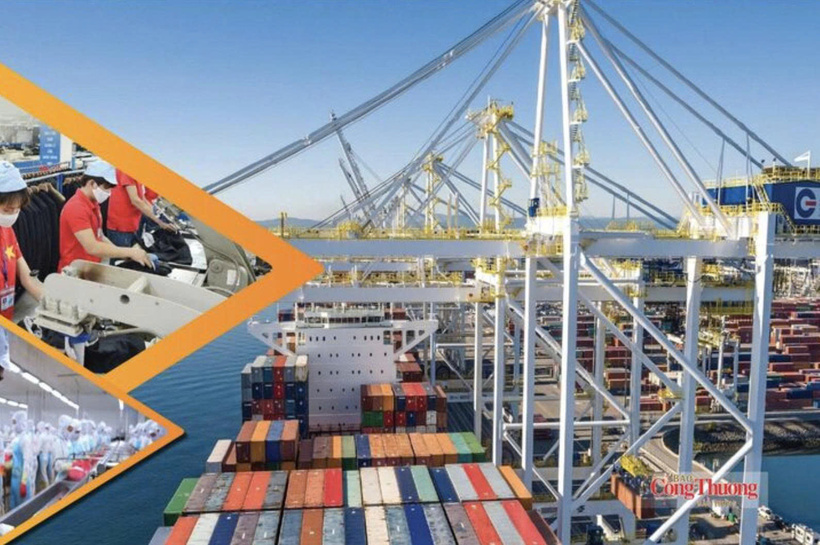
Panama is seen as a bridge for Vietnamese goods to access the Latin American and Caribbean markets.
Notably, according to the Ambassador, a number of cooperation agreements are expected to be signed during the visit, providing a firm legal foundation for bilateral relations to deepen and develop further.
Ambassador Nguyen Van Hai expressed his belief that President José Raúl Mulino’s official visit to Viet Nam and his spouse will provide important momentum for Viet Nam-Panama relations to become deeper, more substantive and more effective in the years ahead. The visit is expected to bring practical benefits to the peoples of both countries while contributing positively to peace, stability, cooperation, and shared prosperity in the two regions and around the world.
Viet Nam and Panama enjoy stable and trusted political and diplomatic relations and share many common values, including respect for independence, sovereignty and territorial integrity; adherence to the United Nations Charter and international law; and a commitment to peace, freedom, social progress and justice. These foundations provide an important basis for the two countries to further deepen their relations in the new period.
19:05 | 23/03/2025 20:02 | 26/10/2026News and Events
19:05 | 23/03/2025 15:21 | 26/10/2026News and Events
19:05 | 23/03/2025 18:06 | 24/10/2026News and Events
19:05 | 23/03/2025 17:33 | 24/10/2026Trade
19:05 | 23/03/2025 06:53 | 24/10/2026News and Events