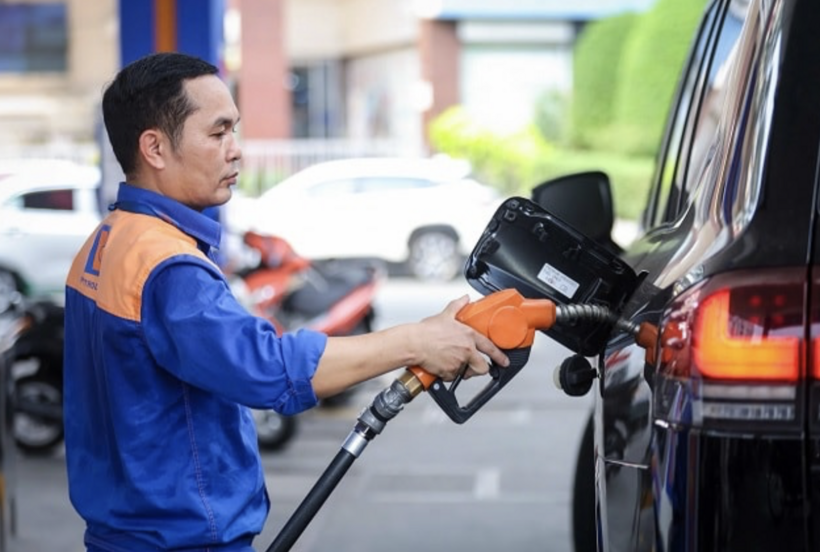
Vietnam waives environmental tax, VAT and special consumption tax on petrol and oil from March 26 to April 15, 2026 to stabilise prices.
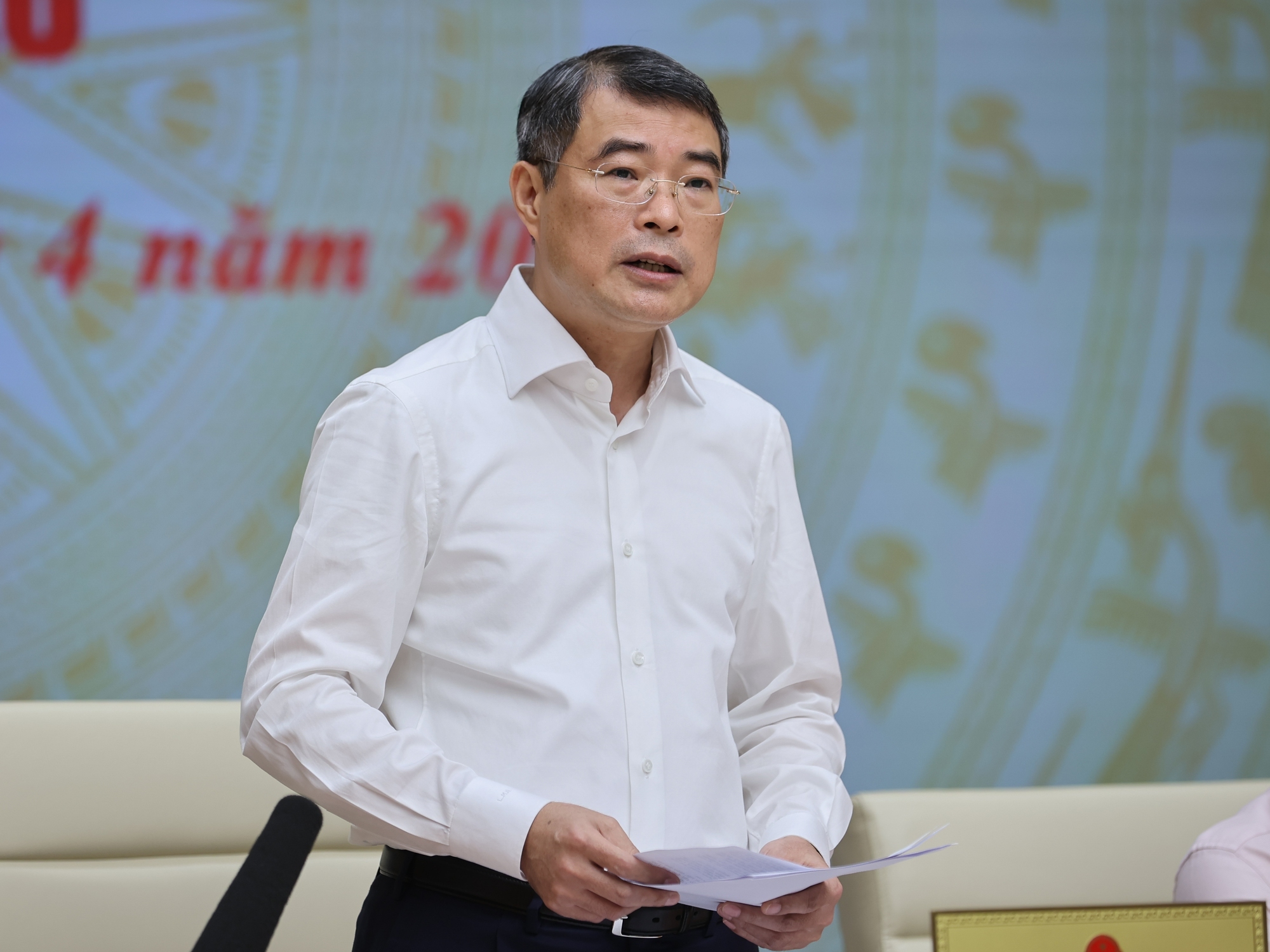
Prime Minister Pham Minh Chinh has signed Decision No. 482/QD-TTg dated March 26, 2026, providing for the application of environmental protection tax, VAT, and special consumption tax measures on petrol, oil, and aviation fuel in cases deemed necessary for national interests.
Specifically, the environmental protection tax on petrol (excluding ethanol), diesel, and aviation fuel will be reduced to zero. These fuels will not be subject to VAT declaration or payment at either the sale or import stages, although businesses are still entitled to deduct input VAT. The special consumption tax rate on all petrol products will also be set at zero.
The decision takes effect from midnight on March 26, 2026 and will remain in force until April 15, 2026.
Official exemption of environmental tax, VAT and special consumption tax on petrol and oil products.
This effectively means a temporary exemption from environmental protection tax, VAT, and special consumption tax on petrol and oil products.
The move is viewed as an urgent and effective measure to stabilize the domestic fuel market and ensure national energy security amid escalating tensions in the Strait of Hormuz, described as “the most significant energy bottleneck in history,” which have pushed global crude oil prices above USD 100 per barrel and driven up energy prices worldwide and domestically.
It is estimated that the reduction in these taxes over the specified period will lead to an average monthly decrease in state budget revenues of approximately VND 7.2 trillion. However, this is expected to provide crucial support for households in mitigating financial pressures and for businesses in sustaining production and operations.
During the validity of Decision No. 482/QD-TTg, any conflicting provisions in existing legal documents regarding environmental protection tax, VAT, and special consumption tax on petrol, oil, and aviation fuel will be superseded by this decision.
Fuel traders and importers are not required to declare or pay VAT when selling or importing petrol, diesel, and aviation fuel during this period. Other tax-related provisions not specified in the decision will continue to be implemented in accordance with prevailing tax laws and relevant regulations.
Earlier, the Government issued Resolution No. 68/NQ-CP dated March 26, 2026, assigning the Prime Minister the authority to issue a decision on applying these tax measures in cases necessary for national interests.
The Government endorsed the Ministry of Finance’s proposal outlined in Submission No. 184/TTr-BTC dated March 25, 2026, along with the Ministry’s explanatory report in Official Dispatch No. 3717/BTC-CST dated March 26, 2026. The Ministry of Finance is responsible for the accuracy and compliance of the data and proposals submitted.
The Ministry has also been tasked with leading and coordinating with relevant ministries to prepare a dossier for submission to the National Assembly by March 30, 2026. This dossier will propose a resolution to adjust environmental protection tax, VAT, and special consumption tax on petrol, oil, and aviation fuel under expedited procedures, in accordance with the Law on Promulgation of Legal Normative Documents, for consideration at the National Assembly session in April 2026.
The Middle East conflict has triggered significant volatility in global energy markets, particularly in oil and gas, disrupting supply chains and pushing crude oil prices higher. These developments have had a substantial impact on domestic fuel supply and prices, causing sharp increases in a short period and affecting both business operations and household incomes.
However, with decisive and timely directives from the Politburo, the Government, the Prime Minister, and the coordinated efforts of ministries, sectors, local authorities, and businesses, the situation has been largely brought under control. Domestic crude oil and fuel supplies have been maintained to meet production, business, and consumption needs.
Supply chains have remained largely intact, and domestic fuel prices have been managed in line with global trends, remaining lower than in many countries in the region, including those sharing land borders with Vietnam. Production, business activities, and consumption have been sustained, contributing to overall socio-economic stability.
On April 24, Prime Minister Le Minh Hung chaired a nationwide conference on accelerating the allocation and disbursement of public investment capital in 2026.
International media highlight Vietnam’s strong growth, rising FDI, market upgrades and tourism appeal, reinforcing its growing role and global standing today.
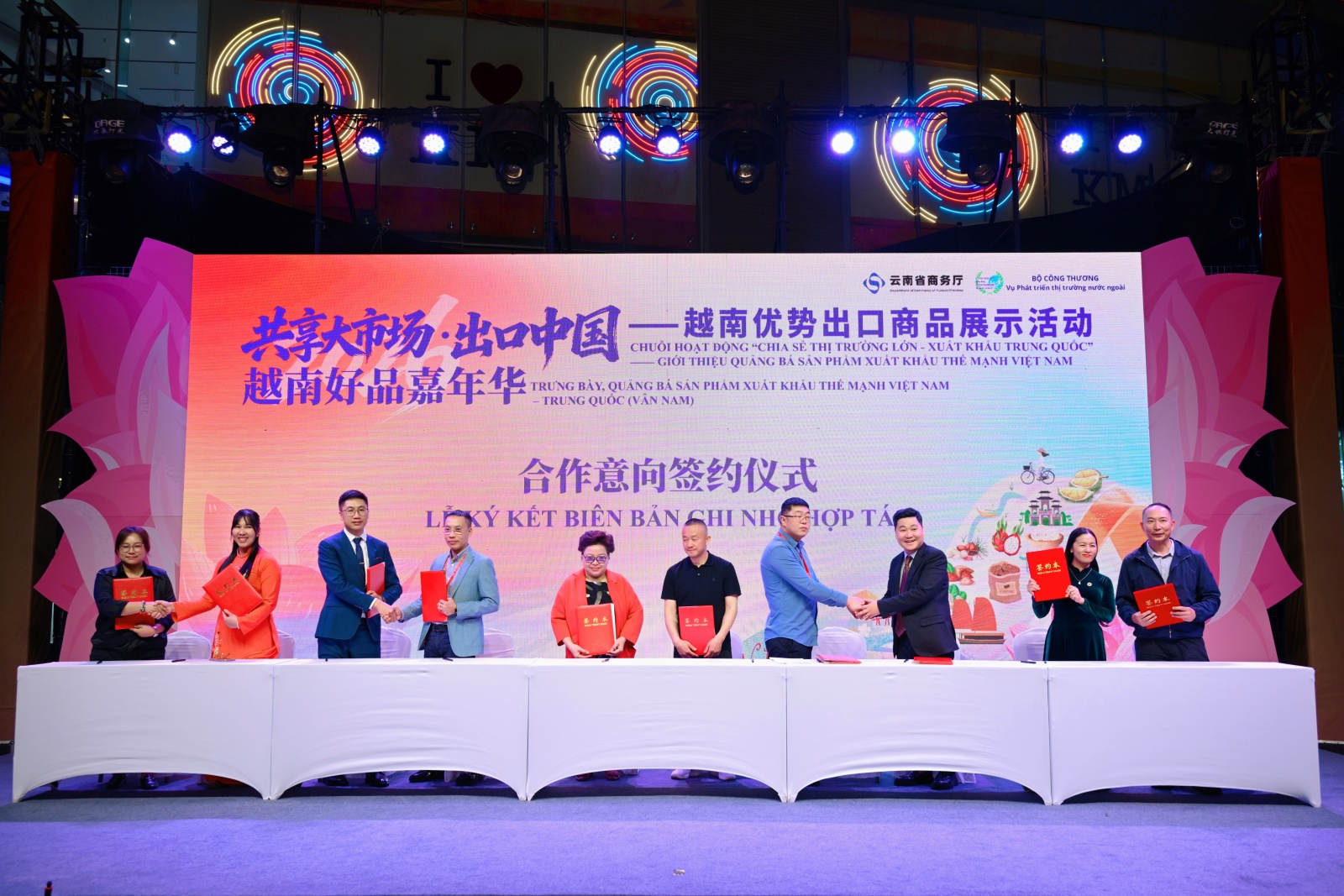
The Ministry of Industry and Trade (MoIT) held trade promotion activities in Yunnan and Shandong, boosting business links, exports, and investment cooperation between Vietnam and China.
A prestigious international award and a two-million-guest milestone mark a strategic evolution, highlighting the success of the entertainment-led integrated resort model in the regional hospitality market.
A prestigious international award and a two-million-guest milestone mark a strategic evolution, highlighting the success of the entertainment-led integrated resort model in the regional hospitality market.
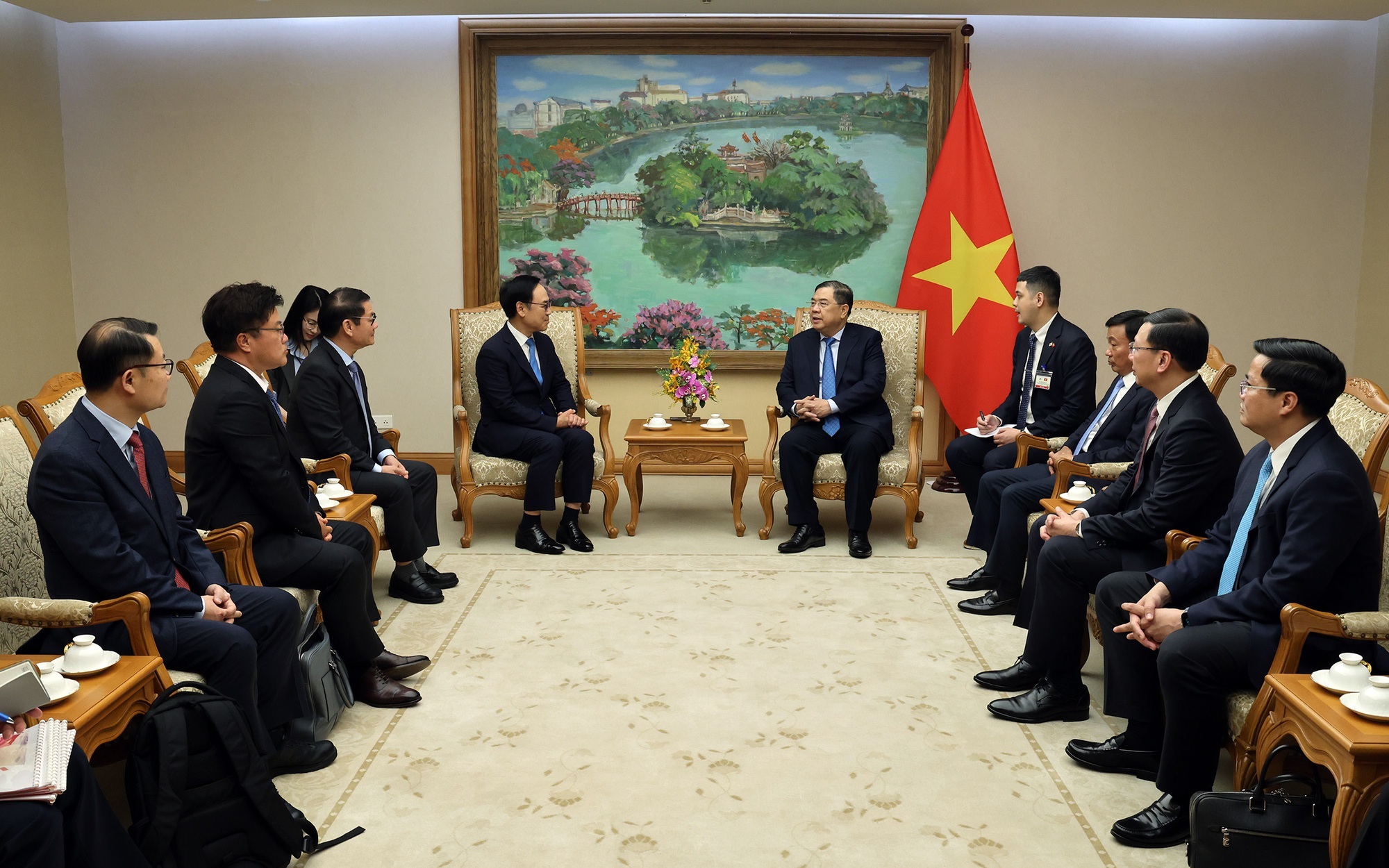
Permanent Deputy Prime Minister Pham Gia Tuc urged Hyundai Rotem to expand cooperation, technology transfer, and participation in Vietnam’s railway projects.
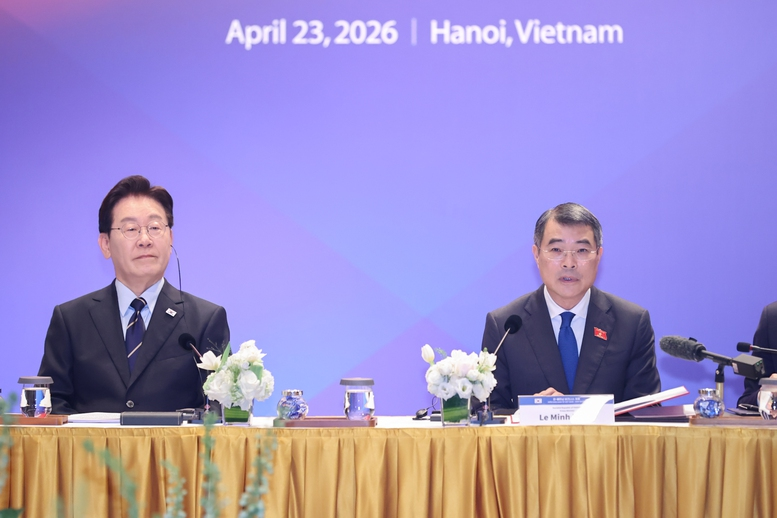
Prime Minister Le Minh Hung and President Lee Jae Myung led a Vietnam - the Republic of Korea (RoK) business roundtable in Hanoi, calling for deeper high tech cooperation.