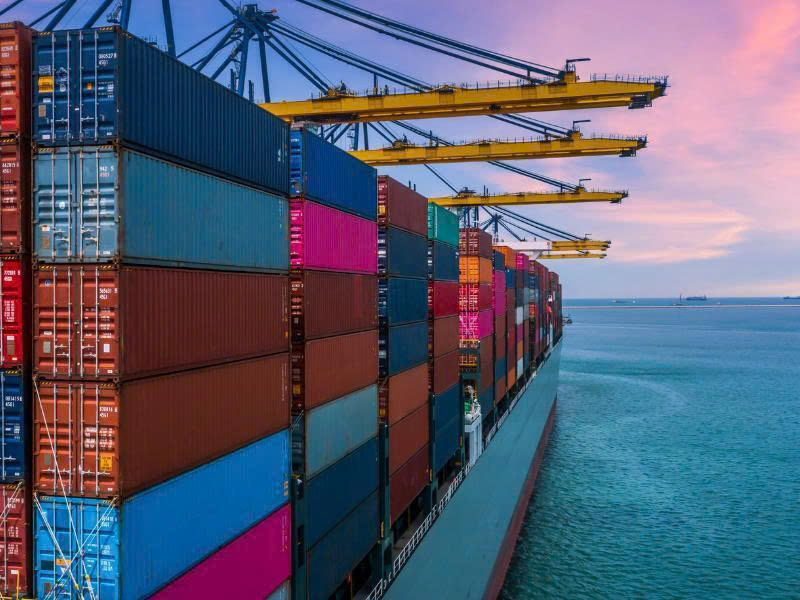
The year 2025 marked a special milestone for Vietnam’s import-export activities, with total trade turnover reaching approximately USD 930 billion, up 18.2% from 2024 equivalent to an absolute increase of USD 143 billion. Notably, exports maintained a strong growth rate of 17%, far outperforming many regional economies, exceeding assigned targets and ranking second only to the record surge of 2021 during the 2021-2025 period. Effectively leveraging preferential treatment linked to rules of origin has been one of the key factors enabling Vietnam’s trade turnover to reach the historic USD 930 billion mark.
Effective use of origin-related preferences has helped Vietnam’s import-export turnover hit a record USD 930 billion.
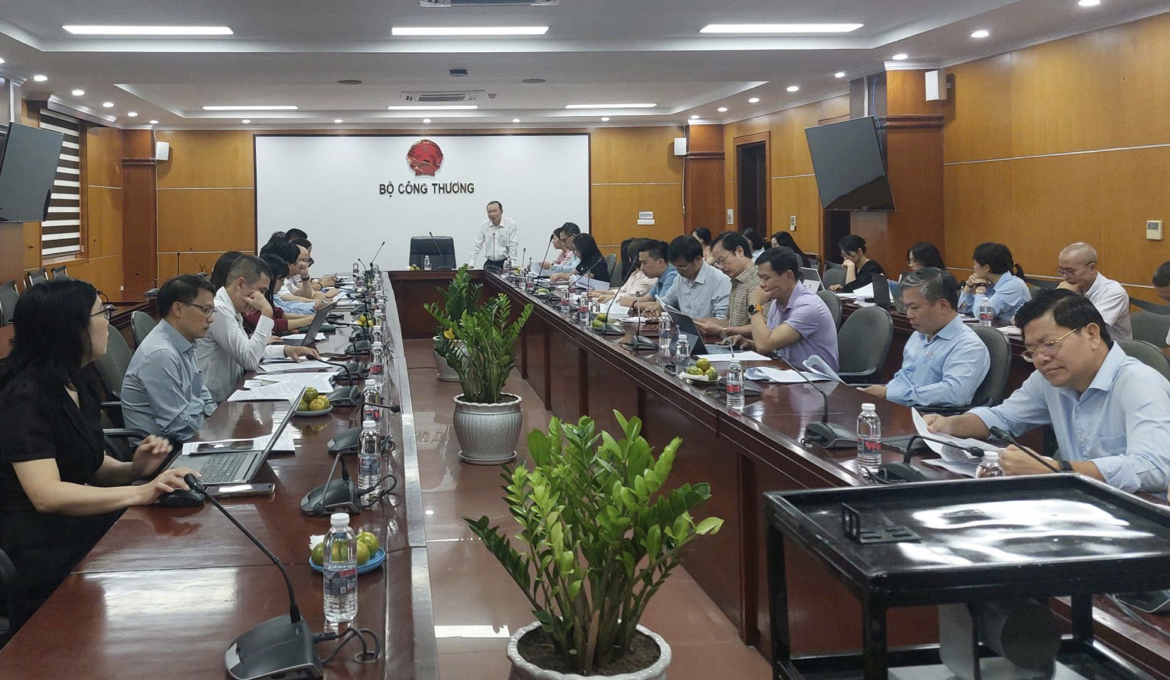
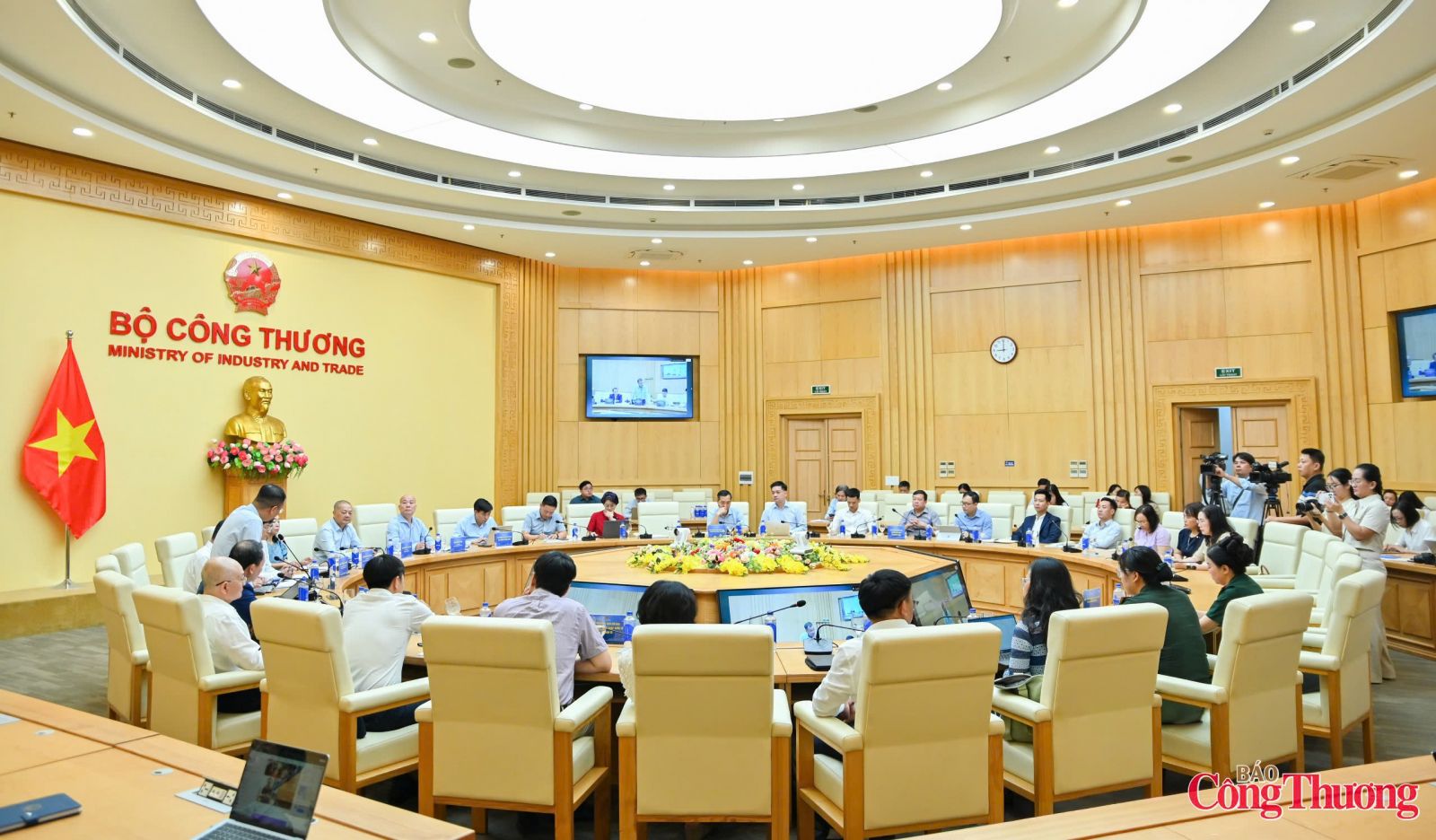
At a recent conference reviewing professional operations in 2025 and rolling out tasks for 2026, organized by the Import-Export Department, Tran Thanh Hai, Deputy Director of the Import-Export Department under the Ministry of Industry and Trade, said that export growth in 2025 was driven mainly by processed and manufactured industrial products. This growth made a significant contribution to the recovery and expansion of domestic industrial production.
At the same time, the implementation of free trade agreements (FTAs), especially new-generation FTAs, has continued to deliver tangible results. Exports to FTA partner markets recorded solid growth, particularly to markets with high standards and quality requirements such as the EU, Canada and Japan.
In this context, rules of origin have become a critical “anchor.” On the one hand, they are a prerequisite for enterprises to enjoy tariff preferences; on the other, they serve as a “protective barrier” safeguarding the reputation of Vietnamese goods against risks of origin fraud and illegal transshipment issues that are under increasingly strict scrutiny by importing markets.
Recognizing these challenges, the Ministry of Industry and Trade has identified the strengthening of state management over rules of origin as a core and cross-cutting task in the current administration of import-export activities.
According to Tran Thanh Hai, one foundational step taken in 2025 was accelerating decentralization and delegation of authority in the import-export sector, with a focus on rules of origin. The Import-Export Department coordinated with relevant units to advise on the issuance of Decree No. 146/2025/ND-CP, along with Circulars No. 38/2025/TT-BCT and 40/2025/TT-BCT in June 2025, establishing a legal framework for greater local-level initiative.
Since these documents took effect on July 1, 2025, 22 out of 34 provincial and municipal Departments of Industry and Trade have implemented decentralization in origin management. Most localities now handle all 36 administrative procedures related to certificates of origin (C/O) and approval documents, helping to shorten processing time and reduce costs for businesses.
Notably, 12 provincial Departments of Industry and Trade have officially assumed authority previously held by regional Import-Export Management Offices, ensuring more seamless state management at the local level.
In parallel with decentralization, the Ministry has restructured the C/O issuance system, revoking authorization for certain certificates previously issued by the Vietnam Chamber of Commerce and Industry and reallocating them to regional Import-Export Management Offices. This move aims to unify management, strengthen oversight and enhance accountability in origin certification.
Tightening inspections to combat origin fraud
At a broader level, origin management has been implemented comprehensively from international negotiations and institutional refinement to on-the-ground enforcement.
Tran Thanh Hai noted that the Import-Export Department has actively engaged in negotiations and implementation reviews of major FTAs such as the Vietnam-UAE CEPA and the ASEAN-Canada FTA, as well as existing agreements including ATIGA, ACFTA and AIFTA. A central focus of these negotiations and upgrades has been rules of origin, balancing trade facilitation with fraud prevention.
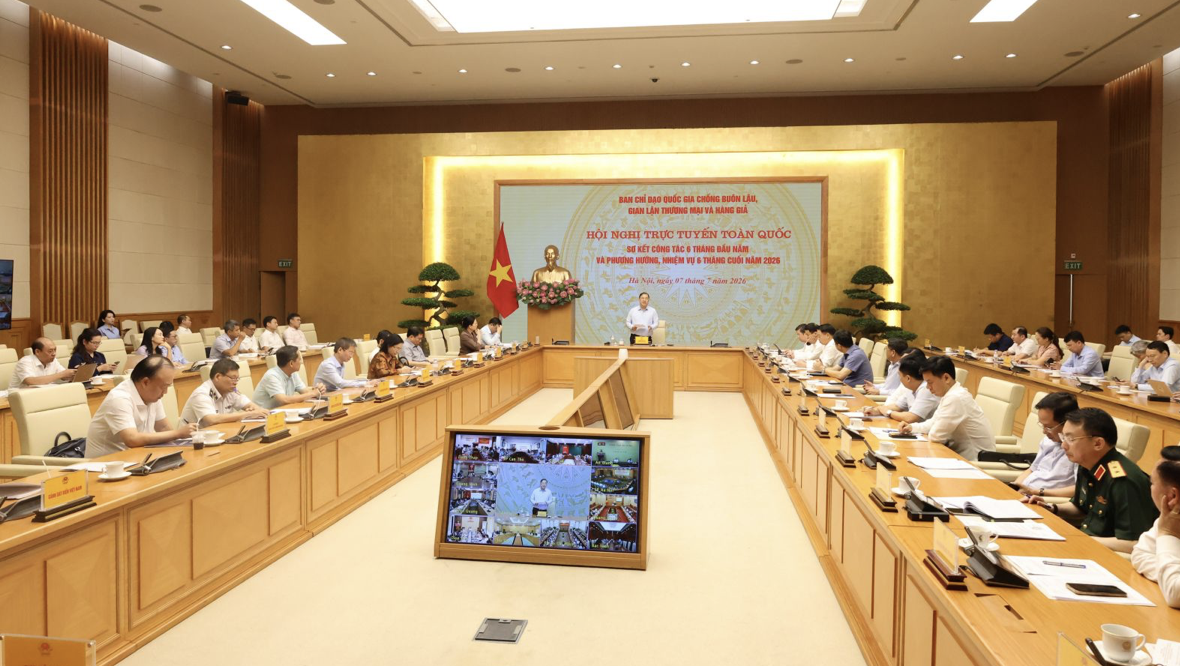
Domestically, a series of regulatory documents were issued in 2025. Directive No. 09/CT-BCT dated April 15, 2025, on strengthening inspection and supervision of origin management in the new context, underscored the Ministry’s determination to tighten discipline. Since May 2025, the Ministry has directly organized the issuance of various non-preferential C/Os, CNM certificates, and the registration of REX codes at regional Import-Export Management Offices.
The Ministry has also proactively strengthened inter-agency coordination, requesting the Ministry of Finance and the Ministry of Science and Technology to jointly manage imported inputs used for export production, while urging industry associations and enterprises to enhance self-monitoring of supply chains.
Risk warnings have been issued regularly, focusing on products with high risks of origin fraud and trade remedies, such as plywood, furniture, steel and artificial stone. These efforts are accompanied by a series of conferences, seminars and training programs on FTA rules of origin, helping enterprises improve compliance and boost utilization rates of tariff preferences.
At the institutional level, the Ministry of Industry and Trade is finalizing a decree guiding the implementation of the Law on Foreign Trade Management regarding rules of origin. Following instructions from the Deputy Prime Minister, the draft decree is being reviewed and refined in close coordination with relevant ministries, including the Ministry of Public Security, to ensure rigor, feasibility and alignment with practical requirements.
The FTA Vietnam - EFTA creates new opportunities for Vietnamese businesses while encouraging stronger competitiveness, compliance and sustainable development.
Ministry of Industry and Trade removed more than 9,000 infringing products and blocked over 2,000 online stores in a nationwide crackdown on counterfeit goods.
Sustainable production and consumption are becoming business imperatives as companies invest in greener technologies, circular design and digital transformation.
Vietnam's domestic market remained resilient in the first half of 2026 despite global turbulence, with inflation under control and retail sales continuing to grow.
From 29 June, Vietnam’s domestic carbon market officially entered its pilot phase, marking a transition from emissions management through administrative command-and-control measures to a market-based mechanism.
The FTA Vietnam - EFTA creates new opportunities for Vietnamese businesses while encouraging stronger competitiveness, compliance and sustainable development.
In an interview with the press regarding the Free Trade Agreement (FTA) between Vietnam and the European Free Trade Association (EFTA), Deputy Minister of Industry and Trade Nguyen Sinh Nhat Tan emphasized that the agreement will lay the foundation for economic relations between Vietnam and EFTA to enter a new stage of development.
At a second-quarter 2026 conference, the MoIT urged Vietnam's Trade Offices abroad to strengthen intelligence and help exporters adapt to changes and expand exports.
Vietnam and Israel discuss strengthening VIFTA implementation to expand trade, investment and cooperation, aiming to boost bilateral economic ties and market access.
More than 100 businesses attend the Vietnam-Japan Investment and Trade Cooperation Conference in Osaka to strengthen investment, trade and supply chain connectivity.