Vietnam’s Ministry of Industry and Trade is accelerating decentralisation to streamline import - export procedures and improve the use of preferential C/O.
Decentralization and delegation: A pillar of import - export reform
As Vietnam advances institutional reform and strengthens the effectiveness of state management, decentralization and delegation have emerged as a consistent strategic direction of the Ministry of Industry and Trade, particularly in the import - export sector, an area with a direct bearing on national competitiveness and the business community.
At the conference reviewing professional work in 2025 and outlining tasks for 2026, recently held by the Agency of Foreign Trade, Tran Thanh Hai, Deputy Director of the Agency of Foreign Trade (Ministry of Industry and Trade), said that alongside reviewing and refining the policy and legal framework, the agency has placed strong emphasis on administrative procedure reform, simplification of business conditions, and, notably, expanded decentralization and delegation to local authorities.
“The Agency of Foreign Trade has developed the content on decentralization and delegation in the import - export field, coordinated with relevant units to submit it to the Ministry’s leadership for reporting to the Government, which subsequently issued Decree No. 146/2025/ND-CP; at the same time, the Ministry issued Circular No. 38/2025/TT-BCT and Circular No. 40/2025/TT-BCT to guide local implementation,” Tran Thanh Hai said.
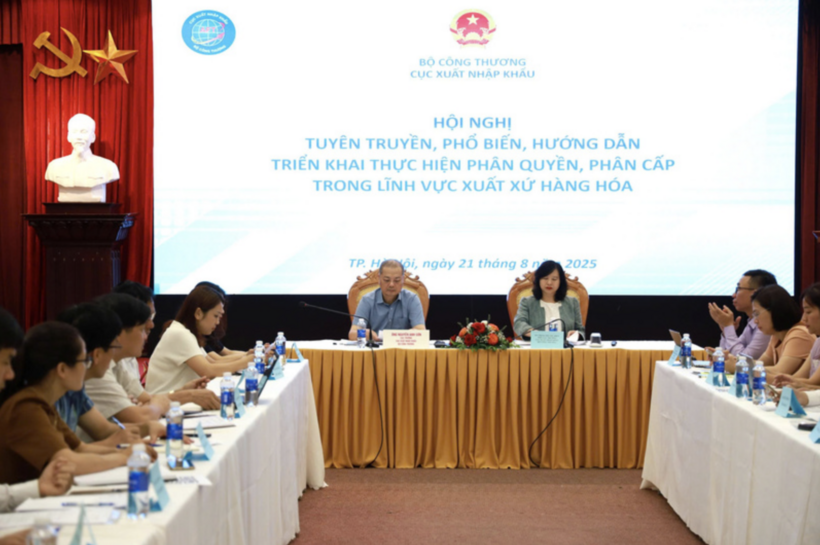
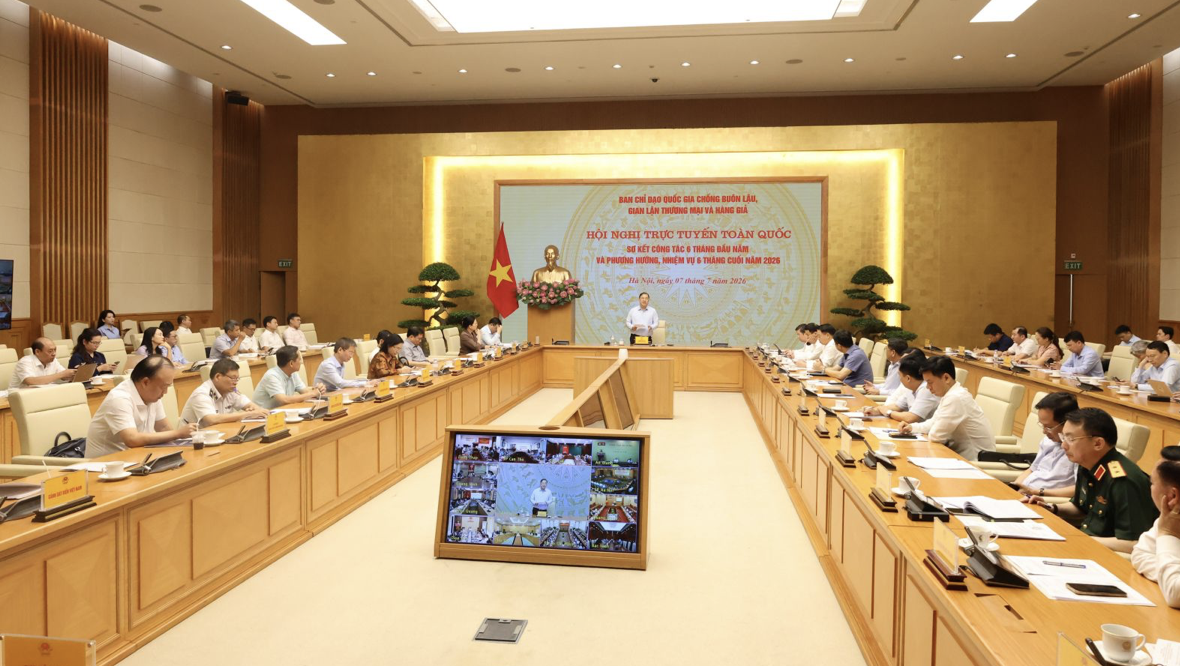
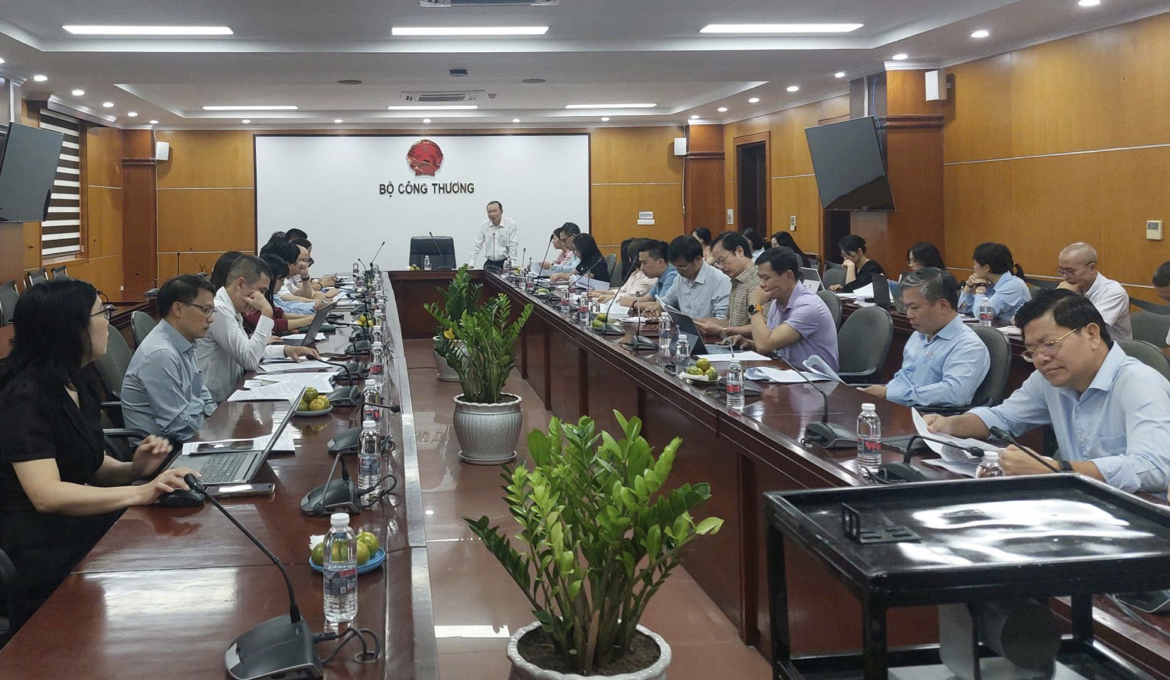
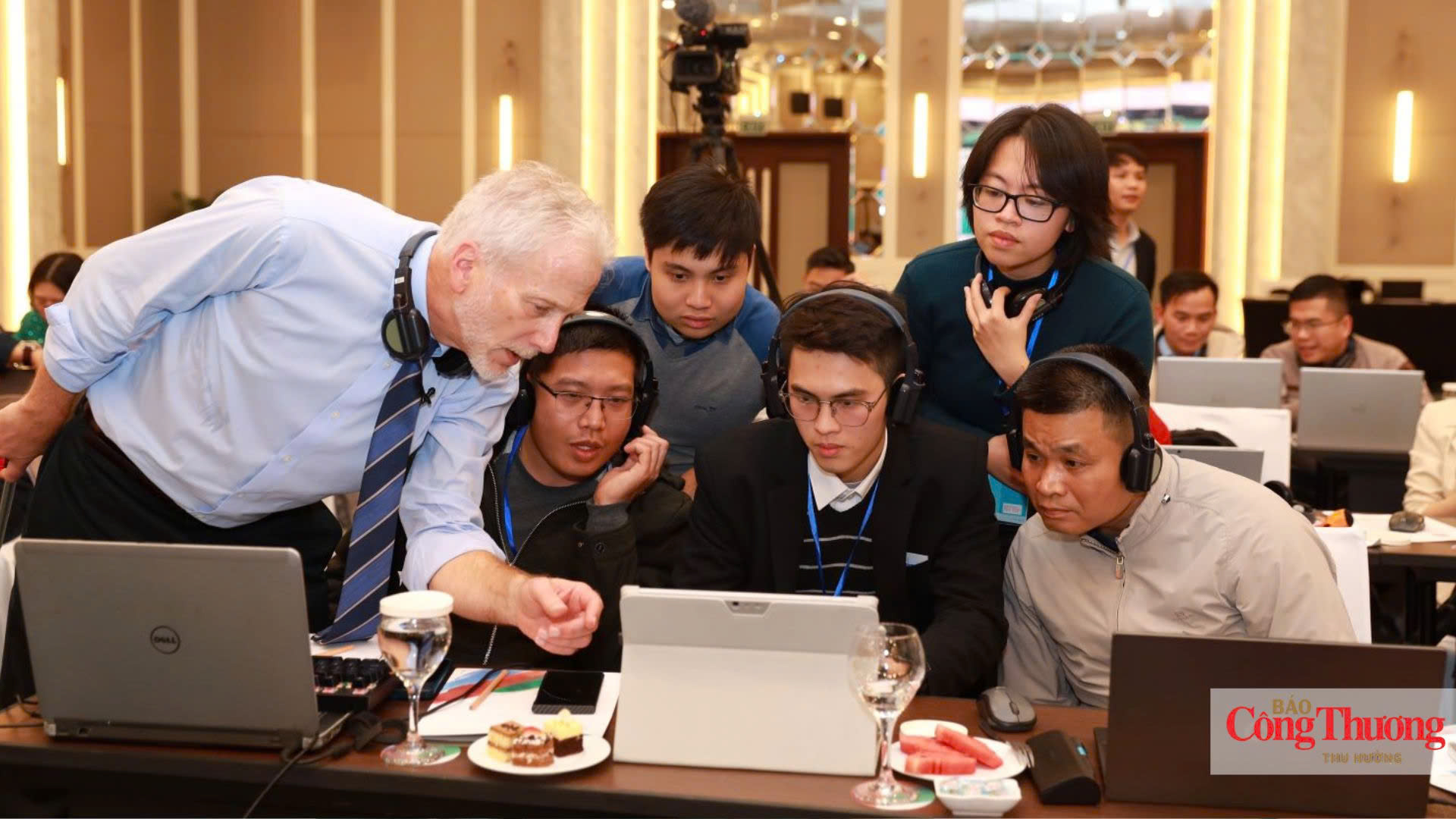
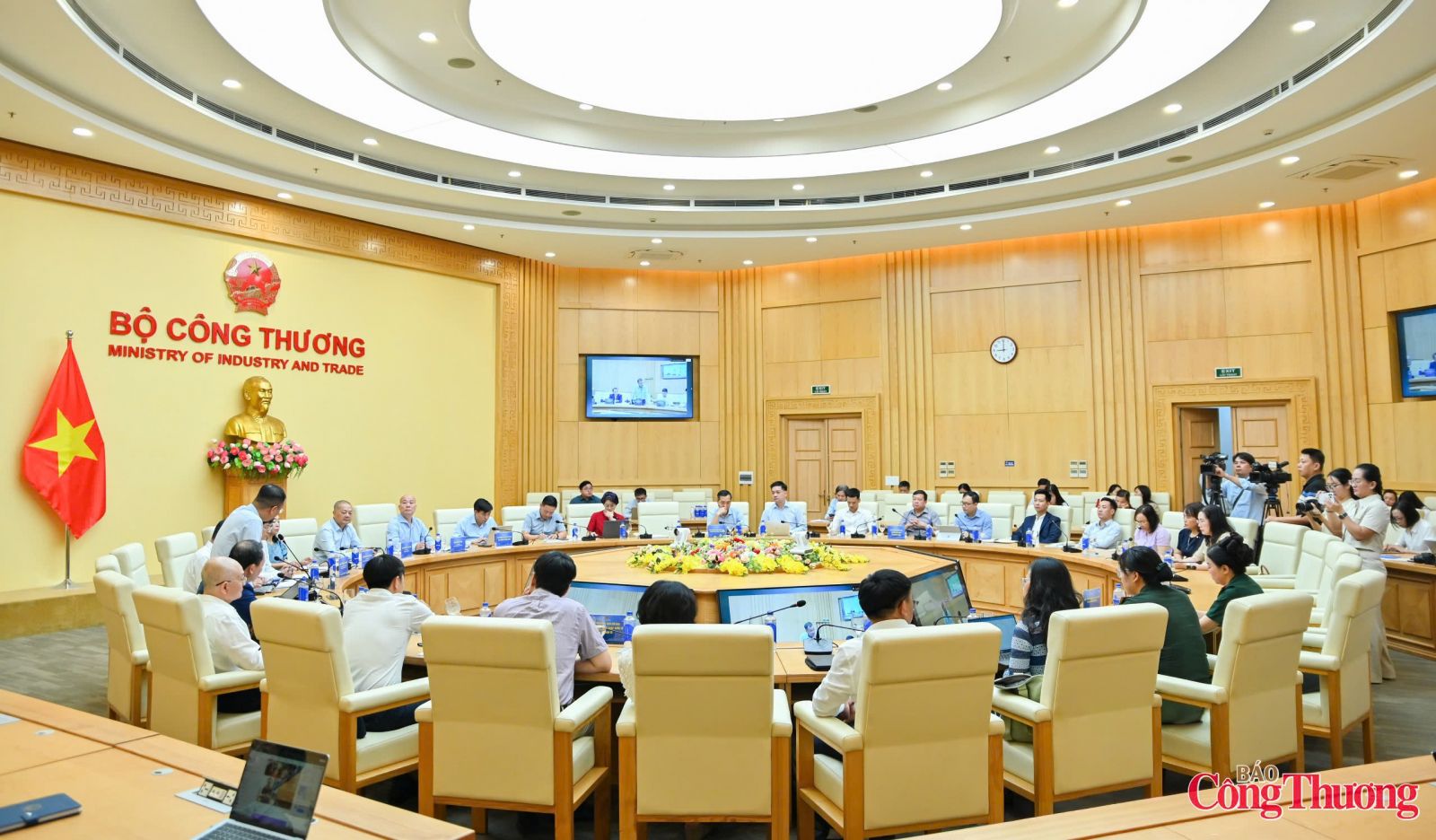
The Ministry of Industry and Trade rolls out multiple guidance activities on decentralisation and delegation in goods origin. Photo: Ngoc Tien
One figure underscores the determination behind this reform: of 87 tasks under the Ministry of Industry and Trade related to import - export activities, the Agency of Foreign Trade has decentralized 47, accounting for 54% of the total. In parallel, 44 out of 85 administrative procedures have been reviewed and simplified in terms of dossier requirements or processing time.
As a result, compliance costs associated with these 44 procedures have fallen from VND 1.306 billion to VND 882 billion, a reduction of 32.5%, no small saving for the import - export business community.
At the same time, since Decree No. 146/2025/ND-CP and Circular No. 40/2025/TT-BCT took effect on July 1, 2025, decentralization and delegation in the field of rules of origin have seen substantive implementation across many localities.
According to the Agency of Foreign Trade, 22 out of 34 provincial and municipal Departments of Industry and Trade have now implemented delegated authority in the field of goods origin. These include border and gateway provinces as well as major economic centers such as Hanoi, Hai Phong, Quang Ninh, Nghe An, Lam Dong and Lao Cai.
Notably, 22 of the 34 departments have fully implemented all 36 administrative procedures related to various types of Certificates of Origin (C/O) and approval documents, with the exception of certain special cases, such as Hanoi and Tay Ninh, where implementation follows the specific scope assigned.
In addition, 12 of the 34 departments have completed the transfer of tasks from regional import - export management offices to direct handling by the provincial Departments of Industry and Trade, in line with the spirit of decentralization and delegation set out in Circular No. 40/2025/TT-BCT.
However, 12 localities have yet to implement, or are still completing documentation to implement, decentralization and delegation in the field of goods origin, indicating that the reform remains in a phase of “implementation alongside refinement.”
Recognizing the highly specialized and technical nature of rules of origin, the Agency of Foreign Trade has issued four guidance documents and proposed the issuance of three directive documents by the Ministry’s leadership to ensure a unified understanding and approach between central and local levels.
These efforts have been accompanied by direct support activities, including three conferences in Ho Chi Minh City, Hanoi, and Da Nang; two in-depth training courses in Ho Chi Minh City and Tay Ninh; and numerous working sessions with key provincial Departments of Industry and Trade.
Speaking to Newspaper of Industry and Trade about the effectiveness of these measures, Nguyen Minh Phong, an economist, said the Ministry of Industry and Trade’s push for decentralization and delegation in the import - export field is a step in the right direction, aligned with institutional reform requirements and the practical realities faced by businesses. When more procedures are handled at the local level, enterprises can significantly reduce travel time, waiting periods and administrative processing, thereby lowering compliance costs and enhancing operational autonomy.
He noted that decentralization not only brings direct benefits to businesses but also helps strengthen the role, responsibility and capacity of local officials, from the grassroots to the provincial level. When authority is accompanied by appropriate oversight mechanisms, local governments become more proactive in supporting enterprises and resolving issues at their source.
Importantly, direct local involvement also helps curb fraud in import - export activities, particularly origin fraud. Local officials are the closest to enterprises, with a clear understanding of production capacity, scale and actual operations, making it easier to detect irregularities and improving management effectiveness compared with the previous centralized model.
From the business perspective, Tran Minh Hieu, General Director of TNG Investment and Trading Joint Stock Company, told Newspaper of Industry and Trade that since import - export procedures, including the issuance of Certificates of Origin have been decentralized to the local level, the Ministry of Industry and Trade and provincial Departments of Industry and Trade have provided effective support to enterprises in handling C/O-related procedures. Guidance on processes and documentation, as well as timely responses to queries, have helped businesses feel more confident in leveraging free trade agreements.
Improving implementation quality, boosting utilization of preferential C/O
Entering 2026, the Ministry of Industry and Trade continues to identify the implementation of rules of origin as a core focus in advancing decentralization and delegation in the import - export sector.
According to the Agency of Foreign Trade’s orientation, the top priority is to promptly address difficulties and bottlenecks related to goods origin for enterprises, while stepping up communication and dissemination of new regulations and updating requirements on rules of origin under the FTAs to which Vietnam is a party.
The objective goes beyond simply delegating authority to localities, aiming instead to raise the utilization rate of preferential Certificates of Origin for exported goods, thereby increasing value added and enhancing the competitiveness of Vietnamese products in international markets.
The Agency of Foreign Trade will also work closely with local authorities to ensure that the issuance of C/O and approvals for self-certification of origin is carried out effectively, efficiently and to the required standard, while urging remaining localities to swiftly finalize their implementation plans.
In addition to training and in-depth capacity building, the Ministry of Industry and Trade will conduct professional inspections at provincial Departments of Industry and Trade newly entrusted with delegated authority, ensuring that decentralization goes hand in hand with quality control and uniform implementation nationwide.
The FTA Vietnam - EFTA creates new opportunities for Vietnamese businesses while encouraging stronger competitiveness, compliance and sustainable development.
Ministry of Industry and Trade removed more than 9,000 infringing products and blocked over 2,000 online stores in a nationwide crackdown on counterfeit goods.
Sustainable production and consumption are becoming business imperatives as companies invest in greener technologies, circular design and digital transformation.
Vietnam's domestic market remained resilient in the first half of 2026 despite global turbulence, with inflation under control and retail sales continuing to grow.
From 29 June, Vietnam’s domestic carbon market officially entered its pilot phase, marking a transition from emissions management through administrative command-and-control measures to a market-based mechanism.
The FTA Vietnam - EFTA creates new opportunities for Vietnamese businesses while encouraging stronger competitiveness, compliance and sustainable development.
In an interview with the press regarding the Free Trade Agreement (FTA) between Vietnam and the European Free Trade Association (EFTA), Deputy Minister of Industry and Trade Nguyen Sinh Nhat Tan emphasized that the agreement will lay the foundation for economic relations between Vietnam and EFTA to enter a new stage of development.
At a second-quarter 2026 conference, the MoIT urged Vietnam's Trade Offices abroad to strengthen intelligence and help exporters adapt to changes and expand exports.
Vietnam and Israel discuss strengthening VIFTA implementation to expand trade, investment and cooperation, aiming to boost bilateral economic ties and market access.
More than 100 businesses attend the Vietnam-Japan Investment and Trade Cooperation Conference in Osaka to strengthen investment, trade and supply chain connectivity.