Nearly 500 tea containers stranded in Pakistan are causing heavy losses, prompting urgent the Ministry of Industry and Trade (MoIT) intervention.
Immediately following an urgent petition from the Vietnam Tea Association and exporters, the MoIT directed relevant units to take close action. The Asia-Africa Market Department and the Agency of Foreign Trade were assigned to coordinate with the Vietnam Trade Office in Pakistan to assess the situation, identify the causes, and propose solutions.
According to reports from the Vietnam Trade Office and the Vietnamese Embassy in Pakistan, the congestion stems primarily from a disruption in road transport between Pakistan and Afghanistan. Pakistan is currently implementing new control measures on transit cargo, while the majority of Vietnamese tea shipments are contracted for export to Afghanistan via transit through Karachi.
The MoIT urges tea exporters to proactively coordinate closely with the Vietnam Tea Association and the Vietnam Trade Office in Pakistan, providing full documentation related to their shipments.
Notably, the congestion at Karachi Port is not limited to Vietnamese goods but represents a widespread force majeure situation, severely impacting Pakistan’s own import, export, and transit operations.
According to updates from Pakistan, approximately 11,000 transit containers bound for Afghanistan are currently stranded at the port. Additionally, about 25,000 import containers and 15,000 export containers belonging to Pakistan remain uncleared. This deadlock stems from Pakistani transport associations suspending operations to protest new policies regarding vehicle and driver penalties, effectively paralyzing the domestic supply chain.
The prolonged congestion has burdened Vietnamese tea exporters with exorbitant demurrage and storage costs, posing risks of quality degradation while severely impacting cash flow, bank repayment ability, and the livelihoods of tea growers.
To protect the legitimate interests of Vietnamese businesses, the MoIT has directed the Vietnam Trade Office in Pakistan to proactively and continuously engage with Pakistani authorities - including port authorities, customs, and relevant stakeholders to request special relief measures for Vietnamese tea shipments.
Concurrently, the MoIT is coordinating with the Ministry of Foreign Affairs and the Vietnamese Embassy in Pakistan to send official diplomatic notes to Pakistani authorities. These communications request favorable and flexible conditions for processing the stranded Vietnamese tea shipments, reflecting the spirit of friendship and economic-commercial cooperation between the two nations.
The Vietnamese Embassy in Pakistan has worked directly with the leadership of Pakistan’s Ministry of Commerce, including the Additional Secretary in charge of Afghanistan and Central Asia and the Minister of Commerce. The Embassy requested specific consideration for Vietnamese goods, urging against the rigid application of transit suspension measures.
Vietnam is actively discussing relief measures with Pakistan, including: allowing the transit of stranded tea containers from Karachi to Afghanistan once security and transport conditions permit; considering re-export to a third market if transit remains impossible; or, as a last resort, authorizing the return of goods to Vietnam to minimize business losses.
The MoIT will continue to closely monitor the situation and maintain regular contact with Pakistani counterparts. The Ministry has directed the Trade Office to provide daily updates and proactively propose the most suitable and feasible solutions to safeguard the legitimate interests of Vietnamese enterprises.
Tea exporters are urged to proactively coordinate closely with the Vietnam Tea Association and the Vietnam Trade Office in Pakistan by providing full documentation related to their shipments. Businesses must review contract terms, alternative logistics plans, and financial capacity to work with state agencies in identifying the optimal resolution.
Moving forward, companies are advised to strengthen market risk assessment, diversify transport routes and delivery terms, and minimize reliance on high-risk transit routes.
The MoIT emphasized that resolving export bottlenecks, particularly for key agricultural staples like tea, remains a top priority. The Ministry is committed to working proactively and decisively with relevant stakeholders to expedite cargo clearance and minimize losses for businesses and farmers.
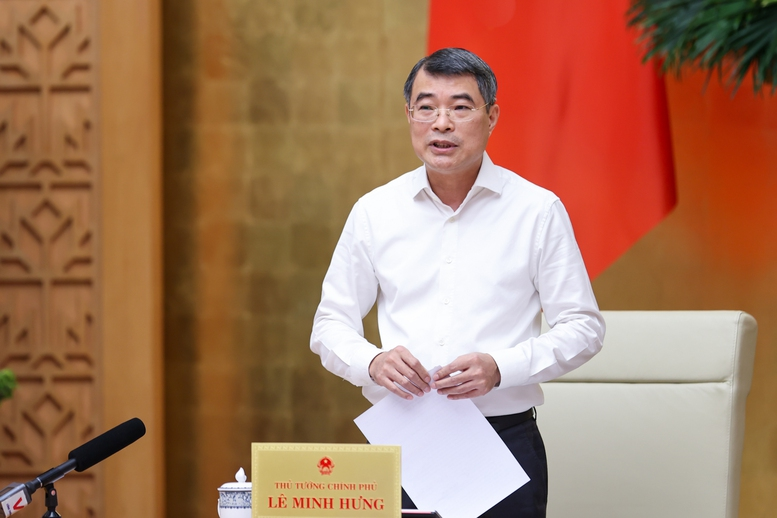
Prime Minister Le Minh Hung attends the 48th ASEAN Summit in Cebu, reaffirming Vietnam’s strong commitment to ASEAN cooperation and regional resilience.
The Ministry of Industry and Trade is seeking feedback on a draft decree on power works protection and hydropower safety, set to replace Decree No. 62/2025/ND-CP.
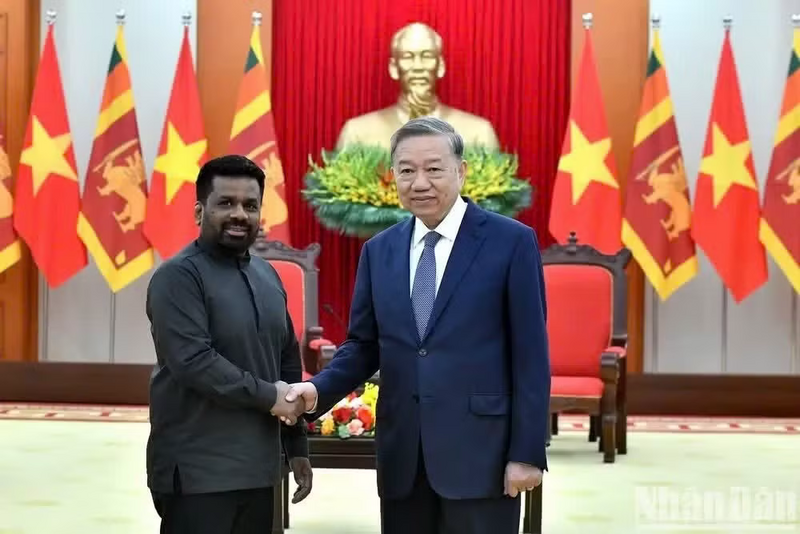
The State visit by Vietnam’s top leader to Sri Lanka on May 7 - 8 underscores deepening bilateral ties, paving the way for expanded cooperation in trade and investment, and stronger engagement with South Asia.
On the afternoon of May 4, Prime Minister Le Minh Hung chaired the Government’s regular meeting for April 2026, the first such session of the 16th-term Government.
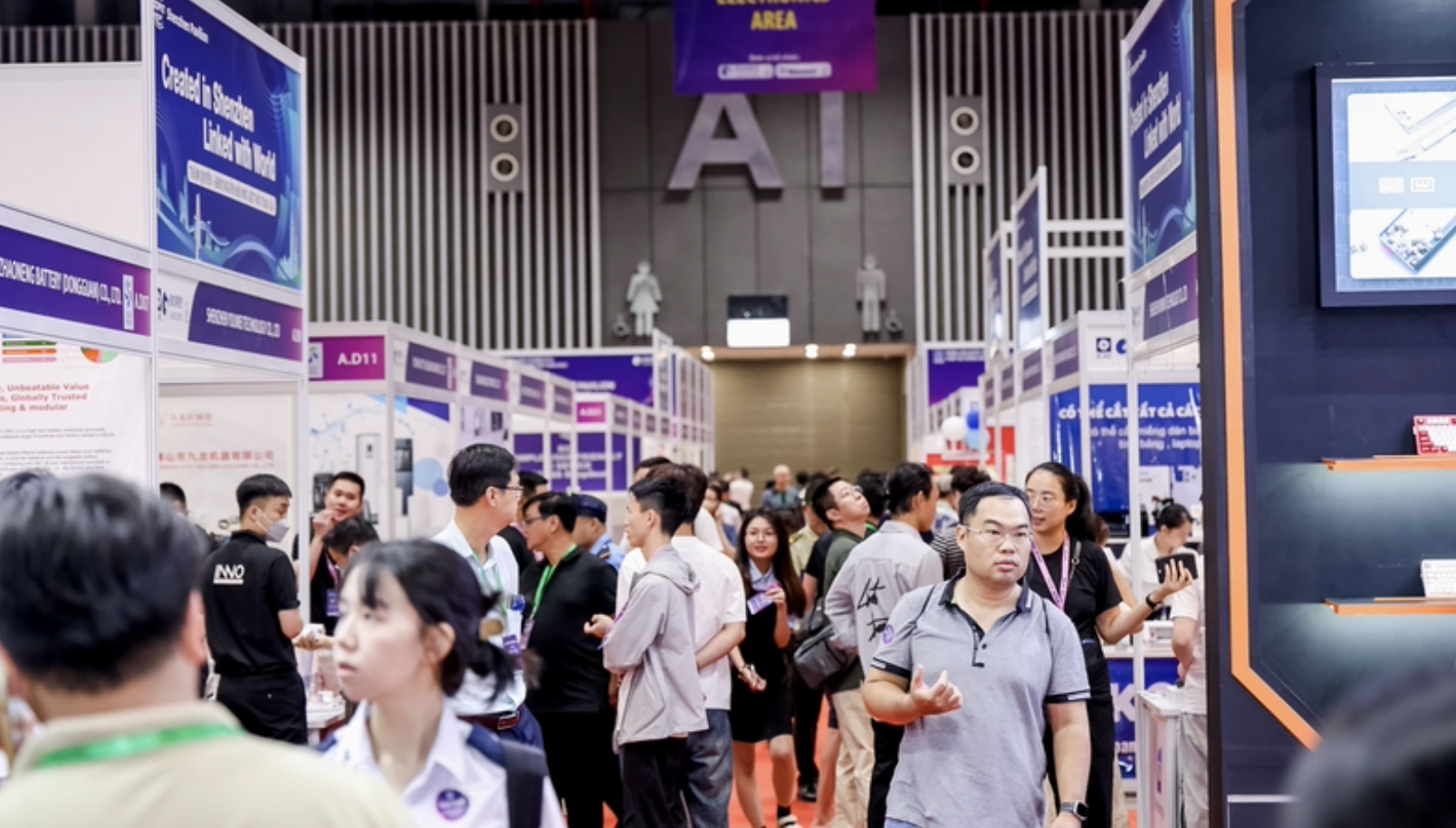
More than 300 companies are set to participate in business matching activities at the International Electronics and Smart Appliances Expo Vietnam (IEAE 2026), scheduled to take place from May 28 to 30 in Ho Chi Minh City.
Vietnam has issued a plan to implement the Law on E-commerce, defining tasks, timelines and coordination to ensure effective enforcement from July 1, 2026.
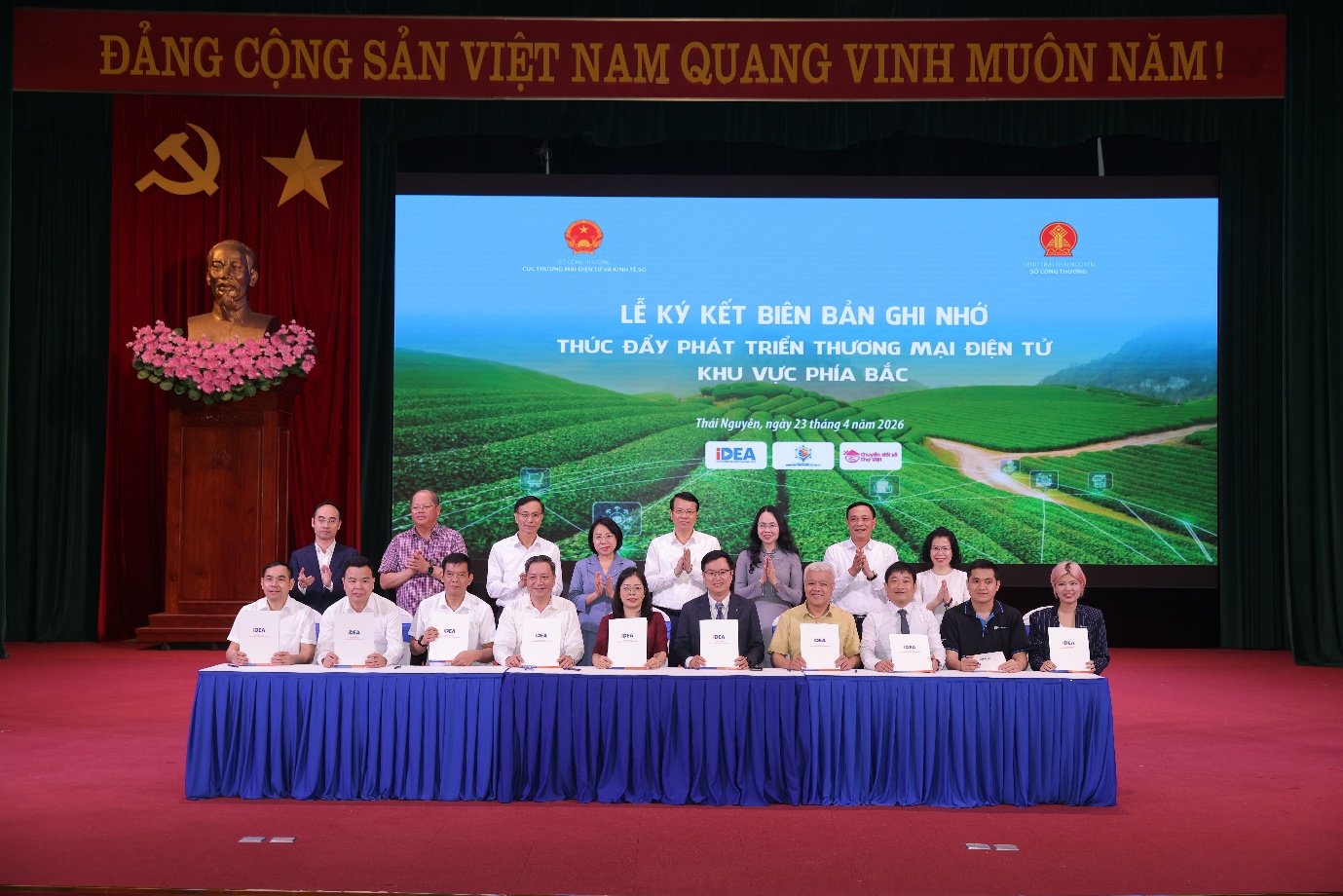
The programme in Thai Nguyen promotes e-commerce in northern Vietnam, linking localities with digital firms to expand markets and boost Vietnamese goods.