The Ministry of Industry and Trade (MoIT) Party Committee held a conference to implement Conclusion No.207-KL/TW, focusing on proactive, technology-driven consumer protection efforts.
On August 19, the MoIT Party Committee held a conference to disseminate and implement Conclusion No.207-KL/TW of the Party Central Committee's Secretariat regarding the continued execution of Directive No.30-CT/TW on consumer protection. In line with Plan No.22-KH/ĐUB dated December 5, 2025, of the MoIT Party Committee, on the afternoon of August 19, 2026, the MoIT Party Committee, with the Party Committee of the National Competition Commission serving as the lead implementing unit in coordination with the Commission for Publicity and Mass Mobilization and the Office of the MoIT Party Committee, held a conference to disseminate and implement Conclusion No.207-KL/TW of the Party Central Committee's Secretariat on continuing to implement Directive No.30-CT/TW on consumer protection.The conference aimed to disseminate the key contents of Conclusion No.207-KL/TW, as well as programs and plans for its implementation by the Government, the MoIT Party Committee, and the MoIT, while also discussing tasks, difficulties, and solutions in the implementation process.
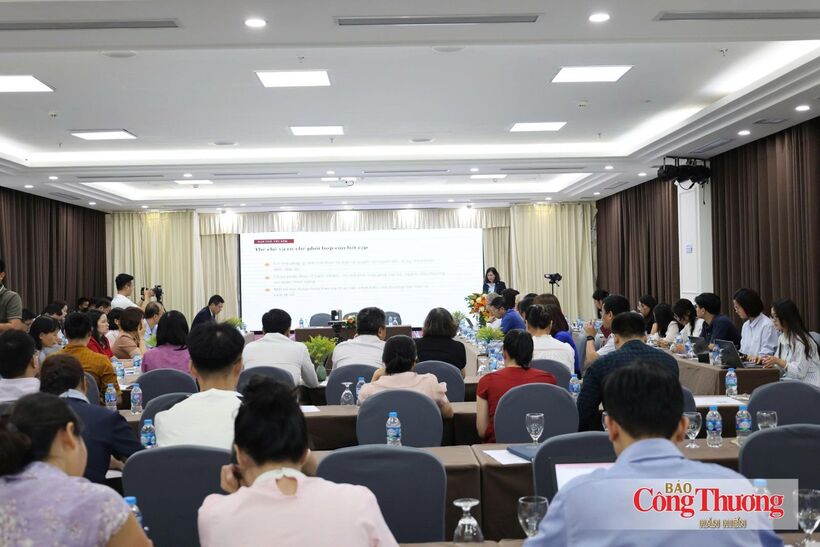
The conference was held in person in Ha Noi and connected online with localities nationwide, with about 100 delegates attending in person and nearly 200 agencies and organizations involved in consumer protection participating online. Participants included leaders, officials, and Party members from agencies and units under the MoIT; representatives of Departments of Industry and Trade of provinces and cities; the Viet Nam Consumer Protection Association and consumer protection associations nationwide; and representatives of People's Committees and specialized agencies in a number of communes and wards in Ha Noi, Bac Ninh, Can Tho, and Dong Nai, among others. The extensive connection demonstrated that consumer protection is being thoroughly implemented not only at the central and provincial levels but increasingly at the grassroots level, where many issues concerning the market and consumer life arise and are directly addressed.
An overview of the conference to disseminate and implement Conclusion No.207-KL/TW on August 19, 2026 in Ha Noi.
Strengthening leadership, turning policies into responsibilities and concrete actions
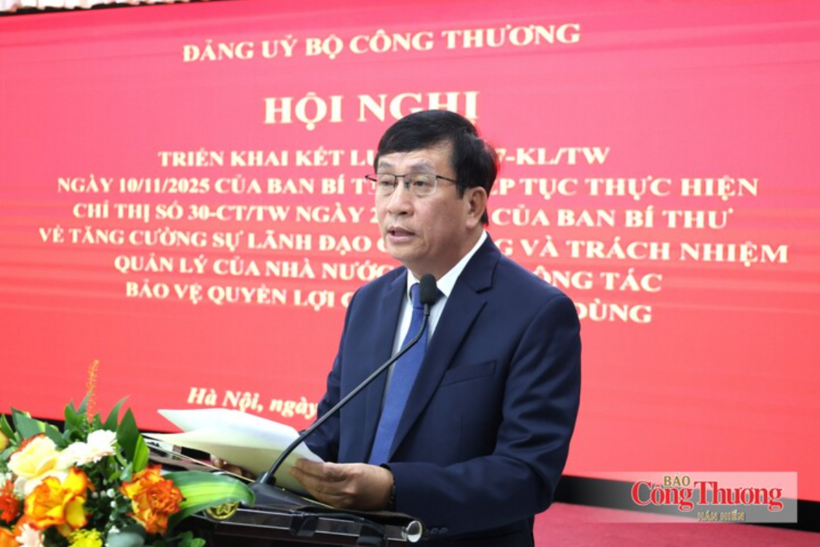
In his opening remarks, Phan Van Ban, Deputy Secretary of the MoIT Party Committee, affirmed that after more than five years of implementing Directive No.30-CT/TW, consumer protection has seen many positive changes. Awareness among Party committees, authorities, state management agencies, businesses and people has gradually improved; the legal system has continued to be strengthened; and inspection, supervision, as well as the receipt and settlement of consumer feedback and complaints, have made significant progress.
Alongside the achievements, Phan Van Ban pointed out new requirements that have emerged. Legal mechanisms and institutions for implementation in some areas have not kept pace with the speed of market development; responsibilities, authority and coordination mechanisms among some agencies remain insufficiently clear; and resources allocated to consumer protection remain inadequate. In particular, along with the development of the digital economy, digital platforms, e-commerce and new business models, violations of consumer rights are becoming increasingly diverse, sophisticated and complex. Counterfeit goods, goods of unclear origin, substandard products, misleading or inaccurate advertising and new forms of fraud continue to directly affect people's property, health and confidence.
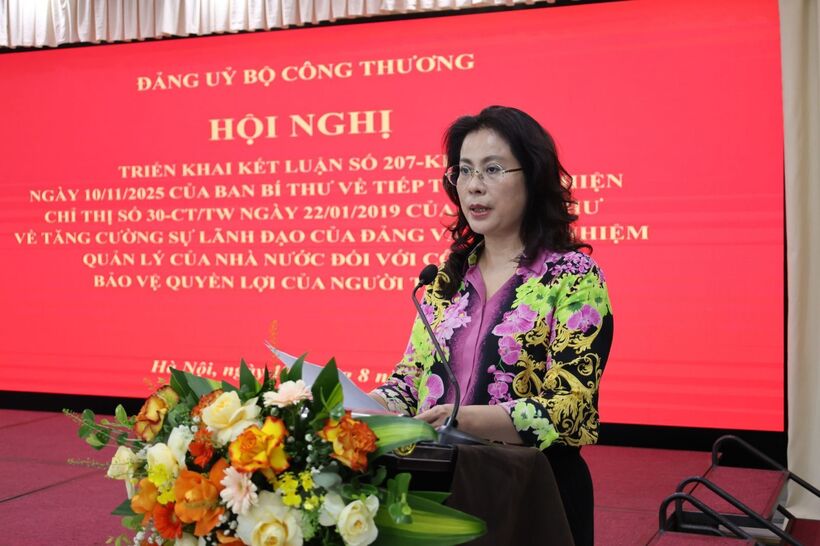
Phan Van Ban, Deputy Secretary of the MoIT Party Committee, delivers the opening remarks at the conference.
Against this backdrop, the opening remarks emphasized six major orientations that need to be thoroughly implemented in the process of carrying out Conclusion No.207-KL/TW. First, Party committees, Party organizations, agencies, and units throughout the industry must identify consumer protection as both a political task and a regular, long-term state management task; heads of agencies and units must directly pay attention to, direct, and inspect implementation and bear responsibility for results in their assigned fields and areas.
This must be accompanied by an urgent review and improvement of mechanisms and policies, as well as a clear delineation of functions, tasks and responsibilities among agencies and management levels, particularly under the two-tier local government structure. Decentralization and delegation of authority must be linked to implementation capacity, resources and accountability. In law enforcement, there must be a clear improvement in performance, with stronger inspection, supervision, warnings and strict handling of counterfeit goods, substandard products and trade fraud, particularly in areas directly affecting people's health and property and vulnerable groups of consumers.
Another prominent orientation is proactive adaptation to the digital environment. Consumer protection on digital platforms and in cross-border transactions needs to become a key focus; the development, connection and exploitation of data must go hand in hand with the application of digital technology, big data and artificial intelligence in receiving feedback, warning of risks, providing advice and support, tracing product origins and resolving disputes. At the same time, the strong role of consumer protection associations, industry associations and media agencies should be promoted; businesses should be encouraged to build a culture of compliance, responsible and transparent business practices and a consumer-centered approach; and communications should be renewed to make them practical, accessible and appropriate for different groups.
Phan Van Ban's directive message was concretized by a clear requirement following the conference: each agency, unit and locality must identify what needs to be done, who is responsible, the deadline for completion and the criteria by which results will be assessed. This represents an important link between policy dissemination and implementation, ensuring that Party and State documents are translated into tasks that can be monitored, inspected and evaluated.
Clarifying key requirements and tasks under Conclusion No.207-KL/TW and Plan No.22-KH/ĐUB
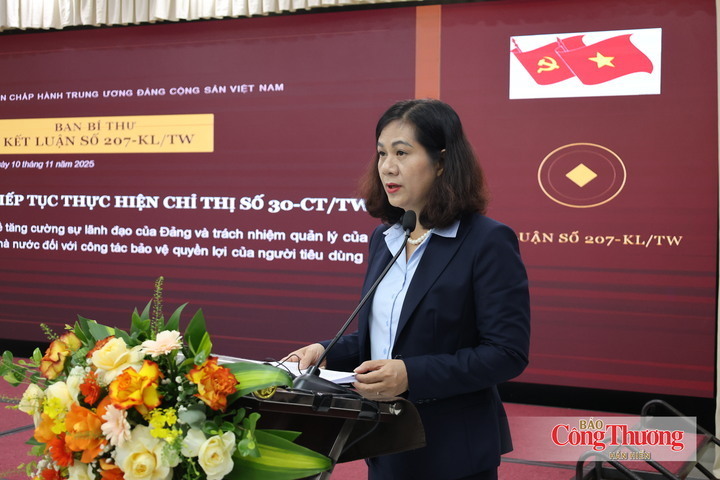
Continuing the program, Nguyen Minh Hue, Chairwoman of the Commission for Publicity and Mass Mobilization of the MoIT Party Committee, presented the first thematic report on requirements, tasks, and key solutions for consumer protection under Conclusion No.207-KL/TW and Plan No.22-KH/ĐUB dated December 5, 2025, of the MoIT Party Committee.
The thematic report pointed out that Conclusion No.207-KL/TW not only recognizes the results achieved in implementing Directive No.30-CT/TW but also focuses directly on bottlenecks in institutions, responsibilities, coordination, implementation and resource mobilization. The Party Central Committee's Secretariat calls for continued improvement of the legal framework; breakthroughs in law enforcement; promotion of the role of social organizations and businesses in association with digital transformation; stronger international integration and cooperation; renewal of communications; and implementation with specific responsibilities assigned to each level, agency and head.
Nguyen Minh Hue presents the first thematic report on Conclusion No.207-KL/TW and Plan No.22-KH/ĐUB of the Party Committee of the Ministry of Industry and Trade.
Regarding Plan No.22-KH/ĐUB, the overarching requirement is to thoroughly disseminate and concretize responsibilities throughout the MoIT Party Committee, incorporate consumer protection tasks into regular work programs, strengthen coordination among Party organizations, agencies and units, and highlight the role of heads of agencies and units. A notable target is for 100% of Party members within the MoIT Party Committee to study, learn and fully understand the significance and importance of the tasks and solutions set out in Conclusion No.207-KL/TW.
Concretizing policies through the Government's Action Program and the MoIT's Action Plan
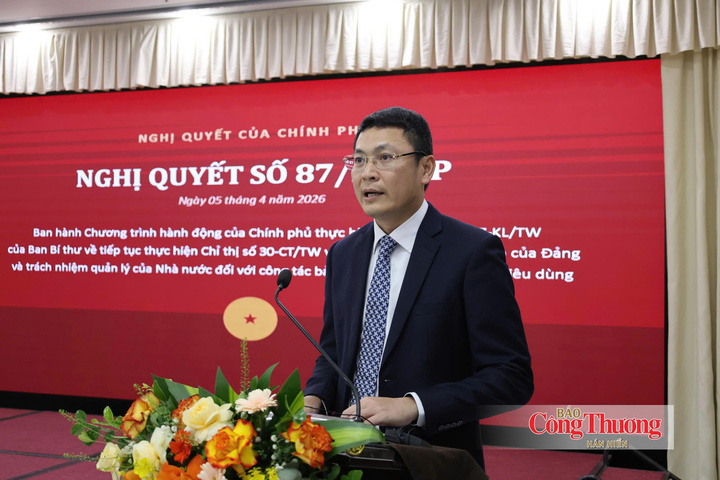
In the second thematic report, Trinh Anh Tuan, Secretary of the Party Committee and Chair of the National Competition Commission, introduced the Government's Action Program to implement Conclusion No.207-KL/TW under Resolution No.87/NQ-CP dated April 5, 2026, and the MoIT's Action Plan under Decision No.1116/QD-BCT dated May 13, 2026.
While Conclusion No.207-KL/TW establishes leadership orientations across the entire system, Resolution No.87/NQ-CP and Decision No.1116/QD-BCT concretize them into specific tasks, lead agencies, coordinating agencies, outputs and implementation deadlines. Six groups of tasks are being implemented consistently, including raising awareness and responsibility; improving institutions; creating breakthroughs in law enforcement; promoting social organizations, businesses and digital transformation; strengthening international cooperation; and renewing communications.
Trinh Anh Tuan presents the second thematic report on Resolution No.87/NQ-CP and Decision No.1116/QD-BCT.
For the MoIT, key tasks include reviewing and improving legislation on consumer protection and e-commerce; strengthening consumer protection on digital platforms; completing regulations on traceability and handling violations; and controlling goods and services that fail to meet quality requirements, counterfeit and imitation goods, false information and acts that adversely affect consumers. The plan also focuses on developing databases and shared systems for consultation and handling feedback, applying artificial intelligence and big data, and strengthening coordination among state management agencies, Departments of Industry and Trade and consumer protection associations.
An important point emphasized is that “annual” tasks must be incorporated into regular work programs, while tasks for the 2026-2027 or 2026-2028 periods must be divided into specific milestones for monitoring, urging implementation and evaluation. This approach aims to ensure that the Action Program does not stop at general orientations but becomes a management tool for implementation throughout the industry.
Lessons from Ha Noi and the voices of social organizations involved in consumer protection
The conference's presentations and discussions provided practical perspectives from local authorities and social organizations. Nguyen Kieu Oanh, Deputy Director of the Ha Noi Department of Industry and Trade, presented a paper on the implementation of Conclusion No.207-KL/TW in the locality, difficulties in implementation and recommendations and solutions. With its large market, high transaction density and rapidly developing e-commerce sector, Ha Noi faces many typical requirements concerning management coordination, market control, receipt of feedback and consumer protection in the digital environment.
Nguyen Kieu Oanh, Deputy Director of the Ha Noi Department of Industry and Trade, presents a paper at the conference.
From the capital's management practice, the paper by the Ha Noi Department of Industry and Trade focused on continuing to raise the responsibility of all levels and sectors; strengthening communications and legal education; stepping up inspections of business activities, particularly in the online environment; promptly receiving and responding to consumer feedback and recommendations; and promoting coordination among the Department of Industry and Trade, grassroots authorities, functional forces, social organizations and businesses. These are also issues of reference significance for other localities as the two-tier local government model places greater requirements on clear assignment and handling of responsibilities at the grassroots level.
Bui Thanh Thuy, Vice Chairperson of the Viet Nam Consumer Protection Association, presented a paper on the activities of the association and social organizations involved in consumer protection, as well as challenges and recommendations for solutions. The presentation emphasized the role of the association system in legal communications and dissemination; providing advice, receiving and supporting the settlement of complaints; mediating disputes; social monitoring and policy feedback; coordinating with state agencies and businesses; and bringing consumer protection activities closer to people in localities.
According to the presentation by the Viet Nam Consumer Protection Association, notable difficulties currently include limited resources and funding; many local associations relying on part-time or volunteer personnel; uneven professional capacity in new areas such as e-commerce, digital technology, personal data and digital finance; irregular coordination and information sharing mechanisms in some places; and consumers' lack of a habit of filing complaints or using legal mechanisms to protect themselves. Accordingly, the association proposed increasing resources, developing mechanisms for coordinated information sharing, improving consultation, mediation and legal support capacity, and promoting the application of digital technology in receiving and handling feedback and complaints.
Delegates at the conference focus on studying and discussing tasks for implementing consumer protection work in the new situation.
Moving strongly from handling cases to prevention, warnings and data-driven governance
In his concluding and closing remarks, Trinh Anh Tuan addressed highly of the attention and responsible participation of a large number of leaders, officials, civil servants and public employees from the MoIT and the industry as a whole; localities and Departments of Industry and Trade; the Viet Nam Consumer Protection Association and consumer protection associations nationwide; as well as representatives of People's Committees and specialized agencies at a number of communes and wards participating both in person and online. He also expressed his appreciation for the leadership and direction of the Standing Committee of the Party Committee of the MoIT and the coordination of the Propaganda and Mass Mobilization Committee, the Office of the Party Committee of the Ministry, and relevant agencies, units and organizations in preparing for and organizing the conference.
According to Trinh Anh Tuan, the series of documents from Conclusion No.207-KL/TW to Resolution No.87/NQ-CP, Plan No.22-KH/ĐUB and Decision No.1116/QD-BCT has formed a relatively comprehensive and coordinated system of tasks with clear assignments. The most important issue following the conference is to turn these policies, tasks and solutions into concrete actions with designated focal points, timelines, outputs, resources and accountability.
Based on this requirement, Trinh Anh Tuan asked agencies and units to focus on the following eight groups of tasks:
First, continue to thoroughly disseminate and correctly identify the position of consumer protection work, linking responsibility to work programs and the performance of heads of agencies and units.
Second, units under the Ministry must fully review the tasks assigned under Decision No.1116/QD-BCT and concretize them into plans, timelines and outputs.
Third, continue to improve institutions while creating clear improvements in law enforcement, particularly concerning e-commerce, digital platforms, cross-border transactions, personal data, traceability, product quality and advertising.
Fourth, People's Committees and Departments of Industry and Trade of provinces and cities need to proactively concretize tasks at the local level, improve management effectiveness at the grassroots level and strengthen coordination in receiving feedback, issuing warnings, conducting communications, carrying out inspections and handling violations.
Fifth, further promote the role of the Viet Nam Consumer Protection Association and social organizations in providing consultation, mediation, communications, feedback, supervision and connecting consumers with state management agencies.
Sixth, accelerate digital transformation, build databases and apply artificial intelligence to support data analysis, risk identification, early warnings, traceability and consumer assistance.
Seventh, continue to renew communications by focusing on practical skills that people actually need, such as identifying counterfeit goods, misleading advertising and online fraud, conducting safe transactions, protecting personal data and using complaint and dispute settlement mechanisms.
Eighth, ensure resources, strengthen inspections and monitoring, and strictly implement reporting requirements. Units must submit reports on implementation results to the National Competition Commission before November 15 each year for compilation, and report to the Minister on the implementation of the Plan before December 15 each year.
The conference's concluding message emphasized a fundamental shift in the approach to consumer protection: moving from passive to proactive action; from handling individual cases to prevention and warnings; from isolated management to inter-sectoral coordination; and from traditional methods to data- and technology-based governance. The success of the conference therefore should not be measured only by the number of delegates or the content disseminated, but must be reflected in concrete changes following the conference: each agency must know clearly what it has to do, whom it must coordinate with, what outputs are required, when they must be completed and who is responsible.
The ultimate goal is for people to feel the results of policies through a more transparent market, safer goods and services, more responsible businesses, more convenient mechanisms for providing feedback and resolving disputes, and better protection of consumers' legitimate and lawful rights and interests. With a spirit of responsibility, determination and action, the conference provides further momentum for Conclusion No.207-KL/TW and the programs and plans for its implementation to truly take effect in everyday life, contributing to a safe, transparent, fair and sustainable consumer environment.
Building on 50 years of diplomatic relations, Viet Nam and Thailand have continued to nurture friendship, strengthen mutual trust, expand cooperation and work toward new milestones in bilateral ties.
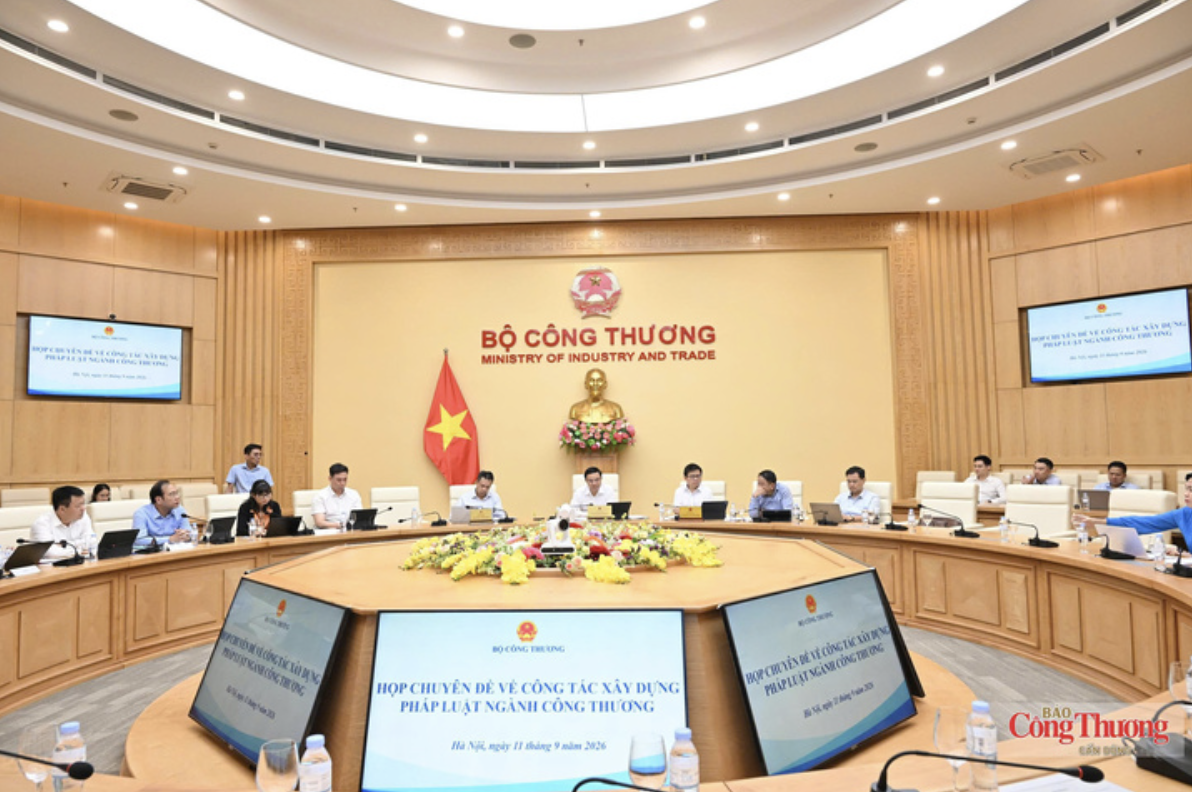
The Ministry of Industry and Trade completed all nine key Q3 legislative tasks and is prioritizing 56 remaining tasks to ensure timely, consistent and effective legal reform.
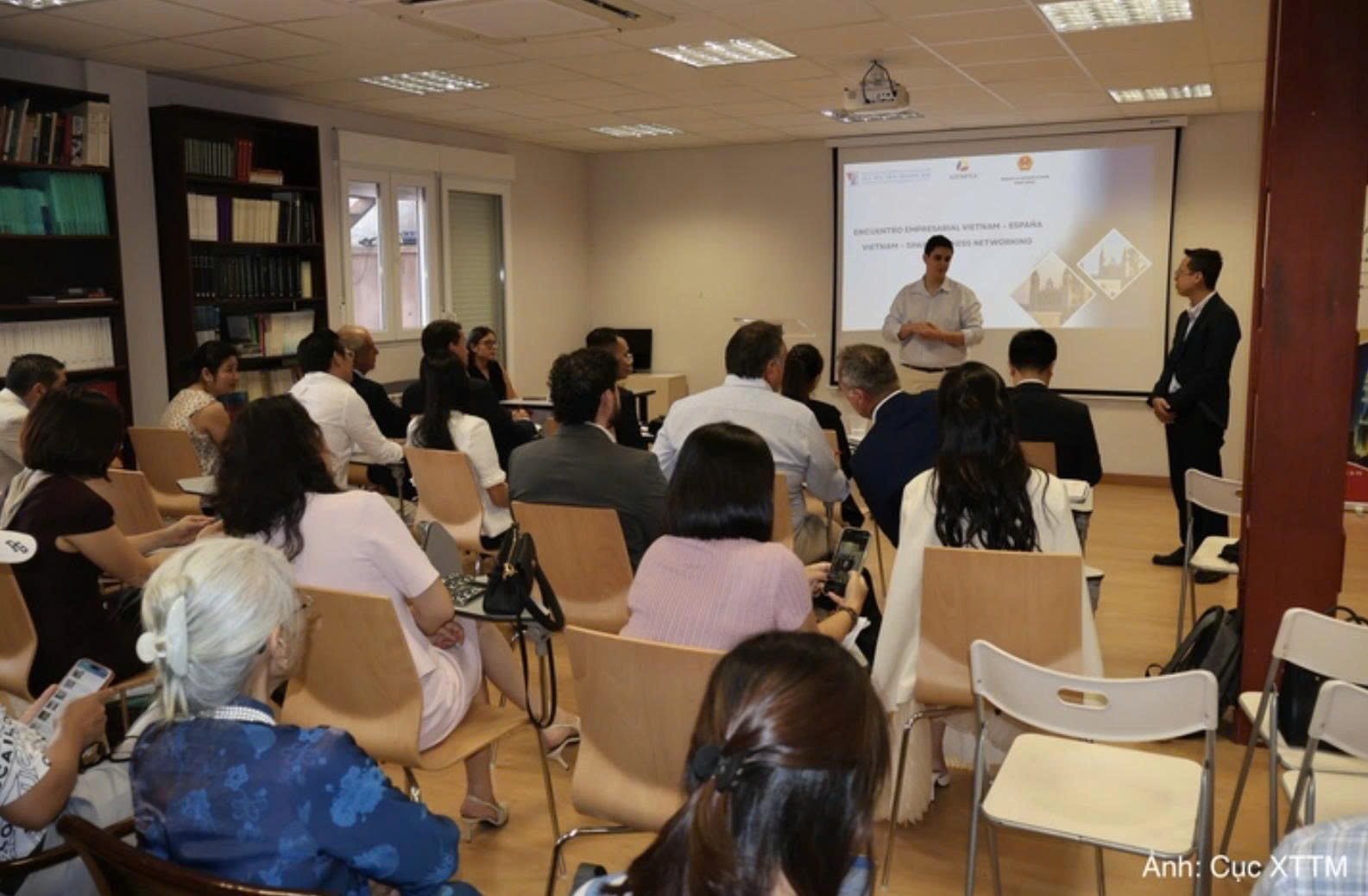
Vietnamese businesses are stepping up trade connections and seeking partners in Türkiye and Spain, opening up new opportunities to boost exports and gain access to European markets.
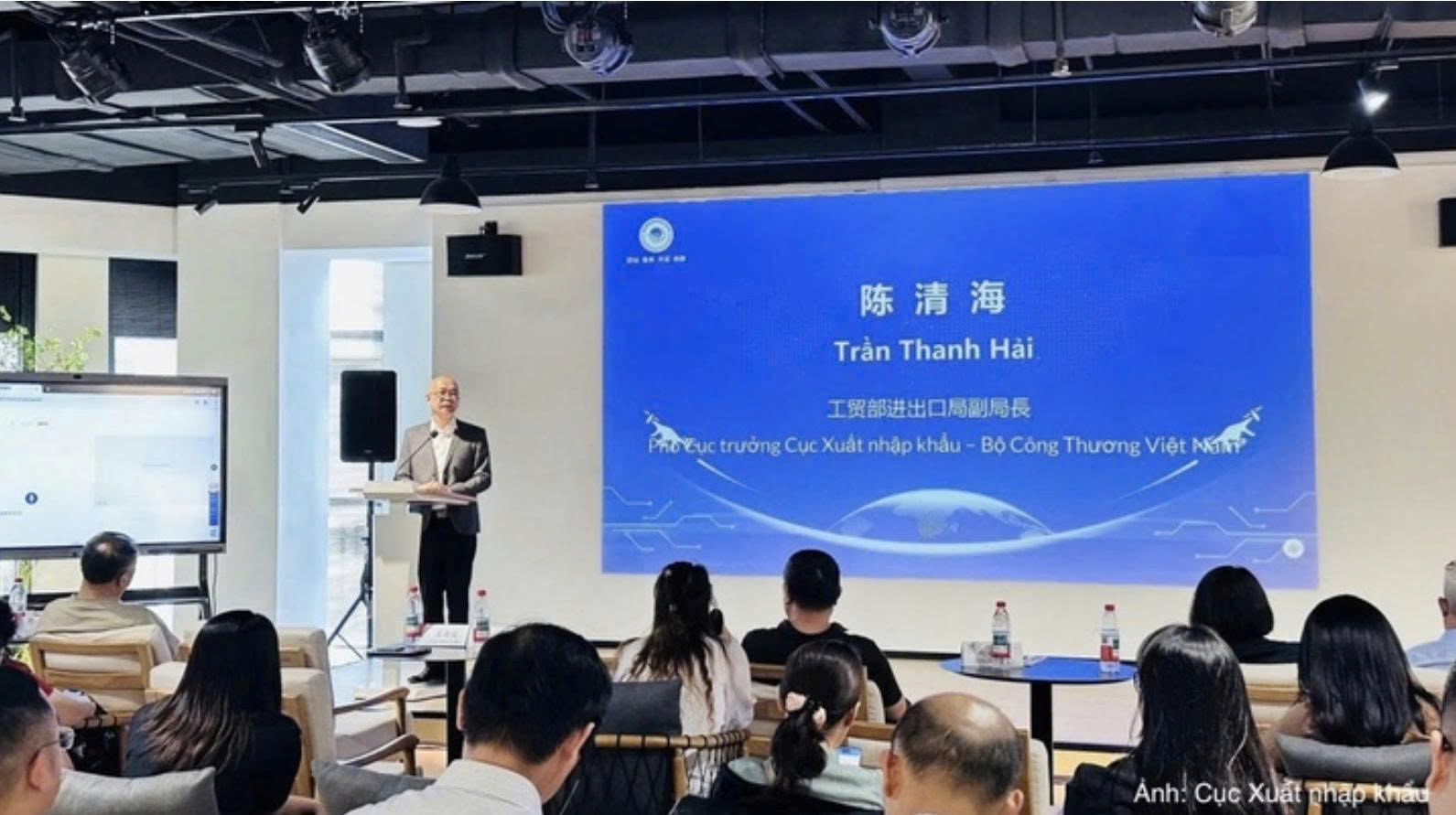
Access to advanced port technologies and stronger business connectivity are creating new opportunities for logistics cooperation between Viet Nam and China.
Building on 50 years of diplomatic relations, Viet Nam and Thailand have continued to nurture friendship, strengthen mutual trust, expand cooperation and work toward new milestones in bilateral ties.
The Ministry of Industry and Trade completed all nine key Q3 legislative tasks and is prioritizing 56 remaining tasks to ensure timely, consistent and effective legal reform.
Vietnamese businesses are stepping up trade connections and seeking partners in Türkiye and Spain, opening up new opportunities to boost exports and gain access to European markets.
Access to advanced port technologies and stronger business connectivity are creating new opportunities for logistics cooperation between Viet Nam and China.