Access to advanced port technologies and stronger business connectivity are creating new opportunities for logistics cooperation between Viet Nam and China.
From smart ports to lessons for Viet Nam’s logistics sector
From September 6 to 13, 2026, a delegation from the Agency of Foreign Trade under the Ministry of Industry and Trade conducted a field survey, working sessions and business networking program between Vietnamese and Chinese logistics companies in Hangzhou, Ningbo, Shenzhen, and Qinzhou.
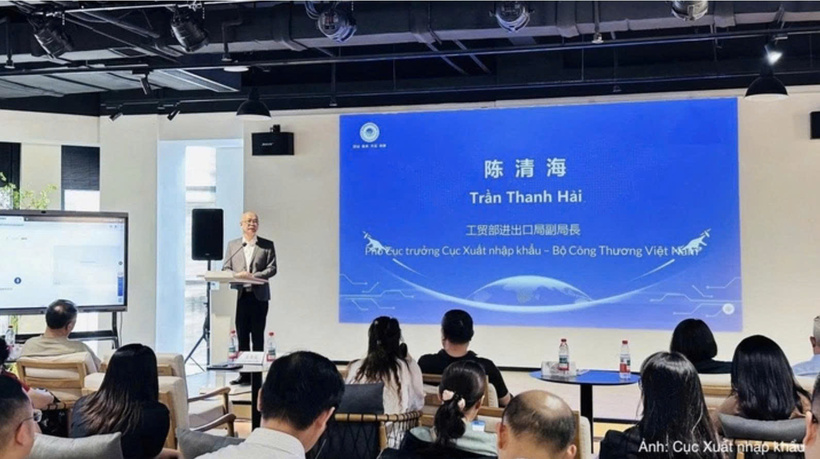
Tran Thanh Hai, Deputy Director-General of the Agency of Foreign Trade, delivers remarks at a working session with businesses in Zhejian.
The program was designed to help Vietnamese logistics enterprises improve their competitiveness, proactively integrate into the global economy and expand into international markets in line with relevant orientations and tasks.
During eight days of working in China, the delegation held discussions with the Zhejiang Security Technology Industry Association, the Shenzhen International Freight Forwarders Association, and a number of major Chinese logistics, technology and manufacturing companies, including Alibaba, Getwin Logistics, BYD, CEVA Logistics and CIMC Wetrans.
The activities focused on studying modern logistics infrastructure and technologies, learning about multimodal transport, warehousing and cross-border supply chain models, and directly connecting businesses from the two countries in agency services, transportation, warehousing, customs clearance and integrated logistics services.
Notably, through working sessions with Alibaba, BYD, CEVA Logistics and other major companies, the delegation had an opportunity to learn about their development processes, management models and technology application strategies in cross-border e-commerce, automobile manufacturing, autonomous transport vehicles, smart equipment, logistics and green and sustainable supply chain management.
These activities also expanded cooperation opportunities between Vietnamese logistics enterprises and Chinese businesses, particularly in the application and supply of advanced technologies for logistics operations and management, with a view to strengthening Vietnamese companies’ participation in regional and global supply chains.
On September 8, the delegation surveyed Meishan Container Terminal, part of the Ningbo-Zhoushan Port cluster. The terminal is one of the large-scale container handling facilities and has deployed autonomous smart container trucks on a wide scale.
The delegation was introduced to a Digital Twin model, a smart management model integrated with the n-TOS/iECS terminal operating software, as well as management and control systems for autonomous and manned vehicles.
A key feature of the model is its ability to synchronously connect people, equipment, vehicles and data. The combination of high-precision positioning, artificial intelligence and traffic coordination technology helps optimize container truck routes, reduce waiting times and improve safety.
According to information provided by the port management authority, the combined operation of autonomous and manned vehicles has improved yard turnover efficiency by about 30%, while reducing the rate of autonomous vehicles deviating from designated routes by approximately 10%.
On September 12, the delegation surveyed the Qinzhou Automated Container Terminal, operated by the Beibu Gulf Port Group. The model combines port automation with sea-rail multimodal transport, using automated cargo-handling equipment, remote-control systems, intelligent container transport vehicles and a digital operating system.
Notably, the container yard is directly connected to the central railway station. According to the port management authority, the U-shaped operating model increases the operational-point density of intelligent guided vehicles (IGVs) by about 50% and reduces equipment travel distances by approximately 35%. The integrated operating model improves port handling efficiency by about 30%, while real-time connectivity between the railway and port increases container transshipment efficiency by about 50%.
Experience from Meishan and Qinzhou shows that the value of a smart port does not simply lie in using machinery to replace certain manual operations. More importantly, it involves transforming port management and operations into a data-driven model based on real-time information.
When data on vessels, containers, equipment, vehicles, yards and railways are connected on a common platform, ports can proactively allocate resources, optimize traffic flows, reduce waiting times, improve safety and make more efficient use of land, equipment and human resources.
The experience of Chinese ports therefore offers useful references for the modernization, digitalization and green transformation of Viet Nam’s seaport system. Rather than automating individual processes separately, the trend is moving toward a smart-port ecosystem in which automated equipment, data platforms, 5G networks, artificial intelligence, Digital Twin technology and port operating systems are integrated into a unified operational chain.
The ability to connect seaports with railways and other modes of transport in Qinzhou also offers valuable lessons. As Viet Nam develops international gateway ports, transshipment ports, logistics hubs and transport corridors connecting with China, an integrated sea-inland waterway-rail-road operating model could provide a useful reference for reducing logistics costs, shortening transit times and improving the competitiveness of import and export goods.
Expanding connectivity and turning cooperation opportunities into concrete results
Beyond studying technologies and operating models, the working trip placed a strong emphasis on direct connectivity between logistics business communities in the two countries.
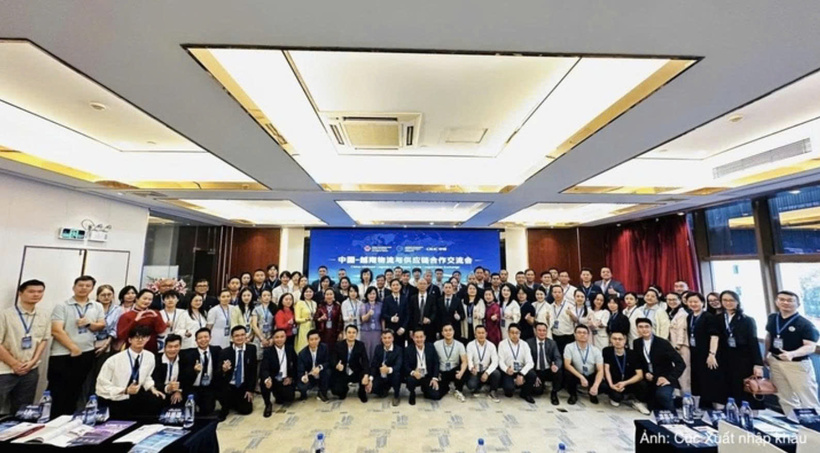
More than 140 businesses and representatives of government agencies from Viet Nam and China attended the Viet Nam-China Logistics and Supply Chain Cooperation Seminar in Shenzhen. Vietnamese and Chinese companies directly discussed their needs for agency partners, joint ventures in multimodal transport, warehousing services and import-export customs clearance.
Delegates and businesses from Viet Nam and China attend the Viet Nam - China Logistics and Supply Chain Cooperation Seminar.
Based on actual business needs, cooperation potential could also expand into consultancy, technology transfer and the deployment of automation solutions; the development of port and supply chain management platforms; the application of AI, IoT, Digital Twin and 5G technologies; training human resources for smart-port operations; and the development of solutions connecting seaports with inland waterways, railways and roads, as well as cross-border transport.
For Vietnamese seaports such as Lach Huyen and Cai Mep-Thi Vai, as well as ports with potential to develop into logistics hubs, gateway ports or transshipment ports, this also creates opportunities to access technology solutions suited to domestic operating conditions.
Cooperation, therefore, can go beyond equipment supply toward joint solution development, the sharing of management experience, process standardization and the development of scalable operating models.
As Viet Nam-China trade continues to grow, strengthening the capacity of domestic logistics enterprises is becoming increasingly important. Through field surveys, access to advanced technologies and engagement with leading Chinese companies, Vietnamese businesses have greater opportunities to learn from modern management models, expand their partner networks and gradually deepen their participation in regional and global supply chains.
The working trip has therefore opened not only a new channel for connectivity between Vietnamese and Chinese logistics businesses, but also new directions for cooperation among seaports, port operators, technology companies and logistics enterprises from the two countries.
As these connections continue to develop in a practical, focused manner and in response to specific needs, cooperation in smart-port operations, multimodal logistics, digitalization and automation could become an important driver for Vietnamese logistics enterprises to strengthen their competitiveness, expand their markets and gradually reach international markets.
The working trip by the Agency of Foreign Trade took place from September 6 to 13, 2026, in Hangzhou, Ningbo, Shenzhen and Qinzhou. In addition to surveying smart-port, automation and supply-chain digitalization models, the program directly connected Vietnamese logistics enterprises with Chinese partners, contributing to the goal of strengthening competitiveness, expanding markets and going global under the Go Global Program.
Polish Prime Minister Donald Tusk will pay an official visit to Viet Nam from October 24 to 26 as the bilateral trade continues to grow, creating opportunities for deeper cooperation.
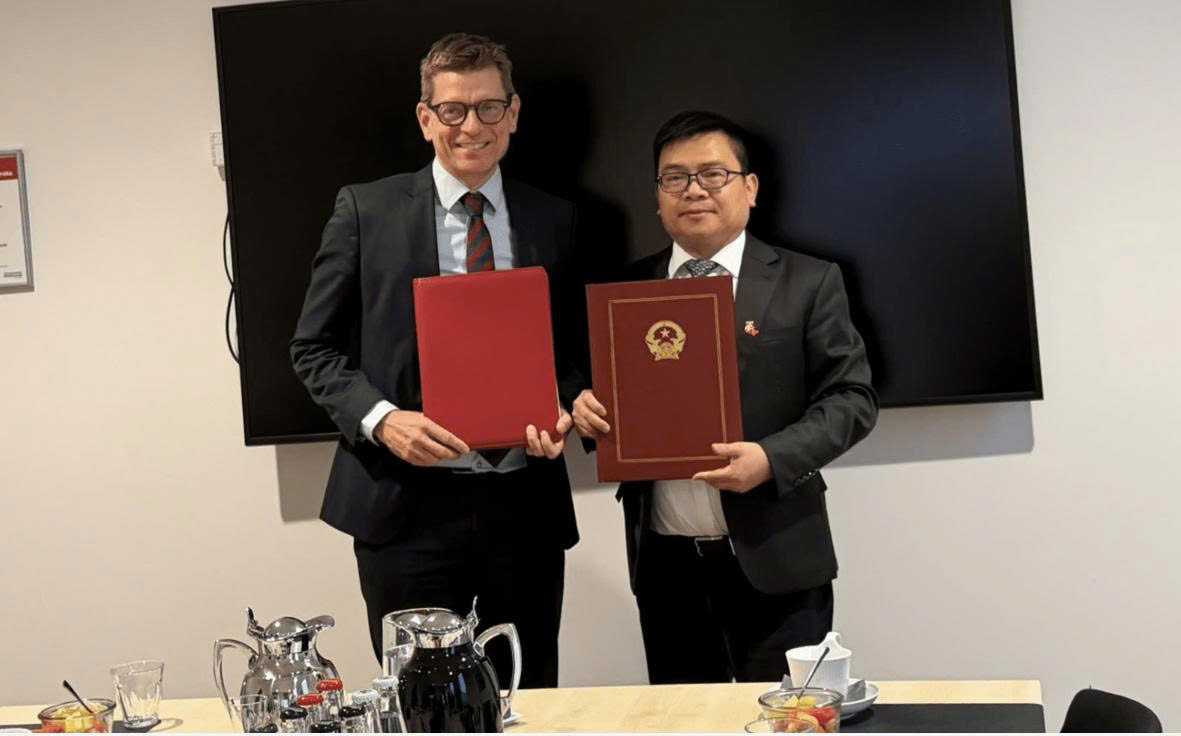
Deputy Minister Truong Thanh Hoai met with LEGO and Carlsberg in Denmark on October 20 to discuss green investment and sustainable manufacturing in Viet Nam.
For more than three decades, Ms. Dang Thi Thanh Huong has quietly shaped the legacy of Dong Phuong Cake & Confectionery, a brand rooted in tradition, craftsmanship.
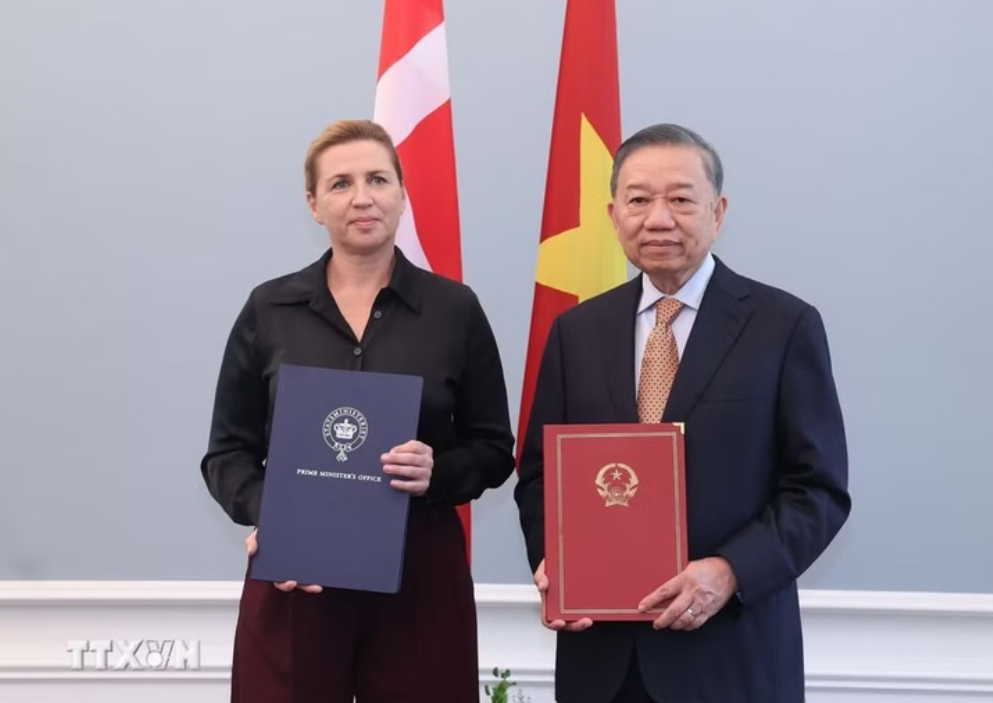
Viet Nam and Denmark have signed an MoU on energy cooperation to strengthen bilateral ties and advance collaboration in renewable energy and the green transition.
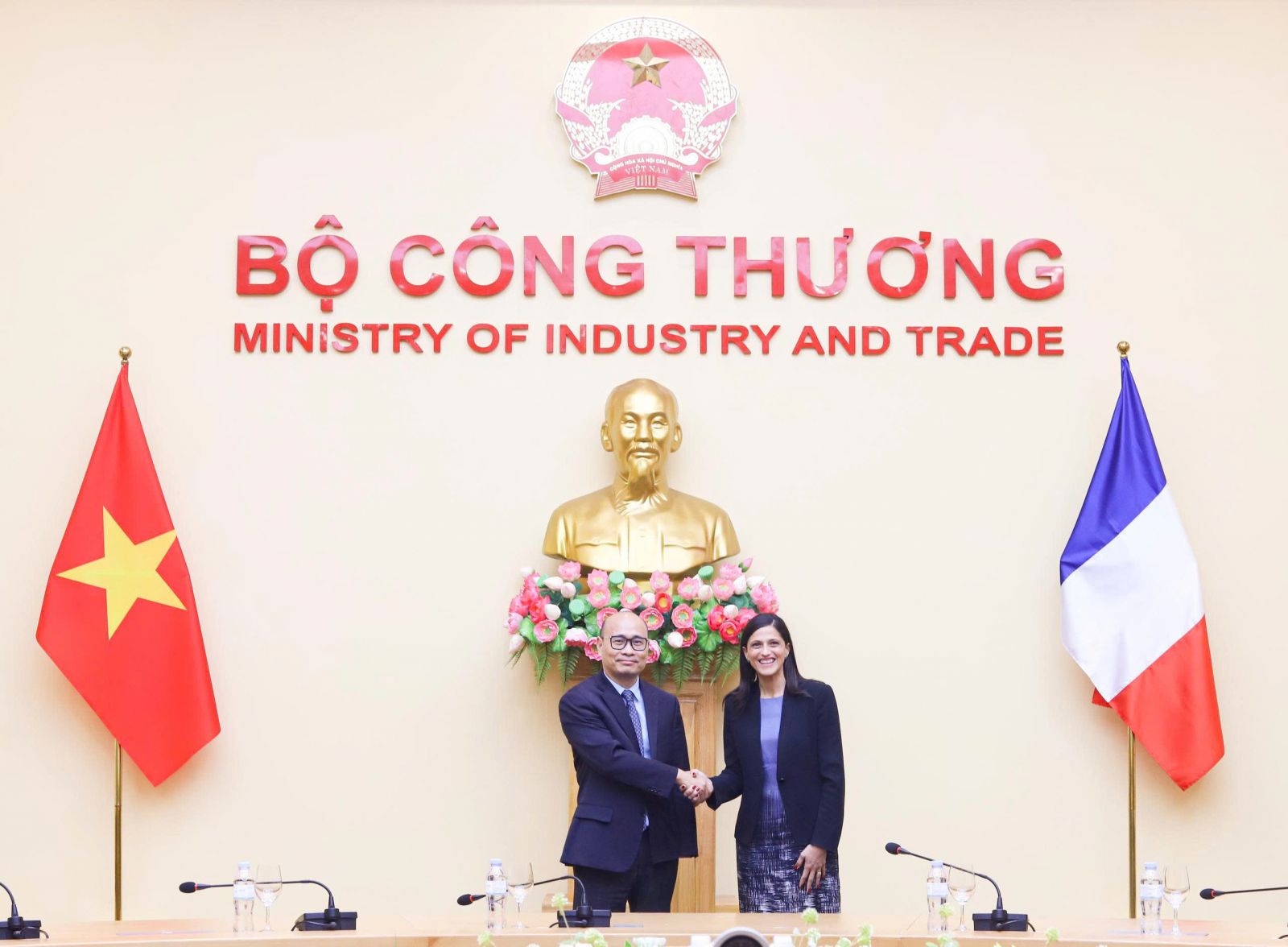
Deputy Minister Luong Hoang Thai met French Minister Delegate Eleonore Caroit on October 19 to discuss ways to strengthen Viet Nam - France cooperation.
Polish Prime Minister Donald Tusk will pay an official visit to Viet Nam from October 24 to 26 as the bilateral trade continues to grow, creating opportunities for deeper cooperation.
Deputy Minister Truong Thanh Hoai met with LEGO and Carlsberg in Denmark on October 20 to discuss green investment and sustainable manufacturing in Viet Nam.
Viet Nam and Denmark have signed an MoU on energy cooperation to strengthen bilateral ties and advance collaboration in renewable energy and the green transition.
Deputy Minister Luong Hoang Thai met French Minister Delegate Eleonore Caroit on October 19 to discuss ways to strengthen Viet Nam - France cooperation.
The Viet Nam Economic News respectfully presents the full text of the Joint Statement on the Establishment of a Comprehensive Strategic Partnership between Viet Nam and Denmark.