The Ministry of Industry and Trade is accelerating digital transformation to modernise management, improve public services, strengthen the competitiveness of businesses.
Implementing the Politburo's Resolution No.57-NQ/TW, the Ministry of Industry and Trade has stepped up national digital transformation efforts, linking digitalisation with new approaches to management and administration while improving services for people and businesses.
Notable achievements
Digital transformation has not only helped modernise the operations of the industry and trade sector but has also created new momentum for businesses to innovate their production and business models, improve productivity and competitiveness, and contribute to the development of Viet Nam’s digital economy and digital society.
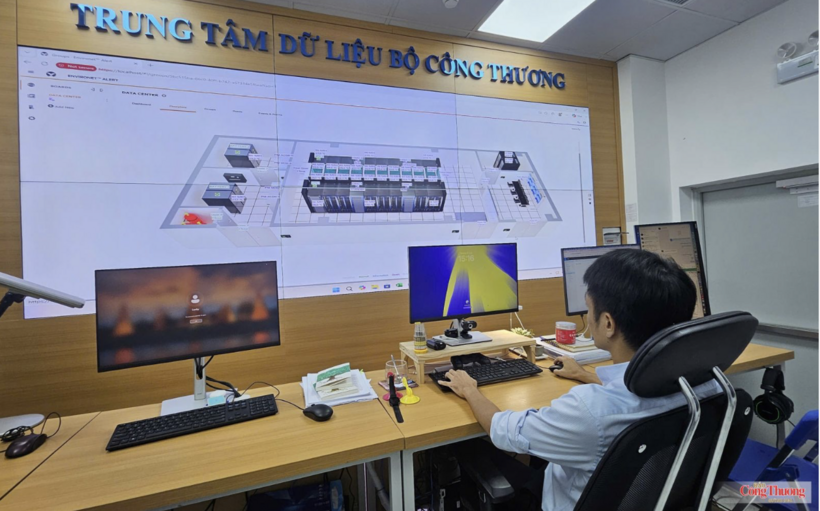
The Ministry of Industry and Trade’s data center.
Regarding the results of national digital transformation, the Ministry of Industry and Trade said that, in terms of administrative procedures and online public services, as of June 30, 2026, the centralized administrative procedure information system had configured 503 administrative procedures and received 67,850 applications since the beginning of the year. Of these, 67,145 were submitted online, accounting for approximately 99%. The Ministry has published 511 administrative procedures on the National Public Service Portal and integrated 265 online public services.
The Ministry has completed the decentralisation of 43 out of 45 administrative procedures; simplified citizen-document requirements for 64 out of 67 procedures; implemented 59 out of 162 procedures based on data; and developed plans for 94 out of 264 internal administrative procedures. Data for integrating 41 types of documents into the VNeID application is ready, pending technical guidance.
In terms of digital infrastructure and architecture, the Ministry’s data centre and shared platforms have been maintained in a safe and stable manner. The LGSP integration and data-sharing platform has been connected to the national business registration database; e-commerce data has been shared with the Ministry of Finance; and the task-monitoring system has been connected to the Government’s system. The industrial and trade economic database has synchronized all 16 out of 16 indicator groups with the National Data Center. The chemicals and precursors database contains approximately 204,000 records, has been connected via API, and is undergoing further data cleansing and verification.
Regarding national digital platforms and shared digital platforms for sectors and fields, the centralised administrative procedure settlement system has been deployed across all 34 provinces and centrally governed cities, with 3,292 out of 3,380 units having fully declared their operational information. For 234 ministry-level administrative procedures, 100% are available online. The system has more than 160,000 organizations and individuals using it regularly and has received more than 938,000 applications cumulatively. The Ministry has developed an electronic data repository for organizations and individuals; connected it with the data repository of the National Public Service Portal and national databases; and completed an electronic learning-resource system serving the “Digital Literacy for All” program.
Regarding digital data, the Ministry has synchronized data on 9,780 cadres, civil servants and public employees with the national database, while making nearly 40 databases and open datasets publicly available. The Verigoods system has been operational since December 23, 2025. The database for handling administrative violations in the market surveillance sector, the INS system and the National Petroleum Management System have been connected and put into use. The “Quanh tôi” (“Around me”) application was launched on June 1, 2026, to help people find the nearest petrol station.
In terms of developing the digital economy and digital society, the Ministry of Industry and Trade said the business-to-consumer (B2C) e-commerce market reached approximately USD 13.9 billion in the first six months of 2026, up 17.9% year on year. The “Viet Nam Goods Vitality” programs and Verigoods, which support the promotion, traceability, and transparency of goods, have also been strengthened.
In addition, the Ministry of Industry and Trade has set a target for 2026 under which 100% of cadres, civil servants and public employees will receive digital skills training; 50% of specialized information technology and digital transformation personnel will receive data management training; and 100% of work dossiers will be processed electronically, with at least 80% of documents and dossiers handled through end-to-end digital processes.
Providing inclusive and smart digital services
Decision No.405/QD-BCT of the Ministry of Industry and Trade on its digital transformation plan for 2026 - 2030 sets out the goal of building a digital Ministry of Industry and Trade operating on the basis of data and digital technologies, simplifying administrative procedures and providing high-quality public services. The digital economy is to become a key driver of growth, while a civilised, safe and inclusive digital society is to be developed.
The plan sets specific targets for developing digital government and improving the effectiveness of state management. Decision No.405 requires the provision of inclusive and smart digital services, with key targets including the implementation, during 2026 - 2027, of end-to-end online processing for 100% of eligible administrative procedures, and requiring citizens and businesses to provide information, documents and records related to production and business activities to state administrative agencies only once.
In addition, 100% of essential end-to-end online public services are to apply AI in at least one stage, including application receipt, processing, user support or automated decision-making, with the aim of improving service efficiency, speed and quality. The plan also targets a 95% satisfaction rate among people and businesses using online public services.
For 2028 - 2030, the targets include a 99% satisfaction rate among people and businesses using online public services, while 100% of end-to-end online public services are to apply AI in at least one stage, including application receipt, processing, user support or automated decision-making, to improve service efficiency, speed and quality. In addition, 50% of essential online public services are expected to be delivered proactively, with AI supporting “personalized” services.
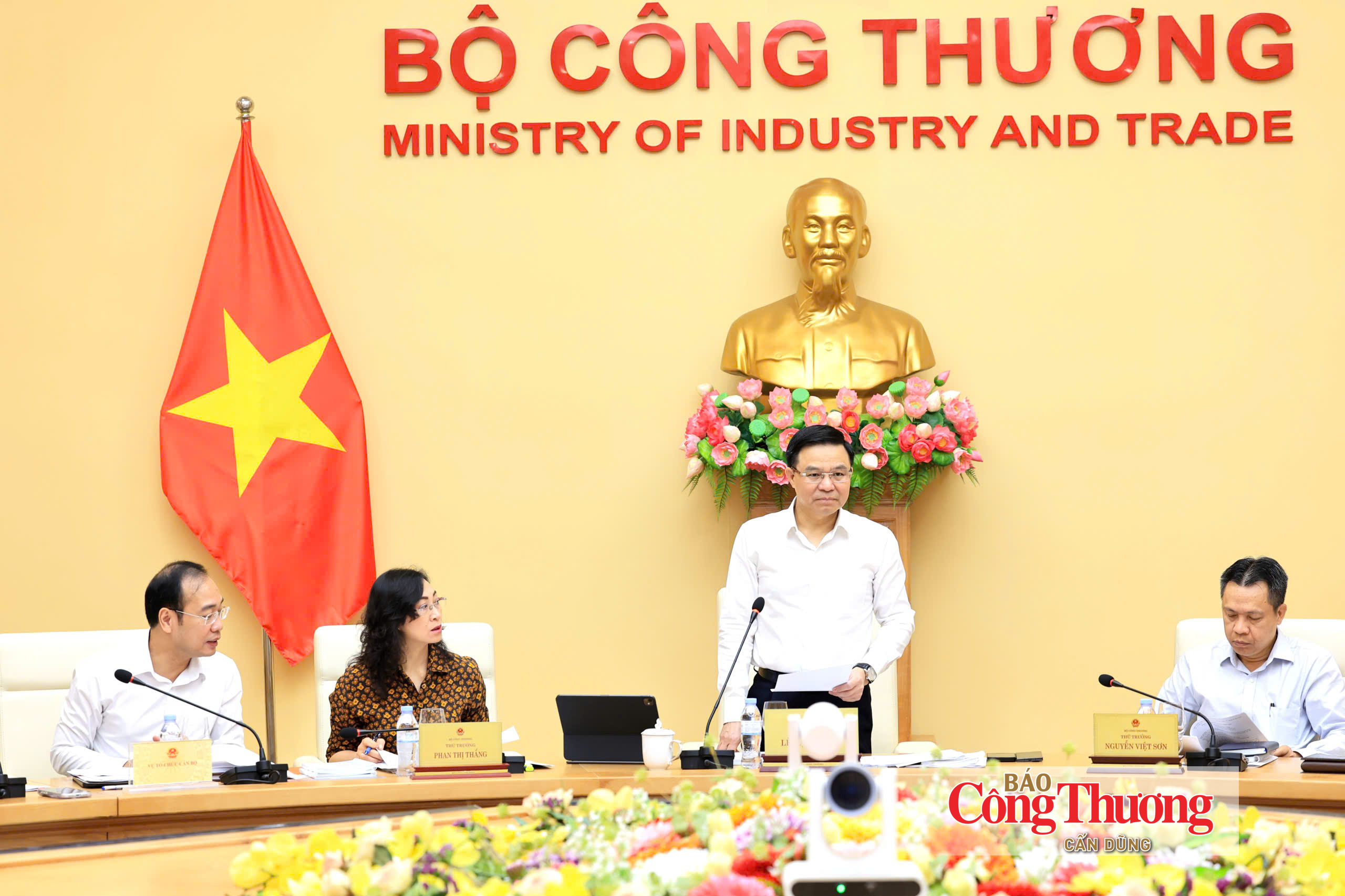
Concluding the third meeting of the Ministry of Industry and Trade’s Steering Committee on the development of science and technology, innovation, digital transformation and Project 06, Minister of Industry and Trade Le Manh Hung requested that the Authority of Information Technology and E-commerce conduct a comprehensive review and study options for thoroughly renovating and upgrading the Ministry’s internal document management system, IMOIT. The upgraded system is expected to incorporate functions for work management, progress monitoring, alerts, reminders, filtering, tracking and statistical reporting, so that the necessary funding can be included in the Ministry’s 2027 programs and plans in a timely manner.
The Ministry will also develop and propose a plan to establish a Digital Transformation Center and connect a network of digital transformation focal-point personnel across its units. At the same time, the Ministry’s relevant units will jointly conduct a comprehensive review of the digital transformation strategy, data strategy, digital transformation architecture framework and data architecture to ensure synchronization and interoperability. They will also identify requirements and plans for data centres, cloud computing and digital infrastructure to meet both immediate and long-term needs, while proposing measures to secure the necessary human and financial resources.
At the same time, the Ministry will review and restructure its database systems, reducing the current 34 databases to an expected seven core databases, and put the restructured databases into stable and effective operation before December 31, 2026.
In addition, departments and agencies responsible for specific management areas will be tasked with identifying data requirements, designing and organizing the development of specialized databases, and studying and proposing regulations that clearly define the responsibilities of central and local agencies and organizations in creating, updating and sharing data under their respective areas of management. They will also connect to and exploit source and aggregated data to create derived datasets serving management, direction and administration.
Minister Le Manh Hung also requested heads of the Ministry’s units to designate focal points responsible for digital transformation and coordinate with the Authority of Information Technology and E-commerce to determine deadlines, business requirements and deliverables for each specialized database. The development of databases must serve administrative reform and enhance the Ministry’s state-management capacity.
Regarding administrative reform and governance in the digital environment, the Ministry’s Office was assigned to coordinate with the Department of Legal Affairs and units responsible for administrative procedures to continue reviewing, proposing and implementing measures to reduce the Ministry’s administrative procedures, ensuring the reduction rate remains below 30%...
The Viet Nam Economic News respectfully presents the full text of the the Joint Statement on the outcome of the official visit to the Kingdom of Belgium by General Secretary and President To Lam.
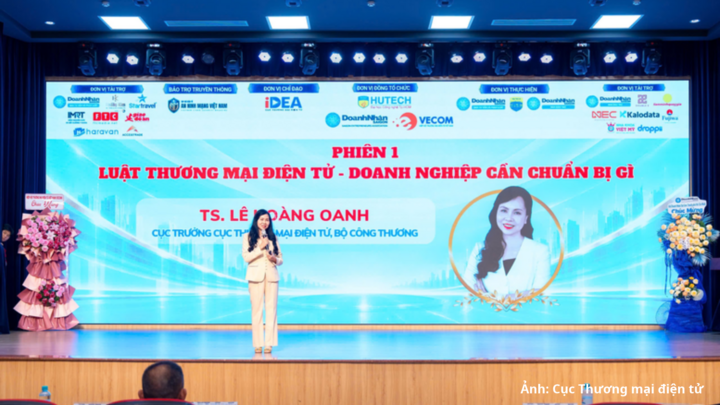
With e-commerce valued at USD 31 billion in 2025, officials called for closer government-university-business ties to enhance efficiency, skills and innovation.
Discussing future orientations, General Secretary and President To Lam suggested that the government of the Wallonia region support the early elevation of Viet Nam–Belgium ties to a Strategic Partnership.
The host leaders described the Belgian House of Representatives' approval of the EU - Viet Nam Investment Protection Agreement (EVIPA) as tangible evidence of the two countries’ determination and potential to expand economic, trade and investment cooperation.
The top leader called on Flanders to support the early elevation of Viet Nam - Belgium relations to a strategic partnership, take a pioneering role in promoting economic cooperation, encourage businesses to expand investment in Viet Nam, and back the completion of ratification and effective implementation of the EU–Viet Nam Investment Protection Agreement (EVIPA).
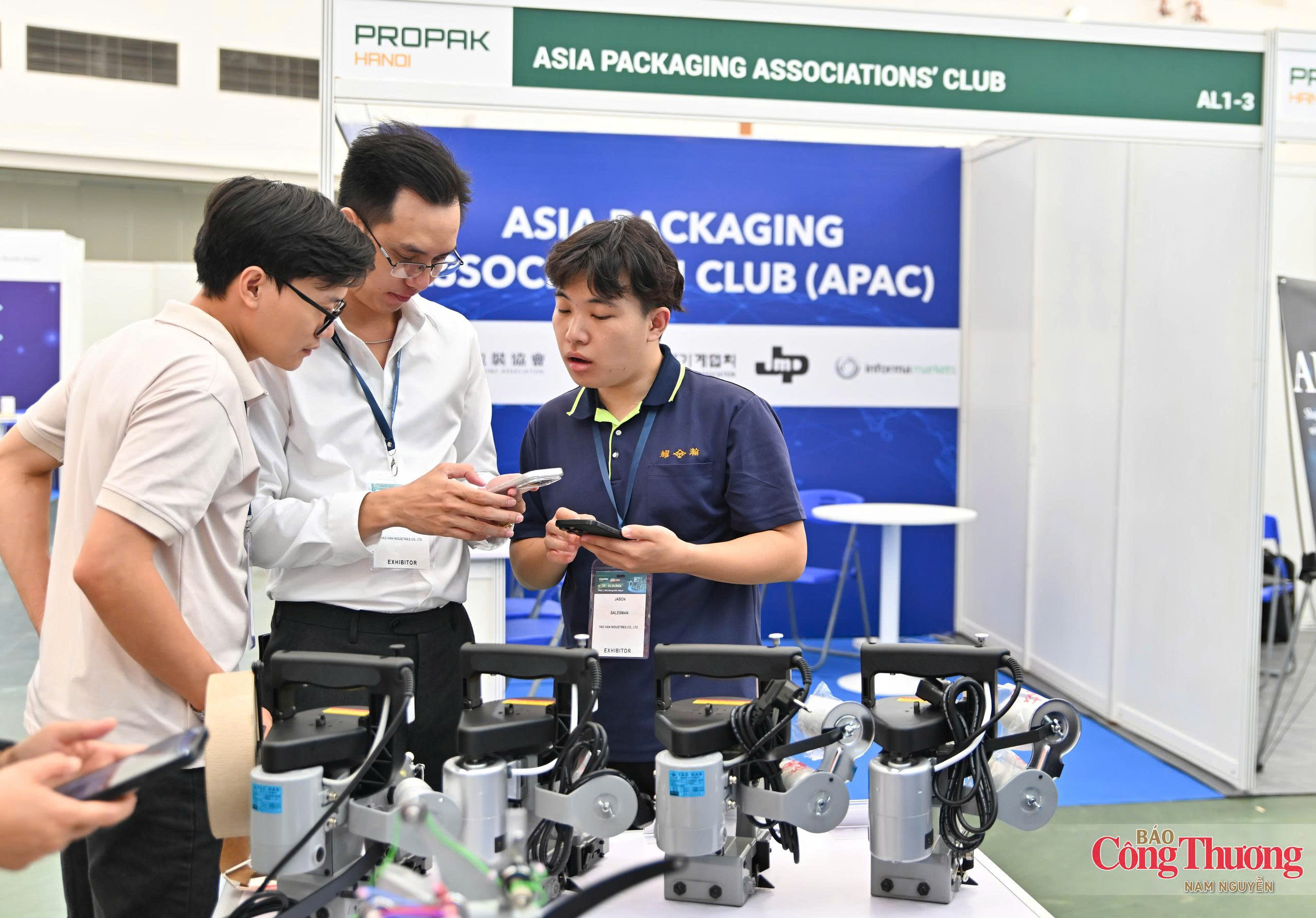
Opening in Hanoi on October 13, ProPak Hanoi 2026 showcases international technologies to advance processing, packaging and sustainable industrial production.
The Newspaper of Industry and Trade presents a podcast series on the implementation of the Politburo's Resolution No. 57-NQ/TW in the industry and trade sector.
On October 2, the Ministry of Industry and Trade (MoIT) held a working session between Minister of Industry and Trade Le Manh Hung and research institutes, universities and colleges under the Ministry to review their recent operations and identify solutions to better harness the potential, advantages and collective strengths of the Ministry’s education and research institutions. Minister of Industry and Trade Le Manh Hung chaired the meeting.
Industry and Trade Newspaper would like to introduce a podcast series on the implementation of the Politburo's Resolution No. 57 in the Industry and Trade sector.