At a Jan 23 workshop in Hanoi, experts said low-emission rice is vital for green agriculture, stronger branding and access to high-value export markets.
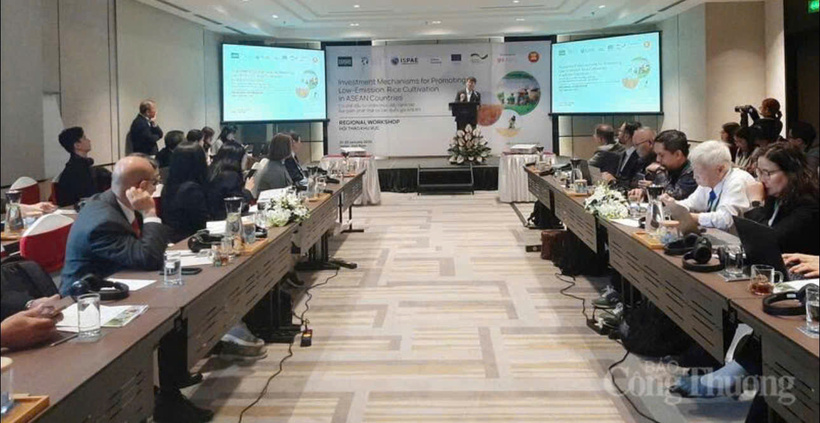
“Vietnamese rice must not only be exported in large volumes, but also compete on strength and value.” This was stressed by Dr. Nguyen Do Anh Tuan, Director of the Department of International Cooperation under the Ministry of Agriculture and Environment, at the workshop “Vietnam Focus: Opportunities to Scale Up Low-Emission Rice in the Mekong Delta,” co-organised by the Ministry and the International Rice Research Institute (IRRI) on January 23 in Hanoi.
Low-emission rice: A pillar of the green agriculture strategy
Addressing the workshop, Dr. Nguyen Do Anh Tuan underlined that reducing greenhouse gas emissions in agriculture is no longer an option, but a strategic direction running through Vietnam’s development pathway.
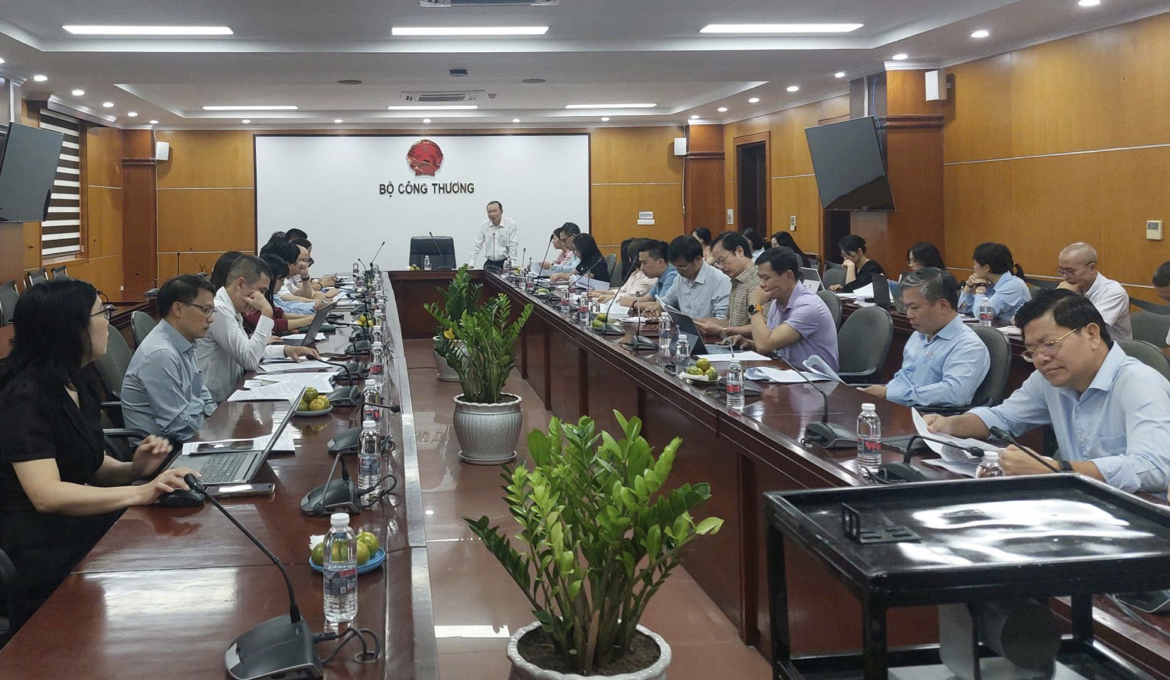
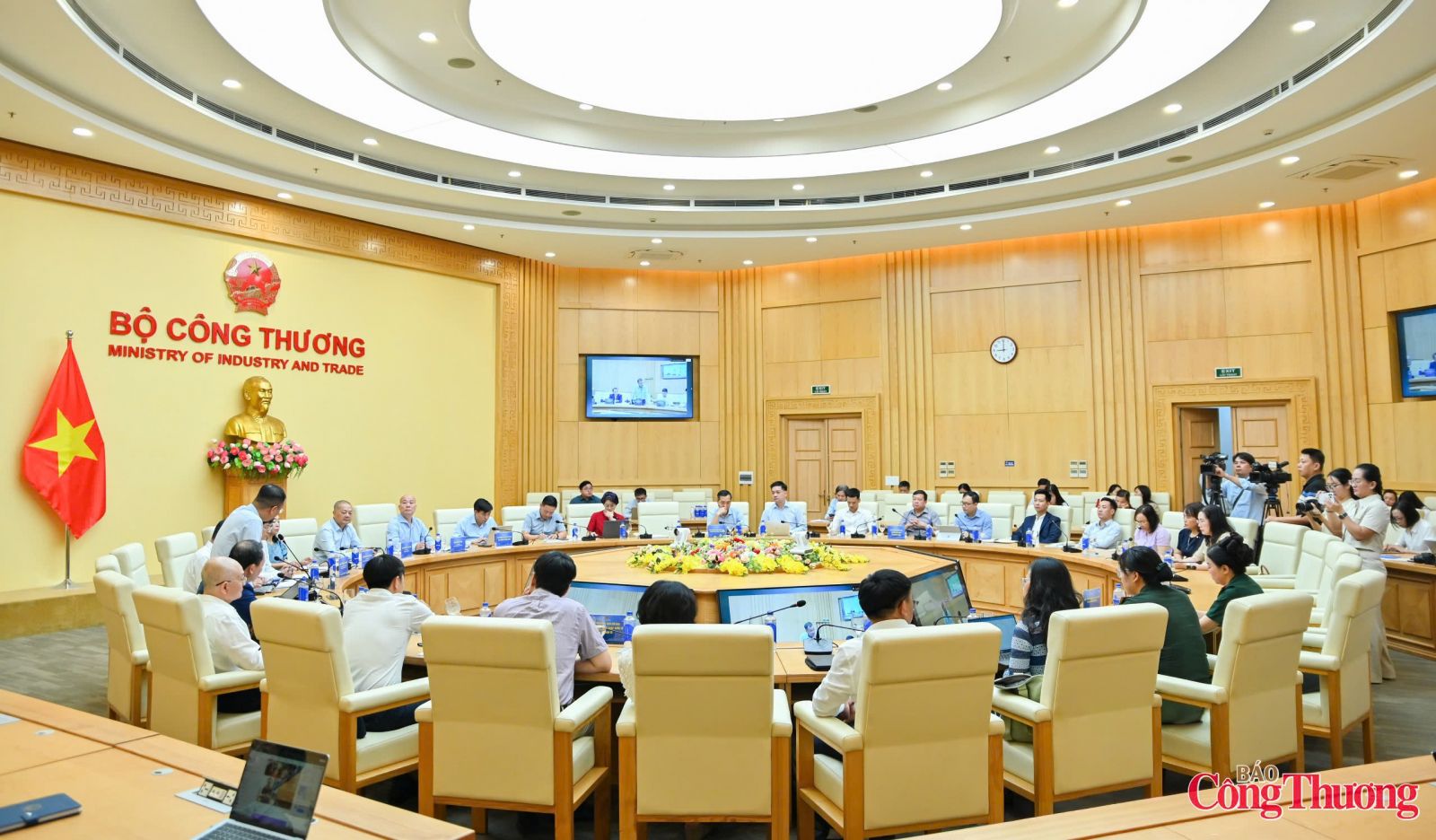
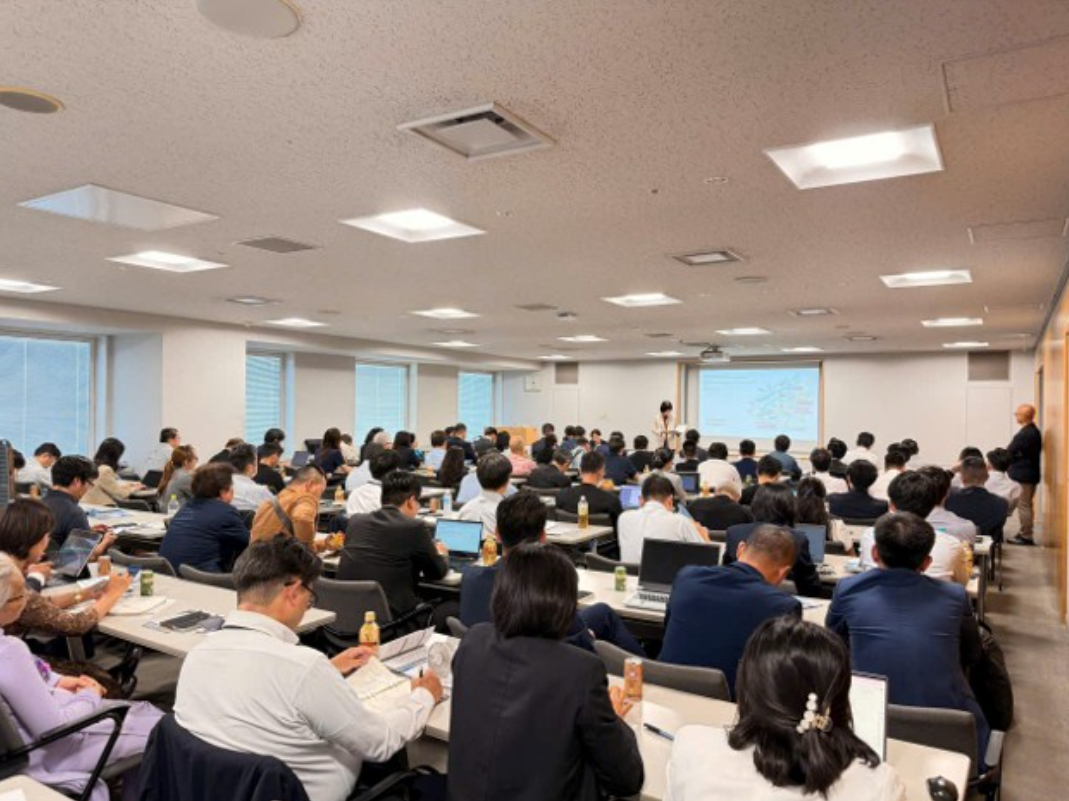
The workshop “Vietnam Focus: Opportunities to Scale Up Low-Emission Rice in the Mekong Delta.” Photo: N.H
According to Dr. Nguyen Do Anh Tuan, the event took place as the world faces simultaneous challenges of food security and climate change. For Vietnam, one of the world’s leading rice exporters, the transition toward green, low-emission and sustainable agriculture is being accelerated. The fact that international partners selected Vietnam as a focal point for discussion reflects confidence in the country’s role, potential and leadership capacity in global climate solutions.
At COP26, Vietnam committed to achieving net-zero emissions by 2050. To realise this pledge, agriculture both highly vulnerable to climate change and a significant source of emissions, has been identified as a key area for transformation. Within this context, the rice sector plays a pivotal role, ensuring national food security while serving as a cornerstone of Vietnam’s agriculture.
In recent years, Vietnam has implemented a wide range of policies to shift from volume-driven production to improving quality and added value. Climate-smart farming models, advanced water management, reduced input use, and the development of low-emission rice linked to sustainable livelihoods for farmers have gradually been scaled up, strengthening the competitiveness of Vietnamese rice in international markets.
The Mekong Delta is not only Vietnam’s “rice bowl” but also one of the world’s major rice-producing regions. The area ensures national food security, supports the livelihoods of tens of millions of farmers, and plays a critical role in reducing greenhouse gas emissions particularly methane emissions from flooded rice cultivation.
Experts noted that technical innovations such as alternate wetting and drying irrigation, high-quality rice varieties, balanced fertiliser management, and robust measurement and certification of emissions can deliver a “dual impact”: protecting the environment while boosting incomes and resilience in rural communities.
However, the transition to low-emission rice production still faces challenges, including fragmented small-scale farming, difficulties in standardising techniques, high upfront transition costs, risks borne by farmers, the lack of reliable measurement, reporting and verification (MRV) systems, and underdeveloped value chains and markets for low-emission rice.
Conversely, significant opportunities are emerging as global demand for green, responsible and traceable agricultural products continues to rise. Advances in science and technology, digital transformation in agriculture, and support from international organisations, the private sector and development partners are creating new momentum for Vietnam to move ahead.
Dr. Nguyen Do Anh Tuan affirmed that, if well designed and implemented, low-emission rice would not merely be an agricultural product, but a climate solution, a national branding story, and a key to improving livelihoods for millions of Vietnamese farmers.
Regional cooperation as a lever to scale up low-emission riceFrom a regional perspective, Jongsoo Shin, Regional Director for Asia at IRRI, noted that ASEAN is among the world’s most dynamic economic regions, despite development gaps among its members. This year, the ASEAN Secretariat reaffirmed its commitment to building a shared roadmap for agricultural development, laying the groundwork for more effective coordinated action programmes.
Meanwhile, Ferosa Arsadita, representing the German Agency for International Cooperation (GIZ), said the ASEAN Climate Action Programme (CAP), supported by the European Union and the German Government since 2023, has delivered positive results and is being considered for a next phase beyond 2026. The programme focuses on strengthening institutional capacity, consolidating ASEAN’s collective voice in climate forums, and piloting models including low-emission rice production systems in Vietnam.
Experts observed that through regional cooperation and South-South mechanisms, ASEAN’s successful experiences could be shared with other regions such as Africa and Latin America, reinforcing ASEAN’s pioneering role and international responsibility in green and sustainable agricultural transformation.
Low-emission rice: A gateway to high-value markets
According to the General Department of Customs (Ministry of Finance), Vietnam exported 8.06 million tonnes of rice worth USD 4.1 billion in 2025, down 10.8% in volume and 27.6% in value compared with 2024. This marked the lowest export volume and value in three years, though still significantly higher than levels prior to 2022. Despite the decline, Vietnam surpassed Thailand to become the world’s second-largest rice exporter, after India.
Production of low-emission, environmentally certified and traceable agricultural products is increasingly seen as a “passport” for Vietnamese farm goods in general, and rice in particular, to access high-value markets such as the EU, Japan and North America. In these markets, certified green products can command prices 10-25% higher than conventional goods, substantially enhancing export value.
In practice, Vietnam’s low-emission rice has met increasingly stringent technical requirements of international markets, gradually asserting its position in the premium rice segment. This has helped strengthen the reputation of Vietnamese rice and demonstrated the effectiveness of green, clean and circular production models linked to environmental responsibility.
Earlier, speaking to the Cong Thuong Newspaper, Do Ha Nam, Chairman of the Vietnam Food Association, said participation in green, low-emission rice value chains not only enables enterprises to expand into high-end markets, but also raises the value of rice itself thereby improving incomes and ensuring sustainable benefits for rice farmers.
The FTA Vietnam - EFTA creates new opportunities for Vietnamese businesses while encouraging stronger competitiveness, compliance and sustainable development.
Ministry of Industry and Trade removed more than 9,000 infringing products and blocked over 2,000 online stores in a nationwide crackdown on counterfeit goods.
Sustainable production and consumption are becoming business imperatives as companies invest in greener technologies, circular design and digital transformation.
Vietnam's domestic market remained resilient in the first half of 2026 despite global turbulence, with inflation under control and retail sales continuing to grow.
From 29 June, Vietnam’s domestic carbon market officially entered its pilot phase, marking a transition from emissions management through administrative command-and-control measures to a market-based mechanism.
The FTA Vietnam - EFTA creates new opportunities for Vietnamese businesses while encouraging stronger competitiveness, compliance and sustainable development.
In an interview with the press regarding the Free Trade Agreement (FTA) between Vietnam and the European Free Trade Association (EFTA), Deputy Minister of Industry and Trade Nguyen Sinh Nhat Tan emphasized that the agreement will lay the foundation for economic relations between Vietnam and EFTA to enter a new stage of development.
At a second-quarter 2026 conference, the MoIT urged Vietnam's Trade Offices abroad to strengthen intelligence and help exporters adapt to changes and expand exports.
Vietnam and Israel discuss strengthening VIFTA implementation to expand trade, investment and cooperation, aiming to boost bilateral economic ties and market access.
More than 100 businesses attend the Vietnam-Japan Investment and Trade Cooperation Conference in Osaka to strengthen investment, trade and supply chain connectivity.