Growing freight flows create room for Hung Yen’s logistics sector, but better connectivity and services are needed for the province to become a leading regional hub.
New space opens up room for logistics development
Following the merger, Hung Yen's logistics position has gained new advantages as the province now stretches from the area bordering Hanoi to the East Sea, with approximately 54km of coastline, and lies between the growth poles of Hanoi, Hai Phong, Quang Ninh and Ninh Binh. Ring Road 4, Ring Road 5, the Hanoi - Hai Phong Expressway and the expanded coastal corridor are enhancing connectivity between production areas in the province, the Hanoi market and the northern seaport system.
Associate Professor, Dr. Ho Thi Thu Hoa, senior advisor at the Vietnam Institute for Logistics Research and Development
Logistics demand is also rising alongside the scale of production and imports and exports. According to data compiled by the Vietnam Institute for Logistics Research and Development, Hung Yen's GRDP was estimated at VND 318.9 trillion in 2025; in the first six months of 2026, it exceeded VND 142 trillion, up 10.72% and ranking fifth nationwide. By 2030, the province plans to have 55 industrial parks and 114 industrial clusters covering approximately 7,035 hectares. The continued expansion of production will generate increasingly large volumes of raw materials, components, industrial goods and import-export goods that need to be transported.
Growing pressure from rising freight flows is further exposing gaps in the province's current logistics capacity. Road transport currently handles more than 94% of Hung Yen's freight volume, while inland waterways account for less than 6%. Although the province has 111 inland waterway terminals, most remain small-scale and have a low level of mechanisation. Supporting services are also limited, with warehousing and other support services accounting for only around 3.7-5% of the GRDP of the transport and warehousing sector. The province currently has no bonded warehouses, while logistics activities remain concentrated mainly in basic services such as transportation and warehousing.
Connectivity between logistics hubs has also yet to keep pace with freight movement requirements. Hung Yen currently has only one interchange with the Hanoi - Hai Phong Expressway, while bridges across the Red River, direct connections to Bac Ninh and east-west routes remain lacking. On the coastal side, the Diem Dien channel, with a depth of around -1.5 metres, can currently accommodate vessels of only 2,000 - 3,000 tonnes; rail connections with ICDs, ports and inland waterway terminals remain weak. Therefore, despite having multimodal connectivity conditions and an expanded space toward the sea, there are still links that need to be completed to fully harness these advantages for freight transport.
The requirements are even greater as logistics in Hung Yen must not only handle growing freight volumes but also serve different types of goods. The northern area, associated with industry, high technology and the Hanoi market, requires distribution services, component supply, order fulfilment and last-mile delivery. The central and southern areas generate demand for cold storage, preliminary processing, preservation and packaging for agriculture and processing industries, while the coastal area creates additional demand for logistics services supporting industry, the marine economy and imports and exports.
At a seminar on the position, role and solutions to enhance Hung Yen's logistics connectivity capacity in the Red River Delta, held as part of the discussion titled “Building and developing logistics services in Hung Yen in the digital era and international integration” on the afternoon of August 24, Associate Professor, Dr. Ho Thi Thu Hoa, Senior Advisor at the Vietnam Institute for Logistics Research and Development, highlighted the impact of expanded industrial space on the province's logistics demand. According to her, this development will lead to a sharp increase in flows of raw materials, industrial goods and import - export goods, while creating demand for logistics connectivity along the northern Hung Yen-central province-coastal and seaport axis.
Associate Professor, Dr. Ho Thi Thu Hoa stressed the need to “develop logistics centres, warehousing, multimodal transport and last-mile connectivity with industrial parks and clusters in a synchronous manner, creating conditions for Hung Yen to shift from a production area into a supply chain organisation and transit hub for the Red River Delta.”
From this perspective, the issue is not only how to handle increasingly large freight volumes, but also how to connect production areas with logistics centres, seaports and markets. With road transport still handling the bulk of freight, other modes yet to reach their full potential, and logistics services still concentrated largely on basic transportation and warehousing, upgrading connectivity capacity has become essential for Hung Yen to move closer to its role as an organisation and transit hub for the region's supply chains.
Towards an integrated logistics ecosystem
Alongside addressing connectivity bottlenecks, an important requirement for Hung Yen is to clearly determine the role the province will play in the logistics network of northern Vietnam. Given its location between Hanoi and seaport gateways, developing additional infrastructure does not necessarily mean that the locality will retain a larger share of the value generated by logistics activities.
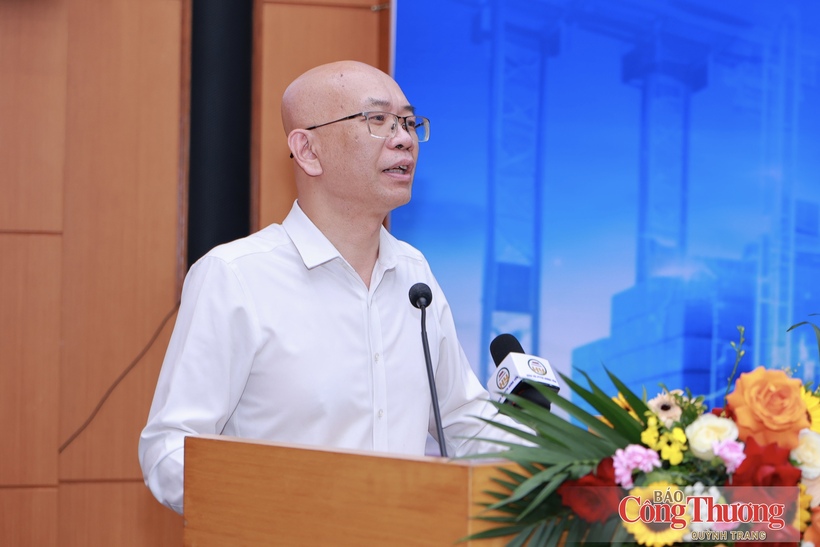
Tran Thanh Hai, Deputy Director of the Agency for Foreign Trade under the Ministry of Industry and Trade
At a presentation on developing logistics in Hung Yen, Tran Thanh Hai, Deputy Director of the Agency for Foreign Trade under the Ministry of Industry and Trade, said that following the merger, the province could organise a continuous spatial chain stretching from markets and industrial parks in the northwest, through production areas and the central urban area, to the economic zone and seaport area in the southeast. This provides conditions for Hung Yen to pursue a role in transit, processing and distribution rather than merely serving as a place through which goods pass.
However, geographical advantages do not automatically translate into logistics value. The market remains fragmented, with many businesses providing only individual services such as road transportation, warehouse leasing or freight forwarding, while integrated services, cold-chain management, reverse logistics and data solutions have yet to develop in line with the scale of industry. Notably, Hung Yen's proximity to Hanoi is both a market advantage and a factor that means many high-value logistics functions are carried out outside the province. If service quality is not improved, Hung Yen could face pressure from trucks, land use and environmental impacts while a large share of the added value accrues to logistics coordination centres in other localities.
Against this backdrop, Tran Thanh Hai emphasised: “For Hung Yen following the merger, the issue is not simply to build more warehouses or open more transport routes, but to design an integrated logistics ecosystem capable of connecting and adding value to the entire economic space from the capital's gateway to the East Sea.”
Under this approach, Hung Yen's logistics system needs to be organised according to the functions of different areas rather than applying the same model everywhere. The northwest area could prioritise regional distribution centres, smart warehouses, e-commerce order fulfilment services, component logistics and inland container depots serving industrial parks. The central area could focus on collection, preliminary processing, inspection, packaging and shared cold storage for agricultural products and food, while the coastal area could be allocated space for port logistics, bonded warehouses, container yards, project cargo and energy logistics. Clearly defining the roles of individual hubs would also help avoid a situation in which multiple projects register for general logistics functions without identifying specific market segments.
Transport infrastructure should therefore be developed according to the operational needs of freight flows. Expressways and national highways can only deliver their full logistics potential when goods can enter and exit the network efficiently. Facilities such as frontage roads, interchanges, river bridges, routes connecting industrial parks with logistics centres, inland waterway terminals and seaports should therefore be considered as part of a single connectivity system rather than assessed separately.
Inland waterway transport is another area that needs to be better harnessed. With the Red River, Luoc River, Tra Ly River and coastal areas, part of the bulk cargo, materials, agricultural products and containerised goods could be shifted away from road transport if suitable inland waterway terminals and cargo consolidation points are developed and first-mile and last-mile connectivity issues are addressed. According to Tran Thanh Hai, inland waterway transport cannot replace road transport but can serve as a core mode for high-volume freight flows, helping reduce costs, congestion and emissions.
Alongside infrastructure connectivity, developing cold chains is also emerging as a requirement for agricultural production and processing areas. When raw-material zones are connected with processing plants, distribution systems in Hanoi, Hai Phong and Quang Ninh, and export gateways, preservation, preliminary processing, packaging and traceability can be organised within the supply chain rather than focusing solely on transportation.
This approach also shows that the Hung Yen logistics equation should not be measured simply by the number of roads, warehouses or logistics centres built. Project assessments should therefore be based on actual transport times and costs, while indicators should be developed to monitor transport times along major corridors, on-time delivery rates, empty truck trips, warehouse utilisation, cold-chain demand, outsourcing rates and the level of digitalisation.
With its expanded development space and its position connecting the Hanoi market with northern seaport gateways, Hung Yen now has additional conditions to reorganise its logistics network in a more integrated and efficient manner. Clearly defining the functions of different areas, connecting production zones with warehouses, logistics centres, inland waterway terminals and seaports, and developing services suited to different freight flows will help the province better harness its existing advantages. As individual links are gradually connected into a network, logistics will not only meet the growing demand for freight movement but also contribute to increasing the value of production and import - export activities in the province. This will also provide a basis for Hung Yen to gradually strengthen its role in the logistics network of the Red River Delta.
According to the Vietnam Institute for Logistics Research and Development, more than 94% of Hung Yen's freight volume currently relies on road transport, while inland waterways account for less than 6%. The province has 111 inland waterway terminals, most of which remain small-scale and have a low level of mechanisation. Meanwhile, by 2030, Hung Yen plans to have 55 industrial parks and 114 industrial clusters covering approximately 7,035 hectares, driving increasingly high demand for transport, warehousing, transit and logistics services supporting production and imports and exports.
Deputy Minister Phan Thi Thang holds talks with Azerbaijan’s Minister of Energy to advance the bilateral trade and investment and expand cooperation in oil, gas, and LNG.
Viet Nam attaches great importance to its Comprehensive Partnership with Switzerland and wishes to continue working alongside the country to promote shared development and contribute to peace, stability and development in the region.
Norwegian representatives expect tariff preferences under the Viet Nam – EFTA Free Trade Agreement (FTA) to help lower the price of Norwegian salmon, making the product more accessible to Vietnamese consumers.
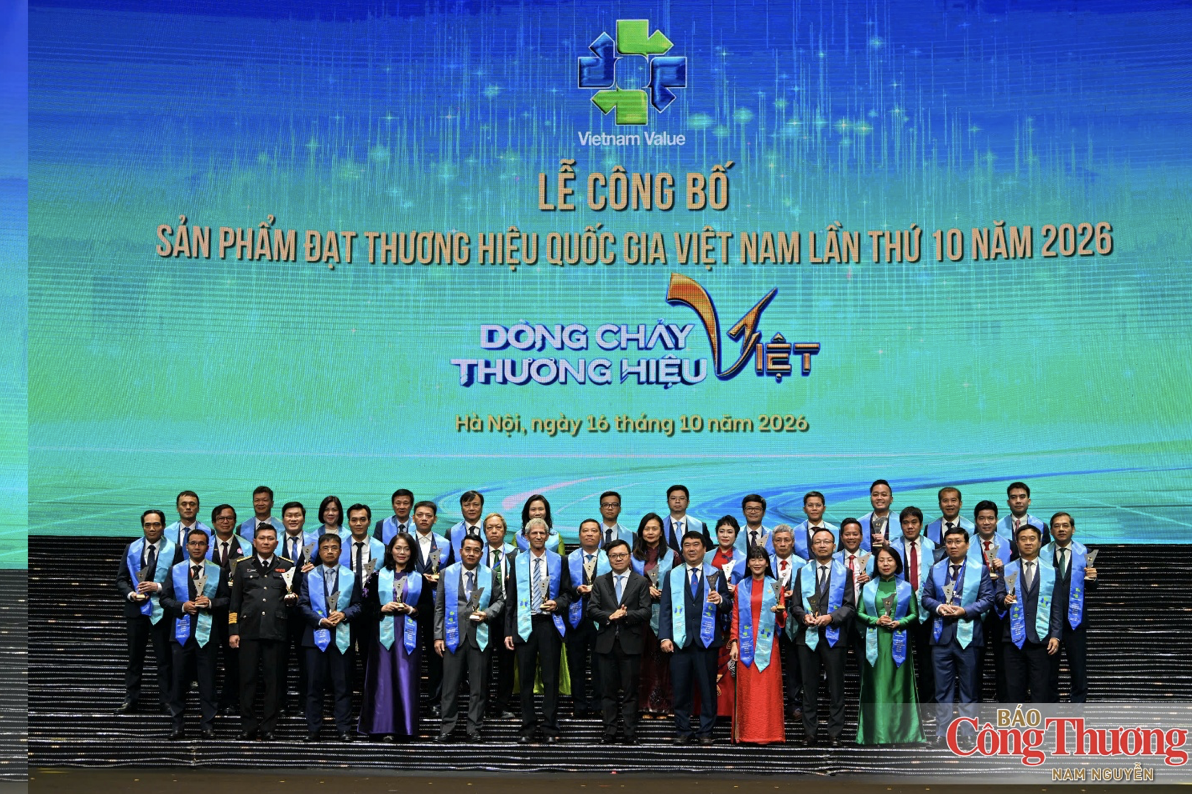
The Ministry of Industry and Trade honored 499 products and services from 227 businesses at the 10th Viet Nam National Brand announcement ceremony for 2026.
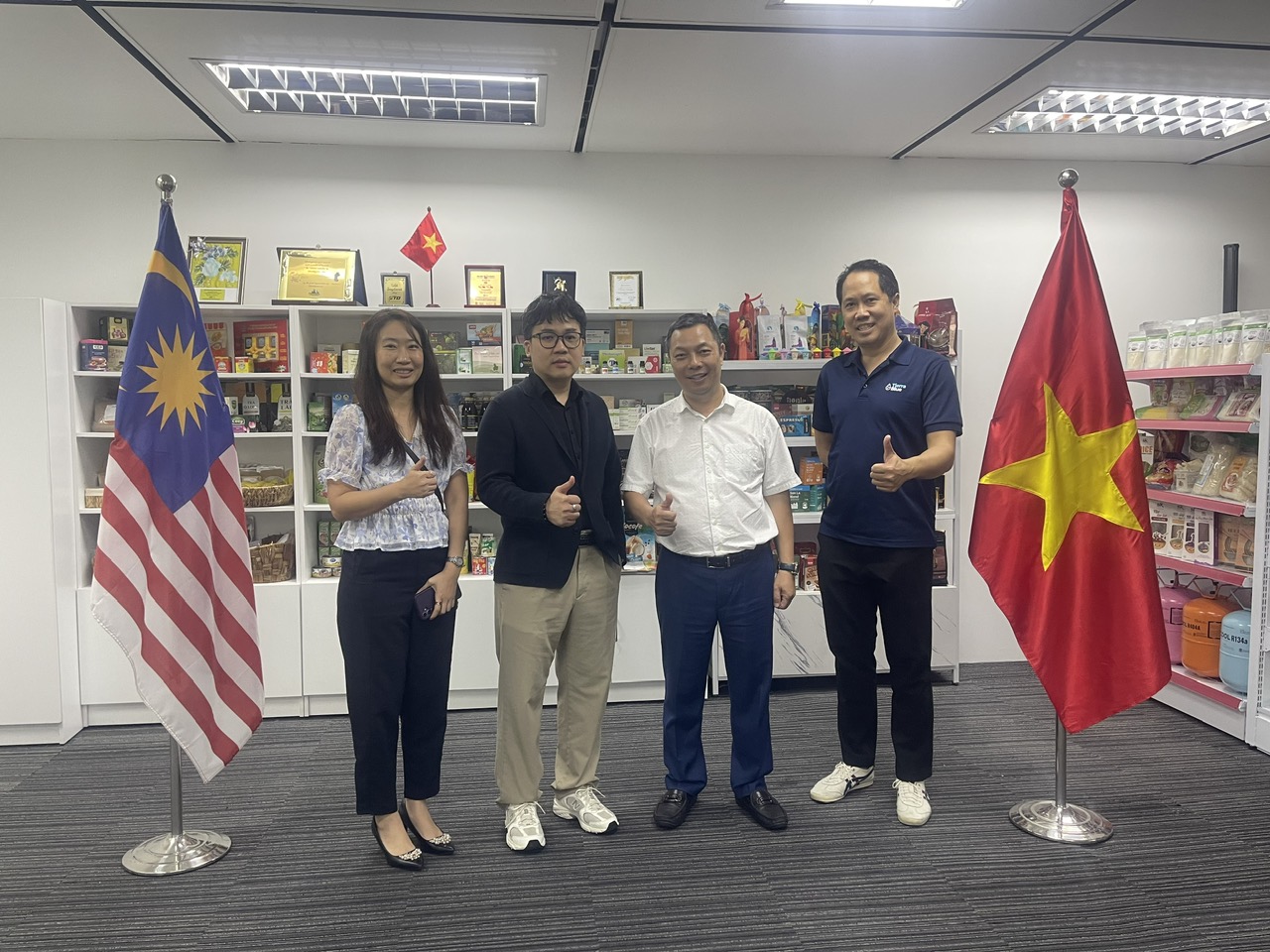
Viet Nam - Malaysia trade hit USD 17.4 billion in the first nine months of 2026, exceeding the 2025 full-year total and signaling a stronger-than-expected year.
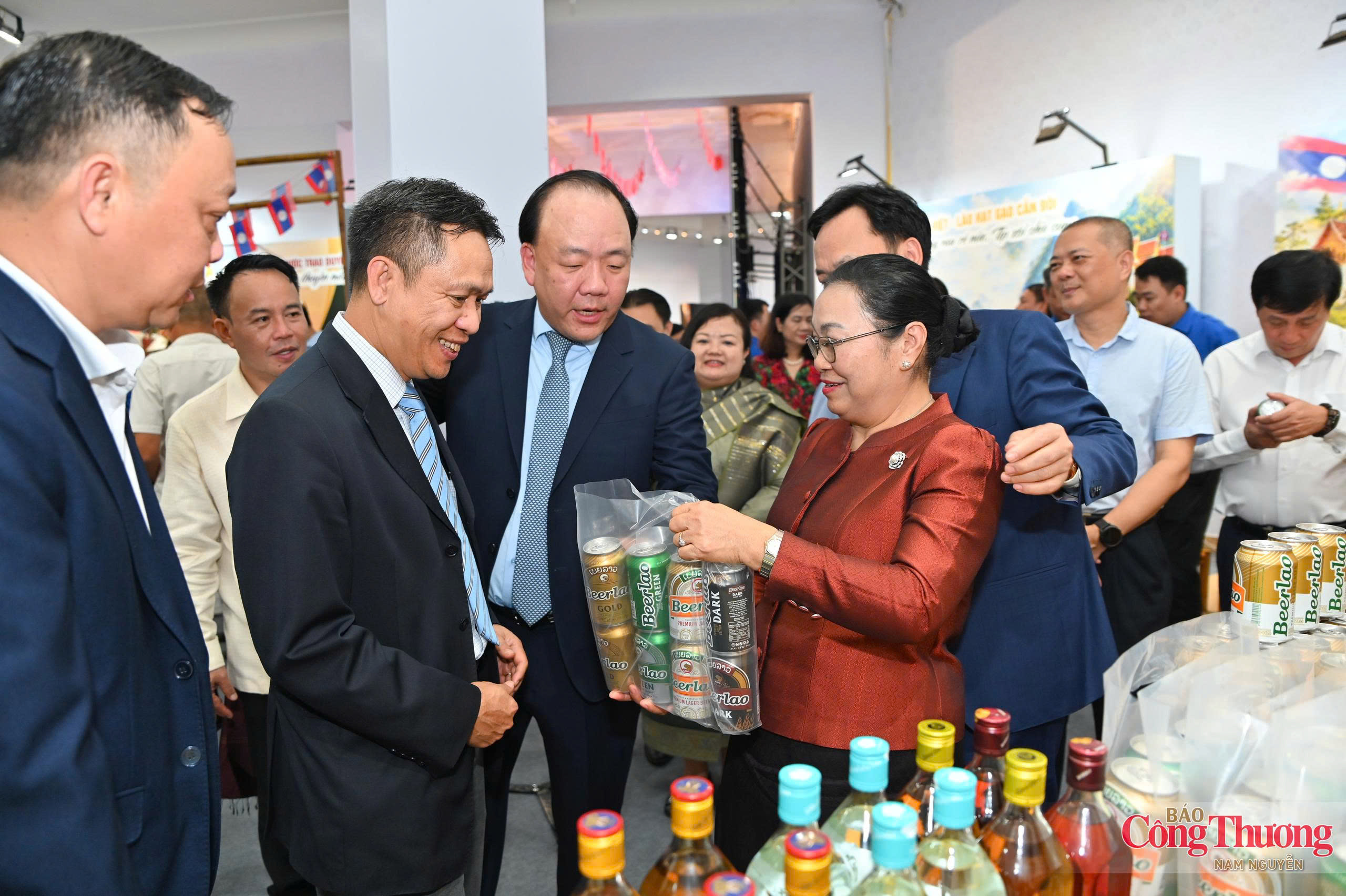
The official visit to Laos by Prime Minister Le Minh Hung is expected to inject fresh momentum into bilateral relations, with economic, trade and investment cooperation continuing to serve as a core pillar.
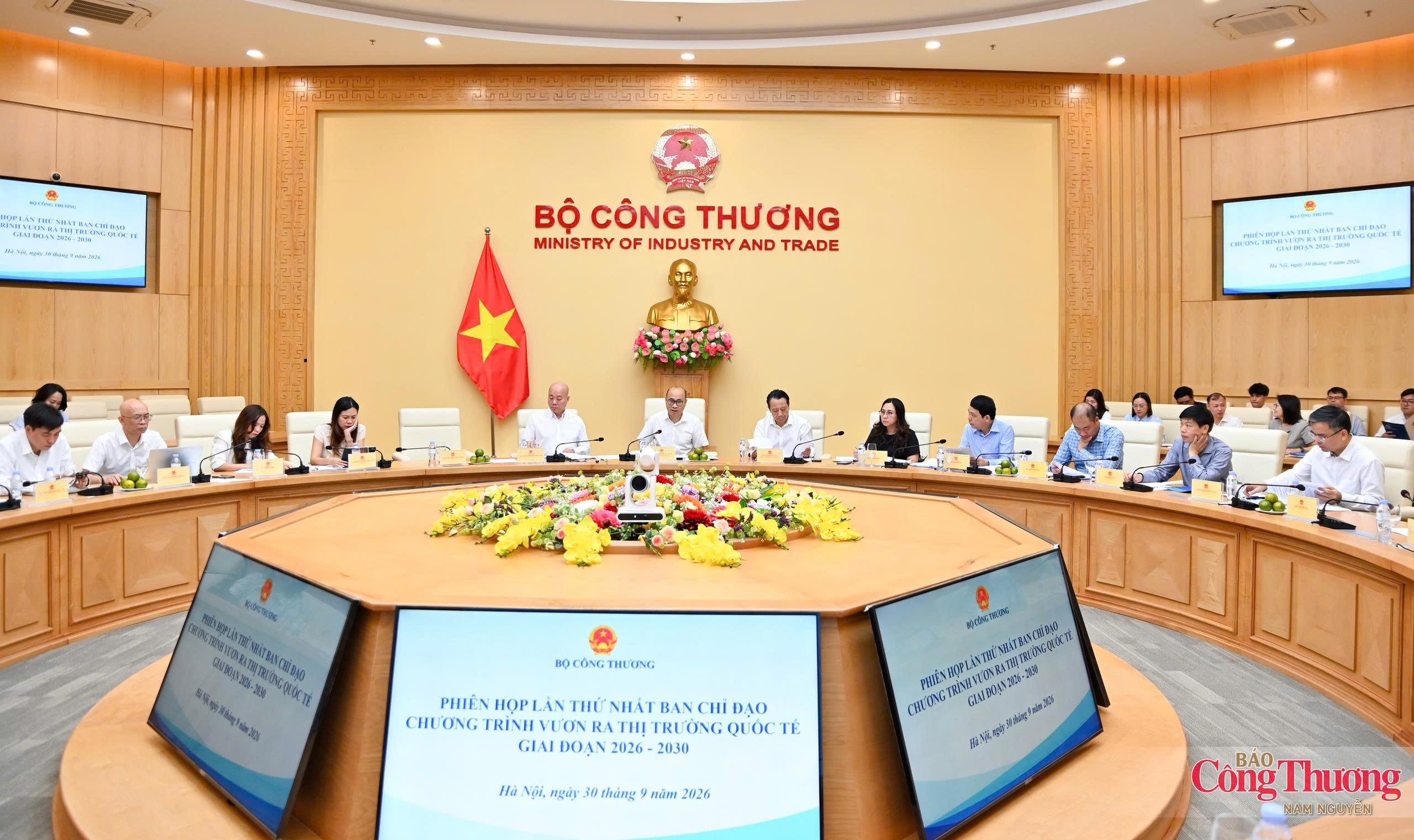
On September 30, the Ministry of Industry and Trade convened the first session of the Steering Committee for the GoGlobal Program for the 2026 - 2030 period.
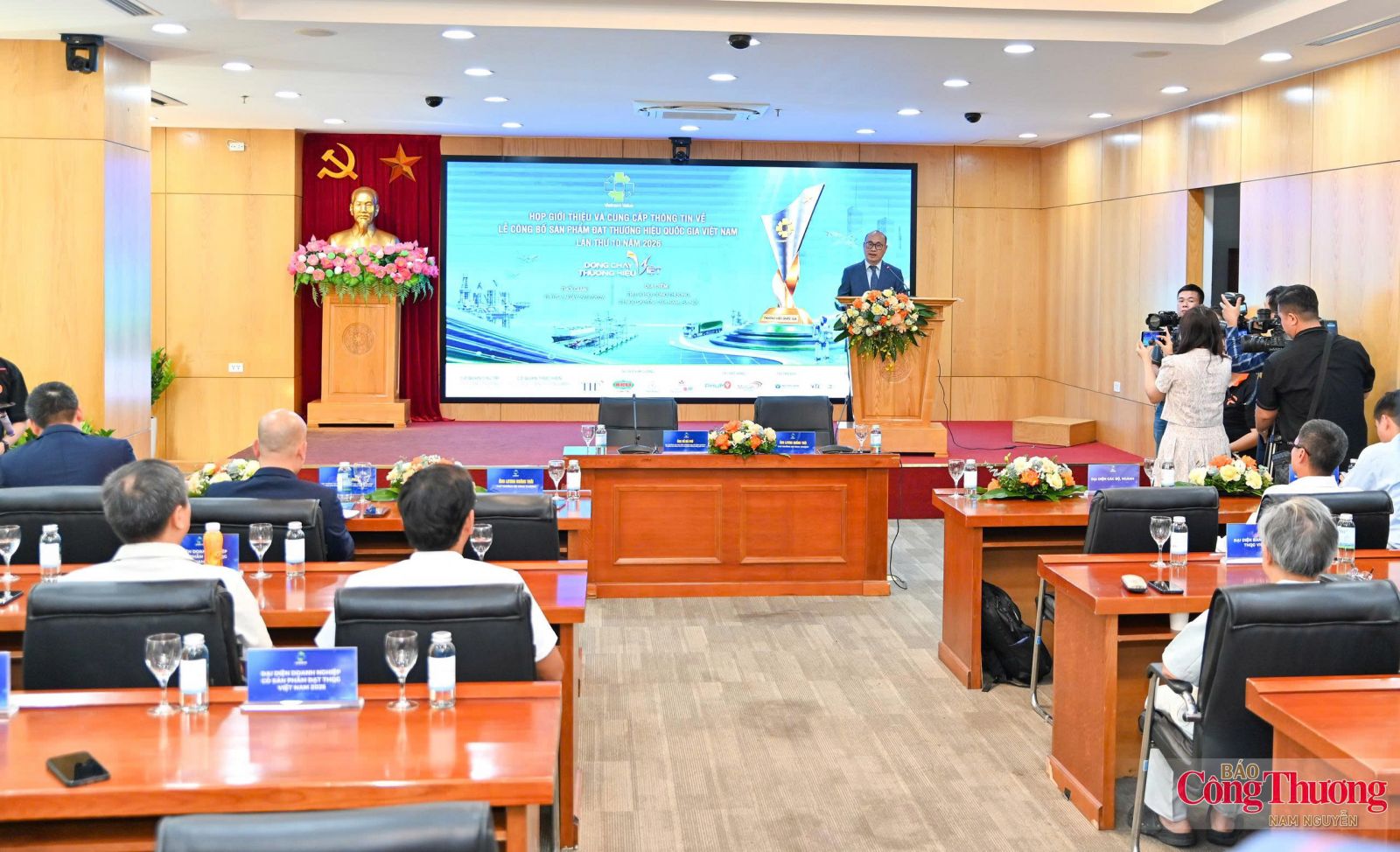
On September 29, the Ministry of Industry and Trade (MoIT) held a meeting to introduce and provide information on the ceremony announcing products achieving Viet Nam Value recognition for the 10th edition in 2026. Deputy Minister of Industry and Trade Luong Hoang Thai chaired the event.
Trade promotion not only expands markets, but also connects Vietnamese technology businesses with buyers, partners and supply chains, helping increase the value of their products.