Norwegian representatives expect tariff preferences under the Viet Nam – EFTA Free Trade Agreement (FTA) to help lower the price of Norwegian salmon, making the product more accessible to Vietnamese consumers.
Creating a level playing field
Viet Nam and the European Free Trade Association (EFTA), comprising Switzerland, Norway, Iceland and Liechtenstein, are moving towards signing a free trade agreement (FTA). The agreement will mark a significant step forward, elevating economic cooperation between Viet Nam and EFTA member states.
Once signed and implemented, the FTA is expected to diversify Viet Nam’s export markets and facilitate access for Vietnamese goods to markets with strong purchasing power and some of the world’s most stringent quality standards, including Iceland, Liechtenstein, Norway and Switzerland.
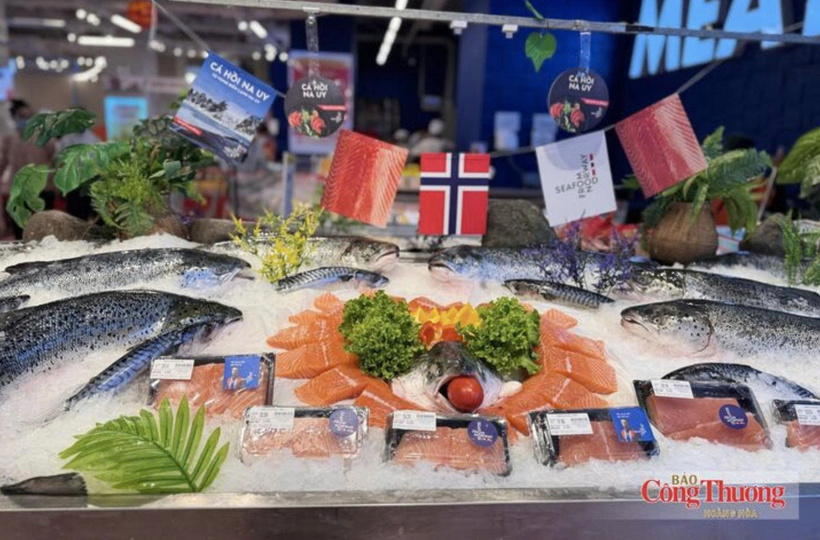
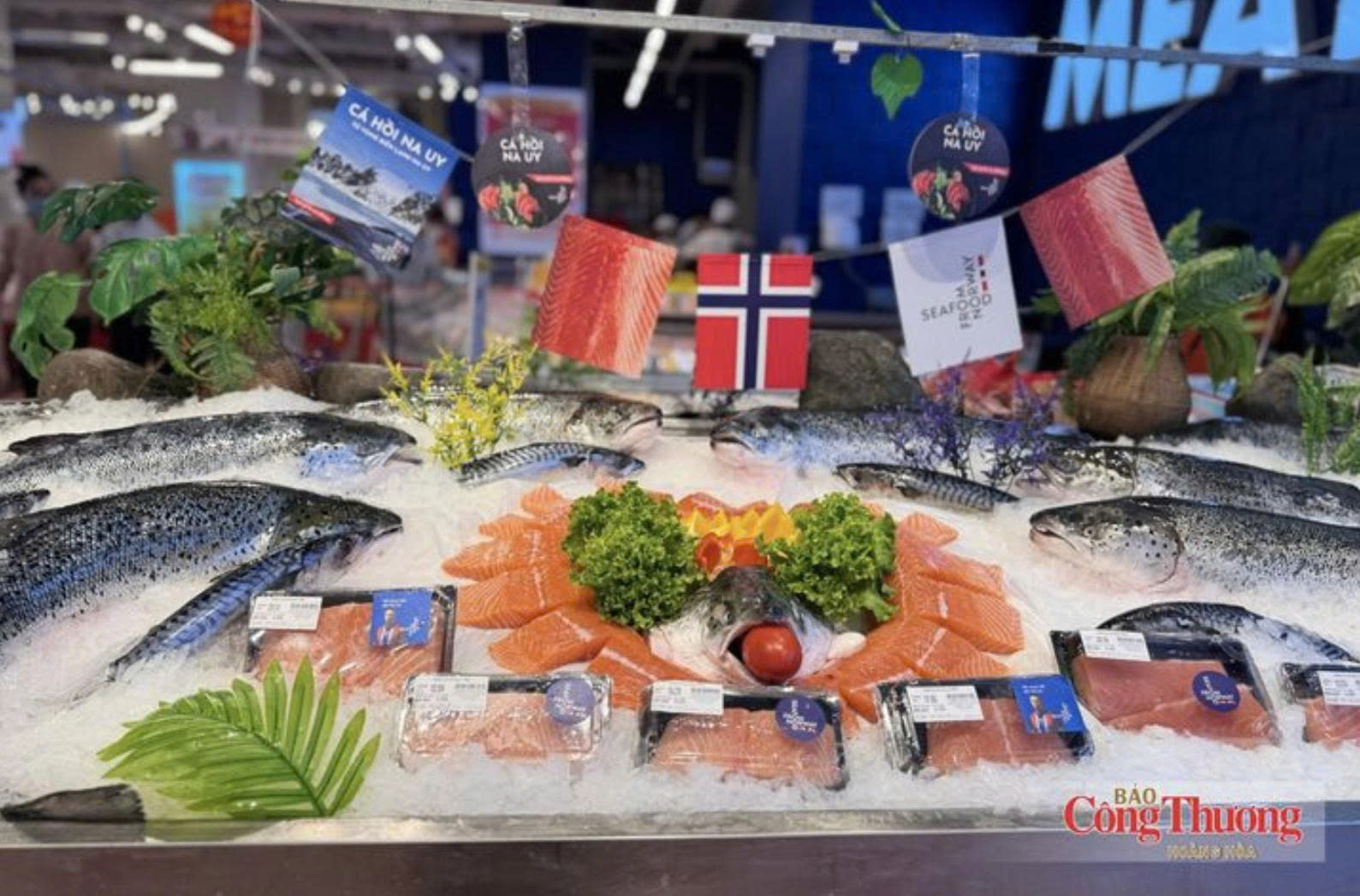
Norwegian salmon is widely available across the Vietnamese market.
Seafood is among the sectors expected to benefit significantly from the agreement. Under the Viet Nam - EFTA FTA, EFTA members have committed to maintaining the complete elimination of import tariffs on Vietnamese-origin seafood products from the date the agreement enters into force. On Viet Nam’s side, import tariffs on most seafood products from EFTA will also be reduced or eliminated over a transition period of up to 11 years.
Data from the Viet Nam Association of Seafood Exporters and Producers (VASEP) show that Viet Nam’s seafood exports to Switzerland reached USD 34.31 million in 2025. According to World Trade Center data through November 2025, Viet Nam ranked fourth among Switzerland’s seafood suppliers by volume, accounting for 9.46% of imports, and fifth by value, with an 8.11% share.
Viet Nam’s main seafood exports to Switzerland include shrimp, pangasius and basa catfish. With domestic production meeting only 12% of the country’s seafood demand, Switzerland offers considerable potential for Vietnamese exporters.
Norway, meanwhile, ranks one place ahead of Viet Nam as the world’s second-largest seafood exporter. Viet Nam’s exports to the Norwegian market totalled USD 18.48 million in 2025. The outlook has improved, with exports reaching USD 7.027 million in the first five months of 2026, up 36.7% year on year.
Vietnamese seafood has a relatively limited presence in Iceland, with exports totalling just USD 0.43 million in the first half of 2026. Trade with Liechtenstein remains smaller still. In 2025, Viet Nam’s total exports of all goods to the principality amounted to only USD 0.226 million. Nevertheless, both markets offer substantial room for Vietnamese seafood exporters to expand their presence.
On the afternoon of October 17, ahead of the planned signing of the Viet Nam–EFTA FTA, Astrid Bergmål, State Secretary at Norway’s Ministry of Foreign Affairs, spoke to the press about opportunities for Norwegian seafood exports to Viet Nam, particularly Norwegian salmon.
Bergmål noted that Viet Nam and Norway will celebrate the 55th anniversary of diplomatic relations in 2026, marking the establishment of ties on November 25, 1971. The signing of the Viet Nam - EFTA FTA this year will provide another milestone in bilateral relations.
She said the agreement would facilitate market access for goods and services from both sides while increasing stability and predictability for businesses. This, she added, would provide a foundation for companies to develop long-term partnerships and strengthen economic ties between Viet Nam, Norway and other EFTA members.
Regarding Norwegian salmon, Bergmål said the product would enter Viet Nam duty-free once the agreement takes effect, while tariffs on Norwegian mackerel would be phased out over a three-year transition period.
Norwegian salmon currently faces import tariffs of 10% for whole fish and 15% for fillets, while some competing suppliers already benefit from preferential tariff treatment. The agreement is therefore expected to create a more level playing field for Norwegian salmon in Viet Nam.
Åshild Nakken, Southeast Asia Regional Director at the Norwegian Seafood Council, also said the Viet Nam–EFTA FTA would create new opportunities for Norwegian seafood, particularly salmon, in the Vietnamese market.
As Viet Nam is also an important seafood processing hub, the agreement could do more than facilitate market access for Norwegian salmon. It could also generate tangible value for businesses involved in seafood trading and processing in Viet Nam.
Nakken noted that final retail prices in Viet Nam would continue to depend on various factors, including exchange rates, transportation costs and distribution expenses. However, the FTA would help establish a more level playing field and improve the competitiveness of Norwegian products against suppliers already benefiting from tariff preferences.
“We expect the preferences under the newly signed FTA to help lower the price of Norwegian salmon, making it more accessible to Vietnamese consumers,” Nakken said.
She added that the agreement was expected to make trade smoother and simpler, enabling businesses to plan more effectively and maintain stable supplies. Vietnamese consumers, in turn, would have access to a wider range of high-quality, reliable food products.
“I am very pleased that Norwegian salmon is becoming increasingly popular in Viet Nam, not only for its taste but also for its nutritional value. As consumers pay greater attention to their own health and that of their families, salmon has considerable potential to meet this demand thanks to its omega-3, vitamin D and other essential nutrients,” the Norwegian Seafood Council’s Southeast Asia Regional Director said.
Opportunities for two-way cooperation
VASEP cautioned, however, that the Viet Nam - EFTA FTA should not be viewed as an immediate trigger for a surge in export volumes. Rather, it represents an opportunity to gain access to a group of markets with strong purchasing power and high standards, aligning with Viet Nam’s strategy of increasing the value of its exports.
“This is not a market where growth can be achieved through price competition alone. More promising opportunities lie in higher-value products that meet stringent standards, such as processed shrimp, high-quality frozen shrimp, pangasius fillets and portion-cut products, processed pangasius, tuna, squid and octopus, crabs and other shellfish, as well as convenient products for retail,” VASEP said.
Notably, the association views the Viet Nam - EFTA FTA as an opportunity for two-way cooperation. Although Norway and Viet Nam are both among the world’s three largest seafood exporters, their main product categories do not compete directly.
Norway exports species such as salmon, cod, king crab and wild-caught shrimp, while Viet Nam is a major supplier of pangasius and farmed shrimp. The FTA could therefore open up export opportunities while promoting cooperation in technology, raw materials, investment, supply chain management and new product development.
“For Vietnamese businesses with processing capabilities, high-quality seafood raw materials from EFTA could also support the development of products for the domestic market, supply the accommodation, restaurant and hotel sectors and modern retailers, or be used for re-export,” VASEP noted.
During the official visit to Viet Nam by Swiss Confederation President Guy Parmelin, his spouse and a high-level delegation on October 17–18, Viet Nam and EFTA, comprising Switzerland, Norway, Iceland and Liechtenstein, are scheduled to sign the FTA on October 18, 2026, following the successful conclusion of negotiations in July 2026.
Norwegian representatives expect tariff preferences under the Viet Nam – EFTA Free Trade Agreement (FTA) to help lower the price of Norwegian salmon, making the product more accessible to Vietnamese consumers.
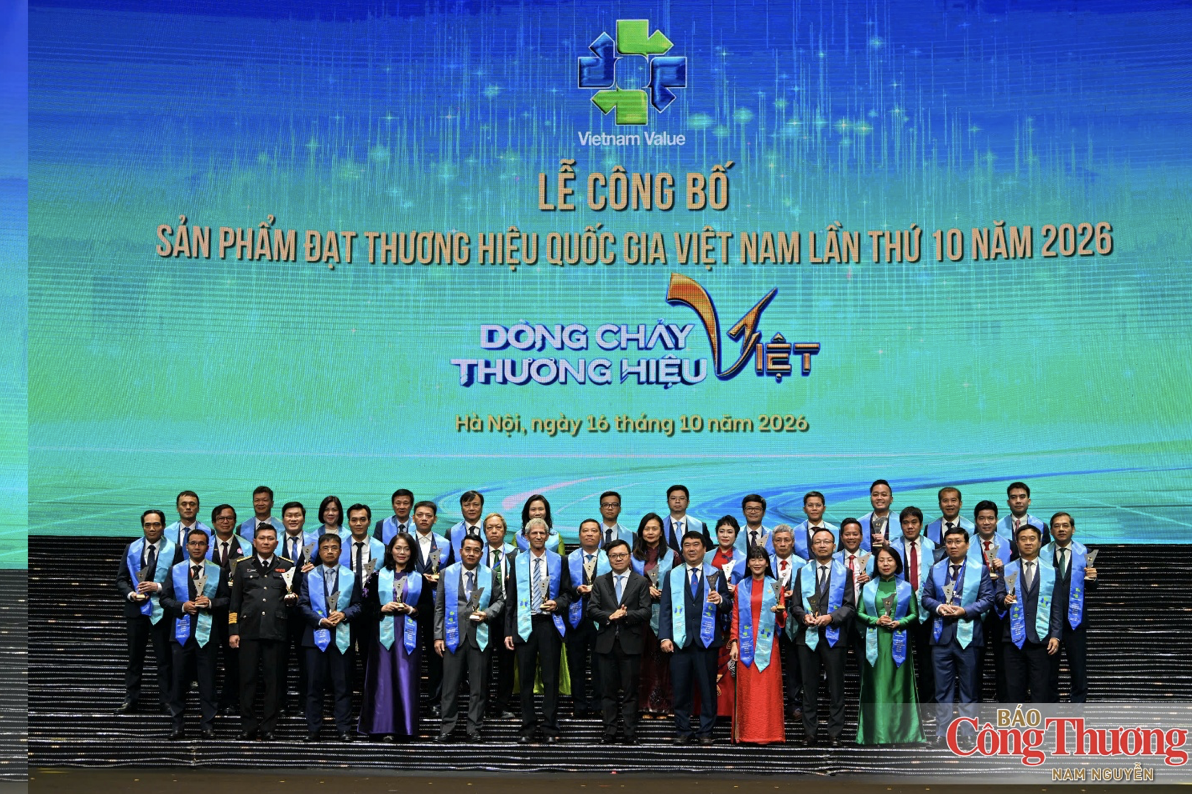
The Ministry of Industry and Trade honored 499 products and services from 227 businesses at the 10th Viet Nam National Brand announcement ceremony for 2026.
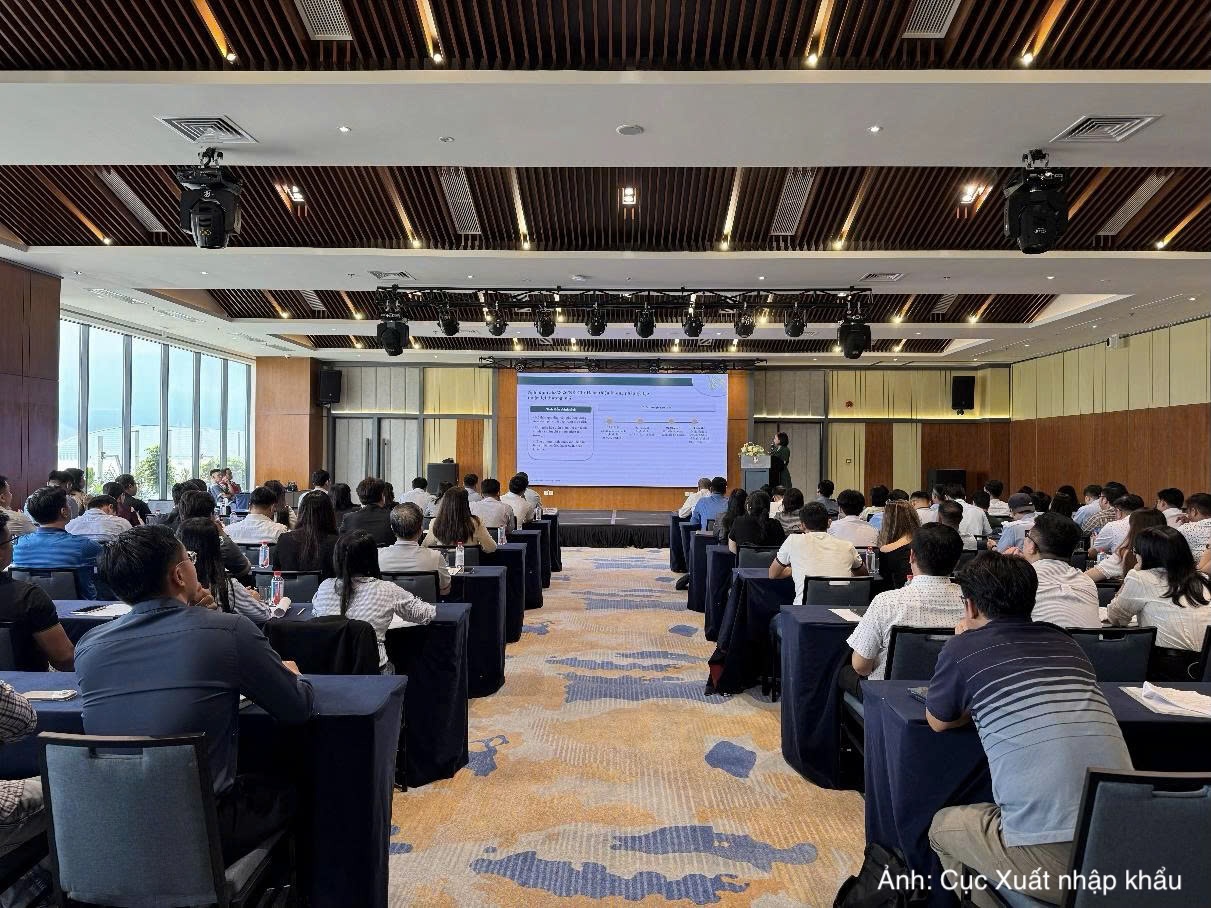
On October 13, the Agency of Foreign Trade under the Ministry of Industry and Trade (MoIT) held a conference in Dong Thap province to disseminate Government Decree No.365/2026/ND-CP dated September 23, 2026, on rice export and import business, and Circular No.65/2026/TT-BCT dated October 1, 2026, issued by the Minister of Industry and Trade, detailing certain provisions and measures for implementing Decree No.365/2026/ND-CP.
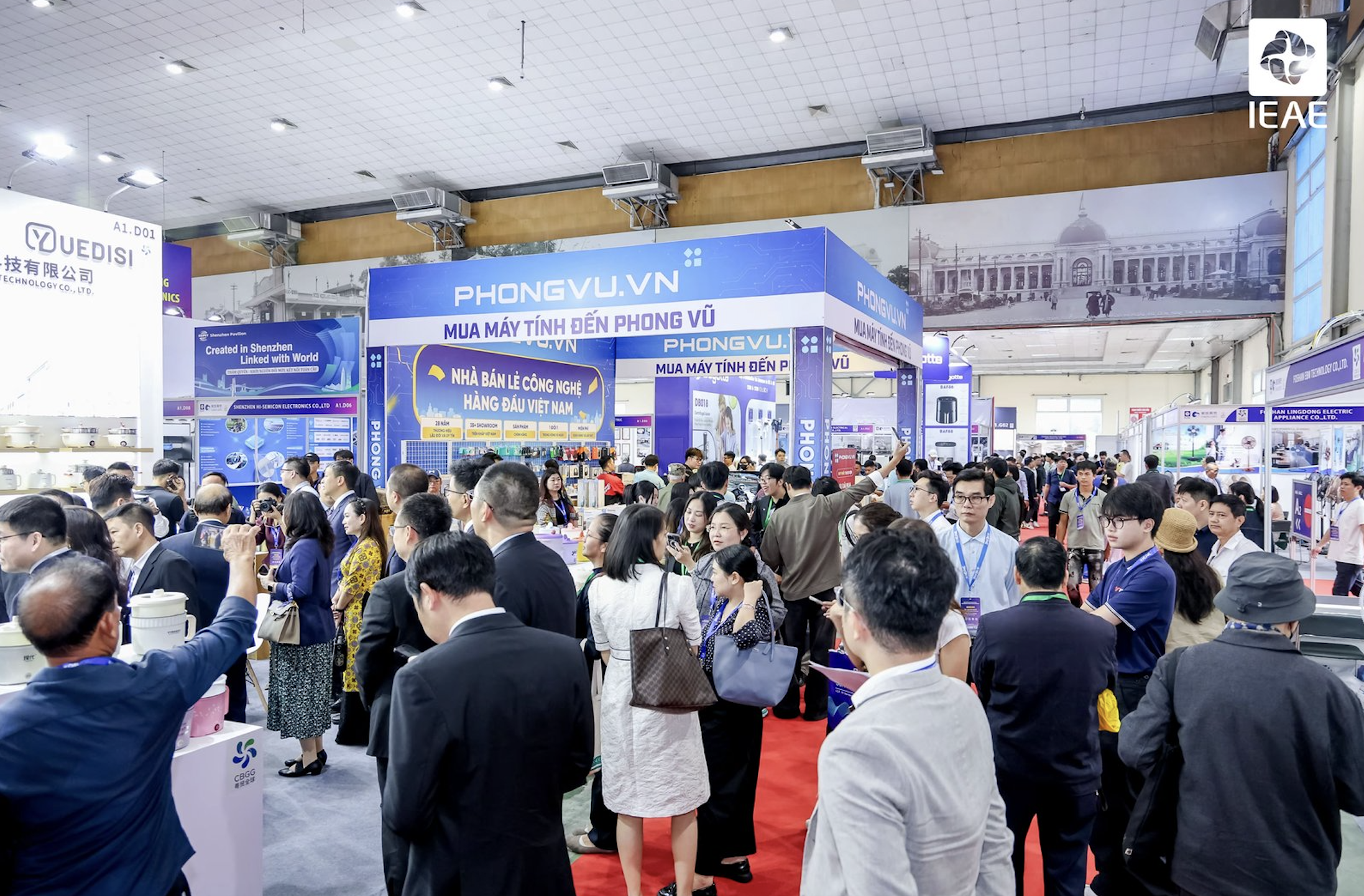
IEAE Hanoi 2026 will gather over 300 exhibitors, showcasing electronics, smart appliances and connecting businesses with sourcing and trade opportunities in Vietnam.
The Ministry of Industry and Trade honored 499 products and services from 227 businesses at the 10th Viet Nam National Brand announcement ceremony for 2026.
On October 13, the Agency of Foreign Trade under the Ministry of Industry and Trade (MoIT) held a conference in Dong Thap province to disseminate Government Decree No.365/2026/ND-CP dated September 23, 2026, on rice export and import business, and Circular No.65/2026/TT-BCT dated October 1, 2026, issued by the Minister of Industry and Trade, detailing certain provisions and measures for implementing Decree No.365/2026/ND-CP.
IEAE Hanoi 2026 will gather over 300 exhibitors, showcasing electronics, smart appliances and connecting businesses with sourcing and trade opportunities in Vietnam.
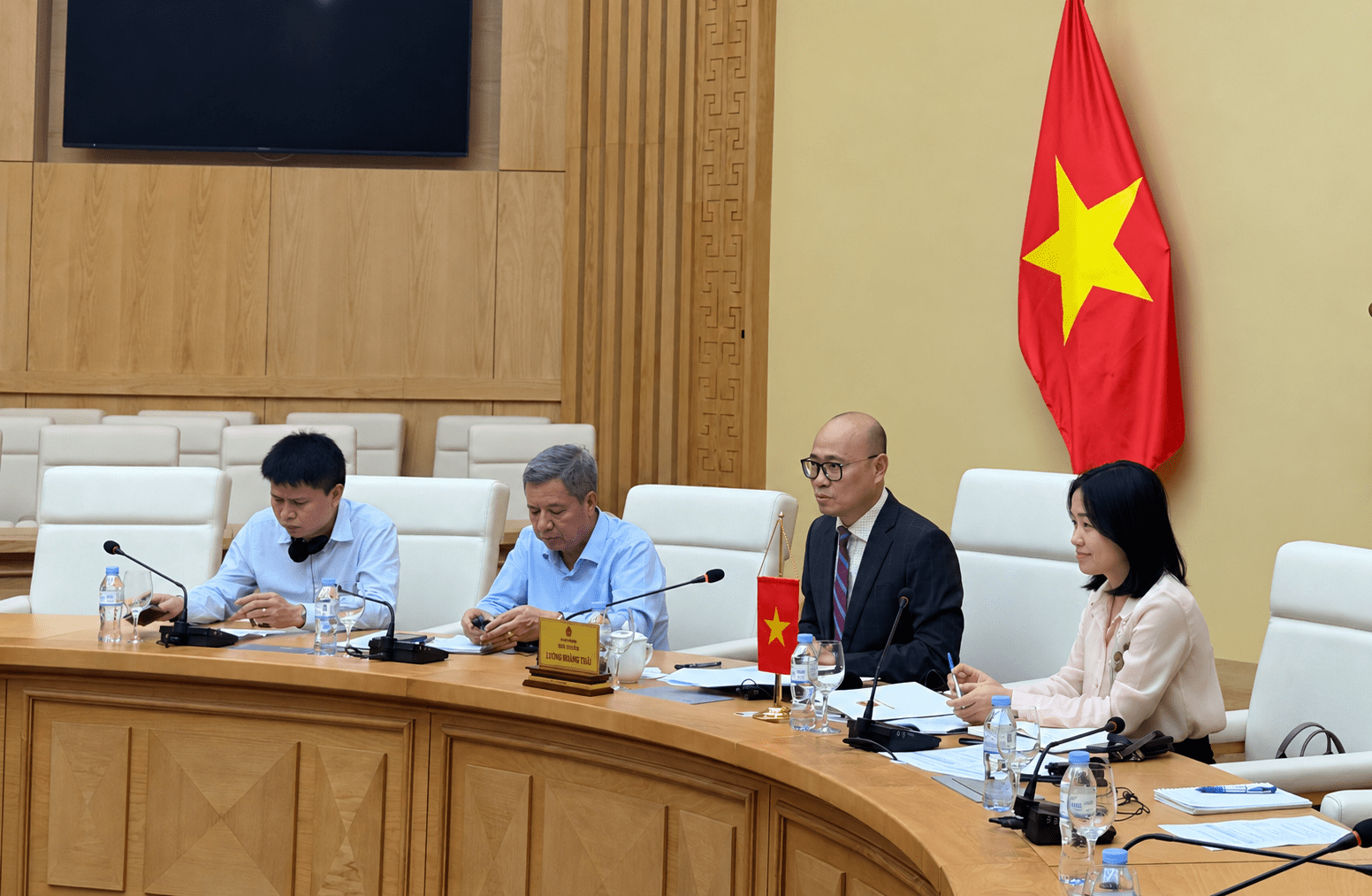
On October 13, Deputy Minister of Industry and Trade Luong Hoang Thai held a working session with MEDEF International, a French business organization, and representatives of French corporations operating in various sectors, including energy, industry, transport, construction and infrastructure development, food and beverages, and services, at the Ministry of Industry and Trade's headquarters.
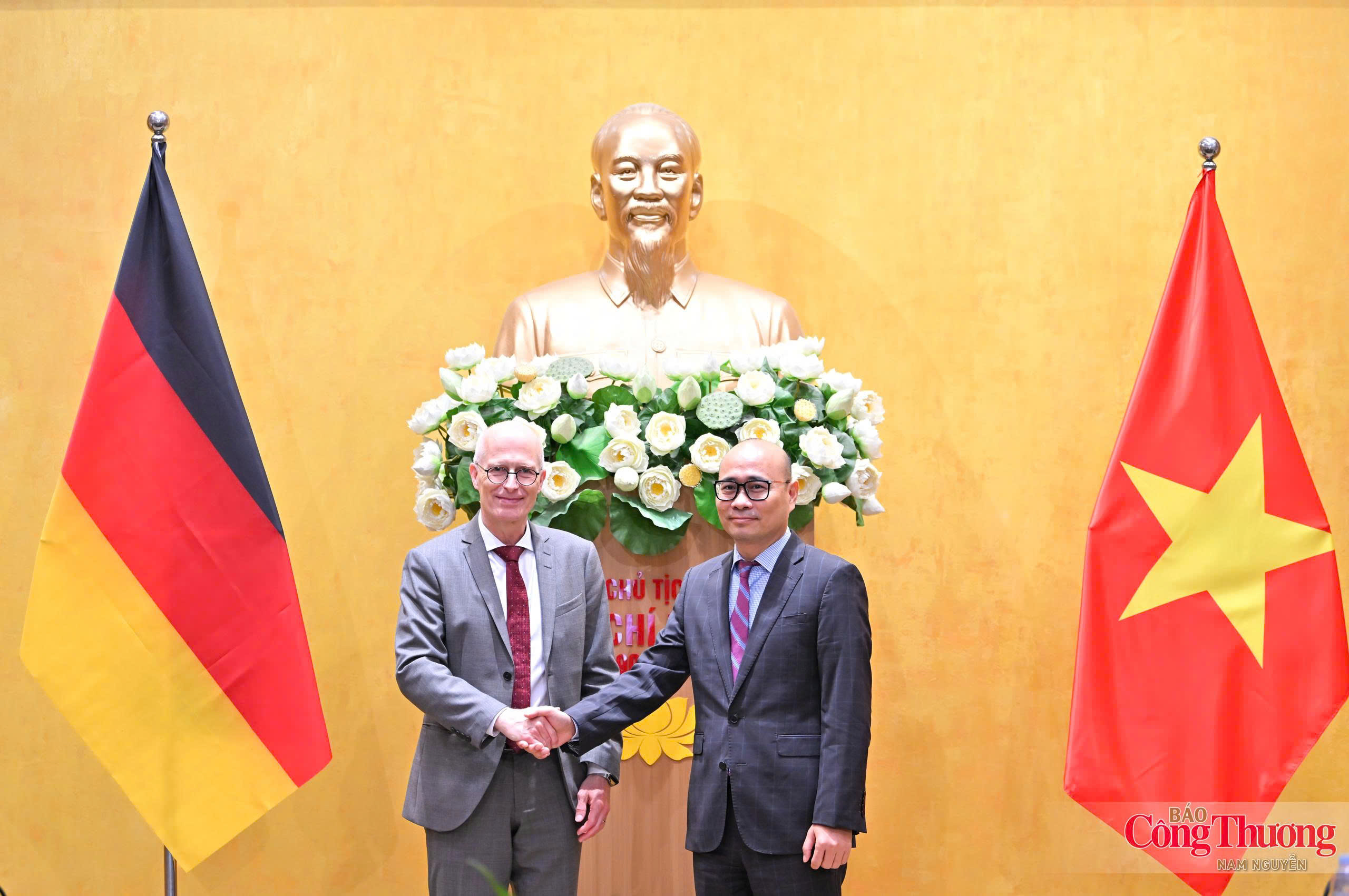
On October 14, Deputy Minister of Industry and Trade Luong Hoang Thai received and held a working session with a delegation from Hamburg, Germany, led by the city's First Mayor Peter Tschentscher at the Ministry of Industry and Trade's headquarters.