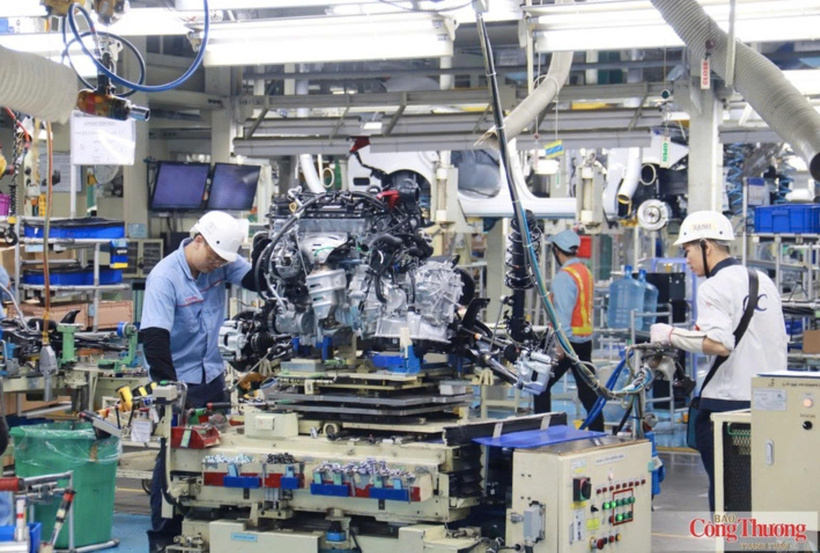
From factories to markets, businesses are turning the Industry and Trade sector’s restructuring goals into reality through production innovation, digital transformation and stronger competitiveness.
Businesses move deeper into the value chain
Restructuring the Industry and Trade sector is not reflected solely in changes in the sectoral structure, industrial growth figures or the scale of imports and exports. From a closer perspective, the process is taking place within individual businesses, from the way production is organized and technologies are selected and energy is used to how businesses seek markets, participate in supply chains and gradually strengthen their position in the value chain.
Restructuring the Industry and Trade sector is reflected not only in growth targets but also in the ability of Vietnamese businesses to master technology and create greater value.
This is also one of the overarching principles of the Scheme on Restructuring the Industry and Trade Sector through 2030, approved by the Prime Minister under Decision No. 165/QD-TTg dated February 28, 2023. The Scheme’s overall objective is to promote economic restructuring while improving productivity, quality, added value and the competitiveness of the Industry and Trade sector. It also aims to create new growth drivers associated with qualitative changes in the growth model. By 2030, Viet Nam aims to become a modern industrialized country and one of the countries with high industrial competitiveness.
From this perspective, businesses are not merely beneficiaries of policies. They are the direct force turning restructuring orientations into actual production capacity and economic competitiveness.
One of the most notable changes set out in Decision No. 165/QD-TTg is the shift from extensive growth toward higher productivity, quality and added value. For businesses, this means that growth can no longer rely primarily on expanding factories, increasing the workforce or exploiting low-cost advantages. The new requirement is to renew technologies, improve management quality, use resources and energy more efficiently, and develop products with higher technological content and added value.
The Scheme sets a target that by 2030, the processing and manufacturing industry will account for around 30% of GDP; high-tech industrial products will account for more than 45% of the output of the processing and manufacturing industries; and industrial labor productivity will grow by around 7.5% annually on average. These targets show that restructuring is not simply about making the industrial sector larger, but, more importantly, making it stronger in terms of productivity, technology and value creation.
To achieve these goals, Decision No. 165/QD-TTg places strong emphasis on science and technology, innovation and digital transformation. Science and technology programs must be aligned with businesses’ needs for technological innovation and upgrading, with priority given to improving productivity and quality in industrial sectors, developing foundational industries, supporting industries, the energy industry, e-commerce, and digital products and services.
This approach places businesses at the center of the innovation process. Technology is no longer viewed as a separate field but must be integrated into production lines, management systems, commercial activities and specific products. When businesses are capable of absorbing technology, mastering equipment, digitizing processes and making better use of data, productivity can increase on a sustainable basis.
Restructuring is also becoming increasingly evident in the way businesses participate in supply chains. An industrial sector that is large in scale but heavily dependent on external sources for raw materials, components, machinery and technology will find it difficult to generate sustainable momentum. Therefore, the Scheme emphasizes upgrading and developing supply chains and value chains, strengthening linkages between domestic businesses and foreign-invested enterprises, promoting localization and improving the self-reliance of domestic production.
This represents an important shift. Whereas Vietnamese businesses previously participated in production chains mainly through processing or simple supply activities, the new requirement is to move deeper into design, research and development, component manufacturing and other stages with higher added value.
At the same time, foreign investment attraction policies are being oriented toward greater selectivity. Decision No. 165/QD-TTg prioritizes FDI projects that use domestically produced components, commit to technology transfer and workforce training, establish joint ventures and linkages with Vietnamese businesses, and invest in research and development and innovation centers in Viet Nam.
Vietnamese businesses in the restructuring process
According to Dr. Tran Minh Chinh of Ho Chi Minh City University of Industry under the Ministry of Industry and Trade, restructuring the Industry and Trade sector is therefore also closely linked to strengthening the capacity of small and medium-sized enterprises. This is a large business segment but often faces difficulties in accessing capital and technology, as well as in developing human resources and reaching markets.
“Decision No. 165/QD-TTg calls for simplifying procedures for accessing finance and credit from funds and support programs, while studying preferential credit policies for foundational industries, high-tech industries, supporting industries, environmental industries, digital transformation businesses, startups and projects participating in global value chains,” Dr. Tran Minh Chinh emphasized.
In addition, when financial resources are properly directed, they can give businesses greater capacity to make long-term investments rather than focusing solely on short-term funding needs. Such investments may include energy-efficient production lines, digital management systems, product research facilities or compliance with new technical standards to participate in supply chains.
Alongside production upgrades, businesses are also undergoing significant changes in their approach to markets. The Scheme calls for the development of a comprehensive import-export ecosystem and improved capacity to meet increasingly stringent requirements and standards in different markets, covering product quality, the environment, carbon emissions and labor.
As major markets continue to raise technical barriers, green development is no longer merely a matter of corporate image but is increasingly becoming a direct requirement for competitiveness.
Dr. Tran Minh Chinh said that businesses seeking to retain their markets must not only produce quality goods but also demonstrate that their production processes comply with new standards, from traceability, energy efficiency and sustainable use of materials to emissions accounting and reduction.
In the domestic market, the development of e-commerce, digital payments and platform-based business models is also changing the way businesses reach consumers. Decision No. 165/QD-TTg calls for the development of cashless payments, electronic documents and paperless trade, creating favorable conditions for the development of e-commerce, cross-border trade and new business models on digital platforms.
“These developments show that the boundary between manufacturing and trade is becoming increasingly blurred. An industrial business must not only be good at production; it must also know how to organize supply chains, manage data, build brands, connect directly with customers and adapt to new distribution channels,” Dr. Tran Minh Chinh noted.
From this perspective, restructuring the Industry and Trade sector is not a process taking place outside businesses. It is reflected in every decision to invest in new production lines, replace outdated technologies, participate in supply chains, improve energy efficiency or enter markets with higher standards. These individual changes will collectively drive the sector’s broader transformation.
Decision No. 165/QD-TTg has established a clear direction: growth in the Industry and Trade sector must increasingly rely on productivity, science and technology, innovation, digital transformation, supply-chain linkages and sustainable development. For this direction to translate into tangible results, alongside a favorable policy environment, support resources and synchronized infrastructure, the decisive factor remains the business community’s ability to proactively adapt.
When Vietnamese businesses can gain greater control over technology, participate more deeply in value chains, produce more high-value-added products and remain competitive in the face of new market standards, restructuring in the Industry and Trade sector will no longer be measured primarily by changes in shares or growth rates. At that point, quantitative changes will have translated into qualitative transformation, laying the foundation for greater industrial self-reliance, a more modern trade system and more sustainable competitiveness for Vietnamese businesses.
From factories to markets, businesses are turning the Industry and Trade sector’s restructuring goals into reality through production innovation, digital transformation and stronger competitiveness.
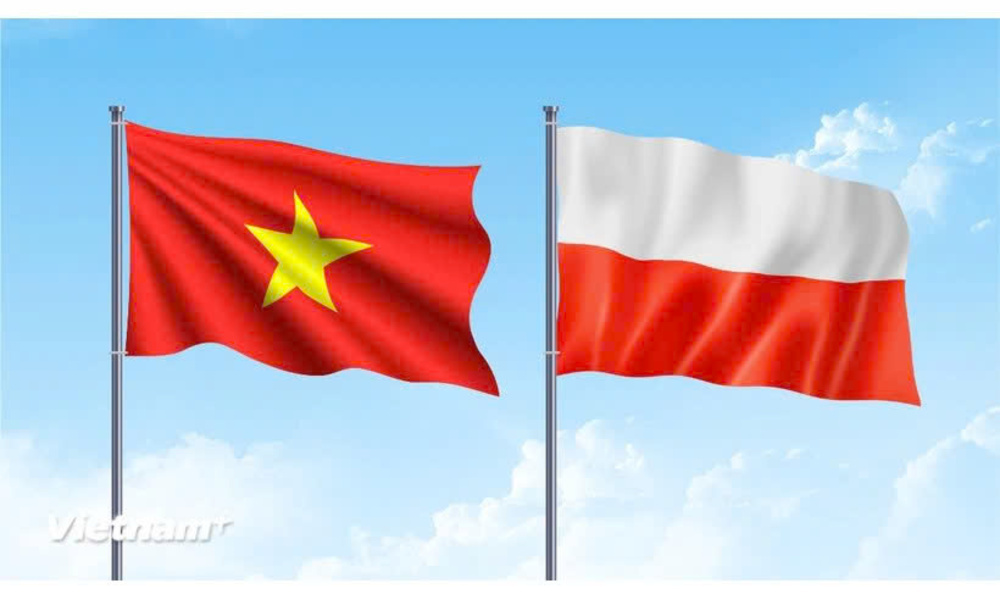
Polish Prime Minister Donald Tusk will pay an official visit to Viet Nam from October 24 to 26 as the bilateral trade continues to grow, creating opportunities for deeper cooperation.
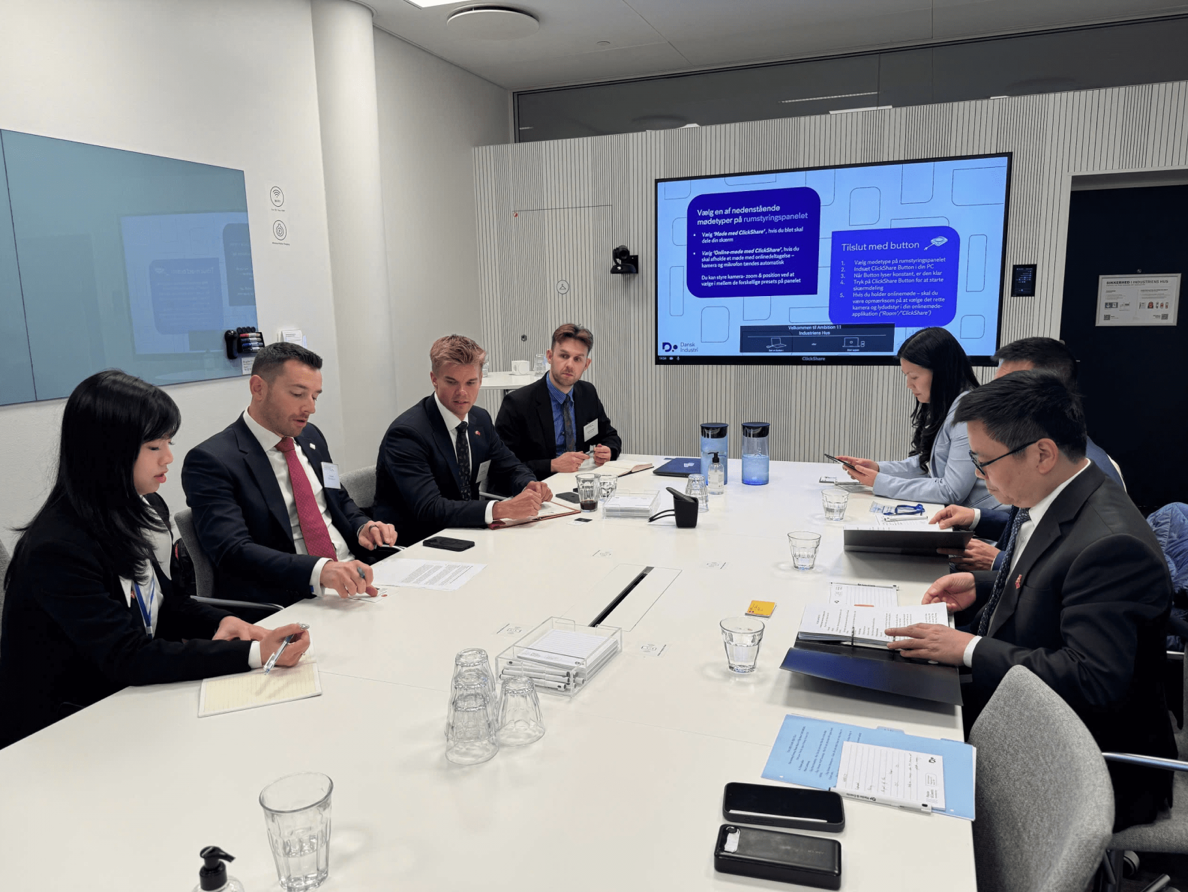
Deputy Minister Truong Thanh Hoai met with LEGO and Carlsberg in Denmark on October 20 to discuss green investment and sustainable manufacturing in Viet Nam.
For more than three decades, Ms. Dang Thi Thanh Huong has quietly shaped the legacy of Dong Phuong Cake & Confectionery, a brand rooted in tradition, craftsmanship.
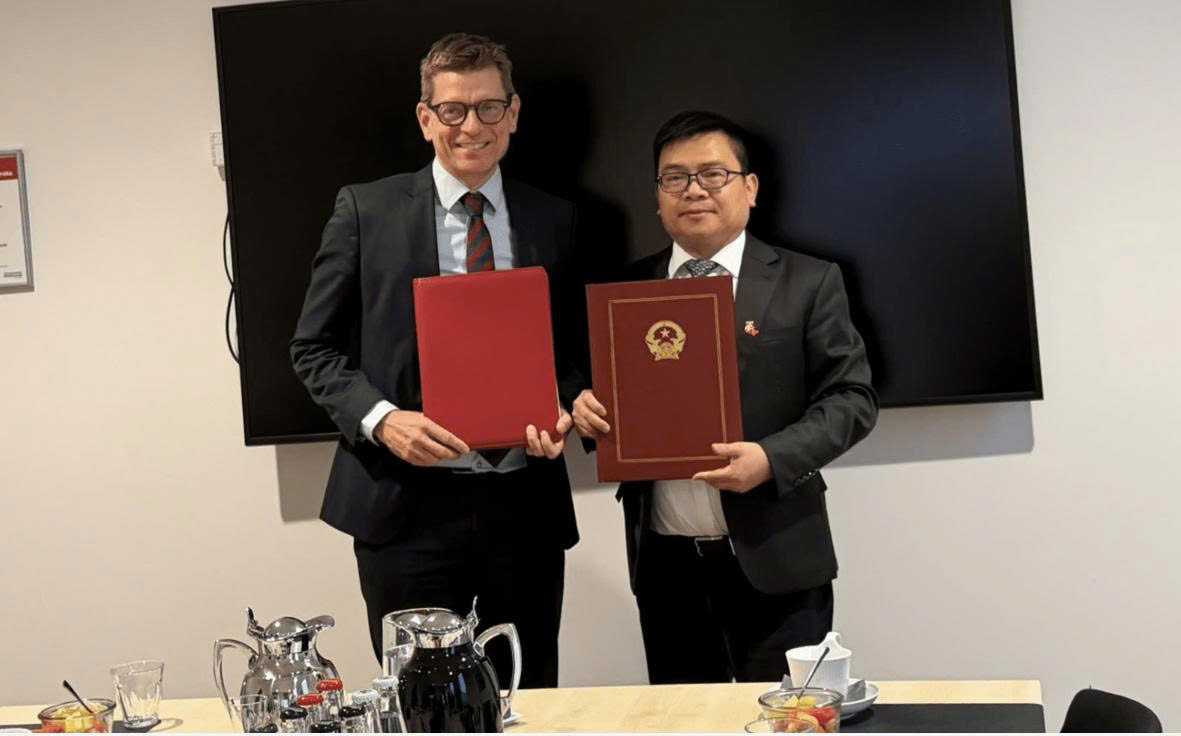
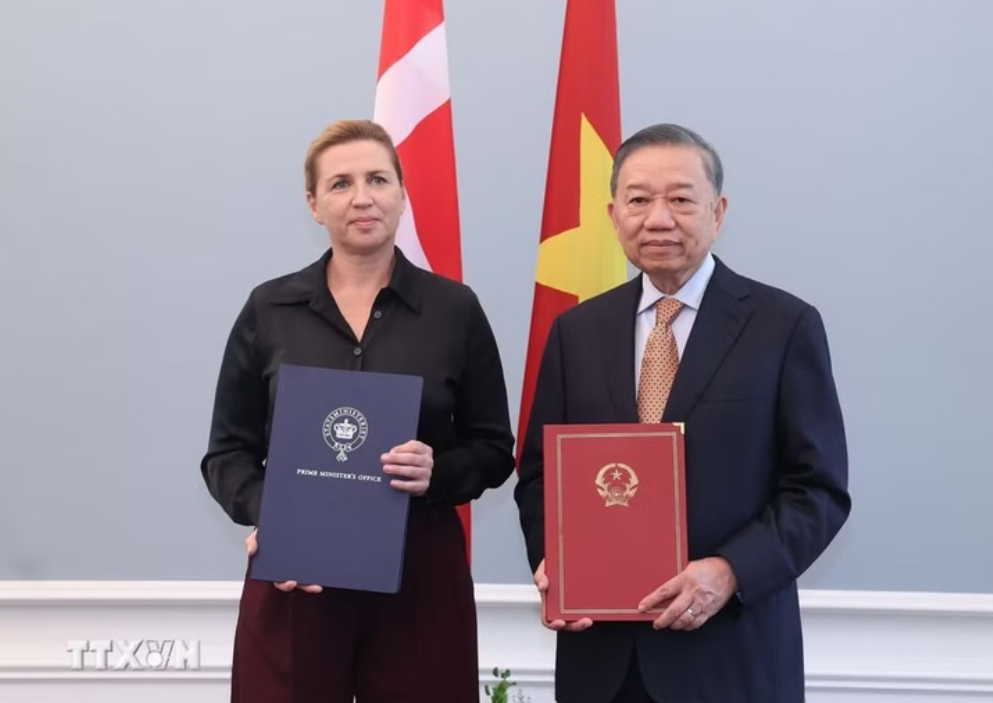
Viet Nam and Denmark have signed an MoU on energy cooperation to strengthen bilateral ties and advance collaboration in renewable energy and the green transition.
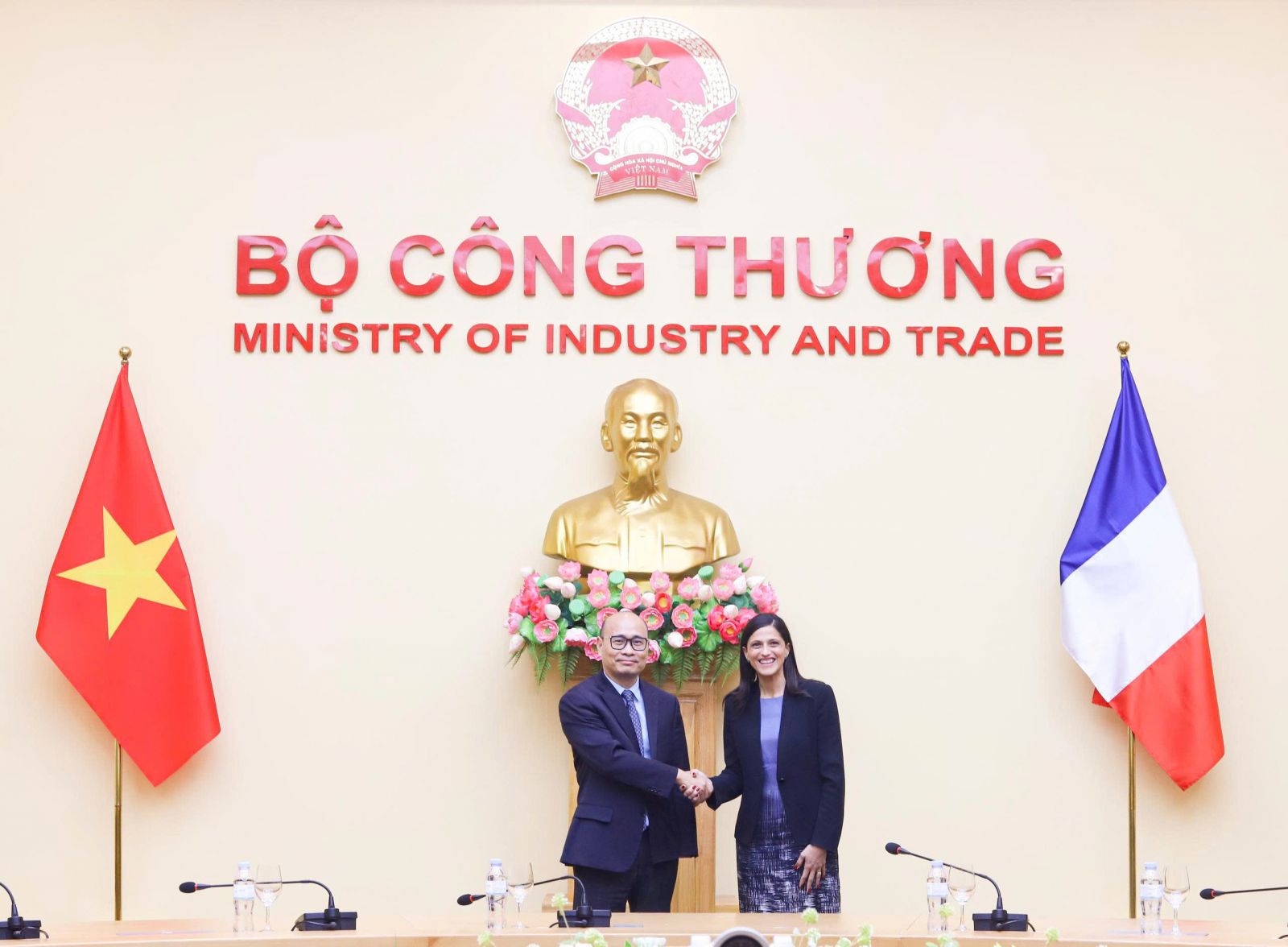
Deputy Minister Luong Hoang Thai met French Minister Delegate Eleonore Caroit on October 19 to discuss ways to strengthen Viet Nam - France cooperation.
Polish Prime Minister Donald Tusk will pay an official visit to Viet Nam from October 24 to 26 as the bilateral trade continues to grow, creating opportunities for deeper cooperation.
Deputy Minister Truong Thanh Hoai met with LEGO and Carlsberg in Denmark on October 20 to discuss green investment and sustainable manufacturing in Viet Nam.
Viet Nam and Denmark have signed an MoU on energy cooperation to strengthen bilateral ties and advance collaboration in renewable energy and the green transition.
Deputy Minister Luong Hoang Thai met French Minister Delegate Eleonore Caroit on October 19 to discuss ways to strengthen Viet Nam - France cooperation.
The Viet Nam Economic News respectfully presents the full text of the Joint Statement on the Establishment of a Comprehensive Strategic Partnership between Viet Nam and Denmark.