Technology innovation, resource and energy efficiency, and emissions reduction are becoming key priorities in many local industrial extension programs. From machinery support to the development of cleaner production models, industrial extension policies are helping bring sustainable production and consumption goals closer to rural industrial establishments.
More than half of funding allocated to technology innovation
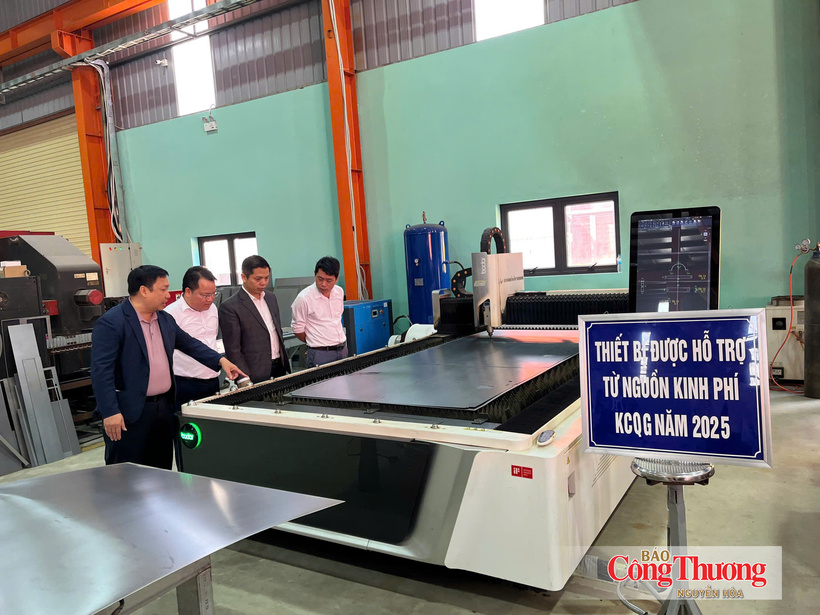
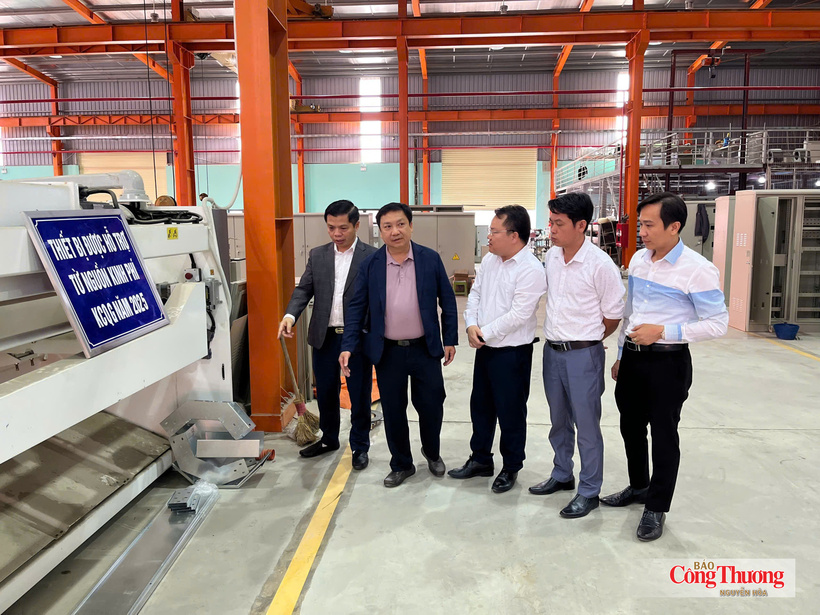
One notable feature of industrial extension activities in northern provinces and cities in recent years has been the growing focus of support resources on technology innovation and the adoption of advanced machinery and equipment, helping improve productivity and use raw materials and energy more efficiently in production.
According to a report presented at the 20th Industrial Extension Conference of Northern Provinces and Cities, the total industrial extension funding implemented in 2025 by 15 northern provinces and cities reached VND 87.859 billion.
Of this amount, VND 45.847 billion was allocated to the development of technical demonstration models, technology transfer, the application of advanced machinery and equipment and scientific and technical advances, cleaner production, and environmental pollution treatment. This accounted for more than half of the region's total industrial extension funding.
Industrial extension resources are increasingly focused on advanced technologies, cleaner production and energy efficiency.
The funding supported 189 rural industrial establishments in technology transfer and the application of advanced machinery to production. Counterpart funding from enterprises and rural industrial establishments for investment in models, machinery and equipment exceeded VND 109.481 billion.
In the first nine months of 2026, another 57 rural industrial establishments received support to apply advanced machinery and equipment to their industrial and handicraft production lines, with total funding of VND 10.539 billion.
Technology innovation remains an important component of industrial extension policy. However, the current requirement is not simply to replace old machinery with new equipment, but to link investment with more efficient use of resources, raw materials and energy, as well as waste reduction in production.
This orientation is consistent with the National Action Program on Sustainable Production and Consumption for 2021-2030, approved by the Prime Minister under Decision No. 889/QD-TTg. Under the decision, sustainable production and consumption are approached from a product life-cycle perspective, covering resource extraction, production, distribution, consumption and disposal, with an emphasis on repair, maintenance, reuse, recycling, technology innovation, improvements to equipment and production processes, efficient use of resources, fuels and raw materials, and waste reduction.
In Hai Phong, according to Nguyen Hoang Long, Director of the Hai Phong Department of Industry and Trade, industrial extension activities in 2025 supported 17 rural industrial establishments in investing in advanced machinery and equipment, with total funding of VND 4.525 billion. According to the department, investment in equipment has helped these establishments increase productivity while saving energy and reducing environmental pollution.
For 2026-2030, Hai Phong's local industrial extension program will continue to focus on the circular economy, cleaner production and the application of digital technologies. The city has identified projects with strong spillover effects, the application of advanced technologies and cleaner production as priority areas.
In Thai Nguyen, Dong Van Tan, Deputy Director of the Thai Nguyen Department of Industry and Trade, said that the development and selection of industrial extension projects should prioritize initiatives capable of generating clear improvements in productivity and product quality, saving energy, using raw materials efficiently, promoting digital transformation and green transformation, and increasing product value.
Making green criteria a requirement for industrial extension projects
In Phu Tho, digital and green transformation have been identified as cross-cutting priorities in industrial extension activities. The Phu Tho Department of Industry and Trade said that support for machinery and equipment should be linked to technology innovation, automation, raw material savings, energy efficiency and quality control.
Notably, the locality has proposed changing the way support effectiveness is assessed. Instead of focusing primarily on implementation progress and output volume, industrial extension activities should gradually assess outcomes and impacts, including increased production capacity, product quality, market expansion potential, energy savings and environmental performance.
Industrial extension activities in northern provinces and cities have increasingly focused support resources on technology innovation and the application of machinery in production.
In Son La, industrial extension efforts in the coming period will also focus on supporting cleaner, energy-efficient and environmentally friendly production models, while encouraging the application of technological solutions that can reduce costs and improve production efficiency.
This shift is consistent with the characteristics of rural industry, where most enterprises, cooperatives and production households are small and medium-sized and have limited investment resources. Under these conditions, budget support should serve as seed capital, creating an incentive for establishments to mobilize additional resources, invest in technology and change their production methods.
The report on industrial extension activities in northern provinces and cities states that future efforts should involve renewed thinking and approaches to supporting rural industrial establishments, with a focus on strengthening competitiveness, participation in value chains and sustainable development.
Projects involving multiple establishments and capable of creating linkages across the supply chain, from raw materials and production to processing and consumption, as well as projects applying digital technologies, using resources efficiently, saving energy and reducing emissions, will receive greater attention.
Machinery investments should help reduce raw material consumption. New technologies should contribute to energy savings. Production processes should minimize waste and environmental impacts. Products should achieve more consistent quality and better meet market requirements.
When industrial extension resources are focused on advanced technologies, cleaner production, energy efficiency, efficient use of raw materials and emissions reduction, each supported project can bring about direct changes at the production establishment.
As a result, the impact of industrial extension will no longer be measured solely by the number of machines invested in or the number of establishments receiving support, but also by enhanced production capacity, more efficient resource use and greater adaptability to green development requirements.
This will also provide a foundation for industrial extension activities in 2026-2030 to make a more substantive contribution to sustainable production and consumption, the green economy and the circular economy.
In 2025, total industrial extension funding implemented in 15 northern provinces and cities reached VND 87.859 billion. Of this amount, VND 45.847 billion was allocated to the development of technical demonstration models, technology transfer, the application of advanced machinery, cleaner production and environmental pollution treatment. The funding supported 189 rural industrial establishments in technology transfer and the application of advanced machinery.
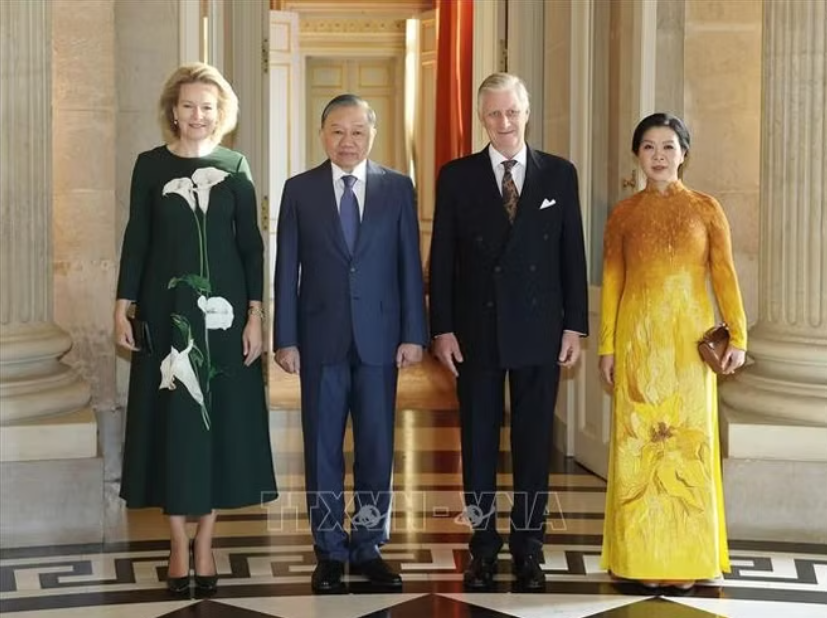
The Viet Nam Economic News respectfully presents the full text of the the Joint Statement on the outcome of the official visit to the Kingdom of Belgium by General Secretary and President To Lam.
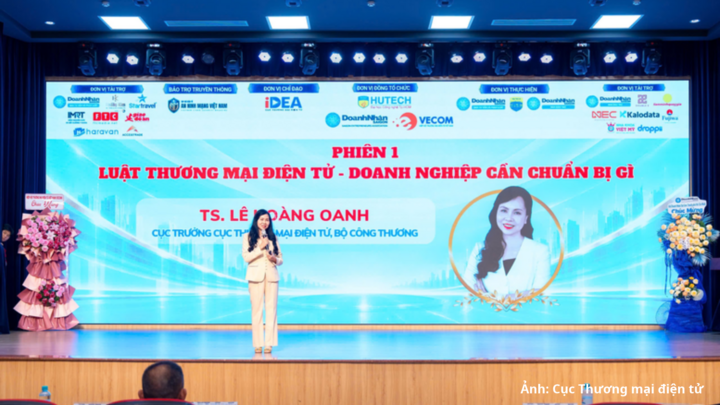
With e-commerce valued at USD 31 billion in 2025, officials called for closer government-university-business ties to enhance efficiency, skills and innovation.
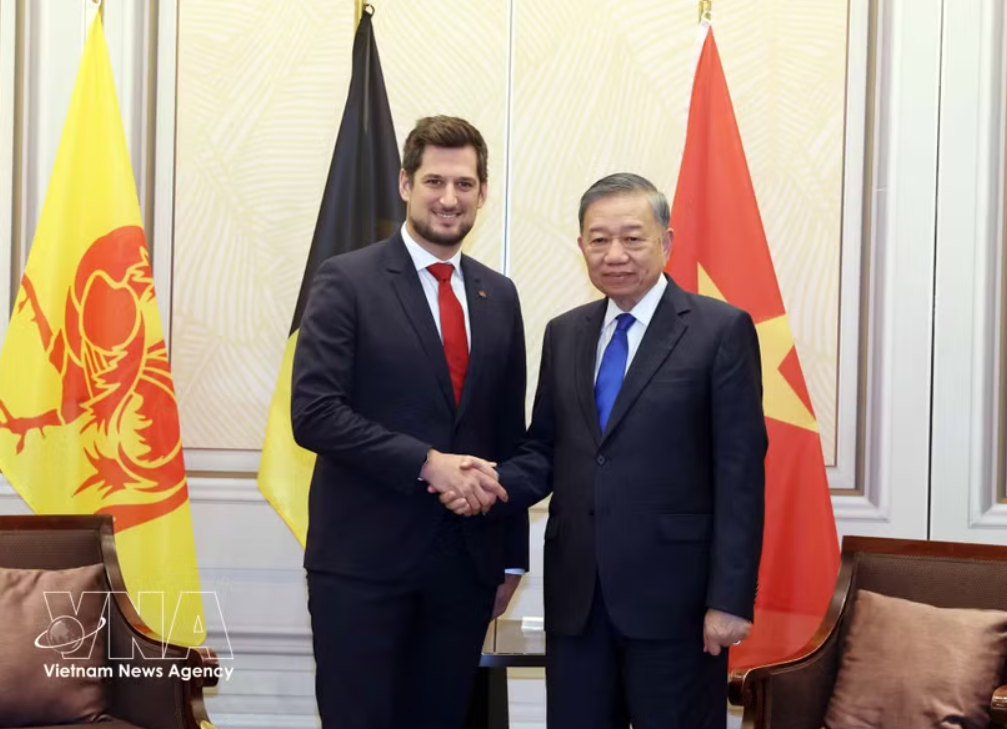
Discussing future orientations, General Secretary and President To Lam suggested that the government of the Wallonia region support the early elevation of Viet Nam–Belgium ties to a Strategic Partnership.
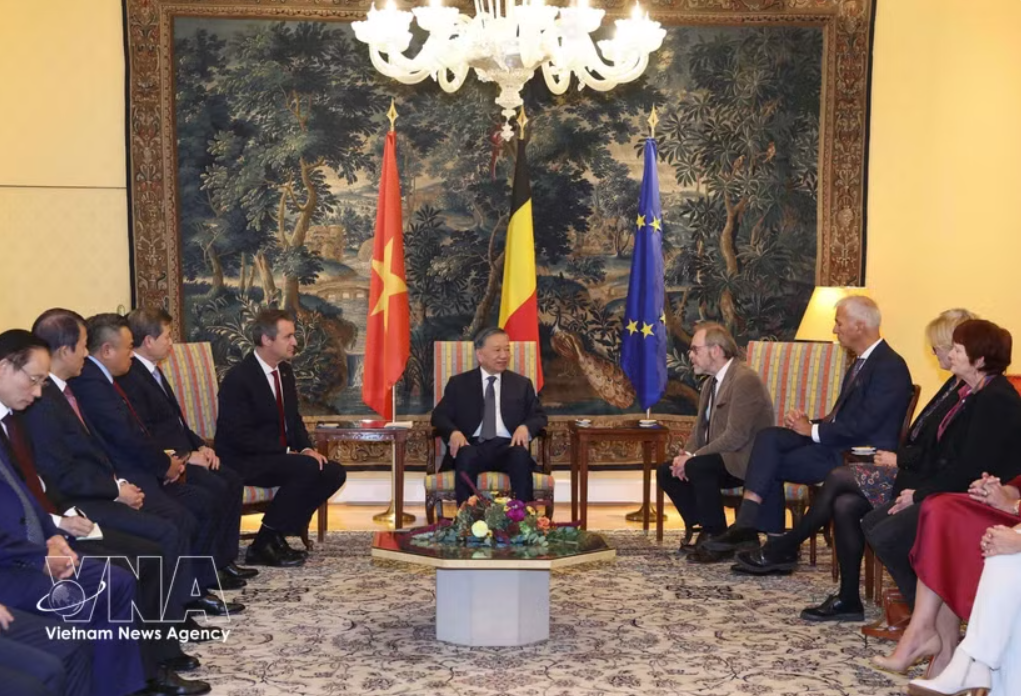
The host leaders described the Belgian House of Representatives' approval of the EU - Viet Nam Investment Protection Agreement (EVIPA) as tangible evidence of the two countries’ determination and potential to expand economic, trade and investment cooperation.
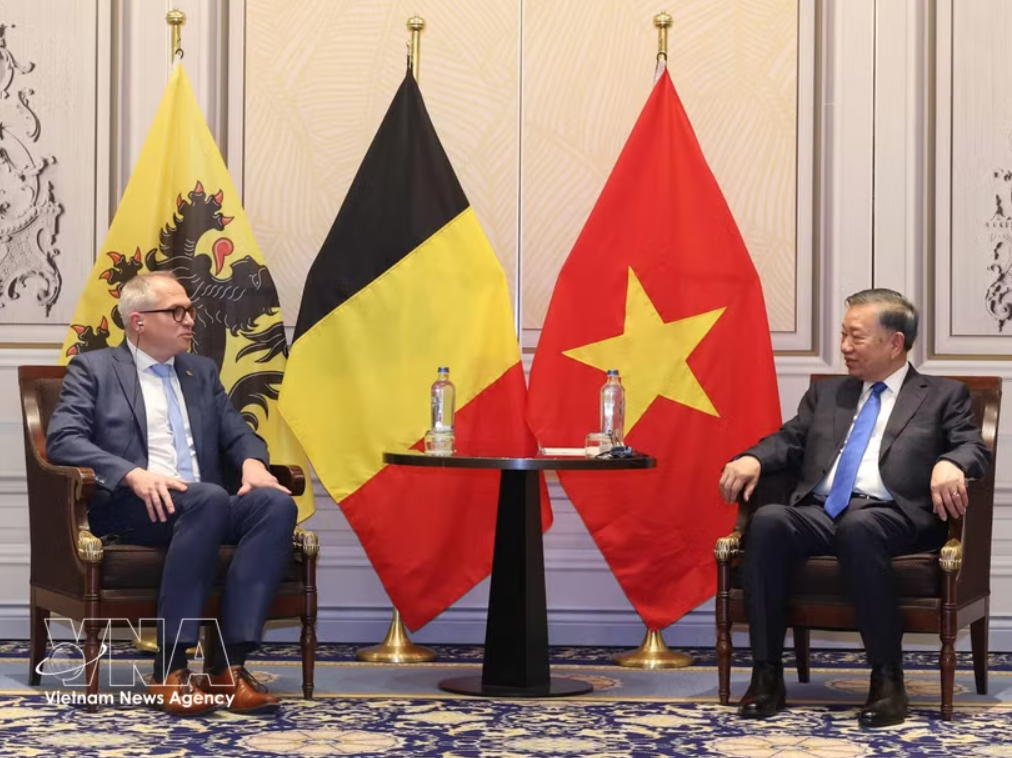
The top leader called on Flanders to support the early elevation of Viet Nam - Belgium relations to a strategic partnership, take a pioneering role in promoting economic cooperation, encourage businesses to expand investment in Viet Nam, and back the completion of ratification and effective implementation of the EU–Viet Nam Investment Protection Agreement (EVIPA).
The Viet Nam Economic News respectfully presents the full text of the the Joint Statement on the outcome of the official visit to the Kingdom of Belgium by General Secretary and President To Lam.
Discussing future orientations, General Secretary and President To Lam suggested that the government of the Wallonia region support the early elevation of Viet Nam–Belgium ties to a Strategic Partnership.
The host leaders described the Belgian House of Representatives' approval of the EU - Viet Nam Investment Protection Agreement (EVIPA) as tangible evidence of the two countries’ determination and potential to expand economic, trade and investment cooperation.
The top leader called on Flanders to support the early elevation of Viet Nam - Belgium relations to a strategic partnership, take a pioneering role in promoting economic cooperation, encourage businesses to expand investment in Viet Nam, and back the completion of ratification and effective implementation of the EU–Viet Nam Investment Protection Agreement (EVIPA).
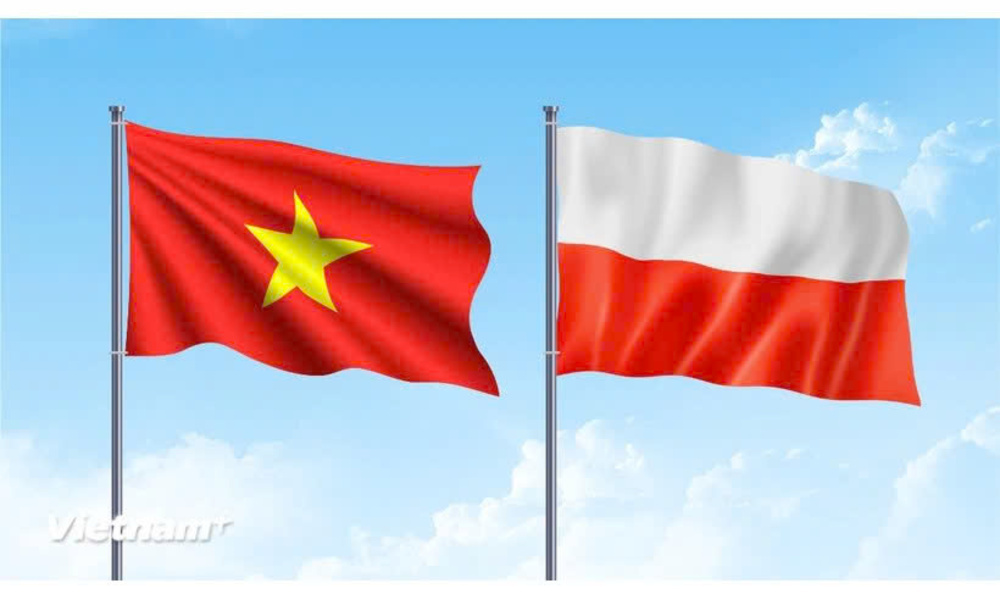
Polish Prime Minister Donald Tusk will pay an official visit to Viet Nam from October 24 to 26 as the bilateral trade continues to grow, creating opportunities for deeper cooperation.