Experts warn that RSV can hospitalize even healthy infants under one, with severe cases linked to long-term respiratory problems and no specific treatment available.
At a media briefing titled “RSV Disease in Children Under One Year Old: Disease Burden and Ways to Protect Children from an Expert Perspective,” organized by the Central Center for Health Communication and Education under the Ministry of Health with support from Sanofi, health experts shared updated information on respiratory syncytial virus (RSV), one of the leading causes of bronchiolitis and pneumonia among young children.
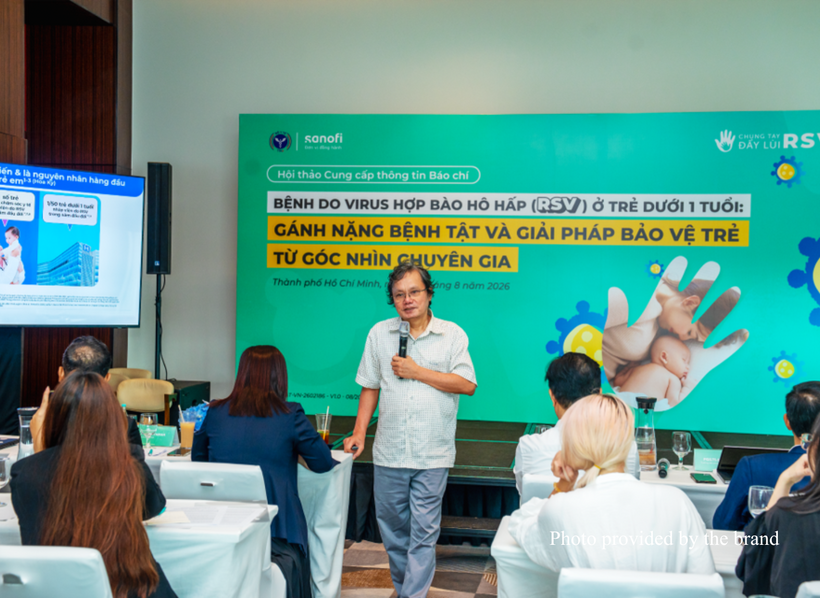
Delegates discuss key issues at the conference.
According to Dr. Truong Huu Khanh, Vice President of the Infectious Diseases Association of Ho Chi Minh City, RSV can affect even full-term, otherwise healthy children and may lead to hospitalization, particularly among infants under one year of age.
Dr. Khanh said children under one year old have immature immune systems that may not respond effectively to RSV exposure. He noted that their airways are only about half the size of those of adults and can easily become blocked by mucus, allowing the virus to severely affect the lower respiratory tract and cause bronchiolitis and pneumonia. Severe RSV infection during the first year of life may also increase the risk of recurrent wheezing, asthma and reduced lung function later in life, he added.
Dr. Truong Huu Khanh delivers remarks at the event.
RSV accounts for more than 60% of acute respiratory infections among newborns and young children worldwide. The virus is also considered more transmissible than many other common viruses. Globally, around nine in ten children are infected with RSV during their first two years of life, while one in five infected children requires outpatient medical care during that period.
Drawing on years of clinical experience, Dr. Khanh noted that there is currently no specific treatment for RSV because the disease is caused by a virus.
“Some diseases without specific treatments, such as dengue fever and hand, foot and mouth disease, can still be managed effectively through supportive care. With RSV, however, treatment is largely supportive and does little to directly address the underlying respiratory illness,” he said.
“During treatment, many children require oxygen support, mechanical ventilation or treatment for secondary infections. Doctors cannot always resolve the condition immediately and often have to wait for the child to recover. In hospitals, even a single RSV case can raise concern among healthcare workers because additional cases frequently follow due to the virus’s high transmissibility.”
RSV is not only a threat to premature infants or children with underlying health conditions. Real-world data show that more than 60% of children with RSV who required intensive care and mechanical ventilation had been completely healthy before becoming ill. In addition, around 57% of RSV-related deaths worldwide occurred among children who had previously been healthy.
Young children can contract RSV from family members, including older siblings attending school, as well as from other children in daycare settings. The virus can also spread through shared toys and other commonly used objects. For this reason, experts stressed the importance of protecting children from RSV during the first months of life.
Given the potentially serious health consequences of RSV infection and its possible long-term impact on respiratory health, experts recommend that parents maintain good hygiene practices for their children, avoid crowded places and limit contact with people who have symptoms such as coughing or fever. They also emphasized that immunization can play an important role in protecting children against the disease.
Associate Professor Pham Quang Thai, MD, PhD, Head of the Northern Regional Office of the Expanded Program on Immunization, said advances in medical science have enabled the development of vaccines for pregnant women as well as monoclonal antibodies that can provide direct protection for infants from birth.
Associate Professor Pham Quang Thai, MD, PhD, Head of the Northern Regional Office of the Expanded Program on Immunization delivers remarks at the event.
In Viet Nam, Resolution No. 72-NQ/TW, together with provisions under the new Law on Disease Prevention, has helped accelerate public access to these advanced preventive measures after their effectiveness had been demonstrated internationally.
Countries that have introduced such preventive measures have reported a marked reduction in the burden of RSV-related hospital admissions. According to Associate Professor Thai, France recorded an RSV-related hospitalization rate of below 1% following the introduction of these interventions, highlighting the benefits of preventive medicine.
Vu Manh Cuong, Director of the Central Center for Health Communication and Education, said that greater public awareness of RSV and early preventive action can help protect children during their first months of life while reducing the risk of severe disease and hospitalization.
Early prevention can also help lower direct medical expenses and ease the caregiving burden on families. At the same time, reducing severe cases and hospital admissions during peak respiratory disease seasons can help relieve pressure on healthcare facilities, enable more efficient use of healthcare resources and improve the quality of care provided to patients requiring intensive treatment.
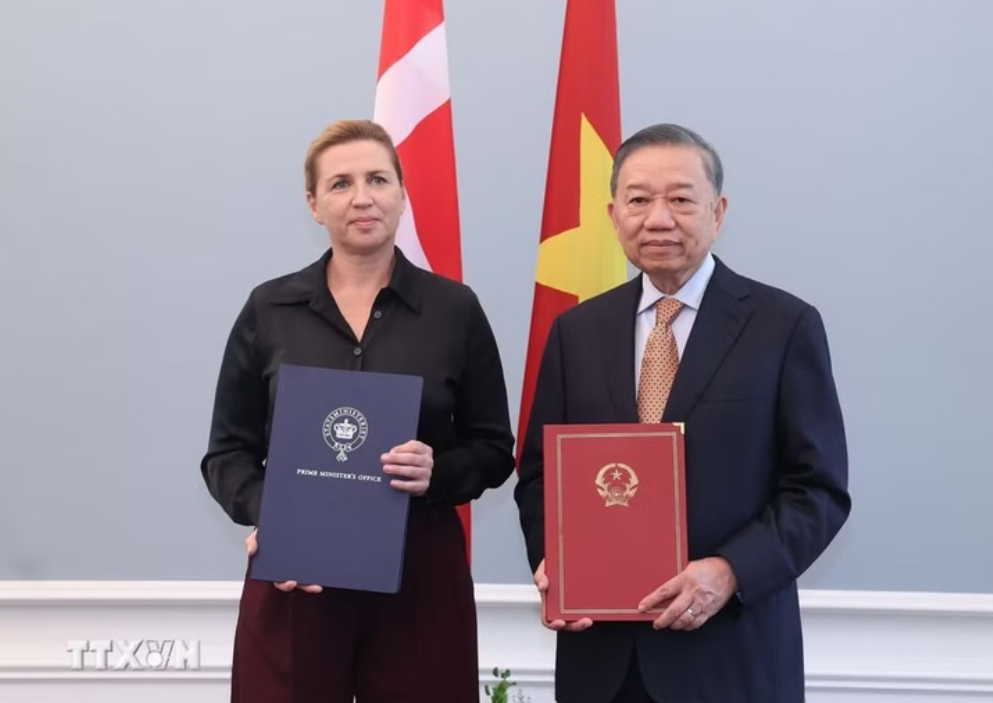
The Viet Nam Economic News respectfully presents the full text of the Joint Statement on the Establishment of a Comprehensive Strategic Partnership between Viet Nam and Denmark.
Prime Minister Le Minh Hung urged Electricity Law amendments to ensure consistency, balance state, public and investor interests, and mobilize resources.
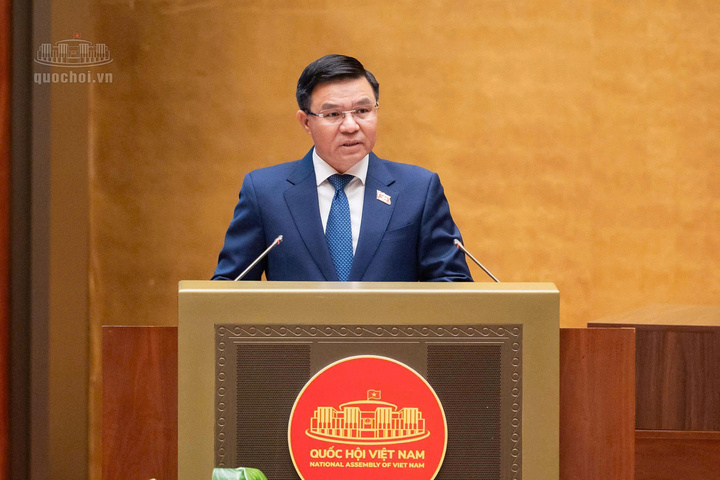
On October 20, at the second session of the 16th National Assembly, Minister of Industry and Trade Le Manh Hung presented the Government's submission on the draft Law amending and supplementing a number of articles of the Electricity Law.
The Copyright Office is working closely with relevant agencies to develop plans for inspections and enforcement action against copyright and related rights infringements in the digital environment.
Viet Nam’s cultural industries are poised for growth as development targets become clearer, the digital content market expands and technology creates new ways.
Developing a law on cultural industries means establishing a unified legal framework that connects culture with investment, science, technology, innovation.