In just one decade, Vietnam’s durian cultivation area has increased more than fivefold, putting this billion-dollar crop under growing oversupply pressure. Meanwhile, relying on a single market for more than 90% of export value highlights the need to shift from a “seasonal crop mindset” to a “commodity-industry mindset,” tighten production planning and strengthen quality standardization.
Behind the record-breaking figure
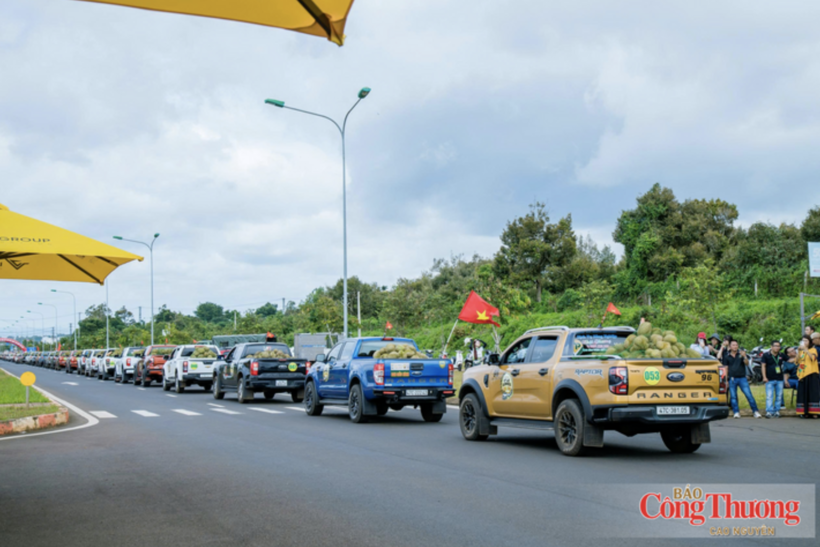
On the morning of August 16, 2026, more than 500 pickup trucks carrying durians lined up along Vo Nguyen Giap Street in Dak Lak, departing from Tan An Square in Krong Pac Commune, setting a Guinness World Record for the “Longest Durian-Carrying Pickup Truck Convoy in the World.” Held as part of the 2026 Dak Lak Durian Festival, the spectacular convoy was a source of pride for a burgeoning billion-dollar commodity industry.
But behind the record-breaking convoy lies a familiar question: How can durian avoid falling victim to the “bumper harvest, plummeting prices” cycle that has long plagued many Vietnamese agricultural products?
First, it is important to look at the pace and scale of the crop’s expansion. Vietnam’s durian cultivation area increased from around 38,000 hectares in 2015 to 195,000 hectares in 2025, while output exceeded 1.5 million tonnes in 2024. Dak Lak alone currently has around 41,000 hectares under durian cultivation, with output expected to reach approximately 500,000 tonnes in 2026. Such rapid growth has quickly transformed durian into a billion-dollar commodity, but it has also raised the risk of oversupply.
More than 500 pickup trucks carrying durians lined up along Vo Nguyen Giap Street in Dak Lak, departing from Tan An Square in Krong Pac Commune, setting a Guinness World Record for the “Longest Durian-Carrying Pickup Truck Convoy in the World.”
In the first six months of 2026, Vietnam’s durian exports to China reached approximately USD 987.88 million, up 43.1%, while export volume exceeded 288,000 tonnes, up 50.7%. However, the average export price fell by 5% to USD 3,430 per tonne. Export volume growing faster than prices is an early warning sign of the “bumper harvest, falling prices” problem. Meanwhile, production remains fragmented, with durian often intercropped with other crops. Some growers and businesses still regard growing-area codes and packing-facility codes primarily as immediate export requirements rather than credentials that must be consistently maintained.
No expansion of cultivation areas, preventing unplanned supply growth
At the height of the durian season, the Government delivered an important message concerning this billion-dollar crop.
Recently, the Government Office issued Document No. 421/TB-VPCP announcing the conclusions of Deputy Prime Minister Ho Quoc Dung at a meeting on durian production, consumption and exports. The Deputy Prime Minister asked localities to review and strictly manage durian cultivation areas without expanding them; focus on improving productivity, quality and production efficiency; and organize production in association with value-chain linkages and market demand.
This policy aims to address one of the root causes of the supply-demand imbalance. When cultivation areas expand spontaneously beyond market absorption capacity and the ability to control quality, prices will fall and the reputation of the commodity industry will suffer. Preventing uncontrolled volume growth and shifting resources toward quality and efficiency are therefore prerequisites for maintaining durian prices.
The issue is not limited to cultivation areas. The market structure and quality of durian have also been analyzed by experts during the ongoing Durian Festival in Dak Lak.
Durian exports surged after Vietnam signed a protocol with China in July 2022. In 2025, export turnover reached approximately USD 3.86 billion, up more than 20% year on year. China accounted for more than 90% of export turnover, and the share remained at 91% in the first six months of 2026.
Nguyen Anh Son, Director General of the Import-Export Department under the Ministry of Industry and Trade, said at the Durian Production and Consumption Connectivity Forum on August 16 that excessive dependence on a single market creates significant exposure to volatility. Even relatively small changes in China’s policies or consumer demand could have a substantial impact on Vietnam’s durian export turnover.
The solution is to continue negotiating market access and expanding into markets such as the United States, the EU, Japan, Canada, South Korea and Australia, while promoting trade in the UK, France, the Netherlands and the UAE and organizing promotional events in target markets. Reducing dependence on a single trading partner also means reducing the risk of price declines when that market experiences fluctuations.
Maintaining prices through quality and deep processing
Maintaining prices requires more than increasing output; it requires improving quality and strengthening standardization.
The management of growing-area codes, packing-facility codes, traceability and food safety has been placed at the forefront. Government Resolution No. 36/2026/NQ-CP, recently issued to simplify administrative procedures related to growing-area and packing-facility codes, has helped address difficulties in managing production areas.
At the same time, residue control is critical to the reputation of the commodity industry. The Government has asked ministries and agencies to guide producers in applying safe farming practices, using fertilizers and plant-protection products in accordance with regulations, and meeting the requirements of importing markets. It has also called for the proactive development and implementation of food-safety and phytosanitary monitoring programs for exported durians; the establishment of pest monitoring and early-warning systems; the identification and treatment of affected areas; and a firm refusal to authorize exports, together with strict regulatory measures, for durians originating from growing areas warned of cadmium contamination.
The long-term driver of value lies in deep processing. Increasing the share of frozen products and processed products such as frozen durian segments, dried durian and durian powder can reduce dependence on fresh exports and increase value added per unit of product. This should be accompanied by the development of cold-chain logistics, storage facilities and a national brand associated with geographical indications and seasonal advantages.
From a seasonal crop mindset to a commodity-industry mindset
Alongside technical solutions, a shift in thinking about durian is essential. Speaking at the Durian Production and Consumption Connectivity Forum, Dak Lak Provincial People's Committee Chairman Do Huu Huy called for a shift from “agricultural production” to an “agricultural economy,” with quality, efficiency and innovation serving as key drivers.
Deputy Minister of Agriculture and Environment Vo Van Hung said the durian industry needs to shift from a seasonal crop mindset to a commodity-industry mindset, from pursuing output to improving quality and value and building a national brand. Experts have also suggested moving from a “commodity value chain” to a “commodity ecosystem,” involving farmers, cooperatives, businesses, scientists, banks, insurers and authorities. Within this ecosystem, authorities should play a role in connecting and guiding stakeholders in building the Dak Lak and Vietnamese durian brands toward sustainable development.
Within this ecosystem, the Ministry of Industry and Trade plays a role in shaping markets. This includes directing Vietnamese trade offices overseas to proactively monitor and promptly update trade policies, technical barriers and market requirements in importing countries. It also involves strengthening information provision, early warnings and guidance for businesses to proactively plan production and testing and coordinate delivery schedules appropriately, helping prevent the concentration of goods that could overload inspection systems and export border gates.
Returning to the 500-pickup-truck durian convoy that set a world record, the figure will have real meaning only if it is accompanied by sustainable value for the durian industry in particular and Vietnamese agricultural products in general. For durian, the way forward has been clearly outlined through Government directives and commodity-industry forums: do not pursue further expansion of cultivation areas; instead, focus on quality, deep processing and market diversification, while operating as a well-organized and responsible commodity industry.
Only by shifting from selling what we have to meeting the standards and requirements of target markets can Vietnamese durian achieve sustainable development and build a long-term value chain.
A durian farmer in Ea M'Droh Commune, Dak Lak, told Newspaper of Industry and Trade that the local implementation of a Digital Agricultural Products Map, together with the “30 days and nights” campaign to digitize data on growing-area codes and agricultural packing facilities in Dak Lak, had brought considerable encouragement. According to the farmer, the issuance of codes has become more convenient, meeting the needs of durian growers as well as producers of other crops and helping agricultural products meet export requirements.
Building on 50 years of diplomatic relations, Viet Nam and Thailand have continued to nurture friendship, strengthen mutual trust, expand cooperation and work toward new milestones in bilateral ties.
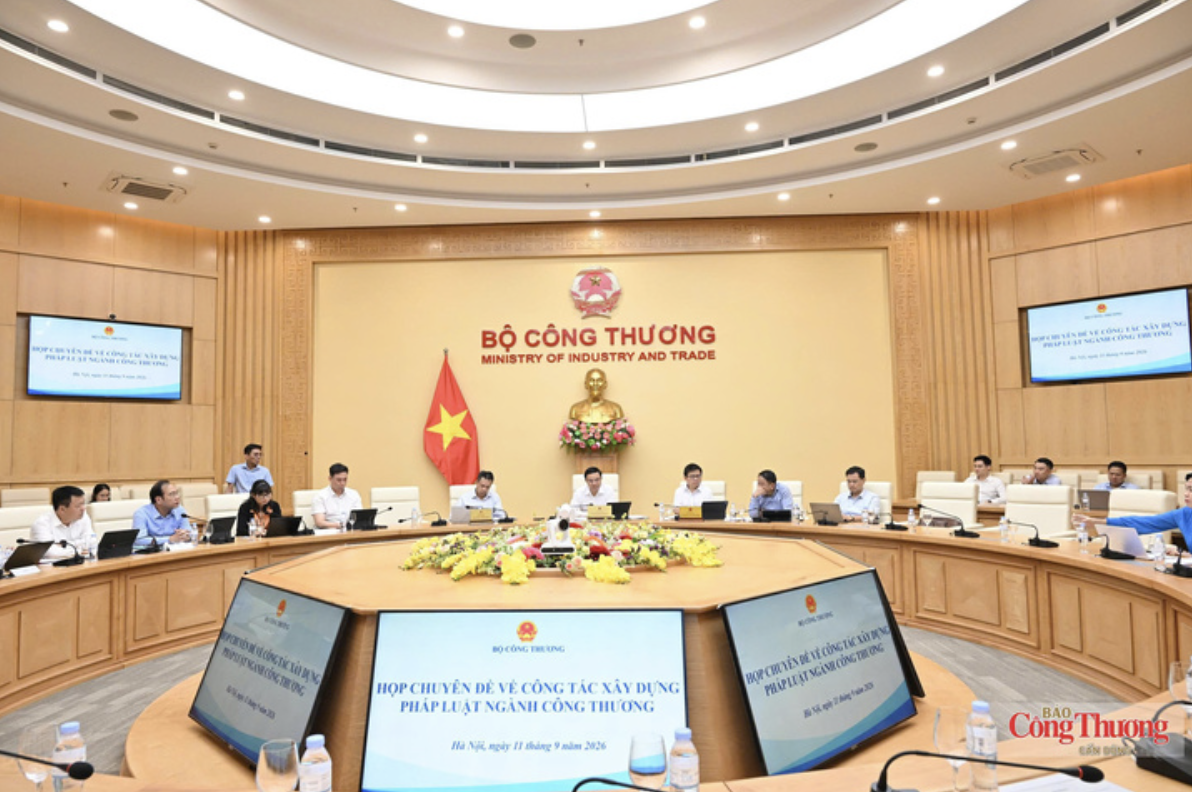
The Ministry of Industry and Trade completed all nine key Q3 legislative tasks and is prioritizing 56 remaining tasks to ensure timely, consistent and effective legal reform.
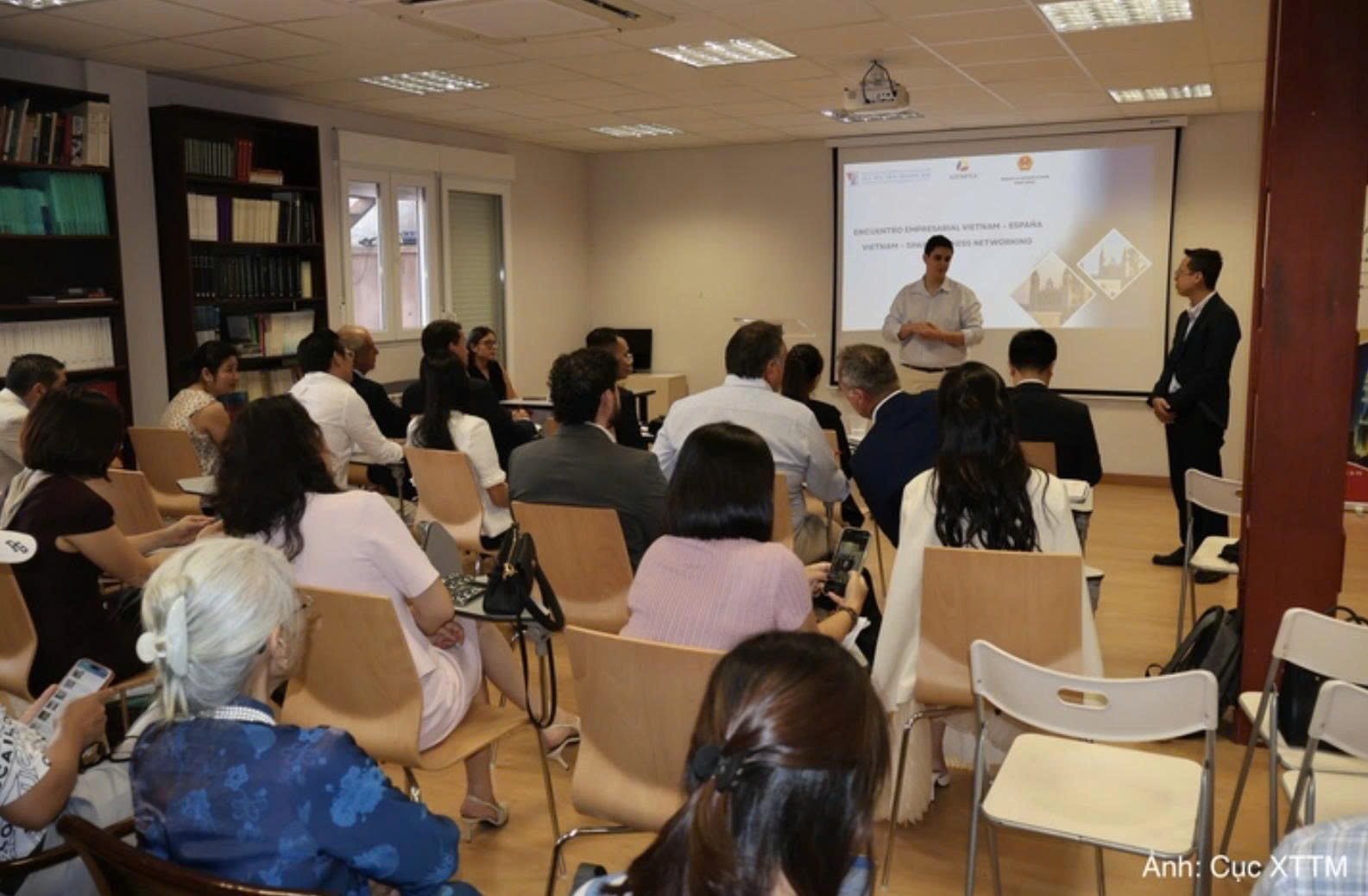
Vietnamese businesses are stepping up trade connections and seeking partners in Türkiye and Spain, opening up new opportunities to boost exports and gain access to European markets.
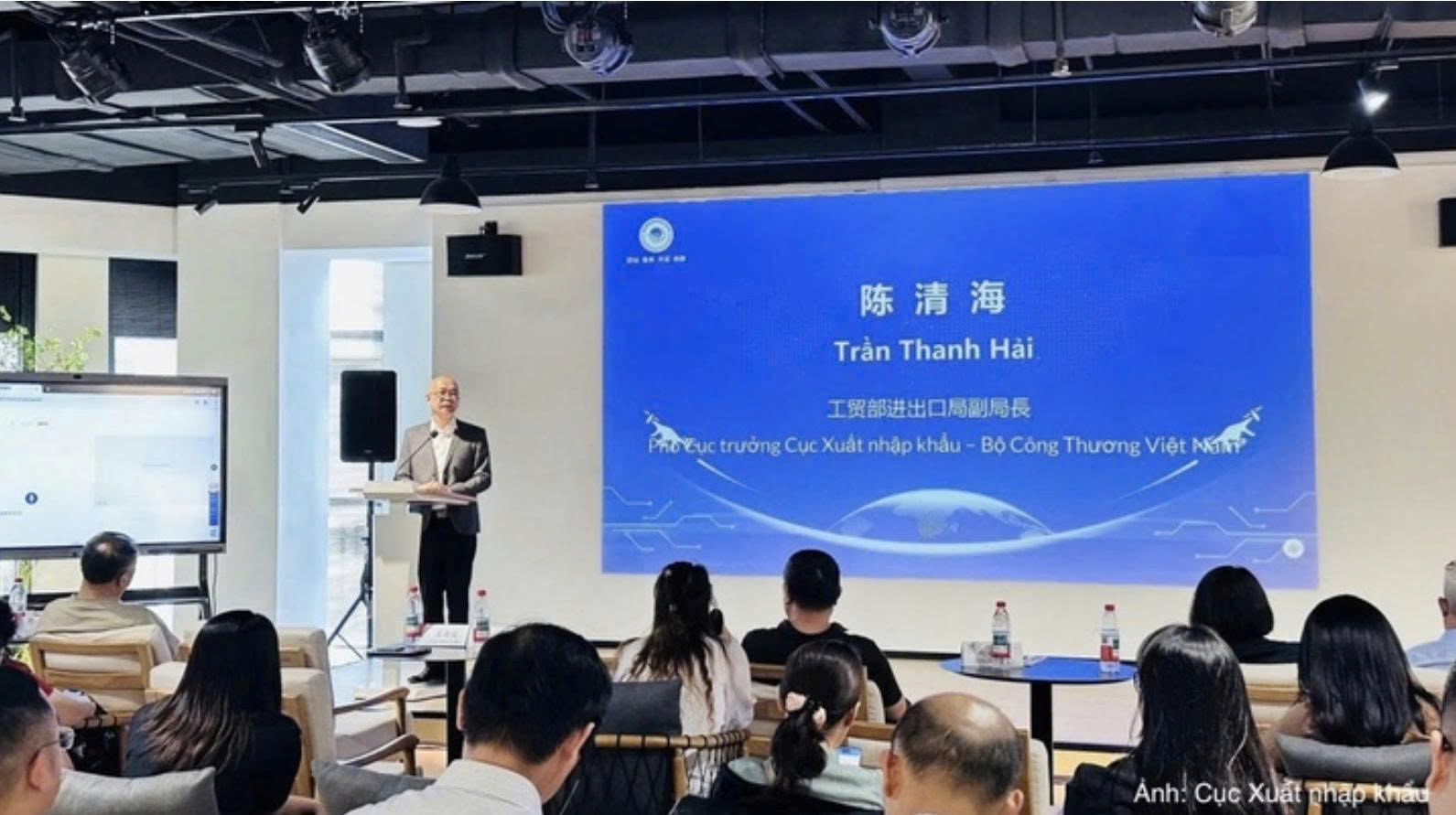
Access to advanced port technologies and stronger business connectivity are creating new opportunities for logistics cooperation between Viet Nam and China.
Building on 50 years of diplomatic relations, Viet Nam and Thailand have continued to nurture friendship, strengthen mutual trust, expand cooperation and work toward new milestones in bilateral ties.
The Ministry of Industry and Trade completed all nine key Q3 legislative tasks and is prioritizing 56 remaining tasks to ensure timely, consistent and effective legal reform.
Vietnamese businesses are stepping up trade connections and seeking partners in Türkiye and Spain, opening up new opportunities to boost exports and gain access to European markets.
Access to advanced port technologies and stronger business connectivity are creating new opportunities for logistics cooperation between Viet Nam and China.