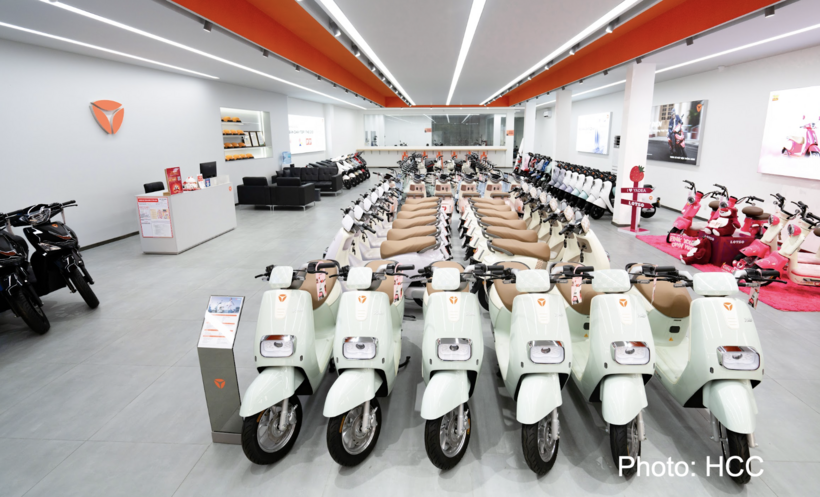
Electric two-wheeler makers is expanding production, localisation and investment in Viet Nam, positioning the country as a strategic manufacturing and supply-chain hub in Southeast Asia.
In August 2026, Vietnamese Government leaders held a meeting with Chinese businesses investing in Viet Nam. Following the meeting, YADEA, like many other Chinese manufacturers operating in Viet Nam, said the Government’s policy directions were broadly aligned with the strategy it is pursuing in the country. YADEA considers Viet Nam one of its strategic markets and an important link in its manufacturing network, supply chain and market development strategy in Southeast Asia.
Screenshot 2026-08-31 at 15.45.10.png
A key milestone in this strategy is YADEA’s launch of its smart manufacturing plant at Tan Hung Industrial Park in Bac Ninh Province. The plant has a first-phase investment of more than US$100 million and covers an area of over 232,000 square metres. With this scale, YADEA regards the project as one of its major investments in Viet Nam, laying the foundation for plans to expand production in the coming years.
Alongside capacity expansion, YADEA is also seeking to increase the localisation rate of its products in Viet Nam. According to the company, some models have already achieved a localisation rate of around 60%, with components and processes such as frames, painting, tyres and motors being carried out domestically. The company aims to raise this rate to 90% in the coming period.
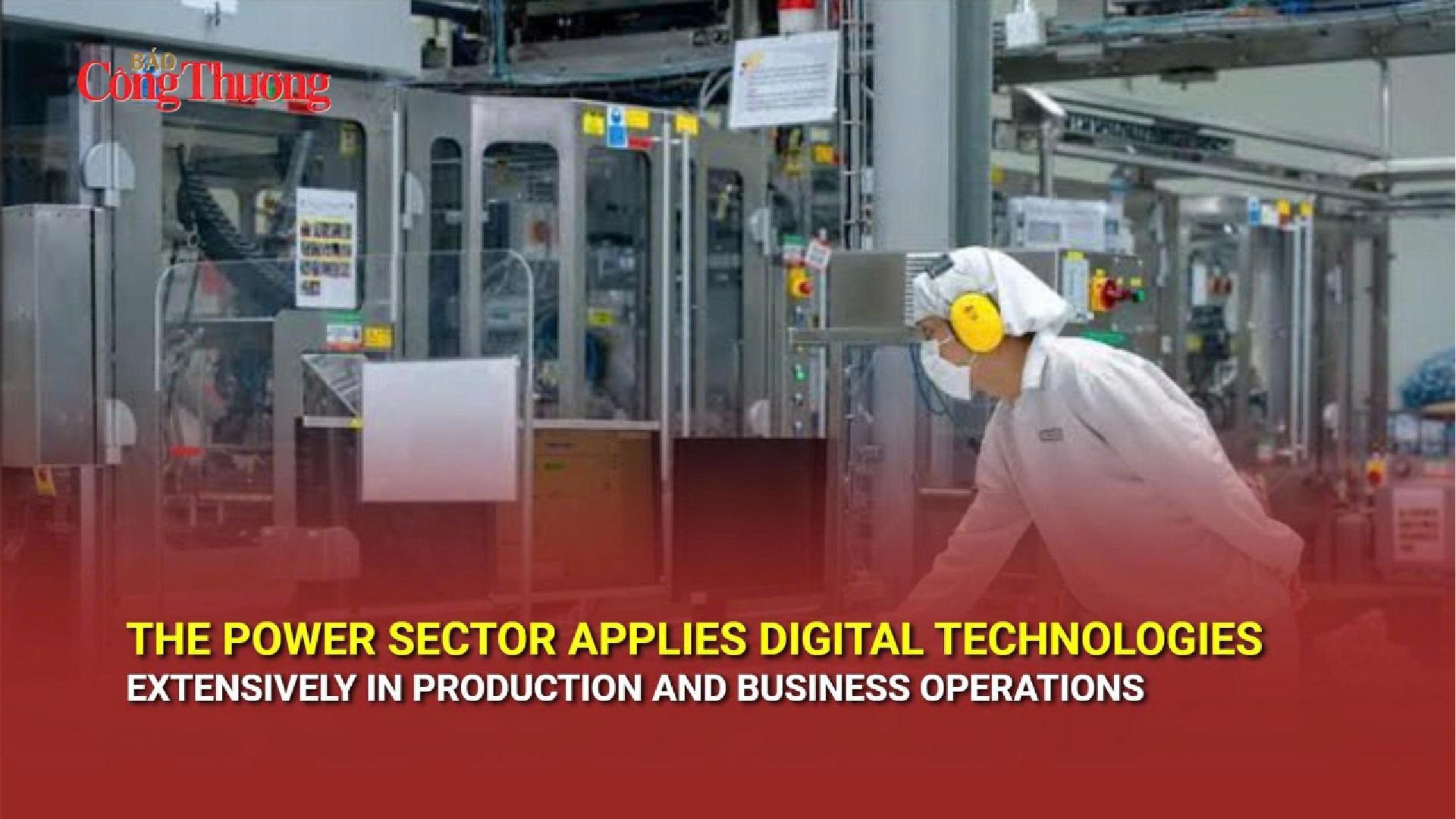
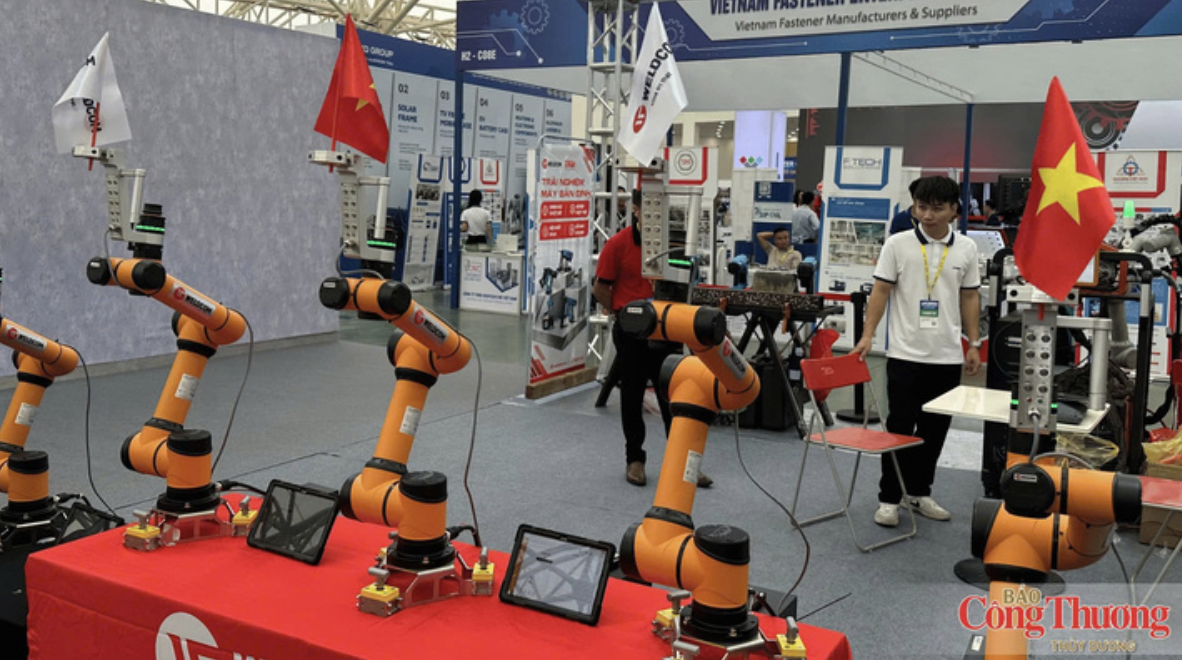
In terms of technology, the plant has been developed under a smart manufacturing model, applying an integrated digital management system based on SAP and MES, combined with automated robots and a quality control system meeting YADEA’s global standards. Investment in technology is expected to help the company better control production processes and product quality while improving operational efficiency as production capacity expands.
The project is also linked to a plan to develop the local workforce. During the first phase, the plant is expected to create jobs for around 800-1,000 workers. Upon completion of the second phase, the workforce could increase to approximately 3,000 employees.
To prepare its human resources, YADEA said it is working with the University of Industry, Hanoi University of Science and Technology, the School of Foreign Languages under Thai Nguyen University, and Bac Giang Vocational College on recruitment. The company is also organising exchange, factory visit and career orientation activities with Viet Nam National University, Hanoi, helping strengthen links between students, educational institutions and the workforce needs of the electric vehicle industry.
Through the operation of the plant, YADEA aims not only to expand its manufacturing capacity in Viet Nam but also to strengthen linkages with domestic supply chains, develop the local workforce and gradually enhance the manufacturing capabilities of the electric vehicle industry.
Liu Jia, General Director of YADEA Viet Nam, said following the meeting: “Viet Nam is a strategic market and a key pillar in YADEA’s long-term development journey in Southeast Asia. We are committed to continuing our investment in manufacturing, technology, human resources and supply chains, contributing to sustainable value creation for the economy and communities. With the support of the Government, regulatory authorities and the business community, YADEA stands ready to contribute to the electrification of transport, expand access to green mobility and build a modern and sustainable transport ecosystem in Viet Nam.”
Industry and Trade Newspaper would like to introduce a podcast series on the implementation of the Politburo's Resolution No. 57 in the Industry and Trade sector.
GREENTECH HA NOI 2026 showcases green technologies and energy-efficient solutions that help businesses cut emissions, optimize costs, promote sustainable production.
The programme connects Vietnamese businesses with Chinese investors, expanding opportunities for investment, technology cooperation and supply chain links.
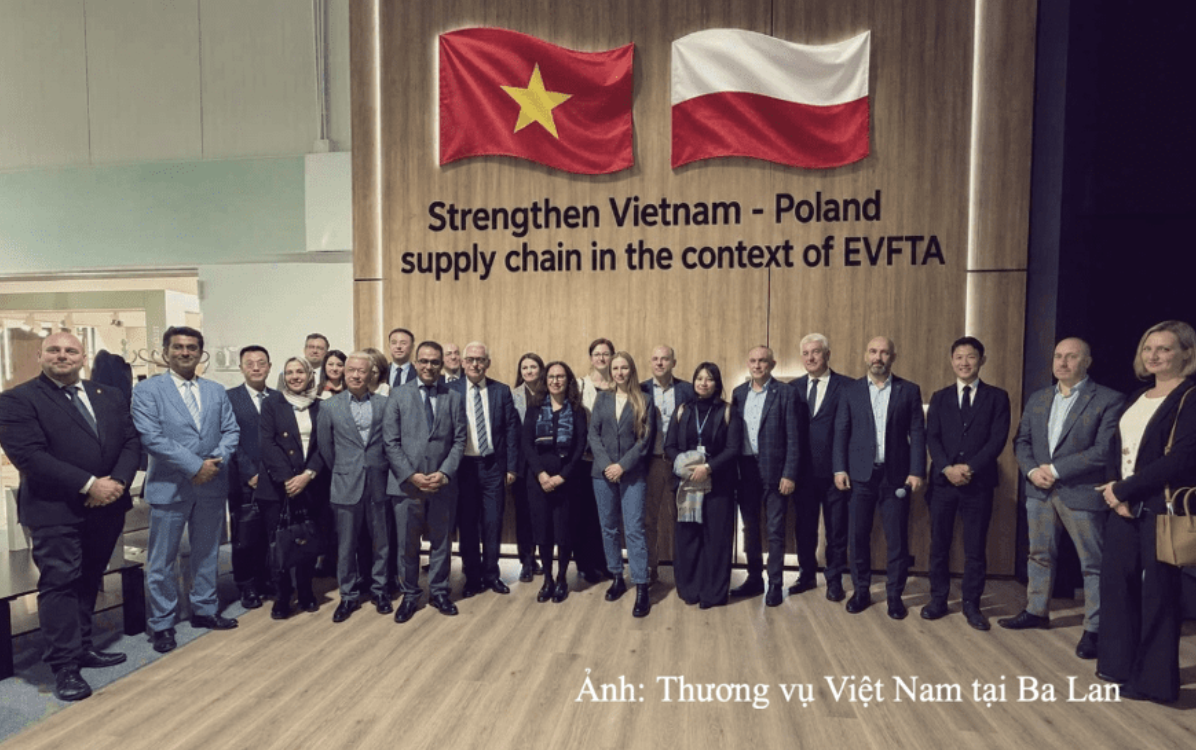
Viet Nam and Poland are exploring complementary strengths in furniture manufacturing, machinery, raw materials and technology to develop regional supply chains.
The MoIT calls for proactive risk management and supply diversification to prevent energy supply disruptions amid global geopolitical and market uncertainties.
Industry and Trade Newspaper would like to introduce a podcast series on the implementation of the Politburo's Resolution No. 57 in the Industry and Trade sector.
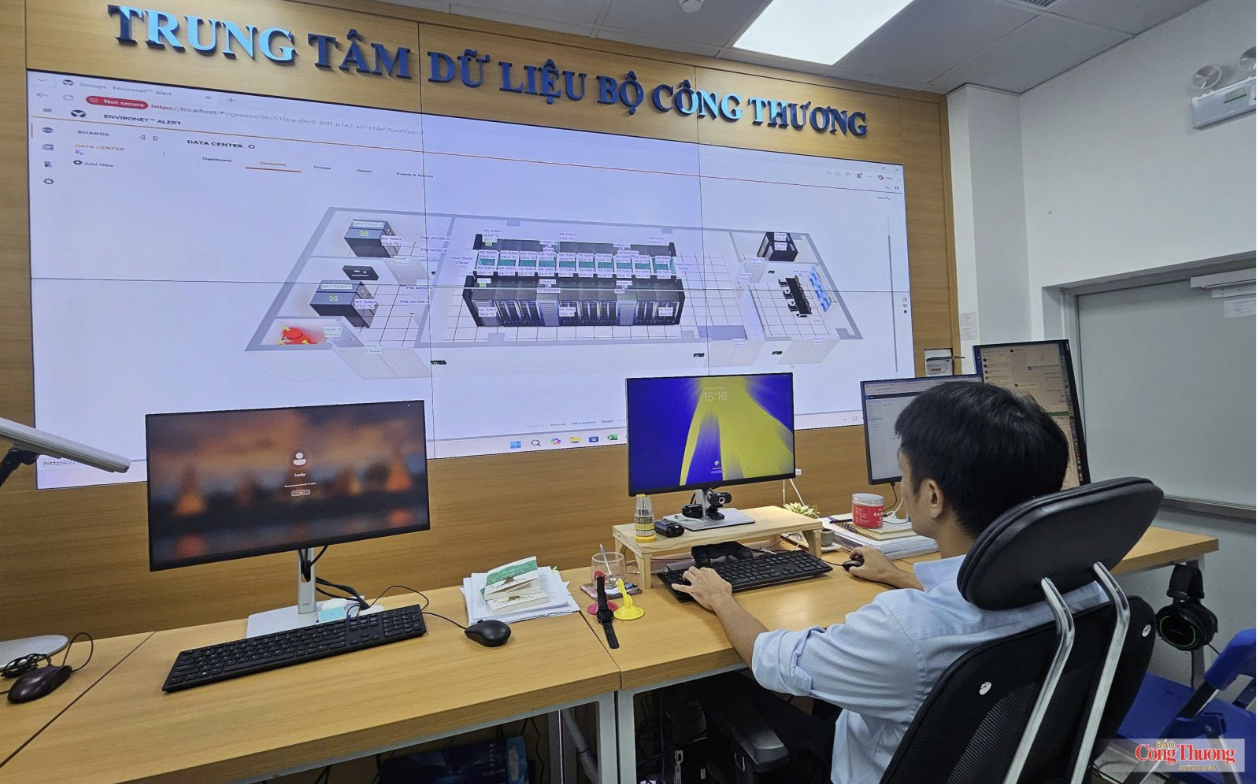
The Ministry of Industry and Trade is accelerating digital transformation to modernise management, improve public services, strengthen the competitiveness of businesses.
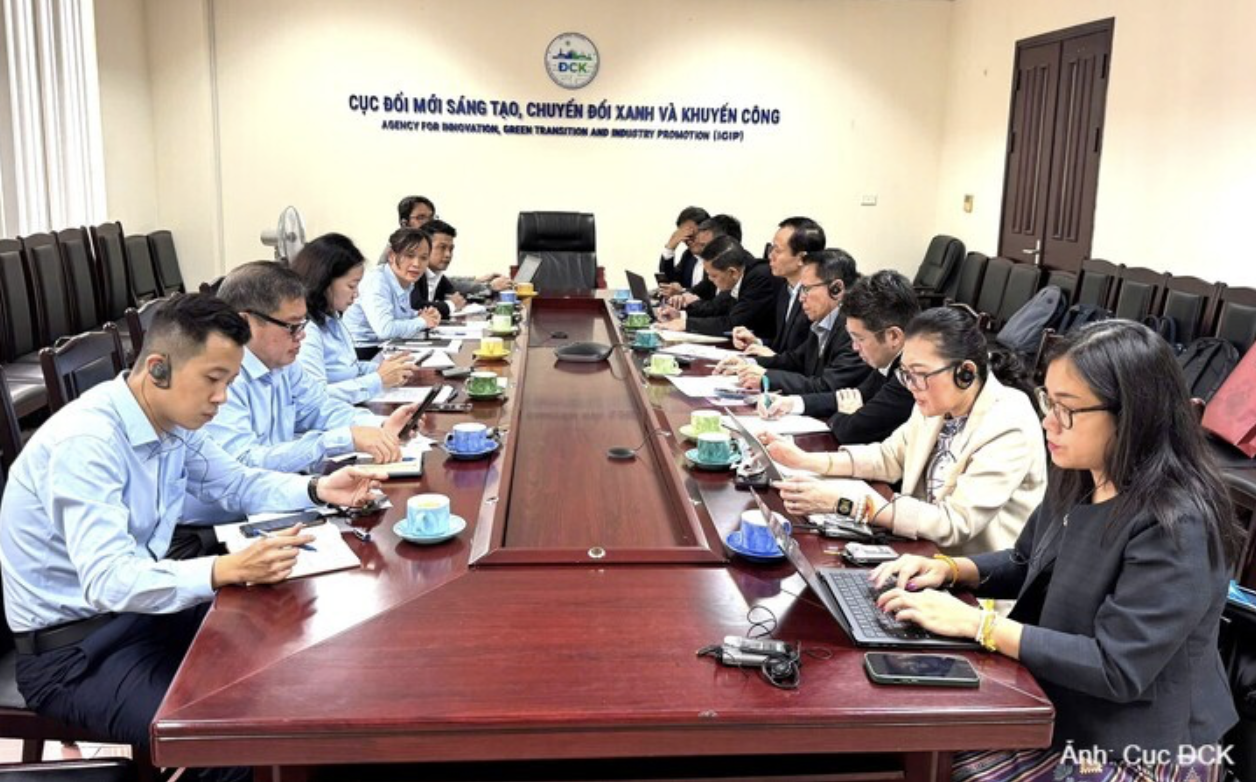
The Ministry of Industry and Trade is expanding international cooperation in science and technology, focusing on research, innovation and technology transfer.
The Newspaper of Industry and Trade presents a podcast series on the implementation of the Politburo's Resolution No. 57-NQ/TW in the industry and trade sector.
In recent years, the Ministry of Industry and Trade (MoIT) has proactively implemented strategic technology development tasks in line with the Party and State’s policies and the country’s new development requirements.