Developing a law on cultural industries means establishing a unified legal framework that connects culture with investment, science, technology, innovation.
As the standing body of the Central Steering Committee for Vietnamese cultural development, the Ministry of Culture, Sports and Tourism said it was working with ministries, sectors, localities, agencies, organizations, experts, businesses, artists, creative professionals and the public to gather comments and proposals for the draft Law on Cultural Industries Development.
The Ministry is urgently finalising the draft legislation and plans to conduct broad consultations in August 2026, ensuring that it can be submitted to the Government, the National Assembly Standing Committee and the National Assembly on schedule.
According to the Ministry of Culture, Sports and Tourism, adopting the Law on Cultural Industries Development at the second session of the 16th National Assembly is an urgent step towards turning cultural industries into a new driver of economic growth and transforming cultural strengths into national competitiveness in Viet Nam’s new era of development.
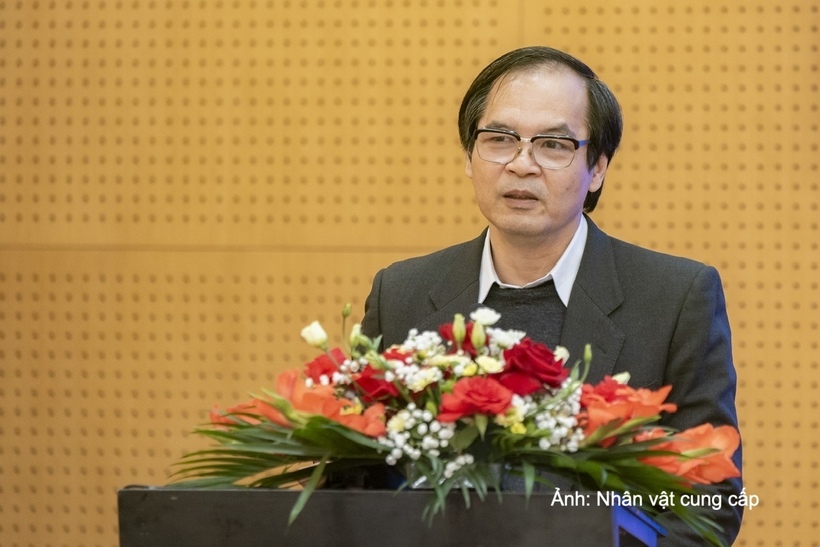
Dr. To Hoai Nam, Standing Vice Chairman and Secretary-General of the Viet Nam Association of Small and Medium Enterprises, shared his views on the need for the legislation and the key issues that should be addressed during the drafting process.
Developing cultural industries into a new driver of economic growth, transforming cultural strengths into national competitiveness in Viet Nam’s new era of development.
A long-term foundation for investment and production
- What significance does the development of a law on cultural industries hold for translating the policy of making cultural industries a new driver of national economic growth into practice?
Dr. To Hoai Nam: At a time when cultural industries are being actively promoted and developed, I am particularly interested in and supportive of the drafting and enactment of this law.
In my view, the most important significance of the Law on Cultural Industries Development is not simply the addition of another sector-specific law. Rather, it is the establishment of a unified legal framework connecting culture with investment, science and technology, innovation, trade, tourism and the private sector.
I hope the law will address bottlenecks currently scattered across various legal documents while providing a long-term foundation that enables businesses, artists and creative professionals to invest with confidence, produce cultural products and bring Vietnamese culture to international markets.
Therefore, the law must bring about a shift in regulatory thinking, moving away from managing cultural activities primarily through conditions and administrative procedures towards fostering a cultural market governed by clear standards, competition and the capacity to accumulate value.
Cultural industries can become a driver of economic growth only when creativity is recognised as an economic resource and intellectual property is protected, valued and traded transparently.
- With this in mind, what breakthrough mechanisms and policies should the law prioritise to transform cultural resources into economic value and national competitiveness, while encouraging businesses and creative stakeholders to invest in and develop cultural industries?
Dr. To Hoai Nam: In my opinion, three key groups of mechanisms should be prioritised.
First, mechanisms must be established to identify, value and exploit intellectual property assets. Ideas, scripts, designs, data, brands and copyrights must be capable of being used as capital contributions, collateral or a basis for raising funds. Without resolving this issue, most creative businesses, particularly small and medium-sized enterprises, will continue to struggle to access credit because they possess valuable assets but lack tangible collateral.
Second, support policies must cover the entire product development chain, from creation and testing to production, distribution and export. Priority should be given to funding mechanisms, guarantees, commissioning, co-financing and tax deductions for research, design, digitization and promotional activities. Support should not be spread indiscriminately across all projects; instead, priority should be given to initiatives capable of creating markets, generating jobs and promoting Vietnamese identity.
Third, controlled sandboxes should be established for new business models, emerging technologies and digital cultural products. At the same time, licensing procedures must be simplified and integrated into digital platforms, with processing deadlines and responsibilities made public. Even a good policy can miss its market opportunity if businesses have to navigate too many administrative procedures before receiving support.
Dr. To Hoai Nam, Standing Vice Chairman and Secretary-General of the Viet Nam Association of Small and Medium Enterprises.
The State as an enabler of institutions and infrastructure
- In the context of rapid digital economic development, copyright and related rights are considered fundamental to cultural industries. How would further improvements to the copyright protection framework contribute to building a transparent, sustainable creative market and attracting investment in cultural industries?
Dr. To Hoai Nam: Copyright is the infrastructure of the creative market. When ownership rights are unclear, infringement is not addressed promptly and revenue is not distributed transparently, creators cannot make a living from their work, while businesses are reluctant to invest for the long term.
Therefore, the Law on Cultural Industries Development needs to clarify mechanisms for establishing, registering, exploiting and transferring rights in the digital environment. It should also define the responsibilities of intermediary platforms, establish mechanisms to identify, remove and handle infringing content, and improve the transparency of collective management organizations representing copyright and related rights holders. The goal should be to develop a unified copyright database capable of identifying rights holders, the scope of their rights and the history of their exploitation.
More importantly, protection must go hand in hand with swift enforcement at reasonable cost. For small businesses, independent artists and creators, legal recognition of their rights has limited value if they lack the resources to defend them. Specialised dispute resolution mechanisms, urgent interim measures and sufficiently deterrent sanctions would build market confidence and directly help attract investment.
- For the Law on Cultural Industries Development to become a genuine driver of growth, how should coordination mechanisms and responsibilities be defined among the State, local authorities, businesses and creative organizations to ensure that policies are implemented effectively in practice?
Dr. To Hoai Nam: In my view, responsibilities should be divided according to the following principle: the State creates the institutional framework and infrastructure; local authorities organise development spaces; businesses lead the market; and creative and professional organizations connect stakeholders, provide support and monitor implementation.
Central authorities should establish consistent standards, data systems, inter-agency coordination mechanisms and support policies. They should avoid situations in which a cultural project must seek approval from multiple agencies without any single body taking ultimate responsibility.
Local authorities should have the autonomy to select cultural industries that align with their strengths, allocate spaces for creative activities, develop shared infrastructure and establish one-stop mechanisms for projects. Businesses should be responsible for investment efficiency, product quality, tax obligations and the protection of creators’ rights.
In particular, the Law on Cultural Industries Development should clearly specify the lead agencies, implementation deadlines, mandatory coordination mechanisms and performance indicators based on measurable outcomes. These indicators should include funding, revenue, employment, the number of intellectual property assets commercialised, and the level of participation by businesses, particularly small and medium-sized enterprises and independent artists.
Policies can only be effectively implemented when responsibilities are clearly assigned, resources are budgeted and results can be measured.
Thank you for your insights.
According to the Ministry of Culture, Sports and Tourism, the draft Law on Cultural Industries Development is expected to focus on several major policy areas: cultural intellectual property assets; cultural industry infrastructure; human resources and talent; cultural industry markets; and foreign investment attraction. The overarching approach is to cover the entire value chain, place businesses and creators at the centre, and position the State as an enabler and guide for development.
Viet Nam’s cultural industries are poised for growth as development targets become clearer, the digital content market expands and technology creates new ways.
Developing a law on cultural industries means establishing a unified legal framework that connects culture with investment, science, technology, innovation.
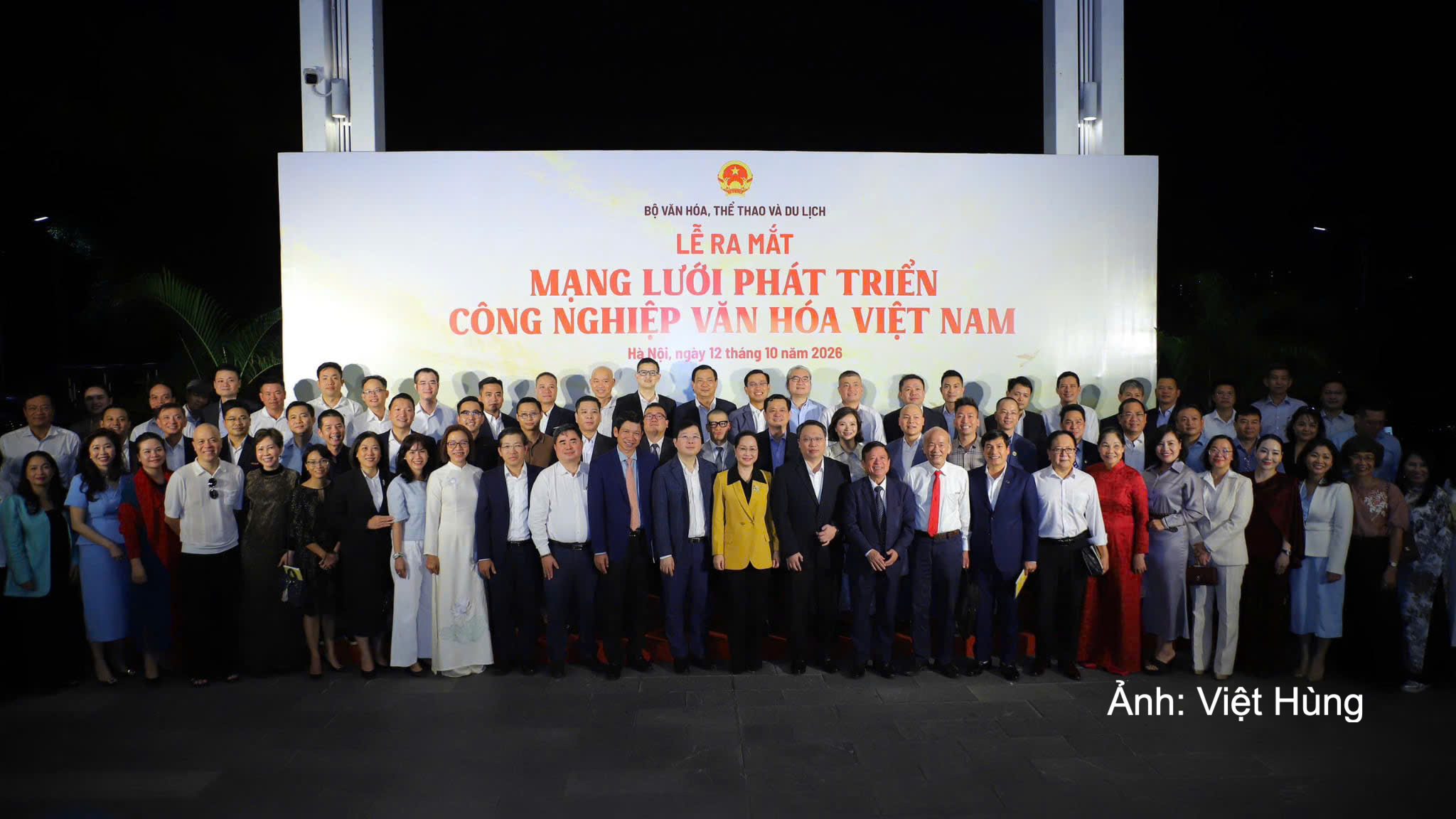
On October 12 , the Ministry of Culture, Sports and Tourism launched the Viet Nam Cultural Industries Development Network and announced a list of 16 key challenges for 2026.
Viet Nam - Malaysia trade hit USD 17.4 billion in the first nine months of 2026, exceeding the 2025 full-year total and signaling a stronger-than-expected year.
The Vietnam Industry Agency under the Ministry of Industry and Trade and Samsung Vietnam continue to strengthen cooperation in developing supporting industries, enhancing the capabilities of domestic enterprises and expanding opportunities for their participation in global supply chains.
On October 12 , the Ministry of Culture, Sports and Tourism launched the Viet Nam Cultural Industries Development Network and announced a list of 16 key challenges for 2026.
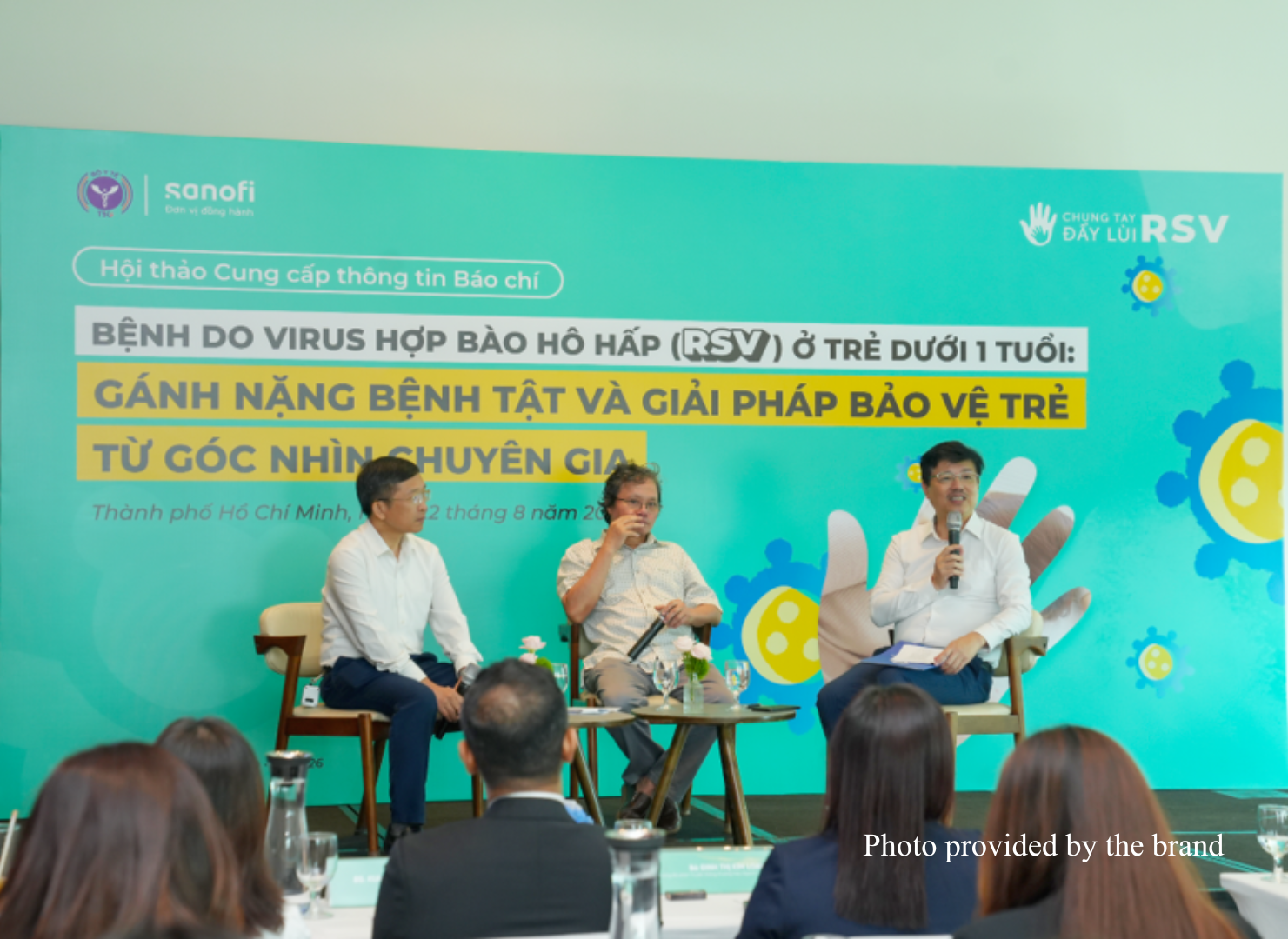
Experts warn that RSV can hospitalize even healthy infants under one, with severe cases linked to long-term respiratory problems and no specific treatment available.
Vietnamese and international experts call for routine influenza vaccination to better protect older adults from severe complications and preventable deaths.
On the morning of September 1, tens of thousands of people nationwide flocked to Ba Dinh Square in Ha Noi to visit Ho Chi Minh Mausoleum and pay tribute.
In the lead-up to National Day on September 2, Ha Noi is awash in red flags and festive decorations, creating a vibrant atmosphere and stirring national pride.