The proposed Law on Cultural Industries Development is expected to establish a legal framework that encourages creative stakeholders to participate in the systematic development of cultural industries.
The Ministry of Culture, Sports and Tourism is seeking public feedback on the draft Law on Cultural Industries Development until 24 August 2026. The consultation aims to improve the proposed regulations, ensure their feasibility and consistency, and align them with the development needs of cultural industries in the new era. The law is also expected to provide an important impetus for economic growth and the promotion of Vietnamese cultural values.
According to the Ministry of Culture, Sports and Tourism, the draft law marks an important step towards establishing a dedicated legal framework for a sector that is playing an increasingly significant role in socio-economic development.
Le Cong Nang, Chairman of the Vietnam Entrepreneurs Forum (VEF Global) and chairman of the board of WonderTour, spoke to Cong Thuong Newspaper about the significance of the proposed legislation and his expectations for its development.
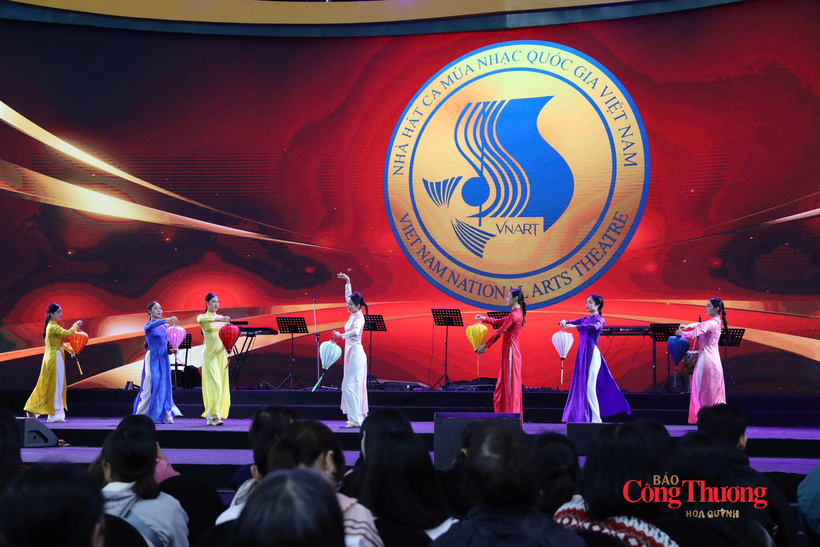
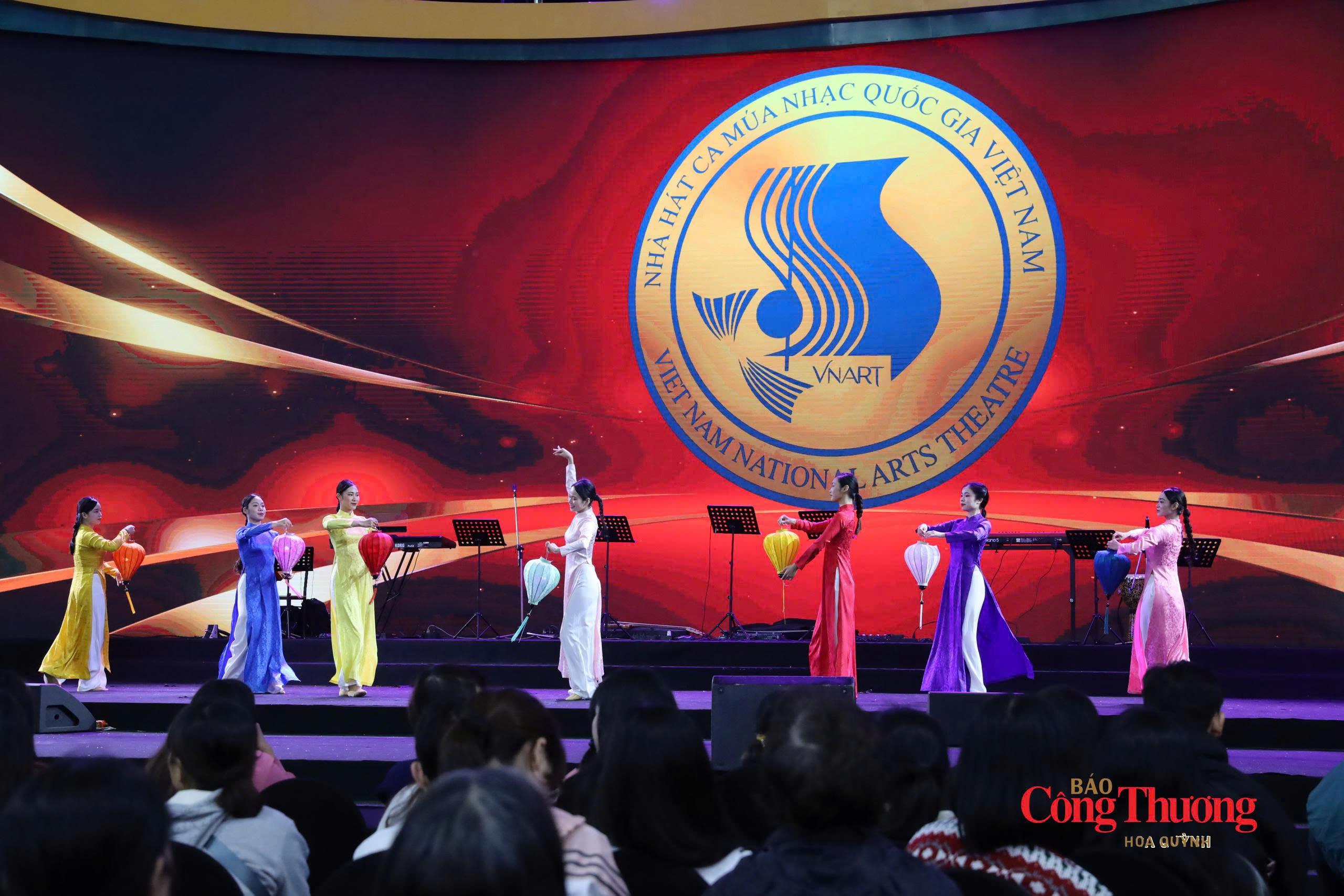
The performing arts are among the key components of cultural industries identified in the draft Law on Cultural Industries Development.
A timely policy decision with strategic significance
- What significance does the development of the Law on Cultural Industries Development hold for translating the policy of making cultural industries a new driver of national economic growth into practice?
Le Cong Nang: Developing the Law on Cultural Industries Development is a highly timely policy decision with strategic significance. In the past, culture was viewed primarily as the spiritual foundation of society. In the new stage of development, however, culture must also be recognised as a development resource and a driver of economic growth.
Viet Nam possesses an extraordinarily rich cultural heritage, including tens of thousands of historical sites, thousands of festivals, hundreds of traditional craft villages, dozens of UNESCO-recognised heritage properties, as well as distinctive cuisine, arts and history. However, much of this heritage remains focused on preservation, while the economic value it generates is still relatively modest.
What we lack is not cultural resources, but the institutional framework needed to turn resources into assets, heritage into products, and soft power into economic strength.
Therefore, the Law on Cultural Industries Development is expected to establish a legal framework that attracts businesses, artists, investors and other creative stakeholders to develop cultural industries in a systematic and professional manner. With sufficiently robust mechanisms in place, culture will no longer be a sector that relies primarily on State funding. Instead, it can become an economic sector capable of generating its own value, creating jobs, contributing to GDP and enhancing national competitiveness.
- What breakthrough policies should the Law on Cultural Industries Development introduce to transform cultural resources into economic value and national competitiveness, while encouraging businesses, artists and creative stakeholders to invest?
Le Cong Nang: In my view, the law must deliver substantive breakthroughs rather than merely set out general principles.
First, creative businesses must be placed at the centre of cultural industries. To encourage investment, there must be preferential mechanisms for taxation and credit, investment funds for innovation, digital transformation support, and risk-sharing arrangements for pioneering cultural projects. Many businesses are currently interested in investing in historical films, digital museums, cultural tourism, artificial intelligence (AI), virtual reality and creative platforms, but face difficulties securing capital because these areas are still considered high-risk.
Second, the digitisation of heritage must be accelerated, alongside the establishment of transparent mechanisms for accessing and exploiting cultural data. Data on historical sites, museums, festivals, the arts, libraries and artefacts generates little value if it is merely stored. Once digitised and made available for lawful use, however, it can become a resource for businesses to develop new products, including digital museums, smart tours, AI-powered tour guides, virtual reality experiences, historical games, animated films and cultural education platforms.
Third, the Ministry of Culture, Sports and Tourism should play a unified role in shaping policy and coordinating development. The Ministry should not only formulate strategies for cultural industries but also establish systems of criteria, standards and appraisal mechanisms for projects with significant cultural impact.
Meanwhile, many localities share cultural spaces, heritage assets or historical narratives. If each locality exploits these resources differently, or even presents conflicting accounts, this could create confusion, diminish heritage value and undermine the national brand.
Le Cong Nang, chairman of the Vietnam Entrepreneurs Forum (VEF Global) and chairman of the board of WonderTour.
Applying technology to enforce copyright
- What is your view on further improving the legal framework for copyright protection to build a transparent and sustainable creative market and attract investment in cultural industries?
Le Cong Nang: In my view, copyright is the foundational asset of the creative economy. No country can build a strong cultural industries sector without rigorous protection of intellectual property rights.
As AI advances rapidly, this issue has become increasingly urgent. AI can generate millions of images, videos, articles and other creative works within minutes. Without clear regulations governing training data, the origins of works, platform responsibilities and the labelling of AI-generated content, the risks of copyright infringement and the spread of misinformation will be considerable.
Accordingly, the Law on Cultural Industries Development must go a step further. It should not only protect copyright but also safeguard the authenticity of national history and culture.
At the same time, a transparent intellectual property marketplace must be established, with technology applied to monitor copyright, trace ownership and origins, and strengthen penalties for violations. When copyright is adequately protected, intellectual property can truly become an asset with measurable value that can be valued, transferred, used to raise capital and attract investment. This is the foundation of a modern cultural industries sector.
- What mechanisms for coordination and the division of responsibilities among the State, local authorities, businesses and creative organisations are needed to ensure that the Law on Cultural Industries Development effectively drives growth and delivers results in practice?
Le Cong Nang: The most important thing is to shift from a mindset of “management” to one of “enabling development”.
The State should focus on establishing the institutional framework, investing in digital cultural infrastructure, protecting copyright, supporting innovation and creating a transparent competitive environment. Local authorities should develop cultural industries strategies based on their distinctive strengths, while remaining aligned with national planning and overall development orientations. This would help avoid fragmented investment and development driven merely by short-lived trends.
Businesses will be the direct investors in technology, the creators of products and the forces that bring culture to market. Tourism has a particularly important role because it is one of the most effective sectors for converting cultural value into economic value.
Every journey offers more than a service; it tells a story about Viet Nam’s history, heritage and people. In this sense, tourism is an ambassador for culture, while culture is the soul of tourism. When cultural resources are developed appropriately, every international visitor can become a communications ambassador for the Vietnamese brand.
In addition, a National Council for Cultural Industries Development should be established, bringing together representatives of regulatory agencies, businesses, historians, cultural experts, artists and academics. The council would advise on policy, appraise major projects and promptly address obstacles arising during implementation.
In particular, the law should establish a clear set of performance indicators, including the contribution of cultural industries to GDP, the export value of cultural products, the number of creative businesses, jobs created and the level of social investment in the sector.
Thank you for your insights.
Le Cong Nang added: “If Viet Nam can develop a law that both unlocks creative resources and protects its cultural identity, national history and cultural security, the country can undoubtedly turn cultural industries into a new driver of economic growth, strengthen its soft power, build its national brand and raise Viet Nam’s international profile.”
The Copyright Office is working closely with relevant agencies to develop plans for inspections and enforcement action against copyright and related rights infringements in the digital environment.
Viet Nam’s cultural industries are poised for growth as development targets become clearer, the digital content market expands and technology creates new ways.
Developing a law on cultural industries means establishing a unified legal framework that connects culture with investment, science, technology, innovation.
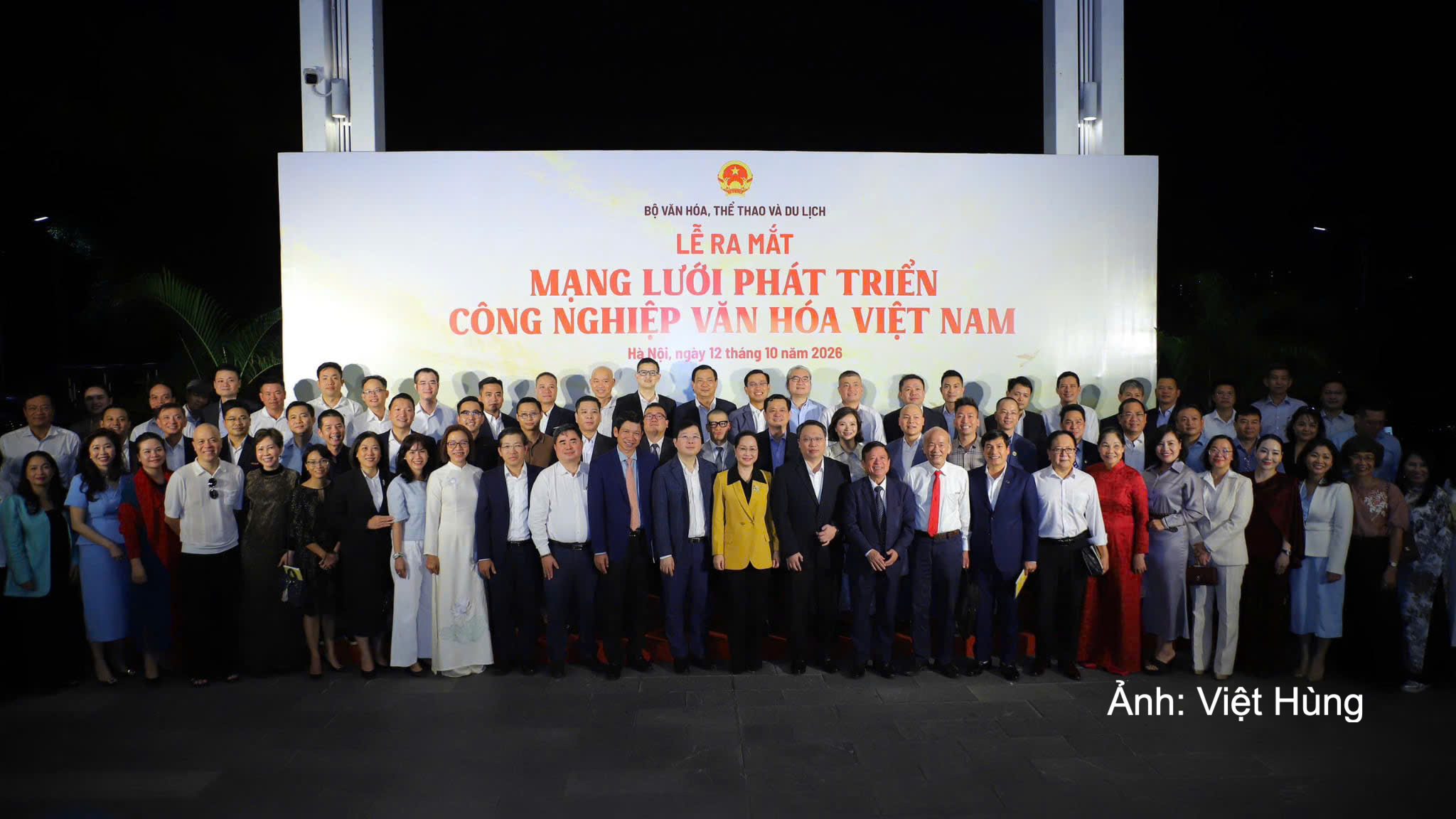
On October 12 , the Ministry of Culture, Sports and Tourism launched the Viet Nam Cultural Industries Development Network and announced a list of 16 key challenges for 2026.
The proposed Law on Cultural Industries Development is expected to establish a legal framework that encourages creative stakeholders to participate in the systematic development of cultural industries.
The Copyright Office is working closely with relevant agencies to develop plans for inspections and enforcement action against copyright and related rights infringements in the digital environment.
Viet Nam’s cultural industries are poised for growth as development targets become clearer, the digital content market expands and technology creates new ways.
Developing a law on cultural industries means establishing a unified legal framework that connects culture with investment, science, technology, innovation.
On October 12 , the Ministry of Culture, Sports and Tourism launched the Viet Nam Cultural Industries Development Network and announced a list of 16 key challenges for 2026.
Experts warn that RSV can hospitalize even healthy infants under one, with severe cases linked to long-term respiratory problems and no specific treatment available.