Through the 2025 Vietnam-China International Trade Fair, ancient Shan Tuyet tea, a pride of Vietnam’s highland communities, is expected to reach wider markets.
The mountain spirit in every tea bud
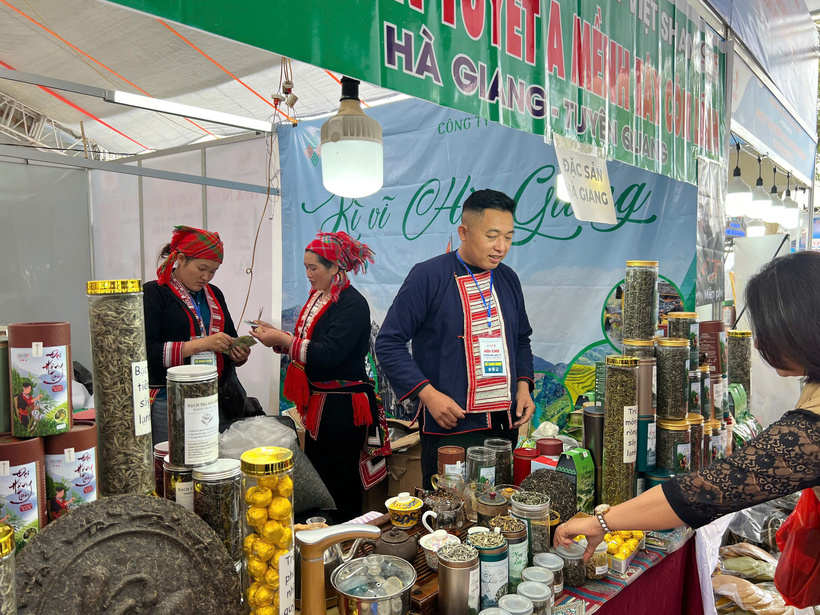
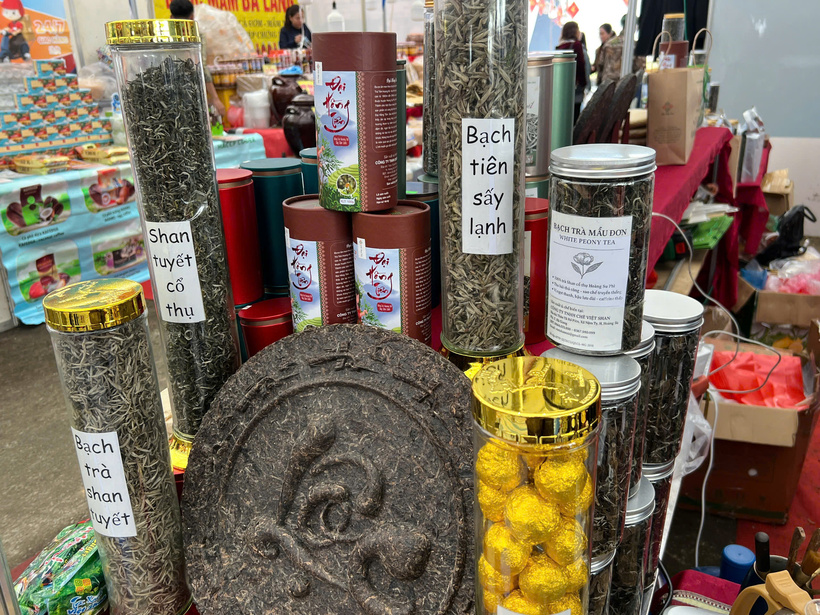
Amid hundreds of booths at the 2025 Vietnam-China International Trade Fair in Lao Cai province, the display of the Viet San Co., Ltd. from Tuyen Quang province stood out with its snow-white Shan tea buds harvested from centuries-old trees. A gentle aroma drifted through the air, prompting many international visitors to stop for a sip of the tea. “This product carries the essence of the highlands, crafted by Hmong and Dao ethnic communities. Every bud is picked from ancient trees hundreds of years old, completely natural and chemical-free,” said Trieu An, the company’s director.
For highland residents, Shan Tuyet is more than a livelihood, it is a cultural emblem. Vast forests of ancient tea trees, shrouded in mist year-round, have nurtured both the economy and the spirit of generations. In every household, a pot of Shan tea begins conversations and expresses the mountain people’s warm hospitality.
Shan Tuyet is more than a livelihood, it is a cultural emblem.
During each harvest season, laughter echoes across the hills at dawn. Dao women delicately pluck young buds, then air-wilt them in the mist, pan-roast them in cast-iron woks, and infuse them with the fragrance of forest blossoms. Shan Tuyet tea brews into a honey-gold liquor with a pure aroma and a gentle astringency that softens into a lingering sweetness, much like the lives of the highland people: humble yet enduring.
Visitors to Tuyen Quang, Son La, or Yen Bai provnces often recall this taste, rustic yet refined, simple yet elegant. Today, that very taste of the mountains is being “awakened,” becoming a commercial product that strengthens the livelihoods of ethnic-minority communities.
The Vietnam-China International Trade Fair is the largest trade promotion event of the northern border region, organized by the Ministry of Industry and Trade in collaboration with the Lao Cai provincial People’s Committee. This year, the fair brought together nearly 700 booths from Vietnamese, Chinese and regional enterprises, showcasing thousands of specialty products, agricultural goods, processed foods and handicrafts. Within this, a dedicated space highlighted OCOP (One Commune One Product) items and highland specialties such as Shan Tuyet tea, wild honey, essential oils and medicinal herbs.
Here, Shan Tuyet tea from Tuyen Quang captured visitors not only with its distinctive flavor but also with a culturally rich display featuring brocade motifs, wooden frames, ethnic musical instruments and images of local people harvesting tea on mountaintops. “This is a major opportunity to promote highland products and expand international trade. We met with tea importers from China and ASEAN. Two Chinese partners have already proposed long-term cooperation,” said Trieu An.
According to representatives of the Vietnam Trade Promotion Agency under the Ministry of Industry and Trade, the ministry has actively supported mountainous localities in bringing regional specialties, including Shan Tuyet tea, to international fairs and exhibitions. “This is a sustainable direction, enabling highland communities not only to sell tea but to share their cultural stories through every bud,” the agency noted.
Despite its potential, Shan Tuyet tea still faces several challenges. Production remains small-scale, processing technologies are limited, and the lack of investment in modern machinery leads to inconsistent quality. Branding, traceability and export-standard certification also lag behind. “With stronger support policies in training, credit and market promotion, our products will certainly go much further,” Trieu An said.
Elevating the brand and igniting highland aspirations
Beyond economic value, Shan Tuyet tea embodies the aspirations for transformation among ethnic-minority communities. When Shan Tuyet Na Hang, Shan Tuyet Hoang Su Phi or Shan Tuyet Ta Xua products appear on supermarket shelves, e-commerce platforms and even at international fairs, their presence reflects not only hard work but also the integration of highland agriculture into global value chains.
For Shan Tuyet tea to truly reach broader markets, localities need to strengthen value-chain development, from raw-material areas and processing to product distribution. Technology-based traceability, upgraded packaging and distinct brand identities for each ancient-tea region are essential steps forward.
Shan Tuyet tea embodies the aspirations for transformation among ethnic-minority communities.
With compelling storytelling, Shan Tuyet tea can become more than a commodity, it can serve as a cultural ambassador and a source of sustainable livelihoods. Each bud carries stories of people, forests and the aspiration to preserve ethnic heritage amid globalization. This cultural richness is the competitive advantage that enterprises, cooperatives and localities can leverage when entering international markets.
In recent years, the Party and the State have introduced key policies to advance socioeconomic development in ethnic-minority and mountainous areas, tied to improving the value of local specialty crops. Resolution No.88/2019/QH14 of the National Assembly, which approved the master plan for socioeconomic development in ethnic-minority and mountainous regions in the 2021-2030 period, emphasizes support for value-chain production, trade promotion, branding and market expansion.
Alongside this, the National Target Program for the 2021-2025 period, the OCOP program and national trade promotion activities led by the Ministry of Industry and Trade are creating pathways for highland specialties, including Shan Tuyet tea, to become high-value, sustainable commodities. Through fairs, exhibitions and supply-demand matchmaking, businesses and cooperatives gain market access, promote their brands and learn standardized production and traceability procedures.
The Ministry of Industry and Trade has also directed its affiliated units to expand support for digital transformation, e-commerce and multi-channel trade promotion. Localities are encouraged to develop concentrated raw-material zones, strengthen linkages between households and enterprises, and gradually standardize processing, packaging and export procedures. These efforts are opening doors for highland products, enabling communities not only to sell tea but also to promote the cultural value, ethnic pride and the image of their homeland.
Over the long term, developing Shan Tuyet tea alongside eco-tourism and Vietnam’s tea culture will contribute to the Government’s goals for model new-rural development and a green, sustainable economy. When highland specialty brands gain strong market positioning, it represents not only economic progress but also cultural sovereignty, environmental stewardship and confidence in development among ethnic communities.
On cloud-covered mountain peaks, ancient tea trees continue to draw in the essence of the earth. Through the skillful hands of highland residents, each Shan Tuyet tea bud carries not only fragrance but also the resilience, creativity and aspirations of the people. As the Shan Tuyet brand grows, Vietnam’s image emerges, humble yet proud, in every cup, spreading from the mountains of the northwestern region to the rest of the world.
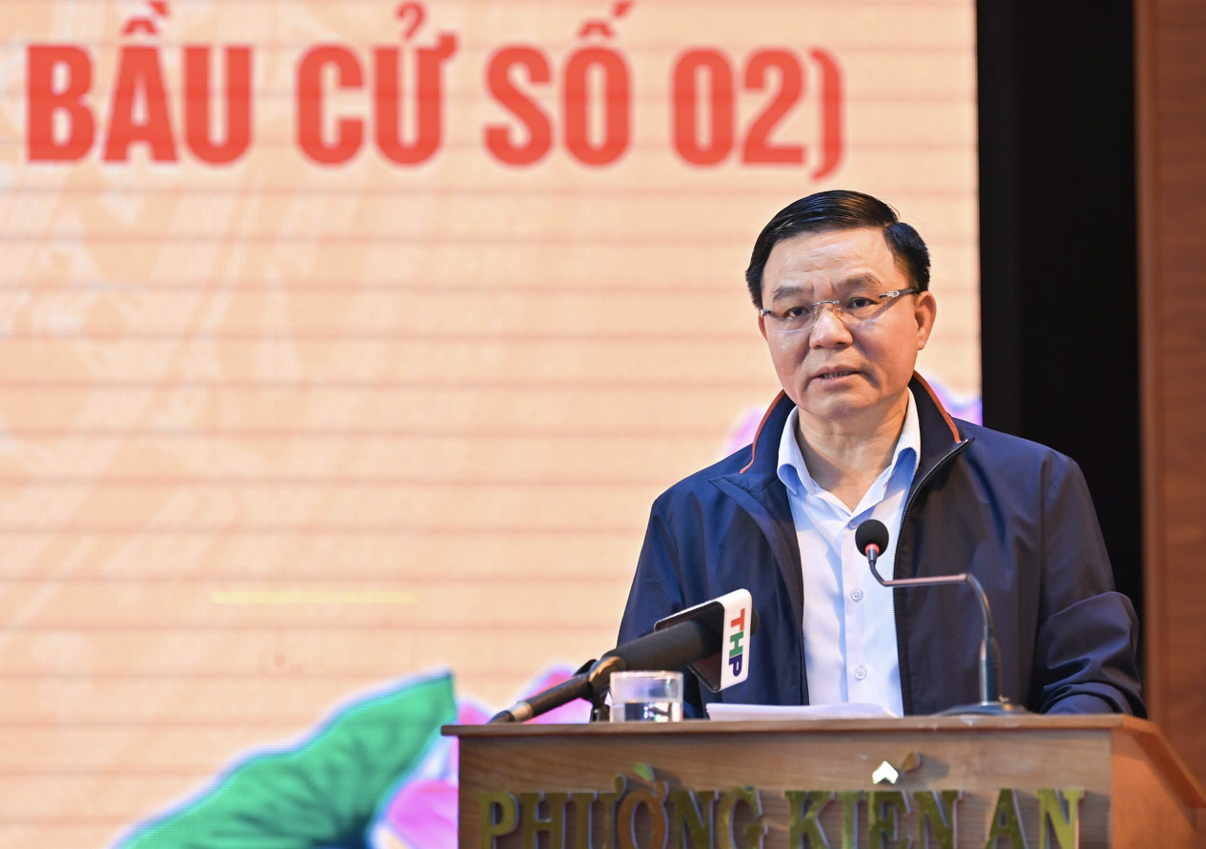
On March 6, Central Committee member of the Communist Party of Vietnam, member of the Party Committee of the Government, Secretary of the Party Committee and Acting Minister of Industry and Trade Le Manh Hung, together with candidates for the 16th National Assembly from Constituency No. 02 of Hai Phong City, held voter meetings and conducted election campaigning in Kien An Ward and Thanh Ha Commune.
Reviewing 100 years of Party leadership aims to distill key lessons, strengthen theoretical and practical foundations, and guide Vietnam’s development.
Geopolitical tensions are placing significant pressure on supply chains and exports. In context, the domestic market is seen as a crucial pillar supporting growth.
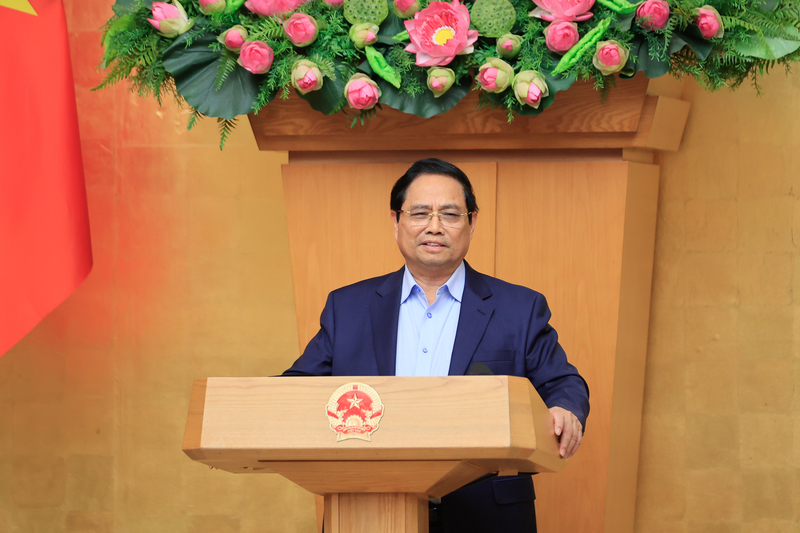
The Prime Minister has directed 10 key groups of tasks and solutions aimed at stimulating demand and promoting economic growth of 10% or higher in 2026.
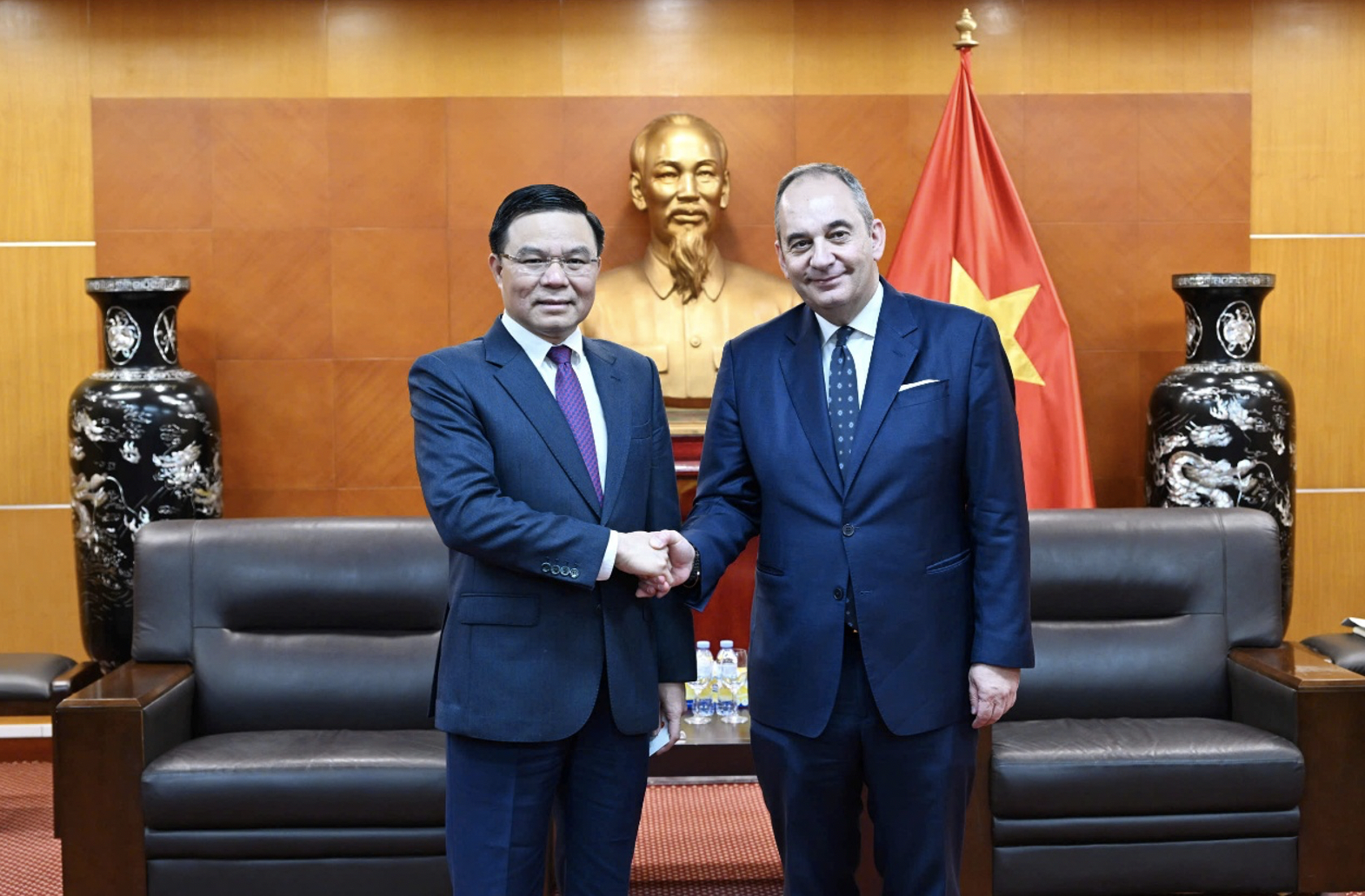
On March 3, Acting Minister of Industry and Trade Le Manh Hung held a meeting with Ioannis Plakiotakis, First Vice President of the Hellenic Parliament.
Geopolitical tensions are placing significant pressure on supply chains and exports. In context, the domestic market is seen as a crucial pillar supporting growth.
Rising tensions in the Middle East may drive up oil prices and freight costs, disrupting Vietnam’s import-export and supply chains the Import-Export Department warns