The USD 920 billion trade record in 2025 underpins 2026, as Vietnam boosts logistics, reforms institutions and strengthens supporting industries.
Exports sustain momentum amid global trade volatility
In 2025, global trade faced heightened uncertainty as major economies increased trade barriers and applied reciprocal tariff measures, directly affecting supply chains and trade costs. Open economies, including Vietnam, were particularly exposed to rising input prices and longer transportation times.
Across Asia, networks of free trade agreements (FTAs) continued to play a crucial role in preserving market share and optimising tariff preferences. With its extensive FTA network, Vietnam has made relatively effective use of opportunities to expand exports. However, meeting increasingly stringent requirements on traceability, quarantine and environmental standards has become a growing challenge.
Vietnam is among the world’s largest trading economies.
Domestically, natural disasters caused damage in several raw material regions, leading to localised disruptions in agricultural and processing supply chains. Even so, logistics operations maintained high capacity, ensuring smooth flows of goods to support production and exports.
According to data from the Department of Vietnam Customs, Vietnam’s total import-export turnover in 2025 reached approximately USD 920 billion, up nearly 17 percent year-on-year. Exports stood at about USD 470.59 billion, an increase of 15.9 percent, while imports reached USD 449.41 billion, up 18 percent. As a result, Vietnam maintained a trade surplus of more than USD 21 billion and ranked among the world’s largest trading economies.
This outcome marked an important milestone in Vietnam’s deepening integration into the global economy, reflecting the strong adaptability of domestic enterprises amid fluctuations in international markets.
In the textile and garment sector, Garment Corporation 10 - JSC emerged as a notable example of timely strategic adjustment. In an interview with the Newspaper of Industry and Trade, Than Duc Viet, General Director of the corporation, said that 2025 was a challenging year due to tariff volatility and weakening demand, yet the company still met its export targets and expanded its domestic market presence.
“Vietnamese enterprises have demonstrated strong resilience, particularly their flexibility in adapting to meet market requirements,” Than Duc Viet stressed.
In agriculture, many businesses shifted towards investing in preservation technology and deep-processing lines to expand exports to high-end markets. Vina T&T Group successfully shipped containers of fruit, including longan and fresh coconuts, to the Netherlands, maintaining quality after a 45-day journey and reinforcing the position of Vietnamese products in the EU market.
Nguyen Dinh Tung, Chairman of the company, noted that the sector’s sustainability challenge lies in “doing business in a systematic and professional manner,” with strict compliance with high international standards.
The agriculture and environment sector reached nearly USD 70 billion in 2025, with fruit and vegetable exports valued at USD 8 - 8.4 billion, up about 18 percent from 2024. According to Nguyen Thanh Binh, Chairman of the Vietnam Fruit and Vegetable Association, processed fruit and vegetable exports continued to record double-digit growth, reaching around USD 1.65 billion. This has significantly increased product value compared to fresh exports, helping stabilise domestic prices and expand profit margins.
8 percent export growth target and solutions from the MoIT
Despite these positive results, the export share of domestic enterprises remains below potential. Nguyen Ngoc Hoa, Chairman of the Ho Chi Minh City Business Association, said that the FDI sector currently accounts for around 75 percent of total export turnover, while domestic enterprises contribute only 25 percent.
“Specific policies are needed to increase the share of domestic capacity, particularly in agriculture and food. Logistics costs remain high, requiring stronger investment in infrastructure and the development of commodity exchanges, especially for derivatives,” Nguyen Ngoc Hoa suggested.
Experts and businesses also noted that although export growth in 2025 was strong, several structural issues warrant closer attention. While export markets have diversified, dependence on several major destinations remains high, including Northeast Asia, the US, ASEAN, and the EU. Exports to these four regions account for nearly 80 percent of total export turnover, increasing vulnerability to demand shifts or trade policy changes.
Many high-value products such as coffee, pepper, shrimp and pangasius are still traded largely outside organised exchanges, limiting access to price-hedging tools and making it difficult for businesses to secure long-term contracts. Meanwhile, the utilisation rate of FTA preferences stands at only about 31 percent, indicating substantial untapped potential.
Looking ahead to 2026, global economic and trade conditions are expected to remain challenging, with risks ranging from geopolitical tensions to supply chain disruptions, placing significant pressure on export-oriented emerging economies. Against this backdrop, the Ministry of Industry and Trade (MoIT) has set targets for 2026, including an industrial production index (IIP) growth of around 11 percent, export growth of over 8 percent compared with 2025, and a trade surplus of approximately USD 25 billion.
However, the 8 percent export growth target is widely seen as ambitious, given the high base of 2025, when exports rose by around 16 percent to approximately USD 470 billion, far exceeding the initial target of 12 percent.
To achieve these goals, the MoIT has identified restructuring industry towards higher value-added production as a central priority. This includes reducing raw exports, promoting high-tech industries, enhancing domestic input autonomy and strengthening supporting industries. Increasing localisation rates is considered a key factor in reducing dependence on imported components.
At the same time, the ministry aims to make more effective use of existing FTA preferences, intensify efforts to tap into recovering markets and expand export channels through new bilateral and multilateral agreements. Trade defence measures, early warning systems, dispute settlement mechanisms and market monitoring will be implemented on a more proactive and regular basis.
Amid geopolitical tensions, climate change and persistently high logistics costs, the MoIT is prioritising negotiations on next-generation FTAs, accelerating the implementation of the national logistics strategy to cut transportation and warehousing costs, developing commodity derivatives markets and revising the Commercial Law to better align with international standards.
The ministry is also coordinating efforts to establish international financial centres in Ho Chi Minh City and Da Nang, develop free trade zones and roll out the “Go Global” programme to support small and medium-sized enterprises in deeper participation in global value chains.
From an academic perspective, Nguyen Thuong Lang of the National Economics University argued that Vietnam should focus on three strategic pillars: developing domestic industry, particularly supporting industries, to raise localisation rates; shifting towards green and smart production models that integrate exports with environmental standards and digital transformation; and diversifying markets by tapping into Halal markets, Africa, South Asia and ASEAN to reduce dependence on traditional destinations.
“If administrative reforms and cost reductions are implemented decisively, the goal of surpassing USD 1 trillion in import-export turnover from 2026 onwards is well within reach,” Nguyen Thuong Lang said.
The year 2025 has laid a positive foundation for Vietnam’s trade growth. Entering the 2026 - 2030 period, renewing the growth model, increasing value-added content in exports, cutting logistics costs and strengthening domestic enterprise capacity will be the key to sustaining Vietnam’s export acceleration in a durable and resilient manner.
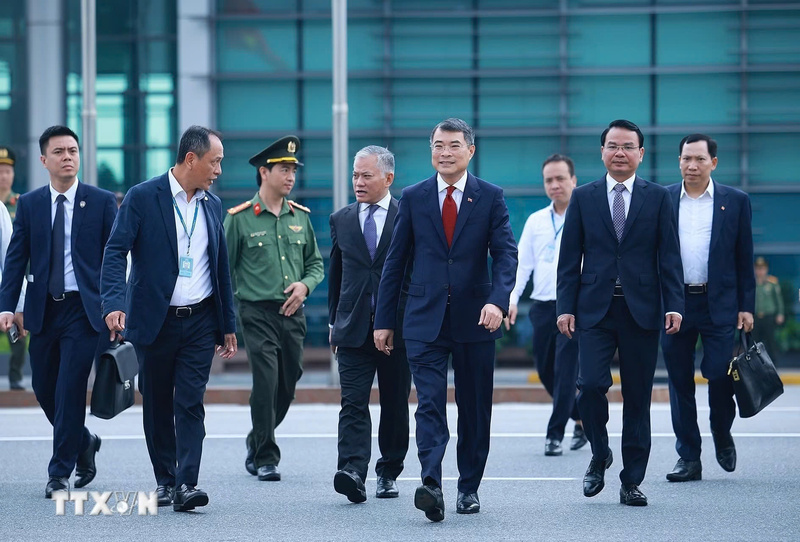
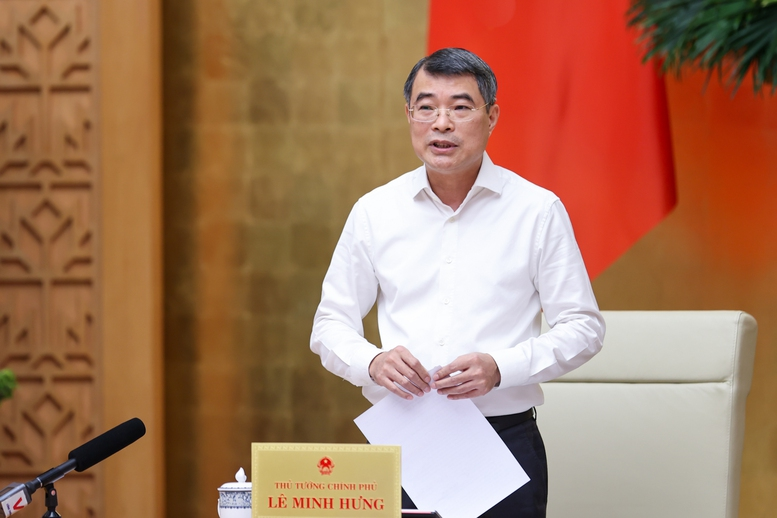
Prime Minister Le Minh Hung attends the 48th ASEAN Summit in Cebu, reaffirming Vietnam’s strong commitment to ASEAN cooperation and regional resilience.
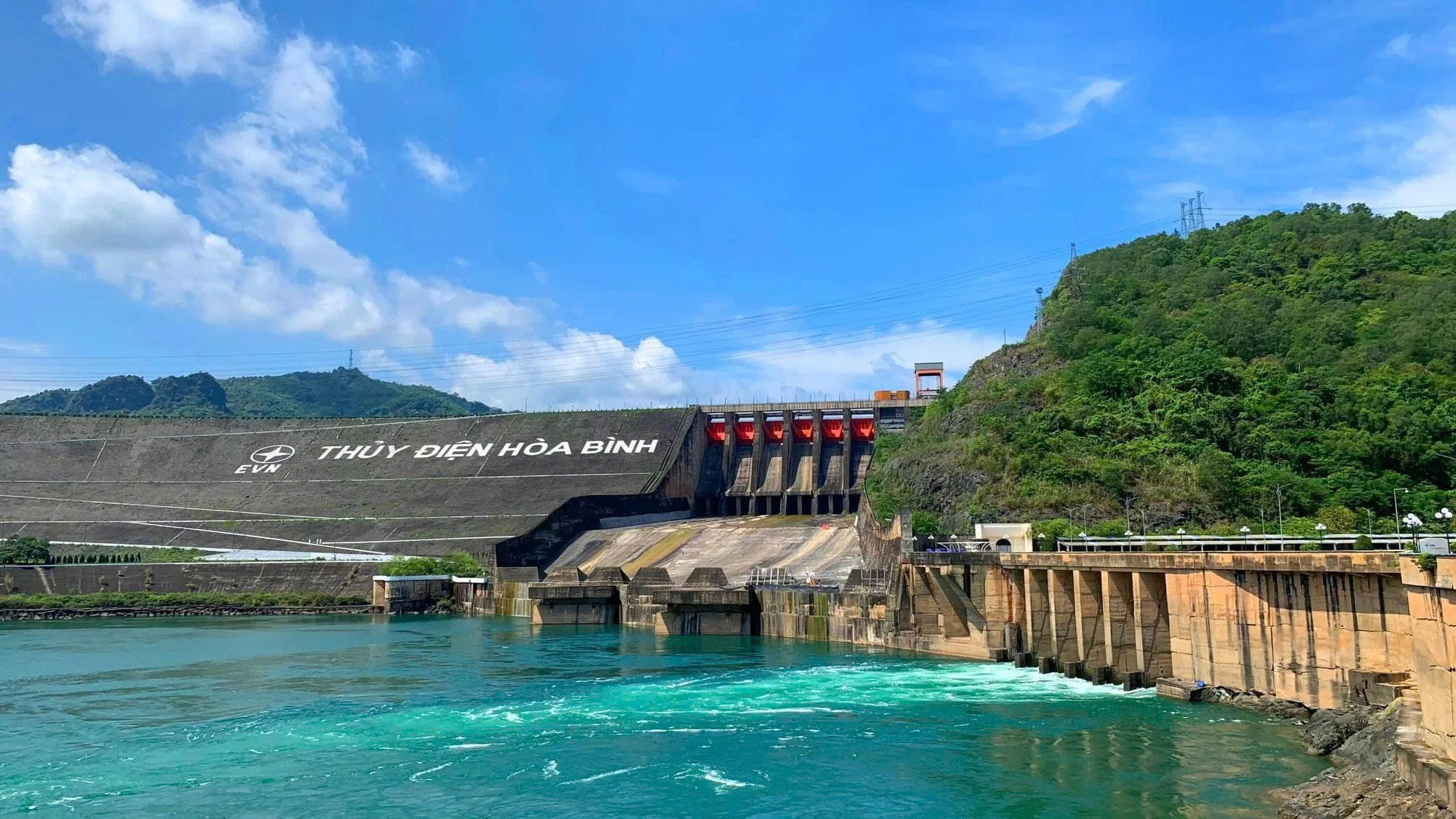
The Ministry of Industry and Trade is seeking feedback on a draft decree on power works protection and hydropower safety, set to replace Decree No. 62/2025/ND-CP.
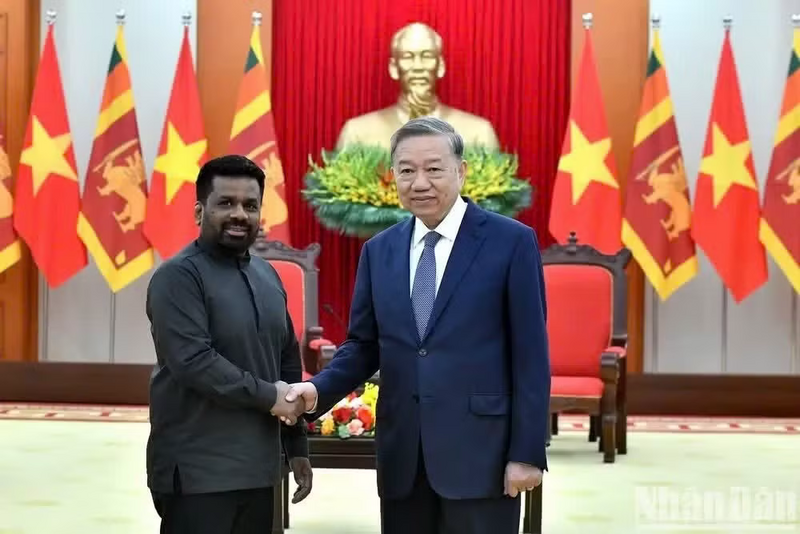
The State visit by Vietnam’s top leader to Sri Lanka on May 7 - 8 underscores deepening bilateral ties, paving the way for expanded cooperation in trade and investment, and stronger engagement with South Asia.
On the afternoon of May 4, Prime Minister Le Minh Hung chaired the Government’s regular meeting for April 2026, the first such session of the 16th-term Government.
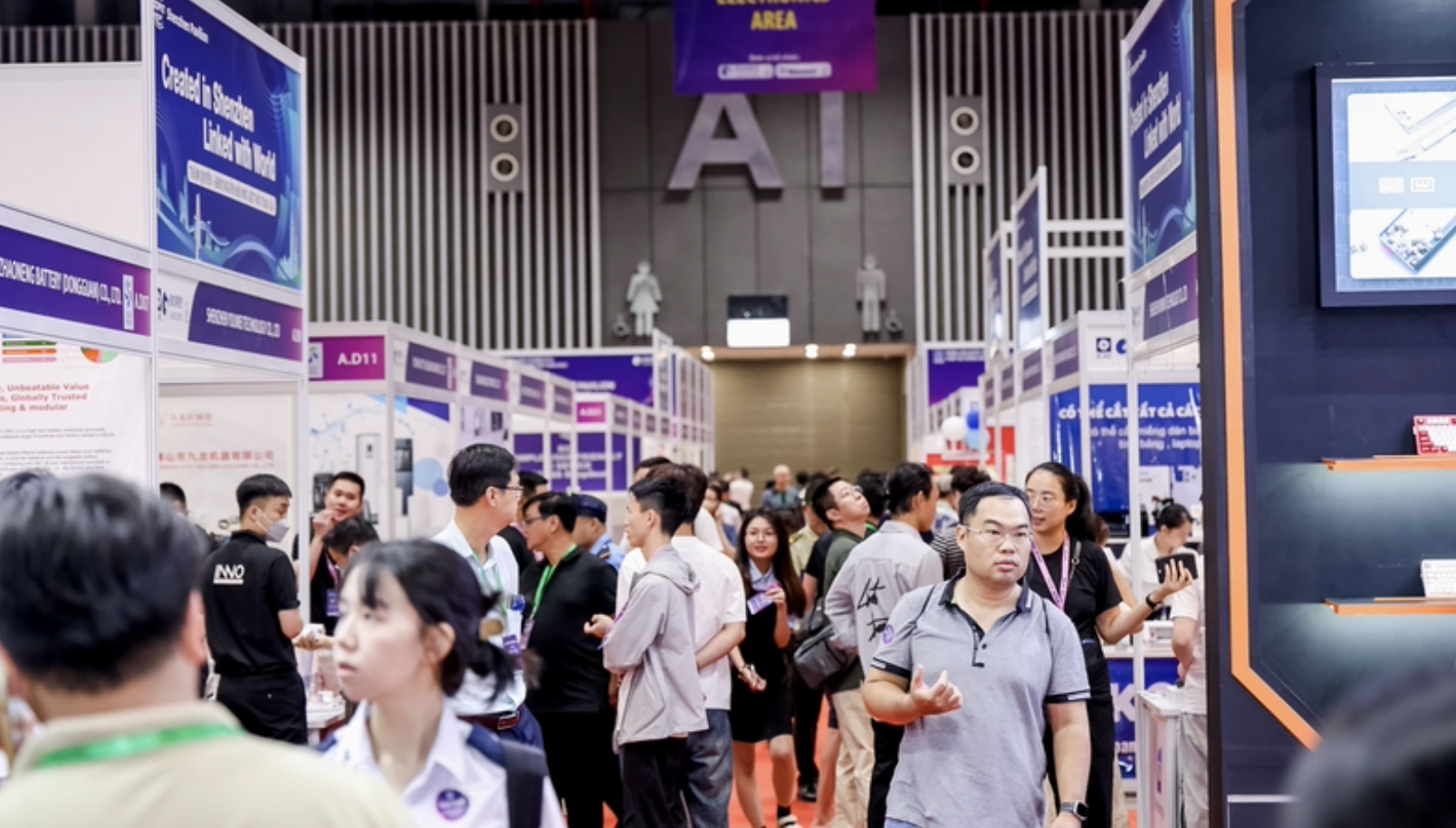
More than 300 companies are set to participate in business matching activities at the International Electronics and Smart Appliances Expo Vietnam (IEAE 2026), scheduled to take place from May 28 to 30 in Ho Chi Minh City.
Vietnam has issued a plan to implement the Law on E-commerce, defining tasks, timelines and coordination to ensure effective enforcement from July 1, 2026.
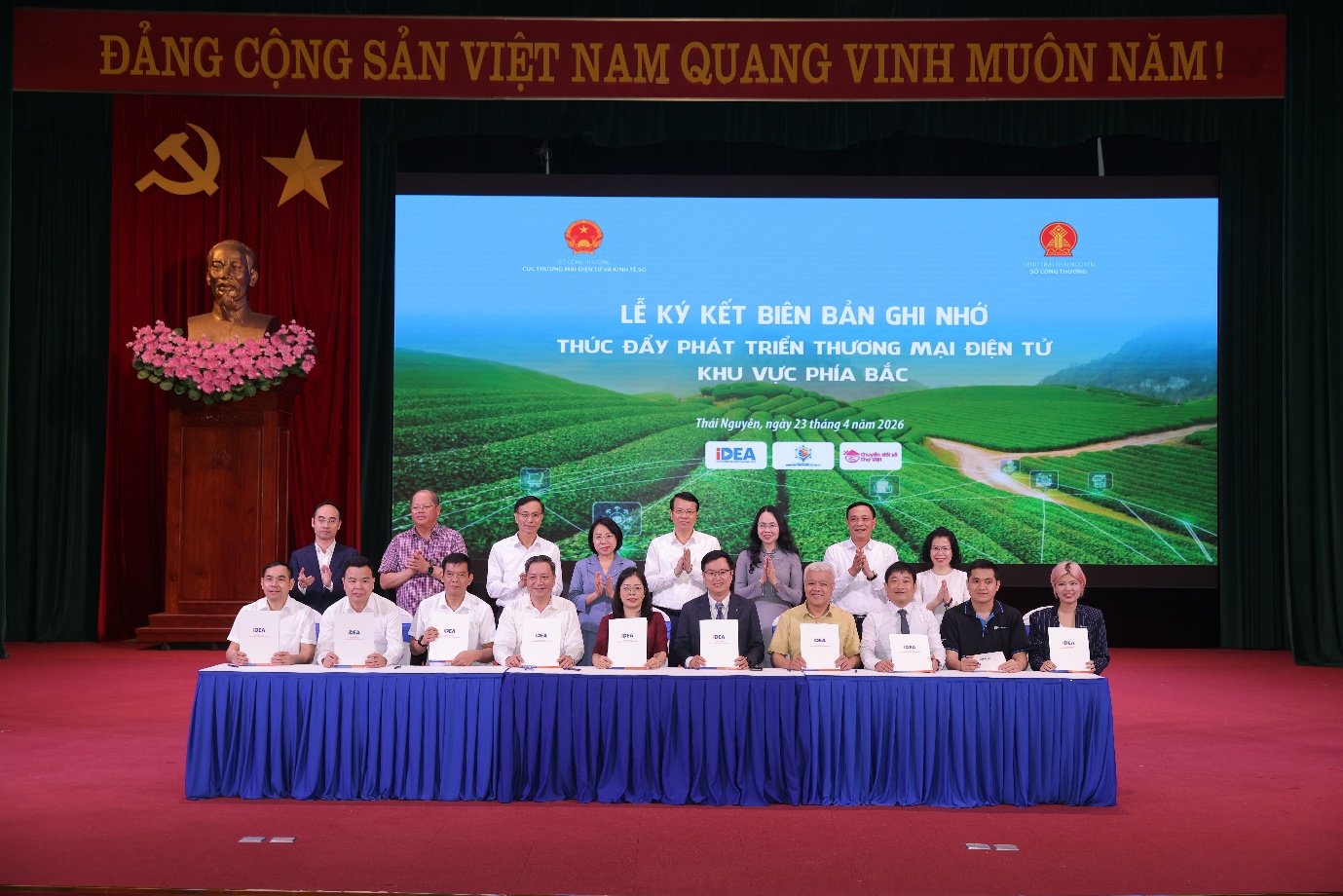
The programme in Thai Nguyen promotes e-commerce in northern Vietnam, linking localities with digital firms to expand markets and boost Vietnamese goods.