Under the leadership of the Party, the 81-year journey of independence is being carried forward through major policy decisions aimed at strengthening national power and shaping the future of Viet Nam.
From the Autumn of Independence...
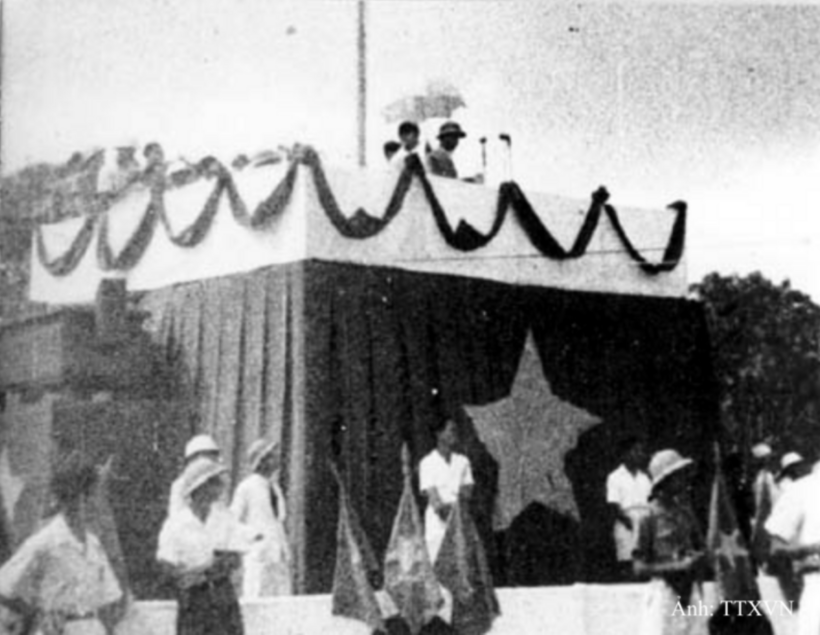
On September 2, 1945, at the historic Ba Dinh Square, President Ho Chi Minh, on behalf of the Provisional Government, solemnly read the Declaration of Independence, giving birth to the Democratic Republic of Viet Nam and opening an era of independence and freedom for the Vietnamese nation. After nearly a century under colonial rule, the Vietnamese people regained the right to govern their own country and determine their own destiny.
That moment became one of the most significant milestones in the nation’s history. Independence was forged through the strength of patriotism, the sacrifices of countless generations, and the sound revolutionary path pursued under the leadership of the Party.
The establishment of the Communist Party of Viet Nam on February 3, 1930, brought an end to the crisis over the revolutionary path and leadership forces, gradually rallying different sections of the population into the struggle for national independence, building up forces through successive revolutionary movements and preparing the conditions to seize the historic opportunity of August 1945.
On September 2, 1945, at Ba Dinh Square in Hanoi, President Ho Chi Minh solemnly read the Declaration of Independence, giving birth to the Democratic Republic of Viet Nam. Photo: VNA
The success of the August Revolution ushered in an independent state, but the young nation immediately faced existential challenges. Famine, illiteracy, financial hardship, foreign forces and the threat of the return of French colonial rule placed the revolutionary government in unprecedented circumstances. Under the leadership of the Party and President Ho Chi Minh, the government was consolidated, the strength of the people was mobilised, and the policy of an all-people, comprehensive and protracted resistance, relying primarily on its own strength, carried the nation through nine years of resistance against French colonialism, culminating in the Dien Bien Phu victory in 1954.
Following the Geneva Accords in 1954, the country was temporarily divided into two regions. The aspiration for independence, intertwined with the aspiration for national reunification, became a force that brought millions of people together in a prolonged and sacrifice-filled struggle. The great Spring Victory of 1975 completed the liberation of southern Viet Nam and reunified the country, bringing to a close three decades of continuous warfare and opening a new period in which the entire nation could work together to build and defend the Fatherland.
After reunification, Viet Nam embarked on reconstruction from a low starting point, burdened by the heavy consequences of war, inadequate infrastructure and severe economic difficulties. The shortcomings of the centrally planned, bureaucratic and subsidised management system became increasingly apparent, with production stagnating, inflation soaring and a large proportion of the population continuing to face hardship.
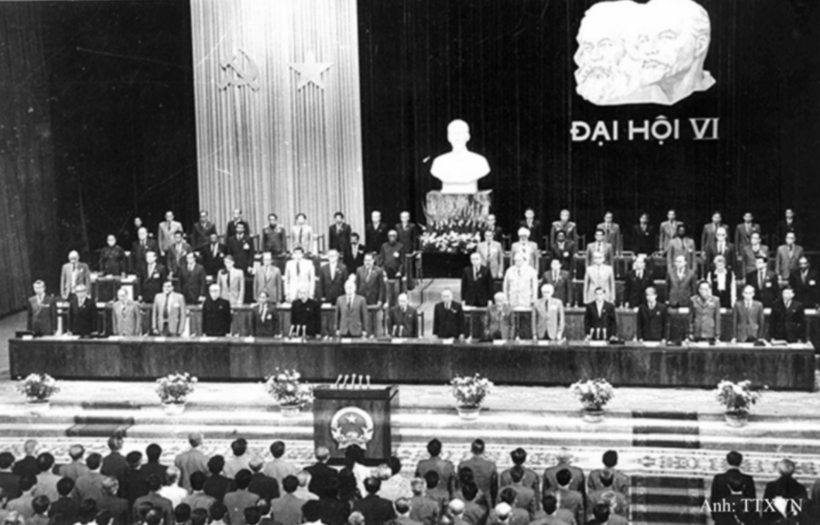
The 6th National Party Congress in 1986 launched the Doi Moi (Renewal) process, embracing the principle of looking squarely at reality, assessing reality accurately and speaking the truth about reality. Doi Moi first and foremost represented a renewal of thinking, accepting the demands arising from practical circumstances, unlocking social resources, transforming the economic management mechanism and opening the door to international integration. That decision created a second major turning point of profound significance for the country’s destiny, following the watershed moment of national independence in 1945.
The 6th National Party Congress.
A breakthrough in economic thinking
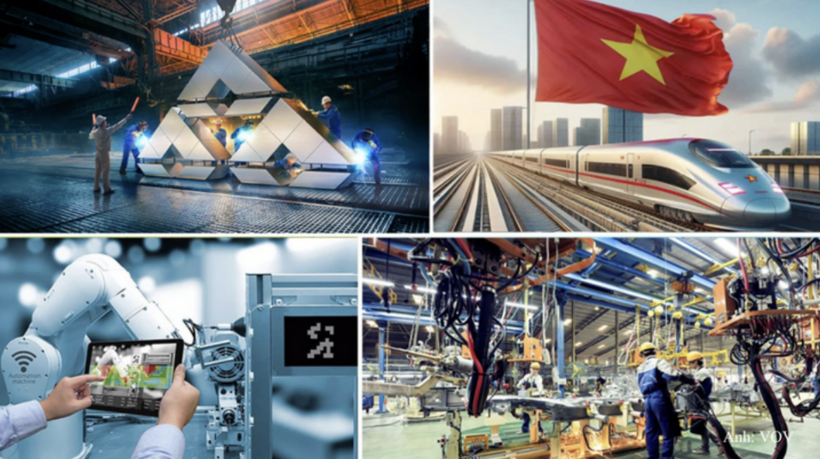
Forty years of Doi Moi have fundamentally transformed the scale and profile of the Vietnamese economy. In 2025, Viet Nam’s GDP reached USD 514 billion, up USD 38 billion from 2024; GDP per capita reached USD 5,026, while labour productivity at constant prices increased by 6.83%. In the first seven months of the year, the Industrial Production Index (IIP) rose by 11.4%, the highest growth rate since 2019. Total goods import and export turnover reached USD 659.58 billion, up 28.1% year on year. Of this, exports amounted to USD 319.53 billion, an increase of 21.7%.
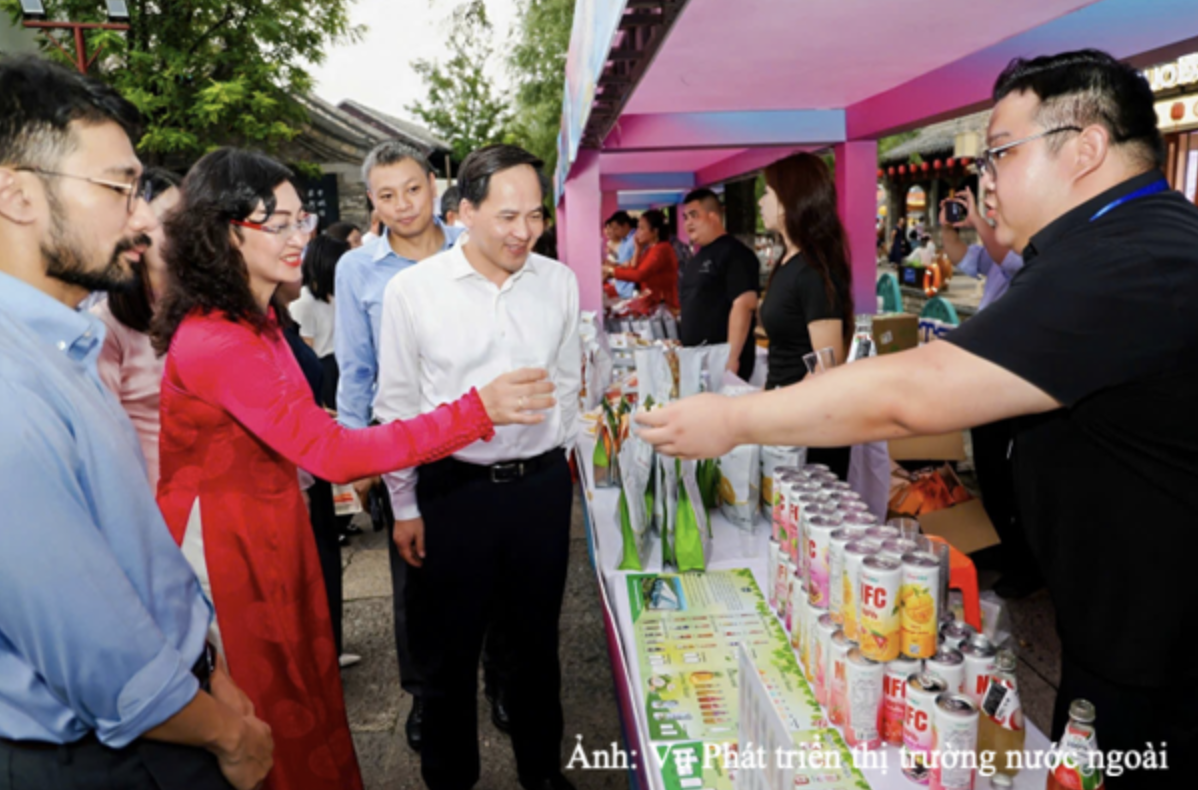
Behind these figures lies a transformation in the standing of a country that once suffered from shortages of food, capital and foreign currency and was subject to encirclement and embargoes. Viet Nam now maintains diplomatic relations with 194 countries; has comprehensive strategic partnership, strategic partnership and comprehensive partnership relations with all major powers and all five permanent members of the United Nations Security Council; is an active member of ASEAN and more than 70 regional and international organisations; maintains relations with 230 countries and territories; and serves as an important link in 17 free trade agreements currently in force, connecting it with key economies across the region and the world and giving it an increasingly prominent presence in global supply chains.
In the first seven months of 2026, total registered FDI reached USD 38.06 billion, up 58% year on year, while disbursed FDI stood at USD 15.2 billion, an increase of 11.8%. The continued arrival of substantial investment flows reflects the attractiveness of the Vietnamese market, its political stability, geo-economic advantages, extensive network of trade agreements and long-term growth prospects.
From an underdeveloped agricultural economy, Viet Nam has risen to become one of the world’s fastest-growing economies.
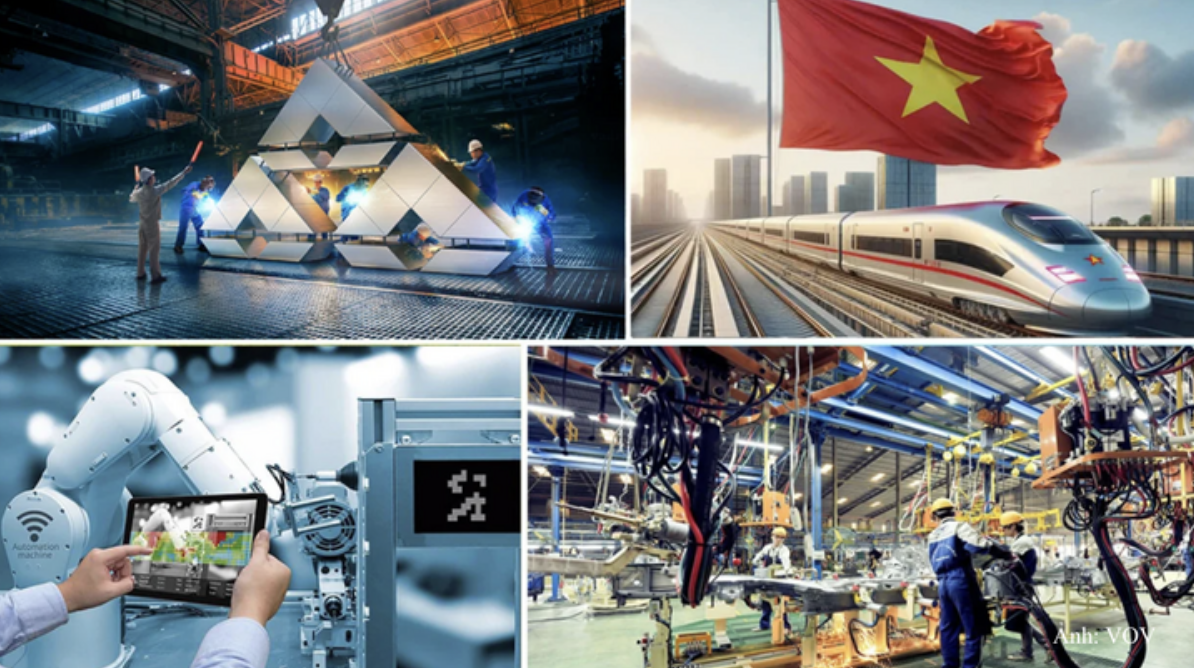
Yet this new position also places Viet Nam on a more challenging rung of development. A large trade volume does not necessarily mean that the value retained in each product is sufficiently high, just as attracting substantial FDI does not necessarily mean that the technological capabilities of Vietnamese enterprises have advanced accordingly. A modern factory operating on Vietnamese territory generates output, employment and exports, but its long-term contribution to the strength of the economy depends on the extent of its linkages with domestic enterprises, the level of research and development, the rate of localisation, the quality of human resources and the capacity to absorb technology.
Politburo Resolution No.10-NQ/TW dated June 8, 2026, on the development of the foreign-invested economic sector, directly addresses these limitations, stating: “The proportion of projects that are labour-, resource-, land- and energy-intensive, as well as those focused on processing and assembly, remains high; localisation rates and the added value generated in Viet Nam remain low; linkages with the domestic business sector remain limited, while technology transfer remains constrained”...
The resolution sets a target of attracting approximately USD 200-300 billion in registered capital and USD 150-200 billion in disbursed capital during 2026-2030. More important, however, is the quality of investment flows, technology, R&D capacity and the ability to participate more deeply in global value chains.
This is also the approach required when considering the concept of autonomy in an open economy. Autonomy does not mean closing the door and producing everything domestically. An economy of more than 100 million people seeking rapid growth needs international capital, international technology, global markets and the participation of multinational corporations. The decisive issue lies in the ability to use external resources to deepen internal capabilities, turning investment into technology, exports into productive capacity, integration into competitiveness, and economic relationships into a broader strategic space for the country.
Building the foundations of strategic autonomy in a new era
A series of strategic resolutions issued by the Party Central Committee and the Politburo over the past nearly two years are giving clearer shape to the structure of a new development model.
For example, Resolution No.57-NQ/TW on breakthroughs in the development of science and technology, innovation and national digital transformation places technological mastery at the centre of national competitiveness. Resolution No.59-NQ/TW on international integration in the new situation expands the country’s development space. Resolution No.66-NQ/TW on reforming lawmaking and law enforcement to meet the requirements of national development in the new era focuses on removing institutional bottlenecks, while Resolution No.68-NQ/TW on private-sector development creates greater room for Vietnamese enterprises to expand in scale, technology and competitiveness. Each resolution addresses a different issue, but all share the common objective of strengthening the economy’s internal capabilities.
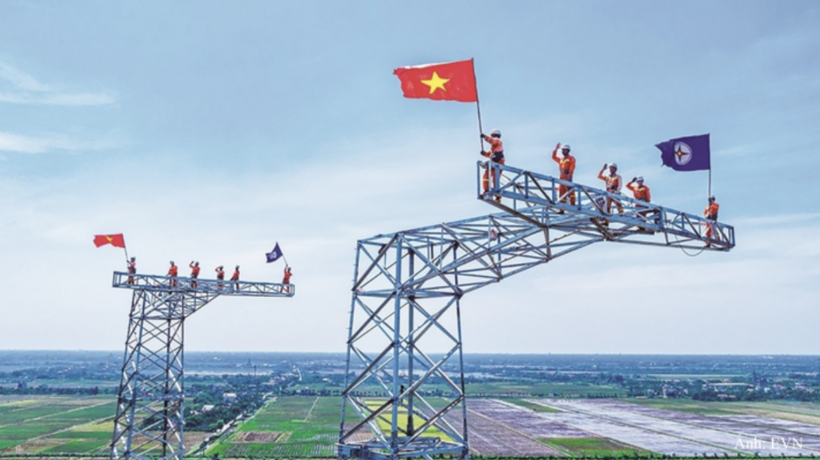
Energy is another critical challenge. Resolution No.70-NQ/TW on ensuring national energy security through 2030, with a vision to 2045, clearly states the requirement to: “Firmly ensure national energy security as a foundation and an important prerequisite for national development, and as an important component of national security. Energy development shall be accorded the highest priority to meet the requirements of sustained growth of more than 10% in the coming period and achieve the country’s two centenary goals”...
In the first eight months of 2026, electricity generation and imports were estimated to have increased by 9.4%, underscoring the fact that pressure on energy supply is rising alongside the expansion of production. With the goal of achieving double-digit economic growth, ensuring adequate electricity supply must move one step ahead, as energy supply capacity directly affects the economy’s competitiveness, its ability to attract high-tech projects and the pace at which development objectives can be realised in the new period.
Ensuring energy security for double-digit growth.
Next, Resolution No.71-NQ/TW on breakthroughs in education and training focuses on human resources. Resolution No.72-NQ/TW on breakthrough solutions to strengthen the protection, care and improvement of people’s health further adds a fundamental component to the quality of national human resources, with the aim of building generations of Vietnamese people equipped with the intellectual capacity, physical strength and adaptability required by development in the new period.
At the beginning of 2026, Resolution No.79-NQ/TW on the development of the state-owned economy more clearly defined the role of resources held by the State in maintaining macroeconomic stability, promoting socio-economic development, and safeguarding national defence and security. Just one day later, Resolution No.80-NQ/TW on the development of Vietnamese culture placed culture as an important endogenous resource, nurturing the intellect, soul, spirit and resilience of the Vietnamese people.
Resolution No.19-NQ/TW dated July 28, 2026, of the Party Central Committee on renewing Viet Nam’s development model further established the overall framework. The Party Central Committee identified the need to shift the development model towards greater reliance on knowledge, science and technology, innovation, digital transformation, green transformation, productivity and added value, with the goal of becoming a developed, high-income country by 2045.
Immediately after Resolution No.19, a number of further policies were issued in areas directly related to national strength. Resolution No.20-NQ/TW sets the goal of building Viet Nam into a strong maritime nation. Resolution No.23-NQ/TW on work concerning Vietnamese people overseas views the community of more than 6.5 million Vietnamese living abroad as a resource for the country. Resolution No.26-NQ/TW on developing Viet Nam’s tourism industry into a spearhead economic sector in the new era places tourism within the broader relationship between the economy, culture and the country’s soft power.
Most recently, on August 28, 2026, the Politburo issued Resolution No.27-NQ/TW on regional development and the organisation of national development space in the new period. The resolution defines “regional development as a means of organising national growth, restructuring development space, allocating resources and enhancing national competitiveness in the new context”. It also calls for a strong shift in development thinking, from relying on available resources towards creating, leading and unlocking social resources.
This issue has major practical significance following the restructuring of administrative units and the operation of the two-tier local government model. Development space can no longer continue to be fragmented along administrative boundaries or shaped by a mindset in which each locality builds a similar economic structure of its own. The resolution calls for development to be organised according to functions, advantages, value chains, economic corridors, growth-driving regions and growth poles, while linking transport infrastructure, energy, data and logistics with domestic production capacity.
Strengthening and promoting the power of great national unity is an important driving force in the country’s reform process.
Turning resolutions into reality, making the 2045 aspiration a eality
After 40 years of Doi Moi, Viet Nam has accumulated an unprecedented foundation in terms of economic scale, infrastructure, international relations, human-resource quality and national standing. Yet this very foundation also presents the country with more difficult challenges, as the transition from a middle-income country to a developed nation requires a different quality of growth.
The early stage of industrialisation can rely heavily on a young labour force, competitive production costs, natural resources, land and external investment flows. The next stage must depend more heavily on productivity, innovation, management capabilities, the quality of human resources and the strength of domestic enterprises.
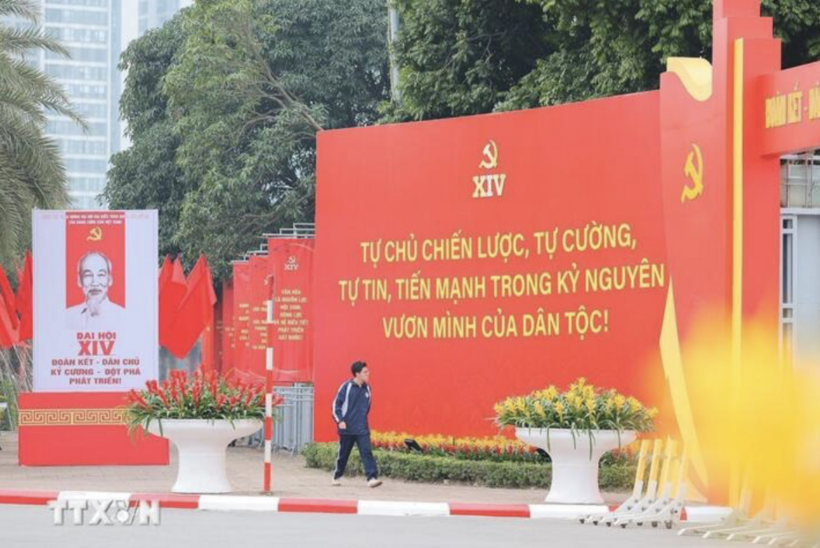
The gap between the two development models lies in implementation capacity. Speaking at the closing session of the 14th National Party Congress on January 23, 2026, General Secretary To Lam (now General Secretary and President To Lam) emphasised: “Every Party committee, every Party organisation, every Party member, every agency and unit, first and foremost its head, must proactively move from ‘correct awareness’ to ‘effective implementation’; from ‘high determination’ to ‘clear results’; combining ‘direction and administration’ with ‘inspection, supervision and accountability’. At the same time, ‘the more we are at the beginning of a new term, the more urgently, resolutely, firmly and thoroughly we must act; so that every resolution and every action programme can quickly enter into people’s lives, become a driving force for development and become a source of pride for the People’.”
Therefore, Resolution No.24-NQ/TW on promoting the pioneering and exemplary role, as well as the spirit of innovation, daring to think, daring to act and daring to take responsibility among cadres and Party members in the new era has direct significance for the ability to translate strategic orientations into results. A state apparatus capable of creating and driving development must have people with sufficient capacity to make decisions, sufficient accountability for those decisions and sufficient courage to address unprecedented practical challenges.
Ideological work also faces new demands. Resolution No.25-NQ/TW on the Ideological Work Strategy in the new context identifies ideological work as playing “a role in going ahead to pave the way, accompanying implementation, and following up with practical reviews to consolidate confidence.” The more major policy decisions are implemented within a short period, the more important it becomes to clearly explain the policies and build unity in awareness and action, particularly in a rapidly evolving and complex digital environment where misinformation and distorted narratives frequently emerge.
The Resolution of the 14th National Congress charts a course for the country to move firmly into a new era - an era of national rise.
In 2030, the country will celebrate the 100th anniversary of the founding of the Party; in 2045, Viet Nam will celebrate the 100th anniversary of the establishment of the country. The Resolution of the 14th National Party Congress sets the goal of: “Strategic autonomy, self-reliance and self-confidence, advancing strongly in the new era of national rise; successfully achieving the goal of becoming a developing country with modern industry and upper-middle income by 2030; realising the vision of becoming a developed, high-income country by 2045, for a peaceful, independent, democratic, prosperous, flourishing, civilised and happy Viet Nam, steadily advancing towards socialism.” These two milestones are both development objectives and benchmarks for the leadership capacity, the strength of the political system and the ability to mobilise all resources of the nation.
Less than two decades is not a long period for the transformation of a country of more than 100 million people. Policy decisions on institutions, the development model, science and technology, energy, infrastructure, education, the economy and people in the years ahead will shape Viet Nam’s competitiveness, strategic autonomy and national standing for decades to come.
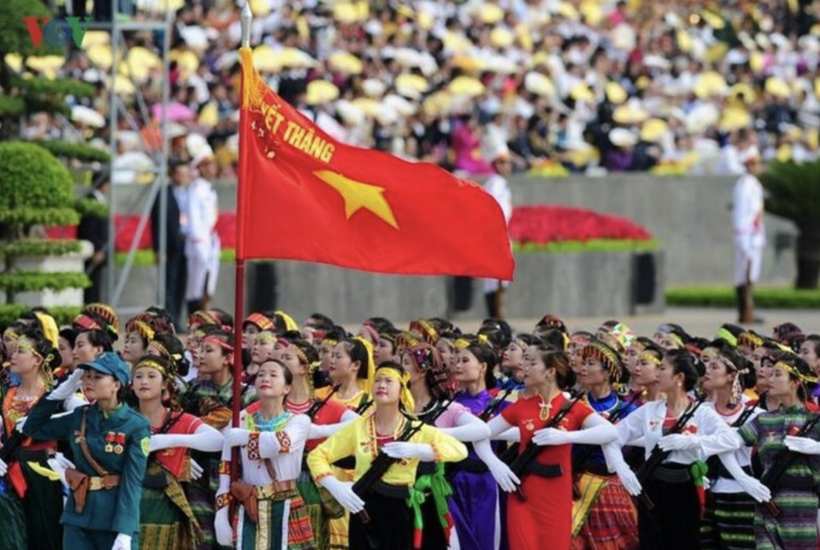
Under the glorious flag of the Party, the Vietnamese nation has travelled a historic journey of winning independence, defending the Fatherland, reunifying the country and carrying out the Doi Moi process, achieving historically significant accomplishments. As the country enters a new era of development, the mission is greater: to safeguard independence, sovereignty and national interests while building a country that is economically strong, institutionally resilient, increasingly capable of mastering technology, rich in cultural identity and highly competitive in the global economy.
September 2 serves as a reminder of the independence secured through the sweat and blood of generations. The responsibility of today’s generation is to make that independence ever stronger through economic strength, science and technology, culture and human resources, enabling Viet Nam to enter a new era with the standing of a developed, powerful and prosperous nation, confident in shaping its future through the intelligence, strength and aspirations of its own people.
Under the leadership of the Party, the 81-year journey of independence is being carried forward through major policy decisions aimed at strengthening national power and shaping the future of Viet Nam.
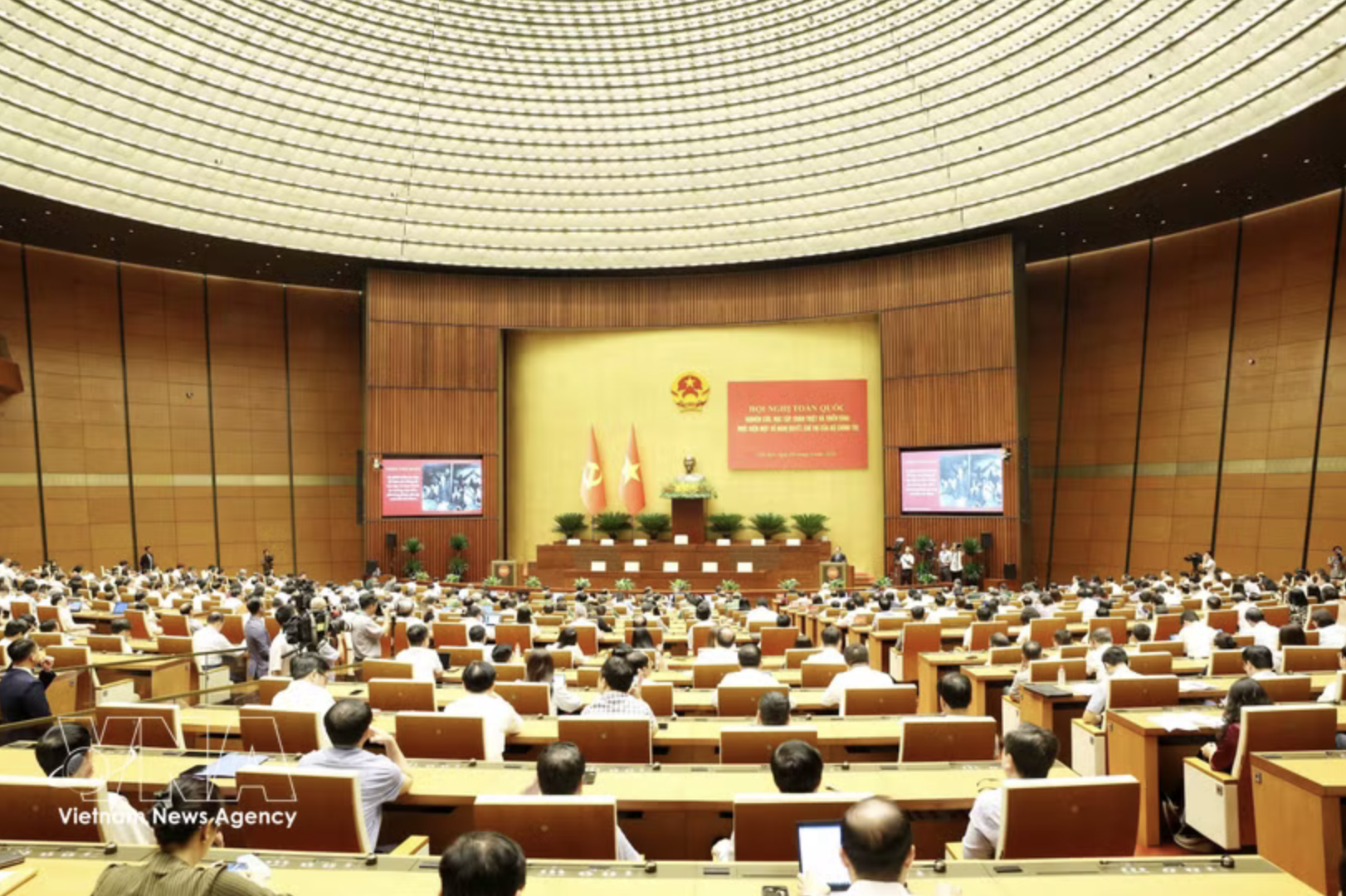
The study and practice of Ho Chi Minh’s ideology, moral example, methods and style in the new development period are among the focuses of the conference.
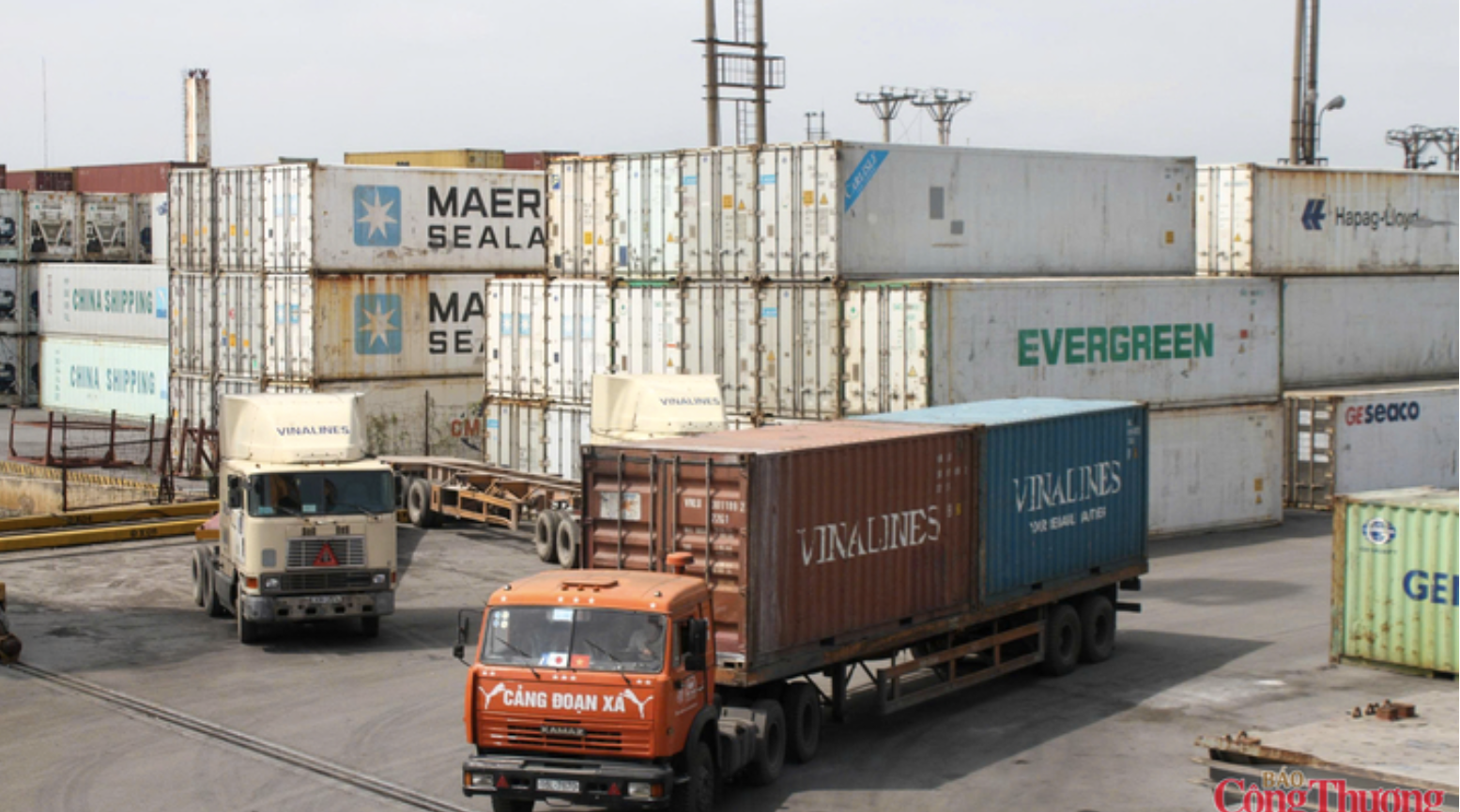
Viet Nam’s total merchandise import and export turnover reached USD 770.14 billion in the first eight months of 2026, the highest-ever level recorded for the eight-month period.
In the AI era, competitive advantage will not belong to businesses that deploy the most AI, but to those that can redesign how people, AI and enterprise systems work together to create value.
The study and practice of Ho Chi Minh’s ideology, moral example, methods and style in the new development period are among the focuses of the conference.
Viet Nam’s total merchandise import and export turnover reached USD 770.14 billion in the first eight months of 2026, the highest-ever level recorded for the eight-month period.
In the AI era, competitive advantage will not belong to businesses that deploy the most AI, but to those that can redesign how people, AI and enterprise systems work together to create value.
Vietnam’s total retail sales of goods and consumer service revenues rose 13.3% year on year in the first eight months of 2026, reflecting continued expansion in consumer demand.
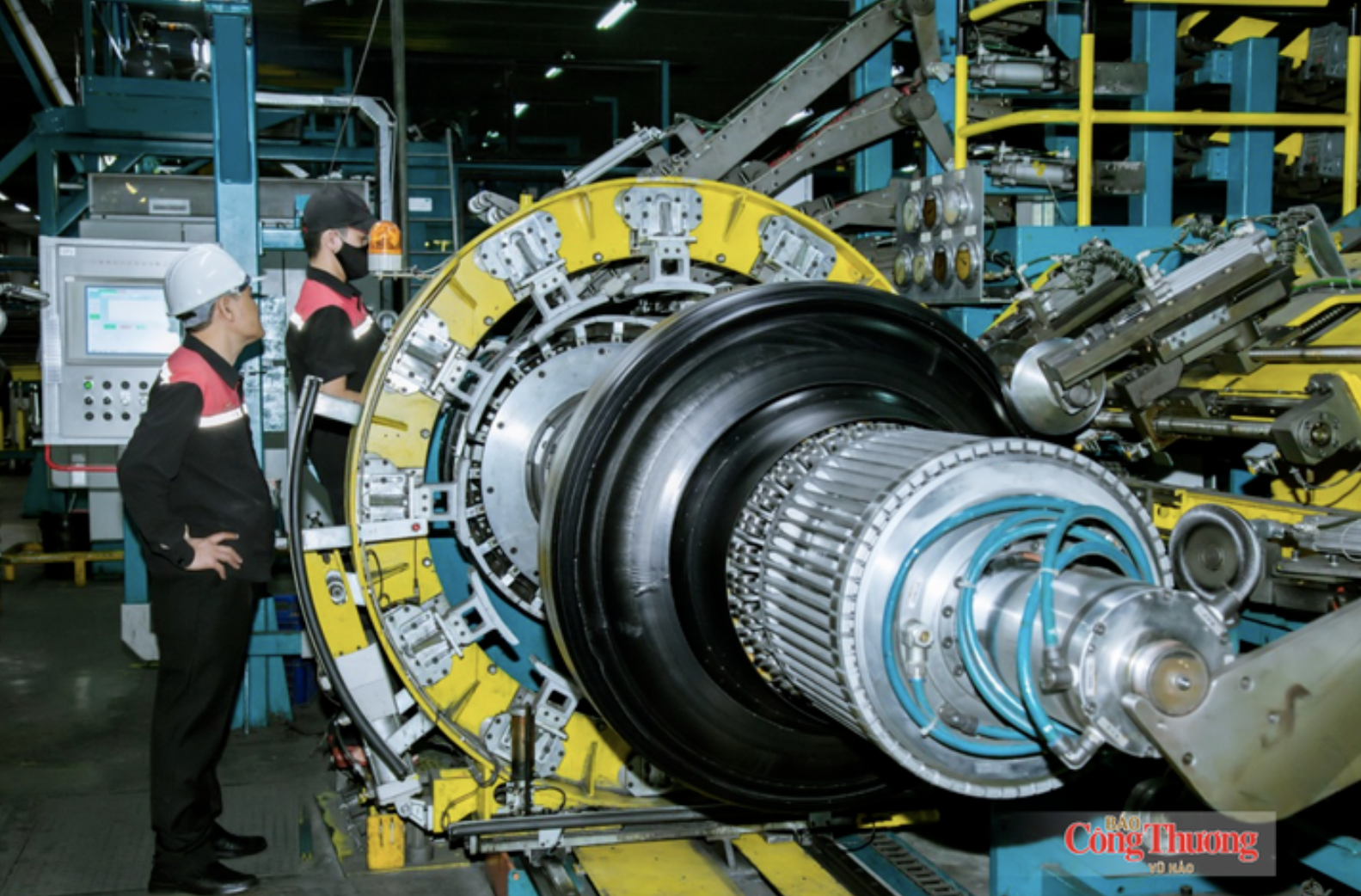
Industrial production continued to post strong growth in August, with the Index of Industrial Production (IIP) rising 14.4% year on year. In the first eight months of 2026, the IIP increased 11.9%, marking the highest eight-month growth rate in many years.