Vietnam - India economic and trade cooperation continues to expand in scale and scope, creating new momentum for the next phase of development.
At the invitation of Prime Minister of the Republic of India Narendra Modi, General Secretary of the Central Committee of the Communist Party of Vietnam and President of the Socialist Republic of Vietnam To Lam, together with a high-level Vietnamese delegation, will pay a State visit to the Republic of India from May 5 to 7, 2026. The visit takes place in the context that in 2026, the two countries mark the 54th anniversary of diplomatic relations (1972 - 2026) and the 10th anniversary of the establishment of the Comprehensive Strategic Partnership (2016 - 2026). It is expected to generate new momentum and establish a renewed framework for bilateral relations in the coming development phase.
Speaking to Newspaper of Industry and Trade, Bui Trung Thuong, Trade Counsellor and Head of the Vietnam Trade Office in India, highlighted key achievements in Vietnam - India economic and trade cooperation over recent years, while also emphasizing emerging growth drivers and offering recommendations for Vietnamese enterprises seeking to access and expand in the Indian market.
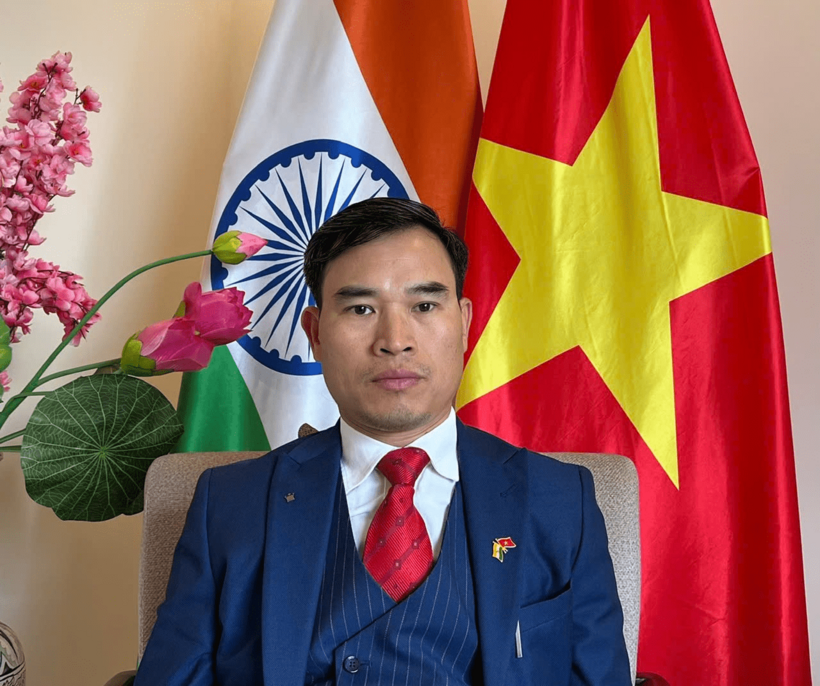
Bui Trung Thuong, Trade Counsellor and Head of the Vietnam Trade Office in India.
Creating new momentum for bilateral relations
- Looking back over the 10-year journey since the establishment of the Comprehensive Strategic Partnership, how do you assess the most notable developments in Vietnam - India economic and trade relations?
Bui Trung Thuong: Economic and trade relations between Vietnam and India have recorded remarkable progress, becoming one of the key pillars of the Comprehensive Strategic Partnership between the two countries.
Building on a traditional friendship established in 1972 and continuously strengthened over successive periods, especially since the elevation of ties to a Comprehensive Strategic Partnership in 2016 bilateral economic and trade cooperation has achieved impressive results in both scale and quality.
A clear highlight is the strong and stable growth in bilateral trade. Two-way trade has nearly tripled, rising from USD 5.43 billion in 2016 to USD 16.46 billion in 2025, and continued its upward trajectory, reaching USD 4.8 billion in the first three months of 2026, up 28% year-on-year.
Currently, India is Vietnam’s 8th largest trading partner, while Vietnam is India’s 21st largest partner and the 4th largest within ASEAN, reflecting the increasingly important position of each country in the other’s economic diplomacy strategy.
The structure of trade has shifted positively, clearly demonstrating the complementary nature of the two economies. Investment cooperation has continued to expand and diversify. As of March 2026, India had 503 valid projects in Vietnam with total registered capital of nearly USD 1.12 billion, mainly in manufacturing, processing, energy, and mining, spanning 20 provinces and cities. Notably, Vingroup and VinFast have announced investment plans in India with a total expected capital of nearly USD 10 billion, reflecting growing confidence from the business communities of both countries.
Supporting sectors such as infrastructure, logistics, aviation, tourism, and people-to-people exchanges have also developed strongly. From having no direct flights in 2016, the two countries now operate nearly 100 flights per week, with nearly 800,000 Indian visitors to Vietnam in 2025.
Economic cooperation has also expanded into new areas such as information technology, digital services, and innovation, leveraging complementary strengths, India’s strength in software and Vietnam’s emergence as a manufacturing and technology hub in the region.
- Which sectors do you see as new growth drivers that could create breakthroughs in bilateral economic cooperation in the coming period?
Bui Trung Thuong: At present, both Vietnam and India are entering a new development trajectory characterized by modernization, green growth, science and technology, and innovation. This provides an important foundation for forming new growth drivers in bilateral economic cooperation.
India is maintaining high growth momentum while promoting future industries such as semiconductors, electric vehicles, green hydrogen, digital transformation, and deeper economic integration. Meanwhile, Vietnam is pursuing development in depth, linking industrialization with innovation, digital economy, green economy, and strengthening its position in global supply chains, particularly in processing, manufacturing, and high technology.
Against this backdrop, sectors with breakthrough potential include information technology, digital economy, and innovation; manufacturing and processing linked to supply chains; energy and green growth, especially renewable energy and clean energy transition; as well as high-tech agriculture, food processing, and pharmaceuticals. In addition, logistics, e-commerce, infrastructure connectivity, and tourism continue to play important supporting roles, helping enhance connectivity efficiency and expand the space for cooperation between the two economies.
Expanding cooperation space for businesses
- As a bridge between the business communities of the two countries, what key solutions has the Vietnam Trade Office in India implemented to promote trade, investment, and market expansion?
Bui Trung Thuong: As a direct bridge between Vietnamese and Indian businesses, the Vietnam Trade Office in India has implemented a synchronized set of proactive and practical solutions, placing enterprises at the center to promote trade, investment, and market expansion.
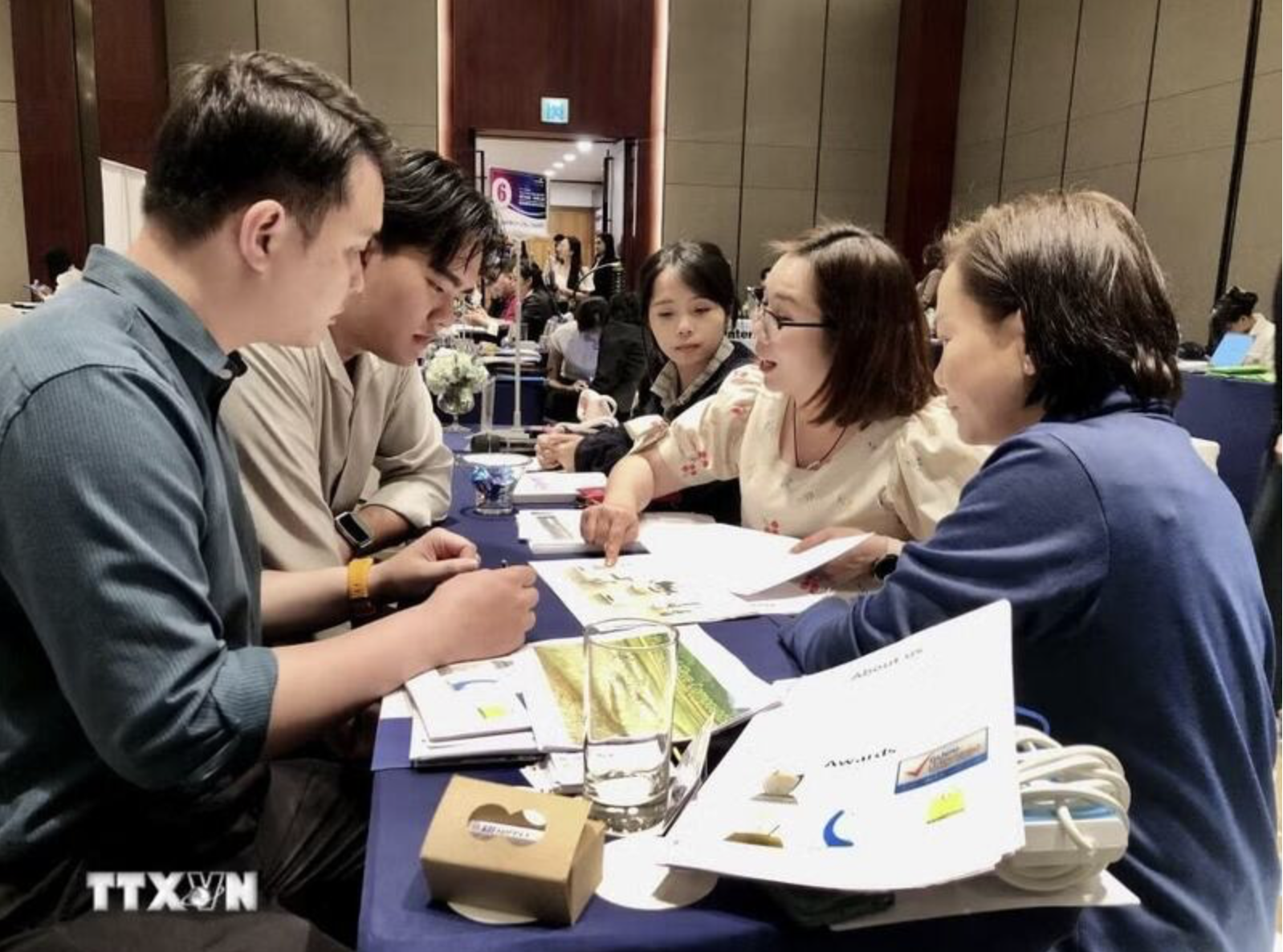
First, trade promotion and two-way business connectivity have been strengthened through the organization and support of business delegations participating in fairs, exhibitions, and trade events across various Indian states, as well as welcoming Indian business delegations to Vietnam.
In the first quarter of 2026 alone, the office supported Vietnamese enterprises in participating in around 20 trade promotion events in sectors such as food, textiles, plastics, electronics, information technology, tourism, and services, enabling direct access to distribution systems and partners in a market of over 1.45 billion people.
Second, efforts have focused on demand supply connectivity, supporting the development and expansion of distribution networks, thereby facilitating deeper penetration of Vietnamese goods into the Indian market, particularly through modern retail channels and major distribution groups.
Third, market intelligence, advisory services, and trade alert mechanisms have been prioritized, helping businesses stay updated on consumer trends, import regulations, technical standards, and policy changes, thereby improving adaptability and reducing risks in business operations.
Fourth, investment and technology cooperation has been promoted through networking between enterprises, associations, and chambers of commerce from both countries, focusing on potential areas such as information technology, digital transformation, manufacturing, and energy.
In addition, the office has coordinated with relevant agencies to organize large-scale promotional events, notably the Vietnam - India Electronics and Information Technology Business Forum 2026 in New Delhi, which attracted more than 100 enterprises and associations, creating a direct platform for business and investor engagement.
- What recommendations would you give to Vietnamese enterprises seeking opportunities in the Indian market?
Bui Trung Thuong: With a population of over 1.45 billion, high growth momentum, and diverse consumer demand, India offers significant opportunities for Vietnamese enterprises. However, it is also a highly competitive market with strong regional differences, distinct business cultures, and a complex distribution system, requiring a structured and long-term approach.
First, enterprises need to thoroughly research the market and select appropriate segments. India is not a homogeneous market; differences across states, income levels, and consumer behavior require businesses to clearly define products, target customers, and geographic focus to avoid spreading resources too thin.
Second, enterprises should develop a sustainable market entry strategy through partnerships with local players. India’s distribution system has its own characteristics; therefore, collaboration with local importers, agents, or distribution groups, as well as participation in fairs, exhibitions, and official networking channels, is crucial for market expansion.
Third, it is essential to enhance competitiveness in terms of quality, standards, and branding. The Indian market is increasingly demanding in technical standards, safety, and traceability. Meeting international standards and building a professional brand will help enhance product value and positioning.
Fourth, enterprises should effectively leverage existing cooperation frameworks between the two countries, particularly the Comprehensive Strategic Partnership framework and ASEAN - India cooperation mechanisms, including the ASEAN - India Trade in Goods Agreement (AITIGA), to expand market access and reduce trade barriers.
In addition, businesses must proactively adapt to digital transformation and e-commerce trends fast-growing distribution channels in India, especially in consumer goods, food products, fashion, and technology.
Thank you very much!
Bui Trung Thuong, Trade Counsellor and Head of the Vietnam Trade Office in India, stated that opportunities in the Indian market are substantial. However, only enterprises with thorough preparation, long-term strategies, and strong adaptability will be able to effectively tap into these opportunities and achieve sustainable growth.
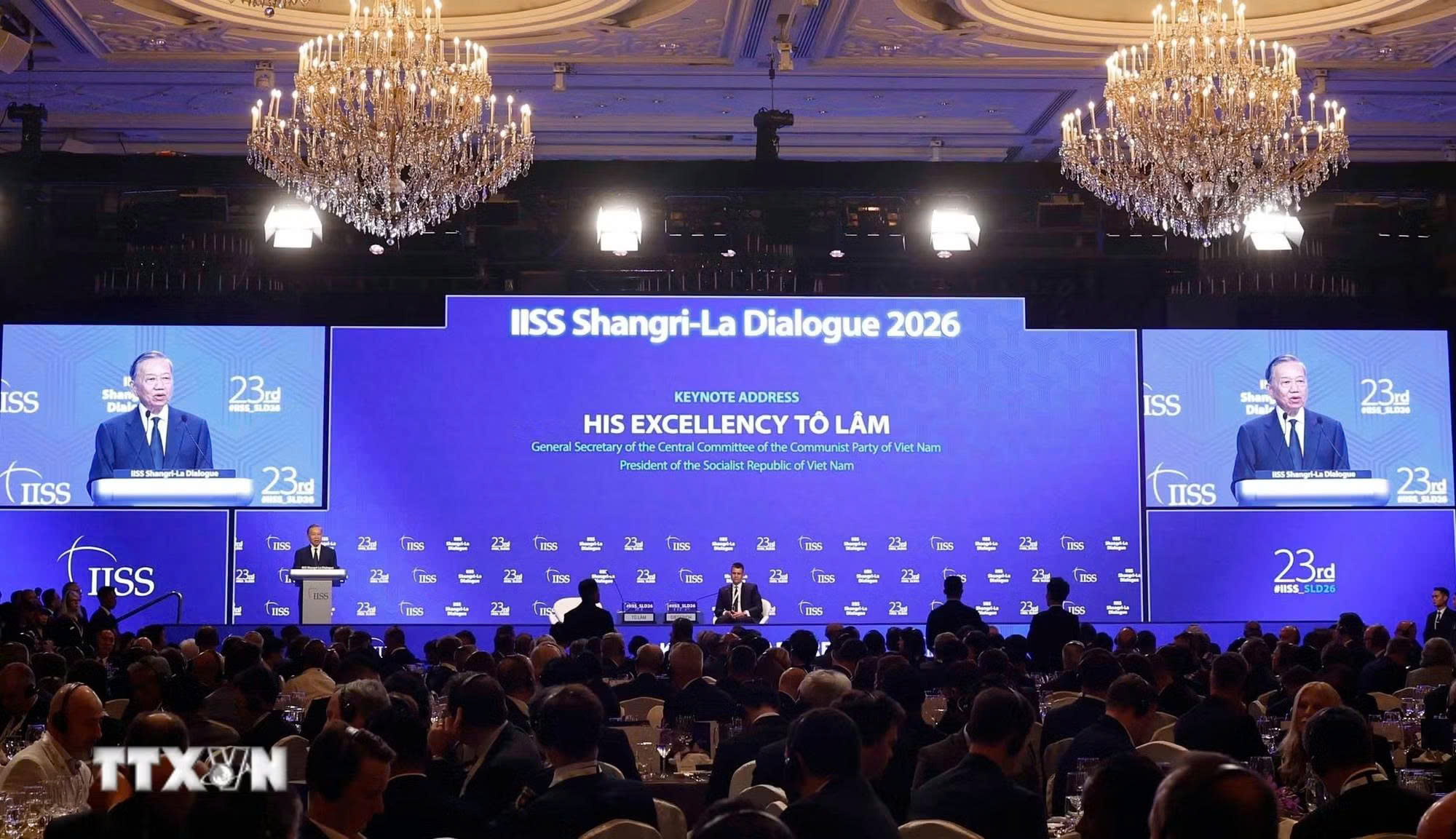
Vietnam therefore stands ready to work with countries both within and beyond the region to reinforce rules, nurture trust, promote dialogue, enhance cooperation, mitigate risks, and together shape an Asia-Pacific that is safer, more resilient and more prosperous.
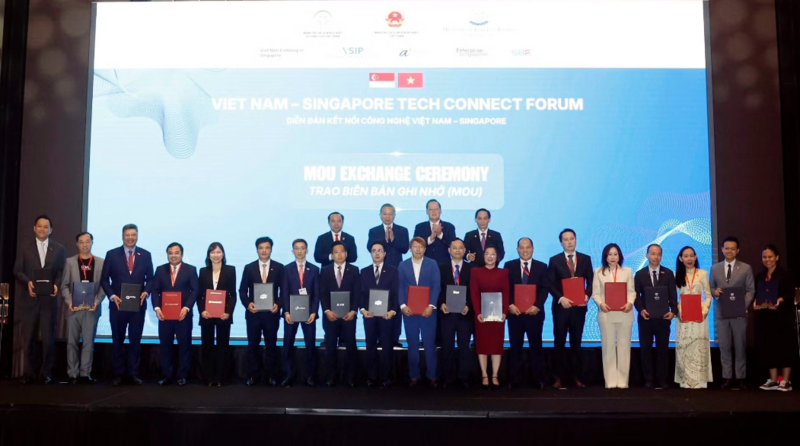
Party General Secretary, President To Lam attended a technology forum in Singapore, promoting innovation cooperation, strategic technologies and talent development.
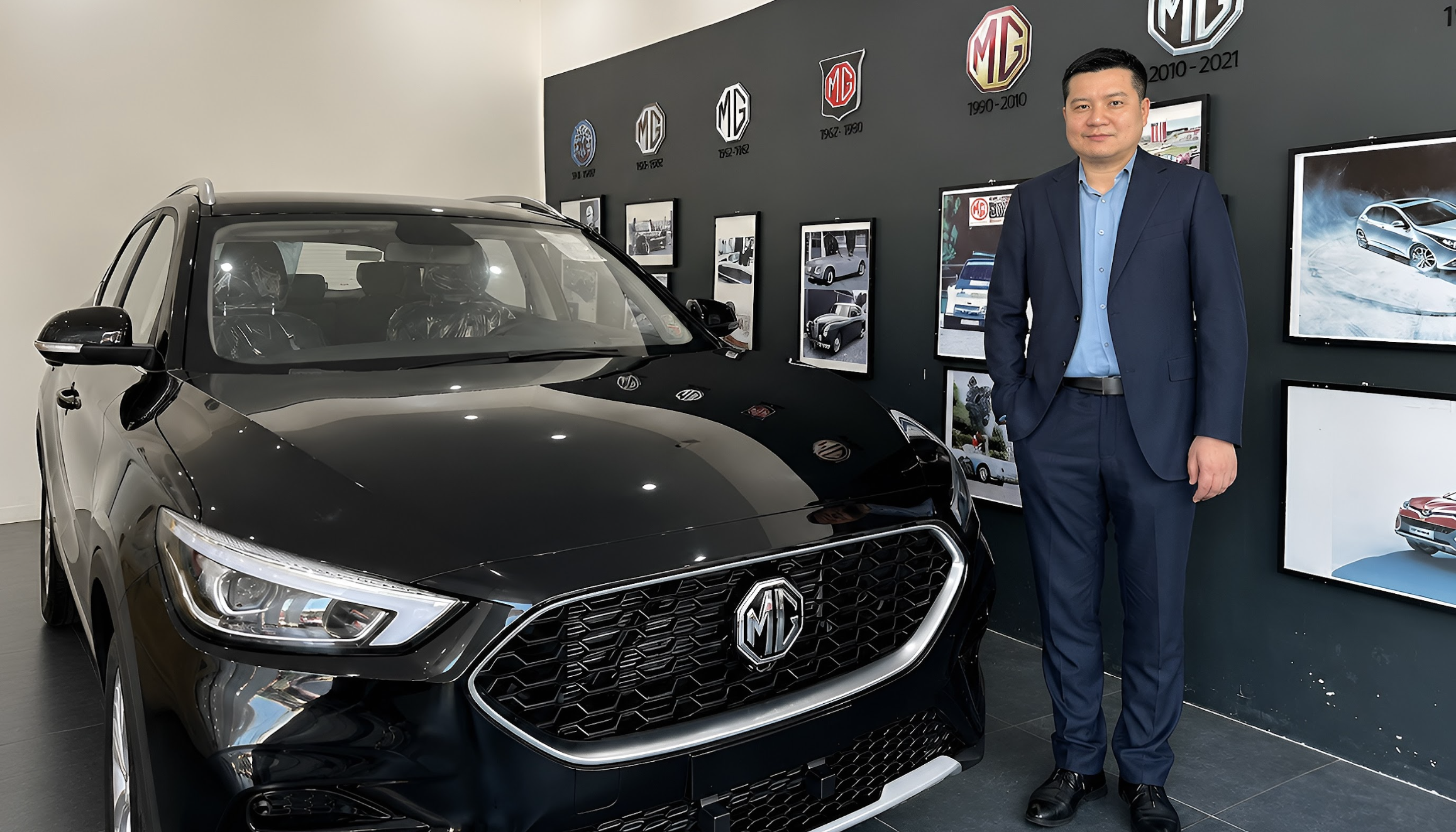
SAIC Motor Vietnam Co., Ltd. (SMV), the official distributor of MG vehicles in Vietnam, has announced the appointment of Tang Donghui as its new General Manager, effective May 2026.
Vietnam therefore stands ready to work with countries both within and beyond the region to reinforce rules, nurture trust, promote dialogue, enhance cooperation, mitigate risks, and together shape an Asia-Pacific that is safer, more resilient and more prosperous.
Party General Secretary, President To Lam attended a technology forum in Singapore, promoting innovation cooperation, strategic technologies and talent development.
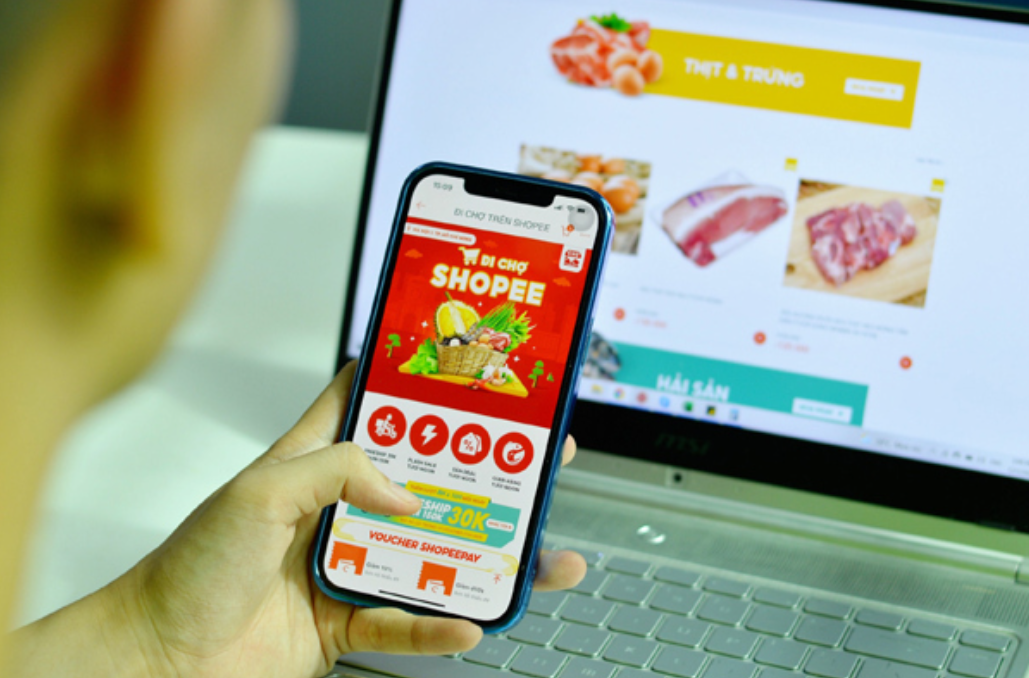
The National Competition Commission asked Shopee to clarify fee policies for sellers amid concerns over impacts on market competition and consumers nationwide today.