As global fuel prices surge, Vietnam maintains supply and stability through swift, flexible policy measures, standing out in a crisis-hit region
Shockwaves from the Middle East hit Southeast Asia
As the Philippines declares a state of national emergency, Thailand witnesses overnight queues stretching across fuel stations, and Myanmar endures fuel price surges exceeding 55%, Vietnam is emerging as one of the few bright spots in Southeast Asia amid what is widely regarded as the worst energy crisis in decades.
Geopolitical tensions escalating in the Middle East since early 2026 have triggered seismic shocks in the global energy market. Crude oil prices have surged past USD 100 per barrel, while global diesel prices spiked to around USD 238 per barrel by the end of March, more than 2.5 times the baseline of USD 92 - 95 per barrel prior to the conflict.
These shockwaves have hit oil-importing economies in Southeast Asia with varying intensity, depending on a decisive factor: whether government price stabilization policies are strong and flexible enough to absorb the impact.
According to data published by seasia.stats on March 29, 2026, since the outbreak of the conflict, the Philippines has recorded the highest fuel price increases in the region, with gasoline up 54.2% and diesel surging 81.6%. Myanmar has seen increases of 55.4% and 76.9%, respectively, while Cambodia reports similar rises of 52.8% and 78.7%.
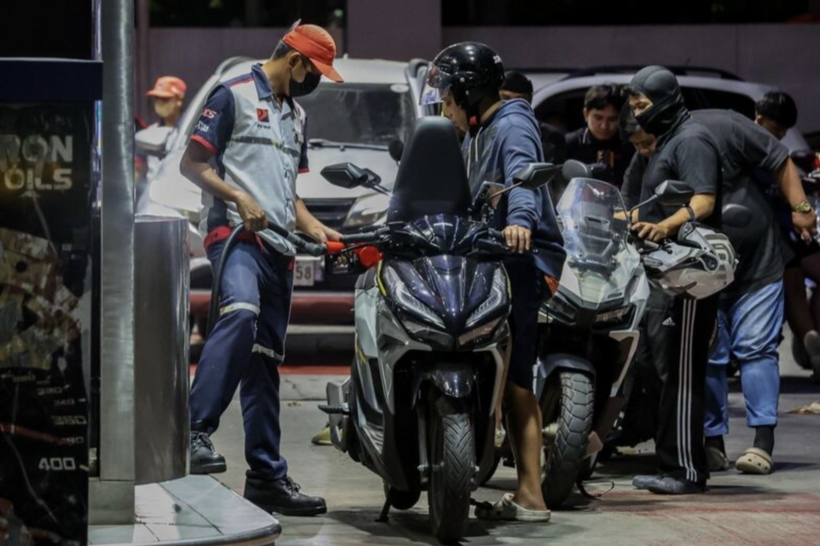
Gasoline prices in the Philippines have doubled. Photo: VNA
The Philippines offers perhaps the most costly lesson. Unlike many of its neighbors, the country maintains a fully liberalized fuel pricing mechanism without broad subsidies. As a result, pump prices have more than doubled, according to analysis by ING Think.
President Ferdinand Marcos Jr. was compelled to declare a state of national emergency. ING Think has cut the Philippines’ 2026 GDP growth forecast from 5.2% to 4.5%, with risks tilted further to the downside. Inflation is expected to breach target levels, placing pressure on the central bank while the peso faces depreciation risks. According to the Manila Bulletin, higher fuel prices could push inflation up by an additional 0.8 percentage points in the coming months, with the heaviest burden falling on low-income households.
Thailand attempted to stabilize prices through its Oil Fuel Fund, but the mechanism faltered as the fund was rapidly depleted under mounting pressure. On March 26, 2026, Thailand recorded one of its steepest fuel price hikes in decades: gasoline rose 14 - 22% and diesel 18% overnight, triggering a rush of motorists to refuel before new prices took effect.
By early April, the situation had not eased. On April 3, diesel prices rose by another 3.50 baht per liter to 47.74 baht per liter. The Thai government was forced to implement emergency measures, including mandating remote work for civil servants, restricting travel, and banning fuel exports.
Malaysia finds itself in an even more delicate position, balancing subsidy reforms with the global price surge. From April 1, 2026, the government reduced subsidized RON95 gasoline quotas to 200 liters per month per person, down from 300 liters. Foreign residents must pay full market prices. Diesel prices in Peninsular Malaysia rose by 80 sen to MYR 5.52 per liter. While the country expects to save approximately MYR 5 billion annually, the burden of MYR 5 - 8 billion is effectively transferred to consumers and businesses.
Indonesia has taken a markedly different approach: keeping fuel prices unchanged and absorbing the full shock into the state budget. On March 31, the government confirmed that Pertamina would not adjust fuel prices. Finance Minister Purbaya Yudhi Sadewa stated that “the pressure will be absorbed by the state budget. If prices are allowed to rise like in other countries, public panic could ensue.”
While this approach shields consumers in the short term, it places significant strain on a budget originally based on an oil price assumption of USD 70 per barrel, far below current levels exceeding USD 100 raising the risk of serious fiscal consequences down the line.
Vietnam: steadfast and flexible at the eye of the storm
Amid profound regional and global volatility, Vietnam has implemented a multi-layered and flexible stabilization strategy, underscoring the consistent leadership of the Party and Government, alongside the efforts of the Ministry of Industry and Trade and other agencies in safeguarding energy security.
Early on, even before the conflict escalated, on September 3, 2025, General Secretary To Lam signed Resolution No.70-NQ/TW, affirming that “ensuring robust national energy security is foundational, and energy must lead the way.” As the crisis intensified in the first quarter of 2026, the Politburo issued Conclusion No.14-KL/TW (March 20, 2026), emphasizing the imperative of securing fuel supply under all circumstances and preventing supply chain disruptions.
On that basis, the Government and Prime Minister Pham Minh Chinh rolled out a series of decisive measures. Resolution No.36/NQ-CP dated March 6, 2026 granted Petrovietnam greater autonomy in crude oil trading and imports while introducing a more flexible pricing mechanism. This was followed by Resolution No.55/NQ-CP on March 19, which further refined fuel price management in line with market fluctuations.
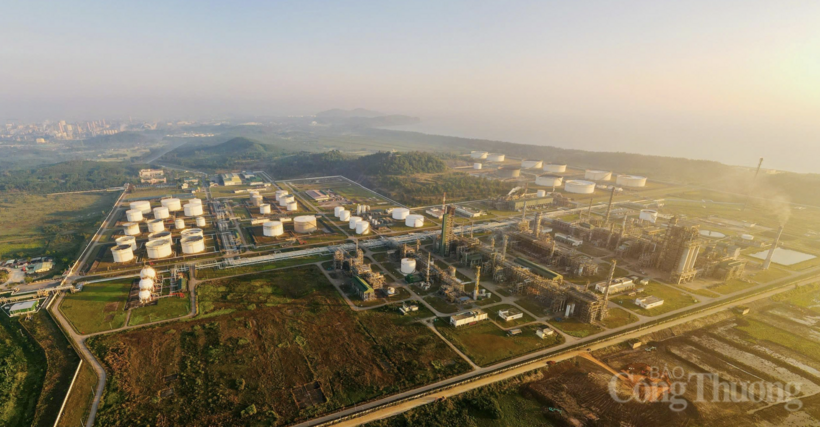
Vietnam works to secure crude supply from its two domestic refineries (Binh Son Refining and Petrochemical Plant). Photo: Nam Nguyen
Directive No.22/CD-TTg dated March 11 underscored the overarching requirement to avoid supply disruptions under any circumstances. Notably, Decision No.385/QD-TTg dated March 4 established a task force on energy security, enabling cross-sector coordination in crisis response. The Government also directed the development of a national refining and energy center in Dung Quat.
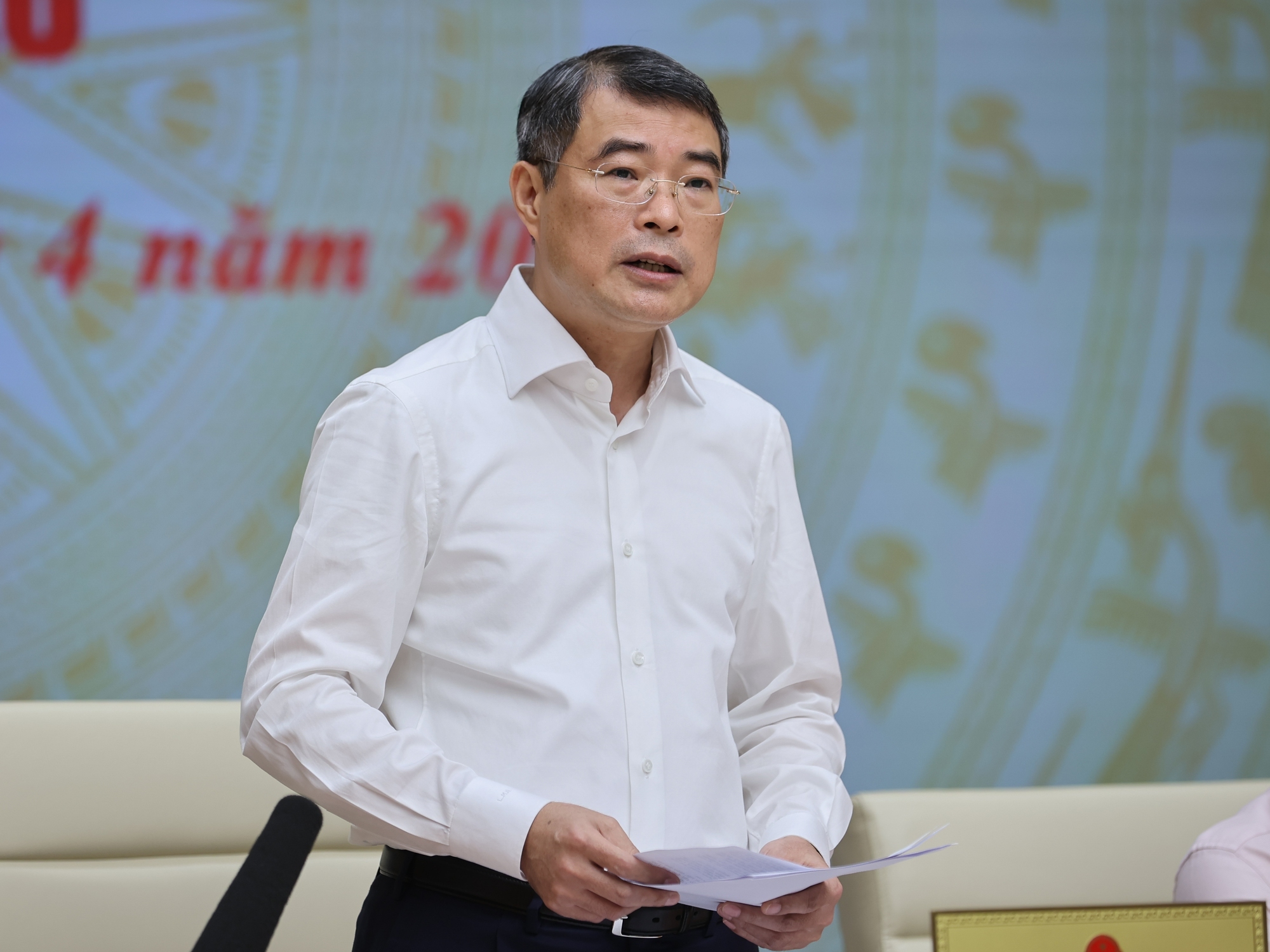
In alignment with central directives, the Ministry of Industry and Trade swiftly translated policy into action. Under the direct and decisive leadership of Acting Minister Le Manh Hung, the Ministry issued Directive No.06/CT-BCT to ensure uninterrupted supply, Directive No.03/CT-BCT mandating round-the-clock market surveillance, and Dispatch No.15/CD-BCT requiring key fuel distributors to strictly adhere to import quotas to prevent localized shortages.
Simultaneously, Acting Minister Le Manh Hung held direct working sessions with major refineries Nghi Son, Binh Son as well as Petrovietnam and key distributors to develop response scenarios, regulate supply, diversify import sources, and maintain high yet safe operational capacity. Market inspections were intensified to curb hoarding and speculation.
To “cool down” fuel prices, the Petroleum Price Stabilization Fund was activated nine times within a single month, disbursing an estimated VND 5.3 trillion (approximately USD 217 million). For the first time in history, the state budget was directly advanced into the fund, totaling VND 8 trillion (around USD 303 million) under Decision No.483 signed by Prime Minister Pham Minh Chinh on March 27.
In parallel, the Government deployed a suite of fiscal tools: import tariffs on certain fuel products were reduced to 0% from March 9 to April 30, 2026; environmental protection tax was cut to 0% for gasoline (excluding ethanol), diesel, and aviation fuel from March 26 to April 15; and the special consumption tax on gasoline was reduced from 8 - 10% to 0%. Businesses were exempted from declaring value-added tax while still allowed to credit input VAT.
These measures are estimated to reduce state revenue by approximately VND 7.2 trillion per month (around USD 295 million) a cost the Government considers necessary to stabilize prices and alleviate cost pressures.
On the regulatory front, a key breakthrough came on March 6, when the Ministry of Industry and Trade and the Ministry of Finance were authorized to adjust prices immediately if base prices rose by more than 7%, without waiting for the standard seven-day cycle. By March 19, Resolution No.55 further enhanced flexibility, allowing adjustments within one day if fluctuations exceeded 15%, thereby preventing the accumulation of price shocks seen in Thailand.
As a result, by March 26, the price of E5 RON92 gasoline had fallen to VND 23,326 per liter, down VND 6,788 from its peak on March 24, a drop of 22.5% within just days of tax measures taking effect.
Without the stabilization fund, E5 RON92 prices could have reached VND 30,180 per liter, RON95-III nearly VND 33,700, and kerosene around VND 38,930 approximately VND 3,000 - 5,000 higher than actual levels.
Compared with regional peers, Vietnam’s fuel price increases remain in the moderate-to-low range, according to seasia.stats. While countries like the Philippines, Myanmar, and Cambodia have seen increases of 50 - 80%, Vietnam’s price hikes have been contained and are now trending downward.
Lessons from the crisis
The 2026 energy crisis has laid bare stark divergences among regional economies in both capacity and willingness to intervene. The Philippines, fully market-driven has suffered the most severe impact. Thailand’s stabilization fund proved insufficient under pressure. Malaysia’s reform agenda collided with external shocks, placing it in a policy dilemma. Indonesia’s blanket subsidies shield consumers but risk significant fiscal strain.
Vietnam, by contrast, has demonstrated a relatively balanced model, combining a stabilization fund, tax adjustments, and flexible regulatory mechanisms to protect consumers, maintain macroeconomic stability, and avoid excessive long-term fiscal burdens. The temporary budget advance mechanism, with a 12-month repayment commitment, stands out as a key innovation reflecting fiscal discipline in times of crisis.
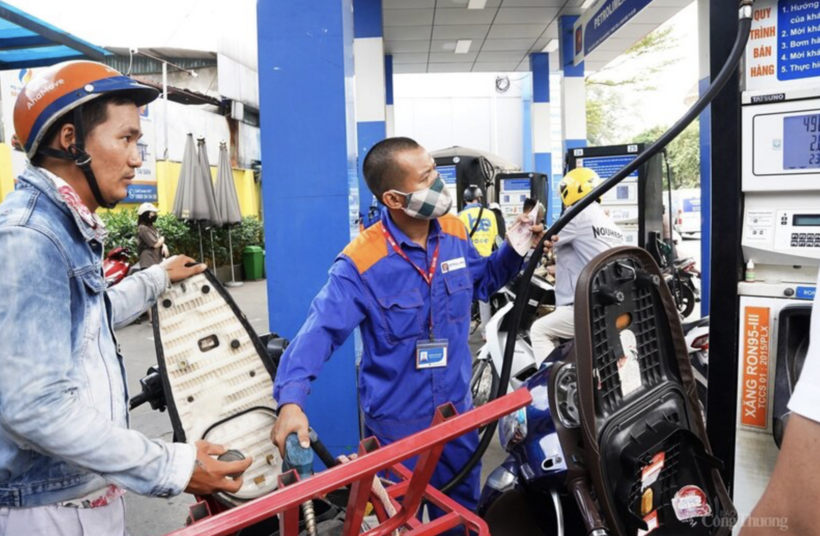
Fuel prices are cooled by a series of measures.
Experts attribute these positive outcomes to “policy agility and swift response.” Associate Professor Ngo Tri Long noted that the Ministry of Industry and Trade acted proactively and promptly in ensuring supply. Flexible pricing adjustments, use of the stabilization fund, and requirements for businesses to maintain inventories helped contain spillover effects. The Ministry also developed response scenarios and ensured smooth distribution. Stabilizing the fuel market, he emphasized, is crucial to controlling costs, strengthening energy security, and maintaining macroeconomic stability.
Le Quoc Phuong, former Deputy Director of the Industrial and Trade Information Center under the Ministry of Industry and Trade, highlighted the Ministry’s rapid response. Within days, monitoring and forecasting mechanisms were activated, enabling timely policy formulation. Coordinated measures, including import adjustments, alternative sourcing, supply regulation, and intensified market oversight have stabilized the market and reinforced national energy security.
Looking ahead, he stressed the need to closely monitor global developments and enhance national reserves to better secure fuel supply.
Nguyen Quoc Viet, a public policy expert at the University of Economics under Vietnam National University, Hanoi, also commended the Government and inter-ministerial efforts. Proactive responses to global market volatility have not only stabilized essential goods prices but also strengthened public and business confidence, laying a solid foundation for energy security and sustainable growth in 2026 and beyond.
The crisis is far from over. The Strait of Hormuz remains volatile. Global oil prices continue to fluctuate. Yet in at least the first month of what is shaping up to be the region’s most severe energy shock in a decade, Vietnam has demonstrated that with sufficiently robust policy tools, swift action, and effective inter-agency coordination, it is possible to safeguard the energy price frontline for both citizens and the broader economy.
On April 24, Prime Minister Le Minh Hung chaired a nationwide conference on accelerating the allocation and disbursement of public investment capital in 2026.
International media highlight Vietnam’s strong growth, rising FDI, market upgrades and tourism appeal, reinforcing its growing role and global standing today.
The Ministry of Industry and Trade (MoIT) held trade promotion activities in Yunnan and Shandong, boosting business links, exports, and investment cooperation between Vietnam and China.
A prestigious international award and a two-million-guest milestone mark a strategic evolution, highlighting the success of the entertainment-led integrated resort model in the regional hospitality market.
On April 24, Prime Minister Le Minh Hung chaired a nationwide conference on accelerating the allocation and disbursement of public investment capital in 2026.
A prestigious international award and a two-million-guest milestone mark a strategic evolution, highlighting the success of the entertainment-led integrated resort model in the regional hospitality market.
Permanent Deputy Prime Minister Pham Gia Tuc urged Hyundai Rotem to expand cooperation, technology transfer, and participation in Vietnam’s railway projects.
Prime Minister Le Minh Hung and President Lee Jae Myung led a Vietnam - the Republic of Korea (RoK) business roundtable in Hanoi, calling for deeper high tech cooperation.