On the 20th anniversary of Viet Nam's accession to the WTO, the former head of the Government's negotiating delegation recalls unforgettable memories, reflects on the achievements and shares what today's negotiators must hold fast to.
On January 4, 1995, the World Trade Organization (WTO) accepted Viet Nam's application for membership. At the time, the national economy had only just begun to emerge from stagnation, and the trade balance had remained in deficit throughout 1991-1995. It took 11 years of negotiations before the WTO General Council in Geneva, Switzerland, approved Viet Nam's admission on November 7, 2006. On November 29, 2006, the 11th National Assembly adopted Resolution No.71/2006/QH11 ratifying the Protocol of Accession. On January 11, 2007, Viet Nam officially became the 150th member of the WTO.
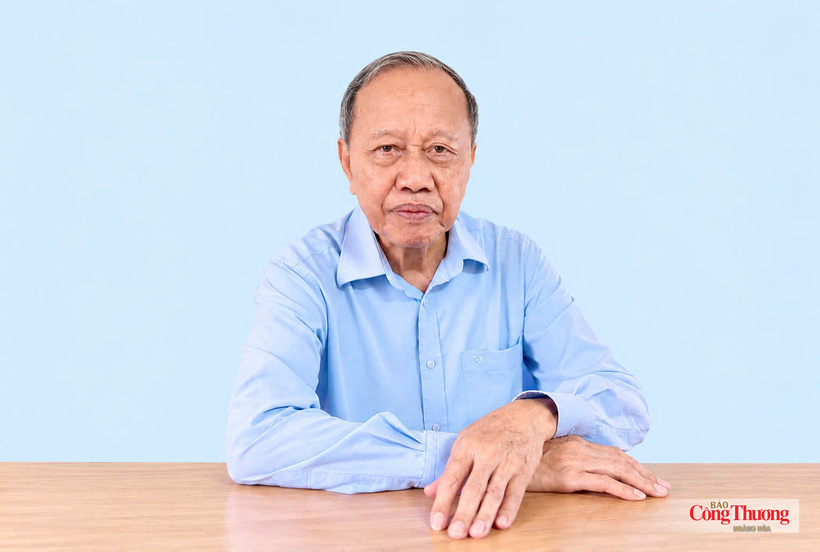
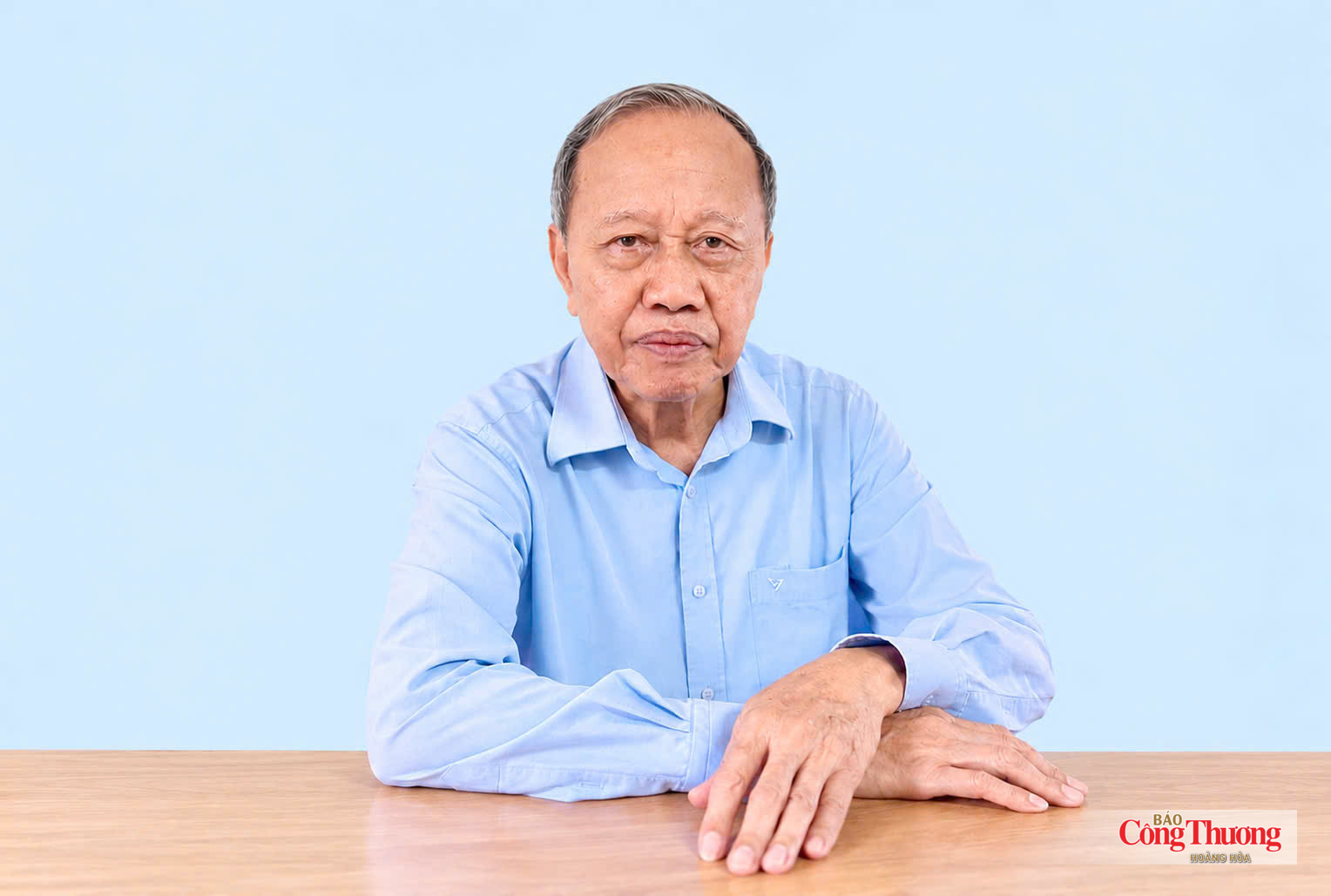
Twenty years after Viet Nam's admission to the WTO, the Newspaper of Industry and Trade had an interview with Luong Van Tu, former Deputy Minister of Trade (now the Ministry of Industry and Trade), former head of the Government's delegation for economic and trade negotiations and former chief negotiator for Viet Nam's accession to the WTO and the ASEAN Economic Community (AEC). At the time, he directly led the negotiating delegation through more than 200 negotiating sessions.
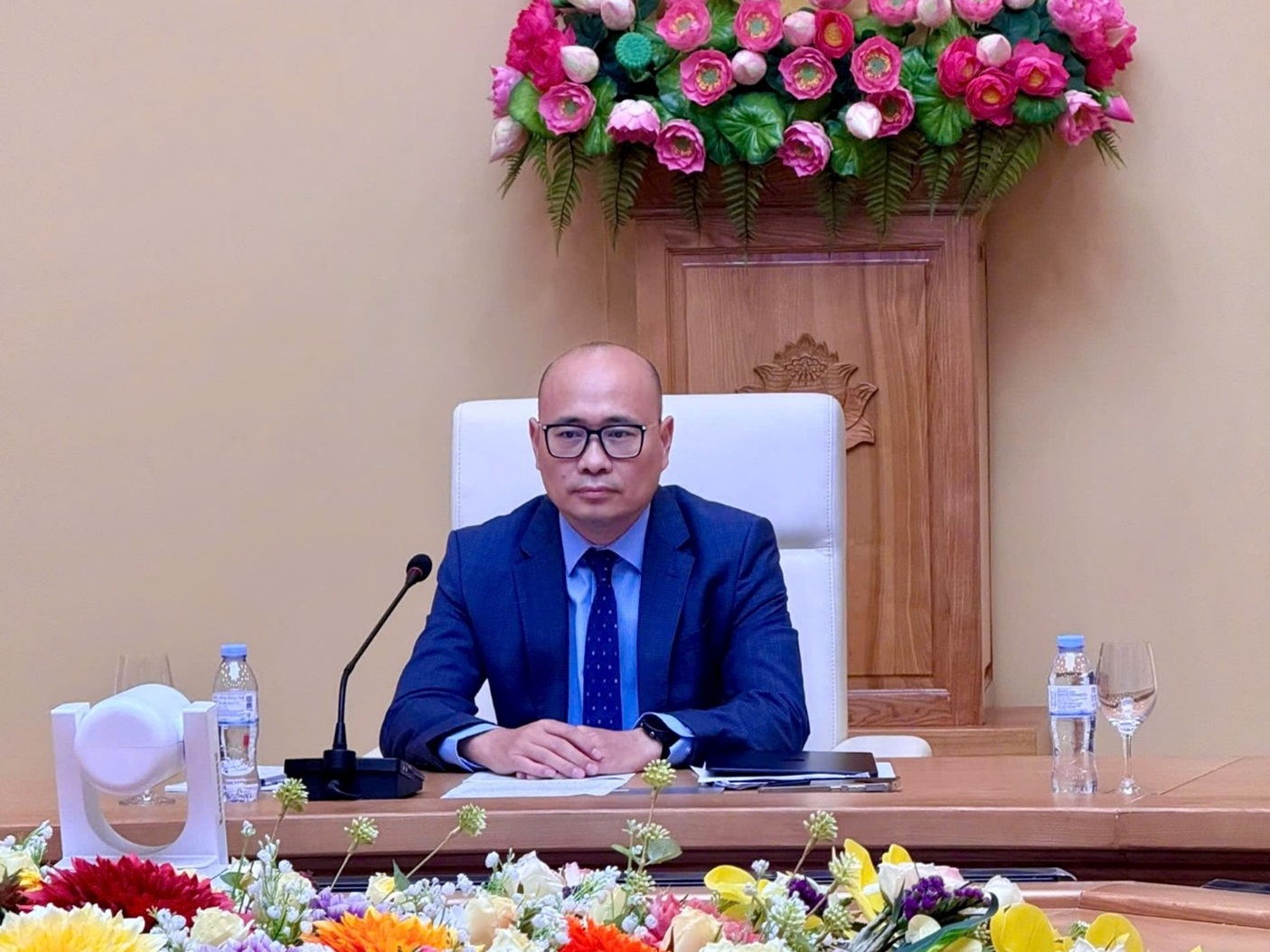
Luong Van Tu, former Deputy Minister of Trade (now the Ministry of Industry and Trade), former head of the Government's delegation for economic and trade negotiations and former chief negotiator for Viet Nam's accession to the WTO and the AEC, had an interview with the Newspaper of Industry and Trade.
"A gruelling journey that came close to collapse many times"
- Looking back on the 11 years of negotiations for WTO accession, if you were to choose one memory that remains vivid to this day, which story would you tell?
Luong Van Tu: At that time, the WTO had 149 members, with around 30 countries applying to join, Viet Nam among them. First of all, it must be understood that joining the WTO meant negotiating our way through 149 countries and territories. Those were the 149 "doors" that the negotiating delegation strove to pass through.
To join the WTO, we had to negotiate both multilaterally and bilaterally. The multilateral negotiations were aimed at making our policies transparent and reaching commitments on macroeconomic policy. The bilateral negotiations were held with individual WTO members on opening up markets for goods and services; Viet Nam negotiated with 27 partners.
What I and many members of the delegation remember most are the nights of negotiations with the US. As one of the founding members of the WTO, the US set the most demanding conditions. Twice the talks nearly broke down. But we had to persevere, because success with the US would mean success with the others. Only by joining the WTO could we gain access to the global market; before that, we had only bilateral agreements with individual countries.
The tensest moment came in the final round of negotiations in 2005. At one point I had to tell my colleagues: "I'm afraid the talks are going to collapse!" But by putting the national interest above all else, the whole delegation sat down together to persuade our counterparts. The next day, the key issues were agreed, including those relating to textiles and garments.
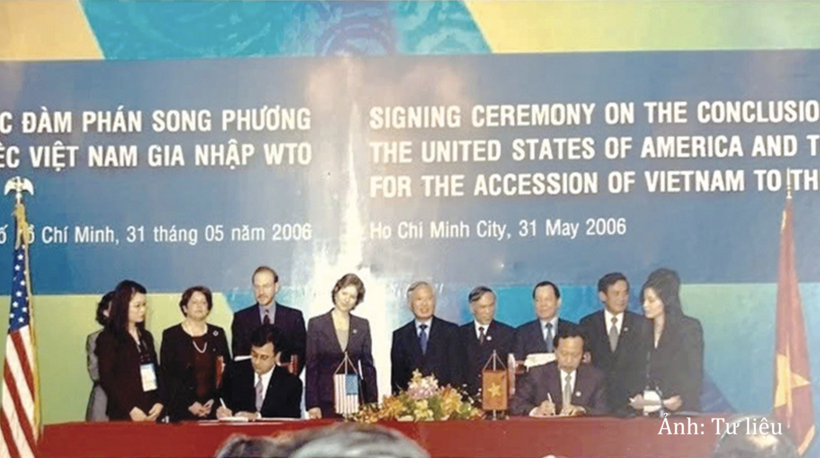
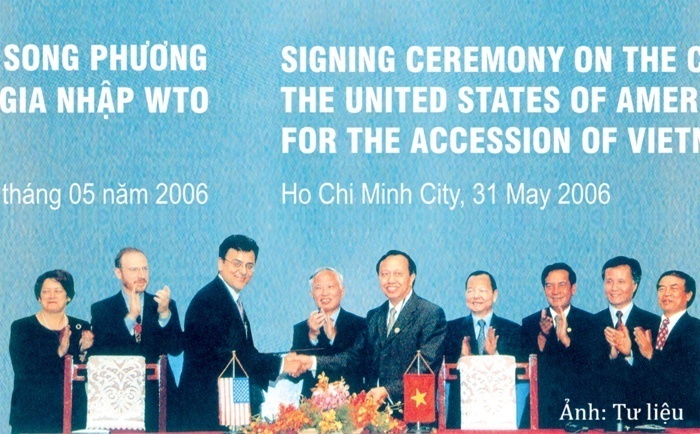
In 2000, Viet Nam and the US signed the Bilateral Trade Agreement (BTA). However, because of the 1974 Jackson-Vanik Amendment, Viet Nam's normal trade relations status was still renewed only on a yearly basis. On May 31, 2006, the two countries signed a bilateral agreement on Viet Nam's accession to the WTO. The US Congress then had to vote twice before granting Viet Nam permanent normal trade relations (PNTR) in December 2006, ending the application of the Jackson-Vanik Amendment. Only then were the world's capital and trade markets fully opened to Viet Nam. That was the toughest part, with many near-collapses and negotiations that ran through the night. Without the perseverance of my colleagues, we could not have held on.
- Looking back over 20 years, what do you see as the greatest achievements the country has gained from this historic decision to integrate?
Luong Van Tu:First, the US removed the 1974 Jackson-Vanik Amendment and granted Viet Nam permanent normal trade relations. Viet Nam gained a global playing field.
Second, the legal system has been progressively improved and harmonised since WTO accession. To date, Viet Nam has amended more than 100 laws, shifting from a centrally planned economy to a socialist-oriented market economy. WTO accession drove vigorous reform of Viet Nam's legal system and economic institutions. The Party, the State and the Government made great efforts to revise and refine numerous regulations on investment, trade and import-export, creating favourable conditions for domestic businesses and attracting foreign investment. These reforms have enhanced transparency in economic management, improved the business environment and raised Viet Nam's standing in the international arena.
Karan Bhatia, US Deputy Trade Representative, and Luong Van Tu, Deputy Minister of Trade, sign the conclusion of bilateral negotiations with the US on Viet Nam's accession to the World Trade Organization (WTO) on May 31, 2006, in Ho Chi Minh City.
Third is a change in mindset. With WTO accession, businesses were compelled to compete on a level playing field, find their own markets and innovate in order to survive. Having once been passive, Vietnamese businesses now take a proactive approach to integration. Their goods are present in 237 countries and territories, including 36 export markets each worth over USD 1 billion (as of the end of October 2026, according to the National Statistics Office). The country now has nearly one million operating businesses, among them many flagship enterprises that lead small and medium-sized enterprises in reaching out to the world.
Fourth, Viet Nam's international standing has risen markedly, as reflected in very concrete figures. Before WTO accession, Viet Nam's export turnover stood at about USD 32.4 billion in 2005 and USD 39.6 billion in 2006; in the first 10 months of 2026, it reached nearly USD 500 billion.
Total import-export turnover was below USD 100 billion in 2007. By 2025, the figure had exceeded USD 930 billion, and in the first 10 months of 2026 alone it reached USD 1,010 billion, an increase of around 15-fold. Per capita GDP has risen about sevenfold, from around USD 730 in 2006 to more than USD 5,000 in 2025. The economy has climbed from 61st to 33rd in the world by size. Where FDI inflows once amounted to only a few billion US dollars a year, total cumulative registered capital has now surpassed USD 540 billion.
Fifth, the WTO laid the foundation for the entire subsequent integration process. Thanks to the WTO, we were able to expand our network of FTAs with major partners, from the CPTPP, EVFTA, RCEP and UKVFTA to the Comprehensive Economic Partnership Agreement (CEPA) with the UAE, Viet Nam's first FTA with an Arab country.
Most recently, on October 18, 2026, Viet Nam signed a free trade agreement with the European Free Trade Association (EFTA) after 14 years of negotiations. This is Viet Nam's 18th FTA, extending its FTA network to nearly 70 countries and territories. All these agreements are built on the WTO foundation. Under its WTO commitments, Viet Nam's average import tariff is 13.4%; under the FTAs, tariffs continue to fall sharply, mostly towards 0-5%. On that same foundation, Viet Nam has steadily built a network of comprehensive strategic partnerships. To date, Viet Nam has 16 comprehensive strategic partners, the most recent being Denmark (October 2026).
On May 31, 2006, in Ho Chi Minh City, Luong Van Tu, Deputy Minister of Trade, signs the WTO accession agreement with Karan Bhatia, US Deputy Trade Representative.
Resolution 07 of the Political Bureau on international economic integration, a document we helped to draft at the time, addressed only the economic sphere. Twenty years later, integration has expanded into security, defence, science and technology, culture and education. Most gratifying of all is that, despite such deep and broad integration, we have maintained political and social stability. This shows that we have followed the right path charted by President Ho Chi Minh. As early as December 1946, in his Appeal to the United Nations, President Ho Chi Minh affirmed (Ho Chi Minh Complete Works, Vol. 4, p. 523): "With regard to democratic countries, Viet Nam is ready to pursue an open-door policy and cooperation in all fields."
Integration must go hand in hand with stronger management capacity
- The documents of the 14th National Party Congress identify external affairs and international integration as a crucial and regular task. How do you see the next stage of Viet Nam's integration?
Luong Van Tu: Looking around the world, the countries that open up while managing their domestic affairs well are the ones that remain stable and continue to develop. Viet Nam has risen into the group of upper-middle-income countries by steadfastly pursuing the path of openness and integration under the Party's sound guidelines.
The original goals of integration were threefold: to open markets for goods and services; to attract capital and technology; and to learn management skills at both the corporate and state levels. That is why, throughout the integration process, we sent many officials abroad for short-term training courses.
The context today is different. The world is undergoing upheaval on many fronts, science and technology are advancing at great speed, and trade protectionism is on the rise. To become a developed, high-income country, we must continue to integrate while managing domestic affairs well and stepping up the development of Vietnamese businesses.
What concerns me is that the share of exports by domestic businesses remains low, at only about 20%. Even so, compared with the past, Vietnamese businesses have matured considerably. Many have confidently stepped onto the global stage, investing abroad and in steel, food processing and agricultural processing to add value.
In the period ahead, integration must be stepped up further, hand in hand with stronger management capacity. Rapid growth must go together with quality and efficiency, while macroeconomic stability is maintained and inflation kept firmly under control. This requires strong capacity in macroeconomic management and risk governance for the economy. For businesses, market expansion must go hand in hand with risk management. Investment flows always follow efficiency, and incentives will gradually be scaled back. Businesses must therefore enhance their competitiveness, specifically in three areas.
First, products must be competitively priced, of higher quality and backed by a stable supply in order to maintain credibility in the market.
Second, they must invest in technology, not only electronics technology but also processing technology to raise the added value of agriculture, a sector that plays a vital role in the economy.
Third, and most important, is investment in people: people who are skilled in management, proficient in foreign languages, patriotic and responsible for the country's future. In the end, people are the decisive factor.
- What message would you like to send to the generation of officials who are directly negotiating new-generation FTAs and working on international economic integration today?
Luong Van Tu: The first thing a negotiator needs is mettle, above all political mettle. Amid global upheavals, negotiators must stand firm in order to hold their ground at the negotiating table.
Second, they must understand their counterparts thoroughly. As our ancestors taught: "Know your enemy and know yourself, and you will win a hundred battles."
Third, they must persevere towards their goals. Back then, our counterparts set very high demands while our position was still weak; without perseverance, we could never have reached the finish line. Today, the economy is far more robust and Viet Nam's standing has changed considerably, which is a great advantage for the next generation.
Fourth, negotiation today is about mutual benefit. Everything must be weighed up: what each side opens, what it gains and how the benefits are shared.
Finally, a holistic vision is essential. Negotiation is not merely about the interests of individual sectors or products; it must balance the overall interests of the entire economy. In this, businesses need to be closely engaged in the integration process, working with the State to seize opportunities and joining hands for the country's common development.
- Thank you very much!
Twenty years on, during a meeting with Prime Minister Le Minh Hung in New Delhi, India, on September 12, 2026, Ngozi Okonjo-Iweala, Director-General of the WTO, described Viet Nam as a prime example of the success of the WTO and the rules-based multilateral trading system. Also in November 2026, Viet Nam is entering its third Trade Policy Review at the WTO.
On the 20th anniversary of Viet Nam's accession to the WTO, the former head of the Government's negotiating delegation recalls unforgettable memories, reflects on the achievements and shares what today's negotiators must hold fast to.
On November 7, the plenary session of the Viet Nam Logistics Forum 2026, themed "Connecting highland logistics, reaching out to global supply chains," officially opened in Gia Lai province.
Ministry of Industry and Trade (MoIT) and the People’s Committee of Phu Tho province have organised the handover and reception of the College of Industry and Food Technology, opening a new phase of development for the institution.
The contest aims to raise consumers’ awareness, knowledge and self-protection skills, encouraging young people to create communication products on digital platforms.
Deputy Minister of Industry and Trade has outlined the results of the E10 biofuel rollout after more than five months, highlighting stable supply, steady retail prices and continued market inspections and supervision.
The 37th APEC Ministerial Meeting (AMM 37) was held online on November 3, 2026, within the framework of the Asia-Pacific Economic Cooperation (APEC) forum.
The 2026 - 2030 program seeks to enhance the competitiveness of Vietnamese goods, strengthen distribution networks and build lasting consumer confidence.
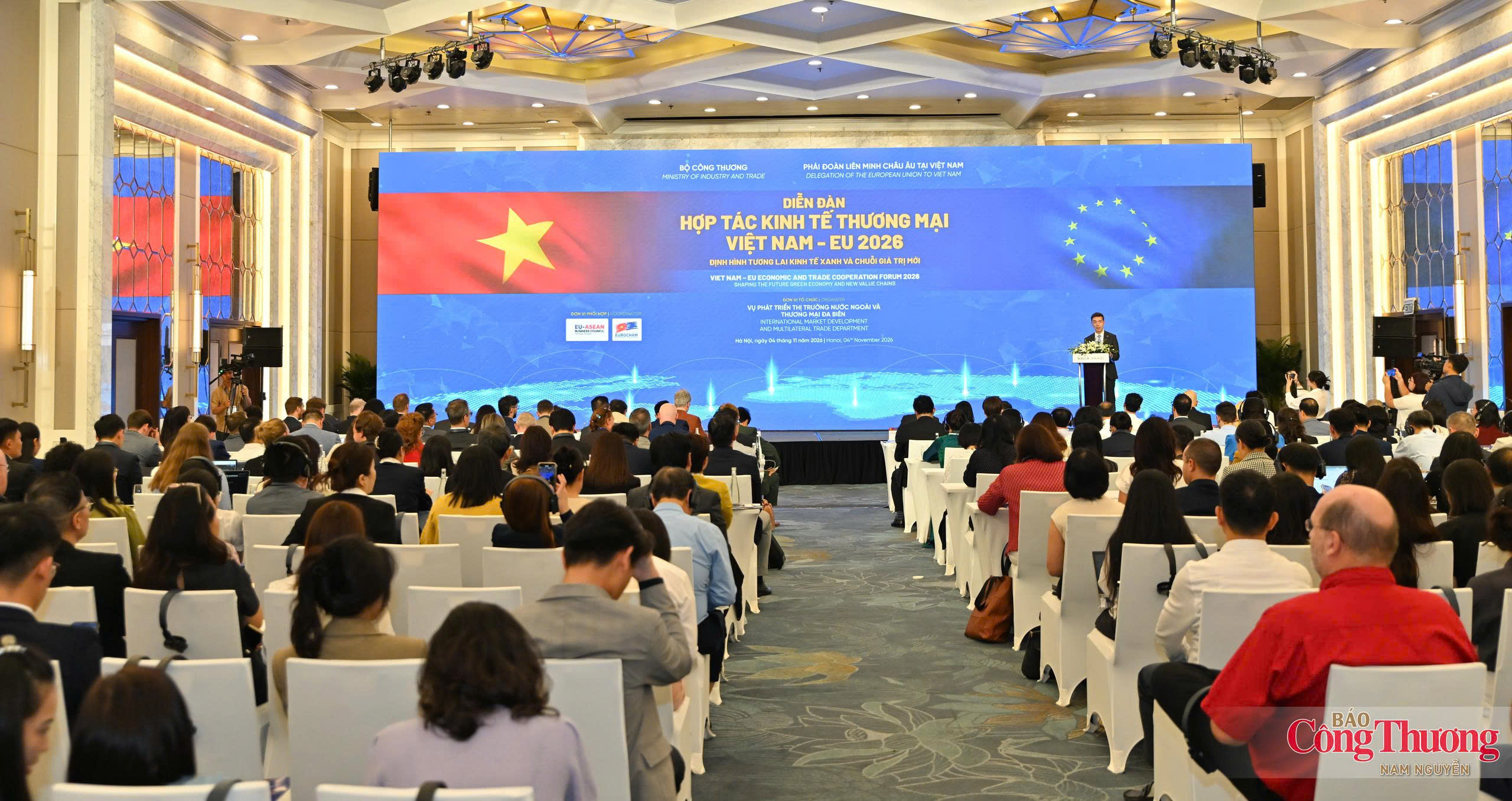
The forum promotes Viet Nam - E.U. economic, trade and investment ties, focusing on green growth, supply chain development and higher-value trade cooperation.