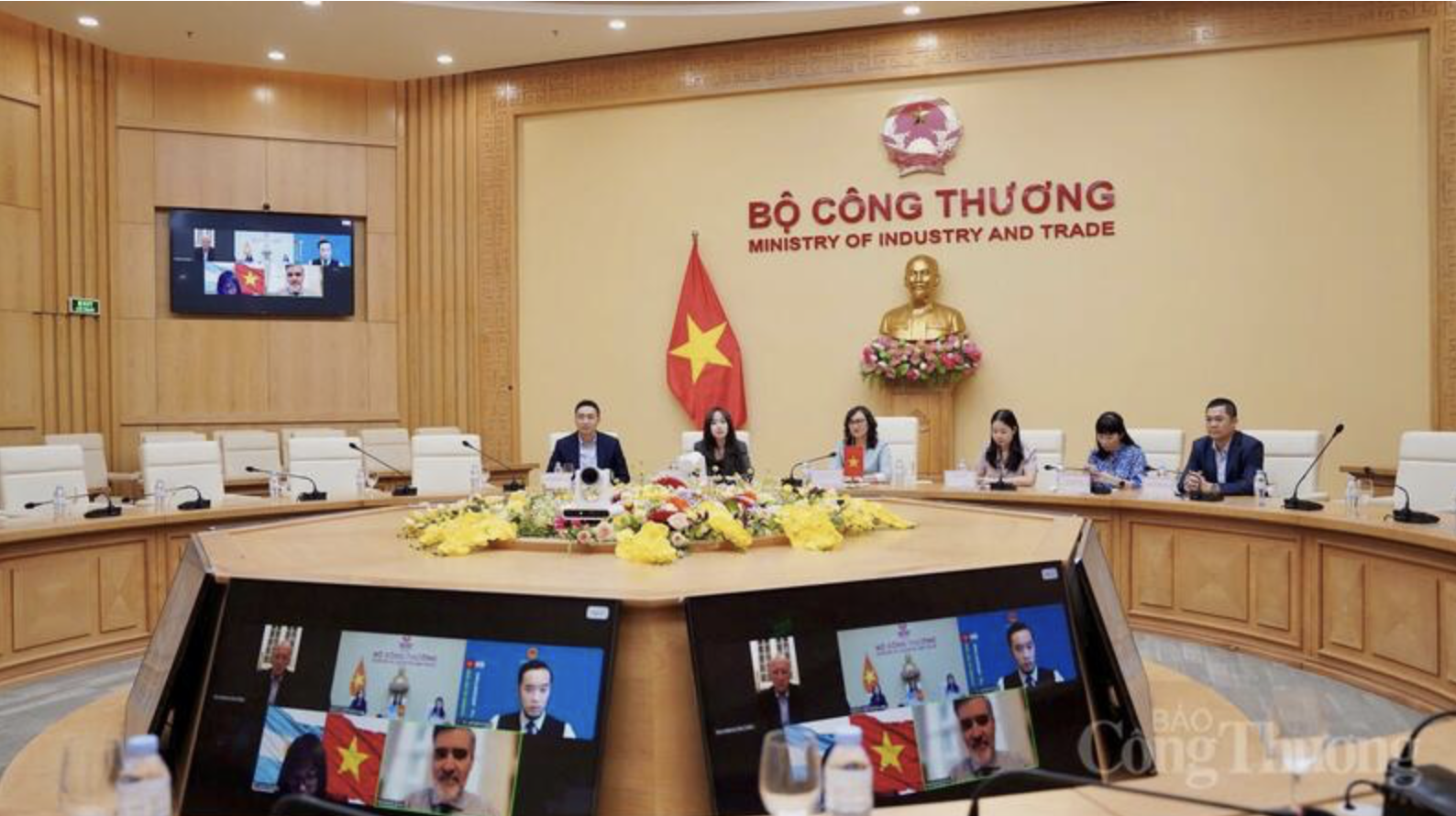
The Prime Minister reaffirmed the double-digit growth target, urging ministries, sectors and localities to act decisively to drive economic momentum in 2026.
Socio-economic picture in Q1 shows bright spots alongside challenges
On the morning of April 4, under the chairmanship of Prime Minister Pham Minh Chinh, the Government convened its regular meeting for March 2026 in conjunction with a nationwide teleconference with localities to assess socio-economic performance in the first quarter and set out tasks and solutions for the second quarter and beyond.
According to reports and opinions presented at the meeting, the socio-economic landscape in the first quarter of 2026 recorded many positive highlights: macroeconomic stability was largely maintained, major balances were ensured, production and business activities recovered, while consumption and exports continued to improve. Many localities achieved high growth rates, and several sectors and fields saw clear progress.
Concluding the meeting, Prime Minister Pham Minh Chinh frankly pointed out existing shortcomings, limitations, and challenges. These included significant pressure on macroeconomic management; first-quarter growth, though positive, falling short of the planned scenario; shortcomings in the operation of the two-tier local government model in some areas; incomplete decentralisation and delegation of authority; and still cumbersome administrative procedures.
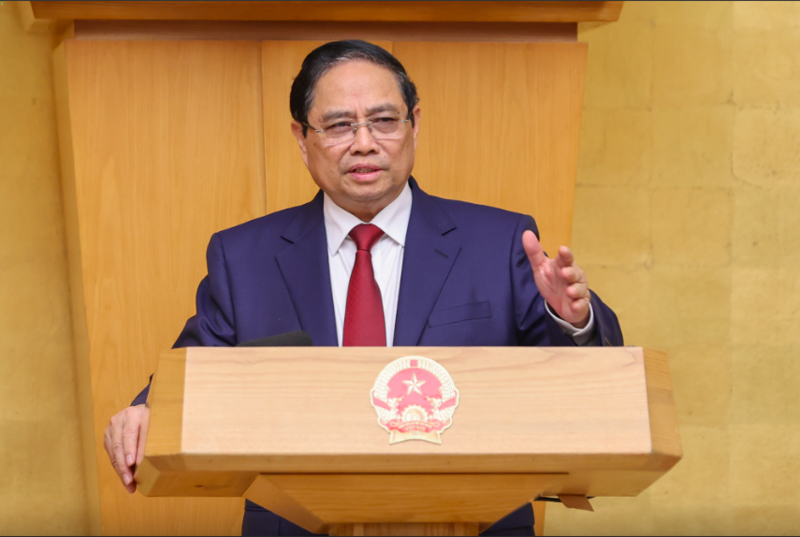
Prime Minister Pham Minh Chinh underscores the country’s firm commitment to achieving double-digit growth this year and in the years ahead. Photo: VGP
In addition, security and public order in certain areas, food safety issues, smuggling, and trade fraud continued to show complicated developments. A portion of officials and civil servants remained hesitant and risk-averse, affecting work progress and efficiency.
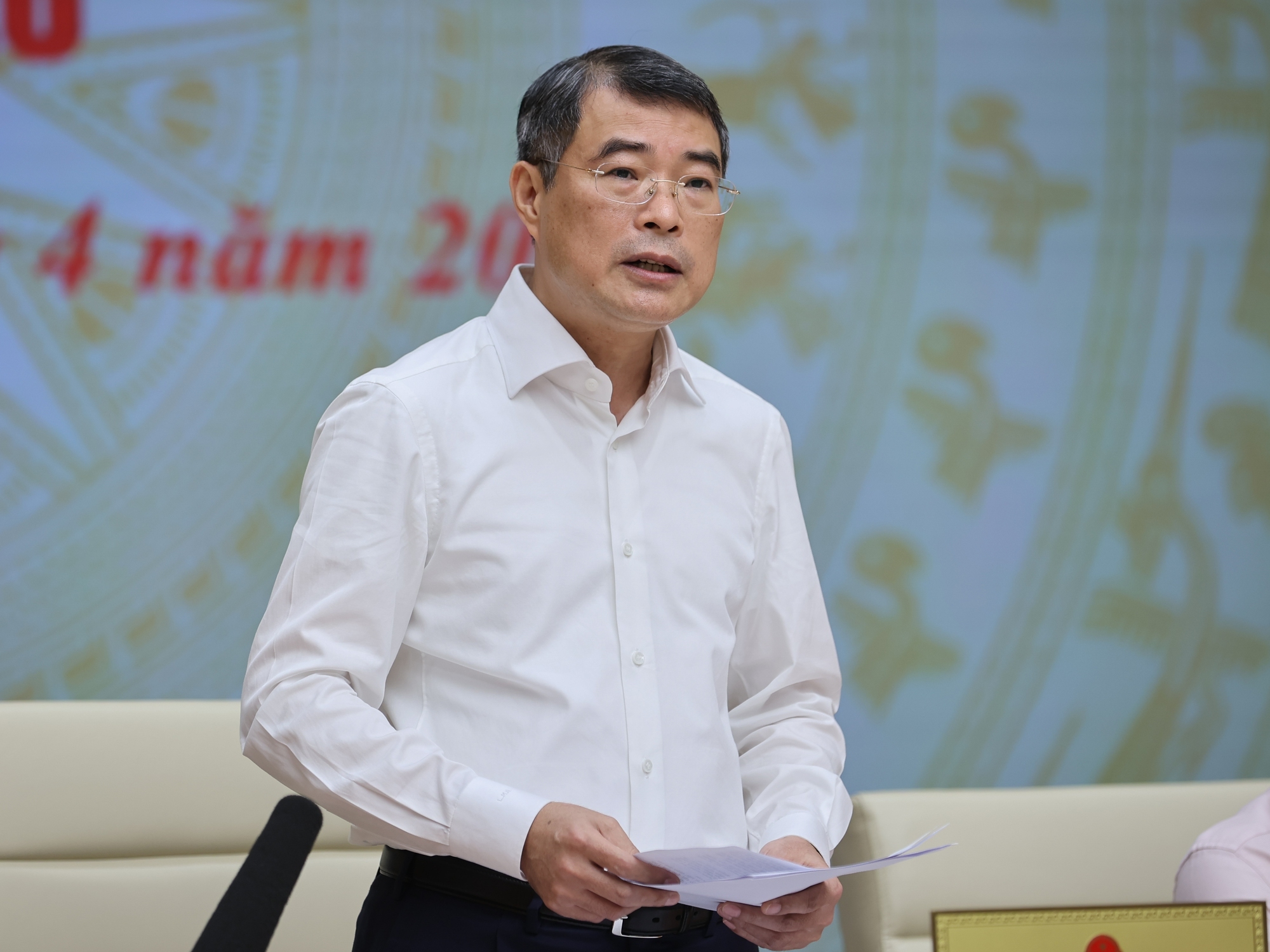
Analysing the causes, the Prime Minister largely agreed with the report of the Ministry of Finance and opinions expressed at the meeting. Objective factors stem from a rapidly evolving and unpredictable global context, while Vietnam’s economy remains highly open and in transition. Subjective causes include insufficient effort and sense of responsibility among some agencies and units, limited capacity of certain officials, and a lack of decisiveness in implementation in some places.
Drawing from practical governance and direction, the Prime Minister highlighted five key lessons: staying closely aligned with the leadership of the central authorities; proactively grasping developments and responding with flexible policies; maintaining strong determination and decisive action; enhancing coordination among all levels and sectors; and remaining close to the people, serving the people, and placing them at the centre.
Resolutely implementing key solutions, strengthening the role of the Ministry of Industry and Trade
Looking ahead, Prime Minister Pham Minh Chinh noted that the situation will continue to evolve rapidly, complexly, and unpredictably, but also presents opportunities to transform challenges into advantages and restructure the economy in a more sustainable direction. The overarching approach is to turn difficulties into opportunities, while enhancing competitiveness and resilience.
The Prime Minister reaffirmed the commitment to a double-digit growth target in tandem with maintaining macroeconomic stability, controlling inflation, and ensuring major economic balances. To achieve this, ministries, sectors, and localities must proactively identify growth drivers and formulate specific solutions in line with the “six clarities”: clear assignment of personnel, tasks, timelines, responsibilities, deliverables, and authority.
A key priority is to strongly promote public investment, striving to fully disburse 100% of allocated capital; urgently implement science and technology programmes, innovation, digital transformation, and green transition initiatives; and avoid situations where funds are available but not deployed.
Notably, the Prime Minister called for the decisive resolution of long-standing, stalled projects, particularly in energy, infrastructure, and real estate, in order to unlock resources for development.
At the meeting, the Prime Minister assigned specific tasks to each ministry and sector, with particular emphasis on the Ministry of Industry and Trade, given its central role in key growth drivers.
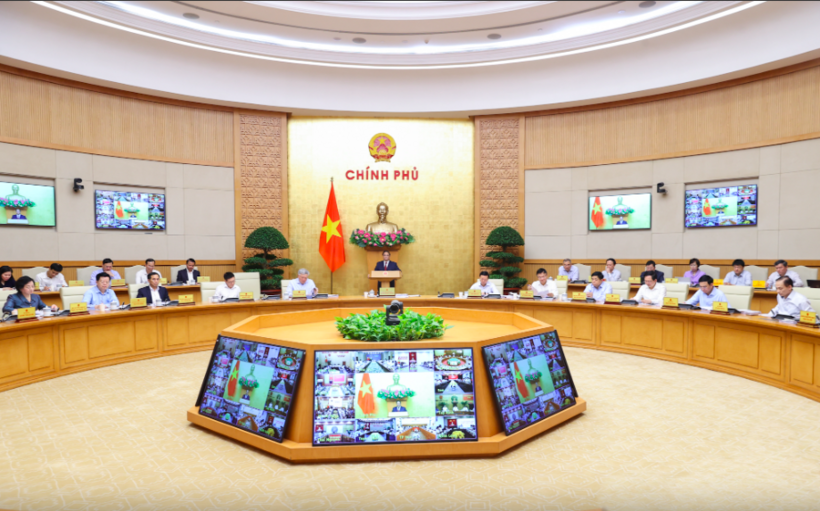
The Government’s regular meeting for March and the nationwide teleconference with localities on the socio-economic situation in the first quarter of 2026. Photo: VGP
Regarding the domestic market, the Ministry of Industry and Trade was tasked with boosting domestic consumption, promoting trade promotion and incentive programmes, and expanding the “Vietnamese goods to rural and remote areas” initiative, aiming for total retail sales of goods and service revenues to grow by 13-15% in 2026. At the same time, it must strengthen enforcement of regulations on product quality, traceability, and consumer protection.
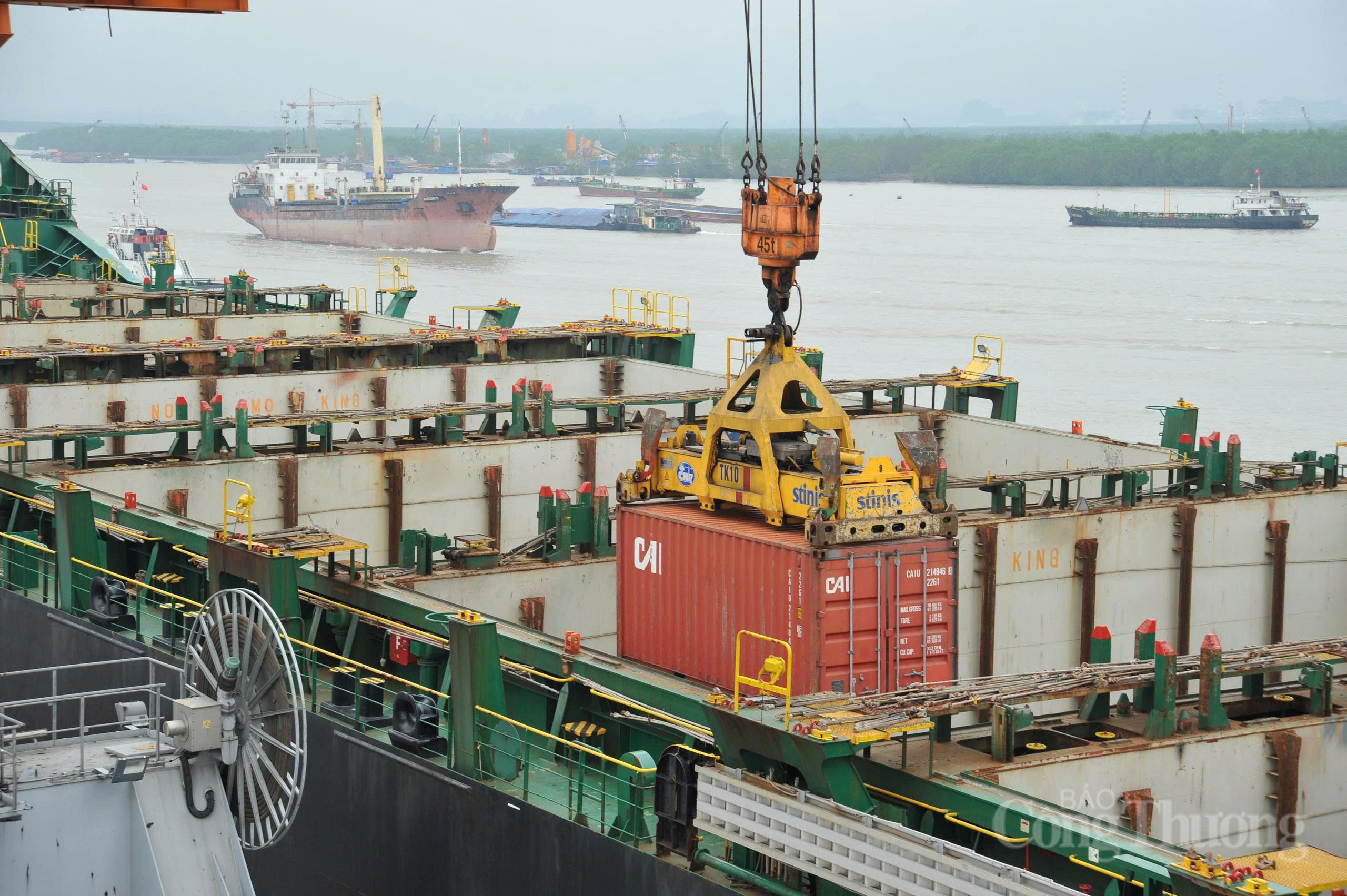
In terms of exports, the ministry is required to more effectively leverage the 17 signed free trade agreements (FTAs), diversify export markets, promote negotiations for new FTAs with potential regions such as the Middle East, Pakistan, and the Mercosur bloc, and proactively respond to trade barriers and tariff policies from major partners.
In market management, the Ministry of Industry and Trade will coordinate with other ministries and agencies to enhance price control, combat smuggling, trade fraud, counterfeit and substandard goods, and protect domestic production as well as consumer interests.
Importantly, the Prime Minister stressed the need to ensure national energy security, a key responsibility of the sector. The ministry must coordinate efforts to secure stable supplies of petroleum, electricity, and gas; promote renewable energy development, including rooftop solar power; address outstanding energy projects; and implement major projects such as nuclear power.
At the same time, the Ministry of Industry and Trade is expected to take the lead in advancing green transformation in industrial production, promoting energy efficiency and emissions reduction, thereby contributing to Vietnam’s international commitments.
Concluding the meeting, Prime Minister Pham Minh Chinh emphasised the need for the entire system to act more decisively, synchronously, and effectively, with strong determination to fulfil the socio-economic development targets set for 2026 and the years ahead.
On April 24, Prime Minister Le Minh Hung chaired a nationwide conference on accelerating the allocation and disbursement of public investment capital in 2026.
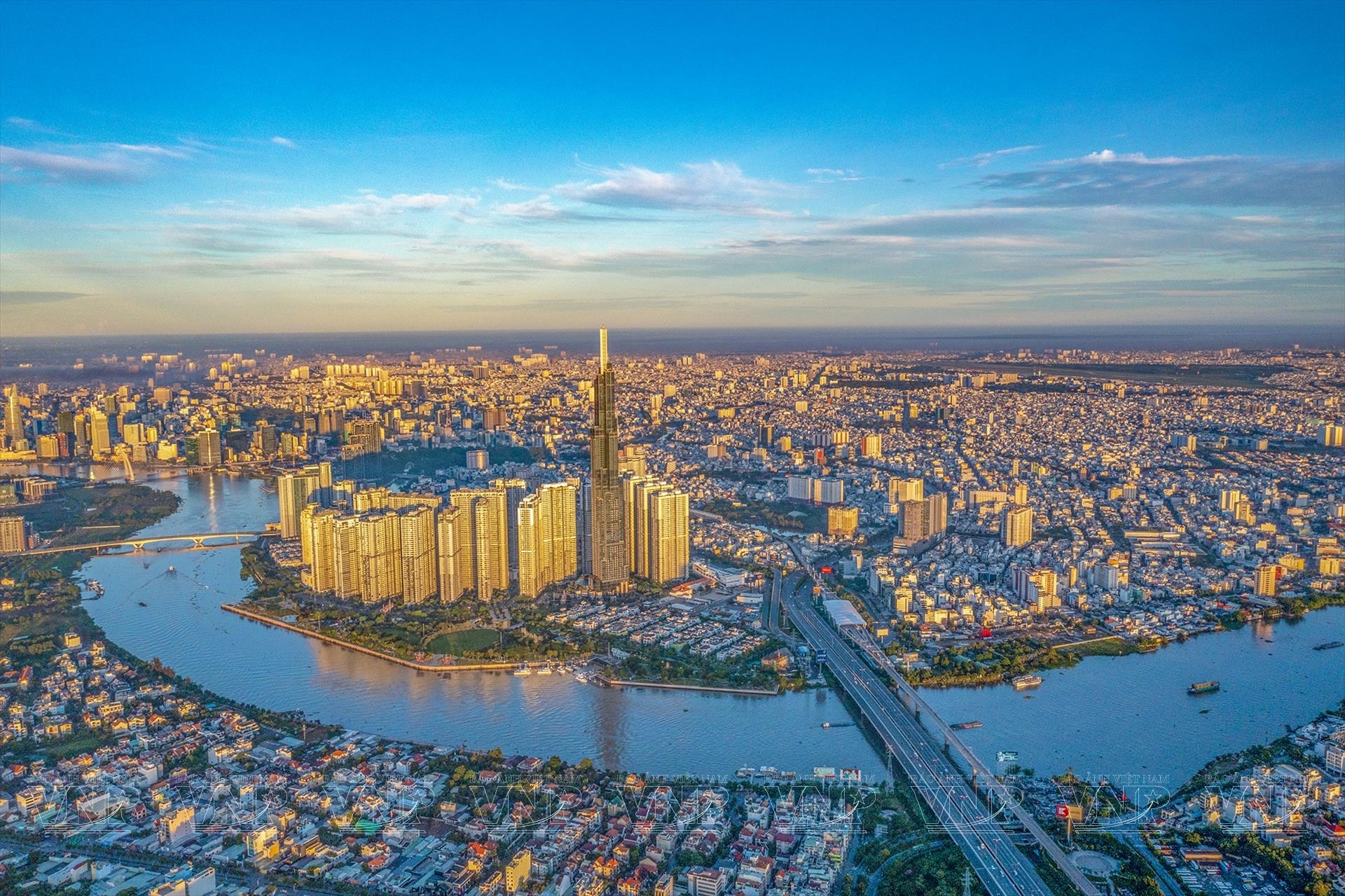
International media highlight Vietnam’s strong growth, rising FDI, market upgrades and tourism appeal, reinforcing its growing role and global standing today.
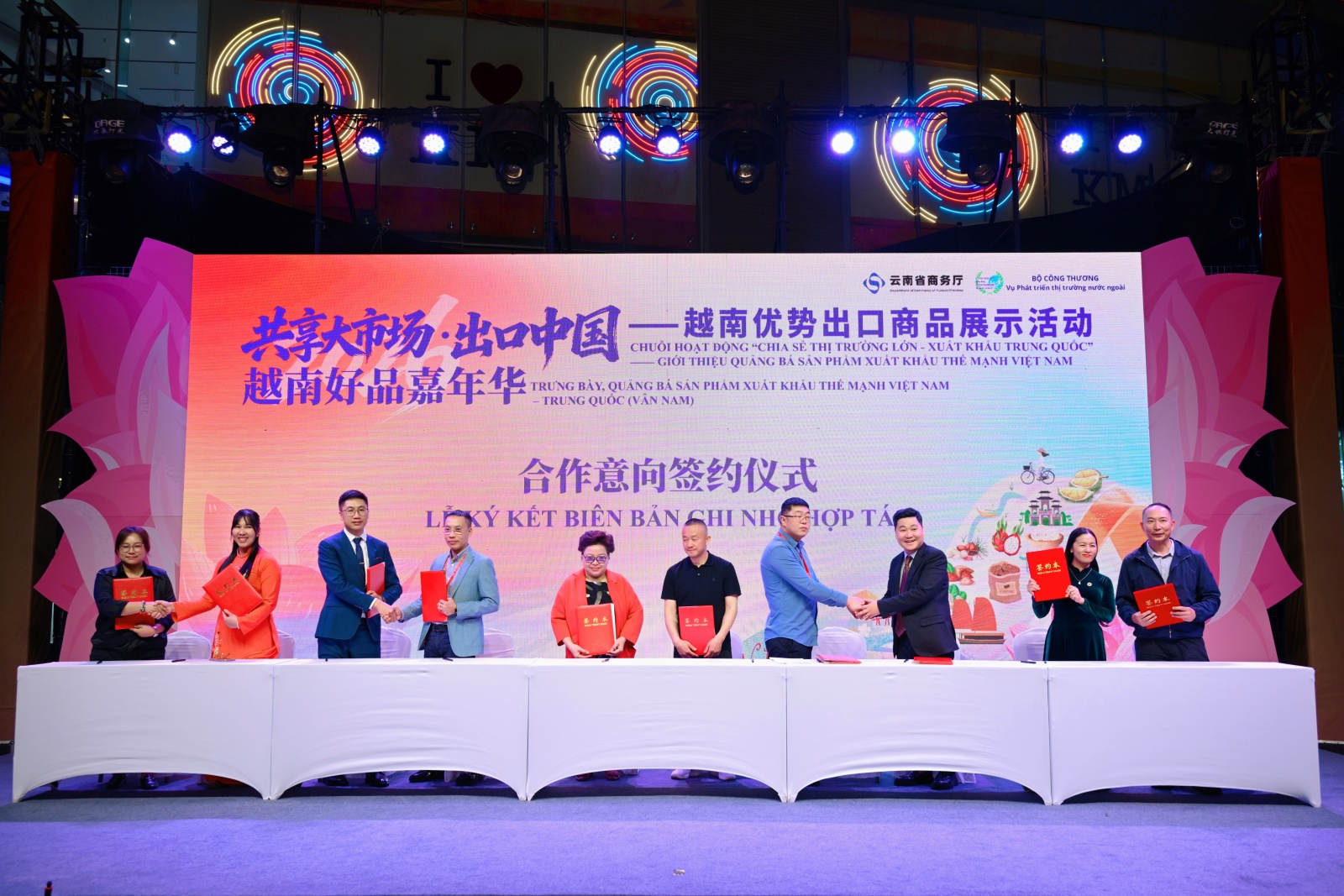
The Ministry of Industry and Trade (MoIT) held trade promotion activities in Yunnan and Shandong, boosting business links, exports, and investment cooperation between Vietnam and China.
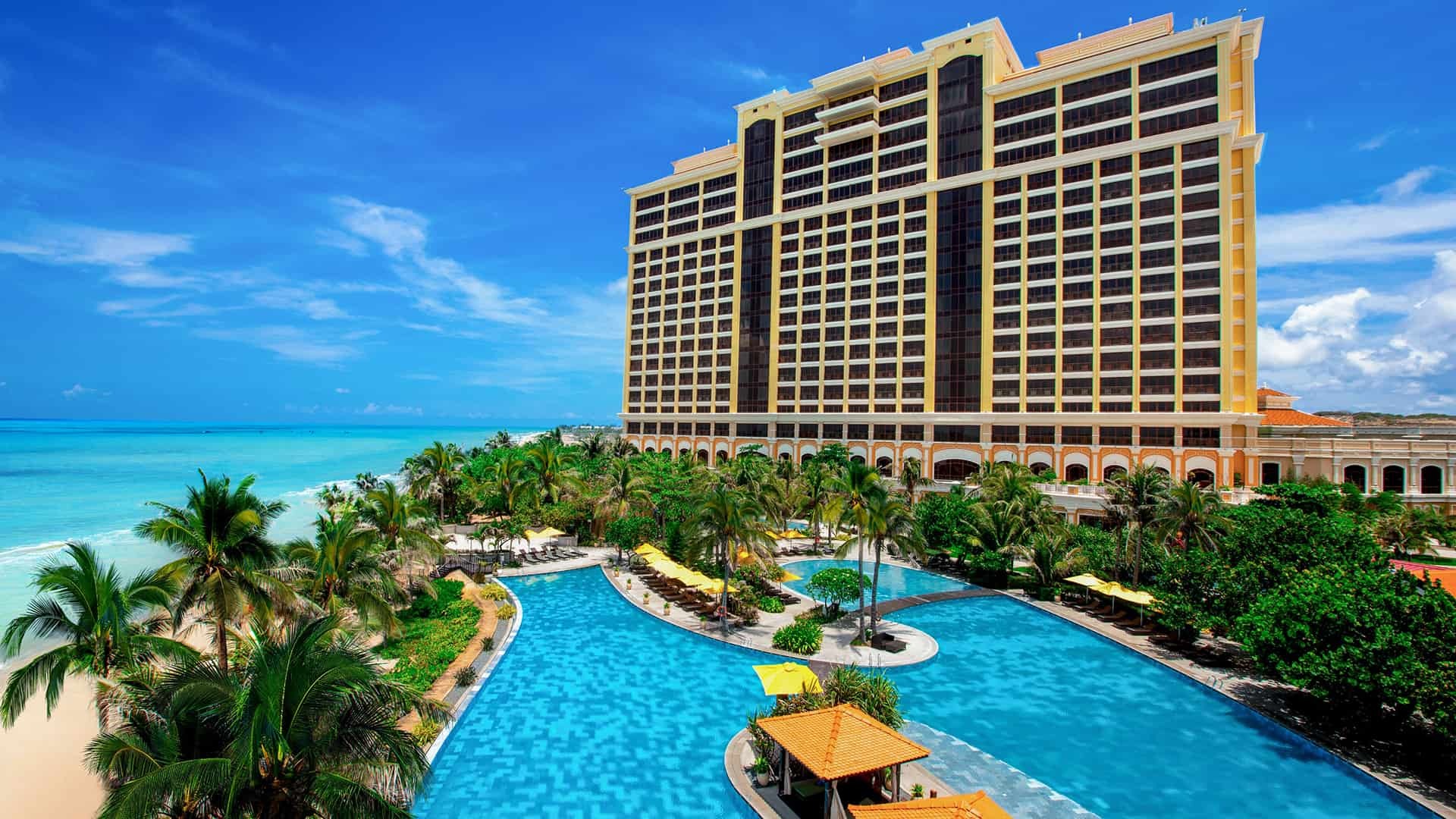
A prestigious international award and a two-million-guest milestone mark a strategic evolution, highlighting the success of the entertainment-led integrated resort model in the regional hospitality market.
On April 24, Prime Minister Le Minh Hung chaired a nationwide conference on accelerating the allocation and disbursement of public investment capital in 2026.
A prestigious international award and a two-million-guest milestone mark a strategic evolution, highlighting the success of the entertainment-led integrated resort model in the regional hospitality market.
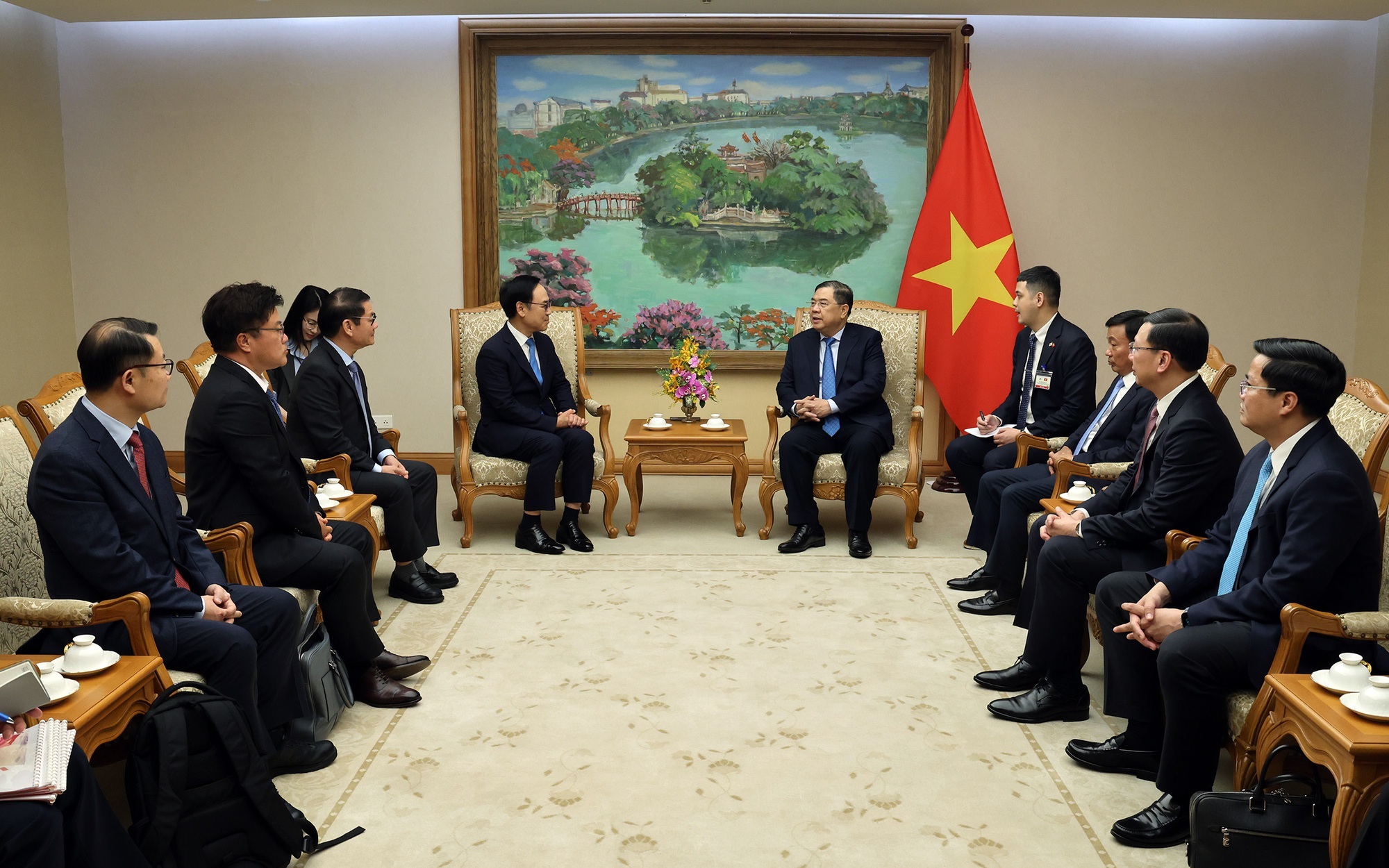
Permanent Deputy Prime Minister Pham Gia Tuc urged Hyundai Rotem to expand cooperation, technology transfer, and participation in Vietnam’s railway projects.
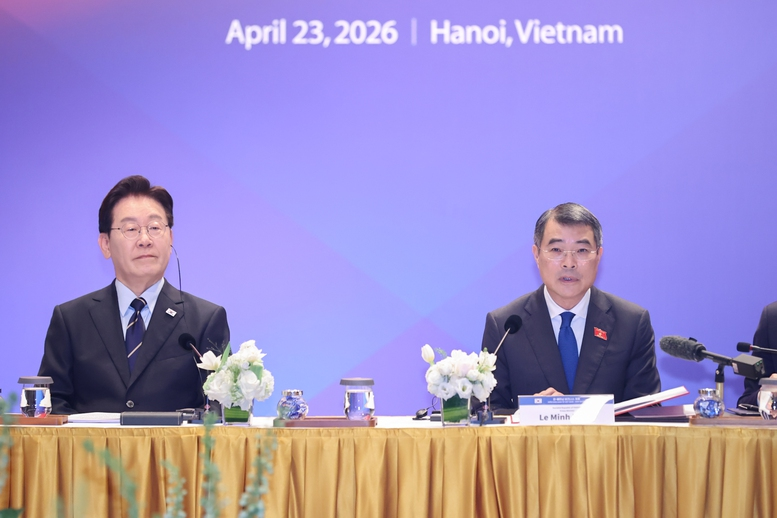
Prime Minister Le Minh Hung and President Lee Jae Myung led a Vietnam - the Republic of Korea (RoK) business roundtable in Hanoi, calling for deeper high tech cooperation.