Prime Minister Le Minh Hung calls for tighter tax laws with clear criteria to prevent loopholes, while proposing higher tax thresholds to support households and SMEs.
Prime Minister Le Minh Hung said that amendments to tax laws will be guided by clear criteria and principles, ensuring strictness and preventing loopholes that could lead to losses in the state budget.
Turning stalled projects into drivers of development
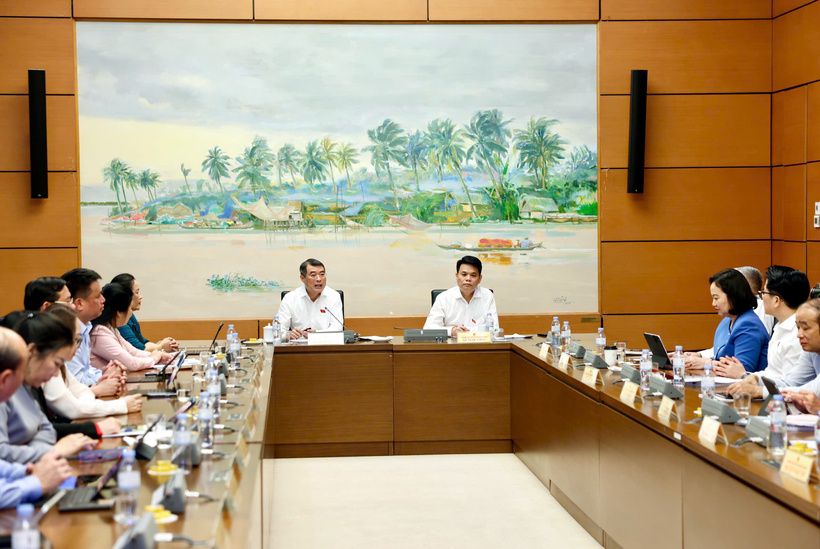
On the afternoon of April 21, continuing the agenda of the first session of the 16th National Assembly, deputies held group discussions on the draft law amending and supplementing a number of articles of the Law on Personal Income Tax, the Law on Value-Added Tax, the Law on Corporate Income Tax, and the Law on Special Consumption Tax.
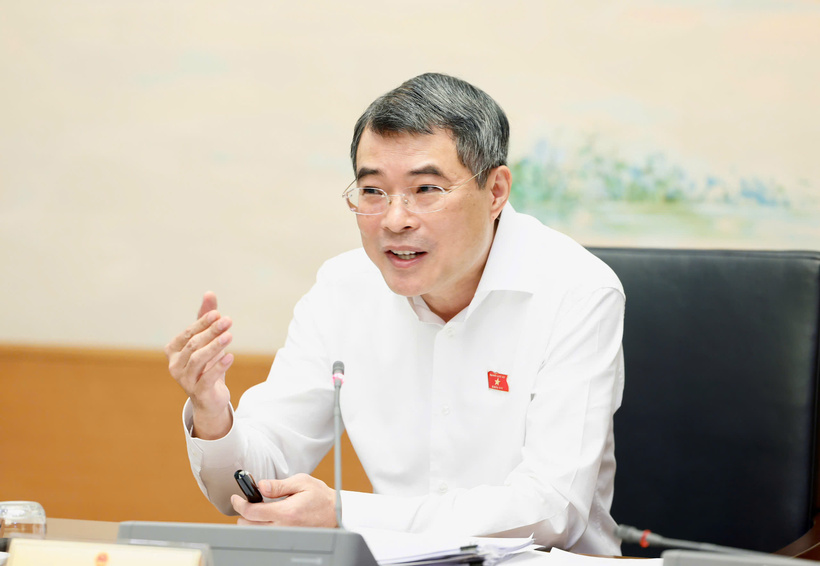
Addressing the group discussion, Prime Minister Le Minh Hung highly appreciates the coordination between the National Assembly and the Government.
At Group 11, comprising deputies from Hai Phong city and Quang Ngai province, the majority expressed strong support for revising these draft laws to create momentum for development.
Speaking at the session, Prime Minister Le Minh Hung highly appreciated the constructive and well-grounded opinions and proposals from National Assembly deputies. The Government will direct the Ministry of Finance, the lead agency, to absorb feedback and continue to report and clarify before submitting the draft laws to the National Assembly for further discussion and approval.
The PM also commended the close coordination between the National Assembly and the Government regarding the issues brought forward at the first session of the 16th National Assembly.
Typically, the first sessions of a new National Assembly term focus primarily on personnel matters. However, the 16th National Assembly has introduced reforms by shortening the duration while still ensuring the quality of personnel work, and at the same time adding many urgent socio-economic issues to the agenda.
“If there is no close coordination from the outset when difficulties arise, it will be very challenging for agencies to handle the large and complex workload, particularly in dealing with stalled and bottlenecked projects,” PM Le Minh Hung stressed. He cited that although Resolution 170 and related resolutions have been issued, implementation at the local level still faces obstacles. The Government and the National Assembly have urgently incorporated solutions into a draft resolution to remove these bottlenecks, as these projects represent a significant resource for growth.
“On April 9, we held a meeting of the Government’s Standing Committee; on April 10, the Party Committee of the Government submitted a report to the Politburo; and by April 13, the Politburo issued Conclusion No. 24. On that basis, the Government submitted proposals to the National Assembly to promptly supplement solutions into the draft resolution to address these obstacles,” the PM said. He expressed confidence that once approved, the resolution will provide a very specific and important legal basis for local leaders to implement measures, assign responsibility to heads of localities, and bring these substantial resources back into contributing to economic growth, state budget revenues, and job creation, while also strengthening public and business confidence in the domestic business environment. This will also serve as a legal foundation for local authorities to act decisively and take responsibility.
Raising the tax threshold to VND 1 billion for business households
On taxation, the PM noted that personal income tax, value-added tax, and special consumption tax are issues that have recently arisen. On December 10, 2025, the National Assembly passed the Law on Personal Income Tax (Law No. 109), and on December 11, 2025, it passed the Law on Value-Added Tax (Law No. 149). However, during implementation, many challenges have emerged, especially amid fluctuating fuel prices and regional instability, which directly affect production and business activities.
Prime Minister Le Minh Hung emphasizes that tax policies must be designed in a flexible manner, aligned with practical realities, and based on clear criteria and principles to ensure strictness and prevent loopholes that could lead to state budget losses.
According to the PM, small- and medium-sized enterprises, business households, and individual business operators are among those most affected and therefore require priority support and attention.
On that basis, the Government has directed the Ministry of Finance to urgently study and develop proposals for adjusting tax policies for submission to the National Assembly. At the same time, the Government has sought the National Assembly Chairman’s approval to allow research and, if conditions permit, submission during this session.
The PM said the orientation is to adjust policies by raising the taxable threshold. According to the Ministry of Finance, the proposed threshold for taxable revenue for households and individual businesses would be increased to around VND 1 billion per year. Accordingly, those with revenue below this level would not be subject to value-added tax and personal income tax.
At the same time, policy adjustments must ensure fairness between business households and enterprises, particularly small- and medium-sized enterprises. Policies should both address immediate difficulties and create a level playing field, while encouraging business households to transition into enterprises.
“We believe that if implemented promptly, these solutions will provide practical support for households, individual businesses, and SMEs, while still ensuring the policy orientation of encouraging business households and individuals to develop into enterprises,” the PM said.
He added that tax policies must be designed flexibly and in line with practical realities. When authorizing the Government to set specific tax rates, it will report fully to the National Assembly on criteria and principles to ensure strictness and prevent loopholes leading to budget losses.
In the current context, Vietnam is accelerating the modernization of its tax administration system and strengthening the application of science and technology in tax collection. Therefore, reform objectives will be concretized through clear and transparent regulations in Government decrees.
Third, regarding legislative discipline, the PM emphasized that one of the key requirements in lawmaking today is ensuring consistency. Accordingly, when submitting draft laws, ordinances, and resolutions, the Government must simultaneously prepare full draft guiding documents for implementation. This ensures that policies can be implemented immediately upon issuance without delays.
In reality, there are still cases where laws have taken effect but guiding documents have not been fully issued. The PM frankly acknowledged this as a shortcoming of the Government and ministries, and affirmed that it will be addressed through improvements in the working regulations of the new-term Government, with clear provisions on responsibilities and timelines for lawmaking.
At the same time, the progress of drafting and finalizing legal documents will be made public on the Government’s web portal for ministers and heads of sectors to monitor and expedite.
The PM said the Government is actively working with ministries and agencies to accelerate the completion of the legal system to meet practical requirements. He also called on National Assembly deputies to support the Government’s policies and solutions to promptly remove difficulties and create resources for households and individual businesses to maintain production and reinvest for the next stage of development.
Prime Minister Le Minh Hung reiterated that tax policy adjustments must ensure fairness between business households and enterprises, particularly SMEs, while both addressing immediate challenges and fostering a competitive and equitable business environment, and encouraging the transition of business households into enterprises.
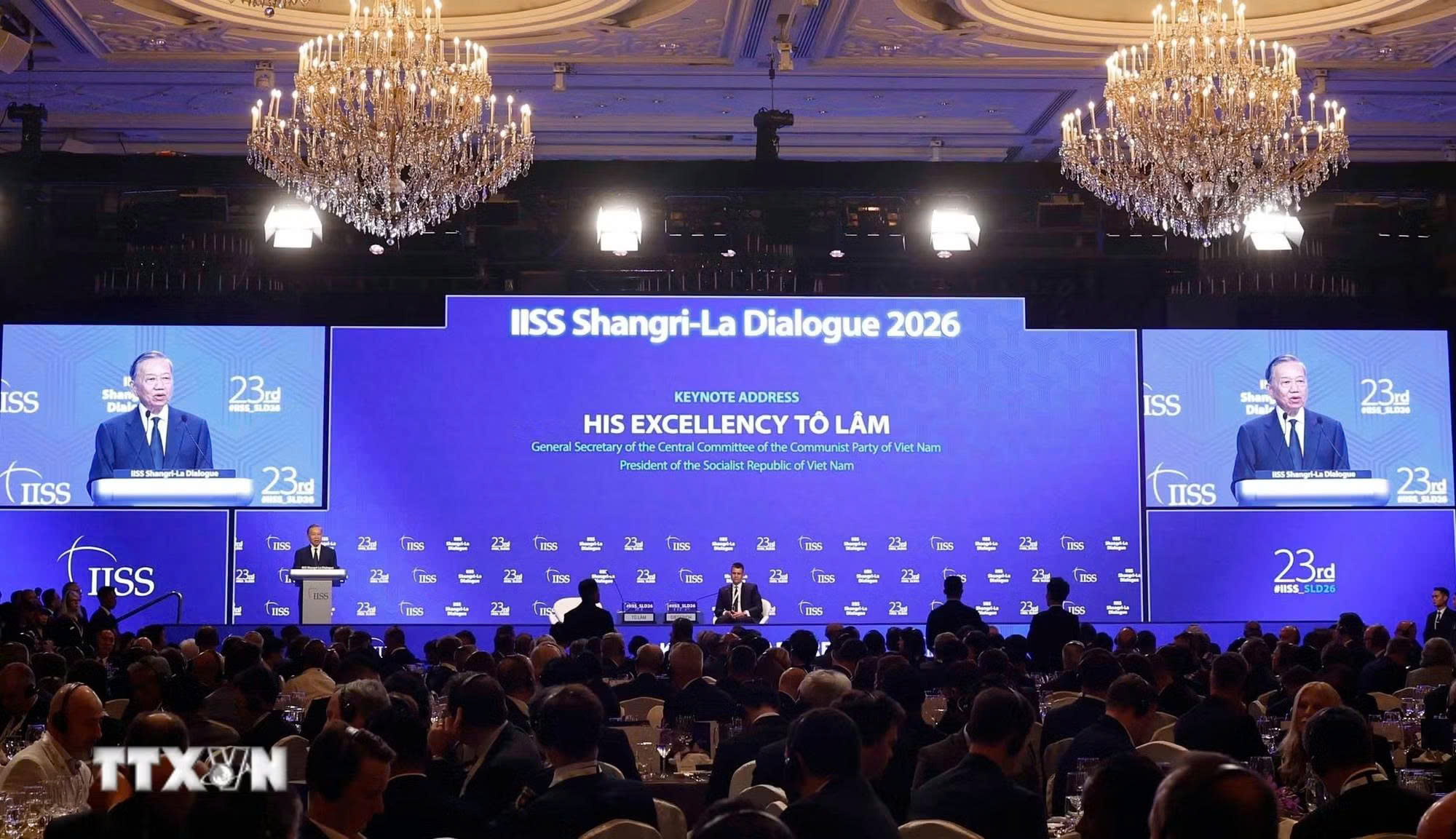
Vietnam therefore stands ready to work with countries both within and beyond the region to reinforce rules, nurture trust, promote dialogue, enhance cooperation, mitigate risks, and together shape an Asia-Pacific that is safer, more resilient and more prosperous.
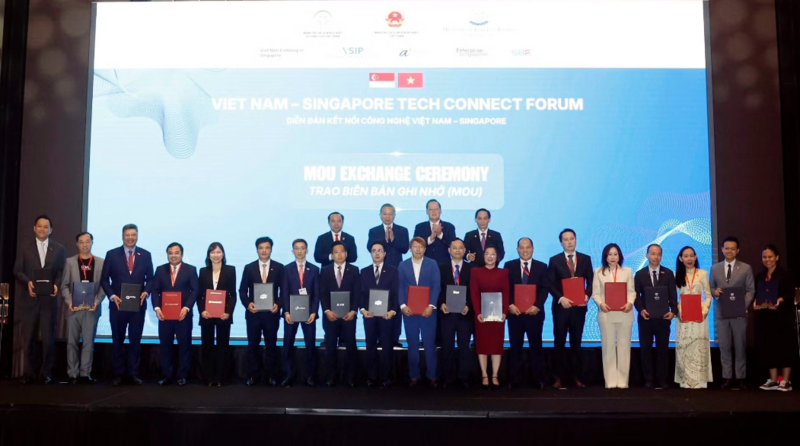
Party General Secretary, President To Lam attended a technology forum in Singapore, promoting innovation cooperation, strategic technologies and talent development.
SAIC Motor Vietnam Co., Ltd. (SMV), the official distributor of MG vehicles in Vietnam, has announced the appointment of Tang Donghui as its new General Manager, effective May 2026.
Vietnam therefore stands ready to work with countries both within and beyond the region to reinforce rules, nurture trust, promote dialogue, enhance cooperation, mitigate risks, and together shape an Asia-Pacific that is safer, more resilient and more prosperous.
Party General Secretary, President To Lam attended a technology forum in Singapore, promoting innovation cooperation, strategic technologies and talent development.
The National Competition Commission asked Shopee to clarify fee policies for sellers amid concerns over impacts on market competition and consumers nationwide today.