Prime Minister calls for stronger power conservation and rooftop solar expansion to ensure stable electricity supply and safeguard national energy security.
On March 30, 2026, Prime Minister Pham Minh Chinh signed Directive No. 10/CT-TTg on strengthening the implementation of electricity-saving measures and promoting rooftop solar power.
Electricity conservation as both an urgent and long-term solution
Amid strong electricity demand driven by economic growth, the Directive requires the comprehensive deployment of measures to save electricity and develop rooftop solar power, ensuring a safe, stable and continuous supply for production and daily life.
Ensuring a reliable electricity supply for production, business activities and citizens’ livelihoods is identified as a critical and urgent task with decisive importance for economic growth and national energy security. As 2026 marks the first year of implementing the 2026 - 2030 five-year socio-economic development plan with a targeted double-digit growth rate, the demand for electricity supply, particularly from baseload and domestic clean energy sources, is expected to be substantial.
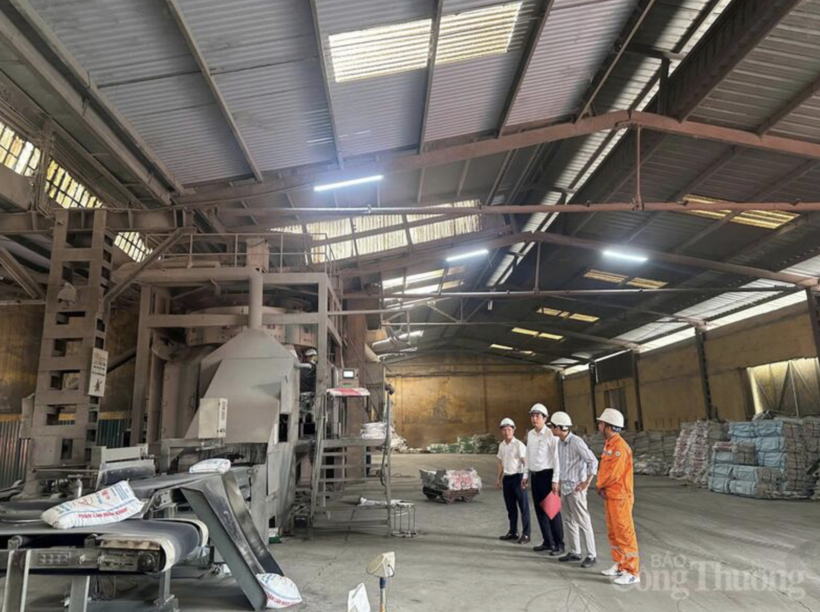
Ninh Binh Power Company provides consultation on safe and efficient electricity use at Ninh Binh Phosphate Joint Stock Company.
Meanwhile, global energy markets remain volatile and unpredictable, posing direct risks to national energy security. Without timely, coordinated and effective measures, imbalances between electricity supply and demand could arise, especially during the 2026 - 2028 period.
In this context, the Directive underscores the importance of synchronously implementing demand-side management and efficient electricity use nationwide. These measures will help reduce peak load, improve system efficiency, and ease investment pressure on new power sources. At the same time, promoting self-produced and self-consumed rooftop solar power, combined with appropriate energy storage systems, will provide on-site generation, enhance system flexibility, and contribute to energy security. These solutions must be implemented decisively from 2026, with clearly assigned responsibilities across ministries, sectors, localities and enterprises.
Promoting rooftop solar to enhance energy autonomy
To proactively manage electricity demand in 2026, the Prime Minister instructs ministries, agencies, provincial and municipal authorities, state-owned groups and corporations, organizations and individuals to urgently and effectively implement key measures.
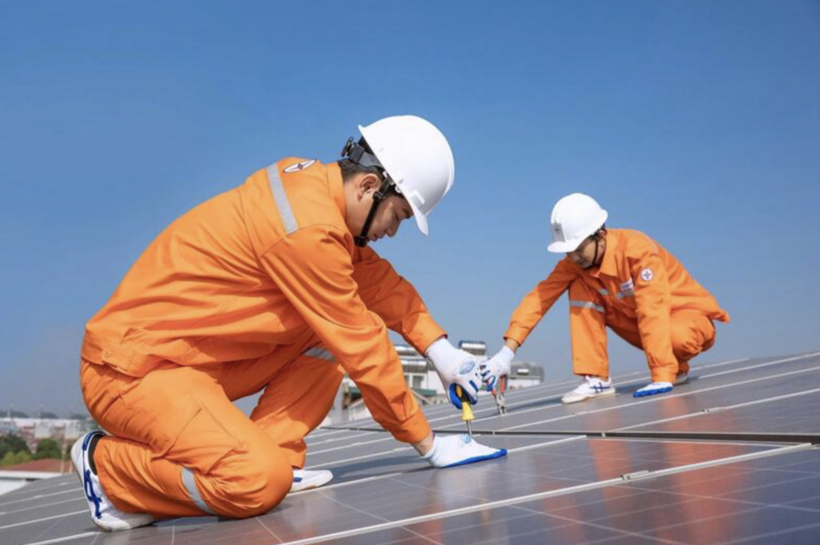
The Prime Minister calls for accelerating the installation of rooftop solar power systems. Photo: EVN
Targets include saving at least 3% of total national electricity consumption in 2026, and at least 10% during peak summer months (April to July). Demand-side management programs, including load shifting and demand response (DSM/DR), are to be deployed to reduce at least 3,000 MW of peak load capacity when supply-demand imbalances occur.
The Directive also calls for accelerating the development of self-produced and self-consumed rooftop solar systems, prioritizing installations at public offices, production and business facilities, service establishments and households. The installation of battery energy storage systems (BESS) is encouraged to reduce peak load and improve energy self-sufficiency.
Annually, around 10% of public offices and 10% of households nationwide are targeted to install rooftop solar systems, or alternatively, to achieve a total installed capacity equivalent to 20% of planned rooftop solar capacity under the 2026 - 2030 development plan of provinces and cities.
Localities are required to develop and implement rooftop solar plans suited to their conditions, while maximizing on-site and backup power sources from agencies, enterprises and production facilities when the system faces capacity shortages.
Vietnam Electricity (EVN) is tasked with reducing power losses across the system to below 6%.
Comprehensive measures across sectors
The Directive mandates ministries, agencies, localities, enterprises and households to develop and implement 2026 action plans on electricity conservation, demand management and rooftop solar development, with clearly defined targets, roadmaps and accountability mechanisms tied to performance evaluations.
At public offices, strict measures must be applied during peak hours, with quarterly electricity-saving targets established. Low-efficiency equipment must be replaced, and digital technologies applied to monitor and manage electricity consumption.
In public lighting and outdoor advertising, authorities must implement plans to reduce electricity use by at least 30%, adjust operating schedules, and cut or switch off lighting in low-demand areas and after 11 p.m., while ensuring traffic safety and public security. Commercial establishments such as restaurants, hotels, offices and residential complexes must reduce at least 50% of decorative and advertising lighting during peak evening hours.
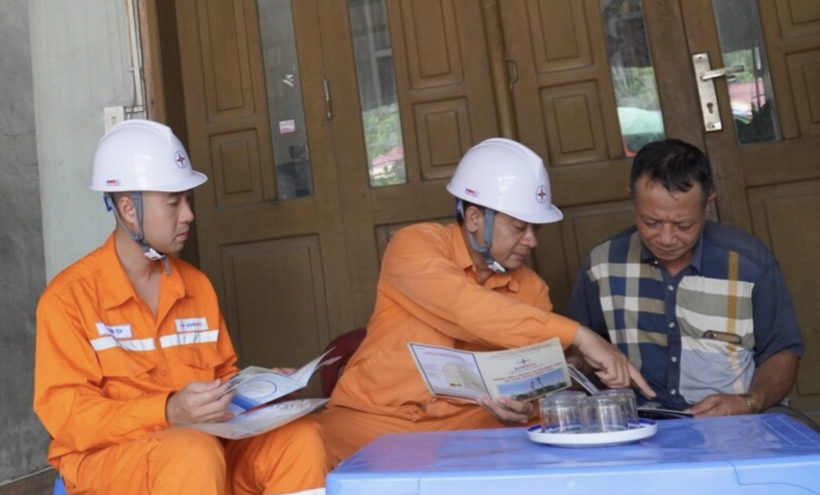
The Prime Minister calls for enhanced electricity conservation in households through the use of solar-powered electrical devices. Photo: Ngoc Lan
Households are encouraged to install rooftop solar systems combined with energy storage, solar water heaters, and other renewable energy solutions to reduce electricity costs and enhance energy independence.
Commercial and service businesses are required to participate in DSM/DR programs, utilize backup generators when requested, and prioritize on-site renewable energy solutions.
Manufacturing enterprises, particularly major energy users, must develop and implement annual electricity-saving plans, integrate energy efficiency targets into production strategies, and participate in load adjustment programs. Facilities consuming 500,000 kWh or more annually must reduce electricity use by at least 3% per unit of output or total consumption.
Clarifying responsibilities across ministries and agencies
The Ministry of Industry and Trade is assigned to lead implementation, monitor progress, and coordinate with the Ministry of Finance and the State Bank of Vietnam to develop policies supporting rooftop solar and energy storage systems, in line with technical and financial conditions.
It will also develop methodologies for measuring and verifying electricity savings, promote awareness campaigns, and strengthen inspections and enforcement of energy efficiency regulations.
The Ministry of Finance and the State Bank of Vietnam are tasked with designing financial mechanisms, including green and preferential credit schemes, to support rooftop solar and energy storage installations for households and public buildings, with proposals to be completed by April 2026.
The Ministry of Construction will review and issue standards requiring new buildings to be partially energy self-sufficient through rooftop solar and to be “solar-ready,” while ensuring safety and fire prevention standards.
The Ministry of Science and Technology will update national technical standards on energy efficiency, increase minimum efficiency thresholds by over 5%, and develop roadmaps for higher-efficiency equipment, including phasing out incandescent bulbs above 20W.
Provincial and municipal authorities are required to develop and implement local electricity-saving plans, promote public awareness, enforce compliance among major energy users, and support rooftop solar adoption. They are also tasked with simplifying administrative procedures and ensuring transparency in installation and connection processes.
EVN is responsible for implementing technical solutions, upgrading the grid, reducing losses, and supporting customers in adopting rooftop solar and energy storage systems.
The Ministry of Industry and Trade will coordinate with relevant agencies and localities to monitor implementation and report to the Prime Minister for timely policy adjustments.
All ministries, sectors, localities and state-owned enterprises must develop and implement energy-saving measures within their respective functions and responsibilities, and will be held accountable to the Prime Minister for their performance.
On April 24, Prime Minister Le Minh Hung chaired a nationwide conference on accelerating the allocation and disbursement of public investment capital in 2026.
International media highlight Vietnam’s strong growth, rising FDI, market upgrades and tourism appeal, reinforcing its growing role and global standing today.
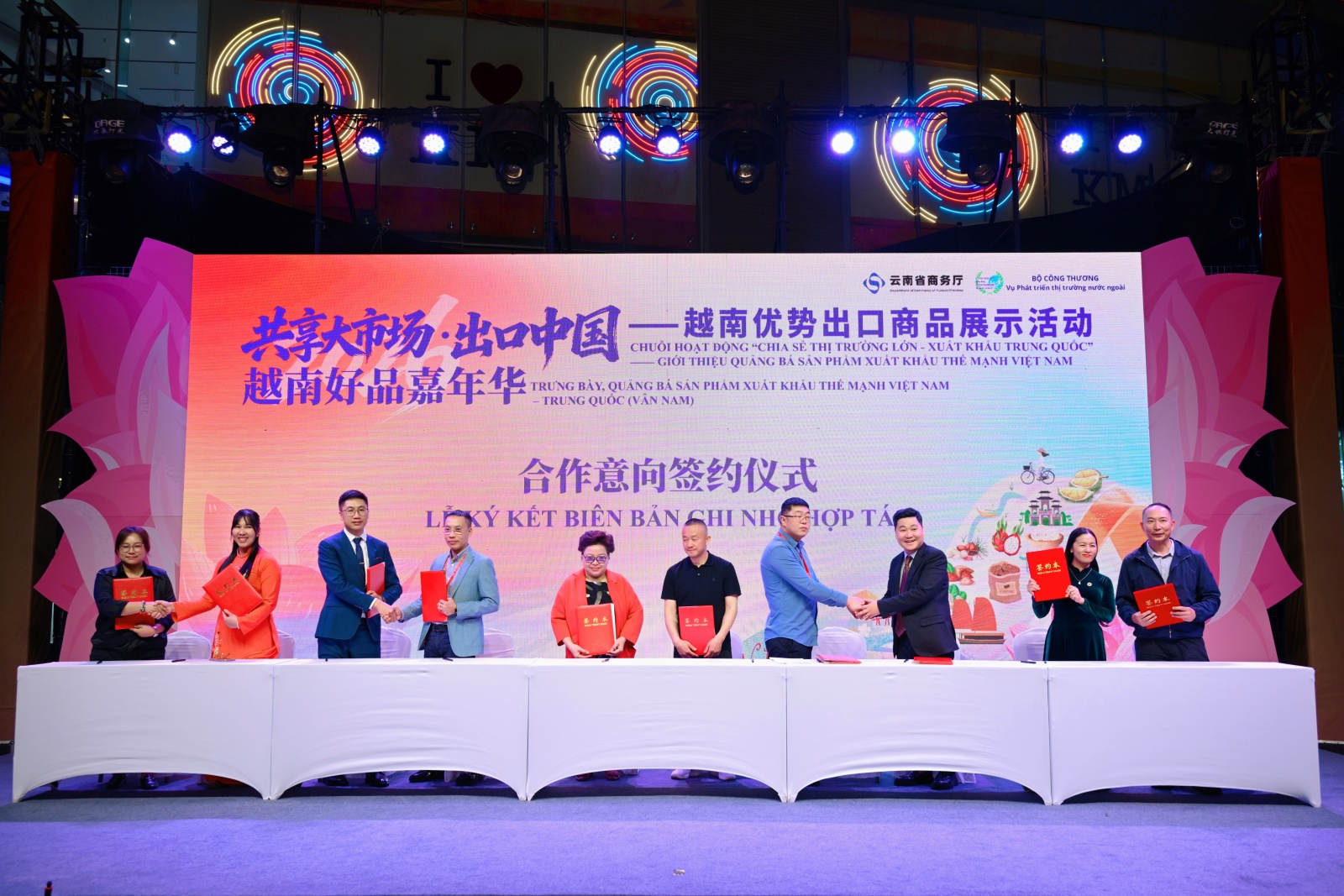
The Ministry of Industry and Trade (MoIT) held trade promotion activities in Yunnan and Shandong, boosting business links, exports, and investment cooperation between Vietnam and China.
A prestigious international award and a two-million-guest milestone mark a strategic evolution, highlighting the success of the entertainment-led integrated resort model in the regional hospitality market.
On April 24, Prime Minister Le Minh Hung chaired a nationwide conference on accelerating the allocation and disbursement of public investment capital in 2026.
A prestigious international award and a two-million-guest milestone mark a strategic evolution, highlighting the success of the entertainment-led integrated resort model in the regional hospitality market.
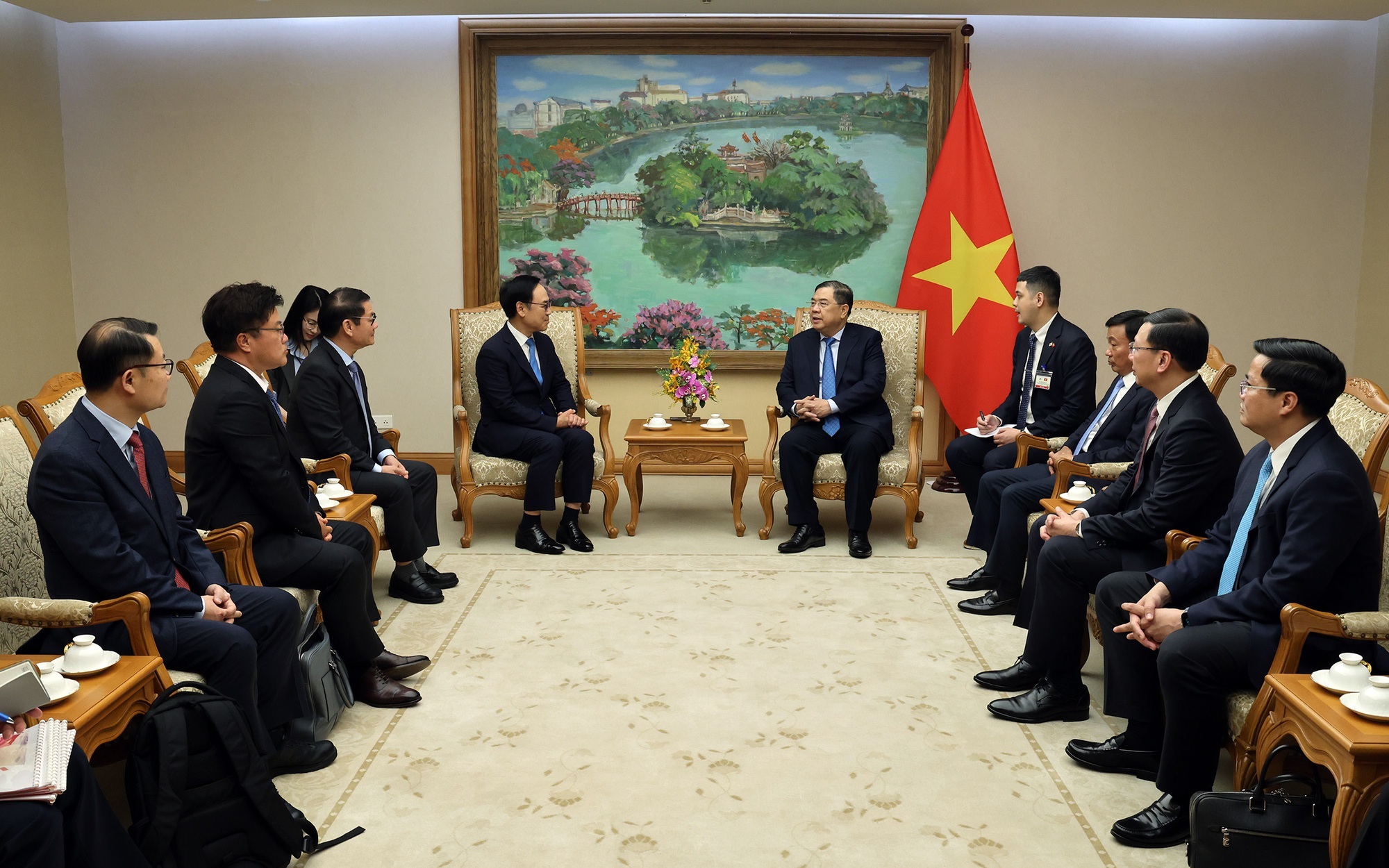
Permanent Deputy Prime Minister Pham Gia Tuc urged Hyundai Rotem to expand cooperation, technology transfer, and participation in Vietnam’s railway projects.
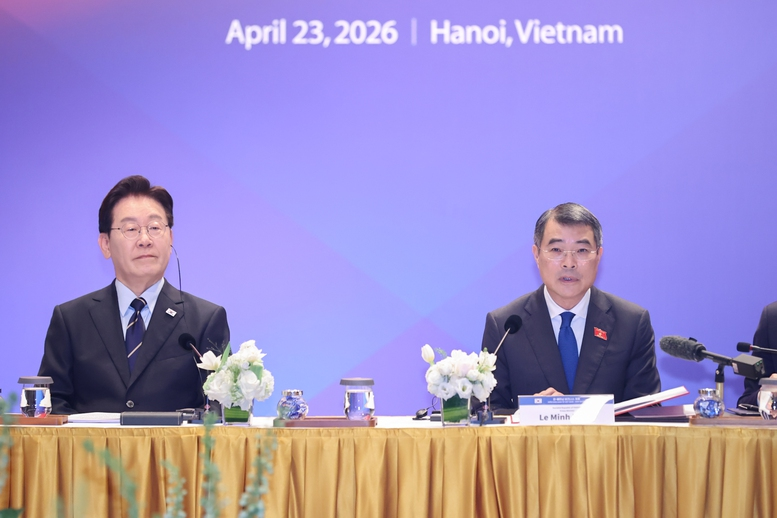
Prime Minister Le Minh Hung and President Lee Jae Myung led a Vietnam - the Republic of Korea (RoK) business roundtable in Hanoi, calling for deeper high tech cooperation.