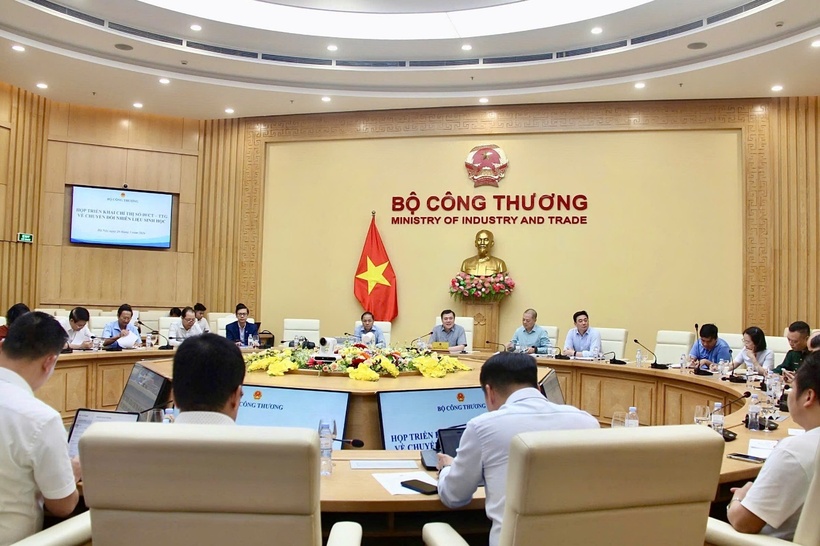
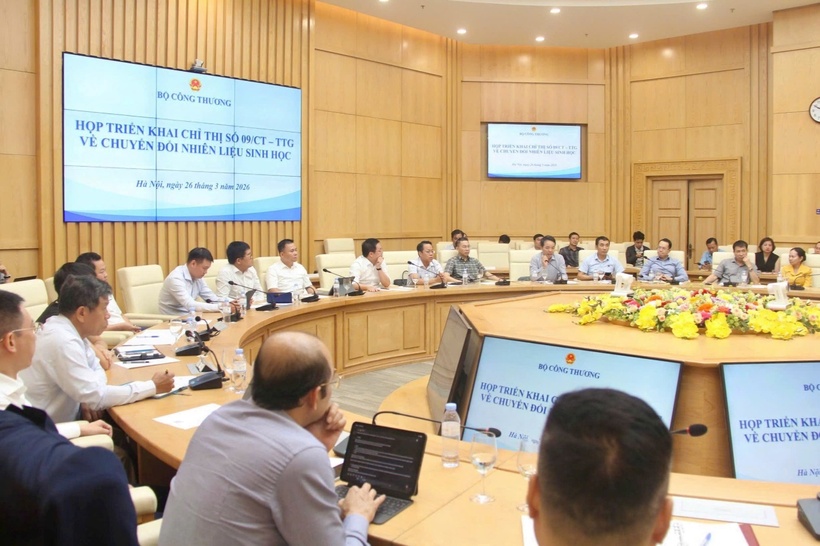
The Ministry of Industry and Trade held a conference on March 26 to review the potential acceleration of the roadmap for transitioning to E10 biofuel in April 2026.
On the morning of March 26, the Ministry of Industry and Trade (MoIT) convened a conference to implement the Prime Minister’s directive on the potential acceleration of the roadmap for adopting E10 biofuel in April 2026.
The conference was chaired by Deputy Minister of Industry and Trade Nguyen Sinh Nhat Tan, with the participation of representatives from the Ministry of Finance; the Ministry of Science and Technology; departments and agencies under the MoIT; the Vietnam Petroleum Association; the Vietnam Biofuels Association; fuel traders; and several ethanol plants nationwide.
Enterprises step up efforts to bring biofuel into daily use
At the conference, it was noted that the use of biofuels to partially replace fossil fuels is one of the key solutions to implement the consistent and long-term policy of the Party and the Government on building a green economy, promoting sustainable development, protecting the environment, and reducing dependence on increasingly depleted fossil fuels.
In accordance with decentralization regulations stipulated in Decree No. 146/2025/ND-CP dated November 7, 2025, the Minister of Industry and Trade issued Circular No. 50/2025/TT-BCT, which sets out the roadmap for blending biofuels with traditional fuels in Vietnam. Accordingly, from June 1, 2026, unleaded gasoline (under current national technical standards) must be blended into E10 biofuel for use in gasoline engines nationwide. The blending and use of E5RON92 gasoline will continue until December 31, 2030.
The conference implements the Prime Minister’s directive on the potential rollout of the roadmap for transitioning to E10 biofuel in April 2026.
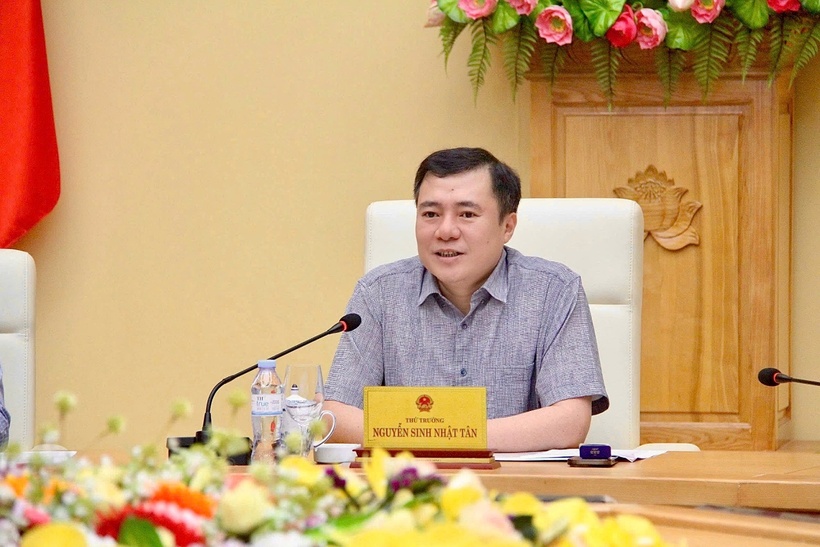
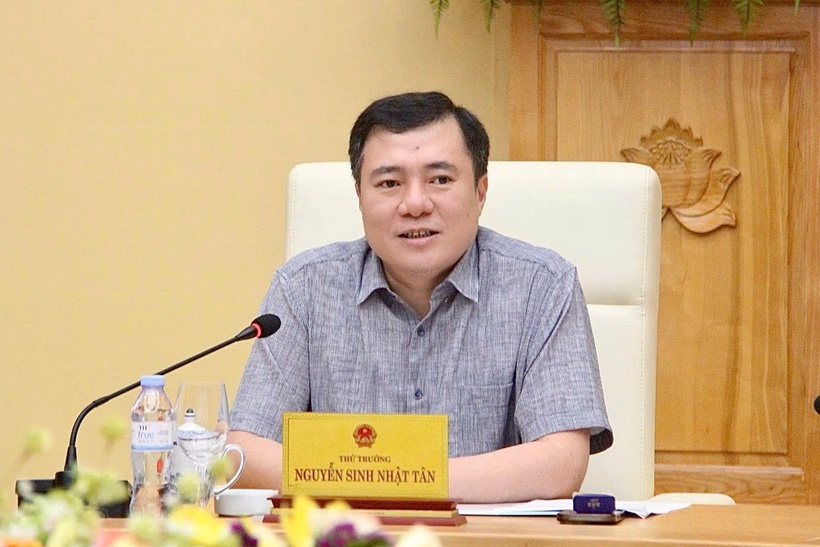
Addressing the conference, Deputy Minister Nguyen Sinh Nhat Tan stated that the meeting had a clear objective, to assess and decide whether the implementation of E10 biofuel could be brought forward to April. He requested all relevant units, based on their preparation and research, to report and clearly confirm their readiness for deployment within the month.
Deputy Minister Nguyen Sinh Nhat Tan delivers the opening remarks at the conference.
From the perspective of feedstock producers, Do Van Tuan, Chairman of the Vietnam Biofuels Association, said that the demand for ethanol to blend E10 gasoline is estimated at around 92,000 - 100,000 cubic meters per month. Currently, Vietnam has six ethanol plants, but only three are operational.
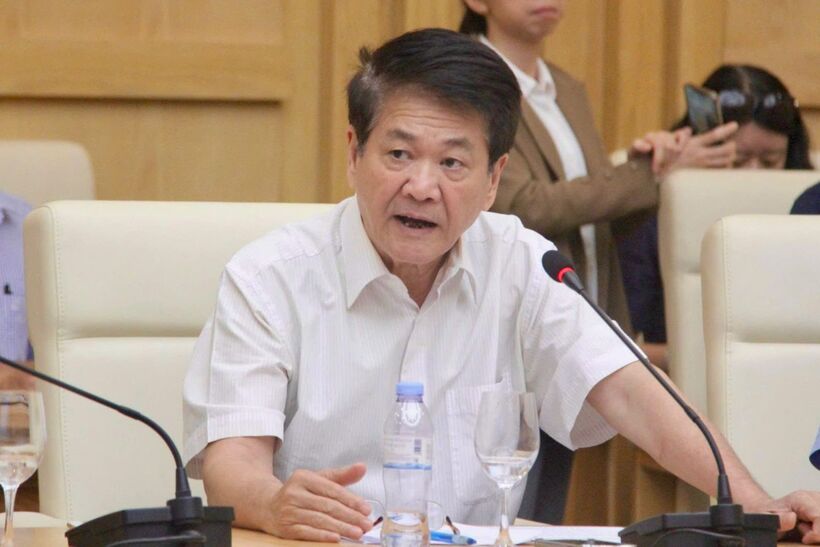
Chairman of the Vietnam Biofuels Association Do Van Tuan shares insights on the production capacity of blending feedstock.
The total theoretical capacity of all plants is approximately 41,000 cubic meters per month. However, actual output stands at only about 25,000 cubic meters per month, equivalent to 25 - 27% of demand. Even if all plants are fully mobilized, domestic supply would meet only about 41% of the total ethanol demand.
This significant shortfall poses a dual challenge, maximizing domestic production capacity while proactively securing imports to ensure timely E10 deployment.
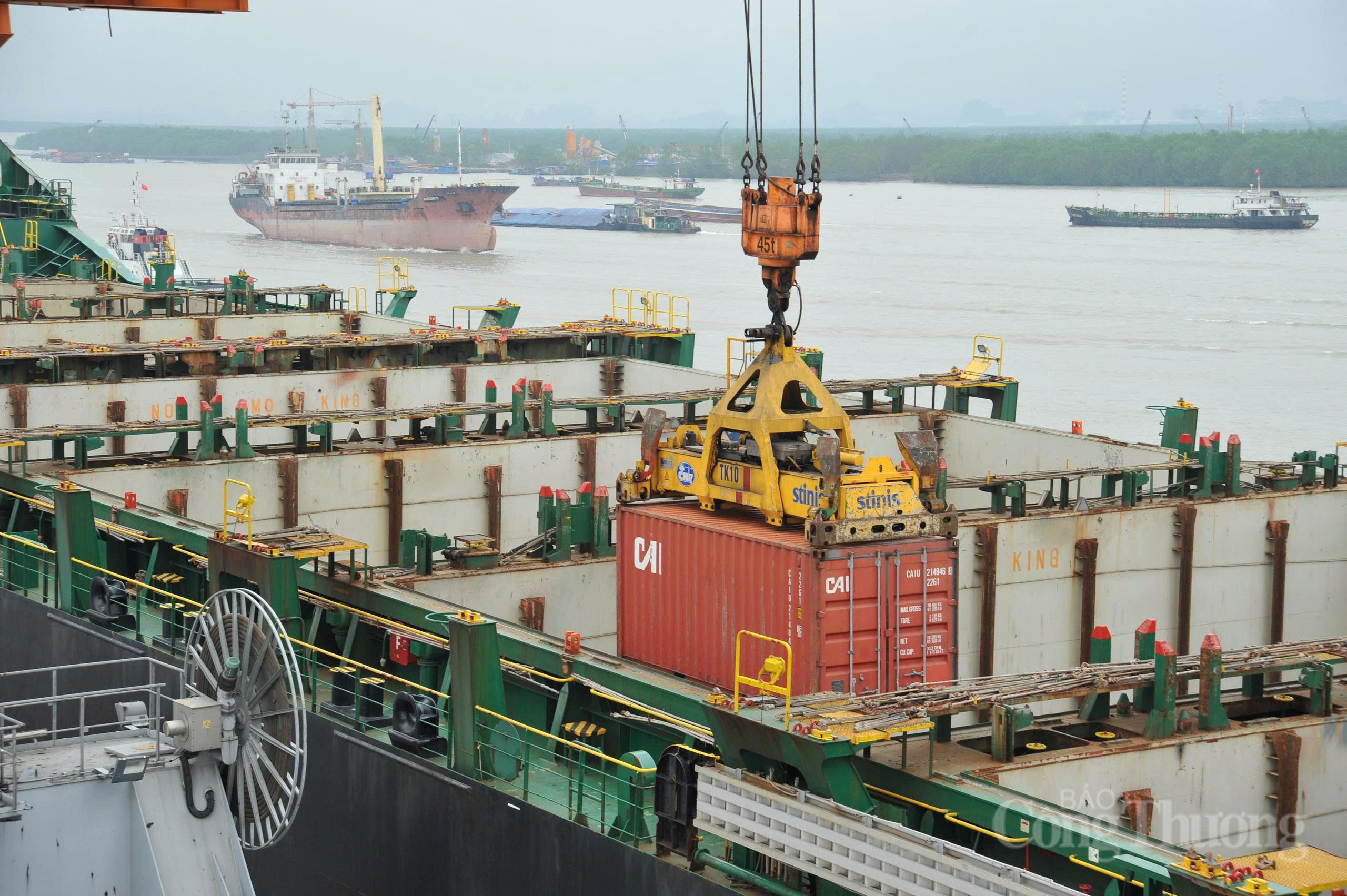
Notably, according to Do Van Tuan, ethanol imports are not a major obstacle. Global supply mainly comes from the US and Brazil, with stable shipping routes that do not pass through the Middle East and are thus not directly affected by current regional conflicts. Ethanol prices also fluctuate less significantly than petroleum prices.
However, the main challenges lie in timing and competition for supply. As countries in the region such as India, the Philippines, Thailand, and China ramp up their use of biofuels, pressure on major transshipment hubs such as the Republic of Korea and Singapore is expected to increase. Without early import planning, domestic enterprises may face shortages or be forced to purchase from neighboring markets at higher costs.
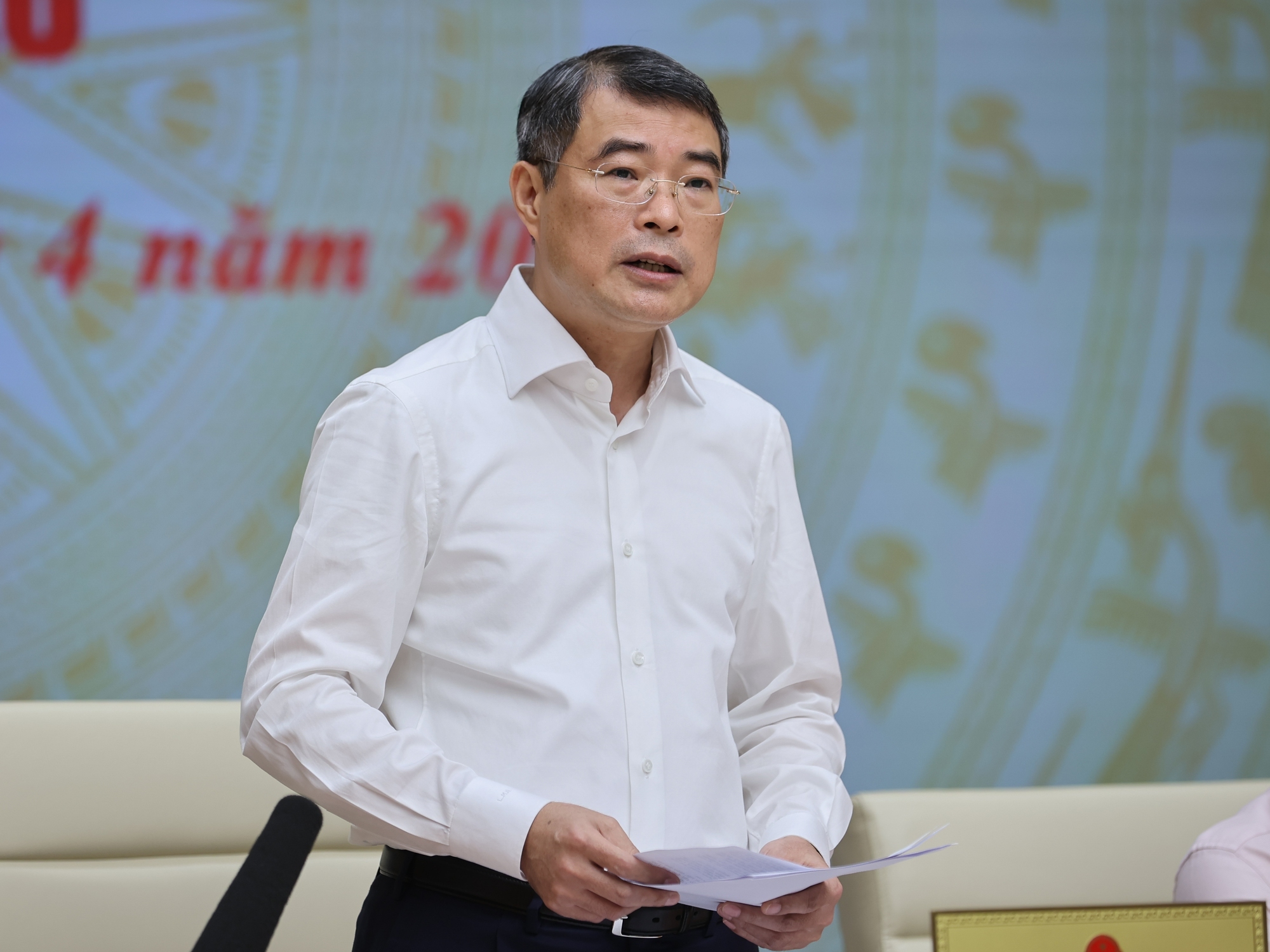
From the Vietnam Petroleum Association, Trinh Quang Khanh, Secretary General of the association, said that at the association’s 2025 review and 2026 task deployment conference, all members reached a high level of consensus on implementing Circular 50 of the MoIT, identifying it as a key task in the coming period. Enterprises have demonstrated proactive readiness and commitment to the transition toward biofuel.
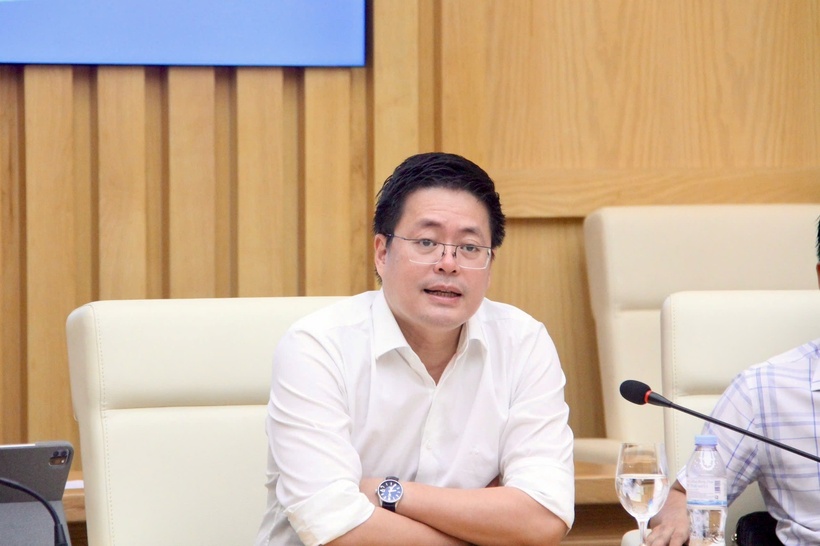
The association’s Secretary General, Trinh Quang Khanh, delivers remarks at the conference.
According to the association, its members currently have a blending capacity of about 965,000 cubic meters per month, which is sufficient to meet nationwide demand for biofuel. In practice, enterprises are actively investing in infrastructure, upgrading blending systems, expanding ethanol storage, and preparing all necessary conditions for implementation.
However, Trinh Quang Khanh noted that biofuel requires processing time and cannot be sold immediately like conventional gasoline. Without proper operational coordination, especially during the transition period, localized supply bottlenecks may arise despite sufficient overall capacity.
Regarding recommendations, the association proposed several measures. First, it suggested adjusting the standard business cost for E10 gasoline to be higher than that of conventional gasoline due to additional costs incurred in blending, transportation, storage, and system investment. Without proper cost allocation, business efficiency would be adversely affected.
Second, regarding excise tax, conventional gasoline used as input is currently subject to a 10% tax, while biofuel output is taxed at 7%. This 3% gap significantly impacts enterprise cash flow. The association proposed applying a unified 7% rate to ensure fairness and encourage the transition.
Third, concerning oxygen content, domestically produced gasoline contains almost no oxygen, while imported gasoline typically contains 1.3 - 1.5%. Maintaining current standards would create blending difficulties. Calculations show that if oxygen-free base gasoline must be used, E10 prices could increase by around VND 600 - 700 per liter. Therefore, it is necessary to adjust standards toward flexibility, with a proposed level of around 5 - 5.2%.
Fourth, regarding laboratories, the investment cost for octane rating equipment can reach tens of billions of VND. The draft regulation allows for the use of accredited external laboratories. The association proposed early adoption of this mechanism to reduce investment burdens.
Fifth, regarding market sentiment, consumers still have concerns about biofuel, particularly for automobiles. Clear and official information on vehicle compatibility with E10 is needed to avoid unnecessary hesitation. Additionally, during storage and transportation, E10 may degrade to E8. Although still compliant and even considered high-quality, a lack of clear guidance could expose enterprises to regulatory risks.
Finally, the association proposed applying a unified environmental protection tax rate for biofuel to facilitate the transition for both businesses and consumers.
Representatives of ministries, enterprises, and associations exchange views at the conference.
Removing bottlenecks for businesses
Responding to these concerns, a representative of the Ministry of Science and Technology stated that regarding amendments to technical standards, particularly the adjustment of oxygen content from 3.7% to around 5%, a consultation document had been issued to relevant ministries, localities, and enterprises on March 26. The deadline for feedback is April 24. Within approximately one week after receiving comments, the drafting agency will finalize and submit the revised standards for issuance.
Regarding laboratory certification and conformity assessment, enterprises were urged to submit formal recommendations to the Ministry of Science and Technology through the standards authority, while also copying the MoIT for coordination.
On tax-related proposals, the Ministry of Finance stated that it is continuing to study and refine relevant policy recommendations. For environmental protection tax proposals, enterprises must clearly specify whether they seek reductions or exemptions, at what levels, and for which fuel types, along with detailed assessments of impacts on the state budget and market.
As for the proposal to apply an absolute tax per liter of biofuel, current regulations calculate tax based on the proportion of conventional gasoline in the blend. Enterprises are encouraged to specify any difficulties for appropriate resolution.
Determination to accelerate biofuel rollout ahead of schedule
Concluding the conference, Deputy Minister Nguyen Sinh Nhat Tan emphasized that the roadmap mandating the use of E10 biofuel nationwide from June 1, 2026 is fixed and will not be adjusted. The issue under discussion is whether the timeline can be accelerated. This depends largely on the preparedness of enterprises.
Deputy Minister Nguyen Sinh Nhat Tan delivers concluding remarks at the conference.
“We are striving to shorten the roadmap by about one month, meaning implementation could begin as early as April. This is a highly demanding task that requires the entire system to act with urgency and determination,” he said.
Discussions at the conference indicated that many challenges have been identified and are being gradually addressed, particularly those related to mechanisms, standards, and technical conditions. However, the most critical concern at present is supply capacity.
Market demand is clear. With a 10% blending ratio, ethanol demand will reach approximately 100,000 - 110,000 cubic meters per month. This figure is fixed, and the key question is whether supply can meet it. Therefore, the Deputy Minister requested all enterprises to submit official reports clearly stating their supply capacity, timelines, sources, and conditions. These reports will serve as the basis for assessment and reporting to competent authorities.
Regarding feedstock supply, the Deputy Minister urged the Vietnam Biofuels Association and enterprises to develop detailed plans, specifying whether sources are domestic or imported, their stability, and cost structures, while also taking into account potential fluctuations in the global market.
On April 24, Prime Minister Le Minh Hung chaired a nationwide conference on accelerating the allocation and disbursement of public investment capital in 2026.
International media highlight Vietnam’s strong growth, rising FDI, market upgrades and tourism appeal, reinforcing its growing role and global standing today.
The Ministry of Industry and Trade (MoIT) held trade promotion activities in Yunnan and Shandong, boosting business links, exports, and investment cooperation between Vietnam and China.
A prestigious international award and a two-million-guest milestone mark a strategic evolution, highlighting the success of the entertainment-led integrated resort model in the regional hospitality market.
On April 24, Prime Minister Le Minh Hung chaired a nationwide conference on accelerating the allocation and disbursement of public investment capital in 2026.
A prestigious international award and a two-million-guest milestone mark a strategic evolution, highlighting the success of the entertainment-led integrated resort model in the regional hospitality market.
Permanent Deputy Prime Minister Pham Gia Tuc urged Hyundai Rotem to expand cooperation, technology transfer, and participation in Vietnam’s railway projects.
Prime Minister Le Minh Hung and President Lee Jae Myung led a Vietnam - the Republic of Korea (RoK) business roundtable in Hanoi, calling for deeper high tech cooperation.