With demand set to rise another 10% and El Niño straining hydropower, the MoIT has ordered eight groups of tasks to keep electricity flowing in 2027-2028.
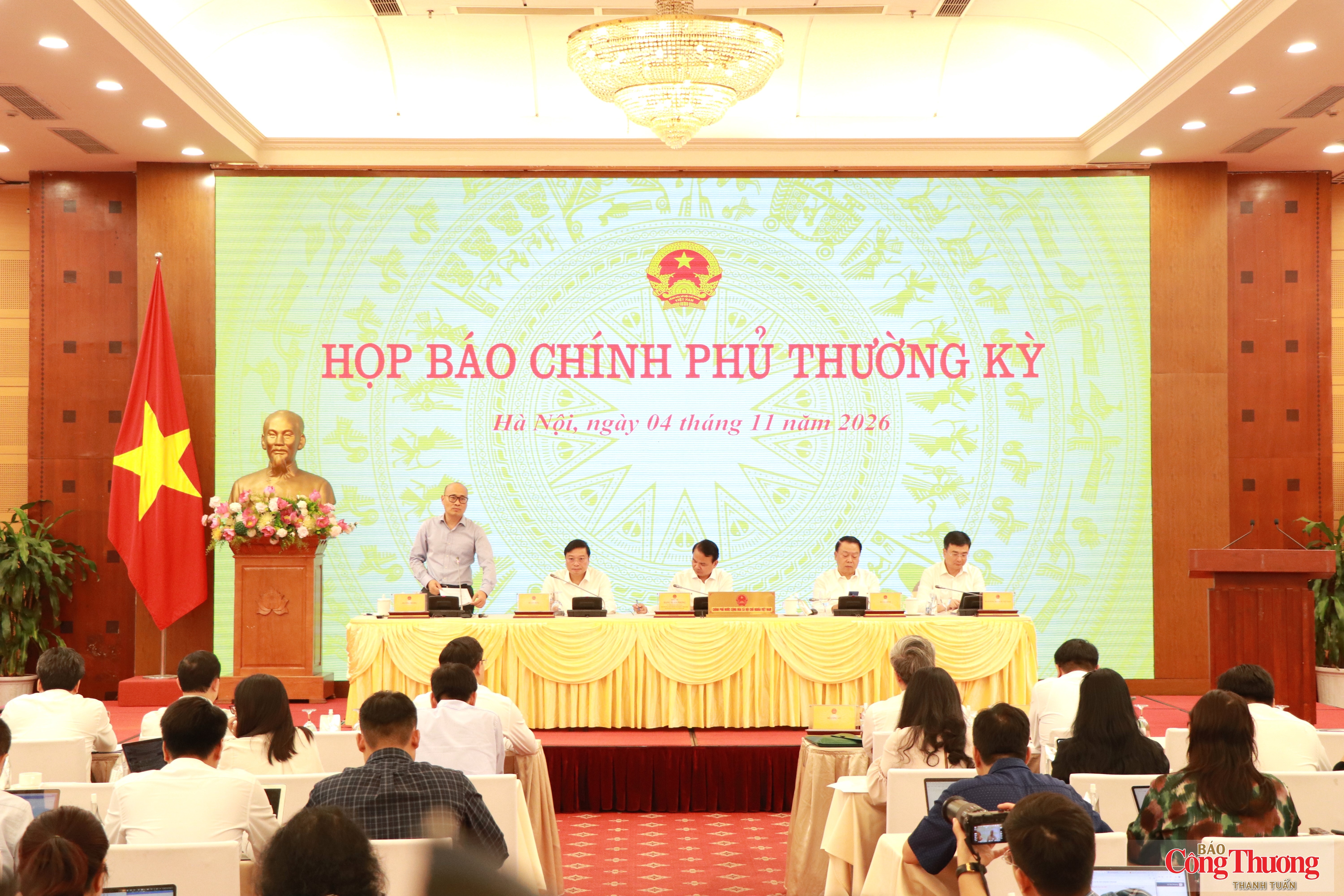
On November 7, at the headquarters of the Ministry of Industry and Trade (MoIT), Minister of Industry and Trade Le Manh Hung chaired a conference on the operation of the national power system and the assurance of electricity supply for 2027-2028.
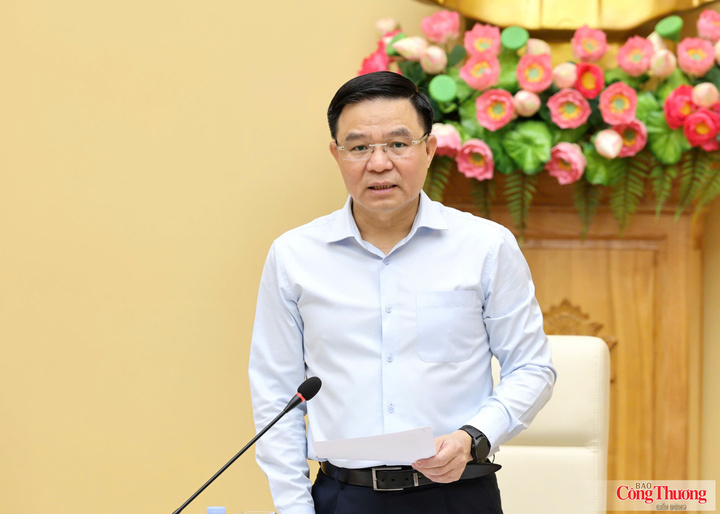
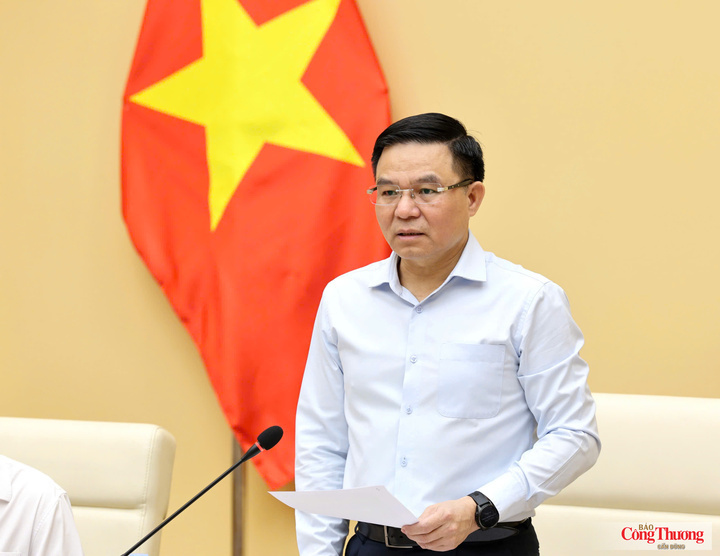
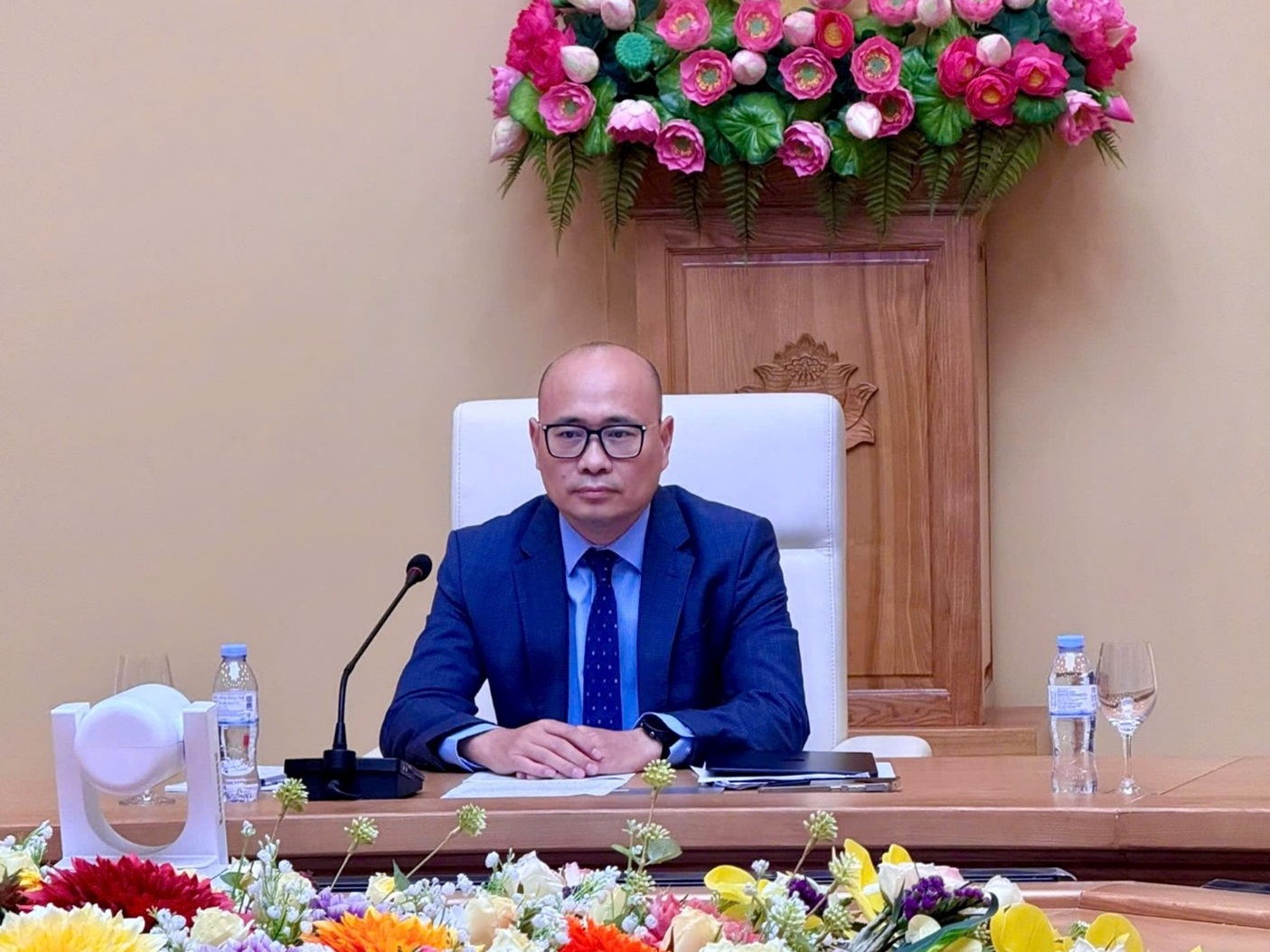
Le Manh Hung, Minister of Industry and Trade, chairs the conference.
The conference was held both in person and online, connecting with the People's Committees of 34 provinces and cities. It was attended by Deputy Ministers Truong Thanh Hoai and Nguyen Viet Son; representatives of the Office of the Government, the Ministry of Finance, and the Ministry of Agriculture and Environment; People's Committees of provinces and cities; functional units under the MoIT; the National Power System and Market Operation Company Limited (NSMO); and energy groups, corporations and businesses.
2026: Ensuring sufficient power and optimising costs amid unprecedented difficulties
According to reports by NSMO and other units at the conference, electricity supply in 2026 was affected by multiple adverse factors at the same time. The crisis in the Middle East and the conflict in Ukraine disrupted supply chains and drove primary energy prices sharply higher, with a major impact on Viet Nam, a net importer of primary energy at a rate of around 44%. In April, May and June alone, the system had to cope simultaneously with heatwaves, fuel supply disruptions, volatile LNG prices and difficulties with imported coal.
Peak load exceeded the previous year's peak by 6.4%, and annual electricity demand rose by more than 10%, with the greatest pressure falling on the northern region. Weather patterns were extreme, with prolonged heatwaves in July, August and September. The average nationwide temperature in October was higher than the long-term average, and 2-3°C higher in the north, a record in the observation series dating back to 1961.
El Niño, which took effect from the second half of October, reduced inflows into hydropower reservoirs to only around 80% of the long-term average; annual hydropower output is expected to be around 18.5 billion kWh lower than in 2025. Thermal power sources came under heavy pressure from incident handling and repairs, while bringing new baseload sources into operation proved very difficult and limited.
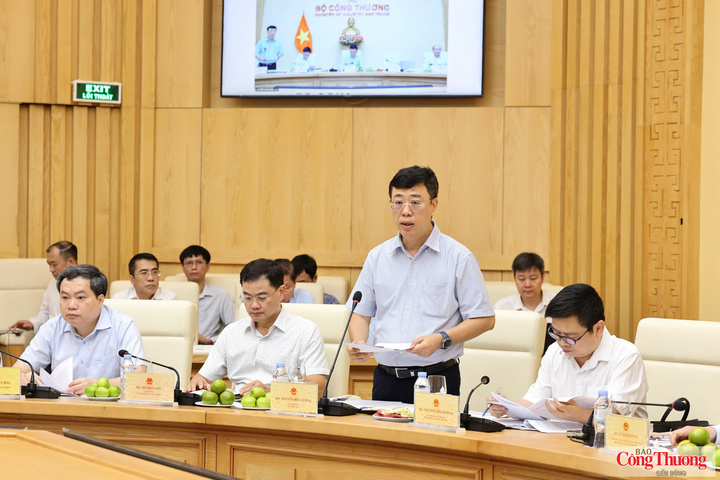
Nguyen Duc Cuong, Director-General of the Electricity Authority of Viet Nam.
In this context, under the direction of the Government and the Prime Minister, the MoIT directed the entire sector to implement solutions in a coordinated manner, ensuring sufficient electricity supply for socio-economic development and people's lives, with supply that was not only adequate but also economically optimal.
High load growth was met. Total electricity generation and imports across the system in 2026 are estimated at 356.2 billion kWh, up 10.3% from 2025 and around 6.2 billion kWh higher than the baseline scenario (an increase of 8.5%). The system's peak capacity reached 57,537 MW in June 2026. Output in the northern region reached around 170.8 billion kWh, up 11.9%; the central region 33.7 billion kWh, up 8.4%; and the southern region 151.8 billion kWh, up 8.8%. In the fourth quarter of 2026 alone, nationwide load is expected to rise by around 13%, and by around 14% in the north, with many northern and north-central provinces recording increases of nearly 20%; nevertheless, the system has continued to meet demand in full.
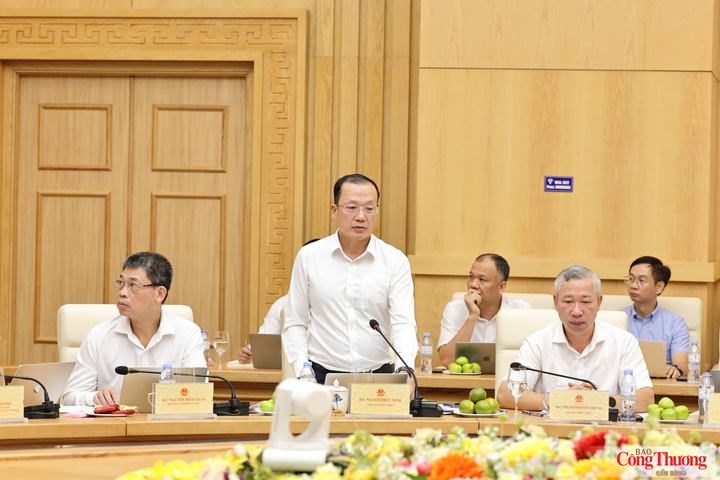
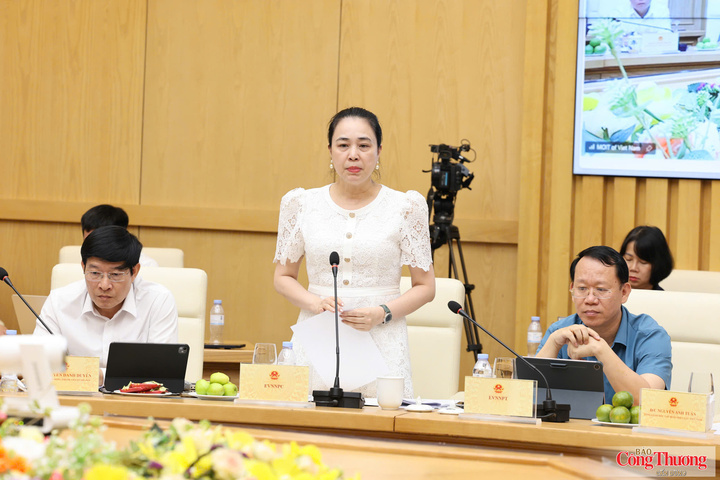
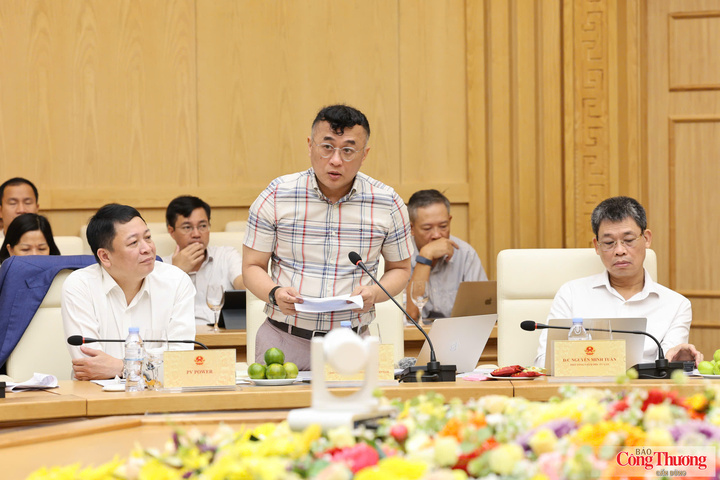
Delegates speak at the conference.
Electricity has kept pace with economic growth. According to Viet Nam Electricity (EVN), commercial electricity sales rose by 9.84% in the first 10 months of 2026, roughly in line with GDP growth for the first time. Of this, the commerce and services group grew by 13.8%, the management and residential consumption group by 9.91%, and the industry and construction group by 8.84%.
New power sources and grid upgrades have proved effective. Rooftop solar power development in the north has accelerated markedly. The Quang Trach I thermal power plant is undergoing trial operation and is expected to enter commercial operation at the end of 2026. Many key transmission projects supplying the north have been energised and put to effective use.
Management has been proactive and flexible from an early stage. For 2026, the Prime Minister issued Directive No.01/CT-TTg dated January 18, 2026, and the MoIT issued Directive No.04/CT-BCT dated February 13, 2026, on ensuring electricity supply. These directives laid the groundwork for the MoIT and power sector units to implement coordinated solutions to ensure electricity supply in 2026. To prepare for 2027, in the final months of 2026 the system has mobilised coal, gas and LNG sources to the maximum; postponed long-duration repairs and scheduled short repairs on low-load days; and increased electricity imports, all in order to store water in hydropower reservoirs for both power generation and downstream water supply during the 2027 dry season. Notably, for the first time, the MoIT and the Ministry of Agriculture and Environment agreed to allow hydropower reservoirs to continue storing and retaining water not only until December 31 but until the end of the first quarter of 2027, as a reserve for next year's dry season.
The power sector's finances have been strengthened. The Minister commended EVN for its sound management, eliminating losses and gradually consolidating its financial position, a welcome result given the need to ensure sufficient supply while optimising costs.
Minister Le Manh Hung highly appreciated the efforts of the ministry's units and the coordination of ministries, sectors and localities, affirming that the 2026 results reflected the contributions of the whole system, especially businesses including NSMO, EVN, the power corporations, Petrovietnam, Vinacomin (TKV), Dong Bac Corporation and other relevant units. The greatest lesson from 2026 was the need to identify risks proactively, build and manage scenarios, and coordinate closely, consistently and synchronously in implementation. This lesson must continue to be applied in 2027.
Proactive and decisive solutions for power system operation and electricity supply in 2027-2028
This was the fifth meeting on the power system operation plan for 2027 and 2028. As early as May 2026, MoIT leaders directed the Electricity Authority of Viet Nam and NSMO to calculate and assess the capacity to supply electricity for the next two years.
The conference noted that power system operation in 2027 will face multiple intertwined challenges, and 2028 will be even more difficult. Electricity demand is set to rise by around 10% on top of the high base of 2026, while baseload sources will not yet be in operation because of the time needed for investment. El Niño may last until around June 2027, leading to complex hydrological conditions that require both energy security and water supply for agricultural production and domestic use downstream. The global geopolitical situation also remains volatile, with potential impacts on supply chains and the prices of imported coal and LNG.
Minister Le Manh Hung delivers remarks at the conference.
Based on scenario calculations, NSMO proposed eight groups of solutions and recommended that the MoIT establish a Steering Committee for Electricity Supply of the Industry and Trade Sector for the 2027-2028 period, with consideration extending to 2030.
Concluding the conference, Minister Le Manh Hung stressed that, in all circumstances, energy in general, and electricity in particular, must be supplied in sufficient quantities for economic development and people's lives through specific and feasible solutions.
The Minister called on the entire system to act in a coordinated manner, focus on urgent issues and clearly define tasks, responsibilities and deadlines. The task matrix must go hand in hand with a responsibility matrix and a risk matrix in order to manage and achieve the set targets. Generation and grid projects that have been identified as required to enter operation in 2027 must be completed, with specific decision milestones and progress milestones. Solutions are designed to guard against the risks of growth, not to plan a fallback. The Minister assigned specific tasks as follows.
First, urgently finalise the national power system operation plan for 2027, taking 2028 into account and looking further ahead. NSMO will take the lead, in coordination with the Electricity Authority of Viet Nam, in assessing all generation projects from a long-term perspective; proposing specific baseline, operational and stress-test scenarios for the dry-season peak; clarifying supply capacity for each period, with attention to data, demand forecasts and load profiles; and fully accounting for available capacity and risks, including simultaneous and double incidents, to ensure system stability and reserves. The application of Digital Twins technology must be accelerated and put into operation by the first quarter of 2027 at the latest. Immediately after the operation plan is approved, the MoIT will issue a directive on ensuring electricity supply in 2027-2028.
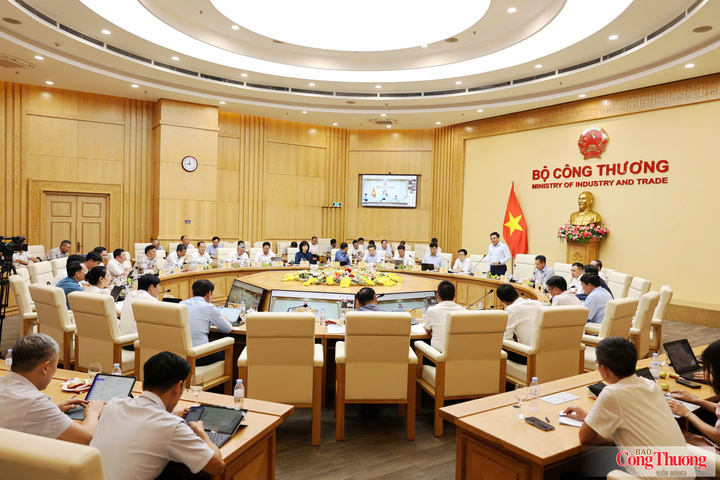
An overview of the conference.
Second, proactively regulate and store water in hydropower reservoirs for the 2027 dry season. NSMO and the Electricity Authority of Viet Nam will coordinate with the specialised agencies of the Ministry of Agriculture and Environment and localities to store water to the maximum until December 31, 2026, and continue retaining it until March 31, 2027; manage water resources for power generation in a coordinated, optimal and economical manner; and coordinate with the Industrial Safety Techniques and Environment Agency to develop a plan for the use of downstream water, to be submitted to the two ministries for agreement before December 31, 2026. The Minister asked the Ministry of Agriculture and Environment to promptly submit adjustments to reservoir operating procedures to the Prime Minister.
Third, maintain the available capacity of power plants. Units will coordinate with plant owners and investors to develop overall plans for operation, maintenance and repair, minimising the impact of repairs and environmental problems on electricity supply; prioritise scheduling thermal power repairs from January to April, limiting shutdowns during the dry-season peak and at the end of the year; and tighten operating discipline to prevent avoidable incidents.
Fourth, ensure sufficient fuel for power generation in line with NSMO's scenarios. The Energy - Petroleum Agency will coordinate with Petrovietnam, PV GAS, Vinacomin (TKV), Army Corps 19, and other businesses to develop coal, gas and oil supply schedules in line with the operation plan; promptly finalise the mechanism for supplementing imported LNG; complete the connection between the Cai Mep LNG terminal and the Thi Vai LNG terminal to supply gas early; and ensure reserve stocks of coal and oil before the dry season.
Fifth, accelerate key generation and grid projects. The Electricity Authority of Viet Nam will work with investors to review and expedite progress, ensuring the synchronisation of generation and transmission and avoiding scattered, wasteful investment; speed up 500kV substations supplying the north; and step up electricity imports.
Sixth, urgently implement solutions to add peak capacity. Battery energy storage systems (BESS) will be developed in line with the identified scale and price framework; EVN, Petrovietnam, Vinacomin and investors will review and register the scale of storage investment. People's Committees of provinces and cities will coordinate with the power sector to promote rooftop solar power at industrial parks, large customers and public offices, and targets for rooftop solar development will be assigned to localities.
Seventh, tighten and strengthen electricity demand management. Directive No.10/CT-TTg on electricity saving must be implemented effectively; load adjustment must be carried out, aiming to cut at least around 3,000 MW of peak capacity in the north in 2027; and economical and efficient use of electricity in production, business and daily life, especially during peak hours, must be promoted.
Eighth, organise implementation with clear responsibilities and proper authority. Based on the responsibility matrix, the specific role of each agency and unit will be defined for the purpose of reviewing implementation.
On inter-sectoral coordination, the Minister called on ministries and sectors, particularly the Ministry of Agriculture and Environment and the Ministry of Finance, to coordinate closely with localities in implementing the 2027 operation plan, taking 2028 into account, in a coordinated and effective manner.
On information and communication, Minister Le Manh Hung called for close coordination with media agencies to provide full information on the results of ensuring electricity supply in 2026, present an objective picture of the challenges in 2027-2028 and the determination to implement solutions in a coordinated manner, while also recognising the units, organisations and businesses that have performed their tasks well.
With demand set to rise another 10% and El Niño straining hydropower, the MoIT has ordered eight groups of tasks to keep electricity flowing in 2027-2028.
Viet Nam and the UK are stepping up the exchange of experience to promote the development of a transparent and safe commodity derivatives market that is tied to production and business needs.
On the 20th anniversary of Viet Nam's accession to the WTO, the former head of the Government's negotiating delegation recalls unforgettable memories, reflects on the achievements and shares what today's negotiators must hold fast to.
On November 7, the plenary session of the Viet Nam Logistics Forum 2026, themed "Connecting highland logistics, reaching out to global supply chains," officially opened in Gia Lai province.
At the Viet Nam Logistics Forum 2026, held in Gia Lai on November 7, Tran Thanh Hai, Deputy Director-General of the Agency of Foreign Trade under the Ministry of Industry and Trade (MoIT), stressed that logistics development in the coming period should be measured by its ability to create and retain value in Viet Nam.
On the 20th anniversary of Viet Nam's accession to the WTO, the former head of the Government's negotiating delegation recalls unforgettable memories, reflects on the achievements and shares what today's negotiators must hold fast to.
On November 7, the plenary session of the Viet Nam Logistics Forum 2026, themed "Connecting highland logistics, reaching out to global supply chains," officially opened in Gia Lai province.
The contest aims to raise consumers’ awareness, knowledge and self-protection skills, encouraging young people to create communication products on digital platforms.
Deputy Minister of Industry and Trade has outlined the results of the E10 biofuel rollout after more than five months, highlighting stable supply, steady retail prices and continued market inspections and supervision.
The 37th APEC Ministerial Meeting (AMM 37) was held online on November 3, 2026, within the framework of the Asia-Pacific Economic Cooperation (APEC) forum.