Vietnam targets double-digit growth through innovation, productivity gains, institutional reform, ensuring sustainability and resilience amid global uncertainties.
High growth must go hand in hand with sustainability
The second Plenum of the Party Central Committee concluded with a clear message: Vietnam will not accept low growth, but will remain steadfast in pursuing high, sustainable, and substantive economic expansion. This is not merely a strategic orientation, but a consistent operational requirement for economic governance in the coming period.
The target of double-digit economic growth is not simply a quantitative benchmark; it carries strategic significance, reflecting strong political resolve to propel Vietnam forward. As the country enters 2026, it stands at the threshold of a new development cycle, with greater expectations and mounting pressures. The pursuit of double-digit growth thus embodies a broader aspiration to accelerate convergence, narrow development gaps, and move closer to the goal of becoming a developed nation by 2045.
The double-digit economic growth target is not merely a numerical goal, but a strategic imperative reflecting strong political resolve to propel Vietnam forward.
Recent years have demonstrated Vietnam’s ability to maintain macroeconomic stability, effectively control inflation, and safeguard major economic balances. However, amid increasing global volatility, traditional growth drivers such as capital and labor are gradually reaching their limits. The scope for extensive growth is narrowing, necessitating a shift toward a more intensive, productivity-driven model.
In this context, the principle of “no trade-offs” has been emphasized as a guiding tenet. High economic growth cannot come at the expense of macroeconomic stability, environmental sustainability, or social welfare. This boundary must be firmly upheld and serves as a critical measure of growth quality.
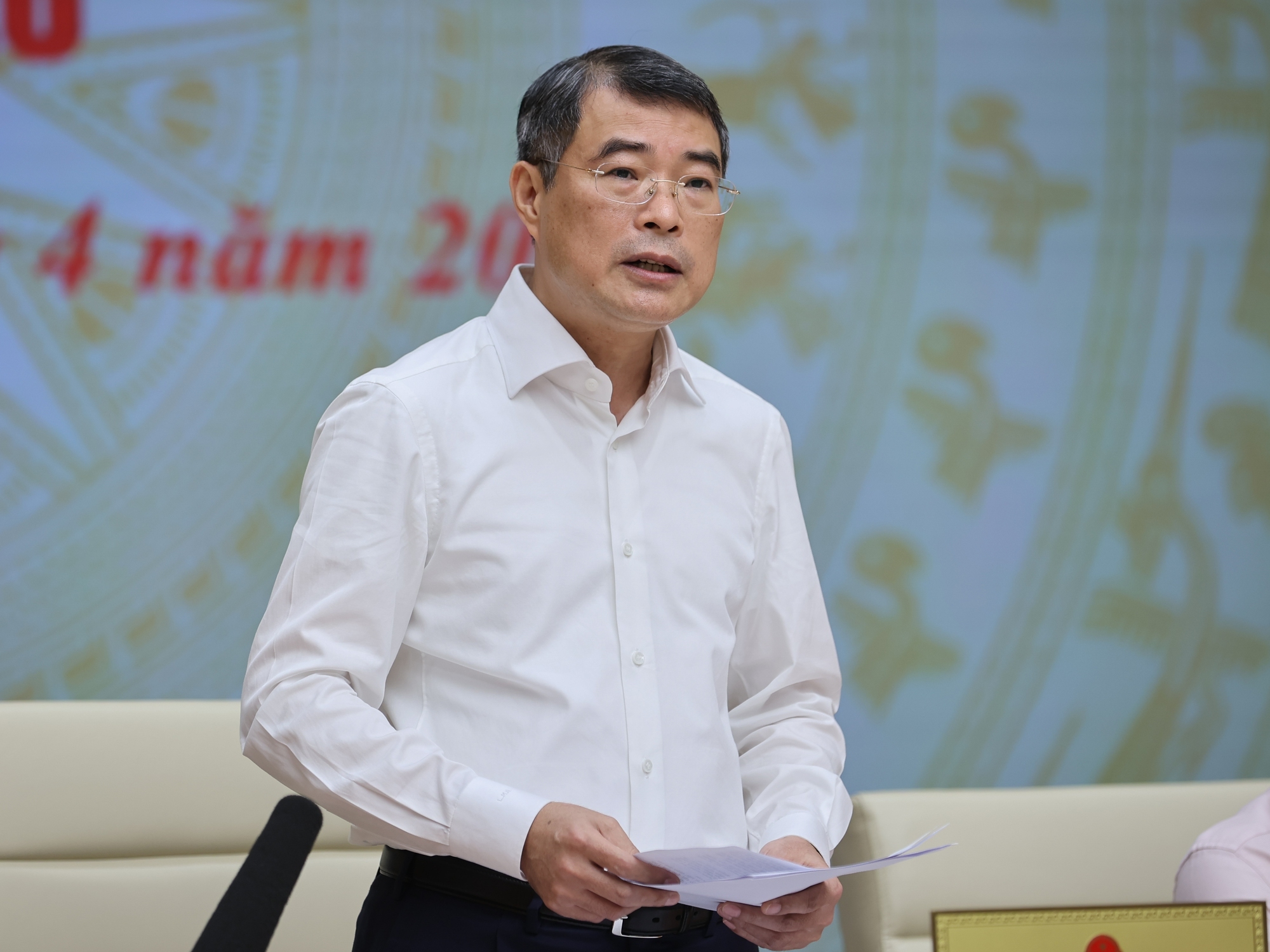
Speaking at the seminar “Drivers for Double-Digit Economic Growth and Agricultural Prospects 2026,” Can Van Luc, Chief Economist at BIDV and a member of the National Financial and Monetary Advisory Council, emphasized that growth is inherently a long-term endeavor spanning decades, not just a few years. Vietnam must therefore pursue a dual objective: reforming its growth model to achieve higher speed while simultaneously building a development framework that ensures sustainability.
According to recommendations from international organizations, particularly the World Bank, development trajectories of emerging economies often rest on three pillars investment, infusion of technology, and innovation. However, under current conditions, Vietnam cannot afford a sequential approach; instead, it must integrate all three simultaneously to seize opportunities for leapfrogging.
Activating the “three-legged stool” and new growth drivers
From an economic perspective, growth is fundamentally driven by three core factors: labor, capital, and total factor productivity (TFP). International experience shows that TFP representing efficiency and innovation is the decisive determinant of long-term growth quality.
In Vietnam, capital currently contributes around 40% to growth, while TFP accounts for approximately 45 - 47% and continues to rise. This indicates a gradual transition toward a productivity-based growth model. However, this transformation must be accelerated in a more substantive manner.
Achieving double-digit growth cannot rely on any single factor. All three pillars must be simultaneously strengthened, forming a stable “three-legged stool” that supports the economy. A critical requirement is to shift from a growth model dependent on capital and labor to one driven by productivity an inevitable transition as traditional resources become increasingly constrained.
Addressing how to enhance TFP, experts highlight five key policy priorities.
First, advancing science and technology, digital transformation, and innovation. While these are long-term drivers with inherent time lags, they deliver sustainable benefits.
Second, developing a high-quality workforce. With a young labor force and approximately 16 million industrial workers, effective training and utilization could provide a powerful growth engine.
Third, improving the efficiency of resource allocation. Beyond mobilizing capital, the priority lies in deploying resources at the right place and time to maximize returns.
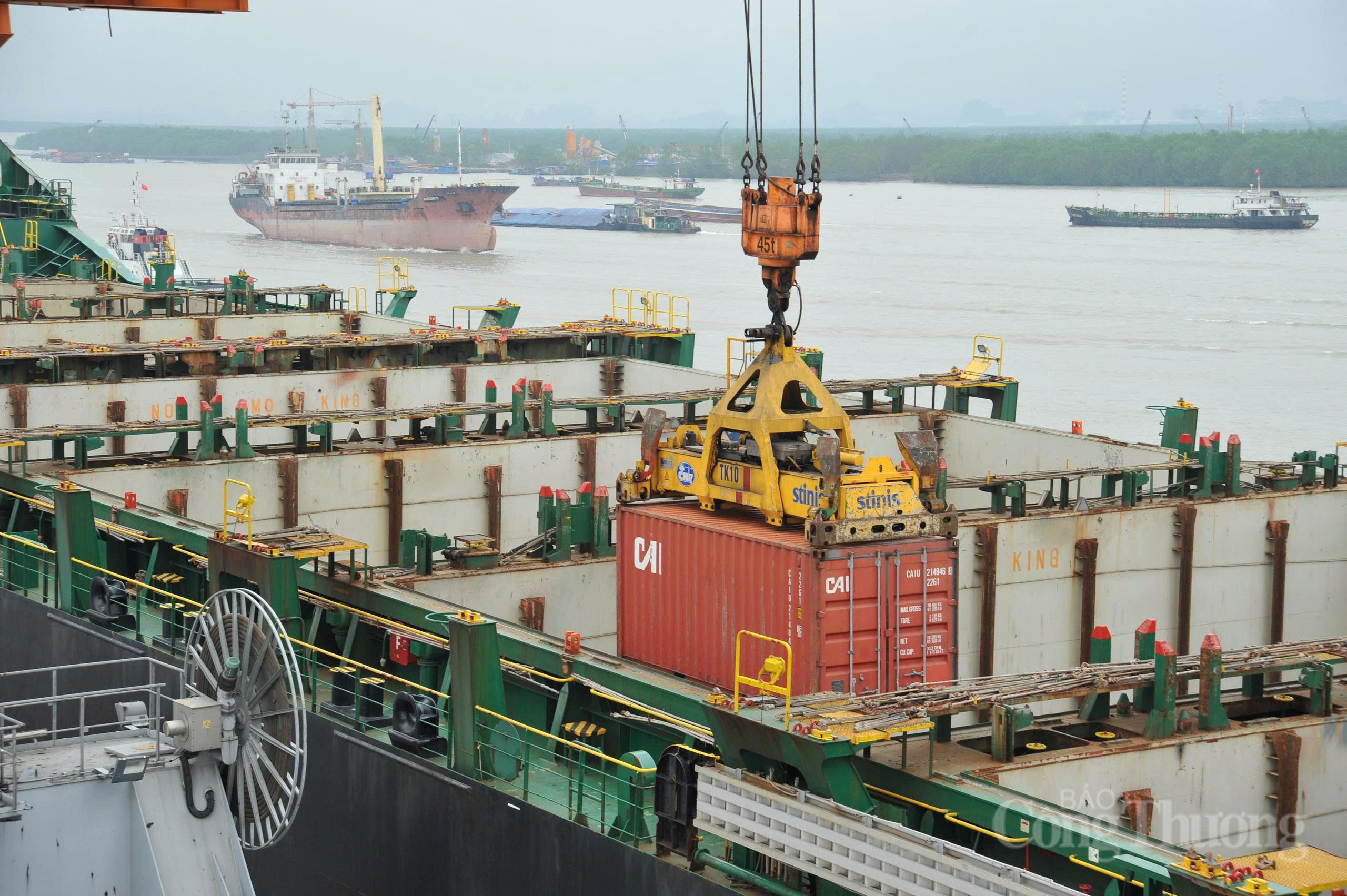
Fourth, building a synchronized infrastructure system, particularly in logistics, to reduce costs and enhance competitiveness.
Fifth, continuing institutional reforms and improving policy implementation. This remains the most significant bottleneck, as a gap persists between policy formulation and execution.
Among these, institutional reform is widely seen as the most immediate lever. International experience suggests that effective reforms can contribute an additional 0.5 percentage points to annual growth.
In parallel, leveraging the role of key growth poles such as Hanoi, Ho Chi Minh City, Da Nang and other major economic regions is crucial. When these “locomotives” accelerate, their spillover effects can drive development across surrounding areas.
Digital transformation and the application of science and technology are also identified as vital new growth drivers, with the potential to add around one percentage point to growth if effectively implemented.
Taken together, the synchronized deployment of these solutions could lift economic growth by an additional 2–3 percentage points, laying the groundwork for achieving double-digit expansion.
The global economic landscape remains fraught with risks, ranging from geopolitical tensions to disruptions in trade and supply chains. Can Van Luc noted that such factors could reduce Vietnam’s growth by 0.6 - 0.8 percentage points, or even more under adverse scenarios.
This underscores the need for a flexible approach to the double-digit growth target. Rather than rigid annual benchmarks, the goal should be assessed over an entire period, reducing short-term pressure while maintaining overall feasibility.
In this context, macroeconomic stability remains a cornerstone. Controlling inflation, stabilizing exchange rates, ensuring energy security, and maintaining financial market stability are essential preconditions.
At the same time, interest rates should be kept at reasonable levels to enable businesses to access capital, expand production, and invest.
An increasingly evident requirement is to improve the quality of growth. This entails moving beyond GDP as the sole metric and incorporating indicators such as labor productivity, capital efficiency and the contribution of the private sector.
Notably, citizens’ happiness is emerging as an important benchmark, reflecting a people-centered development approach. Setting targets to improve this index signals a shift in mindset from “growth at all costs” to “growth for quality of life.”
In addition, foundational security factors including food security, energy security, supply chain resilience and data security must be ensured to strengthen the economy against external shocks.
Can Van Luc concluded: “The goal of double-digit growth is achievable, but it cannot be realized through old approaches. The key question is not whether it can be done, but how through innovative thinking, decisive action and a sustainable development foundation.”
On April 24, Prime Minister Le Minh Hung chaired a nationwide conference on accelerating the allocation and disbursement of public investment capital in 2026.
International media highlight Vietnam’s strong growth, rising FDI, market upgrades and tourism appeal, reinforcing its growing role and global standing today.
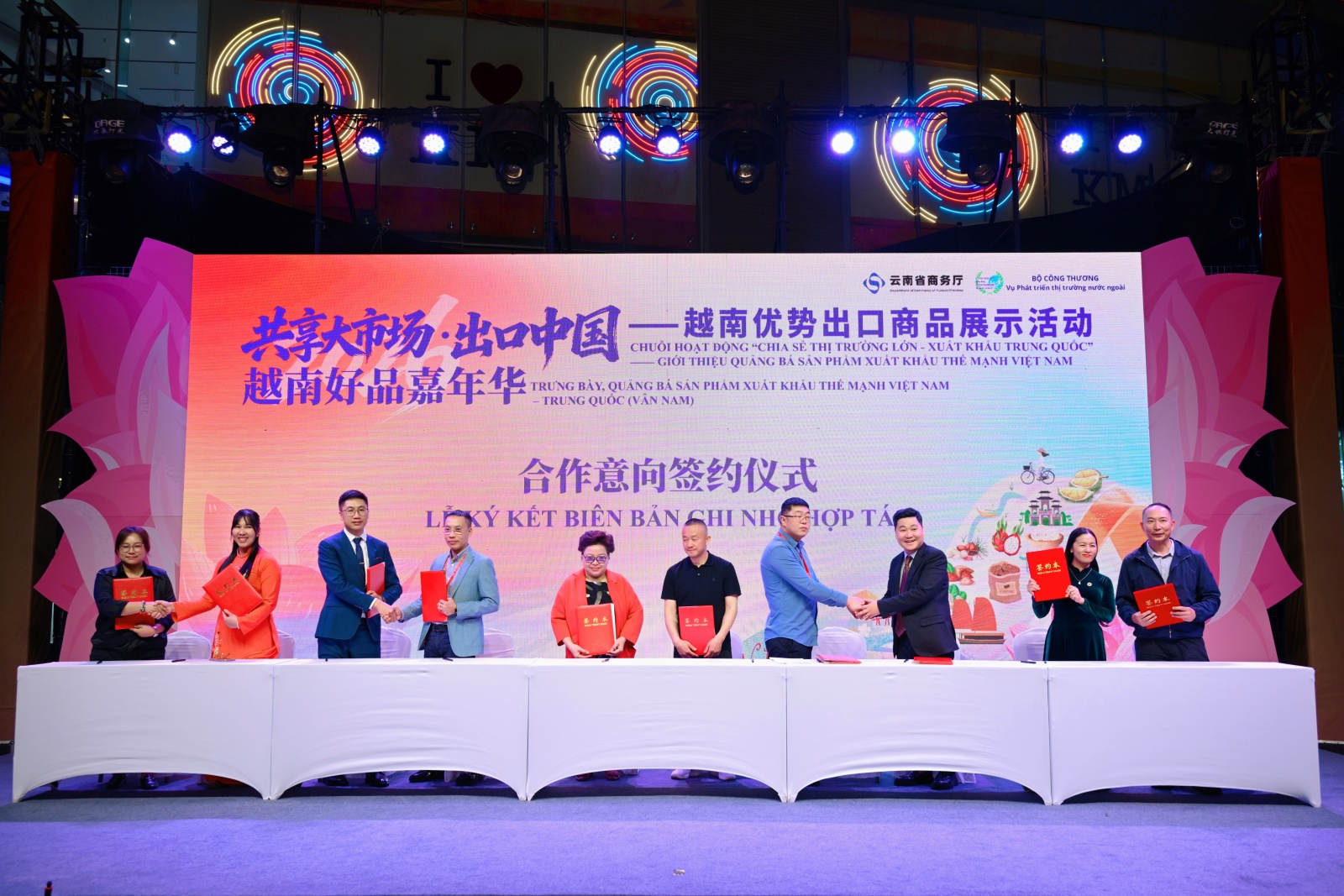
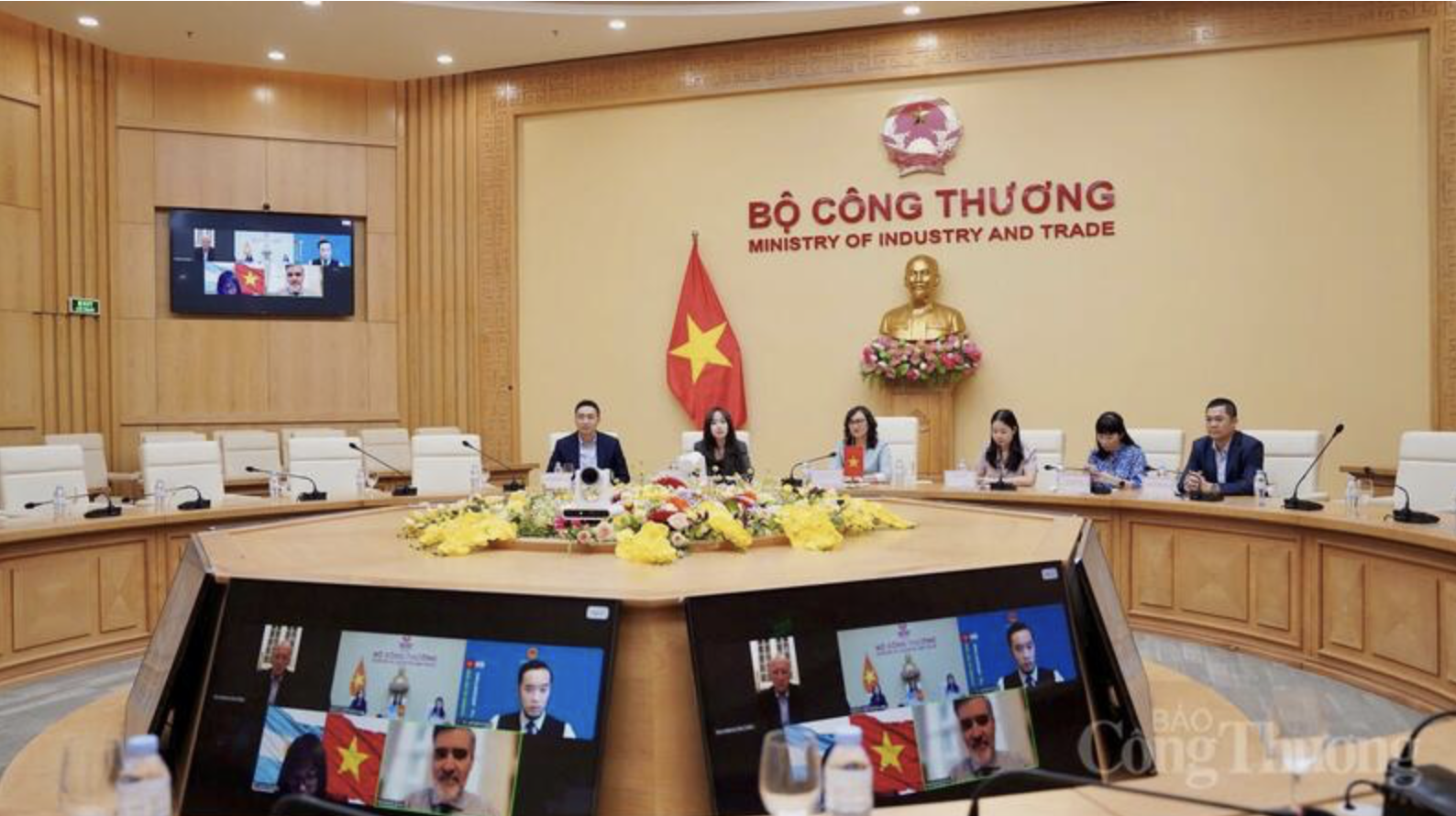
The Ministry of Industry and Trade (MoIT) held trade promotion activities in Yunnan and Shandong, boosting business links, exports, and investment cooperation between Vietnam and China.
A prestigious international award and a two-million-guest milestone mark a strategic evolution, highlighting the success of the entertainment-led integrated resort model in the regional hospitality market.
On April 24, Prime Minister Le Minh Hung chaired a nationwide conference on accelerating the allocation and disbursement of public investment capital in 2026.
A prestigious international award and a two-million-guest milestone mark a strategic evolution, highlighting the success of the entertainment-led integrated resort model in the regional hospitality market.
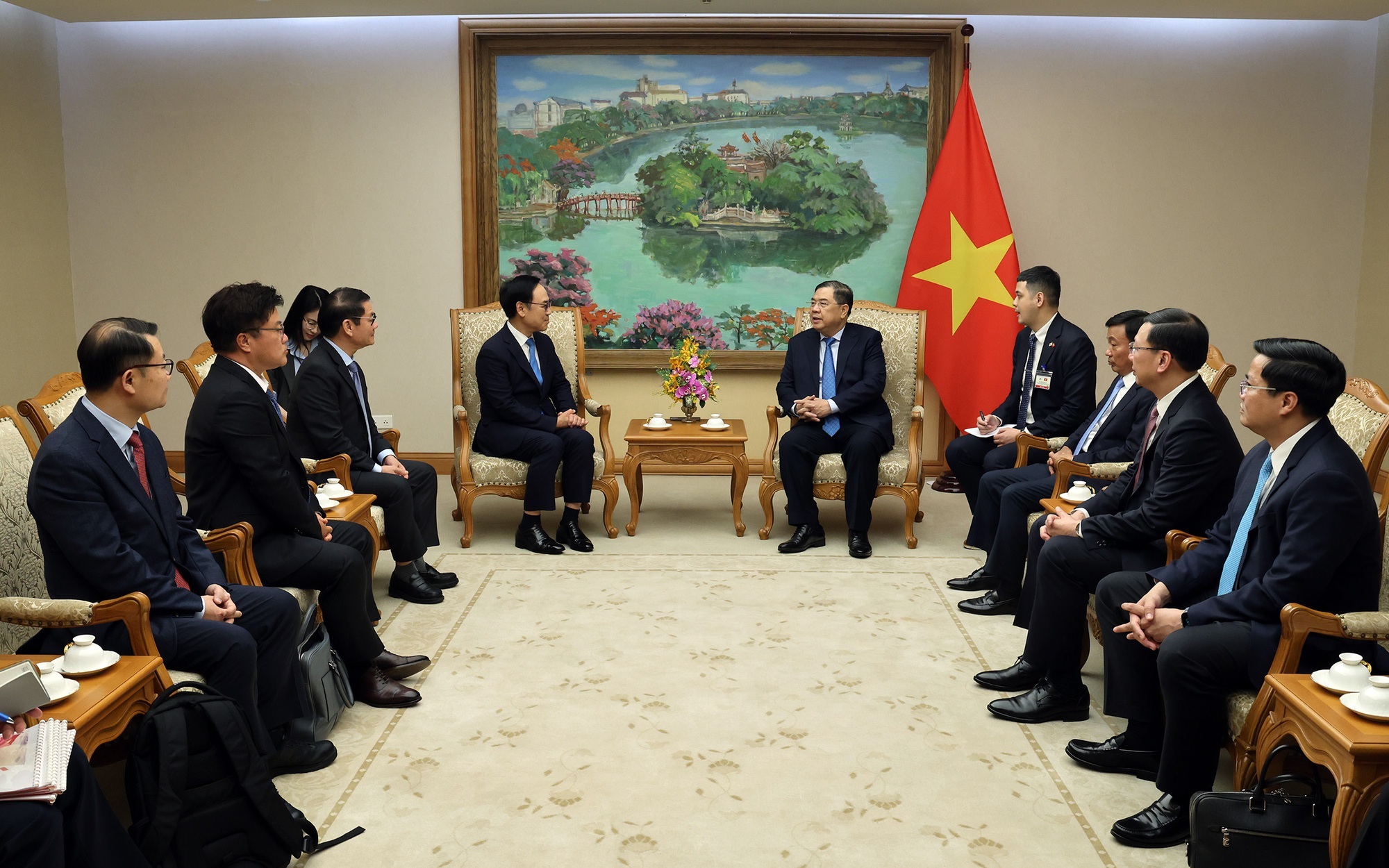
Permanent Deputy Prime Minister Pham Gia Tuc urged Hyundai Rotem to expand cooperation, technology transfer, and participation in Vietnam’s railway projects.
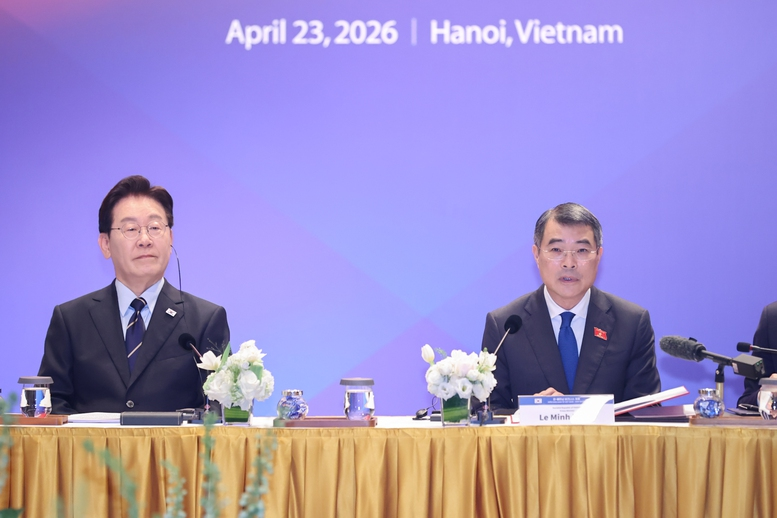
Prime Minister Le Minh Hung and President Lee Jae Myung led a Vietnam - the Republic of Korea (RoK) business roundtable in Hanoi, calling for deeper high tech cooperation.