|
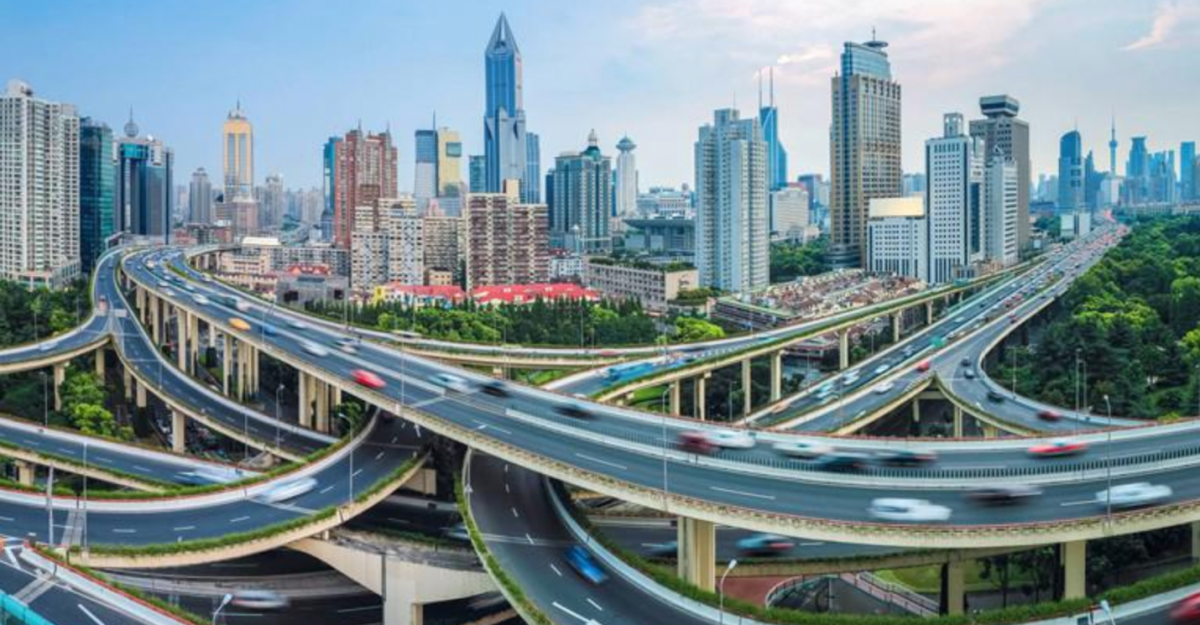
| An artist view of a future smart city |
Director of the Hanoi Department of Transport, Nguyen Phi Thuong said Hanoi has, over the years, developed transportation infrastructure according to the approved plans that promote application of information technology (IT) in traffic management.
However, the current investment in and management of Hanoi’s transportation system have not met the growing demand of city residents. Traffic congestion, safety concerns, and environmental pollution remain major challenges for the city’s transport management authorities.
Thuong said international experience demonstrates the importance of developing an Intelligent Transport System (ITS) as a fundamental element and one of the key pillars of a smart city.
The project is expected to ease the existing problems, gradually develop the city’s intelligent transport system in phases, and achieve the goal of transforming Hanoi into a basic smart and modern city by 2030. This will also progressively connect Hanoi with smart urban networks across the region and the world while serving as an essential tool for state agencies in managing and operating traffic.
The project will establish an intelligent traffic management center in 2025, and define a common architectural framework and core functions of the intelligent transport system.
It will be implemented practically and consistently.
The system will adhere to the e-government architecture, national digital platforms, Vietnam’s ITS reference architecture, standard TCVN 12836-1:2020 issued by the Ministry of Science and Technology, technical standards of the Ministry of Transport, and the city’s smart city architectural framework.
The system has 12 core functions, including traffic monitoring, traffic information, traffic control, violation management, parking management, and incident management.
The project is expected to be built in three phases: 2025-2027, 2028-2030, and post-2030.