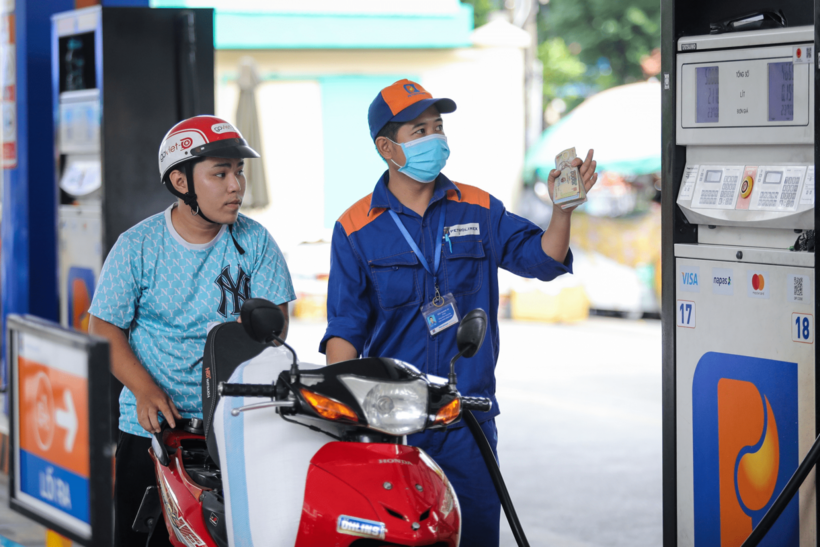
The Government issued Resolution No. 69/NQ-CP, advancing VND 8 trillion from the 2025 central budget surplus to stabilize domestic fuel prices.
Accordingly, the Government approved the advance to the BOG Fund using surplus revenues of the 2025 central budget, following a proposal by the Ministry of Finance. The ministry is responsible for the accuracy of the reported data and proposals, ensuring compliance with regulations.
The Resolution stipulates that the extraction and use of the BOG Fund must adhere to the principles of transparency and openness, with the aim of limiting abnormal fluctuations in fuel prices.
Government issues Resolution No. 69/NQ-CP on advancing funds to fuel price stabilization fund from 2025 central budget surplus.
The Government has assigned the Ministry of Industry and Trade to proactively develop and decide on plans for extracting from and disbursing the BOG Fund, depending on the degree of fuel price volatility. This includes determining specific spending levels (per liter or kilogram) for petroleum products to stabilize domestic prices, and recovering the funds to the state budget once the market stabilizes.
The Government agreed in principle to supplement VND 8 trillion to the 2026 state budget expenditure estimate for the Ministry of Industry and Trade, sourced from the 2025 central budget surplus, to temporarily advance to the BOG Fund, as proposed by the Ministry of Finance in Submission No. 186/TTr-BTC dated March 25, 2026. The Prime Minister is tasked with issuing a decision to allocate this additional funding.
Ensuring transparency in the management and use of the BOG Fund
The Government has assigned responsibilities to relevant agencies to coordinate fuel price stabilization efforts.
Under the Law on Prices and Decree No. 85/2024/ND-CP dated July 10, 2024, the Ministry of Industry and Trade is responsible for state management of fuel prices within its scope, and for organizing price stabilization measures for goods and services under its authority. As the agency overseeing petroleum businesses and managing domestic supply and demand, the ministry will organize the advance from the 2025 central budget surplus to the BOG Fund held at petroleum wholesalers, for operational use.
The Ministry of Industry and Trade serves as the focal point for proposing funding needs for the BOG Fund, receiving budget allocations, and managing, guiding, monitoring, inspecting, and supervising the use of the fund, including the advanced state budget portion, in accordance with legal provisions.
The ministry will also develop and decide on domestic fuel price management scenarios, including calculating timelines for fund utilization and replenishment to repay the state budget after global prices decline and the domestic market stabilizes. The repayment period must not exceed 12 months from the date the ministry issues a decision to extract funds for repayment. The ministry is required to develop a detailed recovery plan and report it to the Government, while monitoring and urging petroleum businesses to comply with fund contributions and repayment obligations.
In cases where the advanced funds are fully utilized and geopolitical tensions in the Middle East persist, leading to continued increases in fuel prices and risks to inflation control and macroeconomic stability, the Ministry of Industry and Trade will assess the situation and propose additional measures, including further budget advances if necessary, to the Ministry of Finance for submission to competent authorities.
The Ministry of Finance is tasked with coordinating with the Ministry of Industry and Trade to implement, guide, inspect, and supervise the execution of fuel price stabilization decisions, ensuring transparency and accountability in the management and use of the BOG Fund.
The State Bank of Vietnam will guide commercial banks where petroleum wholesalers maintain BOG Fund accounts to comply with regulations on fund extraction and use. It will also implement measures to stabilize exchange rates in support of fuel price stabilization efforts, and direct commercial banks to prioritize credit provision and short-term financing for petroleum businesses to secure supply, in accordance with the law.
Provincial and municipal People’s Committees are required to implement centrally issued price stabilization measures, strengthen oversight of fuel distribution systems, ensure retail outlets strictly comply with price listing and sales regulations, and promptly report local supply-demand and price developments to the Ministry of Industry and Trade and the Ministry of Finance. Local budgets may also be used, where feasible, to support disadvantaged areas in line with central guidance.
Petroleum businesses, including wholesalers, distributors, and retailers, must strictly comply with regulations on fuel price stabilization. They are responsible for implementing fund extraction and disbursement, including the use of advanced state budget funds, and must repay the advanced amounts within the prescribed timeframe.
Wholesalers are required to comply with extraction and spending levels as determined by the Ministry of Industry and Trade, maintain minimum inventory reserves, and ensure continuous supply to the market even during periods of price volatility.
They must also ensure transparency in the implementation of the BOG Fund, publicly disclose retail fuel prices at outlets, and regularly update information on their electronic systems.
The Ministry of Finance is responsible for reporting to the Government and the National Assembly Standing Committee on the implementation of the advance to the BOG Fund, and reporting to the National Assembly at its nearest session.
The Resolution took effect on March 27, 2026.
On the same day, Prime Minister Pham Minh Chinh signed Decision No. 483/QD-TTg to allocate VND 8 trillion in additional 2026 state budget expenditure (classified as other expenditures), sourced from the 2025 central budget surplus, to the Ministry of Industry and Trade for the BOG Fund advance, as proposed by the Ministry of Finance.
The Prime Minister requested the Ministry of Finance and the Ministry of Industry and Trade, within their assigned functions and mandates, to take responsibility for the accuracy of reports and proposals, ensure compliance with regulations, and strengthen inspection and supervision to prevent corruption, waste, and policy abuse for personal or group gain.
The Ministry of Industry and Trade is tasked with organizing the disbursement of the advanced funds, and with managing, guiding, monitoring, inspecting, and supervising the use of the BOG Fund, including the advanced portion, in accordance with the Law on Prices and Decree No. 85/2024/ND-CP. It is also responsible for developing fuel price management scenarios, including timelines for fund utilization and replenishment to ensure full repayment to the state budget within a maximum of 12 months from the date of the fund extraction decision.
On April 24, Prime Minister Le Minh Hung chaired a nationwide conference on accelerating the allocation and disbursement of public investment capital in 2026.
International media highlight Vietnam’s strong growth, rising FDI, market upgrades and tourism appeal, reinforcing its growing role and global standing today.
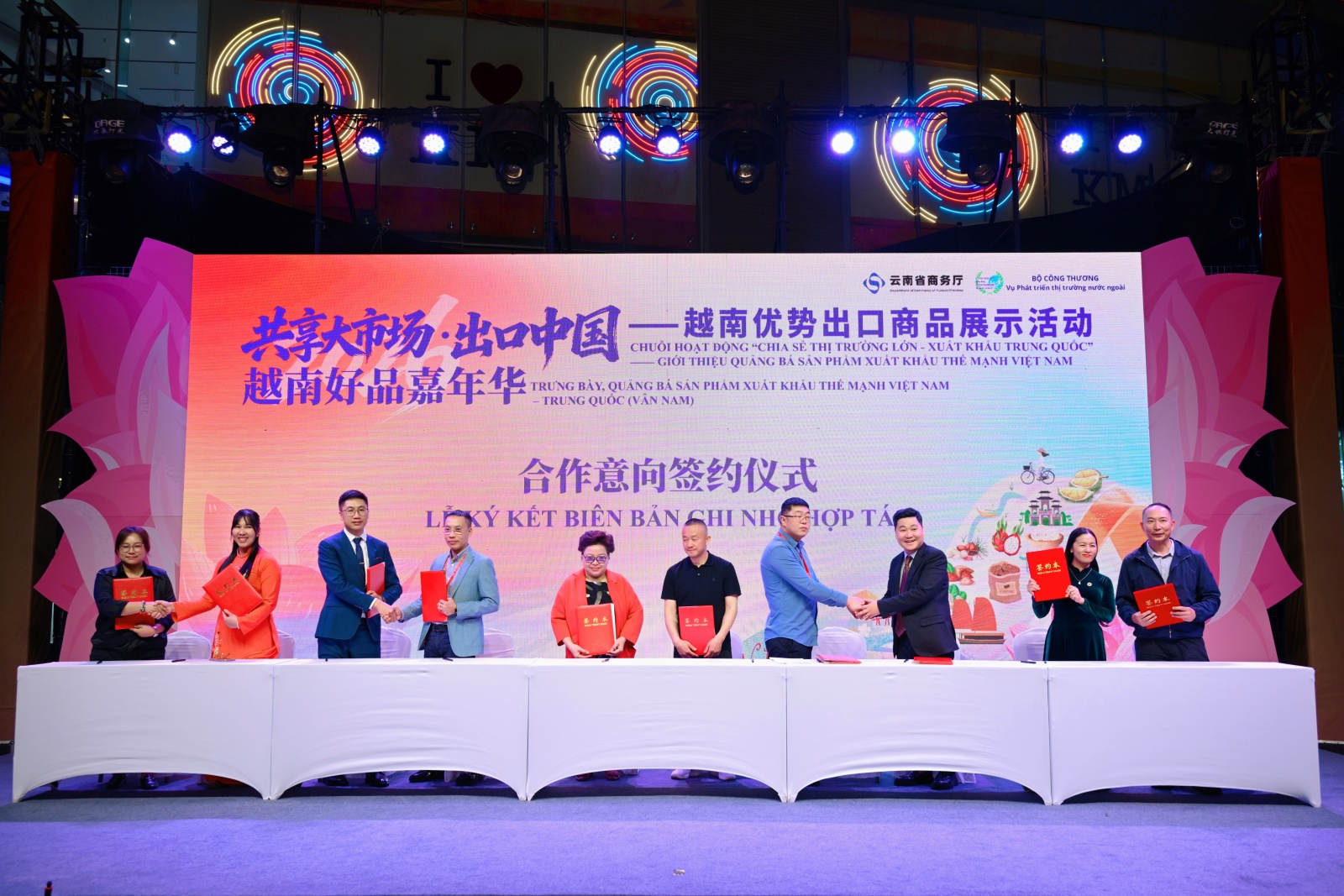
The Ministry of Industry and Trade (MoIT) held trade promotion activities in Yunnan and Shandong, boosting business links, exports, and investment cooperation between Vietnam and China.
A prestigious international award and a two-million-guest milestone mark a strategic evolution, highlighting the success of the entertainment-led integrated resort model in the regional hospitality market.
On April 24, Prime Minister Le Minh Hung chaired a nationwide conference on accelerating the allocation and disbursement of public investment capital in 2026.
A prestigious international award and a two-million-guest milestone mark a strategic evolution, highlighting the success of the entertainment-led integrated resort model in the regional hospitality market.
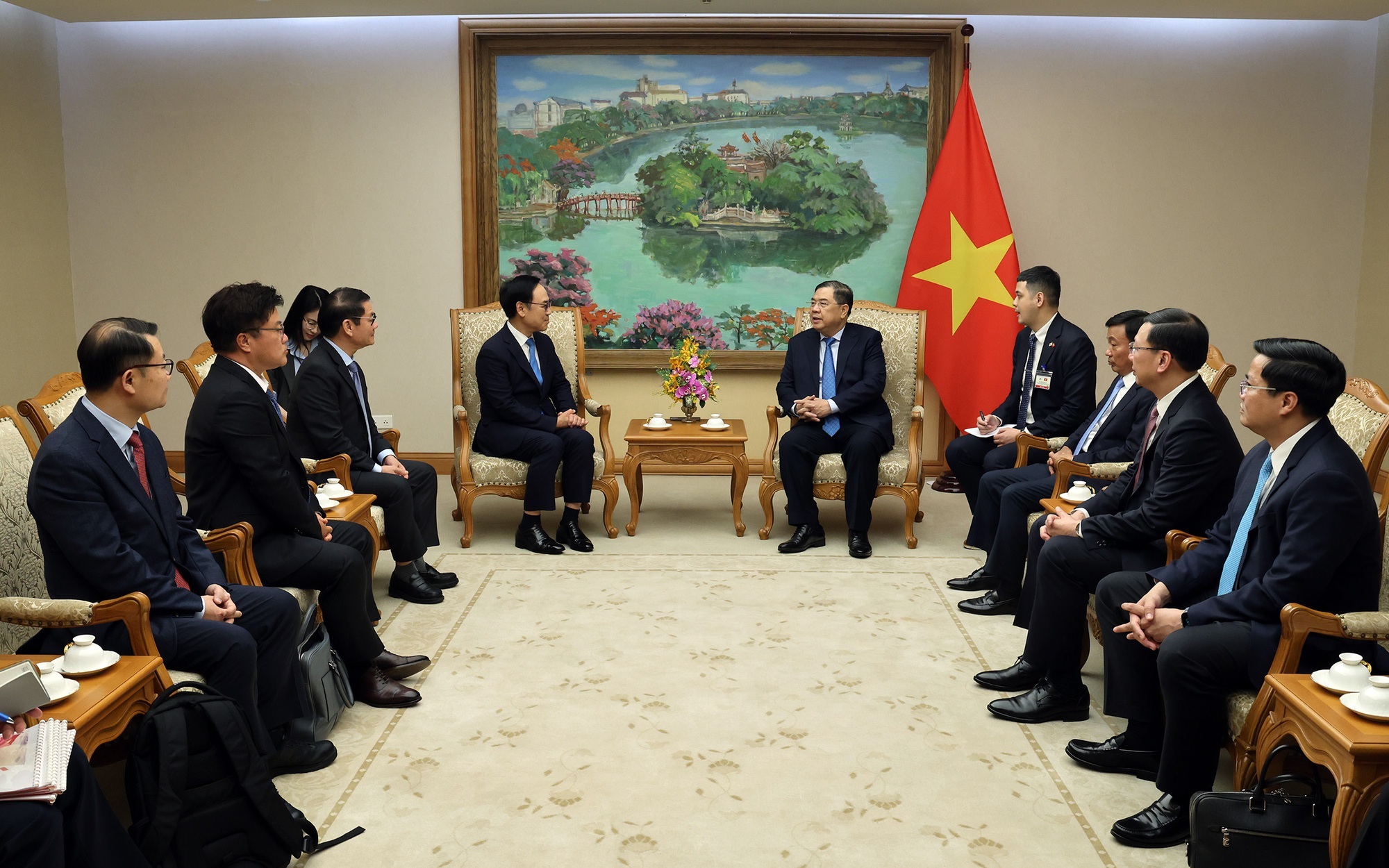
Permanent Deputy Prime Minister Pham Gia Tuc urged Hyundai Rotem to expand cooperation, technology transfer, and participation in Vietnam’s railway projects.
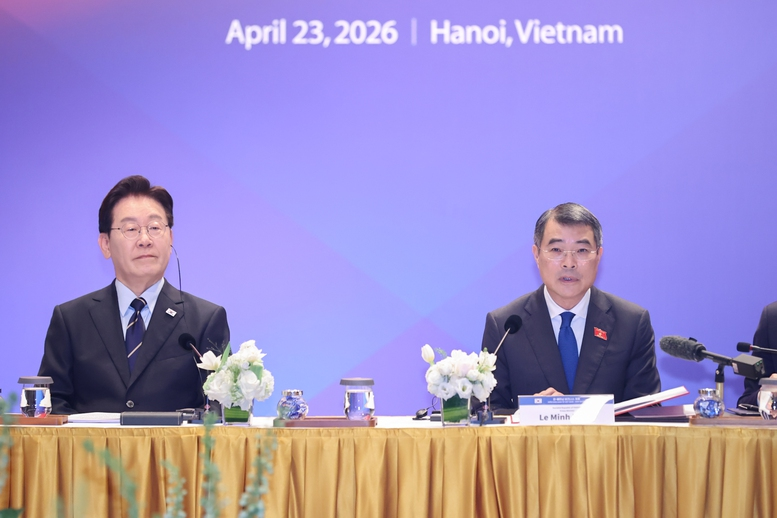
Prime Minister Le Minh Hung and President Lee Jae Myung led a Vietnam - the Republic of Korea (RoK) business roundtable in Hanoi, calling for deeper high tech cooperation.