Trade promotion activities are increasingly demonstrating their effectiveness, providing an important impetus for exports to maintain double-digit growth.
In an interview with the media, Vu Ba Phu, Director of the Viet Nam Trade Promotion Agency under the Ministry of Industry and Trade (MoIT), said trade promotion efforts have made and continue to make positive contributions to export performance. With long-term and well-designed plans in place, trade promotion activities will continue to be renewed, contributing to export growth and the overall expansion of the economy.
Trade promotion centered on enterprises and markets
- Viet Nam's exports reached nearly USD 375 billion in the first eight months of 2026. To achieve this result, the Ministry of Industry and Trade made thorough preparations from the beginning of the year, including the Trade Promotion Plan for the 2026-2030 period. What is your assessment of this view?
Vu Ba Phu: I believe that export turnover of nearly USD 375 billion in the first eight months of 2026 is a highly encouraging result. Export growth reached 22.4%, significantly exceeding the full-year target of 15-16%. This outcome creates favorable conditions for achieving the export target for 2026 while also requiring efforts to sustain growth in the remaining months of the year.
Vu Ba Phu, Director of the Viet Nam Trade Promotion Agency under the Ministry of Industry and Trade.
The Trade Promotion Plan for the 2026-2030 period was not developed simply by compiling a list of promotional activities for the next five years. Instead, it was formulated in close alignment with the major policies and orientations of the Party and the State in the new development stage, export-import development strategies, the realities of export activities, global market trends and developments, lessons from previous trade promotion efforts, and new requirements facing Vietnamese enterprises.
Accordingly, the Plan is consistent with the orientation for export-import development in the new period, in which exports continue to serve as an important driver of economic growth. However, the requirement is not only to expand scale but also to enhance added value, competitiveness, participation in value chains and sustainability.
The Plan is also grounded in the realities of export activities and the capabilities of Vietnamese enterprises. In recent years, exports have expanded significantly in scale, the structure of export products has improved, and many enterprises have become more deeply integrated into global supply chains. Nevertheless, enterprise capacity varies across industries and markets, while brand-building capabilities, compliance with standards and direct access to international distribution networks remain limited among a number of businesses. These are issues that trade promotion activities will focus on addressing in the coming period.
Another important factor is that the global market landscape is changing rapidly. Markets are becoming increasingly fragmented, competition is intensifying, and requirements relating to technical standards, environmental protection, green development, traceability, social responsibility and digital transformation are becoming increasingly important conditions for enterprises seeking to maintain and expand market access. Therefore, trade promotion activities support enterprises not only in understanding markets but also in meeting market requirements and reaching the right partners and market segments.
The Plan also builds upon the achievements and lessons learned from implementing trade promotion programs in the previous period. Experience has shown that trade promotion activities in some areas have remained fragmented, with certain cases focusing heavily on the number of activities while monitoring of outcomes and impacts on enterprises has not been sufficiently consistent. Coordination among central agencies, local authorities, industry associations and overseas trade promotion networks also needs to be strengthened. Therefore, during the 2026-2030 period, a stronger shift is needed from an activity-based approach to one focused on objectives, target groups and measurable outcomes, while improving linkages throughout the system.
In addition, trade promotion efforts will be more closely linked to the effective utilization of free trade agreements (FTAs), providing market information and connections tailored to specific sectors, helping enterprises better understand market access conditions, rules of origin, standards and demand in each market so they can make fuller use of available preferences.
Based on these considerations, the Trade Promotion Plan for the 2026-2030 period is designed around an enterprise- and market-centered approach, with greater focus on industries and markets with strong potential, enhanced connectivity among stakeholders within the trade promotion system, and renewed methods of implementation through the application of data and digital transformation. At the same time, performance evaluation will gradually shift from measuring the number of activities to assessing actual outcomes for enterprises and markets. In this way, trade promotion will not only help enterprises identify immediate export opportunities but also support market expansion, strengthen competitiveness and create conditions for deeper participation in supply chains and sustainable development in international markets.
Promoting the right products in the right markets
- One of the key tasks in boosting exports is clearly identifying priority product groups, diversifying markets, and building and completing the National Trade Promotion Ecosystem. How are the Viet Nam Trade Promotion Agency and Viet Nam's trade offices abroad carrying out these tasks?
Vu Ba Phu: These are three closely interconnected areas. In recent years, Vietnam Trade Promotion Agency has coordinated with Viet Nam's trade offices abroad, local authorities, industry associations and enterprises to promote exports based on the principle of targeting the right products, the right markets and the right business groups.
First, regarding the identification of priority product groups, the Viet Nam Trade Promotion Agency is focusing resources on products with export advantages, strong capacity to meet international demand and substantial growth potential. In addition to key export products, we are also paying attention to high value-added products, deeply processed goods, green products and products that meet emerging market standards. On that basis, trade promotion programs are being designed more specifically for each product category rather than following a broad and fragmented approach.
Second, market diversification is a task to which we attach special importance at present. For traditional markets such as the US, the EU, China, Japan, the Republic of Korea and ASEAN, the objective is to consolidate market share and move deeper into high value-added segments. At the same time, we are strengthening trade promotion activities in markets with significant untapped potential, including the Middle East, India, Latin America, Africa and markets where Viet Nam has signed FTAs but where enterprises have yet to fully exploit available opportunities.
Strengthening trade promotion and diversifying markets are important tasks in boosting exports.
Third, the development of the National Trade Promotion Ecosystem. We recognize that no single agency can conduct trade promotion effectively in isolation. This ecosystem must involve state management agencies, central and local trade promotion organizations, industry associations, enterprises, trade offices, business support organizations, digital platforms and international partners. In this ecosystem, the Viet Nam Trade Promotion Agency serves as the coordinator and connector, trade offices act as important focal points in overseas markets, while local authorities, associations and enterprises are the direct implementers and beneficiaries.
We are working toward integrating information on markets, industries, partners, trade promotion activities and business needs through digital platforms. This will allow enterprises to access a relatively comprehensive support system rather than searching independently for information, partners or promotional programs. The objective is to build an interconnected trade promotion system linking central and local levels, domestic and overseas networks, and market information with business matching activities, thereby improving the efficiency of trade promotion resources and generating more substantive results for enterprises.
Enhancing the capacity of the trade promotion system and enterprises
- To promote exports, strengthening the capacity of provincial-level trade promotion agencies and integrating digital technology into promotional activities are important factors in both the short and long term. How is the industry, particularly local trade promotion organizations, addressing this issue?
Vu Ba Phu: This is an area that the Ministry of Industry and Trade and the Viet Nam Trade Promotion Agency consider a priority during the 2026-2030 period, as the capacity of local trade promotion systems directly affects their ability to support enterprises in accessing markets and expanding exports. In recent years, the Viet Nam Trade Promotion Agency has strengthened cooperation with local trade promotion organizations by sharing market information, providing professional guidance, offering training and capacity-building programs for personnel, and creating opportunities for local trade promotion centers to participate more deeply in domestic and international trade promotion programs and events.
Enhancing enterprises' internal capabilities to meet market requirements is essential for expanding exports.
One important initiative is the development of a systematic assessment of provincial trade promotion agencies through the Trade Promotion Capacity Index (TPCI). This assessment is not intended to create additional administrative procedures for localities. Rather, it aims to identify the strengths and weaknesses of each agency and provide appropriate support measures. The target is for 100% of provincial trade promotion agencies to achieve a score of at least 75 out of 100 by 2030.
Alongside capacity enhancement, digital transformation is fundamentally changing the way trade promotion is conducted. Previously, enterprises mainly accessed information through conferences, trade fairs, business delegations and traditional channels. Today, digital tools enable faster and broader supply-demand matching, market information dissemination, product promotion and partner searches. The Viet Nam Trade Promotion Agency is gradually developing and completing the National Trade Promotion Ecosystem on a digital platform, connecting state management agencies, central and local trade promotion organizations, industry associations and enterprises.
When this system is fully connected, an enterprise located in any province will be able to access information on foreign markets, trade promotion programs and potential partners without necessarily being present in major economic centers. However, I would also emphasize that digital transformation does not mean completely replacing direct trade promotion activities. For international transactions involving stringent requirements related to standards, quality and partnership building, direct activities such as specialized trade fairs, business matching events and market surveys remain highly important.
The key is to combine these two approaches into a more effective trade promotion process: digitizing information, identifying and screening partners, conducting online connections, and then advancing toward direct transactions and cooperation. Therefore, our objective is not merely to improve scores or equip local trade promotion centers with additional technology, but more importantly to build a capable, professional and seamlessly connected trade promotion network. In this network, the Vietnam Trade Promotion Agency serves as a coordinator, information-sharing hub and resource connector, while local authorities act as the frontline force supporting enterprises in their respective areas.
Through these efforts, we hope that every enterprise, whether located in Hanoi, Ho Chi Minh City or other localities, will be able to access market information, partners and trade promotion opportunities more quickly, conveniently and effectively.
- The support provided by the industry and Viet Nam's trade offices abroad has been evident. From the perspective of enterprises, what measures should be taken to respond to market fluctuations and invest effectively in order to increase exports?
Vu Ba Phu: In the current context, enterprises must recognize that product quality and branding constitute their core competitive strengths rather than merely conditions for meeting the requirements of specific markets.
Enterprises need to invest seriously in product quality and compliance with international standards. Rather than waiting until orders are secured before seeking to meet market requirements, businesses should proactively establish quality management systems, control raw materials, ensure traceability and maintain supply chain transparency from the outset. In particular, in major markets, requirements related to environmental protection, emissions, labor standards, food safety and the origin of raw materials are increasingly becoming integral components of competitiveness.
Investment in products and value addition is equally important. If enterprises continue exporting raw materials or products with limited processing, they will find it difficult to differentiate themselves and will remain vulnerable to price pressures. Greater attention should be given to deep processing, design, packaging, product specifications and the development of products tailored to individual markets and consumer groups.
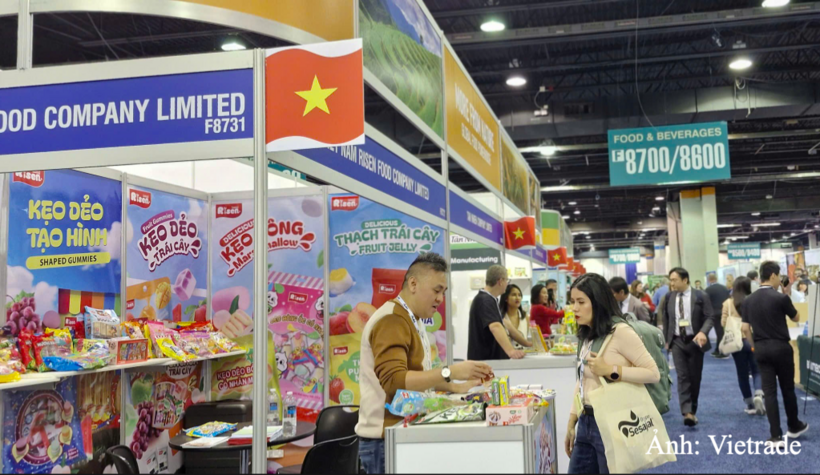
Deepening engagement in traditional markets while expanding into new ones remains a priority of trade promotion efforts, helping Vietnamese products reach global markets.
Building brands is a long-term task. In my view, this is an area where Vietnamese enterprises still have considerable room for improvement. A brand is not simply a name or a logo. It is built on consistent quality, reliable delivery, compliance with standards and credibility in business relationships. When these elements are maintained consistently, a brand gains value and enables enterprises to move gradually from selling products to delivering value.
At the same time, enterprises need to invest in market access capabilities. The approach required for the US, Europe, the Middle East or Northeast Asia can differ significantly, even for the same product. Enterprises should carefully study markets, identify the appropriate customer segments, distribution channels and market requirements, while making effective use of the FTAs that Viet Nam has signed.
On the part of the State, the Viet Nam Trade Promotion Agency and relevant organizations within the system will continue supporting enterprises through market information services, training, consultancy, business matching, specialized trade fairs and brand promotion programs. However, I would like to emphasize that while the State can pave the way, provide information and create networking opportunities, enterprises themselves must make the investments and determine how far they can go in international markets. If enterprises perform well in terms of quality, standards, products and branding, Viet Nam will not only increase export turnover but, more importantly, enhance the value of Vietnamese goods and strengthen the position of Vietnamese enterprises within global supply chains.
Vu Ba Phu, Director of the Viet Nam Trade Promotion Agency: The National Digital Trade Promotion Portal is expected to be launched by the end of 2026. It will serve as a unified access point through which enterprises can gradually access information, data and services within the Digital Trade Promotion Ecosystem. The portal will then continue to be upgraded, expanded and connected with relevant platforms and databases.
Polish Prime Minister Donald Tusk will pay an official visit to Viet Nam from October 24 to 26 as the bilateral trade continues to grow, creating opportunities for deeper cooperation.
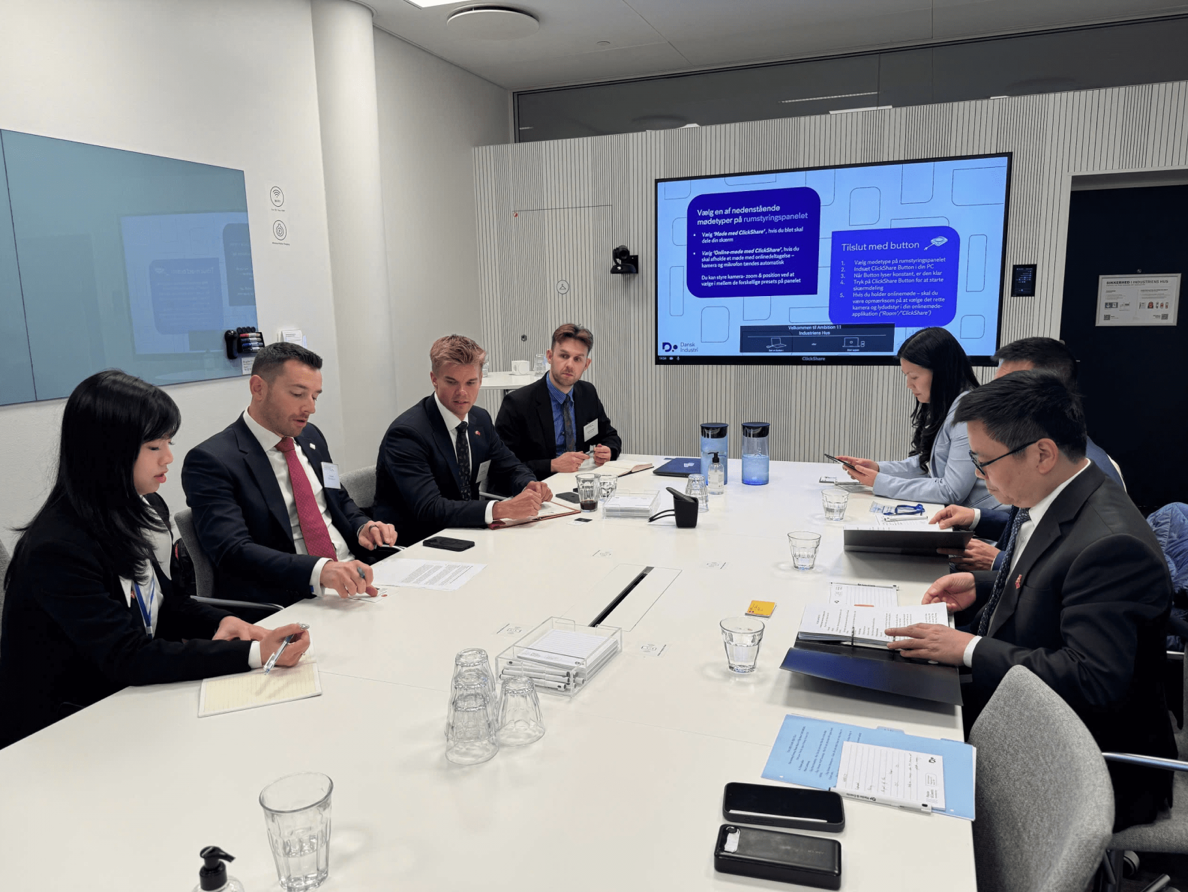
Deputy Minister Truong Thanh Hoai met with LEGO and Carlsberg in Denmark on October 20 to discuss green investment and sustainable manufacturing in Viet Nam.
For more than three decades, Ms. Dang Thi Thanh Huong has quietly shaped the legacy of Dong Phuong Cake & Confectionery, a brand rooted in tradition, craftsmanship.
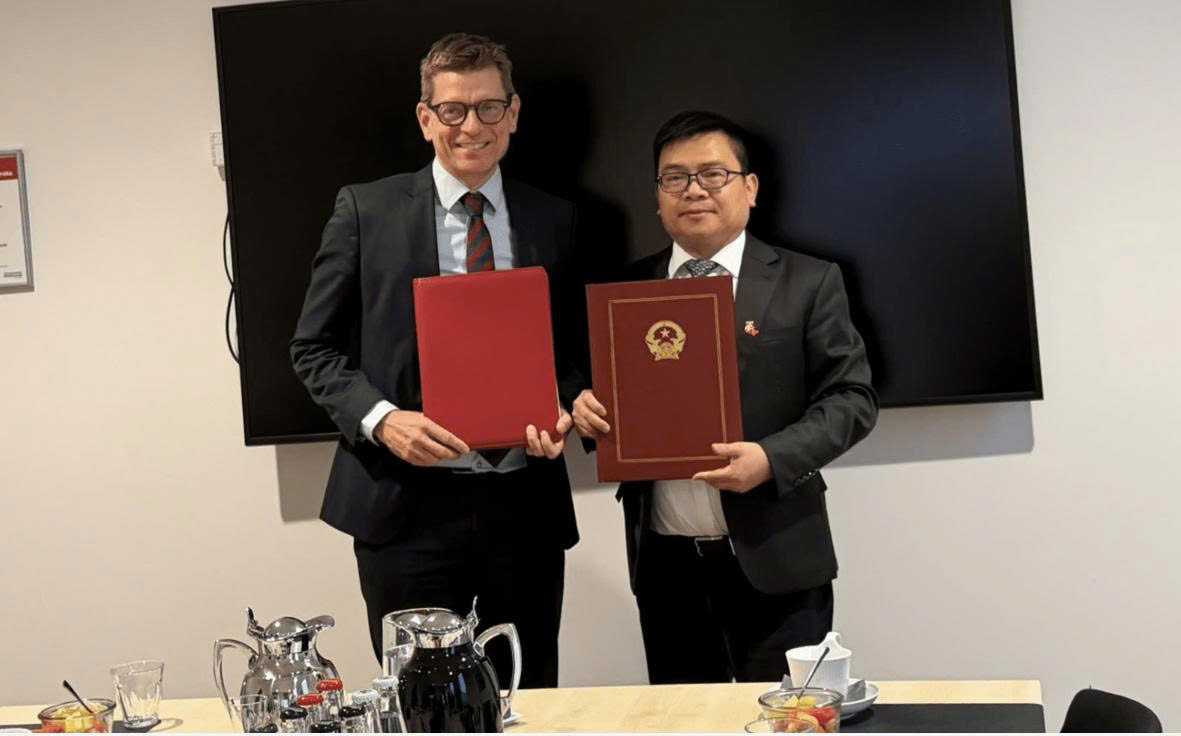
Viet Nam and Denmark have signed an MoU on energy cooperation to strengthen bilateral ties and advance collaboration in renewable energy and the green transition.
Deputy Minister Luong Hoang Thai met French Minister Delegate Eleonore Caroit on October 19 to discuss ways to strengthen Viet Nam - France cooperation.
Digital skills, AI adoption and online exports are expected to help young entrepreneurs transform their businesses and expand into international markets.
Norwegian Ambassador Stein Iversen said Viet Nam's economy could be twice the size of Norway's in 12 - 13 years if its current growth momentum continues.
Viet Nam - Malaysia trade hit USD 17.4 billion in the first nine months of 2026, exceeding the 2025 full-year total and signaling a stronger-than-expected year.
The official visit to Laos by Prime Minister Le Minh Hung is expected to inject fresh momentum into bilateral relations, with economic, trade and investment cooperation continuing to serve as a core pillar.