Norwegian Ambassador Stein Iversen said Viet Nam's economy could be twice the size of Norway's in 12 - 13 years if its current growth momentum continues.
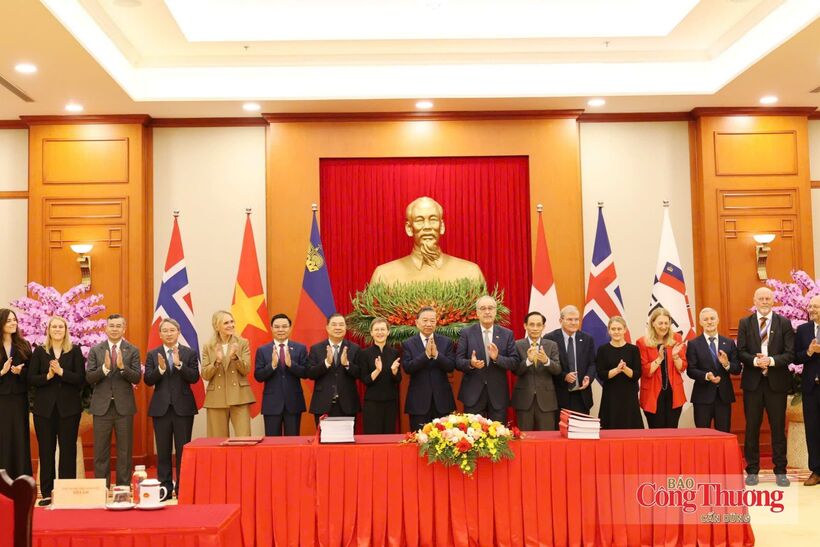
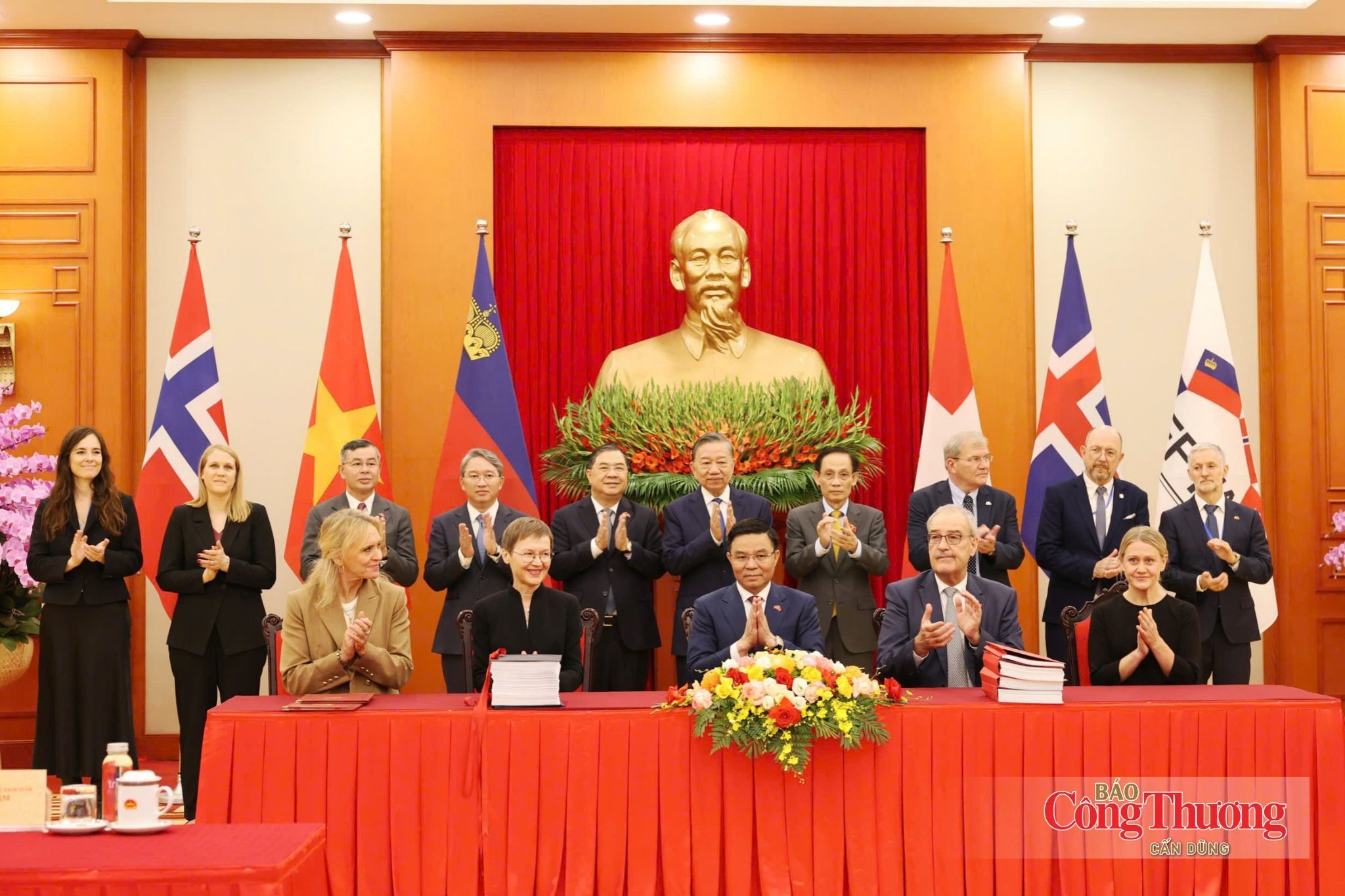
On October 18 in Ha Noi, Minister of Industry and Trade Le Manh Hung and representatives of the four member states of the European Free Trade Association (EFTA) officially signed the Viet Nam - EFTA Free Trade Agreement (VEFTA), in the presence of Party General Secretary and State President To Lam.
The EFTA representatives included Guy Parmelin, President of the Swiss Confederation and Head of the Federal Department of Economic Affairs, Education and Research; Brigitte Haas, Prime Minister and Minister of General Government Affairs and Finance of Liechtenstein; Thorgerdur Katrin Gunnarsdottir, Minister for Foreign Affairs of Iceland; and Astrid Bergmal, State Secretary at Norway's Ministry of Foreign Affairs.
Viet Nam and representatives of EFTA member states officially sign the free trade agreement on October 18.
The signing marks a significant milestone in relations between Viet Nam and EFTA, whose members possess considerable strengths in innovation. It also demonstrates the determination of all parties to strengthen economic cooperation, promote free trade and reinforce the rules-based trading system amid continued volatility in the global economy.
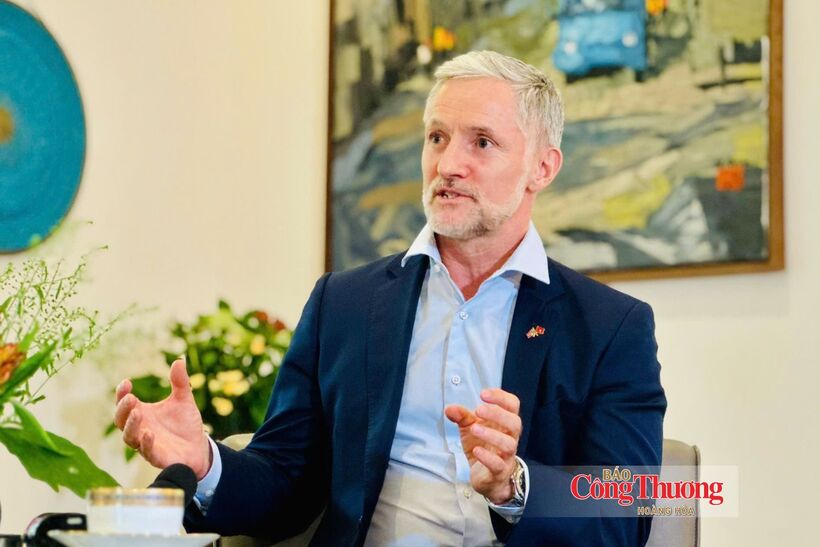
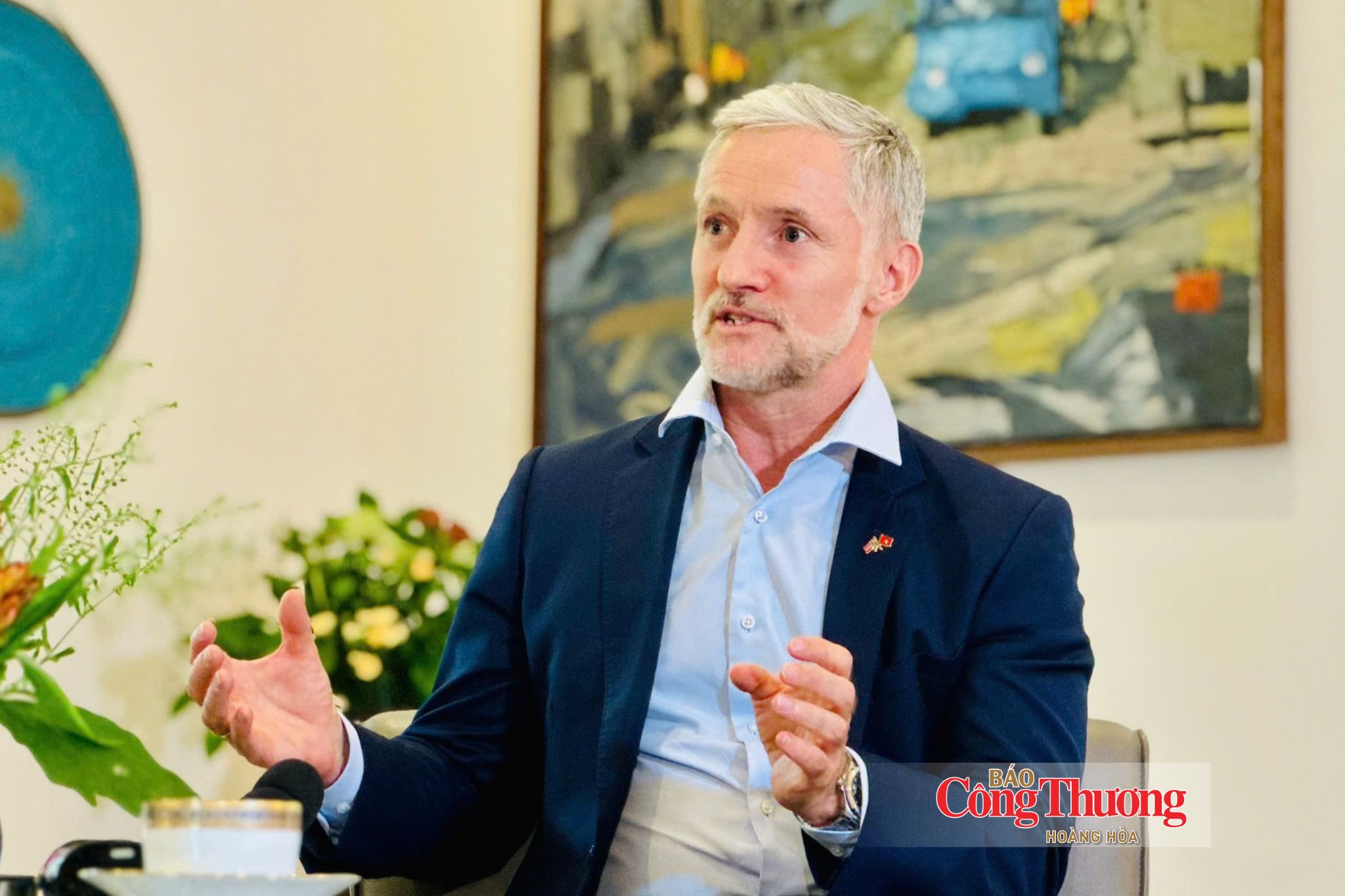
On this occasion, Newspaper of Industry and Trade (NOIT) had an interview with Norwegian Ambassador to Viet Nam Stein Iversen to gain further insights into the benefits the Viet Nam - EFTA FTA is expected to bring to trade relations between Viet Nam and Norway.
Norwegian Ambassador to Viet Nam Stein Iversen shares his views with NOIT on the benefits of the Viet Nam - EFTA FTA for bilateral trade.
New momentum for trade between Viet Nam and four EFTA member states
The Viet Nam - EFTA Free Trade Agreement has just been signed after nearly 14 years of negotiations. Ambassador, what were the decisive factors that enabled both sides to reach an agreement at this time? How do you assess the significance of this event for Norway and EFTA as a whole?
Ambassador Stein Iversen: We are very pleased that Viet Nam and EFTA have reached an agreement on a comprehensive free trade agreement. Free trade negotiations are inherently complex and often take considerable time. The negotiations between Viet Nam and EFTA were no exception, particularly as there was a seven-year period during which no negotiations took place.
The outcome achieved today, after 14 years, therefore reflects the strong commitment, persistence and determination of all parties. It also reaffirms the importance of our cooperative relationship.
The agreement will provide fresh impetus for trade between Viet Nam and the four EFTA member states, while creating further opportunities for businesses from Switzerland, Norway, Iceland and Liechtenstein to access the Vietnamese market. At the same time, it will facilitate greater access for Vietnamese goods to EFTA markets. This truly represents an important milestone in our cooperation. We expect the agreement to elevate economic relations between Viet Nam and the four EFTA member states, particularly Norway, to a new level.
As you have mentioned, the agreement is expected to elevate cooperation between Viet Nam and Norway to a new level. In 2025, bilateral trade between the two countries reached USD 855 million, an increase of 61.8% over five years. In your view, what turning point could the agreement create in bilateral relations? Which sectors are likely to benefit most, such as seafood, shipbuilding, renewable energy, the marine economy or green technology?
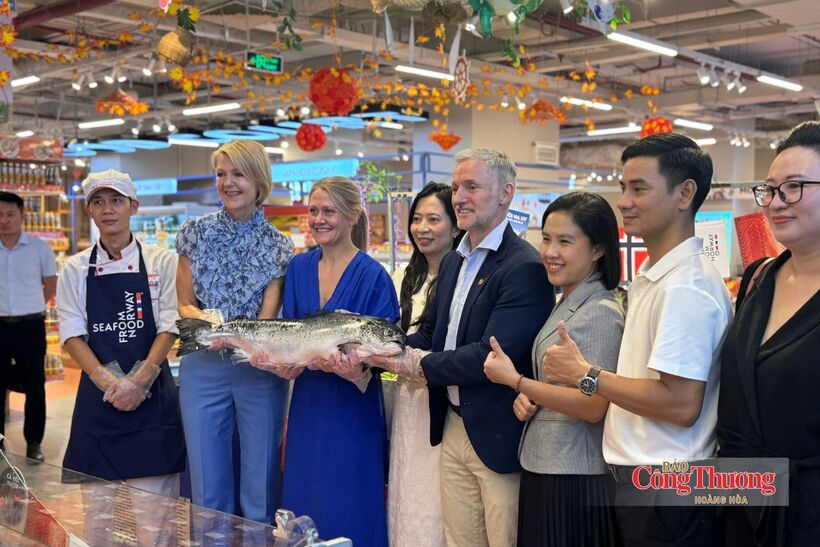
Ambassador Stein Iversen: One of the clearest benefits is that the agreement will create a more level playing field for Norwegian seafood products, particularly salmon. This is an important sector that accounts for a substantial share of bilateral trade between our two countries.
Tariff reductions under the agreement will enable more Norwegian seafood products to enter the Vietnamese market. This means that an increasing number of Vietnamese consumers will be able to enjoy Norwegian salmon and other high-quality seafood products at more affordable prices. Conversely, we also hope that Norwegian consumers will soon have more opportunities to enjoy Vietnamese coffee and tropical fruits.
The agreement will create a more level playing field for Norwegian seafood products, particularly salmon.
In addition, maritime transport, shipbuilding, fisheries, green energy and other marine-related industries have long been important areas of cooperation between our two countries. Improved market access, together with a stable and transparent trade framework, will strengthen business confidence in investing and expanding operations in Viet Nam. In particular, the FTA will make Viet Nam a more attractive destination for businesses seeking to diversify their markets and supply chains.
As Viet Nam actively pursues its sustainable development objectives and its goal of achieving net-zero emissions by 2050, advanced and green technologies will be among the areas in which Norway and Norwegian companies can contribute their expertise and support Viet Nam's efforts.
How businesses can make the most of the agreement
EFTA comprises high-income markets with stringent requirements for quality and sustainable development. What would you recommend Vietnamese businesses do to make effective use of the agreement's preferential provisions? At the same time, what do Norwegian and EFTA investors expect from Viet Nam's business environment once the agreement enters into force?
Ambassador Stein Iversen: To make effective use of the preferential provisions under the agreement, Vietnamese businesses need to prepare early and regard compliance with EFTA standards as an integral part of their strategies to enhance competitiveness.
While awaiting ratification and the agreement's entry into force, businesses, particularly small and medium-sized enterprises, should proactively familiarize themselves with its provisions, tariff commitments, rules of origin and market access conditions applicable to different categories of goods. More importantly, they should focus on improving product quality, traceability and sustainable production processes to meet market requirements.
This will not only enable businesses to benefit from the agreement's preferential provisions but also facilitate their deeper integration into international supply chains. Norway can provide support through business connections and the sharing of experience and expertise in sustainable development and traceability.
From the perspective of Norway and other EFTA member states, we expect the agreement to generate additional momentum for two-way trade and investment. To realize this potential, a transparent, stable and predictable business environment is essential. Such an environment will help businesses reduce costs, mitigate risks and invest with greater confidence over the long term.
Ambassador, Viet Nam already has 17 free trade agreements with various partners. How will the additional agreement with EFTA help Viet Nam further strengthen its network of economic linkages with Europe? What steps will Norway prioritize to ensure the agreement is ratified promptly and translated into practical outcomes?
Ambassador Stein Iversen: At a time when the international trading system is facing increasing pressure, this agreement complements existing trade arrangements, strengthens two-way trade and investment, and enables Vietnamese businesses to gain deeper access to EFTA markets, namely Norway, Switzerland, Iceland and Liechtenstein.
The agreement will also foster stronger connections between Vietnamese businesses and their European partners, particularly in sectors offering considerable potential for cooperation in technology, innovation and the green transition.
Following today's signing ceremony, the agreement will be submitted to the Norwegian Parliament for consideration and ratification. In the meantime, we can already begin preparing for its implementation by disseminating information, developing roadmaps and establishing proactive action plans.
According to available statistics, Norway is one of Viet Nam's leading partners in the marine economy, renewable energy, particularly offshore wind power, and the green transition. Once the agreement enters into force, how will it facilitate the flow of Norwegian investment, technology and management expertise into these sectors? How do you envision Viet Nam–Norway relations developing over the next five years under this new agreement framework?
Ambassador Stein Iversen: Norway and Viet Nam have built a strong cooperative relationship over the past 55 years. The agreement we have signed today provides an important foundation for the next chapter in our relations.
Our two countries are working closely together in maritime industries and green shipping, aquaculture and seafood, energy, circular economy solutions that promote more efficient resource utilization, and the green transition. These are areas in which the expertise and strengths of Norway and Norwegian investors are closely aligned with, and indeed ideally suited to, Viet Nam's long-term sustainable development objectives.
Viet Nam is one of Asia's most dynamic economies. More than 40 Norwegian companies have been actively operating in Viet Nam for decades, investing, sharing expertise, transferring technology, creating jobs and contributing to the domestic economy. An increasing number of Norwegian businesses are expressing interest in the Vietnamese market.
Earlier this year, six Norwegian companies operating in the offshore wind power sector visited Viet Nam to explore market opportunities. More recently, over 10 other Norwegian businesses brought their latest solutions, equipment and technologies to the 2026 Viet Nam International Seafood Exhibition, covering the entire seafood value chain, from breeding stock and feed to aquaculture and processing.
The circular economy sector is also looking forward to the participation of TOMRA, a world-leading company providing technological solutions to help advance the circular economy.
Together with the Green Strategic Partnership established between our two countries earlier this year, this agreement will help reinforce investor confidence, encourage existing businesses to expand their investments and attract additional investors to the Vietnamese market.
When discussing the future, we must also consider another important area of cooperation: education. For decades, Norwegian universities have actively collaborated with Vietnamese partners to train bachelor's, master's and doctoral students in aquaculture, business, marine resource management and other fields. More recently, Norway's Gokstad Academy signed a cooperation agreement on artificial intelligence (AI) training with two universities in Ha Noi and Da Nang.
Ten years ago, few people could have imagined that artificial intelligence would become such an important part of everyday life as it is today. Similarly, we cannot predict precisely which fields will shape the world over the next 10 or 15 years. Education, however, can help prepare younger generations for these changes while nurturing the innovators, creators and leaders of tomorrow.
I am very optimistic about future opportunities for cooperation. Viet Nam's economy is currently comparable in size to Norway's. If Viet Nam maintains its current growth momentum, its economy could be twice the size of Norway's in approximately 12 to 13 years.
This illustrates just how rapidly the world is changing and why Norway needs to pay greater attention to Viet Nam, because the future is here.
Thank you very much, Mr. Ambassador!
The agreement also creates opportunities for businesses from both countries to strengthen cooperation and share technologies and management expertise, particularly in the marine economy, aquaculture, clean energy and the circular economy. More than 40 Norwegian businesses are operating in Viet Nam and cooperating with domestic partners. This provides a solid foundation for stronger connections and the exchange of practical experience, helping Vietnamese enterprises improve their production capabilities, attract quality investment and generate long-term benefits for both sides.
This article was written by Hoang Hoa, a reporter with the Trade and Integration Department of the Industry and Trade Newspaper.
Norwegian Ambassador Stein Iversen said Viet Nam's economy could be twice the size of Norway's in 12 - 13 years if its current growth momentum continues.
The two sides pledged to promote ties between innovation hubs, research institutes, universities, and enterprises, while stepping up collaboration in AI, quantum technology, green energy, the digital economy, higher education, and vocational training.
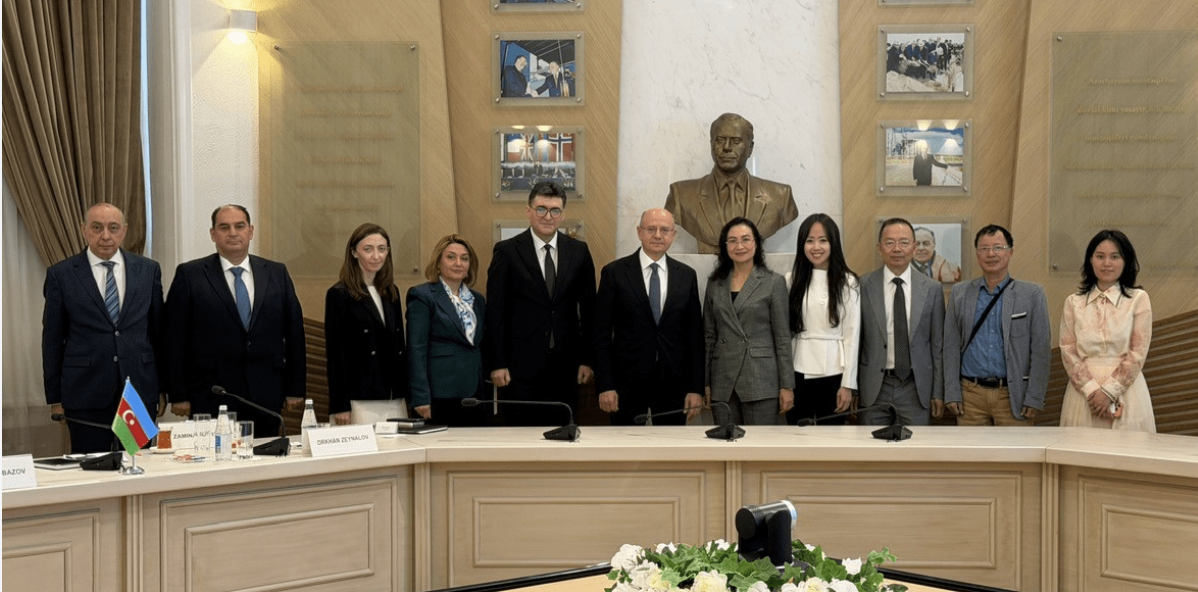
Deputy Minister Phan Thi Thang holds talks with Azerbaijan’s Minister of Energy to advance the bilateral trade and investment and expand cooperation in oil, gas, and LNG.
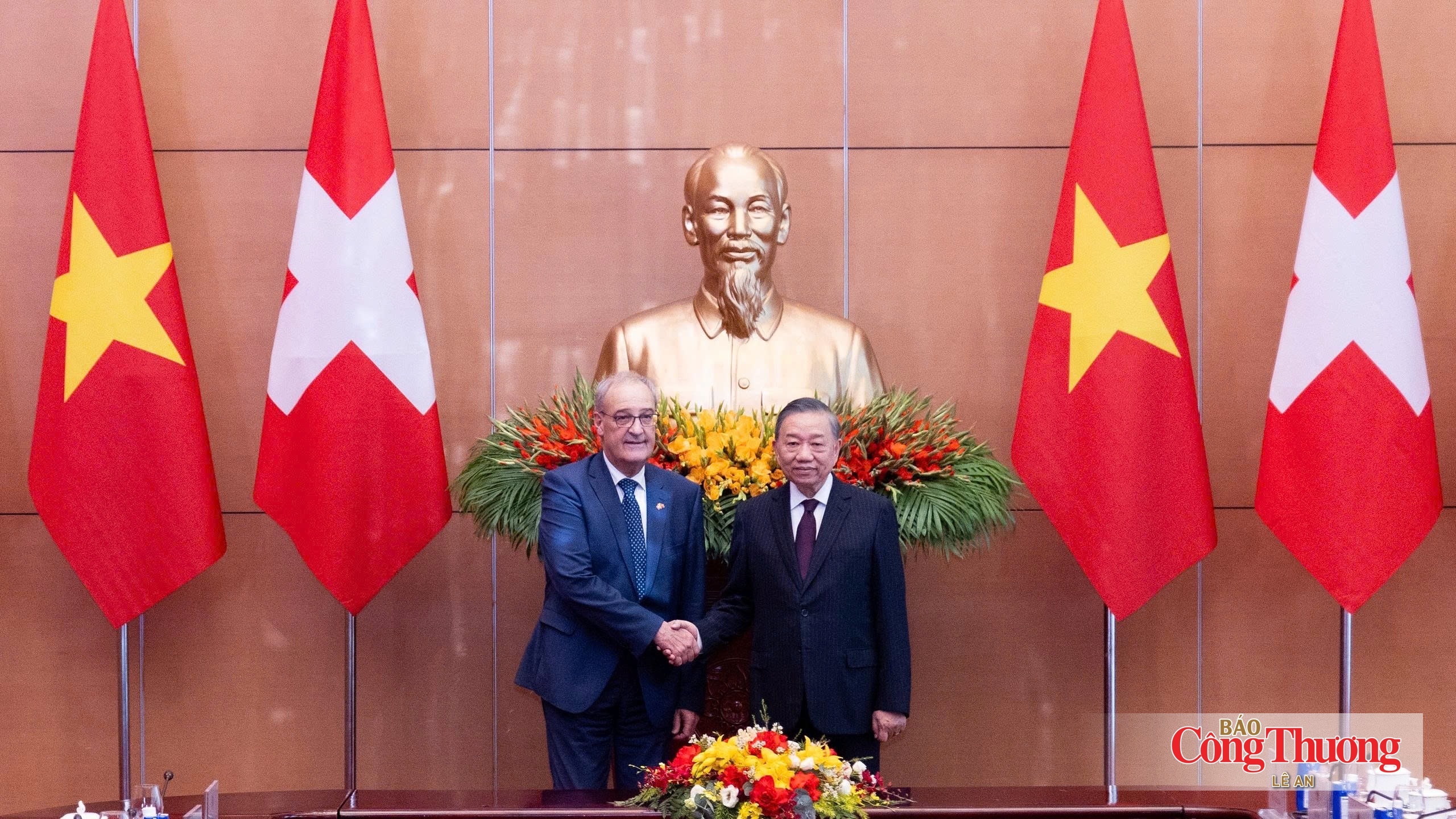
Viet Nam attaches great importance to its Comprehensive Partnership with Switzerland and wishes to continue working alongside the country to promote shared development and contribute to peace, stability and development in the region.
Norwegian Ambassador Stein Iversen said Viet Nam's economy could be twice the size of Norway's in 12 - 13 years if its current growth momentum continues.
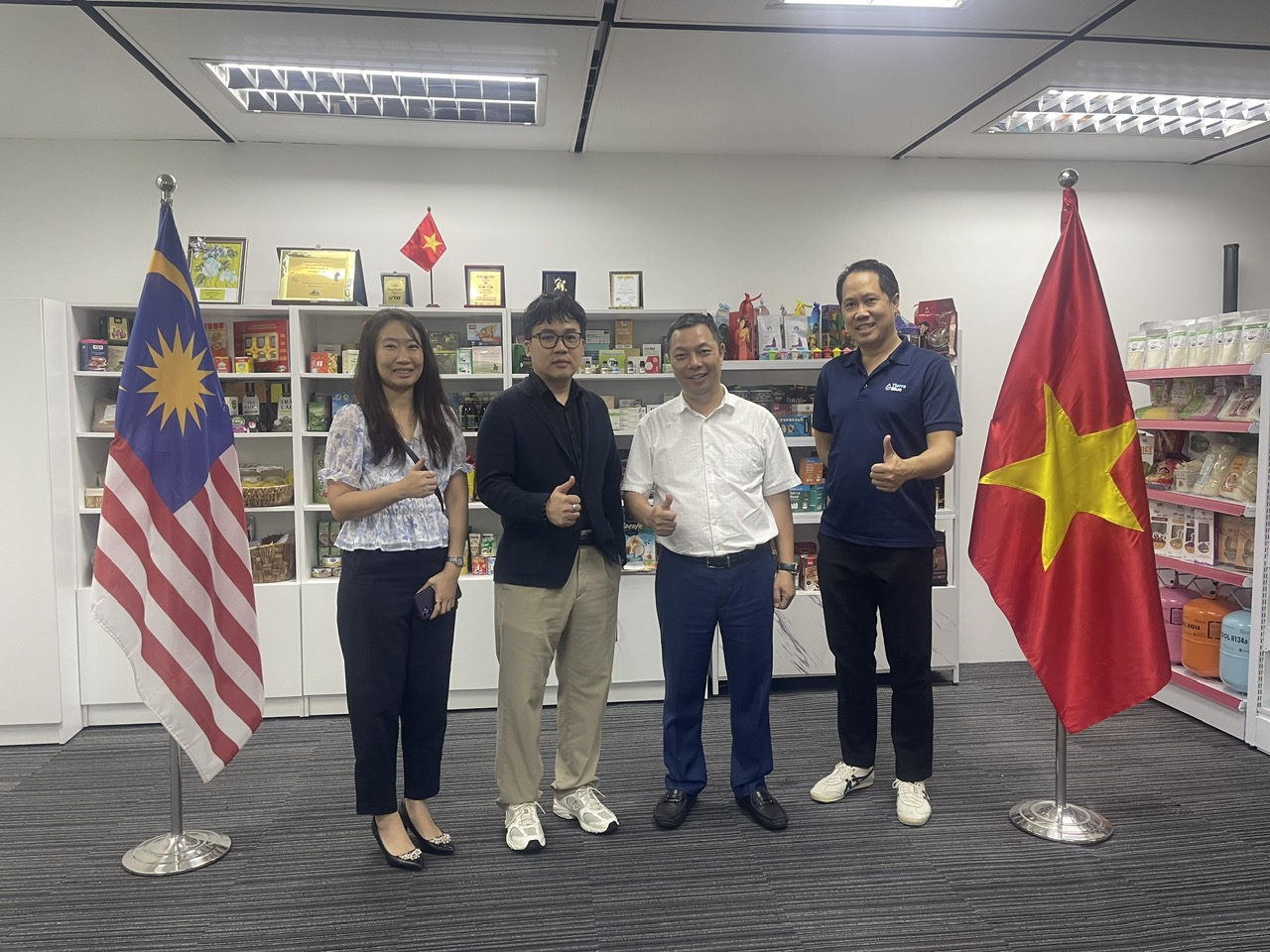
Viet Nam - Malaysia trade hit USD 17.4 billion in the first nine months of 2026, exceeding the 2025 full-year total and signaling a stronger-than-expected year.
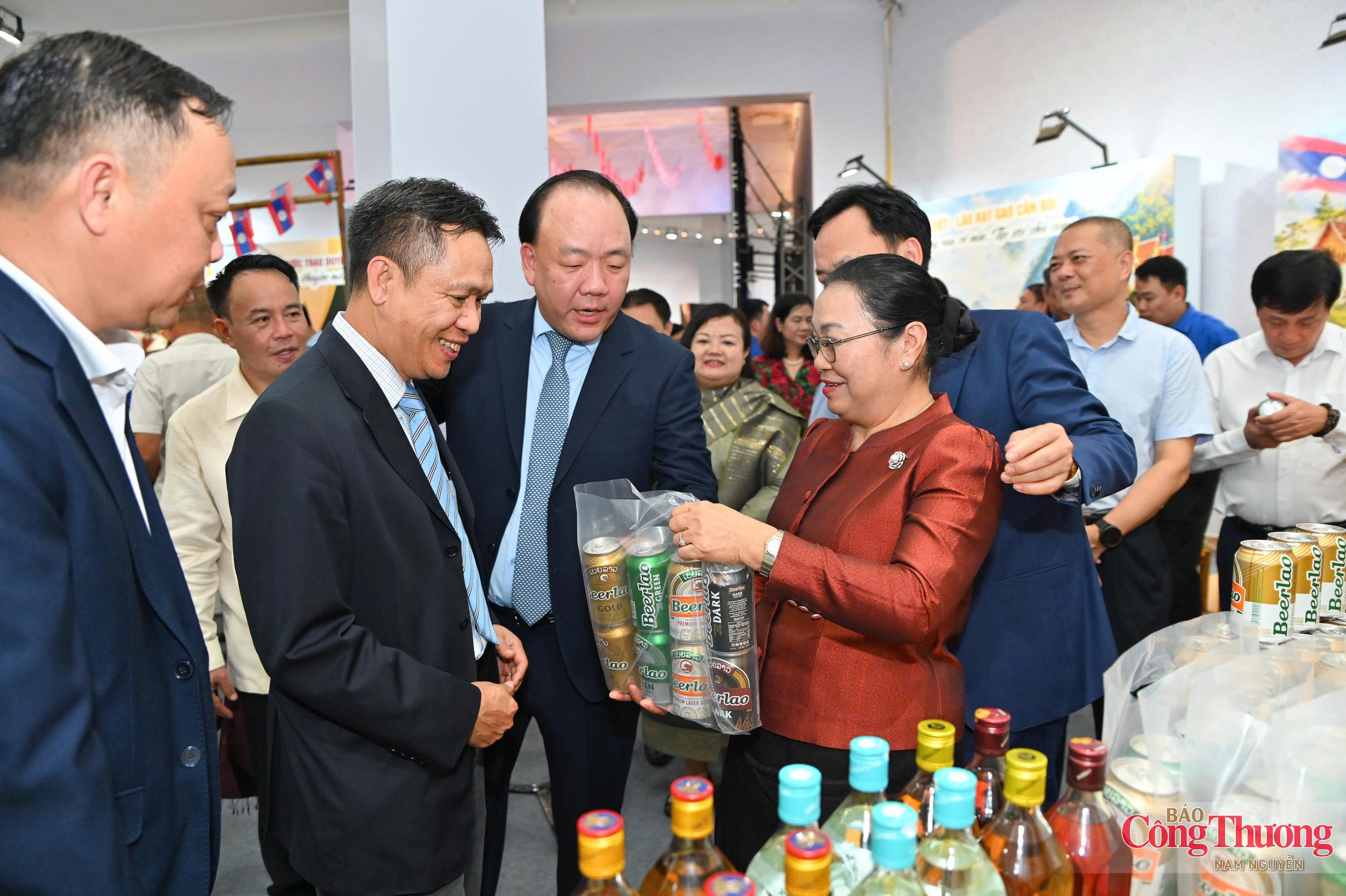
The official visit to Laos by Prime Minister Le Minh Hung is expected to inject fresh momentum into bilateral relations, with economic, trade and investment cooperation continuing to serve as a core pillar.
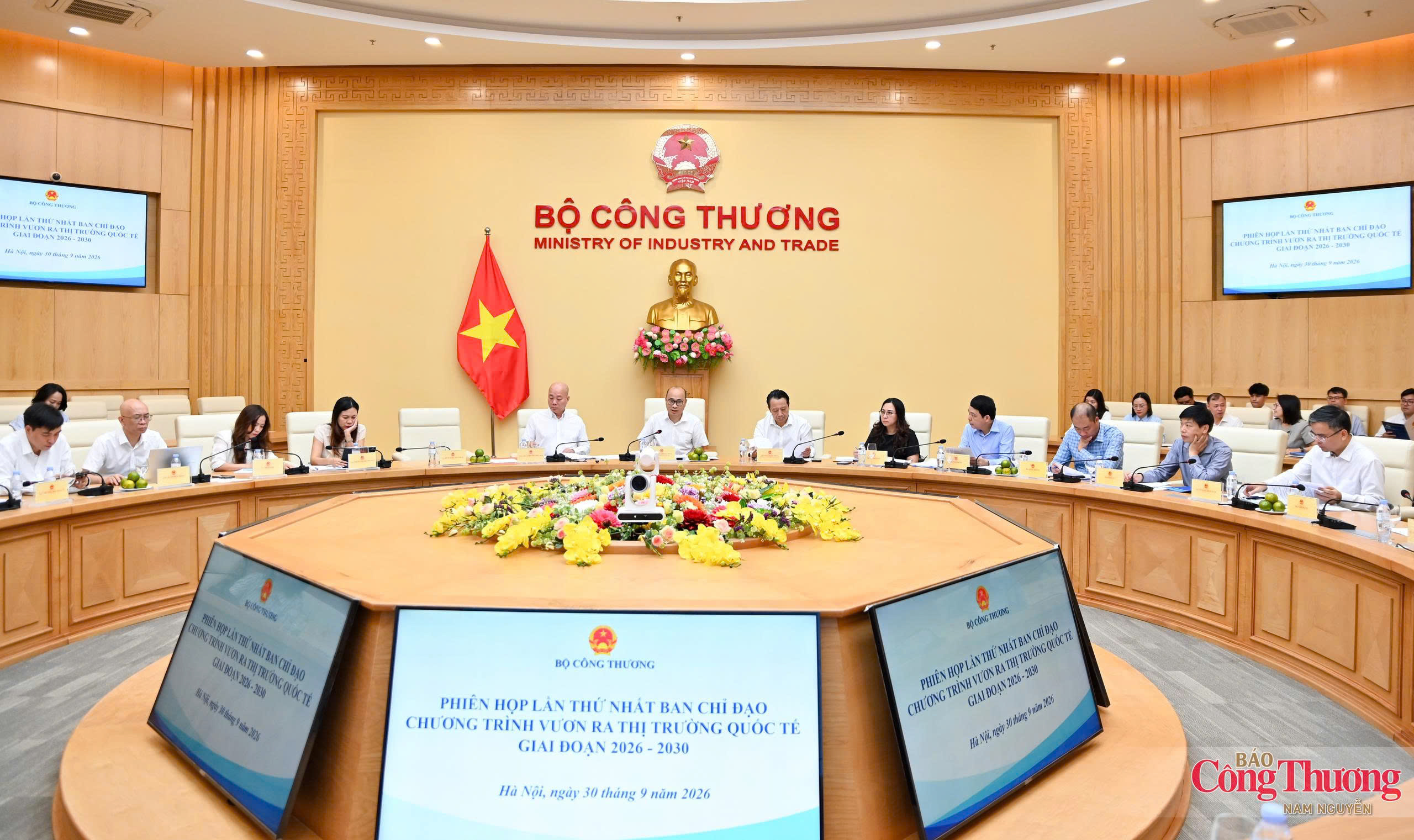
On September 30, the Ministry of Industry and Trade convened the first session of the Steering Committee for the GoGlobal Program for the 2026 - 2030 period.
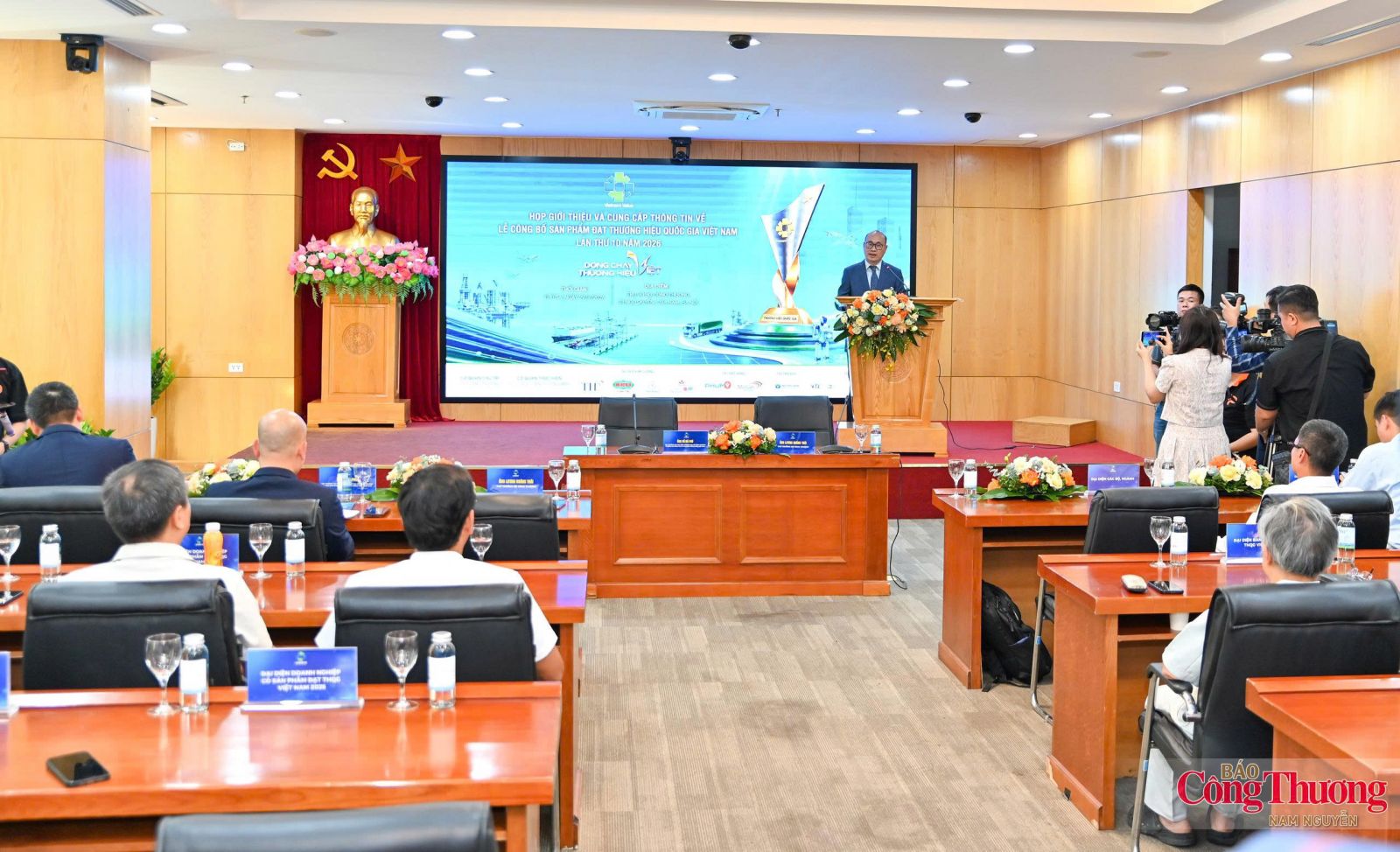
On September 29, the Ministry of Industry and Trade (MoIT) held a meeting to introduce and provide information on the ceremony announcing products achieving Viet Nam Value recognition for the 10th edition in 2026. Deputy Minister of Industry and Trade Luong Hoang Thai chaired the event.