Viet Nam aims to expand grassroots e-commerce beyond online product listings, focusing on digital skills, local supply chains, and sustainable sales growth.
Deputy Minister of Industry and Trade Nguyen Viet Son emphasized that developing e-commerce at the commune level must go beyond listing products on online marketplaces or organizing a few livestream sales sessions.
On the afternoon of November 11, 2026, the Ministry of Industry and Trade held the 2026 National Conference on Commune-Level E-commerce in Ha Noi under the theme "Bringing E-commerce to Communes: A Springboard for Double-Digit Growth."
E-commerce market maintains strong growth
In his opening remarks, Deputy Minister of Industry and Trade Nguyen Viet Son said the 14th National Party Congress Resolution sets a target of average annual economic growth of at least 10% during the 2026 - 2030 period, with the digital economy targeted to account for approximately 30% of GDP by 2030.
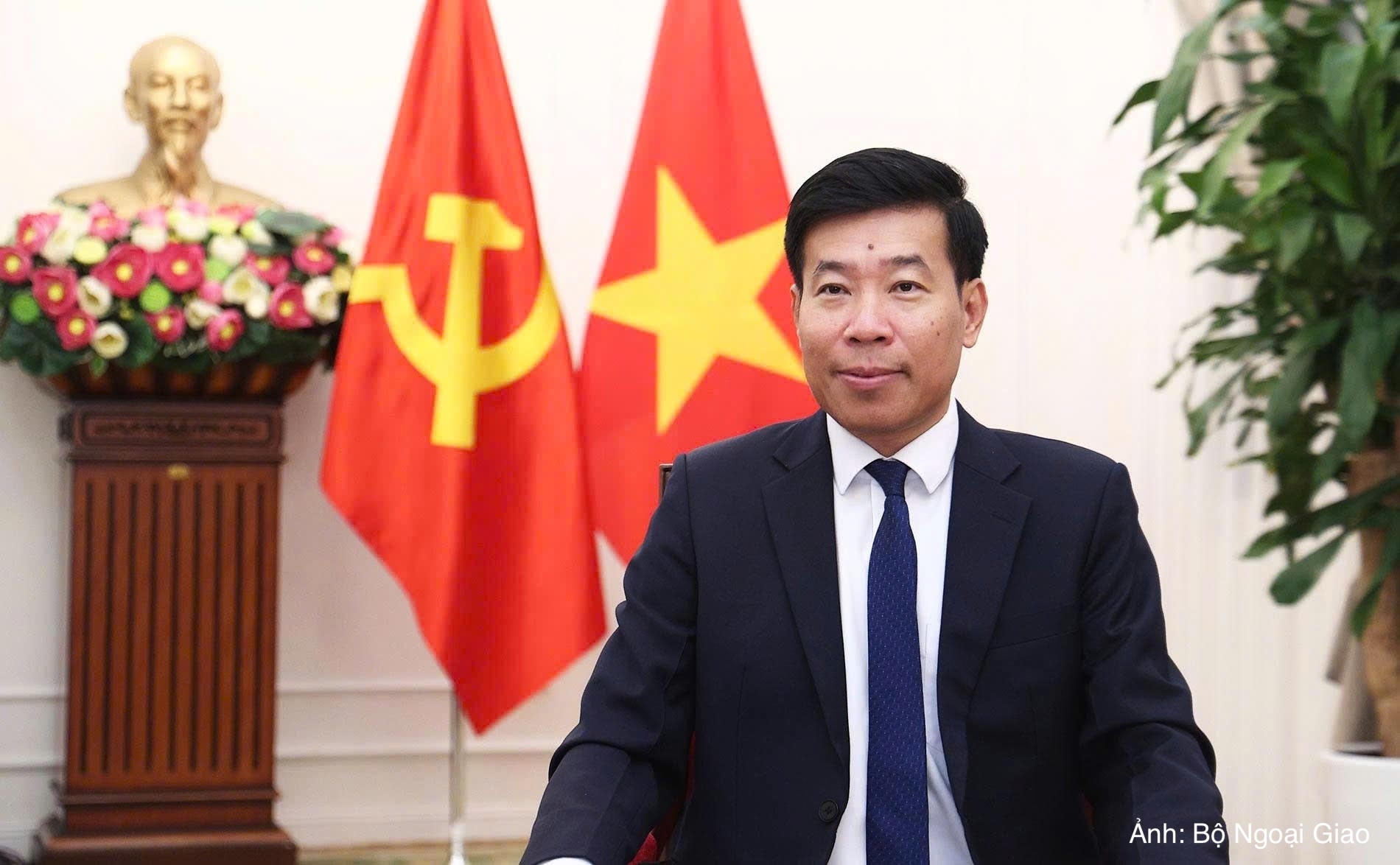
Deputy Minister of Industry and Trade Nguyen Viet Son delivers opening remarks at the conference.
In addition, Conclusion No. 18-KL/TW of the Second Plenum of the 14th Party Central Committee links the five-year development plan to the goal of achieving "double-digit" economic growth. Resolutions No. 57-NQ/TW and No. 68-NQ/TW of the Politburo emphasize breakthroughs in science and technology, digital transformation, and the development of the private sector. The Government's Resolution No. 169/NQ-CP dated June 27, 2026, assigns growth targets to localities and requires provincial-level government leaders to clearly identify new growth drivers and untapped growth potential.
For the Ministry of Industry and Trade, Resolution No. 01/NQ-CP dated January 8, 2026, identifies e-commerce as one of the new growth drivers requiring a breakthrough. It assigns the Ministry responsibility for two targets in 2026: achieving 20 - 22% growth in the business-to-consumer (B2C) e-commerce market and raising the proportion of businesses applying e-commerce to 60 - 62%. The Ministry's action program, revised under Decision No. 648/QD-BCT, requires provincial and municipal Departments of Industry and Trade to pursue their assigned targets based on local growth scenarios.
Decision No. 1568/QD-BCT dated June 3, 2025, approved the National E-commerce Development Master Plan for 2026 - 2030. By 2030, the targets include having 60% of small and medium-sized enterprises operate on e-commerce platforms; ensuring that 60% of communes and equivalent administrative units have merchants selling goods or providing services online; training one million businesses, cooperatives, household businesses, individuals, government officials, and students in e-commerce application skills; and increasing the share of B2C transaction value generated by localities outside Ha Noi and Ho Chi Minh City to 50% of the national total.
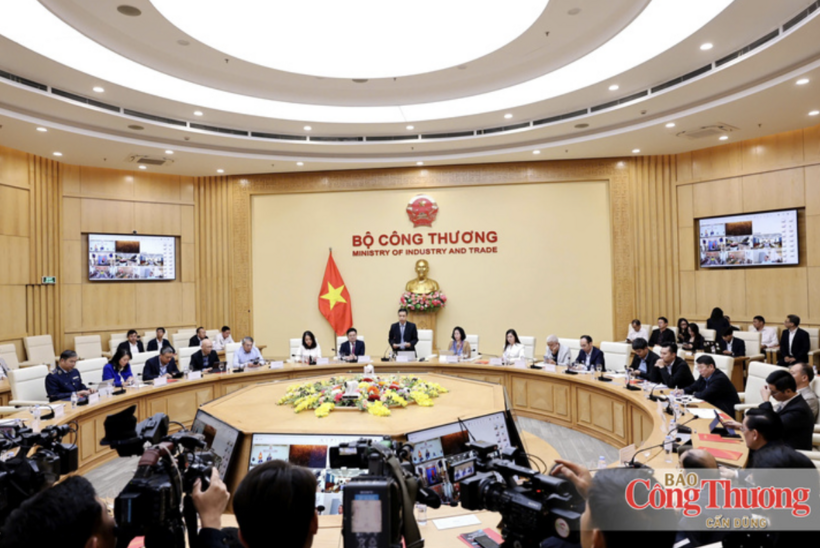
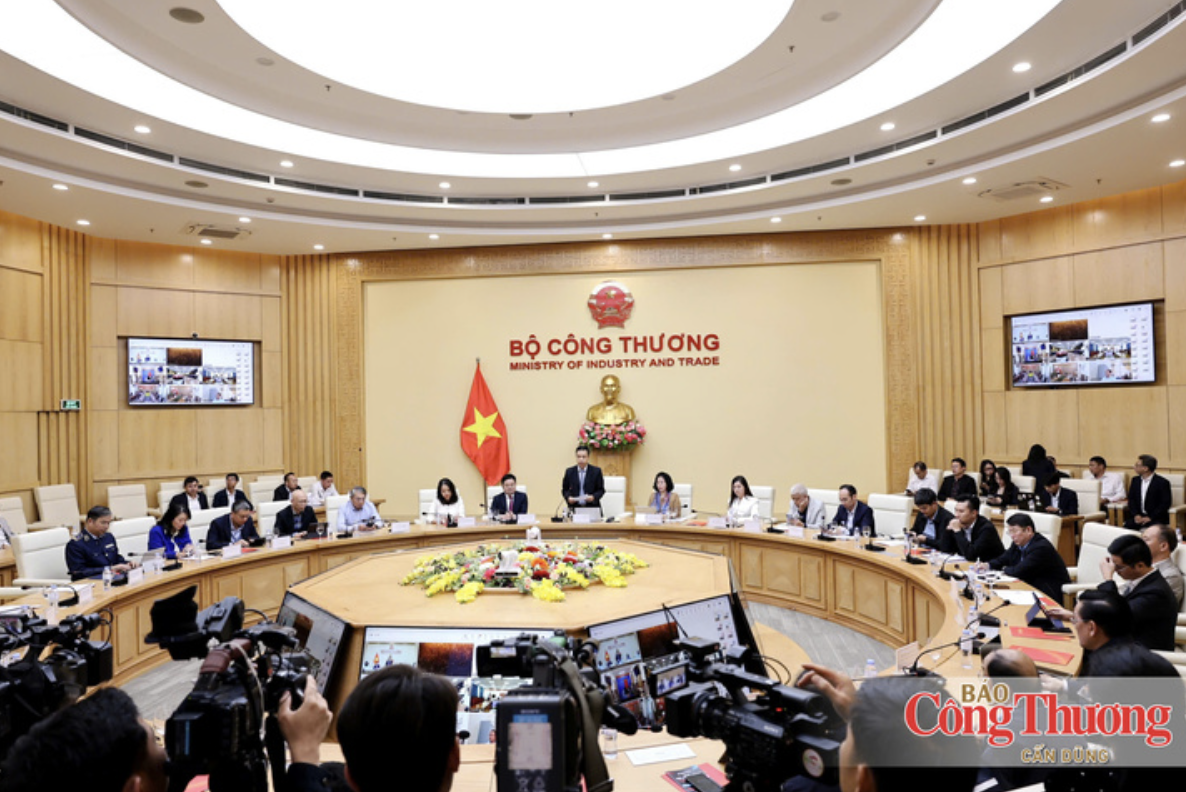
Delegates attend the conference in person at the Ha Noi venue.
Regarding the legal framework, the Law on E-commerce No. 122/2025/QH15 and Decree No. 248/2026/ND-CP took effect on July 1, 2026. Decision No. 51/2025/QD-TTg incorporates the effective implementation of e-commerce activities as Criterion 7.3 of the National Criteria for New-Style Rural Areas, with detailed guidance provided under Circular No. 17/2026/TT-BCT. For the first time, commune-level authorities are responsible for measuring e-commerce activity within their jurisdictions.
The market has already established a solid growth foundation. According to the E-commerce Agency, the e-commerce market reached approximately USD 31 billion in 2025, up 25.5% and accounting for around 11% of total retail sales of goods and consumer service revenue. According to the National Statistics Office under the Ministry of Finance, total retail sales of goods and consumer service revenue reached VND 6,618.9 trillion in the first 10 months of 2026, up 13.5%, within the Government's target range of 13 - 15%.
"However, e-commerce development remains uneven. According to the Viet Nam E-commerce Association, by 2025, the market share ratio between Ha Noi and Ho Chi Minh City, on the one hand, and the remaining localities, on the other, remained at 70:30. The Association's 2026 E-commerce Index gave Ho Chi Minh City 91.1 points and Ha Noi 87.5 points, while the national average was just 15.8 points," the Deputy Minister said.
Strengthening e-commerce management capacity at the commune level
Deputy Minister Nguyen Viet Son also noted that disparities in e-commerce development are most evident at the grassroots level. A review independently conducted by Industry and Trade Newspaper of commune-level government information portals, using data available as of November 4, 2026, found that among 2,497 communes and wards with sufficient data, 587 had organized their own e-commerce activities. However, only 178, equivalent to 7.1%, reported specific results, while just 18 provided figures on orders, revenue, or the number of household sellers. These figures were published by local authorities themselves and do not constitute verified sales data, but they indicate that implementation at the grassroots level needs to become more substantive.
There are also notable examples of effective implementation. After two months of implementation, Cho Lach Commune had attracted 66 sellers and content creators, generating more than 50,000 orders on TikTok Shop. In Phuong Duc Commune, a bamboo and rattan production facility sold nearly 22,000 products over three months. These results need to be further measured, sustained, and replicated.
To achieve the established targets, the Ministry of Industry and Trade has identified four key priorities:
First, develop a comprehensive, modern, and secure e-commerce ecosystem. This involves connecting production, distribution, platforms, payment systems, and logistics; strengthening law enforcement and state management capacity in e-commerce; and ensuring a transparent and secure business environment while protecting consumer rights.
Second, promote sustainable e-commerce development, strengthen regional linkages, and expand markets for Vietnamese products. This includes leveraging the strengths of products and industries in each locality, prioritizing support for rural, mountainous, and border areas, and linking market expansion with improvements in product quality, branding, and supply capacity.
Third, intensify communication and training while strengthening digital skills tailored to different target groups. This includes improving local officials' capacity in management, statistics, and data utilization, as well as delivering specialized training down to the commune level, with an emphasis on practical application and the ability to sustain operations after support programs end.
Fourth, strengthen international cooperation and promote cross-border e-commerce. This involves supporting Vietnamese businesses in developing their brands, meeting international market standards, and expanding online exports.
Overview of the conference at the Ministry of Industry and Trade headquarters, 23 Ngo Quyen Street, Ha Noi, with participants joining online.
Deputy Minister of Industry and Trade Nguyen Viet Son emphasized that developing e-commerce at the commune level must go beyond listing products on online marketplaces or organizing a few livestream sales sessions. To translate the above priorities into concrete results, he called on the conference to focus discussions on three key tasks:
First, strengthen state management capacity in e-commerce at the commune level. The E-commerce Agency should step up guidance on policies, statistics, and data utilization, while clarifying measurement methods and the supporting documentation required to demonstrate implementation results. Provincial and municipal Departments of Industry and Trade should integrate e-commerce into local growth scenarios and advise on setting targets for different groups of communes. Commune-level authorities should designate responsible focal points, establish baseline data, and identify local product strengths and priority target groups.
Second, improve the independent online selling skills of residents, cooperatives, and household businesses. E-commerce platforms, businesses, associations, and service providers should coordinate training and connect production with the distribution of local specialty products, One Commune One Product (OCOP) goods, and Vietnamese products. Particular attention should be paid to first-mile delivery costs in mountainous communes, transaction security, and fraud prevention. Industry and Trade Newspaper should further strengthen its role in providing information, reporting on practical developments, and showcasing effective business models.
Third, measure performance based on substantive results and sustainability. Success should not be measured solely by the number of activities organized, but by the number of sellers who maintain operations and generate revenue after support programs end, the number of orders generated rather than views, and the actual economic value created for local communities.
"The Ministry of Industry and Trade will continue working alongside ministries, sectors, local authorities, and businesses to develop e-commerce in conjunction with new-style rural development, improve people's incomes, and contribute to the country's double-digit growth target," the Deputy Minister affirmed.
The conference was chaired by Deputy Minister of Industry and Trade Nguyen Viet Son and organized by Industry and Trade Newspaper in coordination with the E-commerce Agency, with support from TikTok Shop. The event combined in-person and online participation, connecting Departments of Industry and Trade and commune and ward authorities across 34 provinces and centrally governed cities.
Viet Nam aims to expand grassroots e-commerce beyond online product listings, focusing on digital skills, local supply chains, and sustainable sales growth.
Minister Le Manh Hung met with major Japanese corporations to explore investment opportunities in Viet Nam's mineral industries and strengthen strategic supply chains.
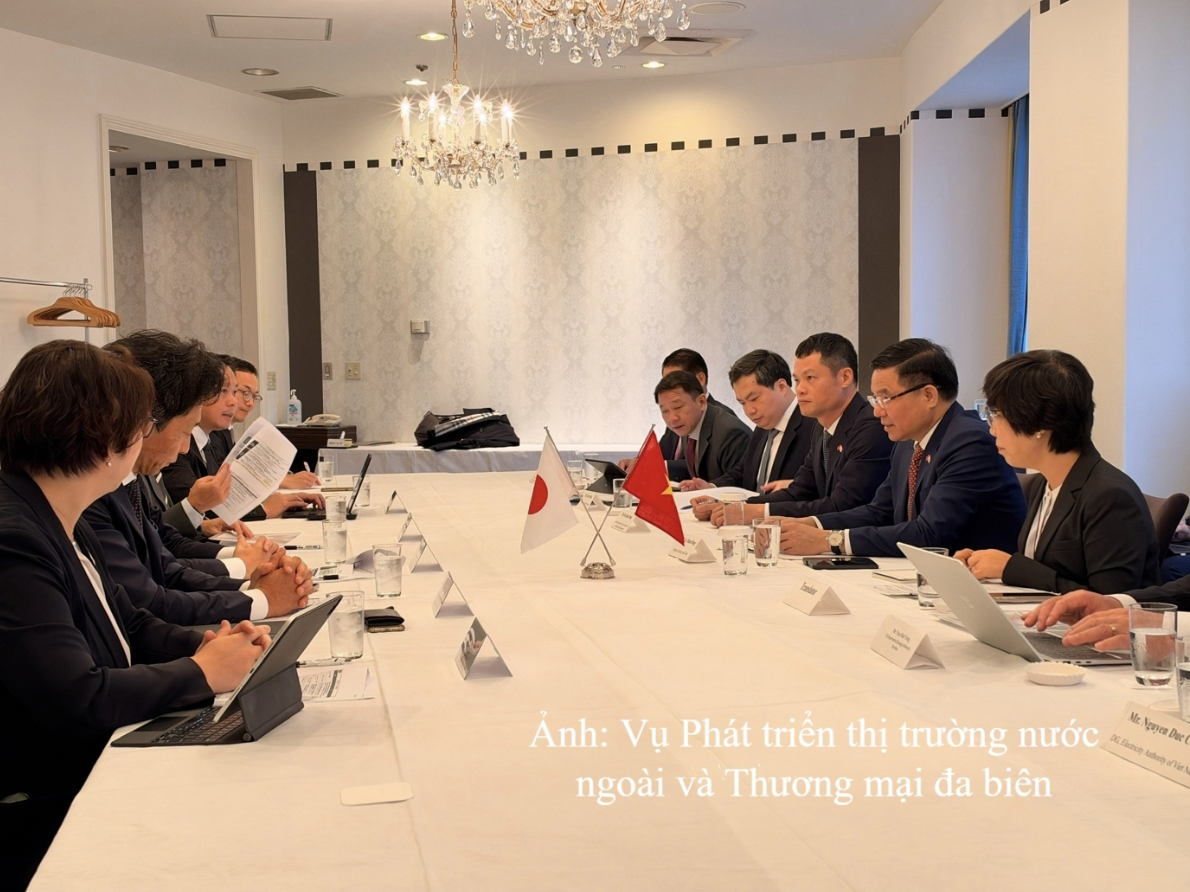
Minister of Industry and Trade Le Manh Hung met with Daiki Mihara, Executive Officer in charge of Regional Business and Customer First, Automobile Operations at Honda Motor Co., Ltd. of Japan.
The E.U.'s new packaging rules require Vietnamese food exporters to review materials, strengthen compliance documentation, and redesign packaging for recyclability.
At the 20th La Francophonie Summit, Viet Nam will promote cooperation in economics, science, technology, and innovation, with a focus on sustainable development.
Viet Nam aims to expand grassroots e-commerce beyond online product listings, focusing on digital skills, local supply chains, and sustainable sales growth.
Minister Le Manh Hung met with major Japanese corporations to explore investment opportunities in Viet Nam's mineral industries and strengthen strategic supply chains.
Minister of Industry and Trade Le Manh Hung met with Daiki Mihara, Executive Officer in charge of Regional Business and Customer First, Automobile Operations at Honda Motor Co., Ltd. of Japan.
At the 20th La Francophonie Summit, Viet Nam will promote cooperation in economics, science, technology, and innovation, with a focus on sustainable development.
The draft Law on Derivatives Trading in Commodities aims to establish a legal framework enabling businesses and producers to hedge against price risks and gradually establish benchmark prices for Vietnamese commodities.