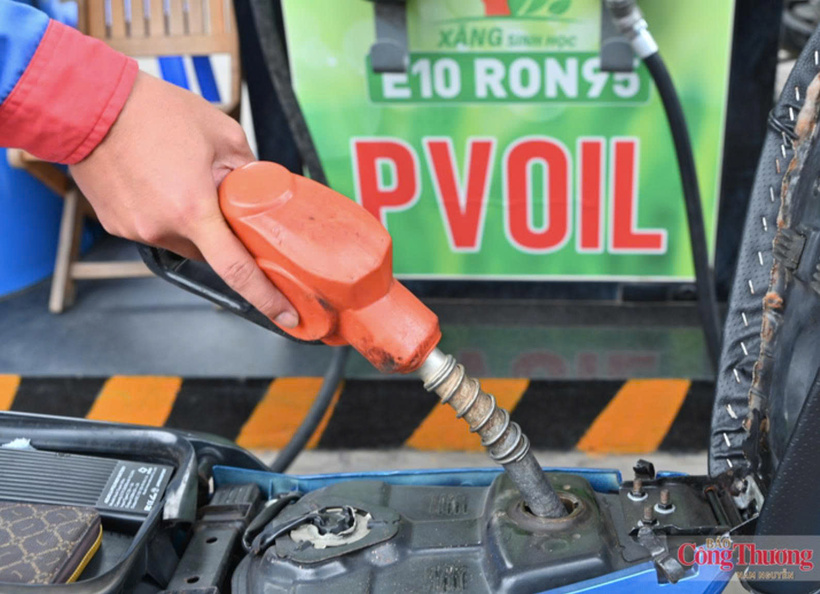
Expanding the use of biofuels is creating more room to green the energy sector, diversify energy supplies and advance the sustainable restructuring of the Industry and Trade sector.
Expanding the role of biofuels
The restructuring of the Industry and Trade sector is reflected not only in changes across manufacturing, trade, imports and exports. Another important shift is taking place in the energy sector, with efforts to diversify energy supplies and develop cleaner energy sources.
Biofuels are becoming an important part of this process. Decision No. 165/QD-TTg, issued by the Prime Minister on February 28, 2023, approving the scheme on restructuring the Industry and Trade sector through 2030, calls for the energy sector to be restructured toward synchronous, rational development and greater diversification of energy sources.
Biofuels are becoming an important component of the restructuring of the Industry and Trade sector.
The scheme prioritizes the efficient exploitation and use of renewable, new and clean energy sources, while promoting the optimal and economical use of domestic fossil energy resources. It sets a target for renewable energy to account for around 15-20% of total primary energy supply by 2030.
From this perspective, biofuel development is not a standalone policy. It forms part of Viet Nam’s broader effort to restructure its energy mix.
While wind and solar power and other new energy sources are changing the structure of electricity generation, biofuels are contributing to changes in the liquid fuel market. Part of the energy used in transport can be supplied by fuels produced from renewable feedstocks rather than relying entirely on petroleum-based products.
From June 1, 2026, under Circular No. 50/2025/TT-BCT issued by the Ministry of Industry and Trade on the roadmap for blending biofuels with conventional fuels in Viet Nam, unleaded gasoline meeting national technical regulations must be blended and formulated into E10 gasoline for use in gasoline-powered engines nationwide.
The nationwide rollout of E10 represents a concrete step in implementing the goals of energy-source diversification, greater use of biofuels and energy transition set out in the scheme on restructuring the Industry and Trade sector.
E10 is gasoline blended with about 10% fuel ethanol. Adding ethanol replaces part of the petroleum-based gasoline in each liter of fuel consumed. If E10 is deployed on a large scale with a stable supply, the volume of bio-based fuel entering the market will increase, gradually changing the structure of fuel consumption in the transport sector.
The immediate significance of this shift is greater diversification of energy sources.
Decision No. 165/QD-TTg also calls for the energy sector to develop rapidly and sustainably, ahead of socioeconomic development. It emphasizes the diversification of domestic energy supplies to ensure national energy security.
While crude oil and petroleum products are heavily exposed to international market fluctuations, biofuels offer an additional source of energy based on domestic production.
Ethanol can be produced from cassava, sugarcane, corn, as well as various biomass resources and agricultural by-products. Establishing a stable production chain from feedstock areas to processing and blending would add another component to the energy supply and reduce absolute dependence on fossil fuels.
From this perspective, biofuel development is both part of the effort to green the energy sector and a way to strengthen energy self-reliance.
This is also an important element of restructuring the Industry and Trade sector. The goal is not simply to increase supply, but to create a more diversified and resilient energy supply structure that is better aligned with the global energy transition.
Restructuring the energy supply, however, is not simply a matter of replacing one fuel with another. An equally important task is to develop a new value chain around the fuel.
Biofuel development creates demand for feedstock production, procurement, transportation, ethanol production, storage, blending and distribution. If this chain is developed effectively, the resulting value will extend beyond the petroleum sector to agriculture, processing, logistics and trade.
This is where energy-sector restructuring connects with industrial restructuring. Developing domestic ethanol production, rather than relying entirely on imported or conventional fuels, creates demand for investment in plants, technology, storage facilities, blending equipment and fuel quality-control systems.
This could also create new markets for businesses involved in agricultural processing, chemicals, engineering, transportation and energy distribution.
Greening the energy sector through E10
For petroleum businesses, the transition is also bringing significant changes.
With E10 being rolled out nationwide, businesses must ensure not only adequate supplies of petroleum-based gasoline but also ethanol supplies, blending capacity, storage facilities, transportation and fuel quality control.
In other words, greening the fuel supply is also requiring businesses to restructure part of their supply chains.
These developments are consistent with the direction set out in Decision No. 165/QD-TTg, which calls for a synchronized, competitive and transparent energy market, diversified forms of ownership and business models, and greater participation by economic sectors, particularly the private sector, in energy development.
The shift from E5 to E10 may involve only a few percentage points in the ethanol blending ratio. But from the perspective of Industry and Trade sector restructuring, it represents a broader shift: from fossil fuels toward a more diversified energy mix; from imports and resource extraction toward greater use of domestically produced renewable resources; and from conventional petroleum supply chains toward value chains involving agriculture, processing industries and technology.
Decision No. 165/QD-TTg sets out the restructuring of the energy sector around synchronous development, diversified energy supplies, priority for renewable and clean energy, and the optimal use of fossil energy resources.
Within this framework, biofuels remain a relatively small component of the energy mix, but their significance is broader. With E10 now being deployed nationwide, biofuels have moved another step from a policy-supported program toward becoming a practical component of the energy market.
The next stage will depend on feedstock availability, technology, costs and the capacity to organize the market.
If a sufficiently strong value chain can be developed, biofuels could contribute to three objectives at the same time: ensuring energy security, reducing dependence on fossil fuels and supporting a greener energy transition.
This is also a concrete example of the restructuring of the Industry and Trade sector. The objective is not simply to provide more energy for the economy, but also to gradually change how energy is produced, distributed and used in a more efficient, self-reliant and sustainable way.
Looking further ahead, the value of biofuels lies not only in the ethanol blended into each liter of gasoline, but also in their potential to create a new direction for the broader energy value chain.
From feedstock production and processing technology to distribution infrastructure and consumer markets, strengthening each link could make Viet Nam’s energy system more flexible, greener and more self-reliant.
In the restructuring of the Industry and Trade sector, the focus is not only on changing the balance between industries but also on improving the quality of growth within each sector.
For biofuels, this means moving from the extraction and consumption of conventional fuels toward greater use of renewable feedstocks; from external dependence toward stronger domestic production capacity; and from linear supply chains toward an ecosystem involving agriculture, processing, logistics and modern distribution.
From E5 to E10, biofuels are gradually expanding their role in the energy mix, helping diversify supplies, strengthen self-reliance and promote greener energy use.
This is also a development in the restructuring of the Industry and Trade sector, as the focus increasingly extends beyond ensuring sufficient energy for the economy to improving efficiency, sustainability and value creation across the energy value chain.
Biofuels are expanding their role in the energy mix, helping diversify supplies, reduce dependence on fossil fuels and support the greening of the Industry and Trade sector.
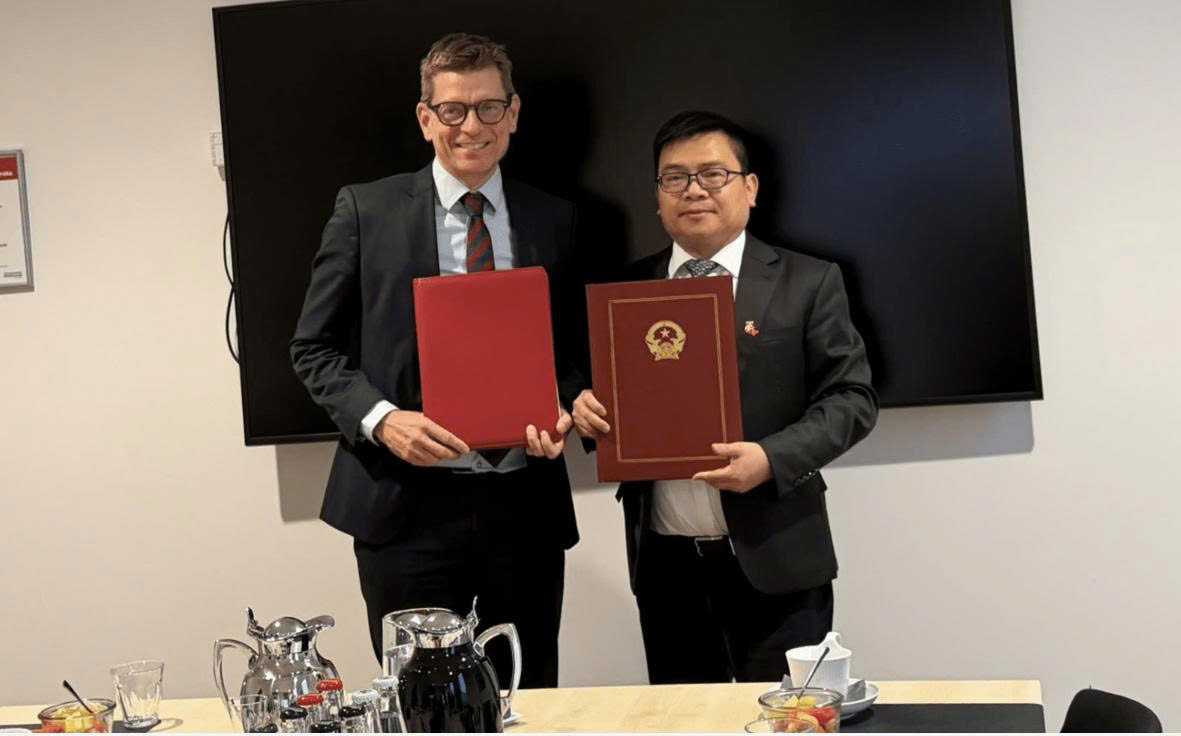
Viet Nam and Denmark have signed an MoU on energy cooperation to strengthen bilateral ties and advance collaboration in renewable energy and the green transition.
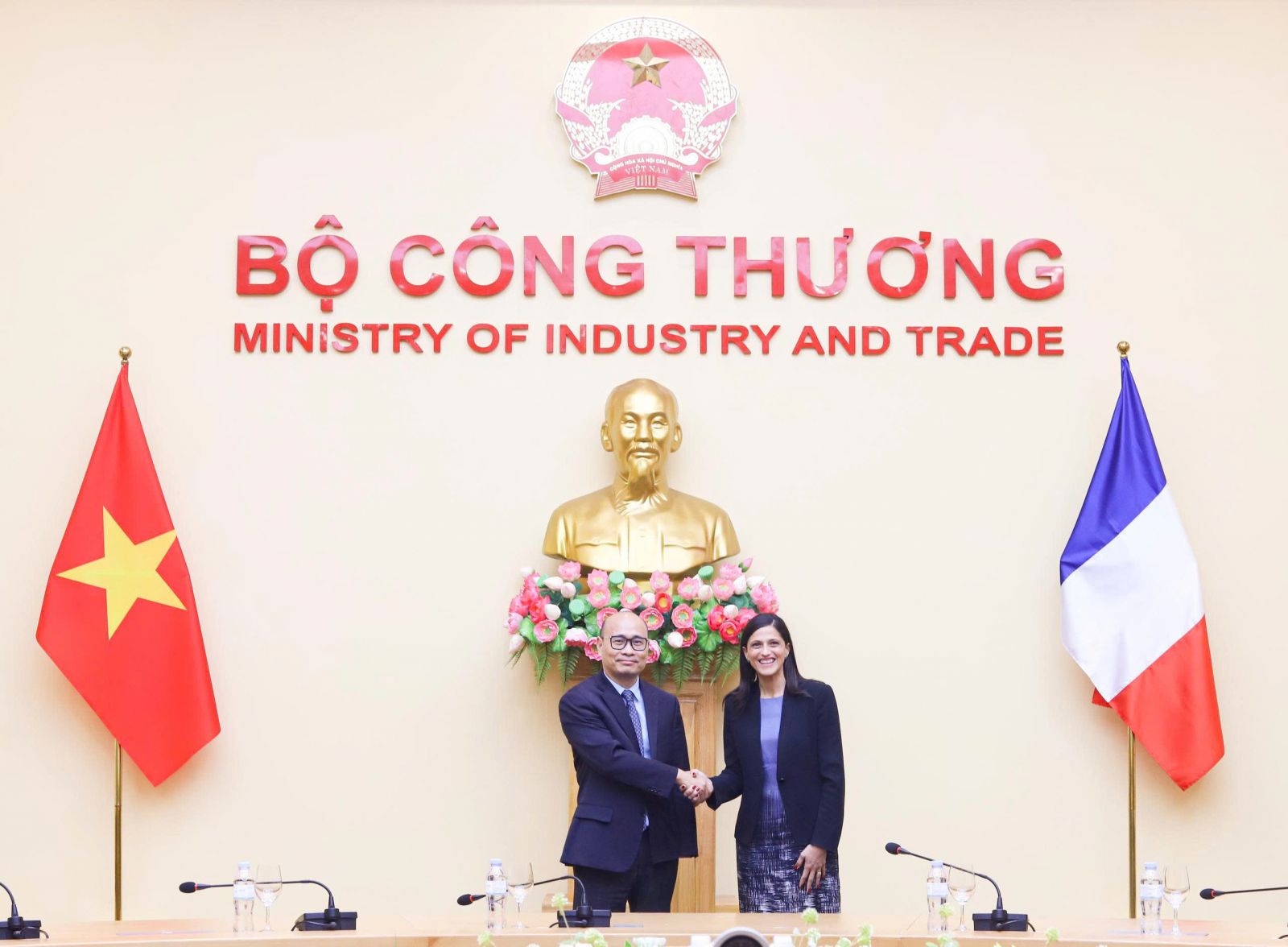
Deputy Minister Luong Hoang Thai met French Minister Delegate Eleonore Caroit on October 19 to discuss ways to strengthen Viet Nam - France cooperation.
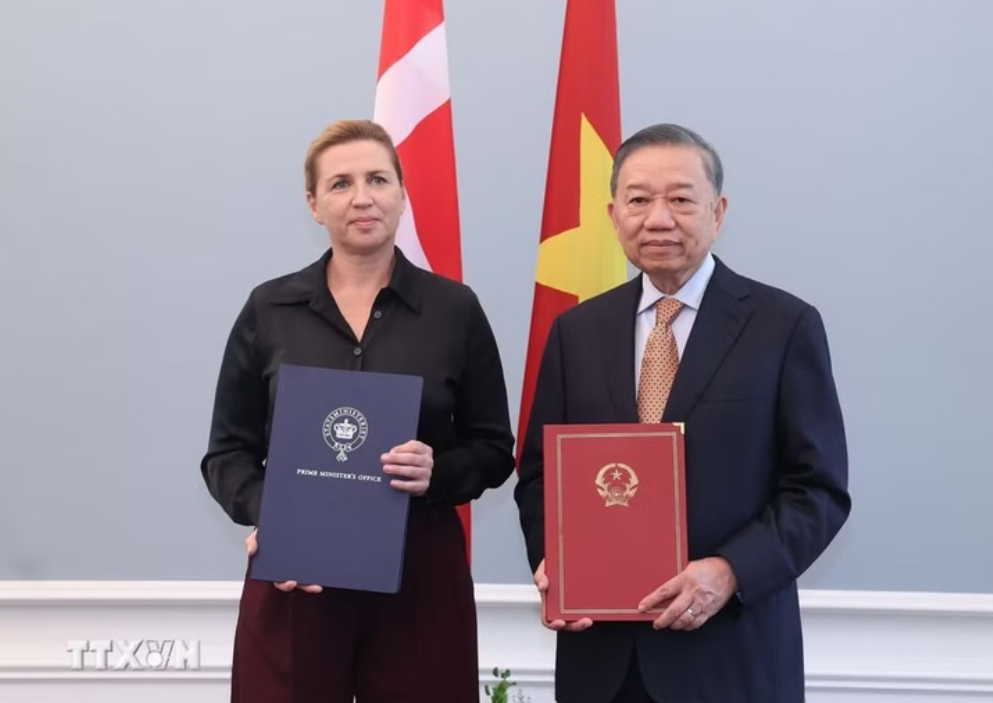
The Viet Nam Economic News respectfully presents the full text of the Joint Statement on the Establishment of a Comprehensive Strategic Partnership between Viet Nam and Denmark.
Minister Le Manh Hung clarified proposals to repeal Commercial Law provisions and introduce new electricity pricing mechanisms, including for LNG-fired power.
Prime Minister Le Minh Hung urged Electricity Law amendments to ensure consistency, balance state, public and investor interests, and mobilize resources.
Viet Nam and Denmark have signed an MoU on energy cooperation to strengthen bilateral ties and advance collaboration in renewable energy and the green transition.
Deputy Minister Luong Hoang Thai met French Minister Delegate Eleonore Caroit on October 19 to discuss ways to strengthen Viet Nam - France cooperation.
The Viet Nam Economic News respectfully presents the full text of the Joint Statement on the Establishment of a Comprehensive Strategic Partnership between Viet Nam and Denmark.
Minister Le Manh Hung clarified proposals to repeal Commercial Law provisions and introduce new electricity pricing mechanisms, including for LNG-fired power.
Prime Minister Le Minh Hung urged Electricity Law amendments to ensure consistency, balance state, public and investor interests, and mobilize resources.