Prime Minister Le Minh Hung attends the 48th ASEAN Summit in Cebu, reaffirming Vietnam’s strong commitment to ASEAN cooperation and regional resilience.
Prime Minister Le Minh Hung and a high-level Vietnamese delegation are attending the 48th ASEAN Summit in Cebu from May 7 - 8, 2026, at the invitation of Philippine President Ferdinand Romualdez Marcos Jr., Chair of ASEAN 2026.
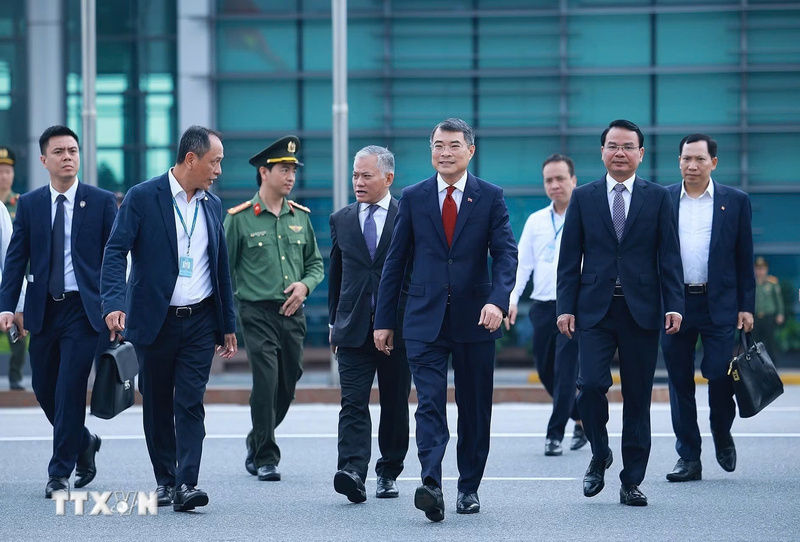
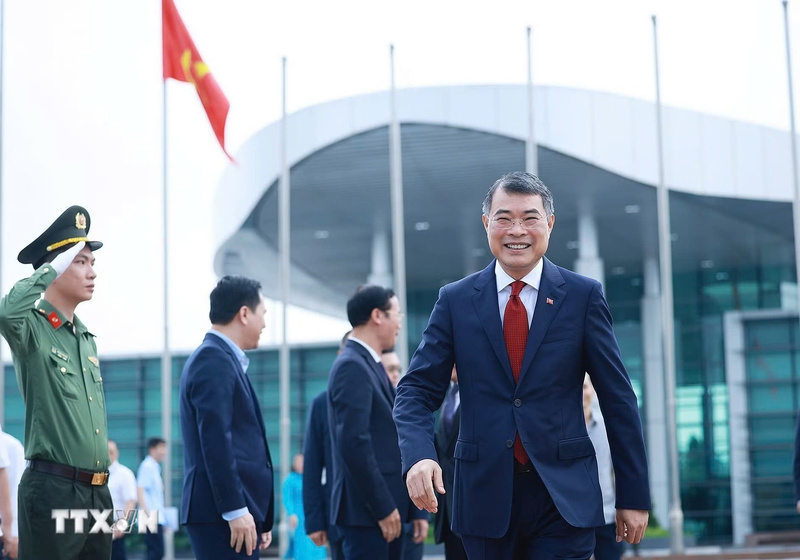
Prime Minister Le Minh Hung departs for the 48th ASEAN Summit in Cebu. Photo: VNA
On the morning of May 7, Prime Minister Le Minh Hung and the Vietnamese delegation departed from Hanoi for Cebu to attend the 48th ASEAN Summit. This marks the Prime Minister’s first overseas trip in his capacity as head of the new Vietnamese Government, as well as the first multilateral conference he is attending in person.
Vietnam remains a responsible and proactive partner in building a resilient and cohesive ASEAN
Vietnam officially joined the ASEAN family on July 28, 1995. Since then, the country has consistently regarded ASEAN as a central pillar of its foreign policy, engaging with a spirit of initiative, responsibility, and active contribution across all three ASEAN Community pillars and cooperation areas. Vietnam’s participation has played an important role in advancing ASEAN Community-building efforts and fostering a peaceful, stable, and cooperative regional environment, earning high recognition from ASEAN member states and international partners alike.
Over the past three decades, Vietnam’s ASEAN journey has stood as vivid proof of its strong commitment to international integration and its proactive, pioneering role in promoting a united and resilient ASEAN Community.
For ASEAN, Vietnam’s accession marked a major milestone in the Association’s evolution, helping realize the founding vision of regional solidarity, peace, prosperity, and mutual understanding among member states. Vietnam’s bilateral relations with ASEAN countries have also expanded significantly, with ties upgraded to Comprehensive Strategic Partnerships with Indonesia, Malaysia, Singapore, and Thailand.
After more than 30 years in ASEAN, Vietnam has emerged as a core member contributing to regional peace and stability, strengthening ASEAN’s relations with external partners, and effectively leveraging ASEAN’s economic connectivity networks to promote trade and investment while mobilizing cooperation, support, and resources for national socio-economic development.
Vietnam has also fulfilled its rotating ASEAN responsibilities with distinction. As host of the 6th ASEAN Summit in 1998, only three years after joining ASEAN, Vietnam worked closely with member states to steer the bloc through the 1997 Asian financial crisis. The summit adopted the Hanoi Plan of Action, helping sustain regional cooperation and integration while advancing the ASEAN Vision 2020.
Vietnam’s leadership roles within ASEAN, including its tenure as Chair of ASEAN in 2010 and 2020, produced notable achievements. During its ASEAN Chairmanship in 2020, Vietnam introduced several key initiatives, including the ASEAN COVID-19 Response Fund, the ASEAN Regional Reserve of Medical Supplies, the ASEAN Strategic Framework for Public Health Emergencies, and the ASEAN Comprehensive Recovery Framework and its implementation plan.
Vietnam has also made substantive contributions to ASEAN’s long-term strategic orientation, helping advance major milestones such as the realization of ASEAN-10, the Hanoi Plan of Action 1998, ASEAN Vision 2020, the Declaration of ASEAN Concord II on the establishment of the ASEAN Community in 2003, the ASEAN Charter in 2007, the ASEAN Community Vision 2025, and the ASEAN Community Vision 2045.
Amid mounting regional spillover effects from conflicts in the Middle East, Vietnam has proactively introduced initiatives to strengthen ASEAN’s collective response capacity, including the initiative to establish an enhanced ASEAN cooperation framework for responding to developments in the Middle East and future crises.
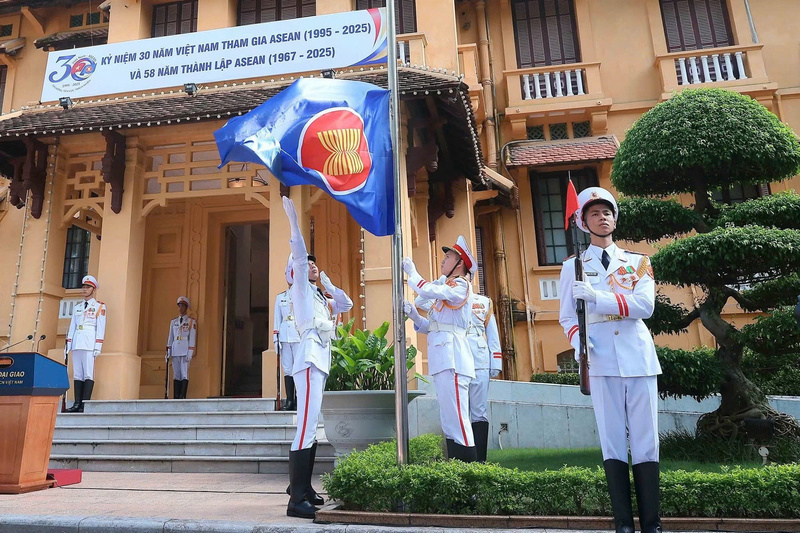
Honor guards perform the ASEAN flag-raising ceremony on August 8, 2025. Photo: VNA
Vietnam also proposed and hosted the ASEAN Future Forum, designed to complement ASEAN’s official mechanisms by providing broader space for dialogue and innovation on regional cooperation. The initiative contributes to the vision of a resilient and sustainable ASEAN Community.
Following two successful editions in Hanoi in April 2024 and February 2025, the ASEAN Future Forum has gradually become a model platform “by ASEAN, for ASEAN,” reinforcing Vietnam’s role in shaping the region’s strategic vision.
Alongside efforts to deepen intra-regional integration, Vietnam has effectively served as a bridge in expanding ASEAN’s external relations with partners including China, India, Japan, South Korea, the UK and New Zealand.
According to ASEAN Secretary-General Kao Kim Hourn, Vietnam has been an important and constructive ASEAN member over the past three decades, making outstanding contributions across the political-security, economic, and socio-cultural pillars. As ASEAN begins implementing the ASEAN Community Vision 2045, Vietnam’s role is expected to grow even further.
Three major priorities of the 48th ASEAN Summit
Prime Minister Le Minh Hung’s participation in the 48th ASEAN Summit in Cebu reflects Vietnam’s continued commitment to making proactive, responsible, and substantive contributions to ASEAN.
The summit takes place as ASEAN enters a new development phase following a decade of Community-building from 2015 - 2025, with a focus on implementing the ASEAN Community Vision 2045 and related strategic plans. At the same time, ASEAN faces growing challenges in maintaining its centrality, strengthening regional cooperation, mobilizing resources, and enhancing collective resilience against external shocks and uncertainties.
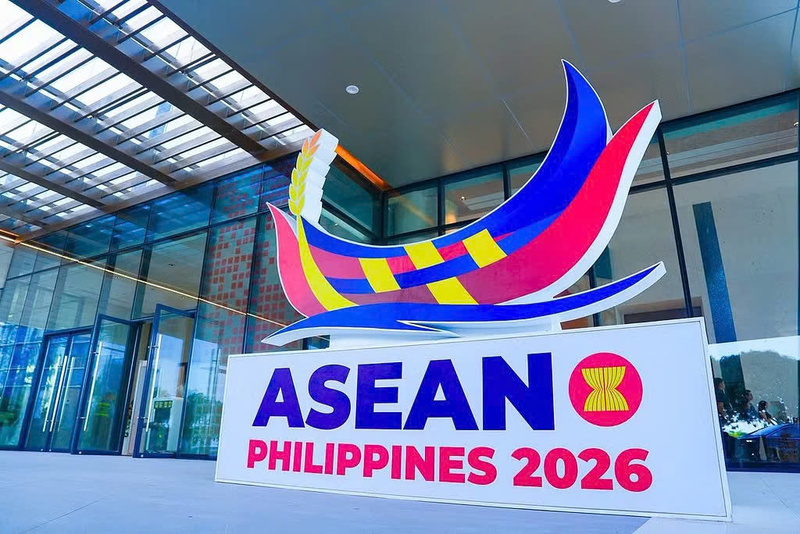
The 48th ASEAN Summit takes place in Cebu on May 7 - 8, 2026. Photo: Daily Tribune
As ASEAN Chair in 2026, the Philippines has adopted the theme “Navigating Our Shared Future Together,” focusing on three broad priorities: strengthening the foundations of peace and security, expanding pathways to prosperity, and empowering people.
The 48th ASEAN Summit is the first major summit under the Philippines’ 2026 chairmanship and offers leaders an important opportunity to exchange comprehensive assessments of global and regional developments while aligning strategic directions and cooperative measures to address emerging challenges.
According to Ambassador Ton Thi Ngoc Huong, the summit is expected to focus on three key priorities.
First, ASEAN leaders will discuss a unified regional approach to the latest developments in the Middle East and their spillover effects on Southeast Asia. Rising energy prices, supply chain disruptions, and instability along key maritime routes are increasing pressure on ASEAN to strengthen cooperation in energy security, food security, and critical supply chains.
Protecting ASEAN citizens living, working, and studying in the Middle East is also considered an urgent priority. ASEAN has already actively coordinated through a series of special ministerial meetings, including ASEAN Foreign Ministers’ Meetings on March 13 and April 13, a Special ASEAN Energy Ministers’ Meeting on April 27, and a Special ASEAN Economic Community Council Meeting on April 30, demonstrating the bloc’s rapid-response capacity.
Second, the summit will discuss orientations for implementing the ASEAN Community Vision 2045. As 2026 marks the first pivotal year of implementation, leaders are expected to examine measures to strengthen peace and stability, uphold international law and shared norms, and ensure sustainable regional development.
Economically, ASEAN will continue deepening intra-regional integration, including upgrading the ASEAN Trade in Goods Agreement (ATIGA) and accelerating negotiations on the ASEAN Digital Economy Framework Agreement (DEFA) to support digital transformation. The bloc will also expand cooperation through free trade agreements and the Regional Comprehensive Economic Partnership (RCEP).
ASEAN is expected to capitalize on emerging growth drivers such as the green economy, digital economy, innovation, and artificial intelligence to enhance its competitiveness amid intensifying geo-economic rivalry.
Third, leaders will hold comprehensive discussions on regional and international issues, including the East Sea issue, policy adjustments by major powers, cybersecurity, technological security, and energy transition. Through these discussions, ASEAN aims to strengthen its common voice and central role based on respect for international law and multilateralism while deepening partnerships and maintaining a peaceful and stable environment conducive to development.
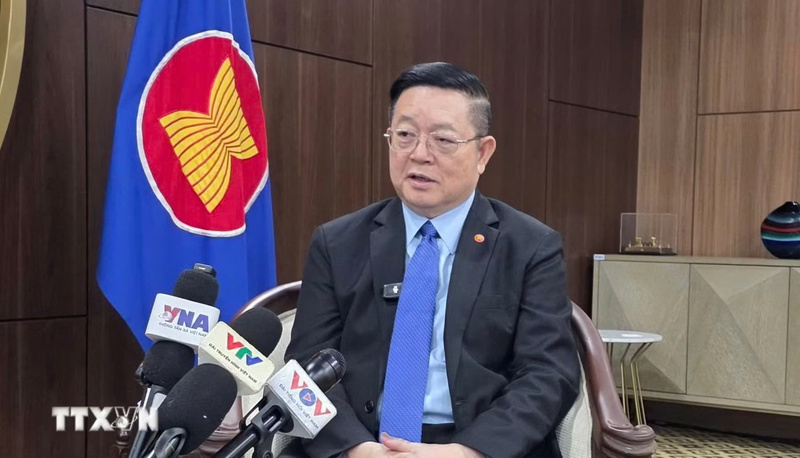
Secretary-General Kao Kim Hourn noted that recent global developments, particularly the escalating tensions in the Middle East, are affecting multiple sectors. He emphasized that one of ASEAN’s most urgent concerns is the risk of an energy crisis, making energy cooperation a key focus of this summit.
ASEAN Secretary-General Kao Kim Hourn speaks to the press. Photo: VNA
According to Kao Kim Hourn, ASEAN’s priorities will center on enhancing regional and national coordination to effectively address increasingly complex and multidimensional challenges.
He stressed that energy security is closely linked to food security, as rising energy prices continue to drive up agricultural production costs and food prices. ASEAN is therefore expected to prioritize discussions on maintaining stable supply chains, controlling prices, and ensuring public access to food.
The summit will also discuss citizen protection and migrant worker issues in light of the instability in the Middle East, where large numbers of ASEAN nationals reside and work. Member states are strengthening coordination on consular assistance, citizen protection, and emergency response mechanisms.
Regarding energy cooperation, ASEAN leaders are promoting the upgrading of the ASEAN Power Grid while accelerating the transition to renewable energy sources such as solar, wind, biomass, and electric vehicles. With regional energy demand projected to increase 2.6-fold by 2045, Kao Kim Hourn highlighted the need for stronger cooperation under frameworks such as the ASEAN Petroleum Security Agreement (APSA), improved infrastructure connectivity, and diversification of supply sources.
Some ASEAN member states are also considering nuclear energy development, underscoring the importance of broader regional cooperation to avoid overreliance on a single energy source. Kao Kim Hourn further stressed the importance of expediting ratification of the ASEAN Petroleum Security Agreement framework to better respond to evolving realities.
In food security, ASEAN is exploring ways to improve the efficiency and flexibility of regional food reserve mechanisms, including the ASEAN Plus Three Emergency Rice Reserve. While the mechanism has proven useful, greater flexibility is needed to ensure timely access for countries and populations facing hardship.
ASEAN is also strengthening intra-regional cooperation and diversifying external supply sources to avoid dependence on any single provider, with the goal of stabilizing supply and prices under all possible scenarios.
On the digital economy, Kao Kim Hourn stated that ASEAN is accelerating negotiations on the ASEAN Digital Economy Framework Agreement, expected to conclude this year, which will help establish an integrated, dynamic, and competitive digital ecosystem for the region.
Overall, ASEAN’s approach aims to strengthen strategic autonomy, deepen internal connectivity, and enhance resilience against global volatility. Kao Kim Hourn emphasized that resilience and self-reliance are essential to ASEAN’s sustainable future.
ASEAN remains a top strategic priority in Vietnam’s foreign policy. Assessing Vietnam’s role and contributions to ASEAN in recent years and in the future, Kao Kim Hourn noted that Vietnam has made important contributions in maintaining peace and stability, promoting regional integration, and advancing ASEAN Community-building.
He praised Vietnam’s strong economic growth and reform efforts, expressing confidence that the country would continue playing an active and constructive role.
As ASEAN begins implementing the ASEAN Community Vision 2045, Vietnam’s role is expected to become increasingly important in shaping the region’s long-term development trajectory.
Regarding Prime Minister Le Minh Hung’s first attendance at the ASEAN Summit as head of government, Kao Kim Hourn said Vietnam’s new leadership continues to demonstrate stability and strategic vision, providing a strong foundation for deeper contributions to ASEAN’s shared agenda.
Vietnam is expected to continue contributing actively across ASEAN’s three pillars: Political-Security, Economic, and Socio-Cultural Communities while promoting regional connectivity through infrastructure and economic integration projects.
Prime Minister Le Minh Hung departs for the 48th ASEAN Summit in Cebu. Photo: VNA
Vietnam’s involvement in mechanisms such as the Initiative for ASEAN Integration (IAI) also reflects its practical contributions to narrowing development gaps and strengthening regional cohesion.
Deputy Foreign Minister Dang Hoang Giang stated that Prime Minister Le Minh Hung’s participation demonstrates Vietnam’s continued implementation of its foreign policy of independence, self-reliance, peace, friendship, cooperation, and development, alongside diversification and multilateralization of external relations in line with the 14th National Congress.
It also reaffirms that ASEAN remains a top strategic priority in Vietnam’s overall foreign policy framework. The visit sends a clear message of Vietnam’s commitment to ASEAN Community-building through proactive, responsible, and effective contributions.
The overarching objective of the trip is to work with ASEAN member states to strengthen peace and stability, uphold ASEAN unity and centrality, enhance resilience against emerging challenges, and create favorable conditions for sustainable development across the region while also deepening Vietnam’s bilateral ties with ASEAN countries.
At the summit, Prime Minister Le Minh Hung is expected to deliver key speeches conveying Vietnam’s foreign policy priorities under the 14th National Party Congress and outlining Vietnam’s perspectives on ASEAN’s priorities. He is also expected to propose practical measures to strengthen ASEAN Community-building and enhance the bloc’s resilience and adaptability, particularly in response to the Middle East situation and broader regional and global challenges.
On the sidelines of the summit, the Prime Minister will hold meetings with regional leaders to strengthen friendship, enhance political trust, and promote substantive cooperation. These will also be his first direct engagements with ASEAN leaders in his new role, helping create fresh momentum for bilateral relations and broader ASEAN cohesion.
Ambassador Ton Thi Ngoc Huong emphasized that the Prime Minister’s presence in Cebu clearly demonstrates Vietnam’s consistent implementation of the foreign policy line adopted at the 14th National Party Congress: independence, self-reliance, peace, friendship, cooperation, development, and diversification of international relations. Within that framework, ASEAN continues to be identified as one of Vietnam’s foremost strategic priorities and a region closely linked to the country’s security and development interests.
Secretary-General Kao Kim Hourn reiterated that Prime Minister Le Minh Hung’s first participation in the ASEAN Summit as head of government reflects the continuity, stability, and strategic vision of Vietnam’s leadership, laying the groundwork for even deeper contributions to ASEAN’s common agenda.
From the perspective of ASEAN partners, New Zealand Ambassador to ASEAN Joanna Anderson praised Vietnam’s flexible coordination role, particularly in energy security and economic cooperation, while Indonesian Ambassador to ASEAN Derry Aman highlighted Vietnam as a unifying force strongly committed to ASEAN’s core principles.
These assessments reflect broad international recognition of Vietnam’s increasingly proactive and substantive role within ASEAN.
Vietnam’s role in ASEAN is clearly evolving toward deeper and more proactive engagement. The combination of long-term strategic thinking and practical action is enabling Vietnam to leave a distinct imprint on the region’s development trajectory.
Amid an increasingly volatile global environment, Vietnam’s ASEAN journey is no longer solely about adaptation; it is entering a new phase of co-creation, contributing to the shaping of a cohesive, resilient, and future-oriented ASEAN.
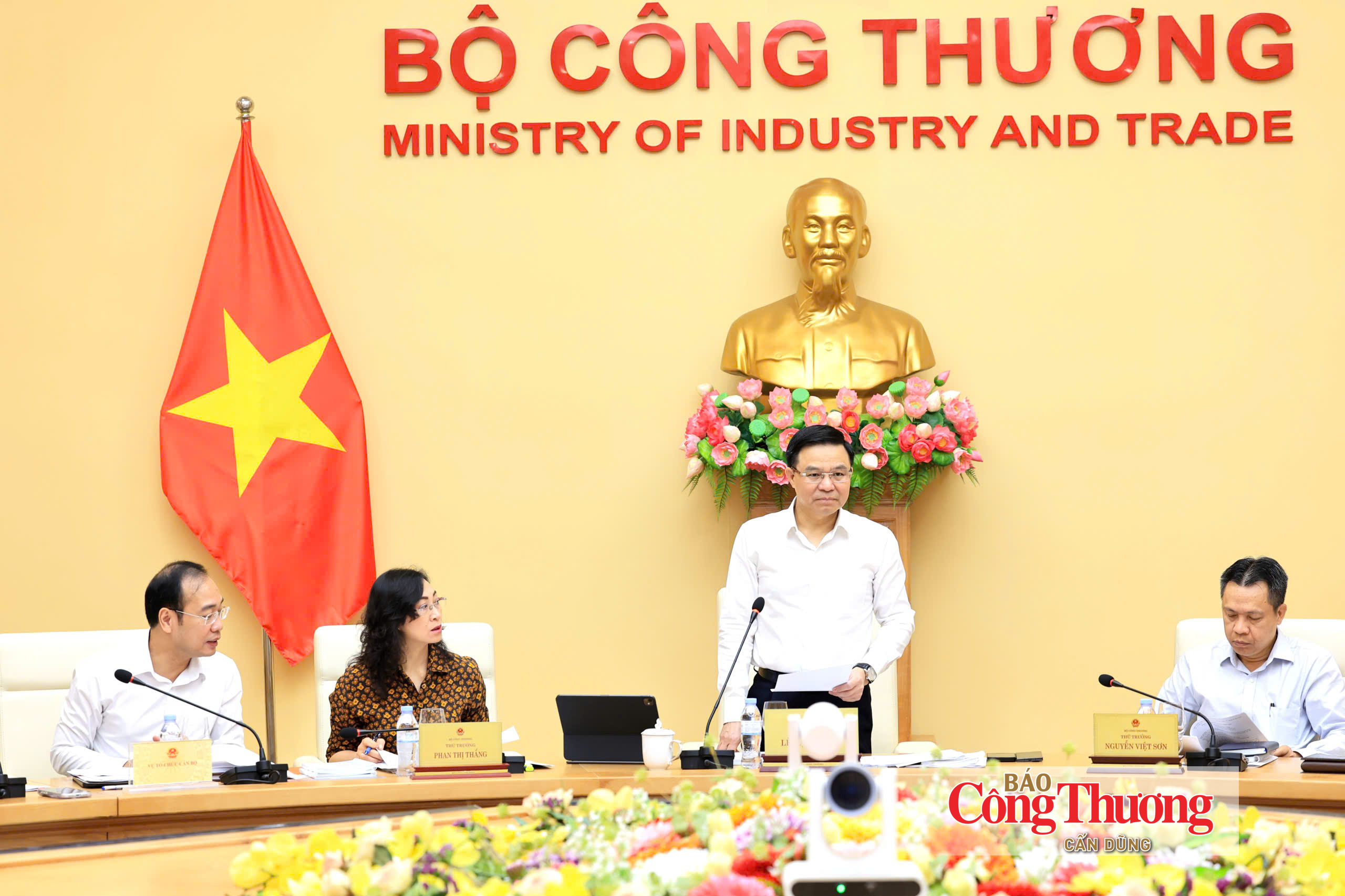
On October 2, the Ministry of Industry and Trade (MoIT) held a working session between Minister of Industry and Trade Le Manh Hung and research institutes, universities and colleges under the Ministry to review their recent operations and identify solutions to better harness the potential, advantages and collective strengths of the Ministry’s education and research institutions. Minister of Industry and Trade Le Manh Hung chaired the meeting.
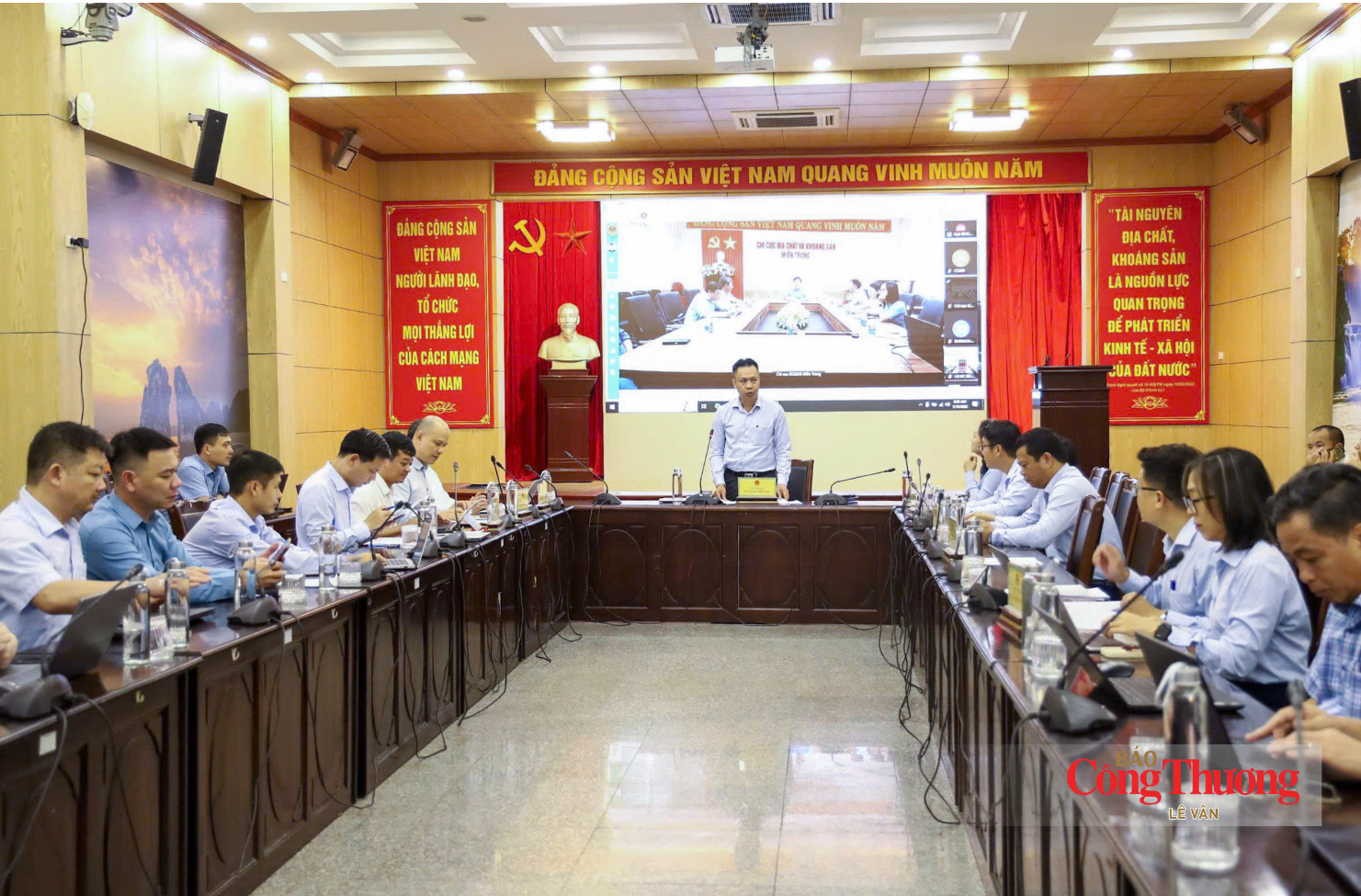
On October 5 in Ha Noi, Deputy Minister of Industry and Trade Nguyen Viet Son held a working session with the Viet Nam Department of Geology and Minerals.
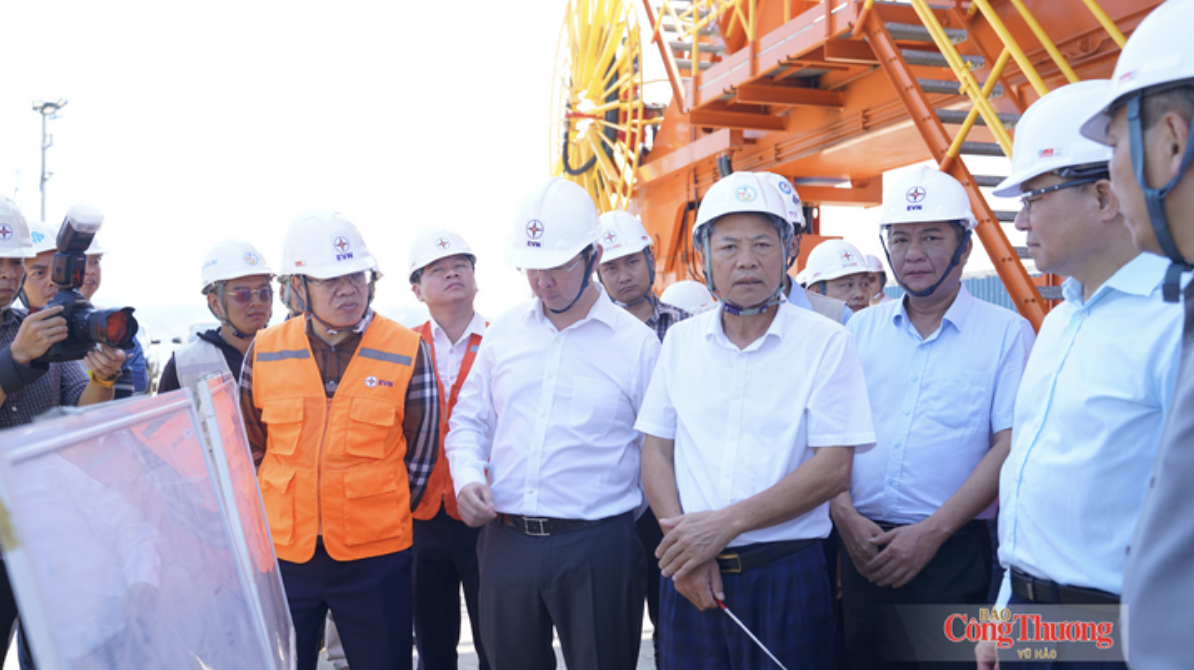
On the afternoon of October 4, in Quang Tri province, Minister of Industry and Trade Le Manh Hung conducted an on-site inspection and held a working session with relevant agencies and units at the Quang Trach Power Centre.
Viet Nam’s Ministry of Industry and Trade hopes that Viet Nam and Panama will continue to coordinate closely and leverage Panama’s role as a bridge for Vietnamese goods to access Latin American and Caribbean markets.
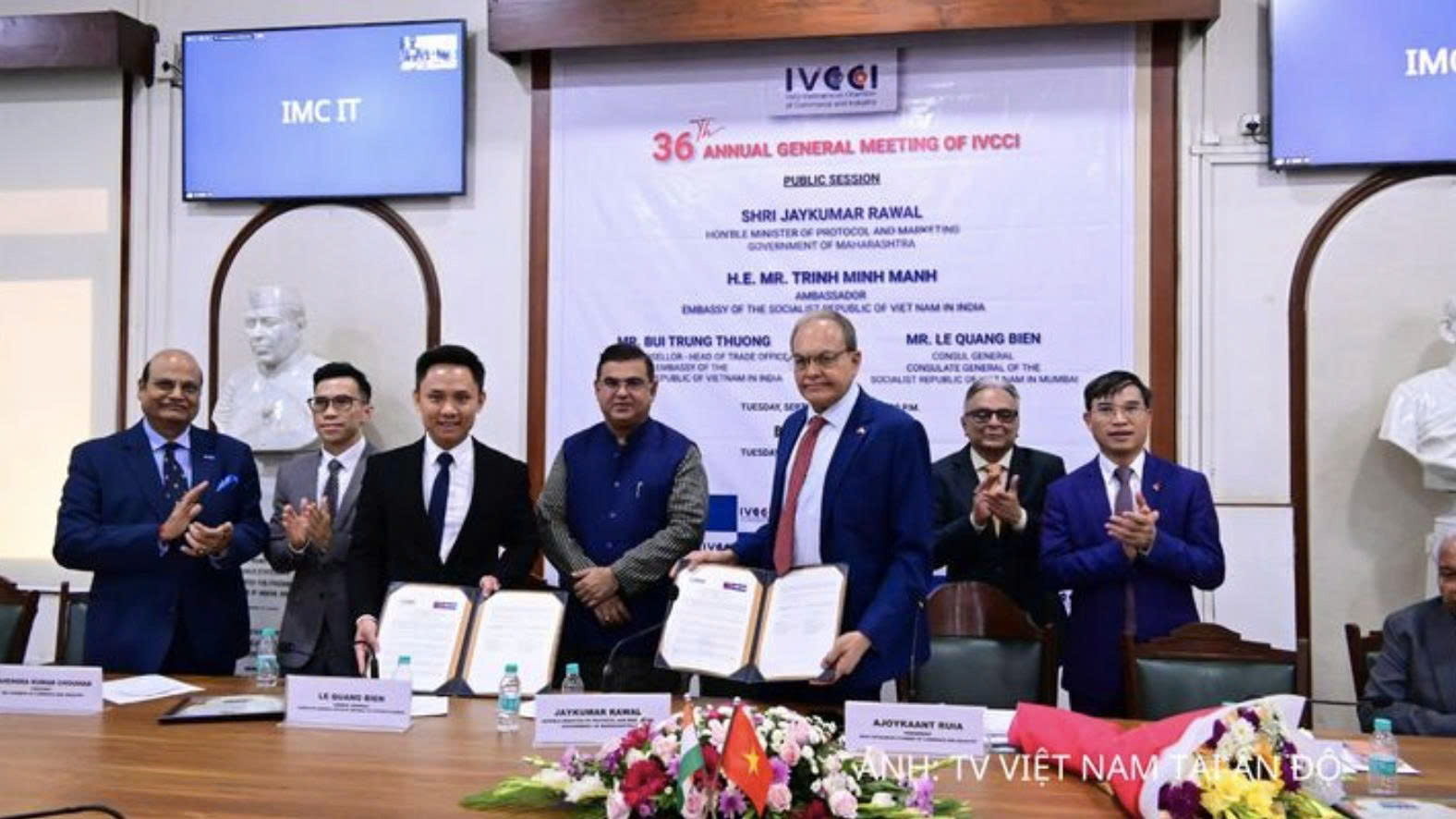
At its 36th annual general meeting in Mumbai, IVCCI proposed expanding its operations across India and establishing a Viet Nam-India Business Council to promote economic, trade, and investment cooperation.
On October 5 in Ha Noi, Deputy Minister of Industry and Trade Nguyen Viet Son held a working session with the Viet Nam Department of Geology and Minerals.
On the afternoon of October 4, in Quang Tri province, Minister of Industry and Trade Le Manh Hung conducted an on-site inspection and held a working session with relevant agencies and units at the Quang Trach Power Centre.
Viet Nam’s Ministry of Industry and Trade hopes that Viet Nam and Panama will continue to coordinate closely and leverage Panama’s role as a bridge for Vietnamese goods to access Latin American and Caribbean markets.
At its 36th annual general meeting in Mumbai, IVCCI proposed expanding its operations across India and establishing a Viet Nam-India Business Council to promote economic, trade, and investment cooperation.
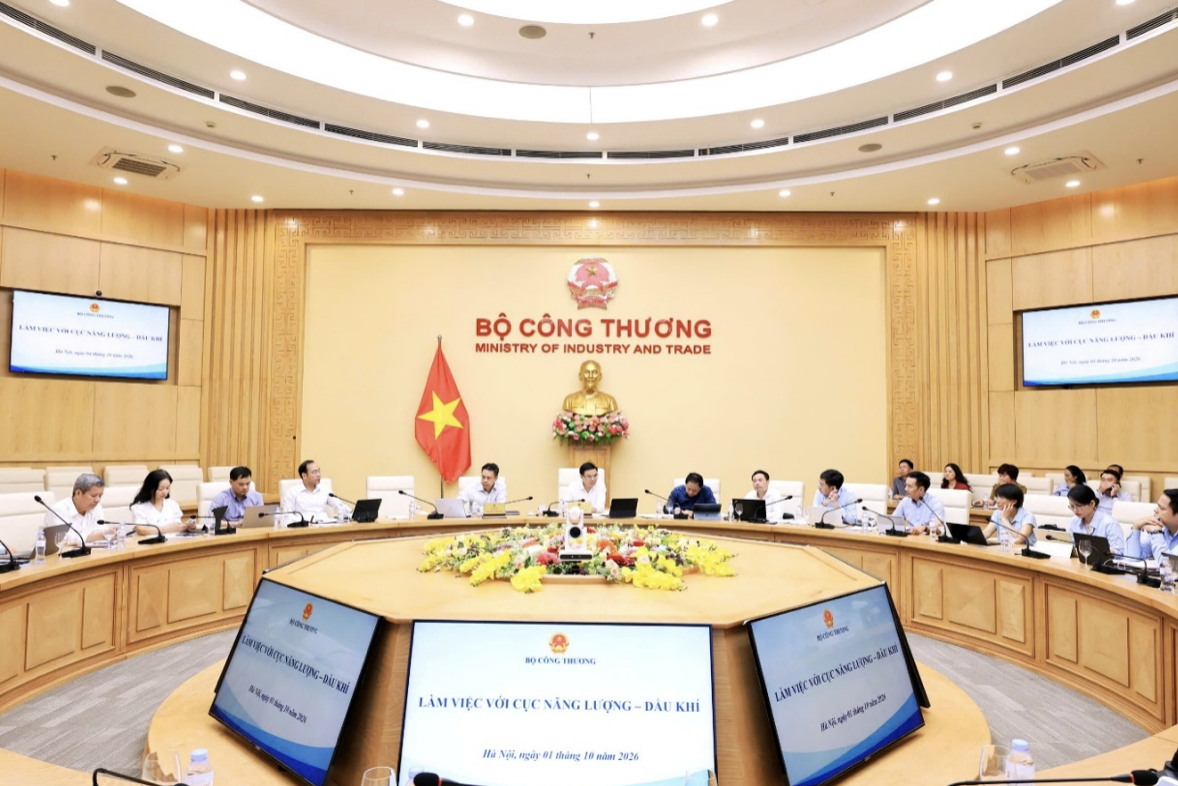
The Energy - Petroleum Agency is tasked with ensuring energy supplies, refining policies and advancing the energy transition to strengthen national energy security.