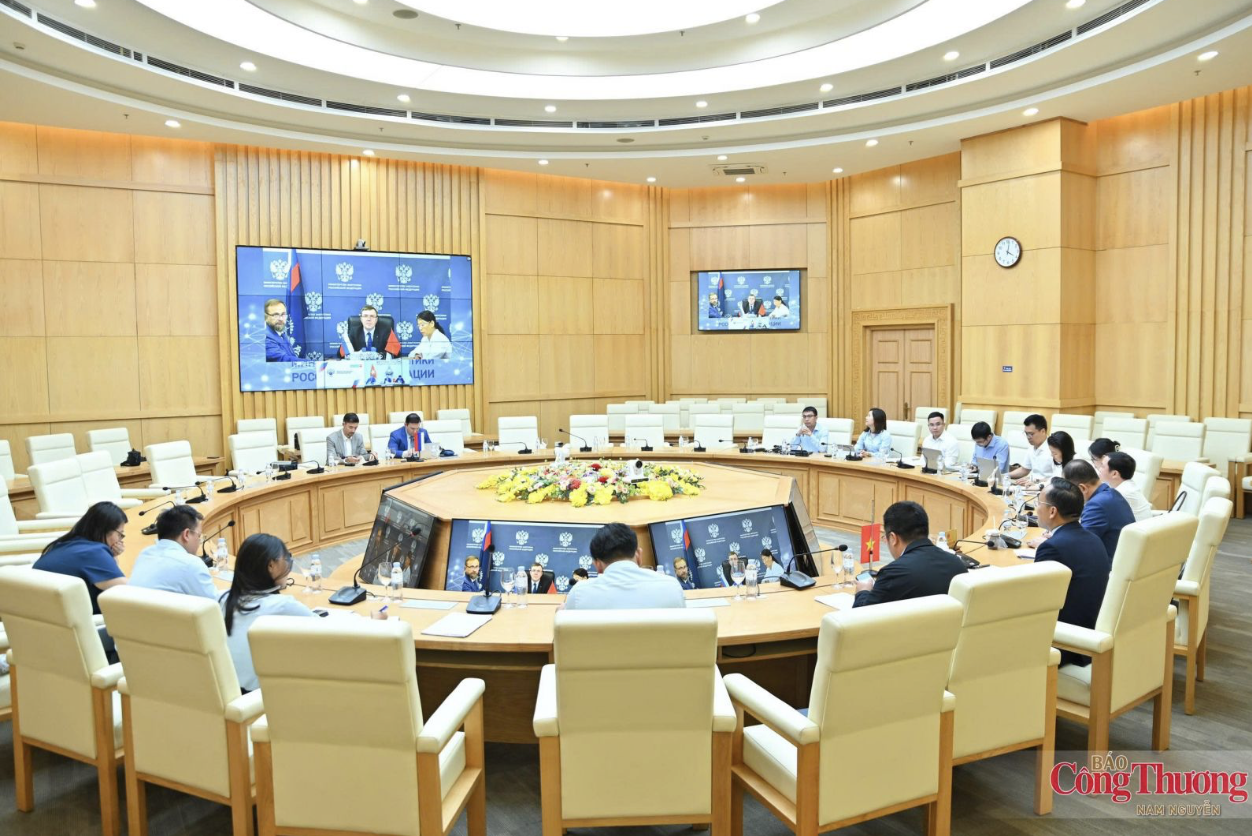
Trade relations between Vietnam and the Russian Federation are rebounding strongly, with bilateral turnover approaching USD 5 billion, creating substantial opportunities for cooperation in goods, logistics, and services.
The year 2025 marks the 75th anniversary of diplomatic relations between Vietnam and the Russian Federation. In 2012, the two countries elevated their ties to a Comprehensive Strategic Partnership. Building on a longstanding tradition of friendship, economic and trade cooperation between the two nations is gradually regaining growth momentum, opening up new opportunities for businesses on both sides.
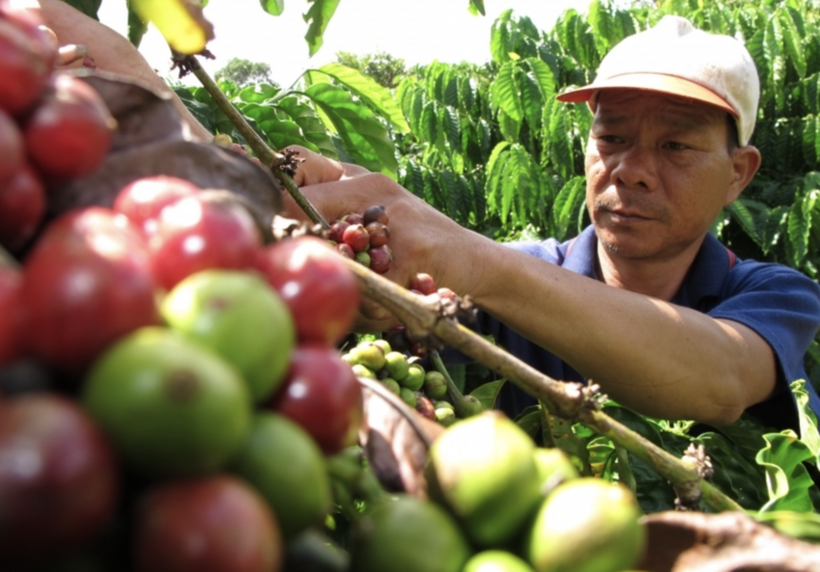
Coffee remains one of Vietnam’s key export commodities to the Russian market. Photo: VNA
According to the Vietnam Customs, bilateral trade between Vietnam and Russia reached USD 4.77 billion in 2025, up 4% from 2024. Vietnam’s exports totaled nearly USD 2.26 billion, down slightly by 3.2%, while imports from Russia rose 11.6% to USD 2.51 billion. This growth trend has continued into 2026. In the first four months of the year, two-way trade reached USD 1.72 billion, an increase of 9.22% compared with the same period last year.
The trade structure between the two countries remains highly complementary. Vietnam exports a wide range of agricultural products to Russia, including cashew nuts, coffee, rubber, and pepper, alongside textiles and garments, seafood, electronic components, and mobile phones. In return, Vietnam imports essential production inputs from Russia such as wheat, chemicals, pharmaceuticals, automotive equipment, coal, fertilizers, and plastic materials.
These results indicate significant untapped potential in bilateral trade, particularly as both countries benefit from favorable cooperation mechanisms, logistics connectivity, and expanding business linkages.
Strong potential driven by complementary trade, preferential agreements, and logistics connectivity
Several Vietnamese export categories to Russia posted remarkable growth in 2025. Steel exports surged by 582.8%, coffee by 51%, footwear by 43.4%, and toys and sports equipment by 41.7%.
In terms of value, textiles and garments remained Vietnam’s largest export item to Russia, reaching USD 504 million and accounting for 22.3% of total exports. Coffee followed with USD 462.3 million, representing 20%, while seafood exports reached USD 214.5 million.
On the import side, Vietnam continued to source mainly production inputs from Russia. Coal ranked first at USD 875 million, accounting for 35% of total imports. Fertilizers followed at USD 315.2 million, while plastic raw materials reached USD 130 million. Several import categories also recorded strong growth, including other base metals, up 124.4%; ores and minerals, up 72.6%; and completely built-up automobiles, up 62.6%.
Speaking at a recent trade promotion seminar on the Russian market organized by Vietnam Trade Promotion Agency under the Ministry of Industry and Trade, Le Hoang Tai, Deputy Director General of the agency, emphasized that Vietnam and Russia enjoy a traditional friendship that continues to develop positively under the framework of the Comprehensive Strategic Partnership. Economic and trade cooperation has maintained stable growth momentum.
According to Le Hoang Tai, the trade structure of the two countries is clearly complementary. Vietnam’s key exports include textiles and garments, agricultural products, seafood, and coffee, while imports from Russia mainly consist of energy products and industrial raw materials. This demonstrates considerable room for expanding economic cooperation in the coming years.
In particular, the Free Trade Agreement between Vietnam and the Eurasian Economic Union (EAEU) continues to serve as an important foundation for enhancing the competitiveness of Vietnamese goods in the Russian market through tariff preferences and trade facilitation measures. Signed in 2015 and entering into force in October 2016, the agreement has enabled most goods traded between the two countries to enjoy zero or very low import tariffs.
In addition, businesses from both countries can now use the Russian ruble and the Vietnamese dong in bilateral trade settlements. Russia’s electronic visa policy, which allows Vietnamese citizens to stay for up to 15 days, has also created more favorable conditions for trade and commercial promotion activities.
According to Duong Hoang Minh, Vietnam’s Trade Counsellor in Russia, Vietnam is currently Russia’s largest trading partner in ASEAN. Following a challenging period, bilateral trade has recovered significantly, reaching USD 3.6 billion in 2023, USD 4.6 billion in 2024, and approximately USD 4.8 billion in 2025.
Duong Hoang Minh stressed that the potential for economic and trade cooperation remains substantial. Beyond the advantages provided by the free trade agreement, the resumption of direct flights and favorable visa policies has further strengthened connectivity. Tourism cooperation is expanding rapidly, with around one million Russian tourists expected to visit Vietnam in 2026, helping drive growth in bilateral trade in services.
To capitalize on these opportunities, Duong Hoang Minh recommended that businesses make greater use of the benefits offered by the Vietnam-EAEU Free Trade Agreement and Russia’s investment incentives. He also encouraged enterprises to consider establishing representative offices in Russia to strengthen the presence of Vietnamese products, while actively participating in specialized exhibitions and trade missions organized by the Ministry of Industry and Trade and local authorities.
Beyond market and policy factors, logistics is emerging as a key driver of economic cooperation between Vietnam and Russia. Vietnam Railways Corporation (VNR) noted that both countries are members of the Organisation for Cooperation of Railways (OSJD). In 2015, VNR and Russian Railways (RZD) signed a cooperation agreement to develop international intermodal rail transport and increase cargo volumes between the two countries.
In recent years, VNR has continued to expand international partnerships to strengthen Vietnam-Russia transport routes. Since 2018, it has cooperated with RZD Logistics. In 2024, VNR signed an agreement with FESCO to develop multimodal transport services combining sea and rail transportation while also promoting end-to-end rail freight services.
According to VNR, total cargo volume transported between Vietnam and Russia reached 688,300 tonnes in 2025, up 38% compared with 2024. Of this, rail freight from Vietnam to Russia accounted for approximately 77,900 tonnes, while imports transported by rail reached around 51,900 tonnes. As bilateral trade remains close to US$5 billion annually and Asia-Europe supply chains continue to evolve, demand for stable and efficient transport corridors is expected to increase further.
Compared with maritime transport, rail offers significant time advantages, while remaining considerably more cost-effective than air freight. It is regarded as a suitable transport solution for products such as cosmetics, electronics, garments, and processed agricultural goods.
Supported by strong political relations, highly complementary trade structures, preferential treatment under the Vietnam-EAEU Free Trade Agreement, and expanding logistics connectivity, Vietnam-Russia trade is well positioned for stronger growth in the years ahead. This is expected not only to boost bilateral trade turnover but also to create new momentum for investment cooperation, services development, and supply-chain integration between the two economies.
On June 16, Prime Minister Le Minh Hung and a high-level Vietnamese delegation departed for Kazan, Russia, to attend the ASEAN-Russia Commemorative Summit marking the 35th anniversary of ASEAN-Russia relations and conduct bilateral activities from June 16 to 18, 2026, at the invitation of Russian President Vladimir Putin. The visit marks Le Minh Hung’s first official trip to Russia since assuming office as Prime Minister.
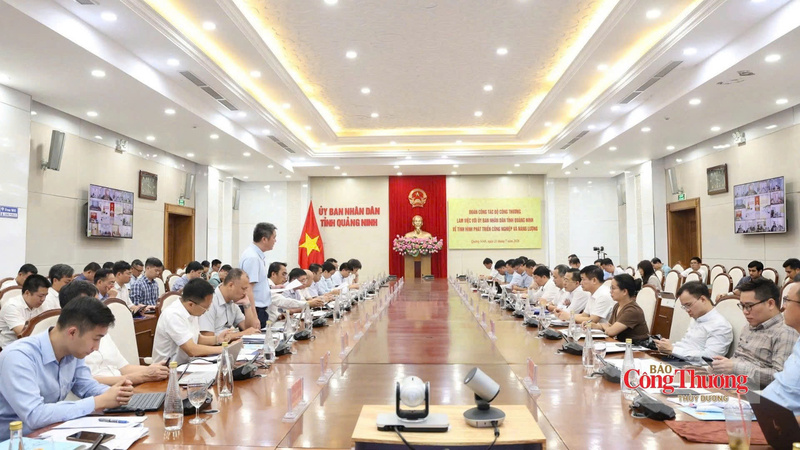
MoIT delegation led by Deputy Minister Truong Thanh Hoai worked with Quang Ninh to review the revised PDP8 and accelerate key power and industrial projects.
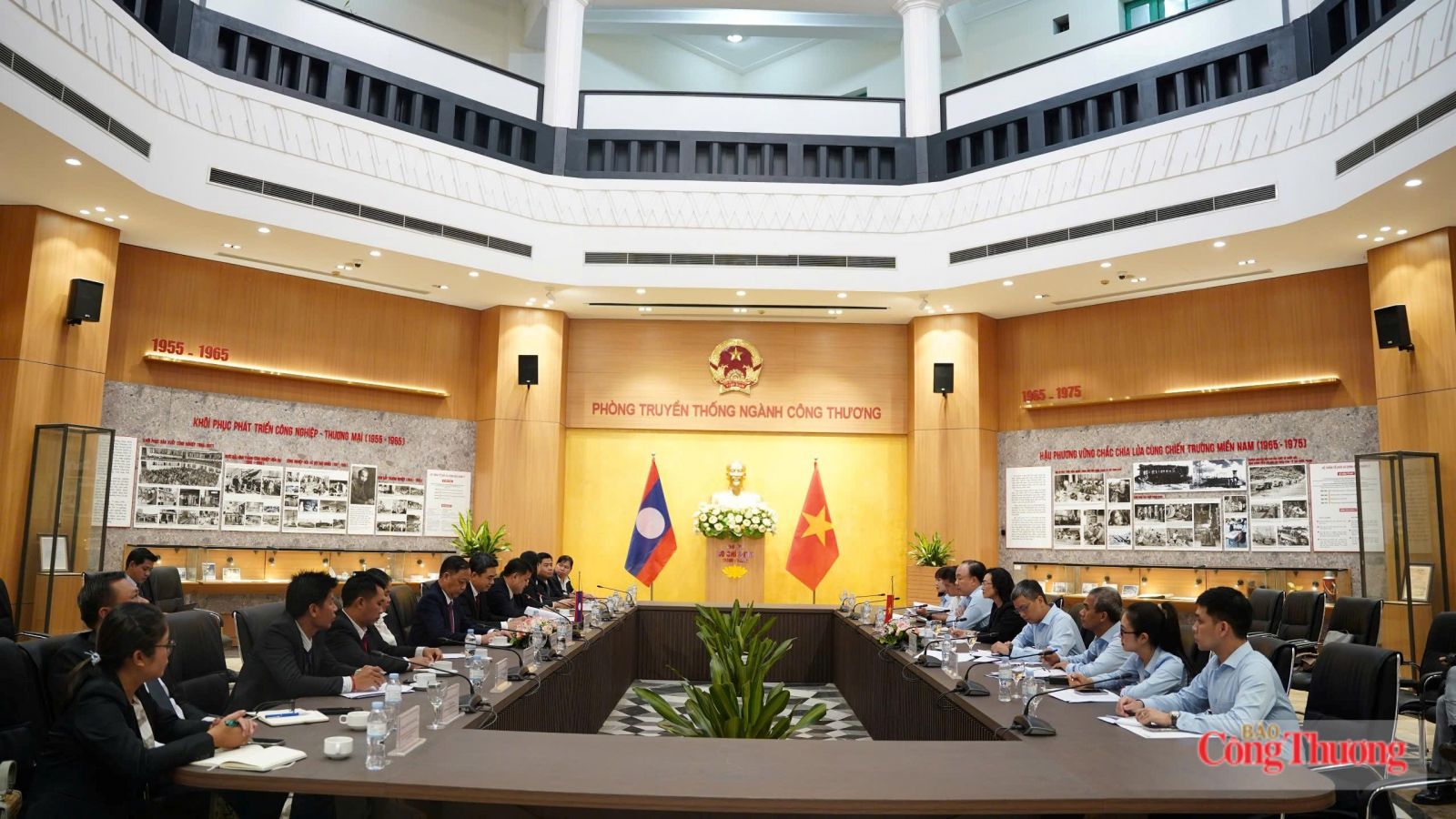
Vietnam and Laos exchanged experience on inspection, examination and domestic market management while reaffirming commitment to deepen bilateral cooperation and tie.
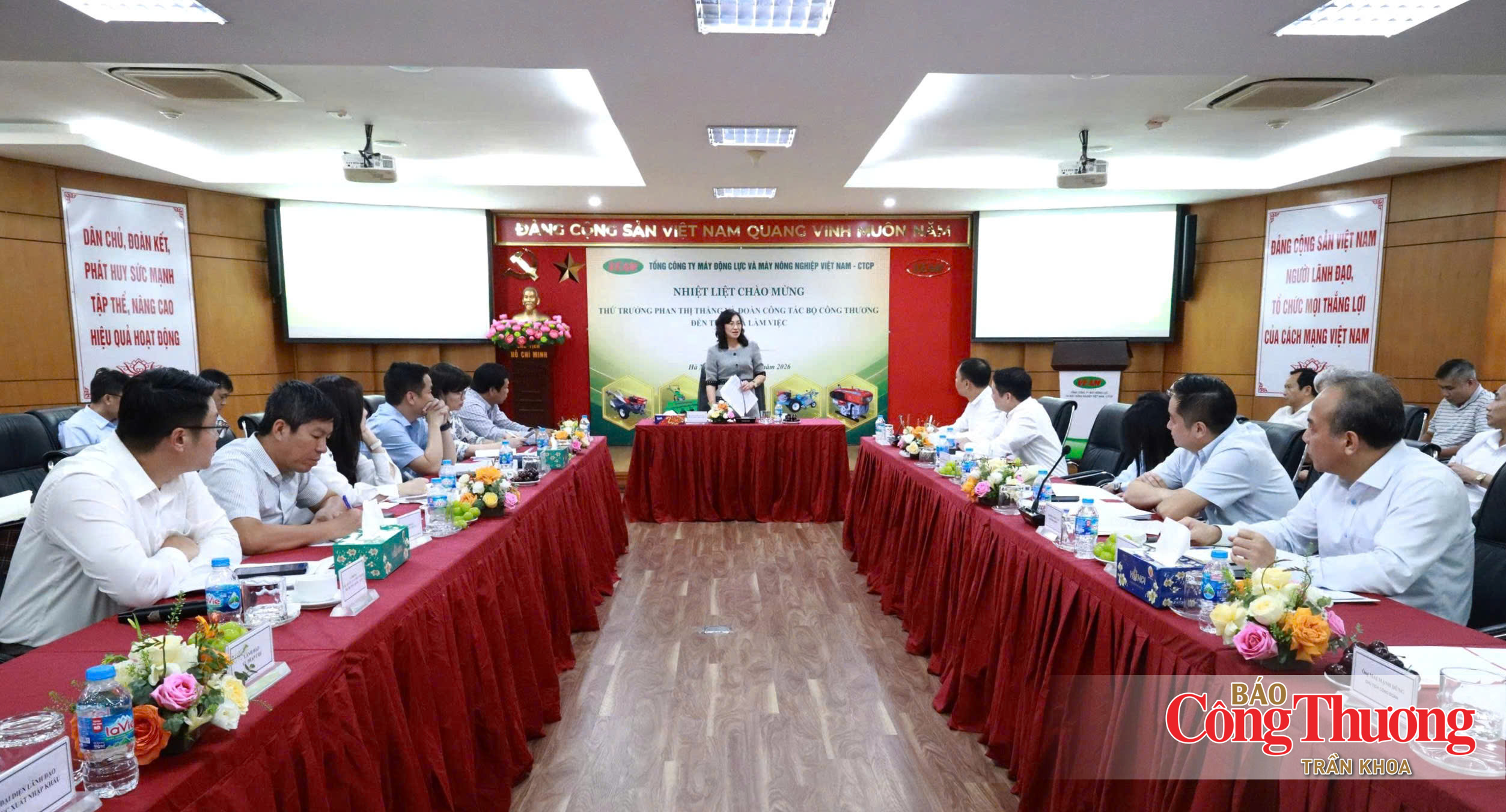
Deputy Minister Phan Thi Thang firmly urged VEAM to accelerate restructuring, boost capital efficiency, and invest in science and technology to develop new products.
Deputy Minister Nguyen Hoang Long works with Quang Ngai to review key energy projects, address bottlenecks and accelerate implementation under national energy plans
MoIT delegation led by Deputy Minister Truong Thanh Hoai worked with Quang Ninh to review the revised PDP8 and accelerate key power and industrial projects.
Vietnam and Laos exchanged experience on inspection, examination and domestic market management while reaffirming commitment to deepen bilateral cooperation and tie.
Deputy Minister Phan Thi Thang firmly urged VEAM to accelerate restructuring, boost capital efficiency, and invest in science and technology to develop new products.
Deputy Minister Nguyen Hoang Long works with Quang Ngai to review key energy projects, address bottlenecks and accelerate implementation under national energy plans