The Ministry of Industry and Trade introduced the Law on E-commerce and its implementing decree, establishing new rules for online business and consumer protection.
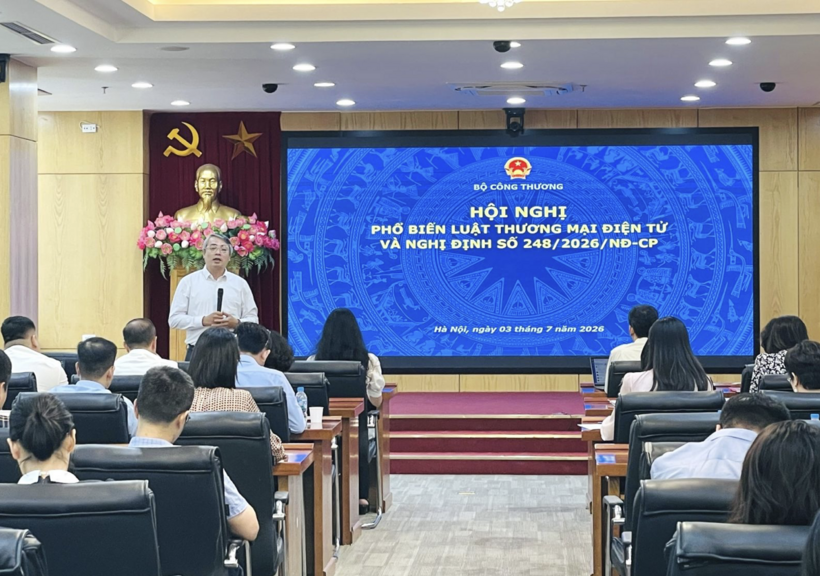
On 3 July 2026, at the headquarters of the Ministry of Industry and Trade, the Vietnam E-commerce and Digital Economy Agency (iDEA) organized a conference to disseminate the Law on E-commerce and Government Decree No. 248/2026/ND-CP, dated 30 June 2026, detailing a number of articles of the Law on E-commerce.
New rules raise accountability across the e-commerce ecosystem
The conference was chaired by Le Hoang Oanh, Director of the Vietnam E-commerce and Digital Economy Agency, and attended by around 100 delegates from agencies under the Ministry of Finance, including tax authorities, units under the Ministry of Industry and Trade, as well as representatives of relevant agencies and organizations.
The Law on E-commerce and Decree No. 248/2026/ND-CP both took effect on 1 July 2026, establishing an important legal framework for e-commerce activities in a new stage of development. Against the backdrop of the rapid expansion of online commerce, closely linked to consumption, exports, logistics, electronic payments and the digital economy, the new regulations are designed to foster a transparent, secure and sustainable online business environment.
Addressing the conference, Le Hoang Oanh emphasized that the Law and the Decree were developed with the dual objective of facilitating legitimate business activities while strengthening the accountability of all participants in the online marketplace.
A key priority is to support platforms, enterprises, cooperatives, household businesses and online sellers in achieving "compliance before selling", enabling them to conduct business in accordance with the law from the outset. At the same time, the legal framework provides a stronger basis for addressing activities that exploit online platforms to trade counterfeit goods, products of unknown origin, disseminate misleading advertising, evade legal obligations or infringe upon consumer rights.
Director of the Vietnam E-commerce and Digital Economy Agency Le Hoang Oanh chairs the conference.
During the conference, representatives of the Vietnam E-commerce and Digital Economy Agency introduced the key provisions and notable new features of the Law and the Decree. One of the most significant changes concerns the verification of sellers' identities on e-commerce platforms.
Under the new regulations, operators of intermediary e-commerce platforms are required to verify sellers' identities before allowing them to conduct business on their platforms. This measure is expected to reduce anonymous accounts and unverified online stores while facilitating traceability, law enforcement, tax administration, market surveillance and consumer protection.
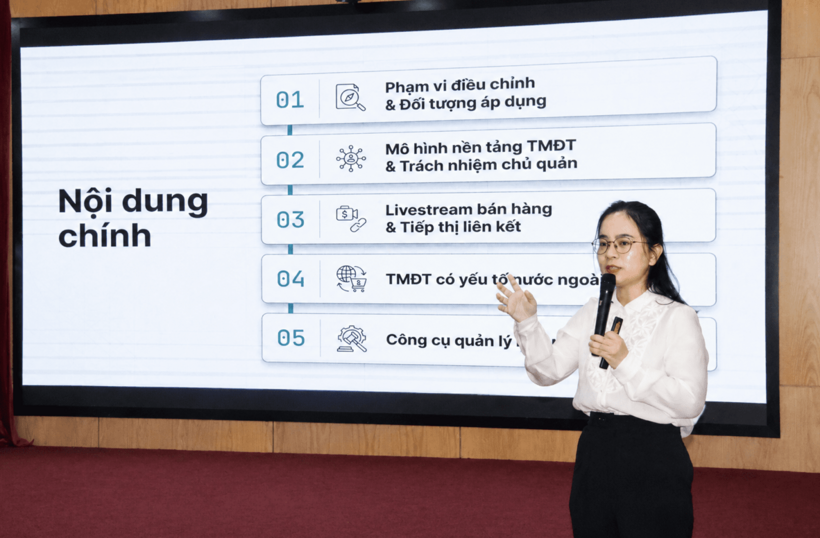
Representatives of the drafting committee present key highlights of the 2025 Law on E-commerce.
The Law and the Decree also provide a clearer definition of the responsibilities of e-commerce platforms. Beyond serving as intermediaries for commercial transactions, platform operators are required to manage seller information, publicly disclose their operating rules, receive and process complaints, retain necessary records, cooperate with competent state authorities, and remove stores, products and content showing signs of legal violations. For social media platforms that integrate e-commerce functions, the new regulations require operators to verify sellers' identities and distinguish ordinary social interaction from commercial activities.
Livestream selling and affiliate marketing were also among the key topics discussed. Individuals conducting livestream sales, including key opinion leaders (KOLs), key opinion consumers (KOCs), influencers or individuals engaged to promote products must complete identity verification before broadcasting sales sessions.
Product presentations must be truthful and must not mislead consumers regarding product functions, quality, origin, pricing, warranty policies or product availability. In affiliate marketing, all participating parties are required to ensure transparency regarding their roles, affiliate links, referral codes and their respective responsibilities when promoting goods and services.
Deputy Director of the Vietnam E-commerce and Digital Economy Agency Hoang Ninh speaks at the conference.
Consumer protection and cross-border oversight in focus
With regard to consumers, the Law and the Decree place particular emphasis on the right to access information, the right to lodge complaints, the right to personal data protection and the right to protection in the event of disputes. Consumers must be provided with clear information on sellers, products, pricing, origin, return and warranty policies, as well as complaint-handling procedures.
The conference also highlighted the risks associated with transactions conducted outside platform ecosystems, where buyers may lose access to platform-based mechanisms for protection, transaction verification, refunds and dispute resolution.
Overview of the conference disseminating the Law on E-commerce No. 122/2025/QH15 and Government Decree No. 248/2026/ND-CP detailing a number of articles of the Law.
Delegates also discussed a range of practical issues, including defective goods, sellers closing their online stores after committing violations, personal data protection, the responsibilities of technical infrastructure providers, and the obligations of foreign entities conducting business in Vietnam. Cross-border e-commerce was identified as a key regulatory priority to ensure fair competition, protect Vietnamese consumers, ensure compliance with financial obligations and uphold Vietnamese law.
The participation of tax authorities under the Ministry of Finance underscored the importance of close inter-agency coordination in regulating e-commerce, particularly in areas involving transaction data, taxation, electronic invoicing, payment systems, goods management, anti-counterfeit enforcement and oversight of cross-border transactions.
Representatives of the Vietnam E-commerce and Digital Economy Agency respond to delegates questions.
Looking ahead, the Vietnam E-commerce and Digital Economy Agency will continue organizing communication campaigns, training programmes and implementation guidance on the Law on E-commerce and Decree No. 248/2026/ND-CP for local authorities, platform operators, enterprises, cooperatives, household businesses, online sellers and other relevant stakeholders. The comprehensive implementation of the new legal framework is expected to contribute to a more transparent e-commerce market, strengthen consumer protection, foster fair competition and reinforce e-commerce as a sustainable driver of Vietnam's economic growth.
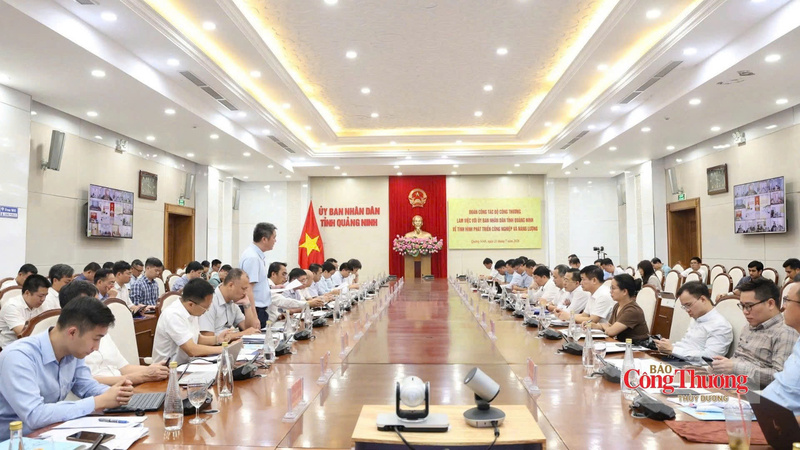
MoIT delegation led by Deputy Minister Truong Thanh Hoai worked with Quang Ninh to review the revised PDP8 and accelerate key power and industrial projects.
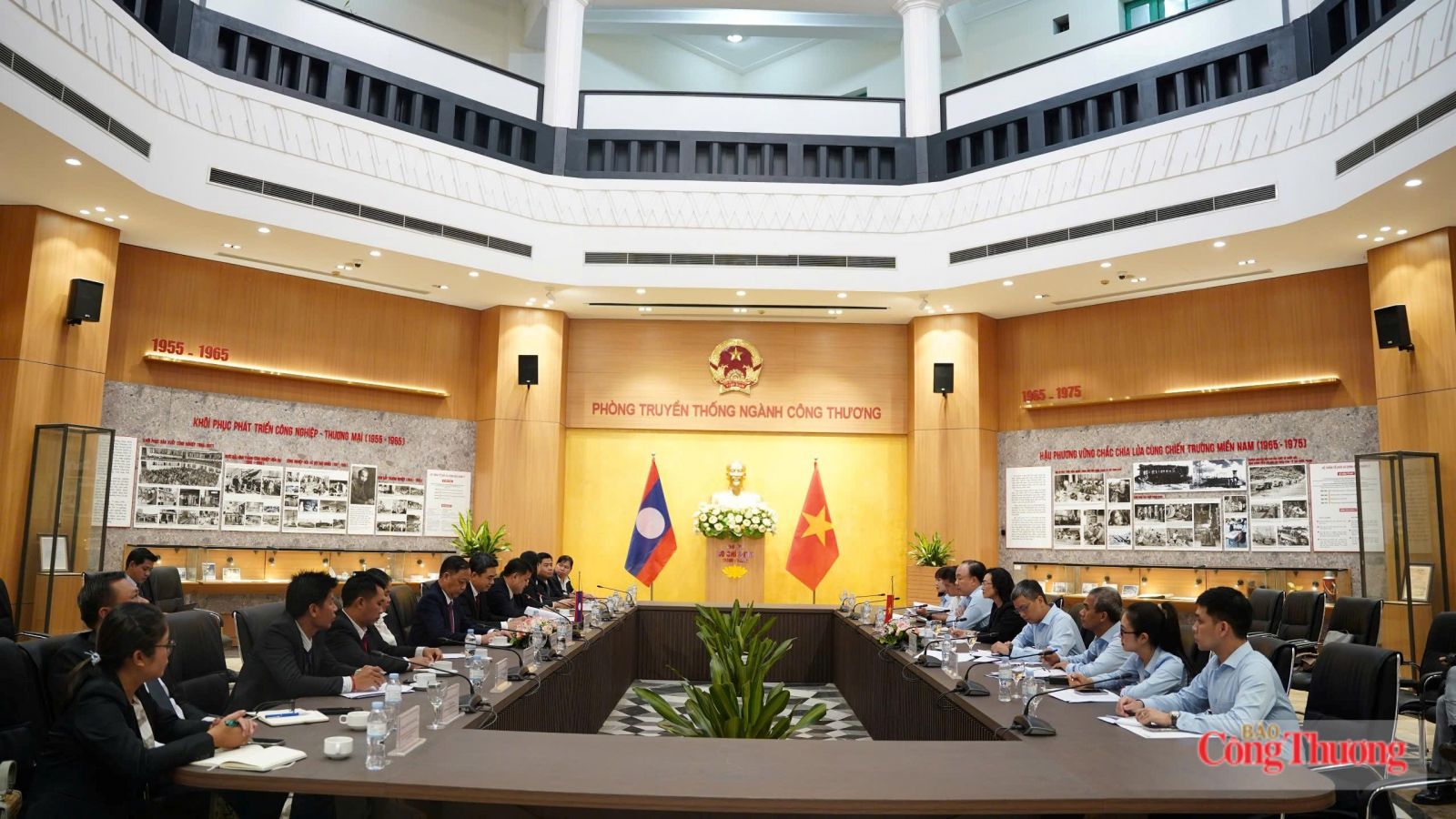
Vietnam and Laos exchanged experience on inspection, examination and domestic market management while reaffirming commitment to deepen bilateral cooperation and tie.
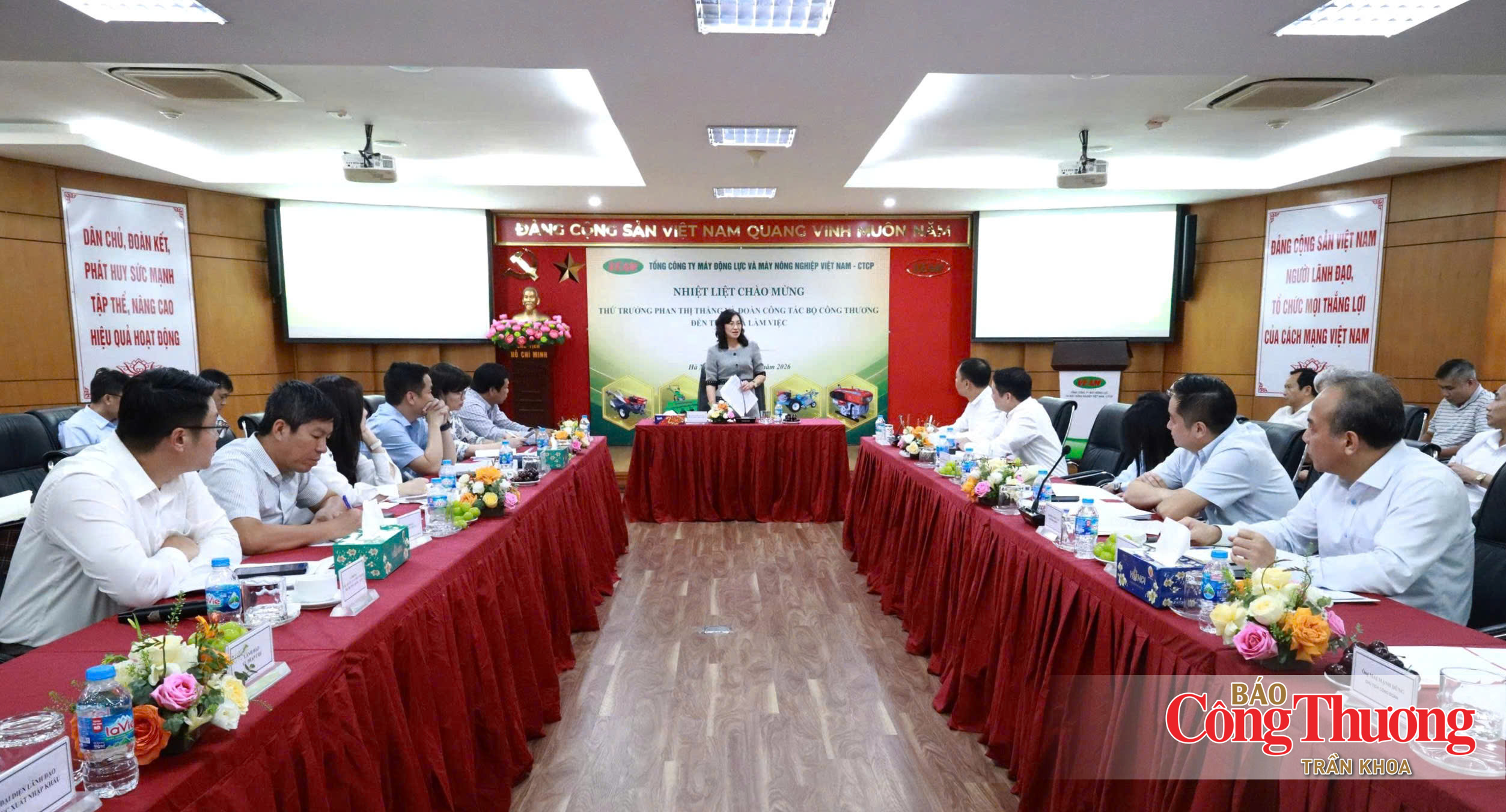
Deputy Minister Phan Thi Thang firmly urged VEAM to accelerate restructuring, boost capital efficiency, and invest in science and technology to develop new products.
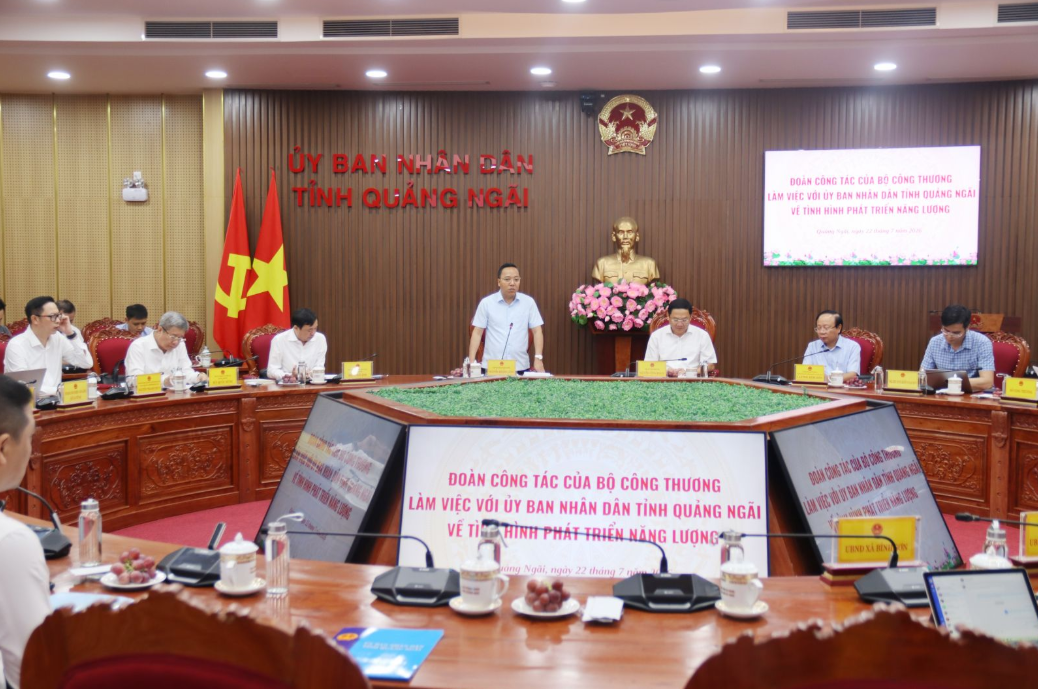
Deputy Minister Nguyen Hoang Long works with Quang Ngai to review key energy projects, address bottlenecks and accelerate implementation under national energy plans
MoIT delegation led by Deputy Minister Truong Thanh Hoai worked with Quang Ninh to review the revised PDP8 and accelerate key power and industrial projects.
Vietnam and Laos exchanged experience on inspection, examination and domestic market management while reaffirming commitment to deepen bilateral cooperation and tie.
Deputy Minister Phan Thi Thang firmly urged VEAM to accelerate restructuring, boost capital efficiency, and invest in science and technology to develop new products.
Deputy Minister Nguyen Hoang Long works with Quang Ngai to review key energy projects, address bottlenecks and accelerate implementation under national energy plans