Conclusion No.83-KL/TW issued by the Politburo sets out a new development orientation for Viet Nam’s materials industry, with a focus on shifting from resource extraction to deep processing, mastering technologies, and developing domestic value chains.
The materials industry plays a key role in supplying inputs for almost all sectors of the economy, including construction, transport, energy, mechanical engineering and manufacturing, electronics, semiconductors, defense, security, and high-tech industries. Viet Nam has developed production capacity in many areas, but the sector remains heavily reliant on resource extraction and low-level processing, while many high-quality, high-tech, and specialized materials are still dependent on imports.
Against this backdrop, Conclusion No.83-KL/TW, issued by the Politburo on August 8, 2026 on developing Viet Nam’s materials industry, identifies the materials industry as a foundational sector that plays a decisive role in strategic self-reliance, national competitiveness, and the ability to master core technologies. One of the key shifts in thinking is to move from exploiting resource advantages to mastering materials technologies, from extensive to intensive development, and gradually mastering high-value-added stages in global value chains.
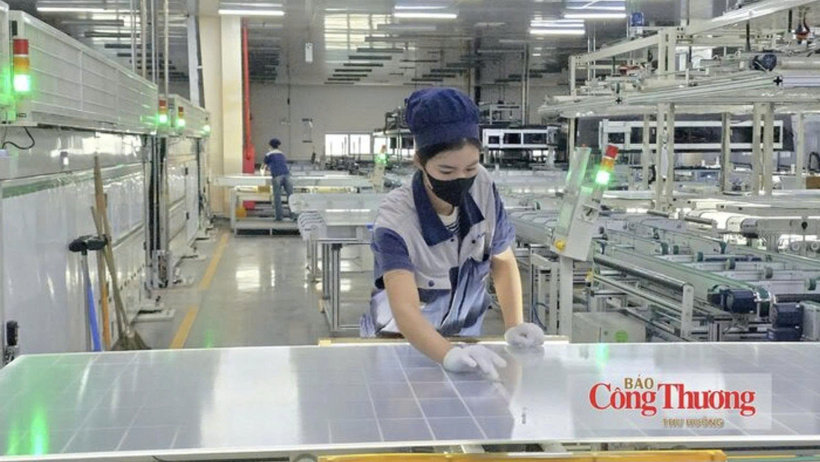
Many materials used in solar cell production in Viet Nam still have to be imported.
Developing value chains from resources to finished products
According to Dr. Nguyen Van Hoi, Director General of the Viet Nam Institute for Industry and Trade Strategy and Policy under the Ministry of Industry and Trade, Viet Nam is facing a major opportunity to restructure its materials industry, with significant advantages in mineral resources such as rare earths, titanium, bauxite, and graphite. These resources provide an important foundation for developing the materials industry. However, for a long time, the exploitation of these advantages has mainly focused on extraction and preliminary processing, with limited progress in deeper processing and technology mastery.
This situation is evident across several industries. In steel, for example, Viet Nam can produce a wide range of construction and basic steel products but still relies heavily on imports of alloy and high-quality steel products. In the chemicals sector, the country has achieved self-sufficiency in some basic chemicals, while many chemicals serving emerging and strategic industries remain dependent on external sources. Notably, electronic materials and many high-tech materials remain significantly dependent on FDI enterprises and imports.
According to Dr. Nguyen Van Hoi, one of the key reasons why the potential of natural resources has not been translated proportionately into industrial capacity is the lack of linkages among different stages of the value chain.
In addition to constraints related to capital, technology, and production scale, previous mechanisms and policies failed to establish close links from extraction and processing to deep processing, finished products, and markets. Resource extraction, supporting industries, and finished-product manufacturing have remained fragmented, making it difficult to develop a complete materials industry ecosystem.
Against this backdrop, Dr. Nguyen Van Hoi said policies should adopt a value-chain-wide approach. Enterprises with technological capacity, deep-processing plans, and the ability to develop finished products should be enabled to participate throughout the production chain.
“Enterprises need mechanisms and policies that genuinely support investment across the entire value chain and production chain,” Dr. Hoi emphasized. The ultimate goal is not simply deeper processing but also helping enterprises master technologies and develop domestic production chains capable of connecting with global value chains.
One of the key contents of Conclusion No.83-KL/TW is the requirement to develop closed-loop materials industry chains, from extraction, processing, and deep processing to final applications. Priority areas include rare earths; battery, magnet, and magnetic materials; electronic and semiconductor materials; aluminum, steel, titanium, non-ferrous metals, and specialty alloys; as well as chemical, carbon, and dual-use materials.
At the same time, the materials industry is expected to develop in an integrated manner across three groups: basic materials, strategic materials, and future materials. By 2030, resources will be prioritized for key areas such as semiconductor materials, rare earths, battery and energy-storage materials, new materials, specialized and dual-use materials, thereby gradually strengthening self-reliance and enhancing Viet Nam’s participation in global value chains.
Viet Nam has established a relatively clear foundation in basic materials such as steel, rubber, chemicals, and mineral processing. Meanwhile, strategic and future materials offer substantial room for development but require stronger investment in science and technology, innovation, venture capital funds, and research infrastructure.
Dr. Hoi said the selection of priority areas must be based on a comprehensive assessment of resource advantages, enterprise capacity, market conditions, and the ability to master technologies. Resource advantages, in particular, need to be exploited in a fundamentally different way from the past, with greater emphasis on limiting raw extraction and basic processing while focusing on deep processing, research, and innovation to increase value.
Making enterprises the center of technological innovation
Another bottleneck identified by Dr. Nguyen Van Hoi is the gap between research and commercialization. Many research institutes and universities carry out research projects without fully starting from specific needs of enterprises and the market. Meanwhile, enterprises seeking technologies face difficulties in finding, adopting, and commercializing research outcomes.
Therefore, Dr. Nguyen Van Hoi said stronger and more substantive links are needed among the State, enterprises, research institutes and universities, and local authorities. Scientific research should respond to market demand; enterprises should become the parties commissioning research, while local authorities should provide the space and infrastructure needed to bring research outcomes into production.
In particular, procedures and financial mechanisms for science, technology, and innovation need to become more open and transparent, while recognizing the inherent risks of research through appropriate mechanisms and investment funds. Research institutes and universities need to “look to enterprises when conducting research and look to the market when conducting research,” working with enterprises to analyze and forecast market trends and identify products and industries that should be prioritized for research.
This is also the spirit of the model of “an enabling State – enterprise-centered development – research institutes and universities as the foundation, localities as the implementation space” set out in Conclusion No.83. Under this model, science and technology, innovation, digital transformation, and high-quality human resources will become the primary drivers of the materials industry.
To translate the new orientation into concrete action, Conclusion No.83 requires the development in 2026 of a National Strategy for Materials Industry Development to 2030, with a vision to 2045. By 2028, the country aims to establish at least three to five national materials research centers. By 2030, Viet Nam aims to master a number of deep-processing technologies for rare earths, semiconductor materials, and battery materials, while striving to achieve a 50% domestic content rate for certain strategic materials.
According to Dr. Nguyen Van Hoi, the upcoming strategy needs to establish a clear, public, and transparent policy framework that is “easy to know, easy to predict, and easy to implement.” It should also clearly identify areas of strength, develop synchronized industrial infrastructure, and build leading enterprises with strong technological capacity and the ability to absorb technology, conduct research, and innovate.
If several capabilities must be prioritized through 2030, Dr. Hoi said rare earths deserve attention because Viet Nam has resource advantages and these materials serve as inputs for a range of high-tech, energy, electronics, semiconductor, and defense industries. Other priorities include materials for the semiconductor industry and the chemicals sector, a foundational industry involved in almost all production activities across the economy.
Polish Prime Minister Donald Tusk will pay an official visit to Viet Nam from October 24 to 26 as the bilateral trade continues to grow, creating opportunities for deeper cooperation.
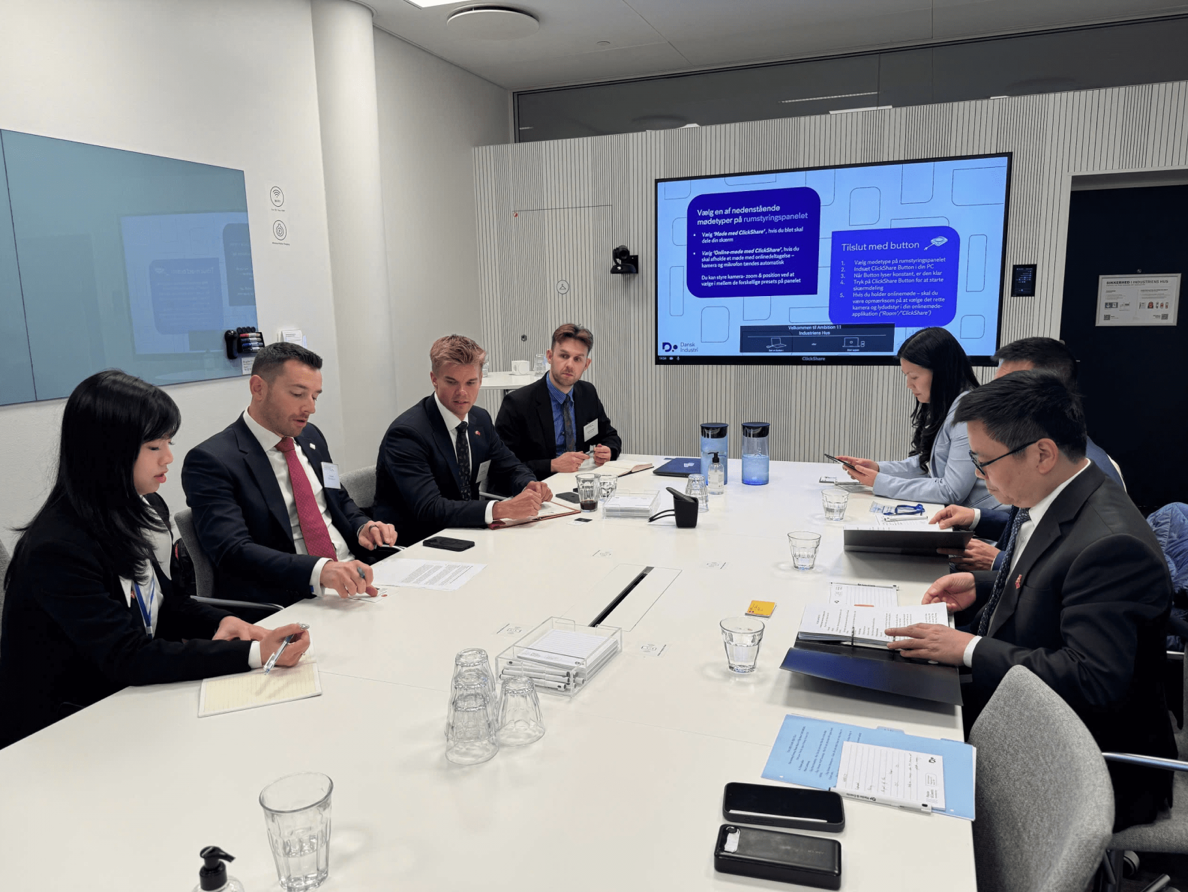
Deputy Minister Truong Thanh Hoai met with LEGO and Carlsberg in Denmark on October 20 to discuss green investment and sustainable manufacturing in Viet Nam.
For more than three decades, Ms. Dang Thi Thanh Huong has quietly shaped the legacy of Dong Phuong Cake & Confectionery, a brand rooted in tradition, craftsmanship.
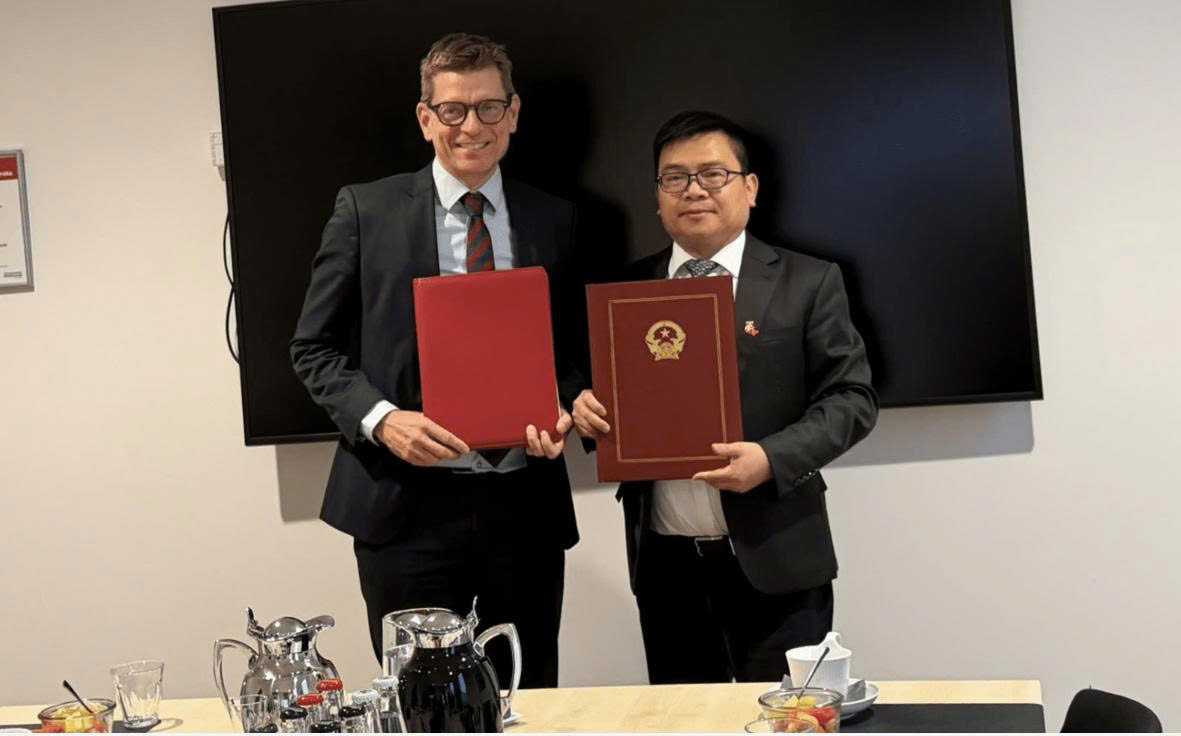
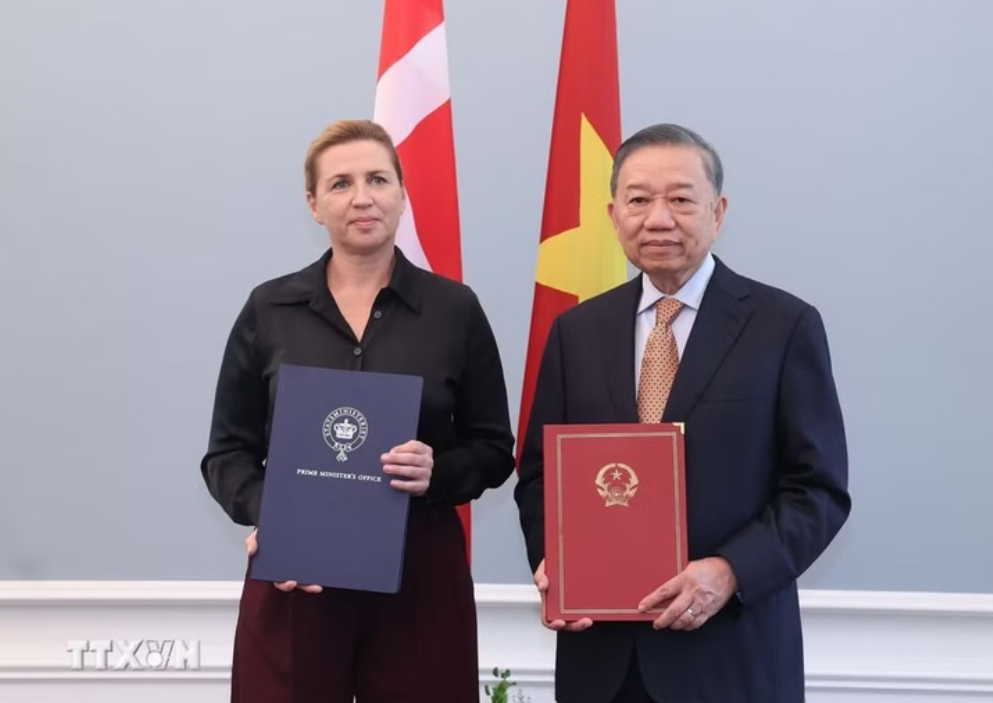
Viet Nam and Denmark have signed an MoU on energy cooperation to strengthen bilateral ties and advance collaboration in renewable energy and the green transition.
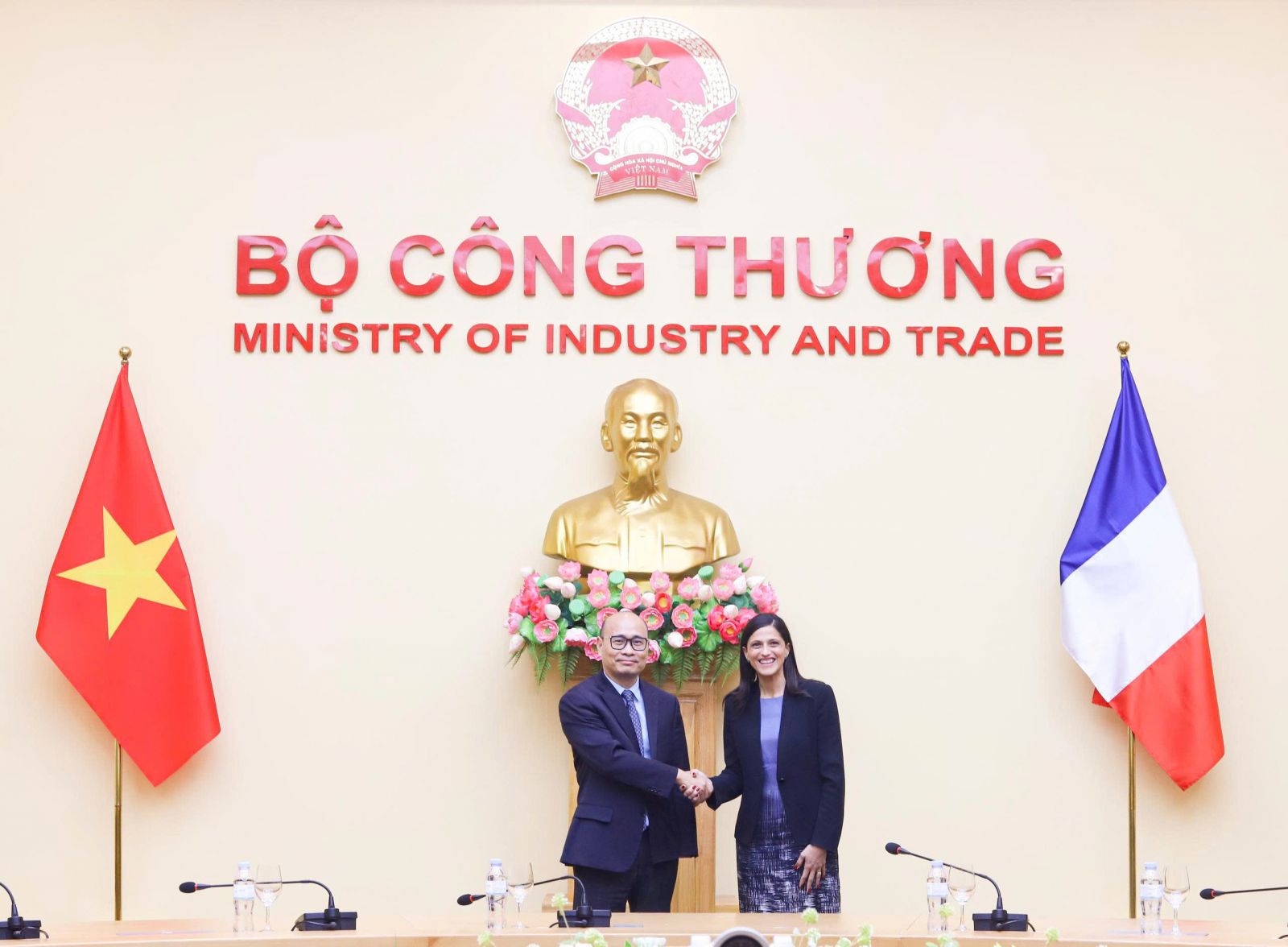
Deputy Minister Luong Hoang Thai met French Minister Delegate Eleonore Caroit on October 19 to discuss ways to strengthen Viet Nam - France cooperation.
Polish Prime Minister Donald Tusk will pay an official visit to Viet Nam from October 24 to 26 as the bilateral trade continues to grow, creating opportunities for deeper cooperation.
Deputy Minister Truong Thanh Hoai met with LEGO and Carlsberg in Denmark on October 20 to discuss green investment and sustainable manufacturing in Viet Nam.
Viet Nam and Denmark have signed an MoU on energy cooperation to strengthen bilateral ties and advance collaboration in renewable energy and the green transition.
Deputy Minister Luong Hoang Thai met French Minister Delegate Eleonore Caroit on October 19 to discuss ways to strengthen Viet Nam - France cooperation.
The Viet Nam Economic News respectfully presents the full text of the Joint Statement on the Establishment of a Comprehensive Strategic Partnership between Viet Nam and Denmark.