Carbon capture, utilisation and storage (CCUS) is emerging as a multibillion-dollar industry worldwide. The amended Petroleum Law, recently passed by Viet Nam’s National Assembly, has opened a legal framework for the country to enter this field.
The race for billions of dollars
Carbon Capture, Utilisation and Storage (CCUS), with Carbon Capture and Storage (CCS) being the most common form, encompasses a group of technologies that separate CO2 generated by power plants, cement, steel and petrochemical facilities, or directly from the air through Direct Air Capture (DAC). The captured CO2 is then transported and injected into deep geological formations for permanent storage, or reused for other industrial purposes. CCUS is also considered one of the few solutions capable of addressing emissions from hard-to-abate heavy industries, where electrification or a complete switch to renewable energy remains difficult in the short term.
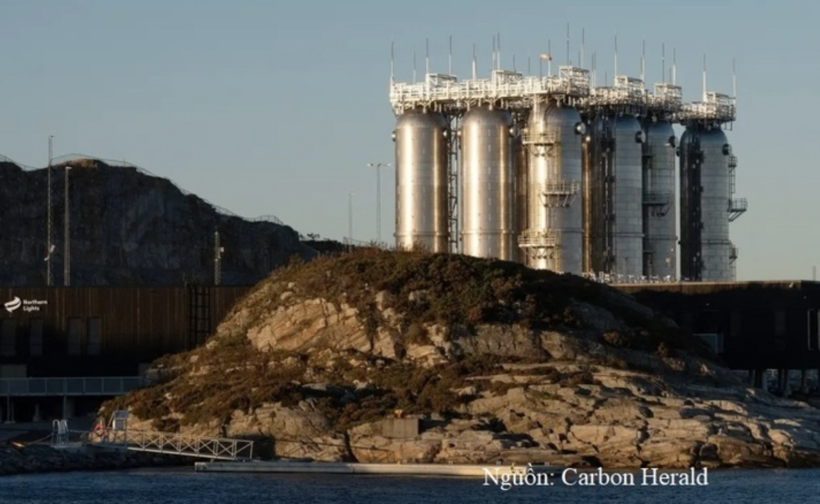
Norway’s Northern Lights project, the world’s first commercial cross-border CO₂ transport and storage facility, stores carbon beneath the North Sea – Photo: Carbon Herald
According to calculations by McKinsey, a leading global management consulting firm, global CCUS capacity will need to increase more than 100-fold in the long term to achieve net-zero emissions by mid-century, from roughly 4 gigatonnes to 6 gigatonnes of CO2 per year by 2050 (while current decarbonisation efforts address only around 15-20% of energy-related emissions). This growth pressure is forcing countries to establish clear legal frameworks at an early stage, covering issues ranging from CO2 ownership and licensing procedures to legal liability after storage sites are closed. Without a clear regulatory framework, investment capital will struggle to flow into the sector.
The Global CCS Institute’s Global Status of CCS 2025 report, released in October 2025, recorded a year of strong growth for the industry. There are currently 77 CCS facilities operating commercially worldwide, up 54% from the previous year, with 27 new facilities becoming operational within just 12 months. Another 47 projects are under construction, with combined capture capacity of around 44 million tonnes of CO2 per year. Including both operating and developing projects, global CO2 capture capacity has reached 513 million tonnes per year, up 23% from the previous reporting period, while the total number of projects across all stages of development has risen to 610.
The International Energy Agency (IEA), in an update to its CCUS Projects Database released in early 2026, painted a similar picture: operational and under-construction capture capacity was more than 10% higher than a year earlier, while global CO2 storage capacity increased by approximately 25%.
In financial terms, more than USD 15 billion in commercial debt financing has been mobilised for CCUS over the past two years, with the United Kingdom accounting for about 85% of total outstanding commercial bank lending. Europe, the Middle East and North America continue to lead in capacity growth, while Germany, France, Japan and India are emerging markets where policy frameworks have recently been established.
Looking to the world
According to research by Viet Nam National Industry-Energy Group (Petrovietnam), the United States is currently the world’s largest CCUS market, with 33 projects in operation, 19 under construction and more than 300 others at various stages of development. A key pillar of the US policy framework is the tax credit under Section 45Q of the Internal Revenue Code, strengthened by the Bipartisan Infrastructure Law (BIL) in 2021, which allocated around USD 12 billion to CCS research, demonstration and deployment programmes through 2026.
Norway has the longest experience with CCS, beginning with the Sleipner project in 1996 and Snohvit in 2008. The most significant recent milestone has been the Longship project and its Northern Lights transport and storage component, a joint venture between Equinor, Shell and TotalEnergies. On August 25, 2025, Northern Lights officially injected and stored its first commercial volumes of CO2 at a depth of 2,600 metres beneath the seabed of the North Sea. The milestone marked the world’s first open-access CO2 transport and storage service available to third-party customers.
Phase 1 of Northern Lights has a capacity of 1.5 million tonnes of CO2 per year and has been fully contracted. Its first customer is Heidelberg Materials’ cement plant in Brevik. The CO2 is liquefied and transported by specialised vessels to the Oygarden terminal before being sent through a 100-km pipeline offshore for permanent storage. The final investment decision for Phase 2 has been approved, raising minimum capacity to 5 million tonnes per year. A new customer, Swedish energy company Stockholm Exergi, has committed to transporting and storing up to 900,000 tonnes of CO2 annually. The project is a prominent example of a cross-border “CO2 import-export” model under the London Protocol and its 2009 amendment, allowing European countries without suitable geological storage formations to decarbonise by purchasing storage services from Norway.
According to the Viet Nam Trade Office in Sweden, Sweden is developing its first large-scale bioenergy carbon capture and storage (bio-CCS) project, which is expected to become operational before 2030. Once completed, the project will be capable of processing around 500,000 tonnes of CO2 annually, marking a shift from conventional emissions management towards turning CO2 into an economic resource and serving as an important pillar of Sweden’s net-zero strategy.
At the Igelsta combined heat and power plant, CO2 generated by burning biofuels is separated, liquefied and transported to underground storage sites or reused in industry. One factor behind the success of the Swedish model is infrastructure integration. Södertälje has a seaport, dedicated rail infrastructure and convenient road connections, enabling the development of an integrated industrial cluster where CO2 is not only captured but also transported, reused and converted into added value.
The Viet Nam Trade Office in Sweden said the bio-CCS project in Södertälje is not merely a technical initiative but also a notable public-private partnership model. AstraZeneca, the global pharmaceutical group whose largest manufacturing facility is located in Södertälje, has become the first customer to purchase negative emissions from the plant.
As the world’s largest CO₂ emitter, China has identified CCUS as a key tool for peaking emissions before 2030 and achieving carbon neutrality by 2060. A landmark project is China’s first megaton-scale CCUS complex, with capacity exceeding 1 million tonnes of CO2 per year, operated by Sinopec at the Shengli oilfield in Shandong Province. The facility became fully operational in August 2022, capturing CO2 from the Qilu petrochemical plant and injecting it underground for enhanced oil recovery. Since then, the pace of demonstration-project deployment has accelerated sharply. By mid-2023, China had around 100 CCUS pilot and demonstration projects of varying scales across the country, while around 10 provincial-level governments had incorporated CCUS development into their local decarbonisation strategies.
Japan, meanwhile, regards CCS as one of the pillars of energy security. Its “Long-term CCS Roadmap”, issued by the Ministry of Economy, Trade and Industry (METI), targets the launch of the first commercial CCS projects from 2030 and aims to store 240 million tonnes of CO2 annually by 2050. METI has also proposed common CCS rules for Southeast Asia under the framework of the Asia Zero Emissions Community (AZEC).
South Korea considers CCUS one of the 10 core technologies under its Strategy for Promoting Carbon Neutrality by 2050. Its draft National Framework Plan for Green Growth, released in 2023, set emissions-reduction targets along a roadmap through 2030.
In Southeast Asia, Indonesia has made particularly rapid progress in establishing a legal framework for CCUS. Within two years, the country issued three foundational instruments: Regulation No. 2/2023 of the Ministry of Energy and Mineral Resources (MEMR) on CCS/CCUS for upstream oil and gas activities; regulations expanding CCS beyond existing oil and gas areas, clearly distinguishing between “shared storage areas” and “carbon storage exploitation licence areas”, while also allowing cross-border CO2 storage as Indonesia seeks to become a regional CO2 storage hub; and Technical Guideline PTK-070, issued by the upstream oil and gas regulator SKK Migas in early 2024 to provide specific guidance for contractors. Indonesia’s overarching policy objective is to achieve net-zero emissions by 2060, drawing on experience from the Gundih pilot project, which has been operating since 2017.
A major opportunity for Viet NamBefore 2026, Vietnam had no dedicated mechanisms or policies governing the deployment of CCUS/CCS technologies. Activities related to CO2 injection and storage could only be addressed indirectly under certain existing regulations.
On August 23, 2026, the National Assembly passed the amended Petroleum Law with 473 out of 475 delegates voting in favour, equivalent to 99.58%. For the first time, carbon capture and storage (CCS) and offshore energy associated with oil and gas activities were specifically incorporated into the law.
The provisions are set out in Chapters VIII and IX, establishing a legal framework for the energy transition and emissions reduction while maximising the use of existing petroleum resources, data and infrastructure. The inclusion of these provisions also marks a shift in the management approach to the oil and gas sector, from a primary focus on maintaining production to creating momentum for emerging energy sectors linked to scientific and technological development and the blue economy.
Speaking in the Dien Hong Hall during an explanation of issues of concern to National Assembly deputies regarding the amended Petroleum Law, including CCS and the development of offshore energy infrastructure associated with oil and gas activities, Minister of Industry and Trade Le Manh Hung said a preliminary assessment indicated that, if effectively leveraged and developed, the market could become a major service industry for Southeast Asia, with a value of tens of billions of US dollars.
Petrovietnam is currently working with Japanese partners on pilot studies at several fields that could potentially be used for CO2 injection and storage, the minister said.
Minister Le Manh Hung stressed that developing offshore energy in association with oil and gas activities is important for expanding the petroleum value chain, conserving resources and improving extraction efficiency. Oil and gas production projects themselves are major energy consumers; integrating renewable energy to directly serve these facilities would therefore bring significant benefits, while also making use of existing pipelines and offshore platforms and potentially enabling hydrogen produced through electrolysis to be transported through existing pipeline systems.
The National Assembly’s passage of the amended Petroleum Law provides a new legal framework to realise an orientation that Petrovietnam had already been preparing for. In 2022-2023, Petrovietnam worked with the Japan Organization for Metals and Energy Security (JOGMEC) on joint CCS research, drawing on the roadmaps developed by the United Kingdom and Japan to formulate a preliminary pathway towards Vietnam’s first commercial CCS project in 2036.
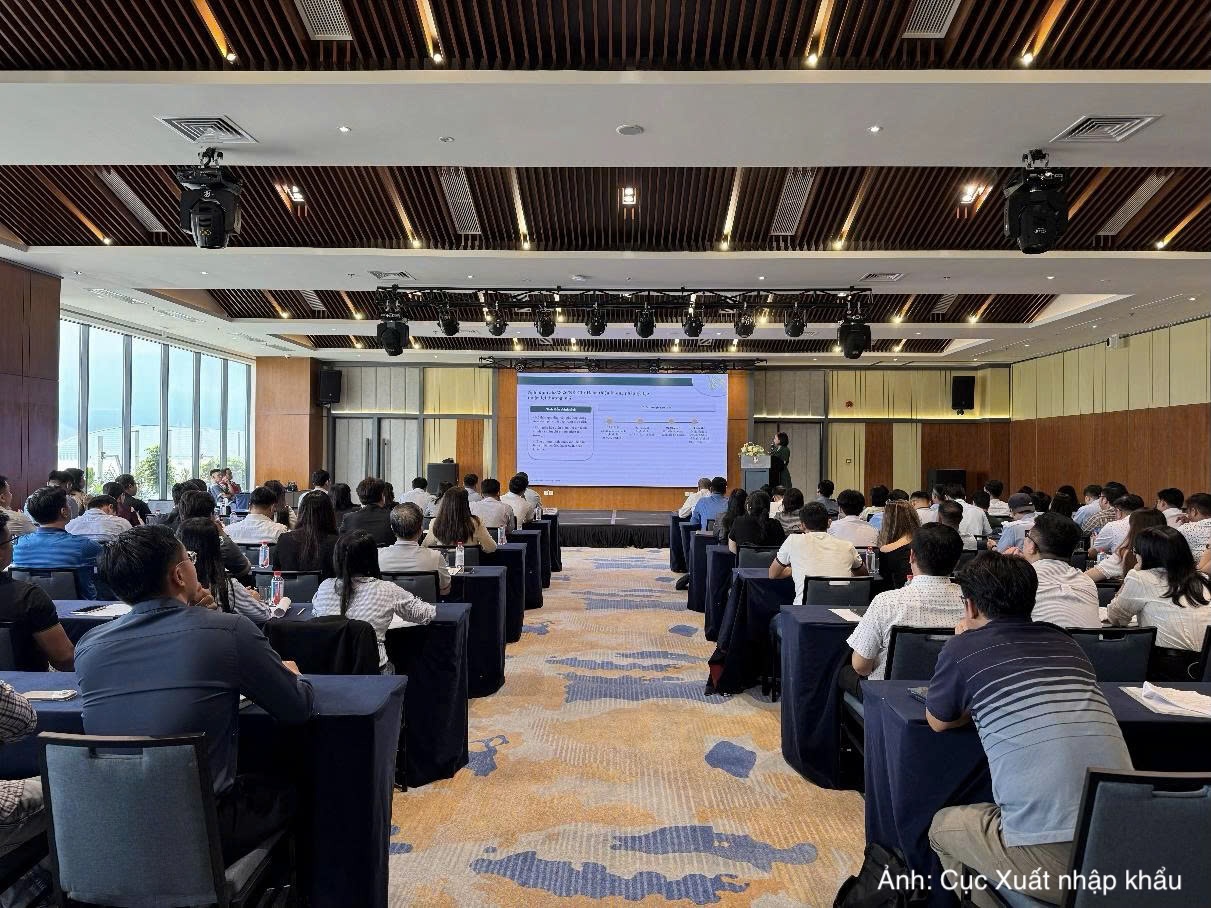
On October 13, the Agency of Foreign Trade under the Ministry of Industry and Trade (MoIT) held a conference in Dong Thap province to disseminate Government Decree No.365/2026/ND-CP dated September 23, 2026, on rice export and import business, and Circular No.65/2026/TT-BCT dated October 1, 2026, issued by the Minister of Industry and Trade, detailing certain provisions and measures for implementing Decree No.365/2026/ND-CP.
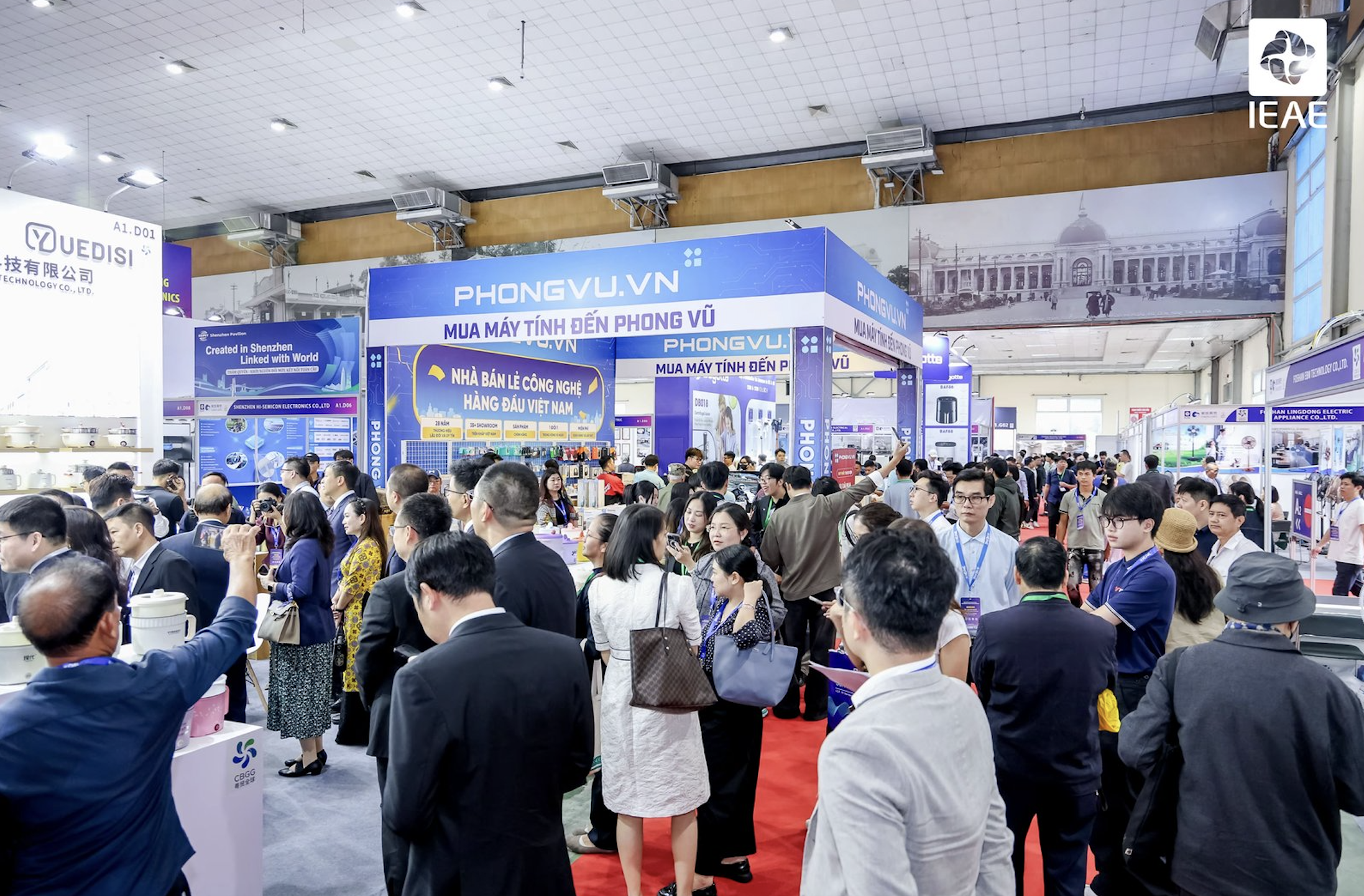
IEAE Hanoi 2026 will gather over 300 exhibitors, showcasing electronics, smart appliances and connecting businesses with sourcing and trade opportunities in Vietnam.
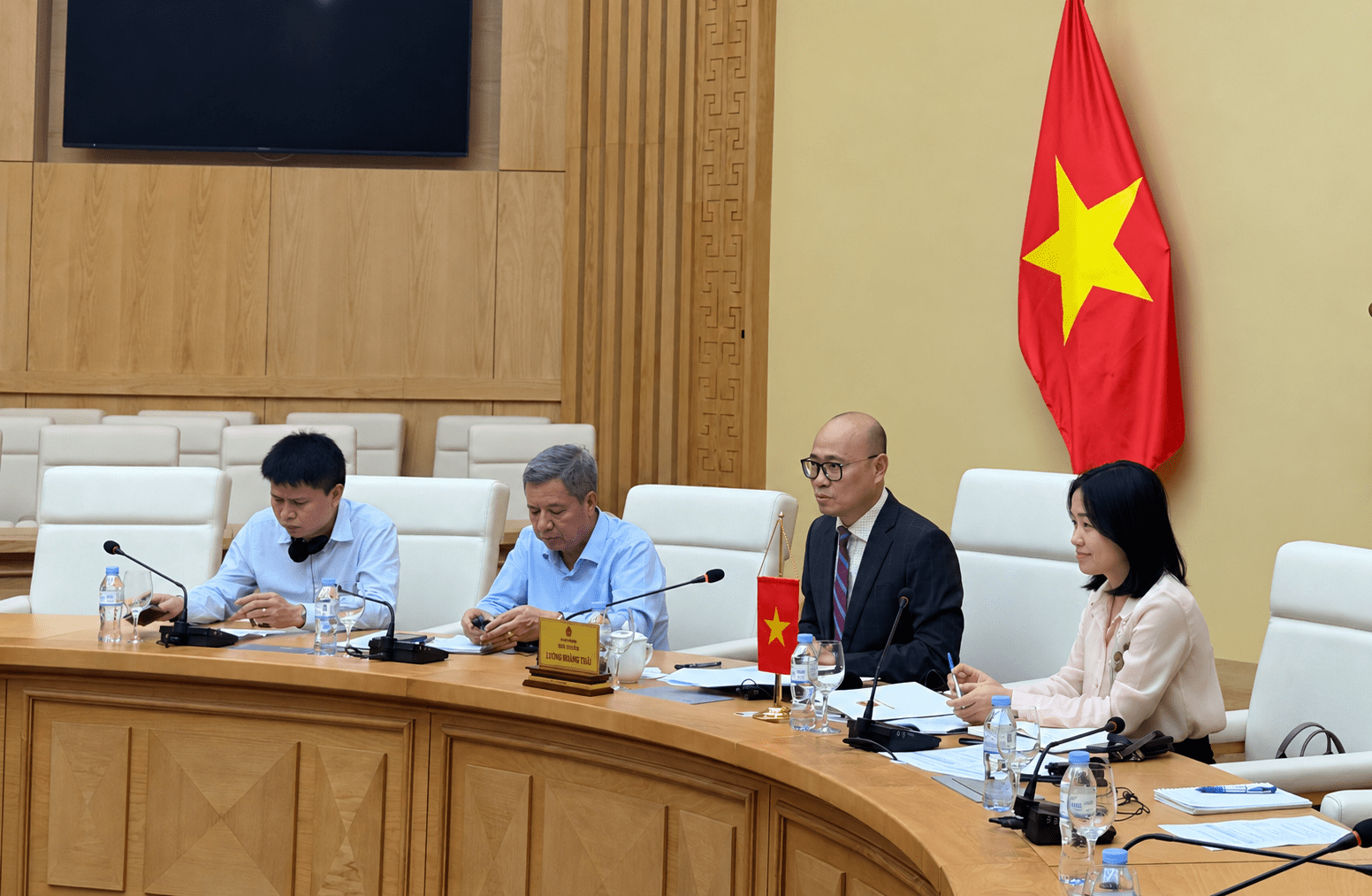
On October 13, Deputy Minister of Industry and Trade Luong Hoang Thai held a working session with MEDEF International, a French business organization, and representatives of French corporations operating in various sectors, including energy, industry, transport, construction and infrastructure development, food and beverages, and services, at the Ministry of Industry and Trade's headquarters.
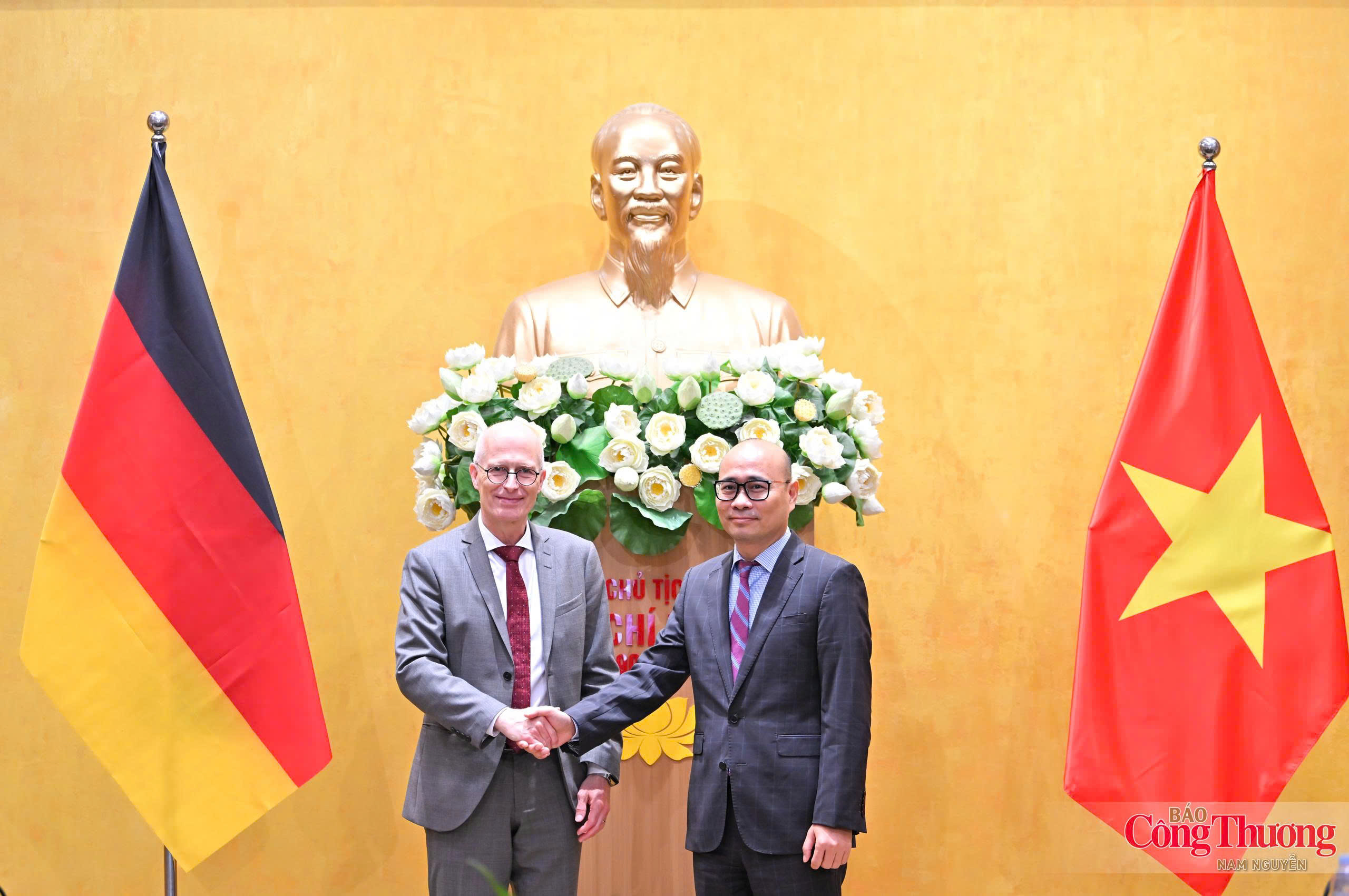
On October 14, Deputy Minister of Industry and Trade Luong Hoang Thai received and held a working session with a delegation from Hamburg, Germany, led by the city's First Mayor Peter Tschentscher at the Ministry of Industry and Trade's headquarters.
The Copyright Office is working closely with relevant agencies to develop plans for inspections and enforcement action against copyright and related rights infringements in the digital environment.
On October 13, the Agency of Foreign Trade under the Ministry of Industry and Trade (MoIT) held a conference in Dong Thap province to disseminate Government Decree No.365/2026/ND-CP dated September 23, 2026, on rice export and import business, and Circular No.65/2026/TT-BCT dated October 1, 2026, issued by the Minister of Industry and Trade, detailing certain provisions and measures for implementing Decree No.365/2026/ND-CP.
On October 13, Deputy Minister of Industry and Trade Luong Hoang Thai held a working session with MEDEF International, a French business organization, and representatives of French corporations operating in various sectors, including energy, industry, transport, construction and infrastructure development, food and beverages, and services, at the Ministry of Industry and Trade's headquarters.
On October 14, Deputy Minister of Industry and Trade Luong Hoang Thai received and held a working session with a delegation from Hamburg, Germany, led by the city's First Mayor Peter Tschentscher at the Ministry of Industry and Trade's headquarters.
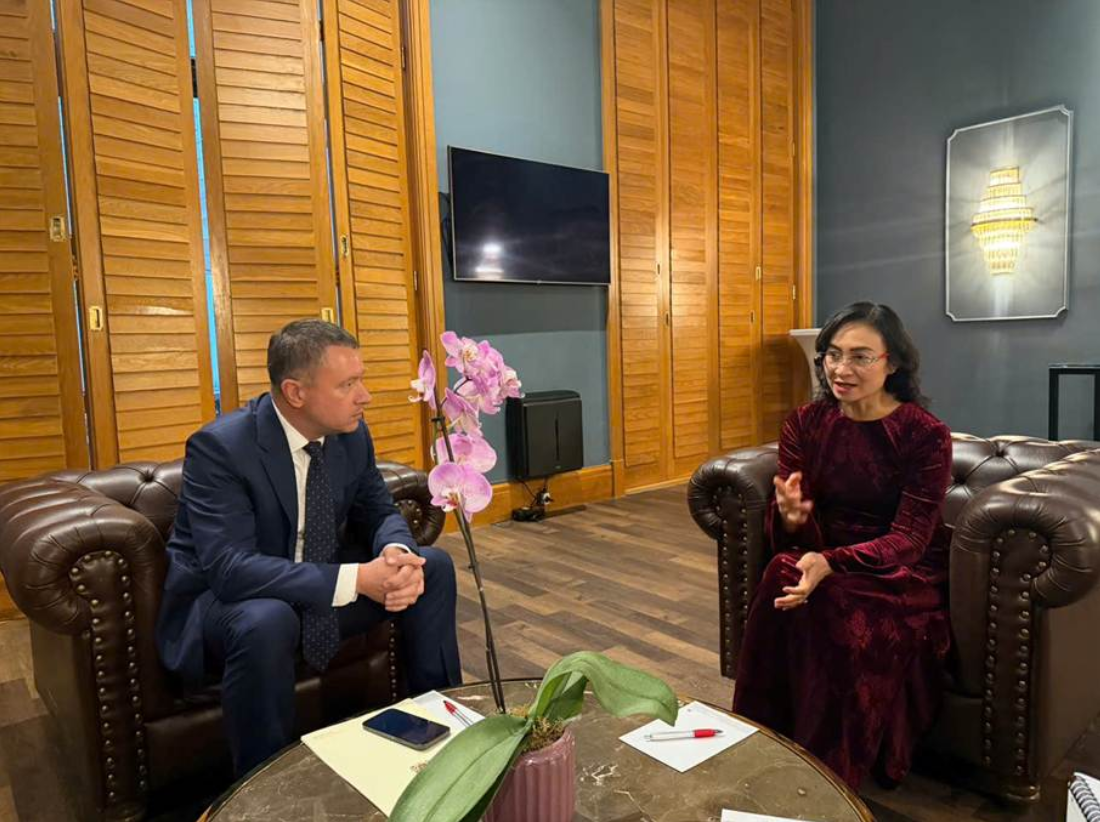
On October 12, in Tbilisi, Deputy Minister of Industry and Trade Phan Thi Thang held talks with Irakli Nadareishvili, Deputy Minister of Economy and Sustainable Development of Georgia, and attended and addressed the Viet Nam-Georgia Business Forum as part of Vice President Vo Thi Anh Xuan's official visit to Georgia.
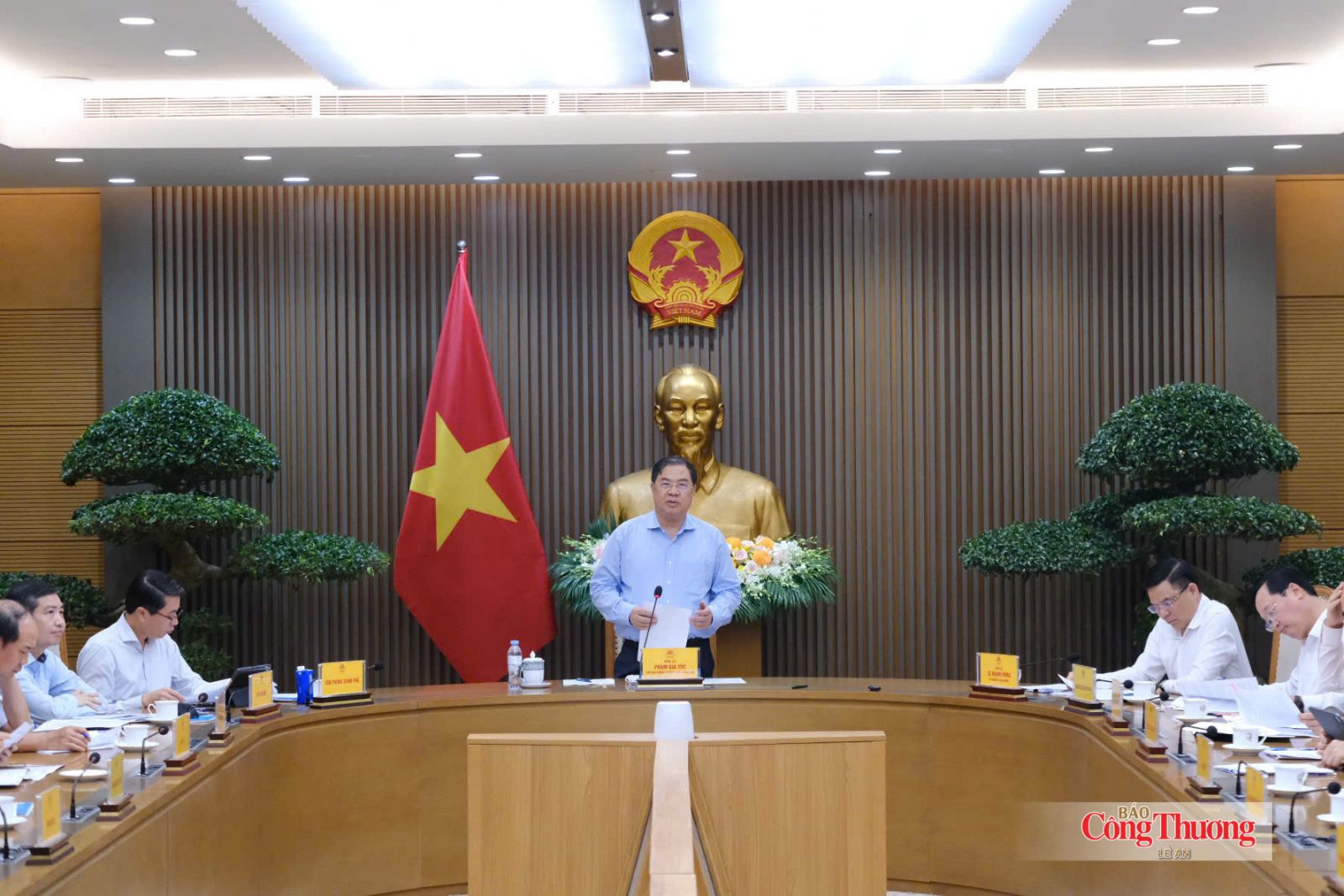
On October 13, the Interagency Working Group on Foreign Affairs and International Integration in the Fields of Economy, Science and Technology held its inaugural meeting at the headquarters of the Office of the Government. The meeting was chaired by Pham Gia Tuc, Politburo member, Standing Deputy Prime Minister and Head of the Interagency Working Group.