According to Dr. Pham Viet Dung, selectively adapting science- and technology-driven development models from other countries can help Vietnam achieve its strategic goals in the new era.
At a recent working session between the Central Policy and Strategy Commission and relevant agencies on the project titled “Renewing the National Development Model Based on Science, Technology, Innovation, and Digital Transformation,” General Secretary and President To Lam emphasized that: “Building upon and creatively developing the major orientations outlined in the 14th National Party Congress Resolution and resolutions issued by the Party Central Committee and the Politburo, it is essential to grasp the organic relationship among the breakthrough elements of each resolution, integrating them into a unified framework that forms a consistent, synchronized, and long-term development vision. The new development model must comprehensively encompass all aspects of the national development strategy.”
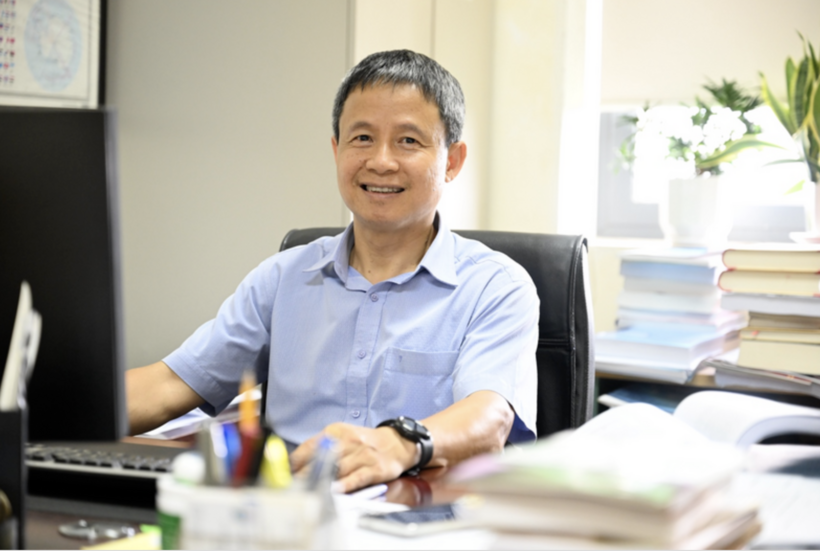
Dr. Pham Viet Dung, Head of the Economics Department at Communist Review. Photo: Nguyen Khanh.
In an interview with Newspaper of Industry and Trade about the growth model transformation outlined in the project and the directions set by General Secretary and President To Lam, Dr. Pham Viet Dung, Head of the Economics Department at the Communist Review, noted that industrialization and modernization have been indispensable pathways for many Asian countries to escape poverty, overcome the middle-income trap, and join the ranks of developed economies.
The experiences of Japan, South Korea, and China in applying distinctive development models that combine state leadership with market mechanisms to accelerate industrialization and modernization, sustain long-term growth, and move beyond the middle-income trap provide valuable lessons. These experiences offer important references for Vietnam as it seeks to transform its growth model.
Three models, one transformation mindset
According to Dr. Pham Viet Dung, the most notable commonality among these three countries is their phased approach to development. None adhered permanently to a single development model; instead, each continuously adjusted its industrial strategies to align with prevailing trends and domestic capabilities.
Japan began its industrialization drive in the late 1940s with an import-substitution strategy focused on labor-intensive, low-capital industries. In the 1960s, it shifted decisively toward export-oriented development, bringing ships, electronics, motorcycles, and automobiles to global markets.
Between 1950 and 1962, Japan achieved an average annual economic growth rate of 10.5% for twelve consecutive years, while industrial output expanded by 13.5–15.9% annually. From the mid-1980s, as traditional industries such as coal, petrochemicals, and shipbuilding lost competitiveness, Japan pivoted toward a sustainable and globally integrated model centered on advanced materials, semiconductors, and information technology. In 2013, it adopted the Comprehensive Strategy on Science, Technology and Innovation, aiming to advance smart technologies and globalization in the era of the Fourth Industrial Revolution.
South Korea launched its industrialization process in 1962 from a lower starting point but successfully implemented seven consecutive five-year plans, each with clearly defined sectoral priorities. The country progressed from labor-intensive light industries such as textiles, leather, and footwear to heavy and chemical industries, including shipbuilding, metallurgy, and petrochemicals during 1972-1981, before advancing into electronics, biotechnology, and nuclear technologies in the 1980s. In June 2014, South Korea introduced its “Manufacturing Industry Innovation 3.0 Strategy,” focused on creating new value and enhancing competitiveness through the integration of information technology into factories and the development of smart manufacturing systems.
China followed a different path but demonstrated a similarly consistent transformation mindset. Between 1978 and 1991, it prioritized labor-intensive, low-capital light industries. Beginning in 1992, China shifted strongly toward export-oriented industrialization, attracting foreign direct investment selectively based on technological criteria.
In 2015, China launched the “Made in China 2025” strategy, aiming to transform the country into a global manufacturing powerhouse driven by advanced technology and innovation while identifying ten strategic priority sectors. Today, many segments of China’s manufacturing industry, including industrial robotics and nuclear energy, have reached world-class levels.
Six factors behind their success
Analyzing the reasons behind the success of these development models, Dr. Pham Viet Dung highlighted that the key lies in implementing appropriate policies to facilitate development-model transformation. He identified six critical success factors.
First, flexible policies tailored to each stage of development. Rather than imposing rigid formulas, all three countries continuously adjusted industrial priorities according to market demand and domestic capabilities. Labor-intensive industries were prioritized in the early stages, while higher value-added sectors became the focus as development advanced.
Second, strengthening value-chain linkages. Japan enacted numerous laws to protect small and medium-sized enterprises (SMEs) in subcontracting relationships with large corporations. South Korea established “win-win” partnership models between leading firms and suppliers. China developed technology-learning policies and shifted from horizontal to vertical integration in the automotive value chain, attracting most major global automakers to invest directly in its domestic market.
Third, rational industrial spatial planning. Japan’s 1972 Industrial Relocation Promotion Law fostered industrial clusters linked to universities and research institutes. South Korea developed specialized industrial clusters based on regional strengths, such as garments in Guro and Ulsan, steel in Pohang, and electronics in Gumi. China established more than 2,500 national and provincial industrial parks, encompassing around 80% of industrial enterprises and contributing over half of national GDP.
Fourth, enhancing the competitiveness of domestic enterprises. Japan developed business associations, credit guarantee organizations, and regularly published industrial white papers. South Korea subsidized up to 50% of equipment costs for SMEs and institutionalized its credit guarantee system in 1961. China launched the SME Growth Project in 2006, setting nine comprehensive objectives to improve institutions and encourage firms to expand internationally.
Fifth, developing and attracting high-quality human resources. All three countries allocated between 4% and 6% of GDP to education and closely aligned training with business needs. Japan adopted attractive immigration policies for highly skilled professionals. South Korea reimbursed 15% of investment costs in research, development, and training. China attracted overseas Chinese engineers, encouraged U.S.-educated students to return home, and recruited senior experts from global technology corporations.
Sixth, promoting science and technology through adaptive innovation. A distinguishing feature was that none of these countries simply copied foreign models. Instead, they continuously improved imported technologies to suit domestic conditions.
Japan imported technologies, purchased patents, encouraged overseas study, and facilitated practical application upon return, while supporting corporations such as Sony, Toyota, and SoftBank in establishing large-scale R&D centers. South Korea used foreign borrowing as a tool to encourage technology imports and absorption. China focused on building a more effective institutional framework for science and technology development, creating a national innovation system centered on enterprises. These approaches significantly shortened their industrialization periods.
Policy Implications for Vietnam
For the 2021–2030 period, with a vision toward 2045, Vietnam has identified the transformation of its growth model from one driven by capital, labor, and natural resources toward one based on science, technology, innovation, and digital transformation.
Drawing lessons from successful industrialization experiences abroad, Dr. Pham Viet Dung suggested that Vietnam can selectively adapt international best practices while taking into account its own conditions.
In particular, Vietnam should closely follow the breakthrough directions outlined by General Secretary and President To Lam, including the development of a synchronized innovation ecosystem in which the State plays a facilitating role through research commissioning mechanisms, intellectual property protection, and talent attraction policies.
To translate these directions into reality, Vietnam must first improve its governance system and address inconsistencies within the legal framework governing industrial activities. Maintaining macroeconomic stability, controlling inflation, and ensuring a competitive exchange rate are equally important. Development goals must be aligned with the realities of each stage and domestic capacities to ensure feasibility.
Dr. Pham Viet Dung pointed out that Japan, South Korea, and China all pursued infrastructure investment strategies closely linked to export-oriented manufacturing, enabling them to generate substantial trade surpluses. In contrast, Vietnam’s trade surplus currently relies heavily on the foreign-invested sector, which accounts for approximately 80% of export value. He identified this as a key bottleneck that should be addressed through policies aimed at strengthening domestic enterprises, developing supporting industries, and enhancing value-chain integration.
Regarding strategic industries, Vietnam should concentrate resources on sectors with breakthrough potential, particularly the semiconductor industry. The experiences of Japan, South Korea, and China demonstrate that success stems from selective focus rather than broad dispersion, combined with workforce development policies tailored to industry needs.
Industrialization in the new era must also be linked to green transformation and digitalization. Vietnam’s industrial policies should promote sustainable development, efficient resource utilization, environmental protection, and human security. These factors are not only domestic imperatives but also prerequisites for Vietnamese products to access advanced markets with high environmental and social standards.
“Japan, South Korea, and China have demonstrated that successful growth-model transformation is possible. Vietnam is facing a rare opportunity to learn from these experiences and adapt them to achieve a breakthrough stage of development,” Dr. Pham Viet Dung said.
Dr. Pham Viet Dung concluded that the successful “compressed” industrialization experiences of Japan, South Korea, and China all began with appropriate policies, a capable developmental state, and a well-prepared workforce. Vietnam, as a latecomer, has the advantage of learning from both the achievements and limitations of these models and adapting them selectively into practical policies suited to the country’s characteristics and long-term development vision, thereby contributing to the realization of the two centennial goals set by the 14th National Party Congress.
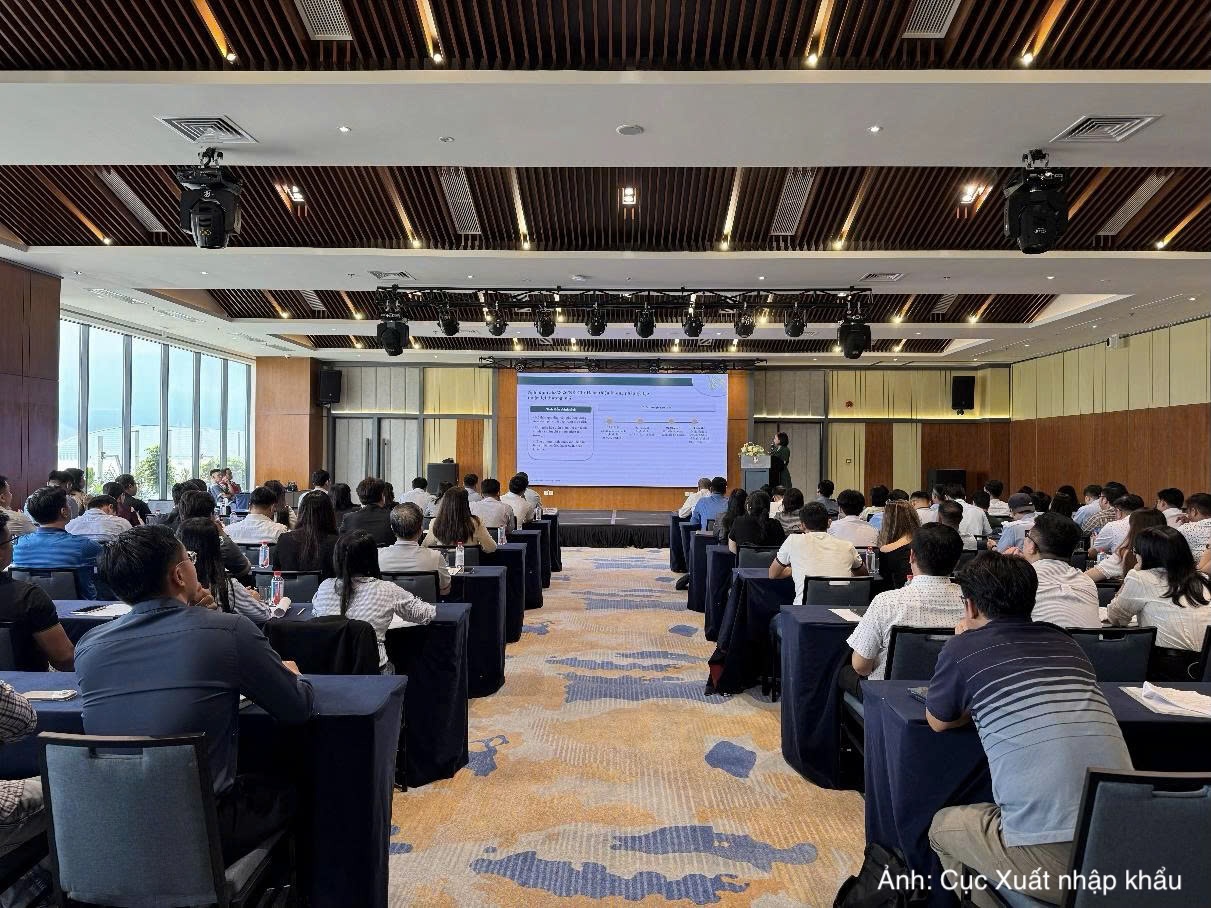
On October 13, the Agency of Foreign Trade under the Ministry of Industry and Trade (MoIT) held a conference in Dong Thap province to disseminate Government Decree No.365/2026/ND-CP dated September 23, 2026, on rice export and import business, and Circular No.65/2026/TT-BCT dated October 1, 2026, issued by the Minister of Industry and Trade, detailing certain provisions and measures for implementing Decree No.365/2026/ND-CP.
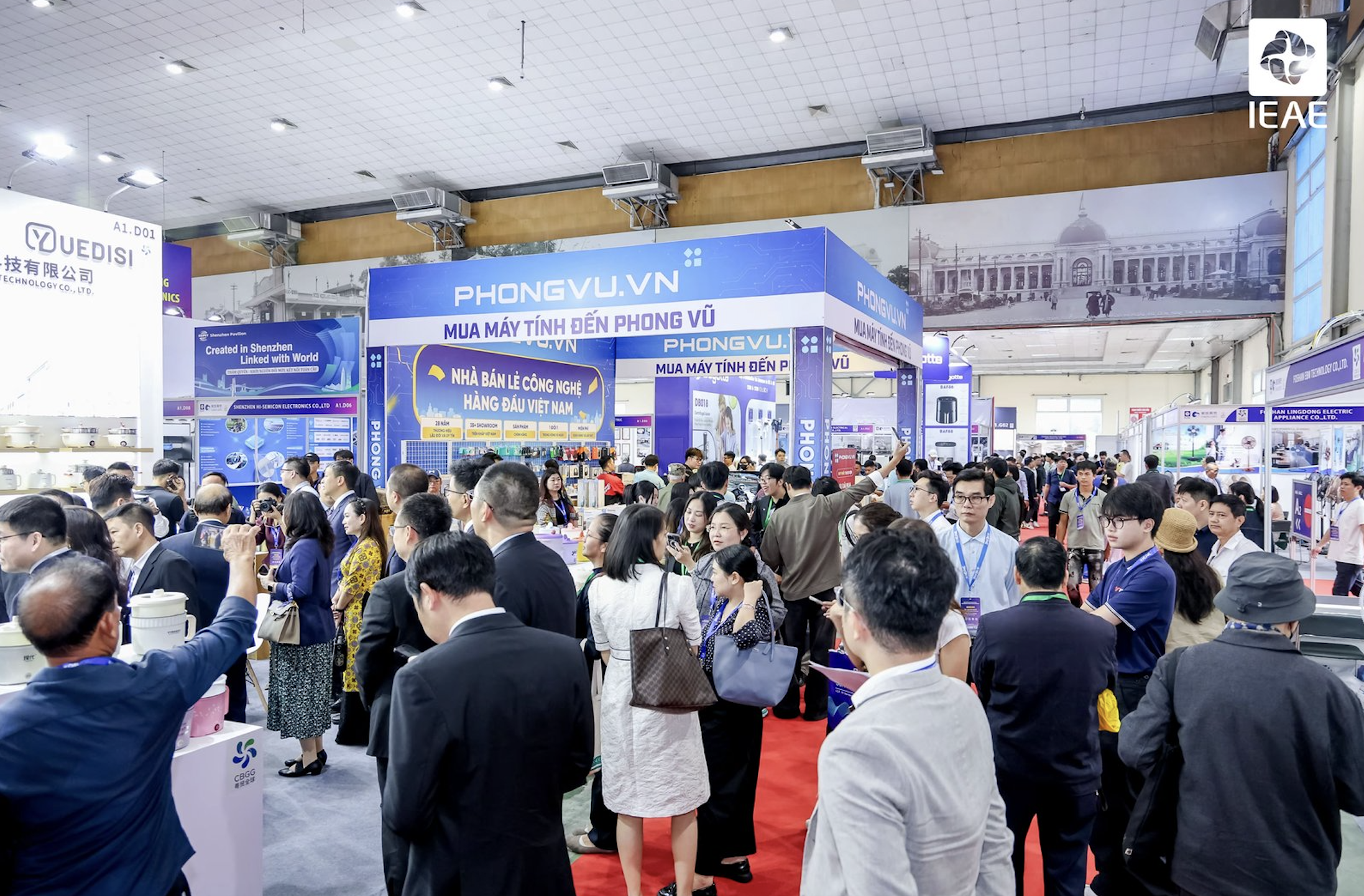
IEAE Hanoi 2026 will gather over 300 exhibitors, showcasing electronics, smart appliances and connecting businesses with sourcing and trade opportunities in Vietnam.
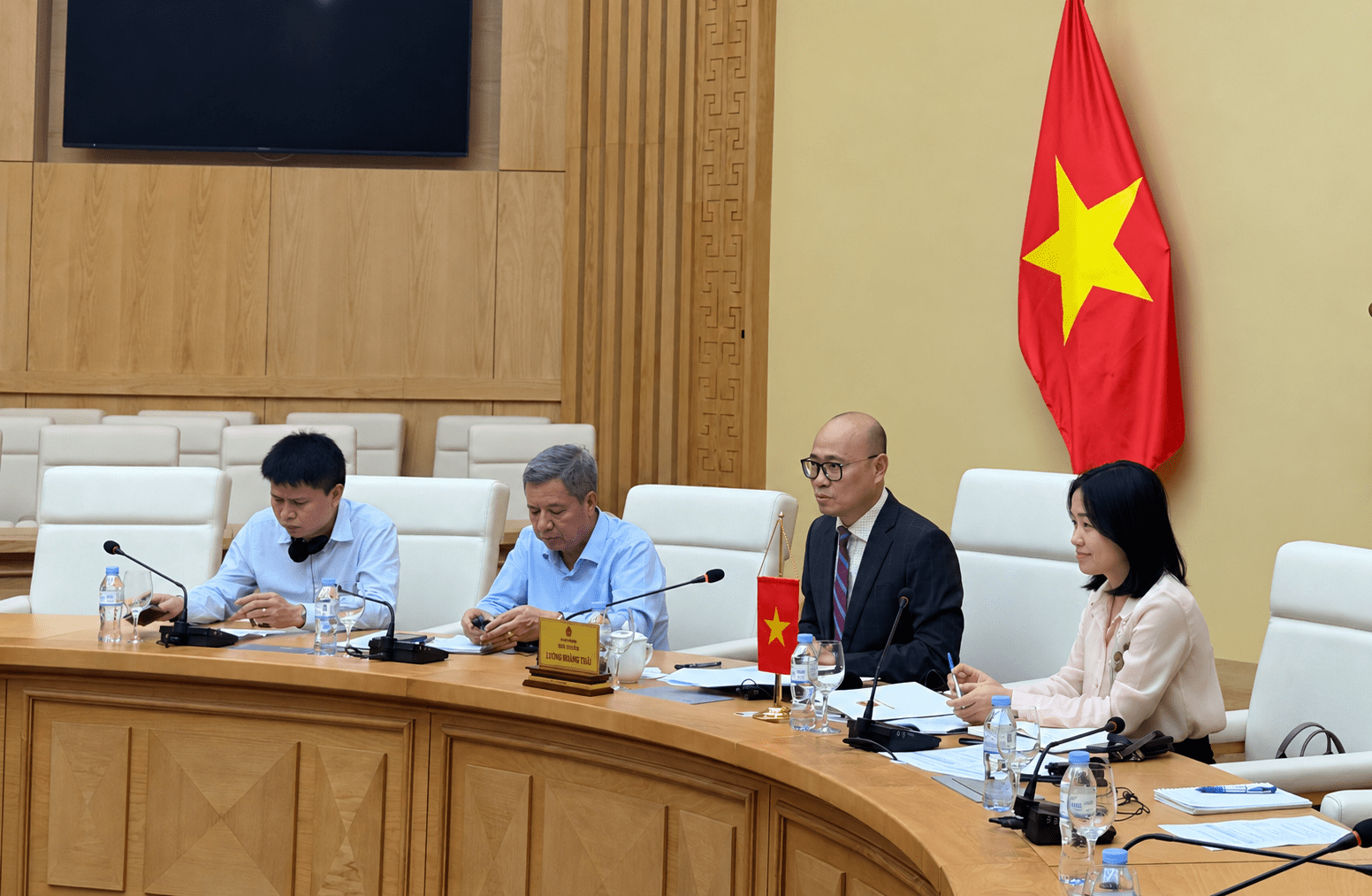
On October 13, Deputy Minister of Industry and Trade Luong Hoang Thai held a working session with MEDEF International, a French business organization, and representatives of French corporations operating in various sectors, including energy, industry, transport, construction and infrastructure development, food and beverages, and services, at the Ministry of Industry and Trade's headquarters.
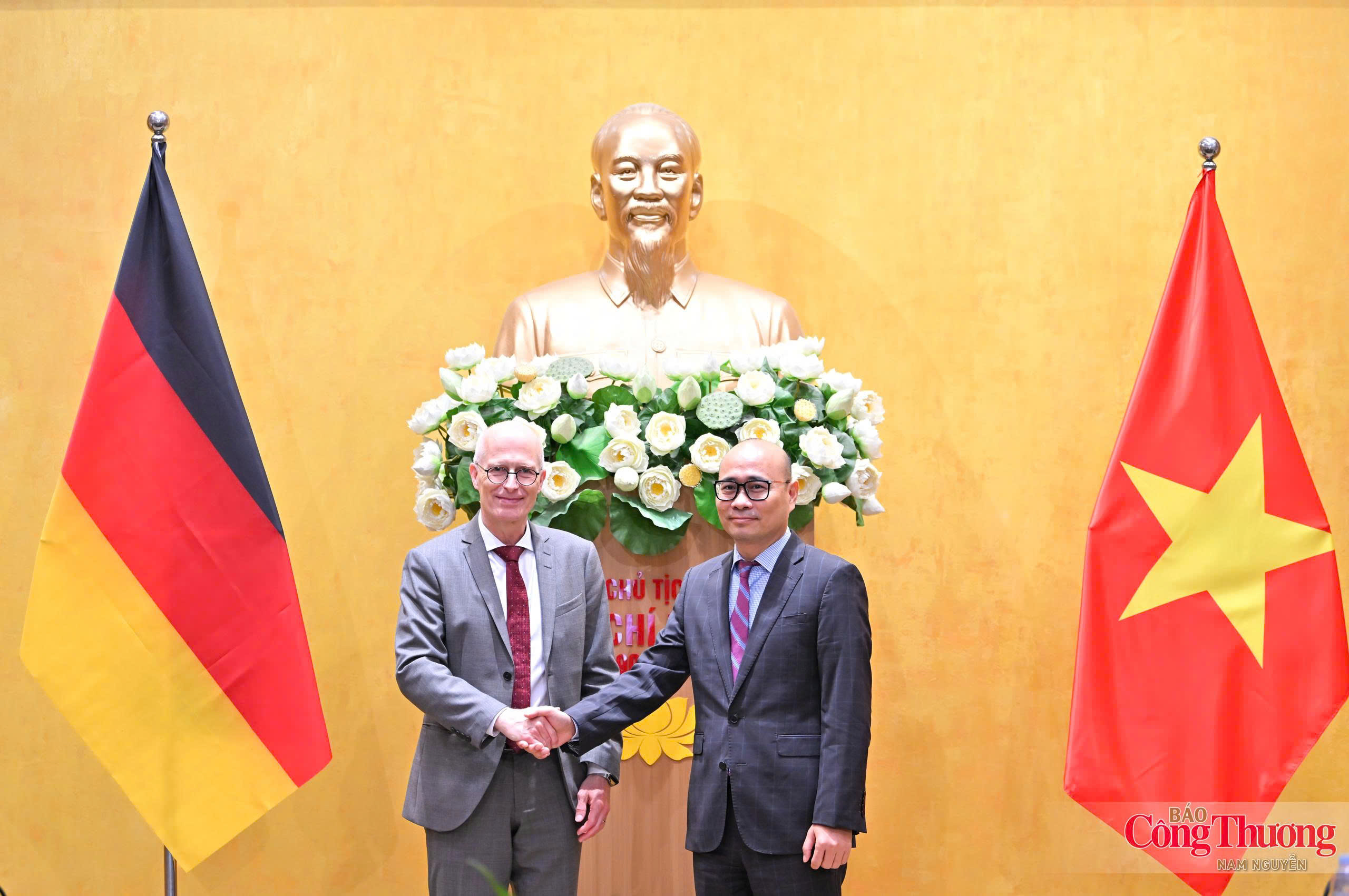
On October 14, Deputy Minister of Industry and Trade Luong Hoang Thai received and held a working session with a delegation from Hamburg, Germany, led by the city's First Mayor Peter Tschentscher at the Ministry of Industry and Trade's headquarters.
The Copyright Office is working closely with relevant agencies to develop plans for inspections and enforcement action against copyright and related rights infringements in the digital environment.
On October 13, the Agency of Foreign Trade under the Ministry of Industry and Trade (MoIT) held a conference in Dong Thap province to disseminate Government Decree No.365/2026/ND-CP dated September 23, 2026, on rice export and import business, and Circular No.65/2026/TT-BCT dated October 1, 2026, issued by the Minister of Industry and Trade, detailing certain provisions and measures for implementing Decree No.365/2026/ND-CP.
IEAE Hanoi 2026 will gather over 300 exhibitors, showcasing electronics, smart appliances and connecting businesses with sourcing and trade opportunities in Vietnam.
On October 13, Deputy Minister of Industry and Trade Luong Hoang Thai held a working session with MEDEF International, a French business organization, and representatives of French corporations operating in various sectors, including energy, industry, transport, construction and infrastructure development, food and beverages, and services, at the Ministry of Industry and Trade's headquarters.
On October 14, Deputy Minister of Industry and Trade Luong Hoang Thai received and held a working session with a delegation from Hamburg, Germany, led by the city's First Mayor Peter Tschentscher at the Ministry of Industry and Trade's headquarters.
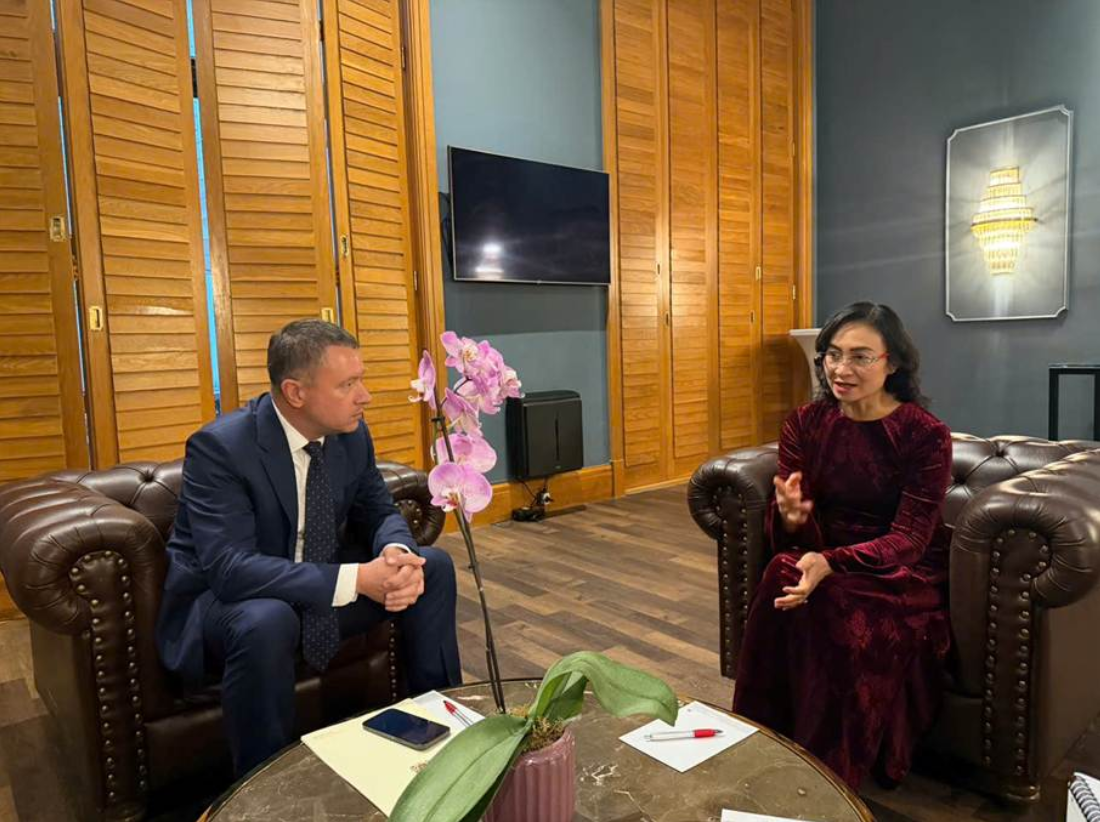
On October 12, in Tbilisi, Deputy Minister of Industry and Trade Phan Thi Thang held talks with Irakli Nadareishvili, Deputy Minister of Economy and Sustainable Development of Georgia, and attended and addressed the Viet Nam-Georgia Business Forum as part of Vice President Vo Thi Anh Xuan's official visit to Georgia.