Northern localities are beefing up regional links in industry, trade and logistics to build competitive value chains and create new drivers of growth.
Strengthening regional linkages to create new momentum for industry and trade
The 12th Industry and Trade Conference of 15 Northern Provinces and Cities in 2026, held in Hai Phong, focused on reviewing the implementation of tasks in 2025 and the first nine months of 2026, while identifying bottlenecks, strengthening regional linkages and creating new growth momentum for the Industry and Trade sector.
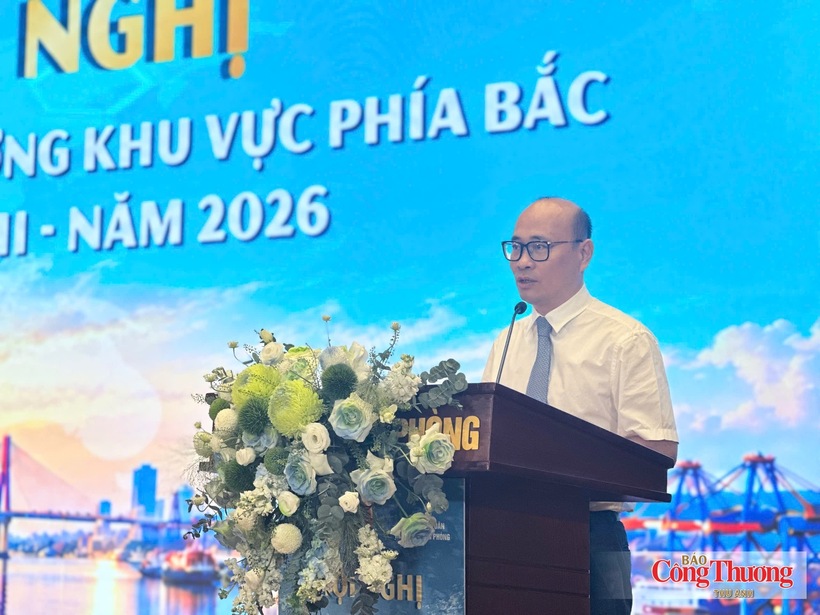
Deputy Minister of Industry and Trade Luong Hoang Thai delivers remarks at the conference.
The conference was attended by Deputy Minister of Industry and Trade Luong Hoang Thai; leaders of the Hai Phong People's Committee; leaders of units under the Ministry of Industry and Trade (MoIT); leaders of the Departments of Industry and Trade of 15 northern provinces and cities; and representatives of numerous enterprises operating in industry, trade, energy and logistics.
Addressing the opening of the conference, Deputy Minister of Industry and Trade Luong Hoang Thai stressed that, as 2026 marks the first year of implementing the Resolution of the 14th National Party Congress and the 2026 - 2030 Socio-Economic Development Plan, local Industry and Trade authorities need to proactively reform their management methods, improve coordination and make better use of the potential and advantages of individual localities through regional linkages. Northern Viet Nam holds a particularly important position, with numerous industrial, commercial and service centers, as well as a network of border gates, seaports, airports and transport routes connecting domestic and international markets. These are major advantages for developing production, trade and logistics, but they need to be more effectively and synchronously connected to form highly integrated and competitive production and supply chains.
Regional linkages should not be limited to coordination among state management agencies but need to be translated into concrete programs, projects and substantive cooperation mechanisms among enterprises across localities. In particular, stronger connections are needed between supporting industry enterprises, foreign-invested enterprises and lead firms in supply chains; raw material areas should be linked more closely with processing and consumption; and industrial parks and clusters should be better connected with seaports, border gates and logistics centers.
In import and export activities, enterprises are facing increasingly stringent requirements from international markets, particularly regulations on rules of origin, environmental standards, green transition and sustainable development. Local industry and trade authorities therefore need to work more closely with enterprises, helping them strengthen their capacity to meet standards, diversify markets and proactively respond to trade remedy measures. Alongside expanding exports, localities need to make more effective use of the domestic market, particularly in major industrial and urban centers and border-gate areas. The development of distribution systems and e-commerce, supply-demand connections and measures to stimulate domestic consumption should be implemented in a coordinated manner, thereby creating additional room for production and the circulation of goods.
Deputy Minister Luong Hoang Thai also called for greater effectiveness in state management amid the implementation of the two-tier local government model. The MoIT and localities need to strengthen information exchange and coordination in addressing issues arising from decentralization and delegation of authority, while accelerating data standardization, connectivity and sharing, thereby improving the quality of services provided to people and enterprises.
"The final three months of the year will be decisive in achieving the 2026 targets and laying the foundation for 2027. Localities therefore need to closely assess their ability to meet each target, clearly identify outstanding challenges as well as the projects and growth drivers that require particular attention in the fourth quarter, and propose concrete solutions that can be implemented immediately," Deputy Minister Luong Hoang Thai said.
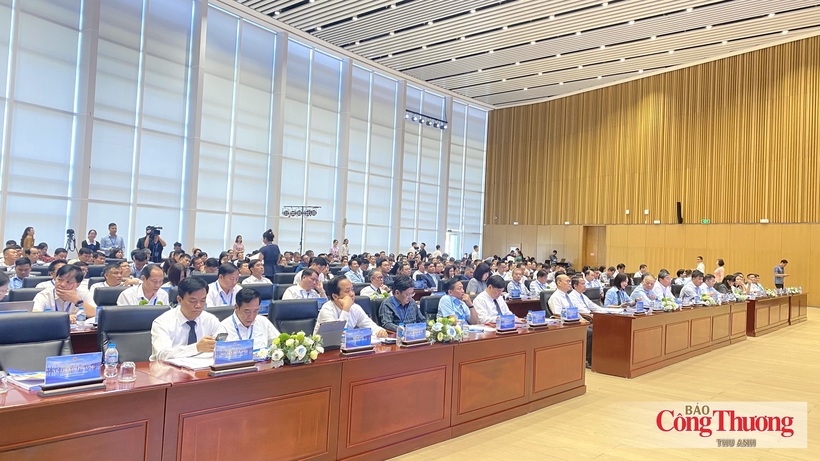
Delegates attend the conference.
Units under the MoIT were also asked to strengthen coordination and exchanges and directly address recommendations raised by localities. Issues beyond their authority should be consolidated and submitted to competent authorities for consideration and timely resolution. These efforts are expected to create a more favorable environment for enterprises, promote production and business activities, and strengthen linkages among northern localities.
Hai Phong strengthens role as industrial and logistics hub
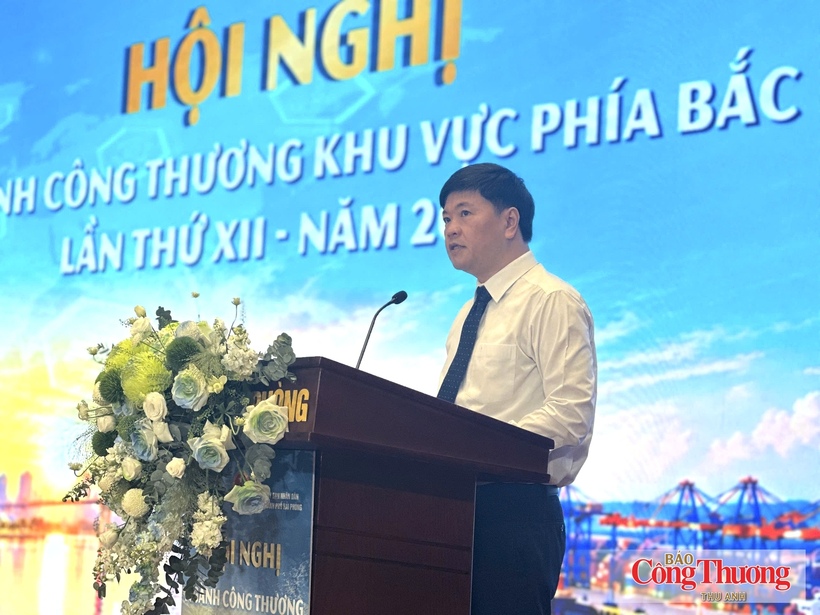
At the conference, Vice Chairman of the Hai Phong People's Committee Hoang Minh Cuong said Industry and Trade activities in each locality are closely interconnected with those of the wider region. From raw materials and energy to production, distribution and exports, many activities extend across multiple localities.
Vice Chairman of the Hai Phong People's Committee Hoang Minh Cuong delivers remarks at the conference.
According to the Vice Chairman, the development performance of the northern region depends not only on the individual efforts of each province and city but also on the region's ability to connect infrastructure, markets, data and policies.
Hai Phong views its strengths in seaports, logistics, industry and trade as a foundation for the city to further promote its role as a gateway supporting production and import-export activities across northern localities. Following its merger with Hai Duong, the expanded development space provides further opportunities to connect production areas, supporting industries and the domestic market with seaports, airports, border gates and logistics networks.
"Hai Phong recognizes that its role as a hub is meaningful only when it contributes to reducing costs, expanding markets and enhancing the competitiveness of the entire region," Vice Chairman of the Hai Phong People's Committee Hoang Minh Cuong stressed.
In the first nine months of 2026, Hai Phong continued to maintain double-digit growth. Its gross regional domestic product (GRDP) was estimated to have increased by 11.73%, while the index of industrial production (IIP) rose by 15.14%, including a 15.36% increase in manufacturing and processing. Export turnover was estimated at USD 43.72 billion, up 12.3%, while total retail sales of goods and consumer service revenue reached approximately VND 320.89 trillion, an increase of 16.08%. Cargo throughput at the city's ports was estimated at 156.3 million tonnes, up 11.8% year on year.
These results were supported significantly by assistance from central authorities, linkages with other provinces and cities, and the business community. They also provide a foundation for Hai Phong to further promote its role as a regional hub and strengthen industrial, trade and logistics connections with other localities in the region.
Against this backdrop, Hoang Minh Cuong proposed focusing on measures that can be implemented immediately following the conference, with particular attention to connecting supporting industry enterprises with major manufacturers; coordinating trade promotion activities and expanding export markets; sharing data on supply and demand, logistics capacity and energy demand; and jointly addressing inter-provincial obstacles in transportation, the circulation of goods and market management. He also called on localities to hold frank discussions on coordination mechanisms among northern Departments of Industry and Trade, identify industry value chains and logistics routes with strong potential for cooperation, and clarify proposals requiring consideration and resolution by the MoIT and the Government.
According to Hoang Minh Cuong, for regional linkages to produce substantive results, each area of cooperation needs to be associated with a lead agency, coordinating units and specific implementation steps. This would enable the outcomes of the conference to be translated into practical cooperation programs that deliver benefits to enterprises and people. Regional linkages also need to be aligned with green and digital transformation, improved energy efficiency, cleaner production, e-commerce and market information systems, while supporting small and medium-sized enterprises in strengthening their capacity to meet the standards of domestic and international supply chains.
As the host city, Hai Phong pledged to continue improving its investment and business environment, facilitating business operations, and strengthening connections between its seaports, logistics, industry and trade and other northern provinces and cities. The city also stands ready to coordinate with the MoIT and other localities in monitoring and implementing initiatives agreed at the conference, contributing to stronger growth and greater competitiveness across the region.
The 12th Industry and Trade Conference of 15 Northern Provinces and Cities in 2026 therefore served not only as an opportunity to review task implementation but also highlighted new requirements for regional cooperation. From policy and infrastructure connectivity to production linkages, logistics and markets, the northern Industry and Trade sector is facing a growing need to develop more competitive value chains, contributing to the growth objectives of individual localities and the region as a whole.
Within the framework of the conference, participating units signed cooperation agreements aimed at promoting e-commerce and supporting enterprises, cooperatives and business households in strengthening their capacity to apply digital technologies, develop markets and boost exports.
The Hai Phong Department of Industry and Trade also signed cooperation agreements with e-commerce platforms and technology companies, with a view to supporting local enterprises in developing online business operations and reaching consumers in both domestic and international markets.
The Viet Nam Economic News respectfully presents the full text of the the Joint Statement on the outcome of the official visit to the Kingdom of Belgium by General Secretary and President To Lam.
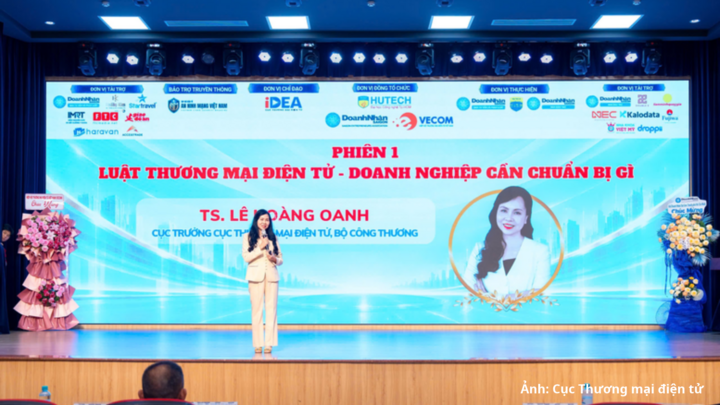
With e-commerce valued at USD 31 billion in 2025, officials called for closer government-university-business ties to enhance efficiency, skills and innovation.
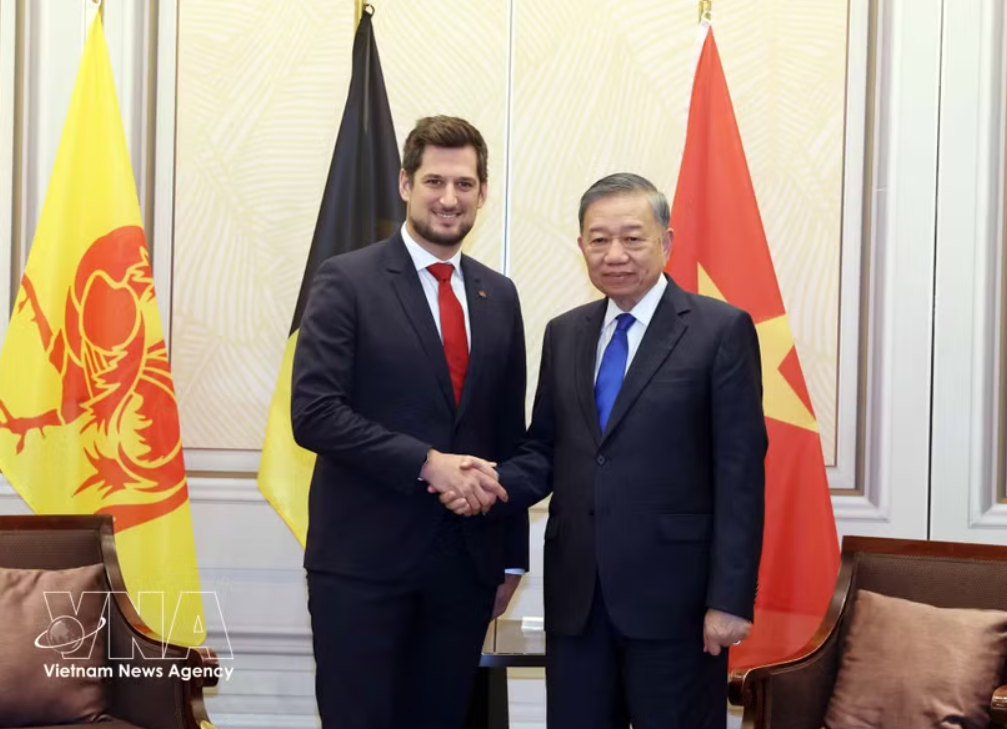
Discussing future orientations, General Secretary and President To Lam suggested that the government of the Wallonia region support the early elevation of Viet Nam–Belgium ties to a Strategic Partnership.
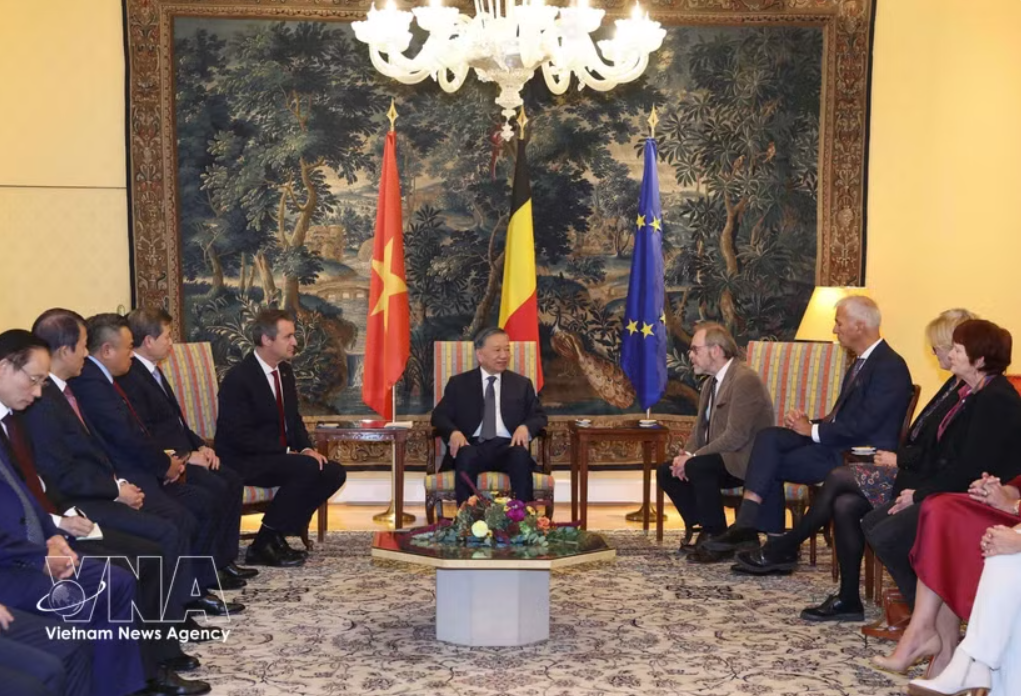
The host leaders described the Belgian House of Representatives' approval of the EU - Viet Nam Investment Protection Agreement (EVIPA) as tangible evidence of the two countries’ determination and potential to expand economic, trade and investment cooperation.
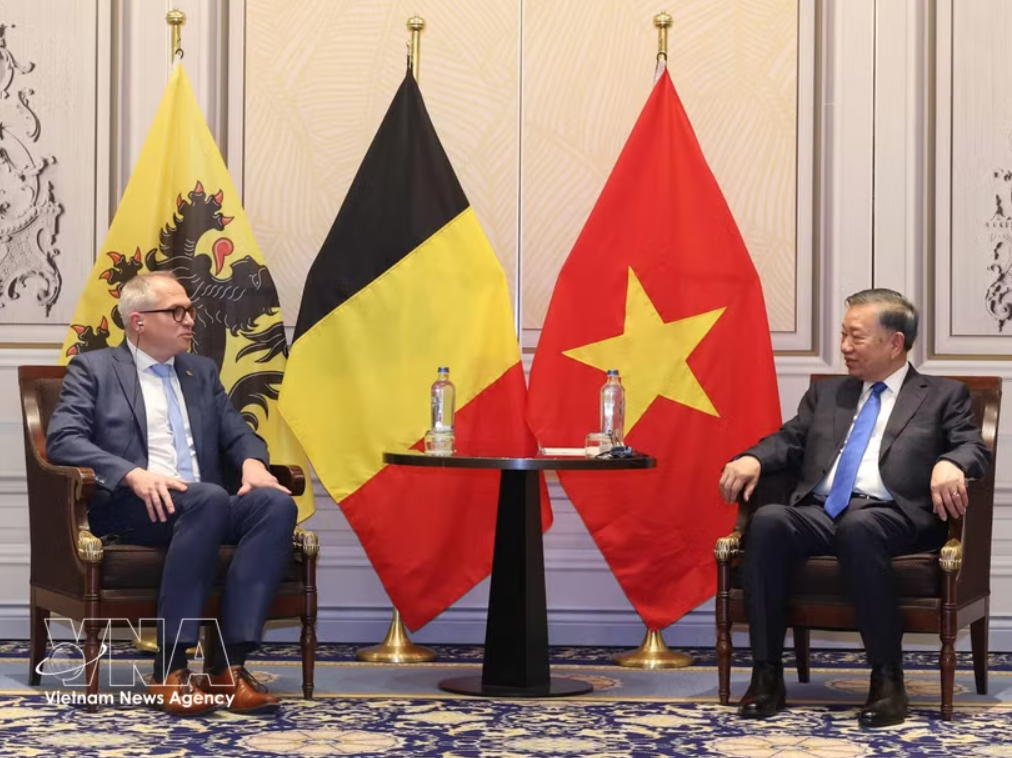
The top leader called on Flanders to support the early elevation of Viet Nam - Belgium relations to a strategic partnership, take a pioneering role in promoting economic cooperation, encourage businesses to expand investment in Viet Nam, and back the completion of ratification and effective implementation of the EU–Viet Nam Investment Protection Agreement (EVIPA).
The Viet Nam Economic News respectfully presents the full text of the the Joint Statement on the outcome of the official visit to the Kingdom of Belgium by General Secretary and President To Lam.
Discussing future orientations, General Secretary and President To Lam suggested that the government of the Wallonia region support the early elevation of Viet Nam–Belgium ties to a Strategic Partnership.
The host leaders described the Belgian House of Representatives' approval of the EU - Viet Nam Investment Protection Agreement (EVIPA) as tangible evidence of the two countries’ determination and potential to expand economic, trade and investment cooperation.
The top leader called on Flanders to support the early elevation of Viet Nam - Belgium relations to a strategic partnership, take a pioneering role in promoting economic cooperation, encourage businesses to expand investment in Viet Nam, and back the completion of ratification and effective implementation of the EU–Viet Nam Investment Protection Agreement (EVIPA).
Polish Prime Minister Donald Tusk will pay an official visit to Viet Nam from October 24 to 26 as the bilateral trade continues to grow, creating opportunities for deeper cooperation.