National Assembly (NA) President Tran Thanh Man identified existing shortcomings in the economy while proposing key priorities and measures for 2027.
Positive developments in socio-economic performance during first nine months
On October 18, the National Assembly (NA) held group discussions on the implementation of the 2026 socio-economic development plan and the proposed plan for 2027; the implementation of the 2026 state budget, the state budget estimates and central budget allocation plan for 2027; the implementation of the 2026 public investment plan and the proposed public investment plan for 2027; the final accounts of the 2025 state budget; and the review of the implementation of the NA's Resolution No.66/2013/QH13 dated November 29, 2013, together with the completion of investment and construction of the two-lane Ho Chi Minh Road project.
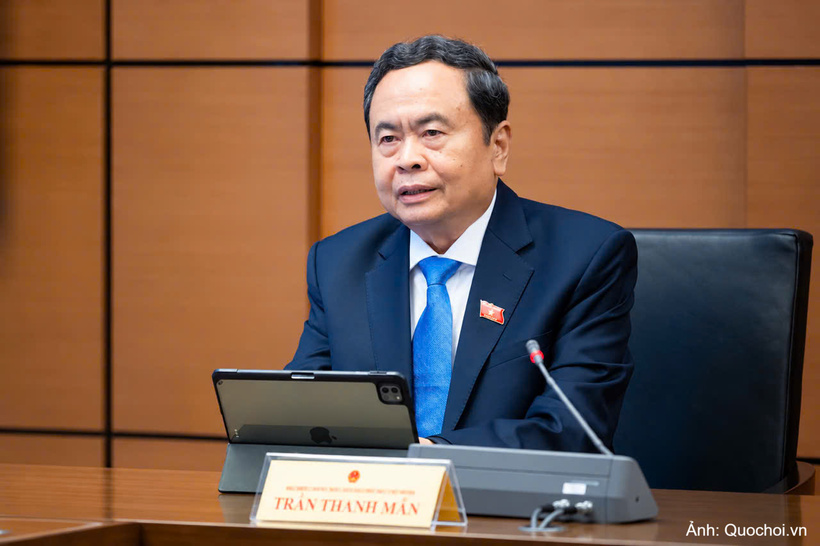
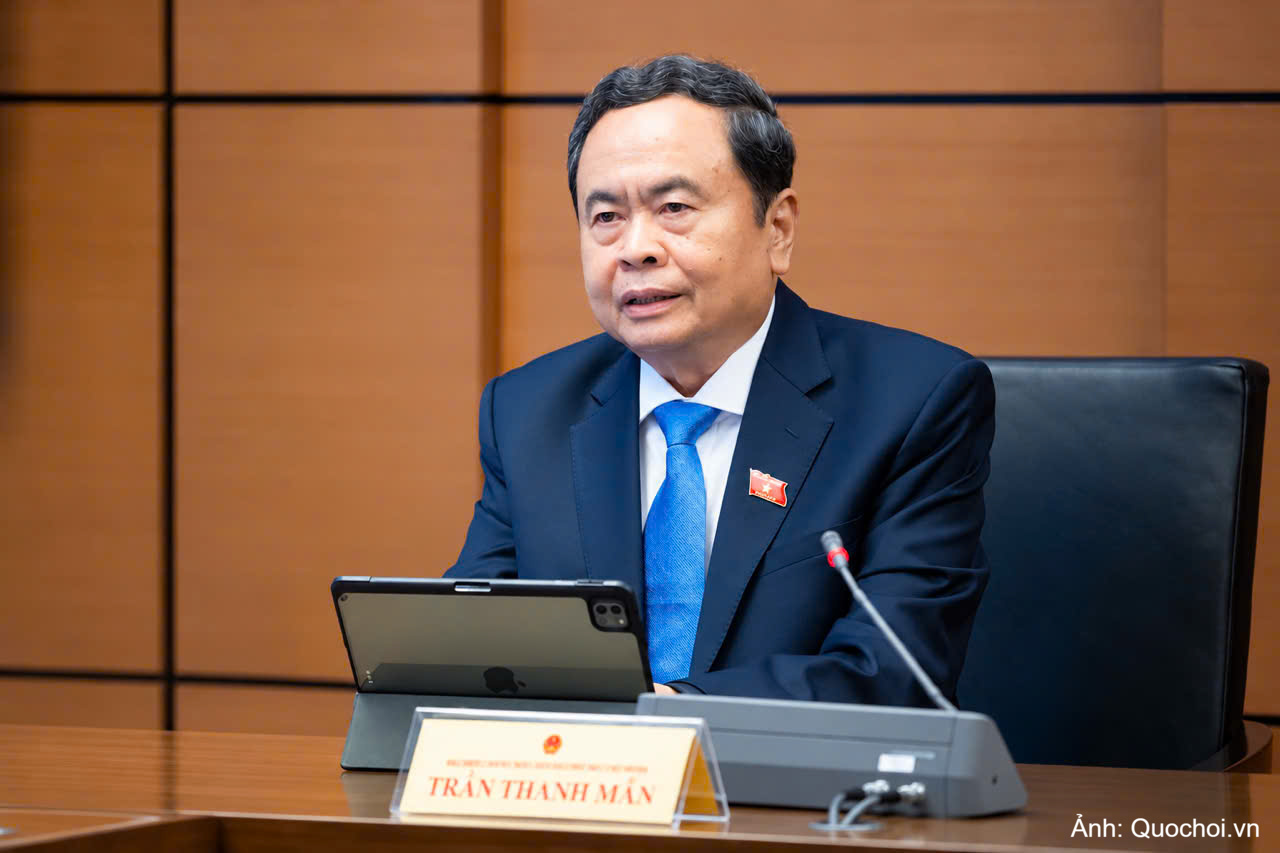
National Assembly President Tran Thanh Man.
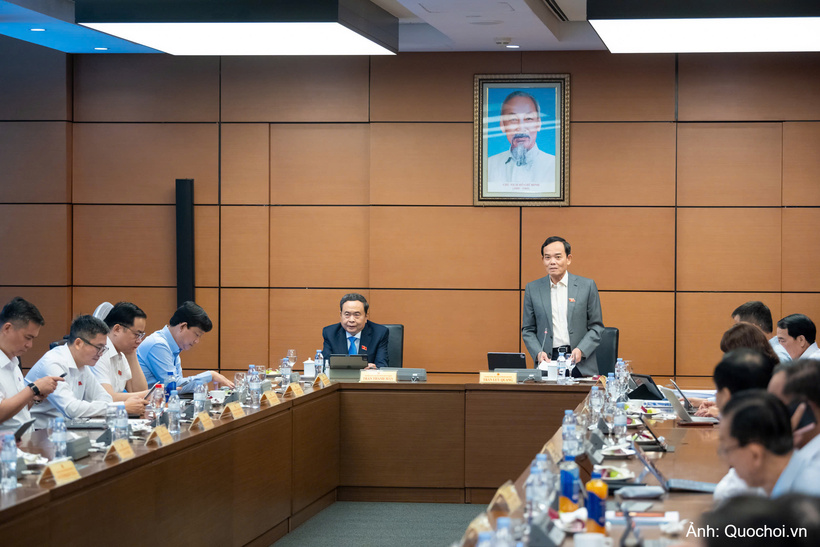
NA President Tran Thanh Man attended the discussion session of Group 2, comprising NA deputies from Ho Chi Minh City.
At the group discussion, the NA President noted that Viet Nam's socio-economic performance in the first nine months of the year had recorded numerous encouraging achievements. Nationwide GDP growth reached 9.01%, while efforts in economic, cultural and social development, national defense, security, political system building and external affairs were further strengthened. "This is a highly commendable result, representing the level of growth we have hoped to achieve for many years," he said.
At the same time, the NA President called for a frank assessment of existing shortcomings and limitations. He noted that the Party Central Committee, the Politburo and the fourth plenum of the 14th Party Central Committee had analyzed these issues and issued relevant resolutions and conclusions. He expressed his hope that NA deputies would continue to contribute their expertise and propose practical measures to help the country achieve its targets.
Against this backdrop, the NA President called for a focus on several major priorities in the coming period, with the first and foremost requirement being to maintain macroeconomic stability.
Second, achieve breakthroughs in mobilizing and effectively utilizing resources. The key issue is not merely whether funding is available, but also the capacity to disburse and utilize capital for its intended purposes while delivering tangible results.
Third, reform the growth model toward more intensive development.
Fourth, prioritize strategic infrastructure development and ensure energy security.
Fifth, achieve major breakthroughs in science, technology, innovation and digital transformation in 2027. The NA President also noted that the legislature's practical experience had demonstrated the growing urgency of digital transformation. The legislative workload has increased rapidly: the eighth session of the 15th NA adopted 18 laws, the ninth session adopted 39 laws, and the tenth session adopted 51 laws. At the first session of the 16th NA, nine laws were adopted in nine days, while its first extraordinary session passed 15 laws. The current session is expected to consider and adopt 39 laws. The pace and volume of legislative work require the NA to fundamentally reform its working methods and accelerate the application of digital technologies and artificial intelligence. These tools can only deliver meaningful results when used regularly and appropriately, in line with the practical requirements of individual agencies and units. A more determined approach and more effective implementation are therefore needed to achieve genuine breakthroughs in science, technology, innovation and digital transformation.
A view of the discussion session.
Sixth, improve the institutional framework, enhance implementation effectiveness and remove bottlenecks, particularly in land management, housing and real estate business. At the same time, administrative procedures must be reformed, the business environment improved and institutional implementation capacity strengthened.
Seventh, promote human development and ensure social security, improve the quality of education, address shortages of schools and classrooms and issues related to textbooks, while advancing healthcare, social housing development and poverty reduction.
Eighth, protect the environment and proactively adapt to climate change.
Concrete measures for 2027
To translate these priorities into practice, the NA President emphasized the need to implement concrete measures in 2027.
First, allocate and reallocate public investment capital based on actual results. Capital allocations must be adjusted flexibly, with additional funding directed to those demonstrating effective implementation, while those responsible for delays or failure to fulfill their duties should face firm criticism and have their allocations withdrawn. The assessment of officials should be linked to key performance indicators (KPIs), with clear and substantive evaluation criteria.
Second, ensure that financial centers in Ho Chi Minh City and Da Nang become fully operational and deliver tangible results. Although the NA made relevant decisions more than a year ago, progress in practice has remained limited, making it necessary to introduce concrete measures to accelerate implementation.
Third, resolutely replace officials who shirk or evade responsibility, fear accountability or fail to fulfill their duties. Reiterating the principle that "quality must not be compromised under pressure to meet deadlines, but caution must not become an excuse for delays," the NA President stressed the importance of accountability among officials across NA agencies, the Government, ministries, sectors and localities. Administrative discipline must be strengthened, with individual accountability and the responsibilities of agency heads closely linked to work performance, completion deadlines and specific deliverables. Officials in the current period must be decisive, resolute and determined, translating their determination into action to achieve substantive results. Greater attention must also be paid to personnel training, planning, assignment and delegation of responsibilities.
Fourth, shift the focus of science, technology and innovation development toward the creation of concrete products. Each agency and unit must clearly identify the products, tasks and outcomes it is expected to deliver, overcoming the tendency to emphasize policy directions without producing verifiable results.
Fifth, develop the domestic industrial ecosystem and marine economy in accordance with the Party Central Committee's new orientations.
Sixth, take into account the lagged effects of economic shocks in 2026 to proactively develop economic management scenarios for 2027. Economic management must closely follow market developments and maintain appropriate capital and financial balances. This requires close monitoring of liquidity in the banking system, coordination between fiscal and monetary policies, and regular updates on exchange rate movements to formulate appropriate responses.
On the afternoon of October 18, the National Assembly is scheduled to continue group discussions on the implementation of the 2026 socio-economic development plan and the proposed plan for 2027; the implementation of the 2026 state budget, the state budget estimates and central budget allocation plan for 2027; the implementation of the 2026 public investment plan and the proposed public investment plan for 2027; the final accounts of the 2025 state budget; and the review of the implementation of the NA's Resolution No.66/2013/QH13 dated November 29, 2013, together with the completion of investment and construction of the two-lane Ho Chi Minh Road project.
Norwegian Ambassador Stein Iversen said Viet Nam's economy could be twice the size of Norway's in 12 - 13 years if its current growth momentum continues.
The two sides pledged to promote ties between innovation hubs, research institutes, universities, and enterprises, while stepping up collaboration in AI, quantum technology, green energy, the digital economy, higher education, and vocational training.
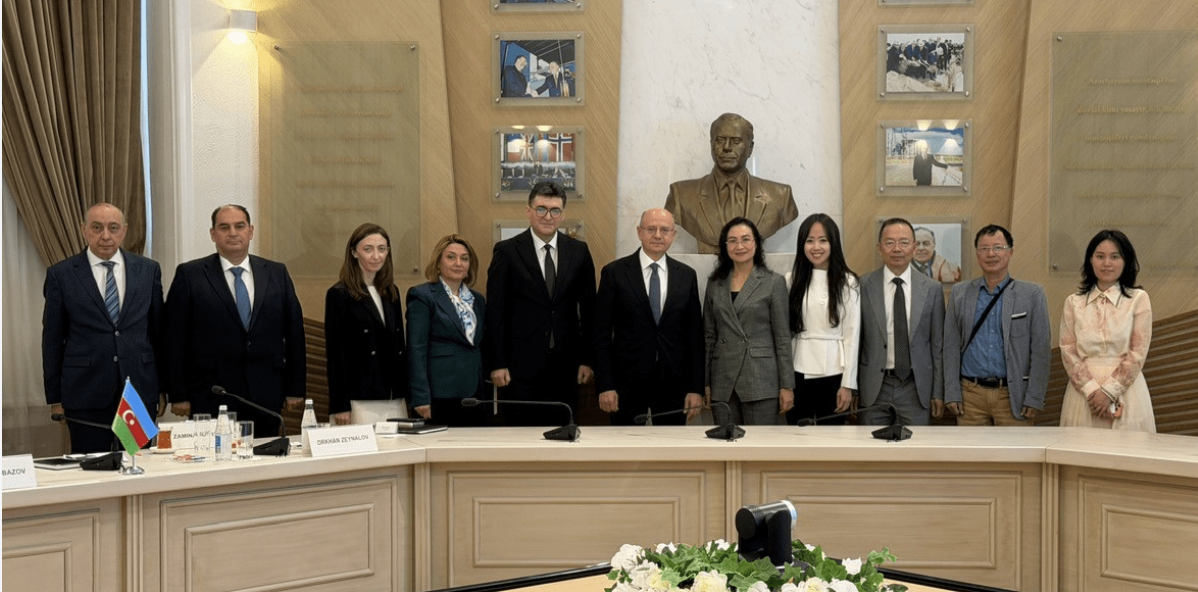
Deputy Minister Phan Thi Thang holds talks with Azerbaijan’s Minister of Energy to advance the bilateral trade and investment and expand cooperation in oil, gas, and LNG.
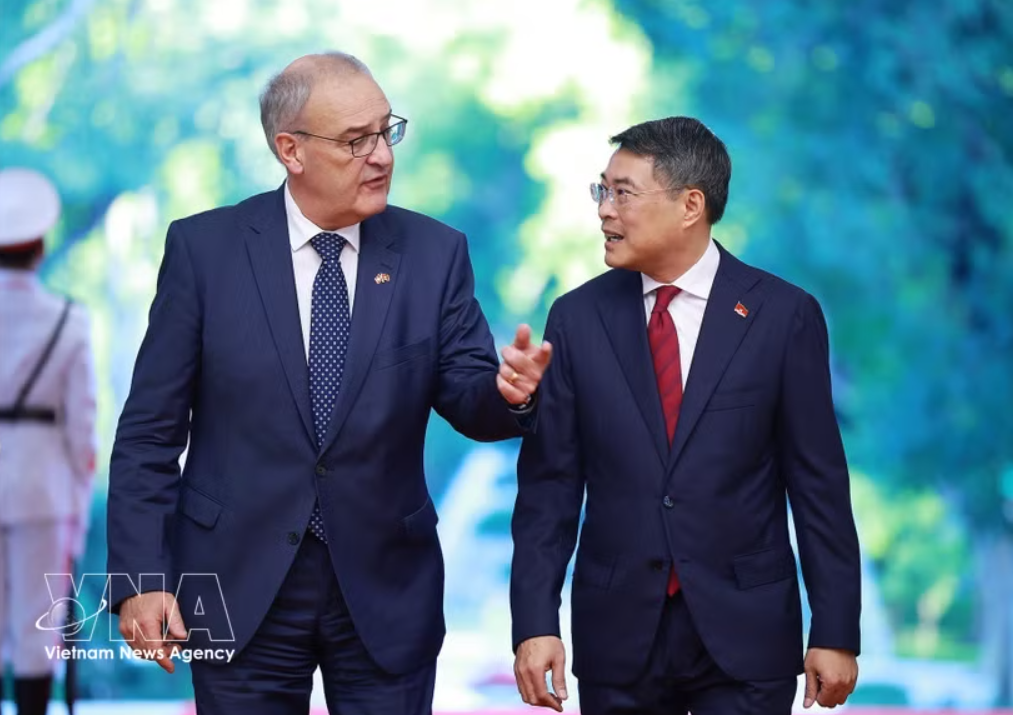
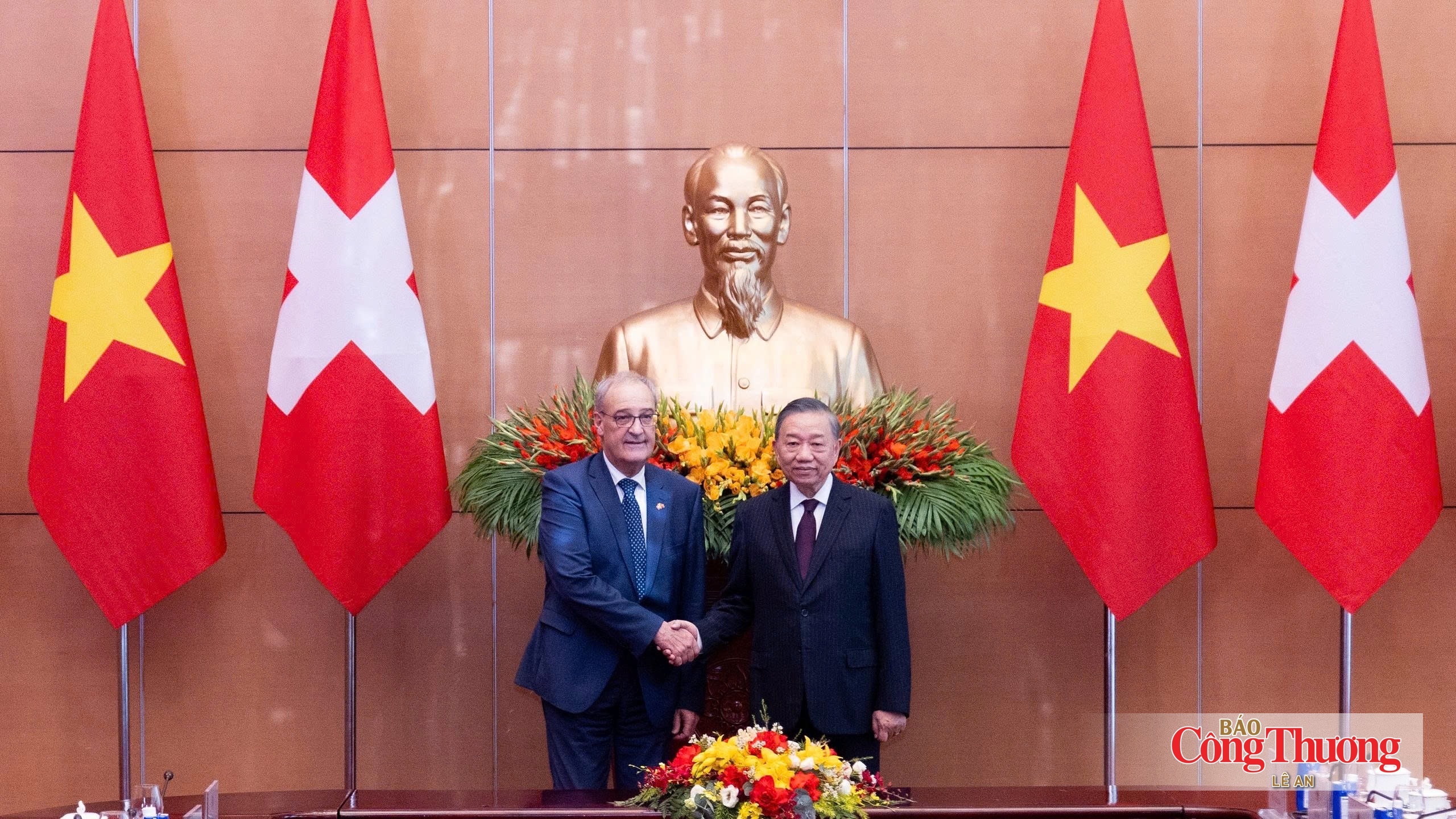
Viet Nam attaches great importance to its Comprehensive Partnership with Switzerland and wishes to continue working alongside the country to promote shared development and contribute to peace, stability and development in the region.
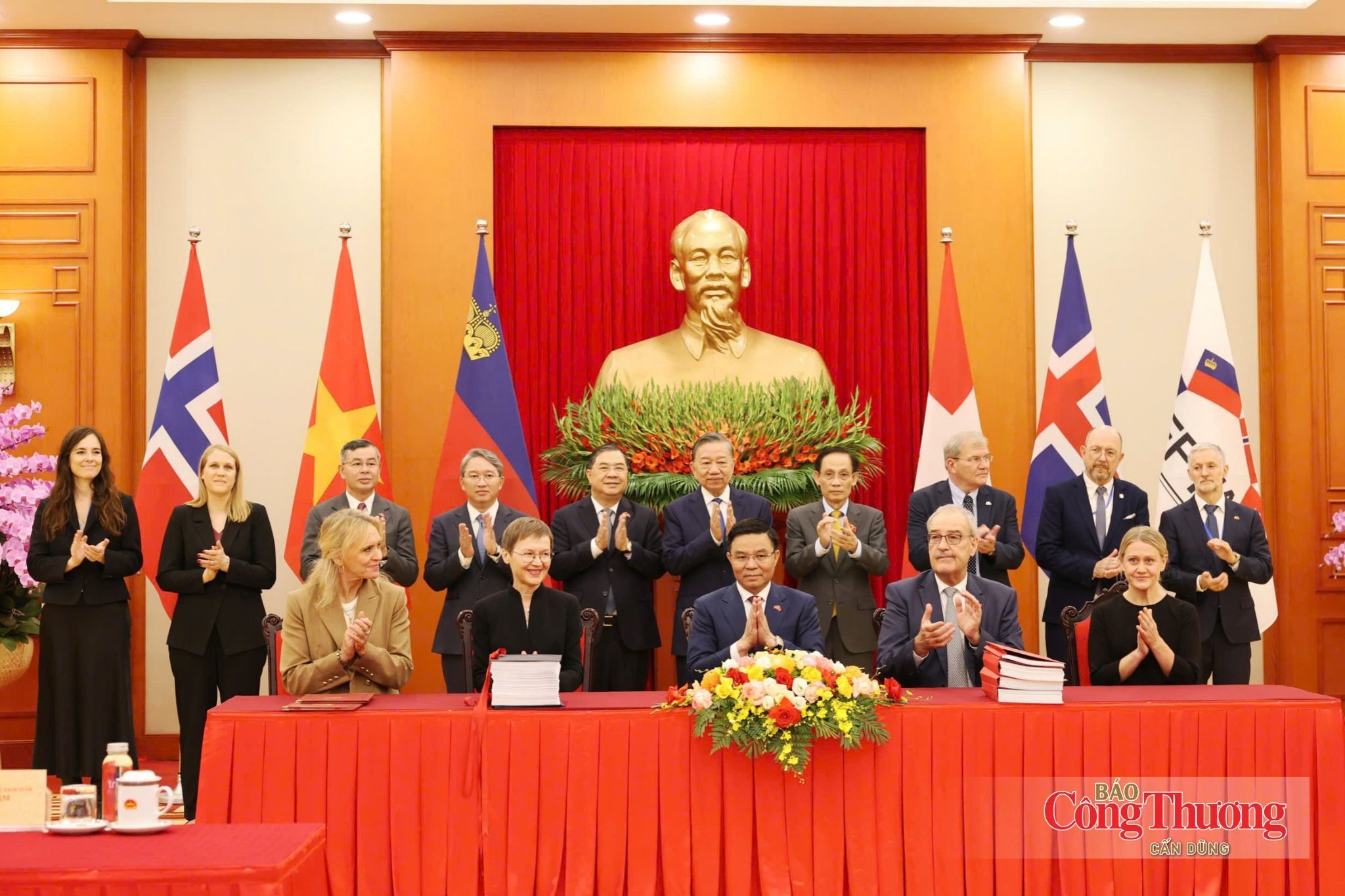
Norwegian representatives expect tariff preferences under the Viet Nam – EFTA Free Trade Agreement (FTA) to help lower the price of Norwegian salmon, making the product more accessible to Vietnamese consumers.