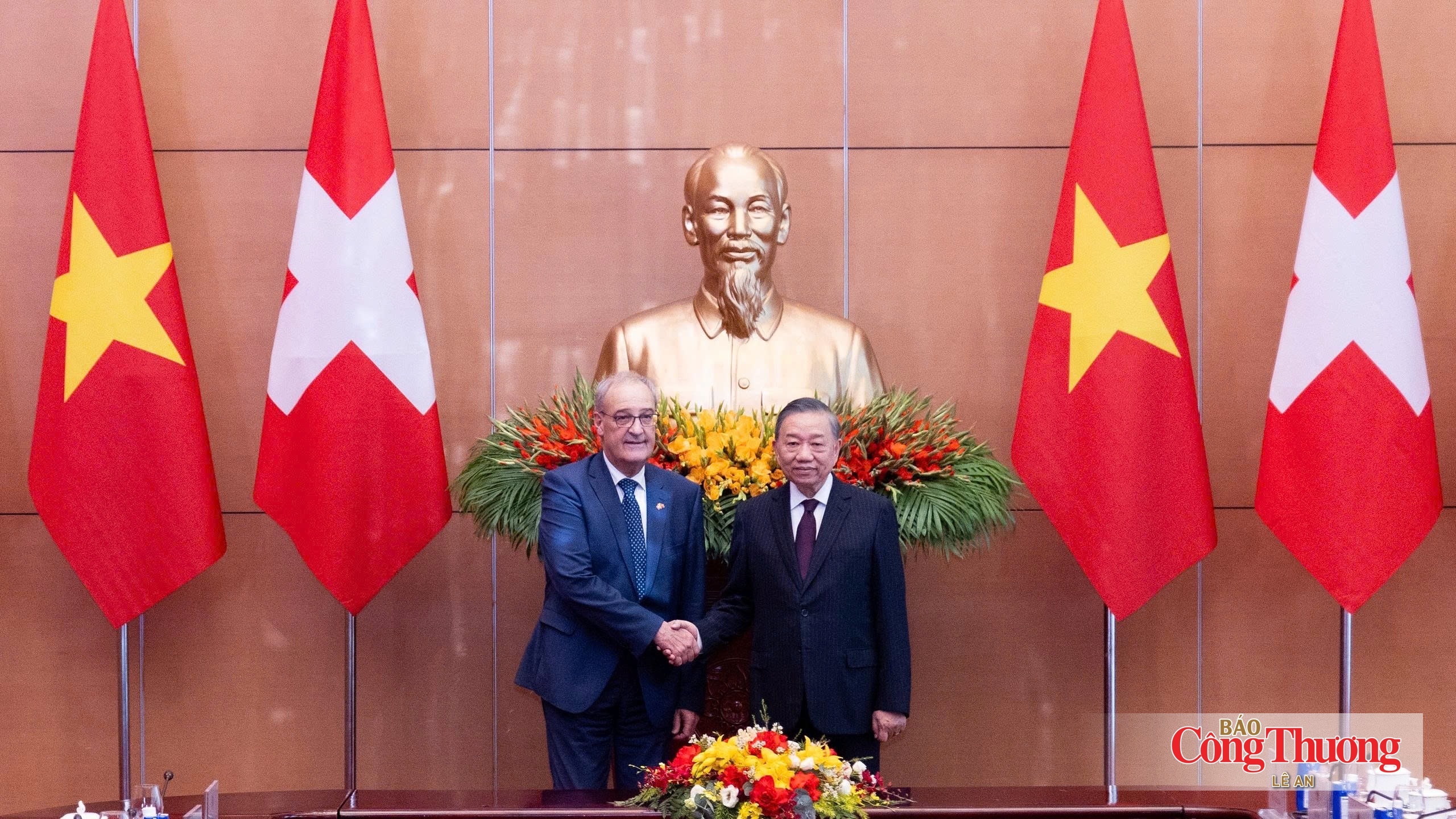
The value of the Viet Nam-EFTA FTA must be demonstrated through cooperation opportunities translated into tangible business results, the Minister of Industry and Trade said.
A significant milestone after 14 years of negotiations
On the afternoon of October 18, shortly after the signing of the Viet Nam-EFTA Free Trade Agreement (VEFTA), the Swiss - Viet Economic Forum 2026 - Ha Noi Edition was held in Ha Noi, attended by Guy Parmelin, President of the Swiss Confederation and Head of the Federal Department of Economic Affairs, Education and Research, alongside a large number of business representatives from both countries.
Addressing the forum, Minister of Industry and Trade Le Manh Hung emphasized that the signing of the agreement marked a significant milestone in economic and trade relations between Viet Nam and the member states of the European Free Trade Association (EFTA). Concluded after 14 years of negotiations and 21 formal negotiating rounds, the agreement demonstrated the political determination and sustained efforts of all parties involved.
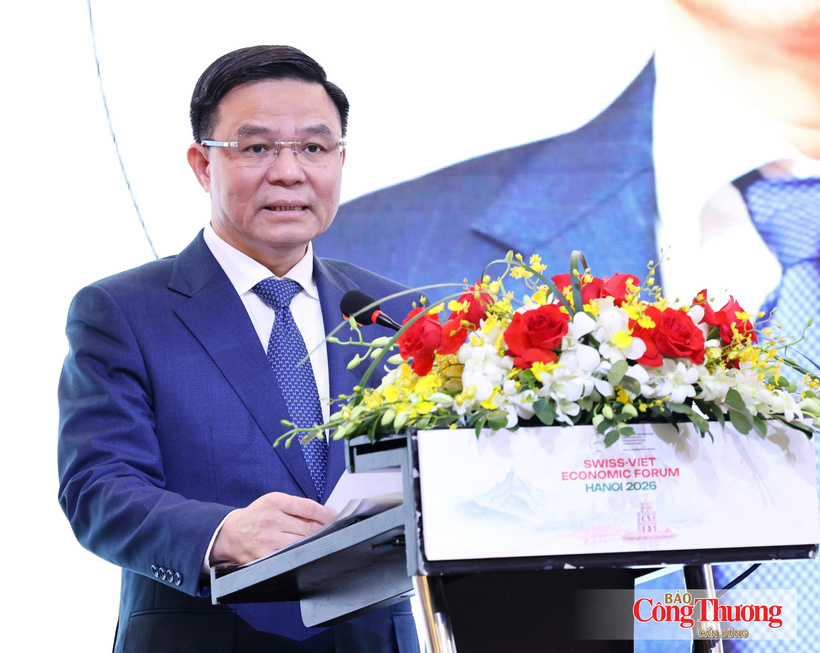
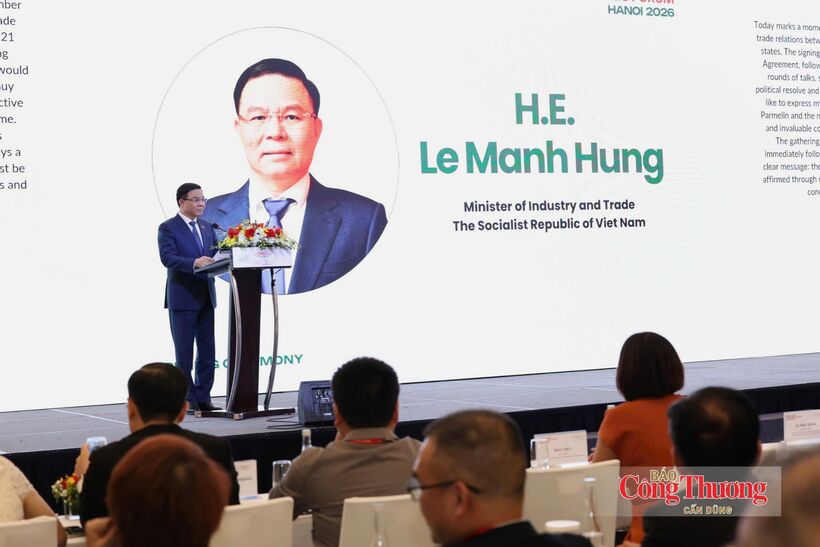
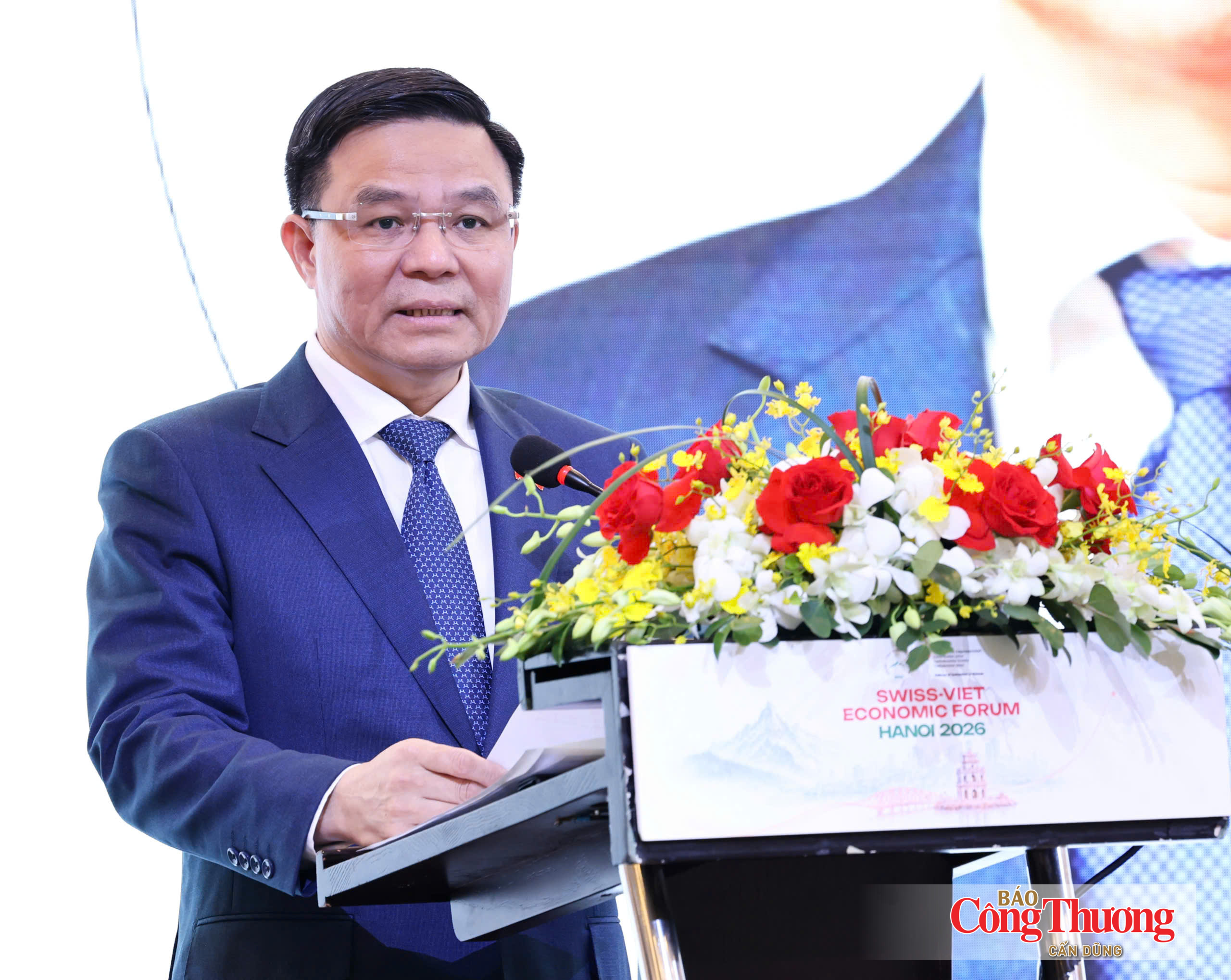
Minister of Industry and Trade Le Manh Hung addresses the Swiss - Viet Economic Forum.
The Minister expressed his sincere appreciation to President Guy Parmelin and the negotiating delegations for their contributions to this achievement. According to the Minister, the gathering of businesses from both sides immediately after the signing ceremony conveyed a clear message: "The value of the agreement must be demonstrated through cooperation opportunities translated into reality and tangible business results."
The Minister noted that VEFTA opened up new avenues for cooperation in trade in goods and services, investment and sustainable development. Preferential tariff arrangements would enable Vietnamese products to expand their market presence and enhance competitiveness, while allowing EFTA enterprises to tap more effectively into the potential of the Vietnamese market. Rules of origin would also facilitate production linkages and strengthen supply chain connectivity between Europe and Southeast Asia.
"Against a backdrop of persistent uncertainties in the global economy, the agreement establishes a transparent, stable and predictable framework for cooperation, giving businesses greater confidence to make long-term investments," the Minister emphasized.
Minister Le Manh Hung noted that Viet Nam possessed a dynamic market, steadily improving manufacturing capabilities and an expanding network of international economic partnerships. Meanwhile, Switzerland and other EFTA countries held competitive advantages in technology, innovation, finance and quality. Harnessing the complementary strengths of both sides would create opportunities to develop more efficient and sustainable value chains.
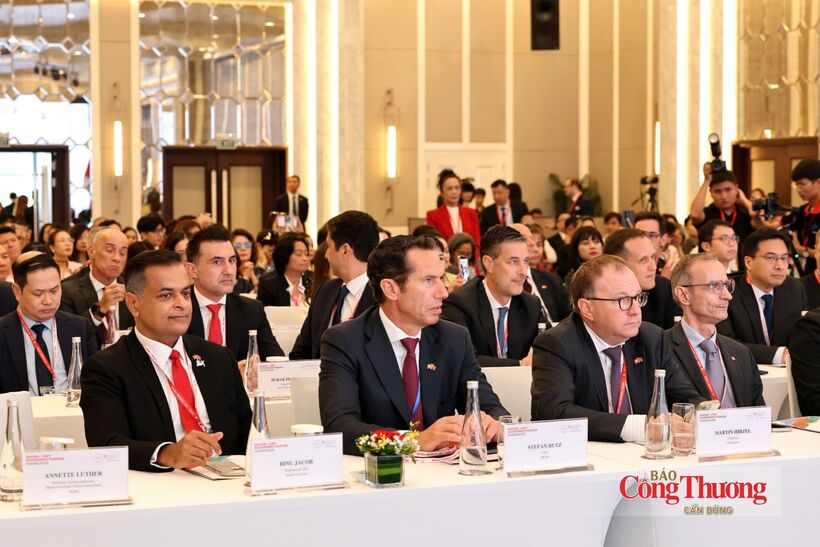
Business representatives from Viet Nam and Switzerland attend the forum.
Four priorities and three key messages
Affirming that Viet Nam was entering a new stage of development, with an emphasis on rapid and sustainable growth and greater economic self-reliance, Minister Le Manh Hung called on businesses from both sides to prioritize cooperation in four key areas.
First, developing manufacturing industries and supply chains. Viet Nam seeks to attract investment in precision engineering, automation, supporting industries and advanced manufacturing technologies, while strengthening the capabilities of domestic suppliers and enabling them to participate more deeply in global value chains.
Second, accelerating the energy transition and green growth. Both sides should expand cooperation in smart grids, energy efficiency, green technologies, eco-industrial parks and the circular economy.
Third, promoting innovation, the digital economy, healthcare and life sciences. Cooperation should focus on technology transfer, enhancing research and development capabilities, advancing product development and effectively leveraging the respective strengths of both sides.
Fourth, developing human resources. Viet Nam seeks to strengthen cooperation in vocational education and training, skills development and workforce quality, particularly by studying and adapting Switzerland's dual vocational education and training model, which closely aligns training with the practical needs of businesses.
The Minister affirmed that the Ministry of Industry and Trade of Viet Nam stood ready to work with relevant agencies, organizations and business communities from both sides to translate these priorities into practical cooperation programmes and investment projects.
Minister Le Manh Hung delivers three key messages to the business communities of both countries at the forum.
At the forum, Minister Le Manh Hung delivered three key messages to the business communities of both sides.
For Swiss and EFTA enterprises, Viet Nam is not merely a consumer market but also a long-term investment destination, a competitive manufacturing hub and a partner in regional supply networks.
For Vietnamese enterprises, the agreement should be regarded as a catalyst for technological innovation, improved corporate governance, compliance with international standards, brand development and greater product added value.
On behalf of the Vietnamese Government, the Minister reaffirmed its commitment to continuing institutional reforms, improving the investment and business environment, effectively implementing international commitments and supporting enterprises in capitalizing on opportunities arising from the agreement. "I firmly believe that the success of the Viet Nam-EFTA agreement should not be measured by the number of tariff lines reduced, but by the projects implemented, technologies transferred, supply chains established and competitiveness enhanced," Minister Le Manh Hung emphasized.
He expressed confidence that, with the determination of the Government and the proactive engagement of the business community, economic and trade relations between Viet Nam, Switzerland and other EFTA countries would continue to develop in a more substantive, effective and sustainable manner.
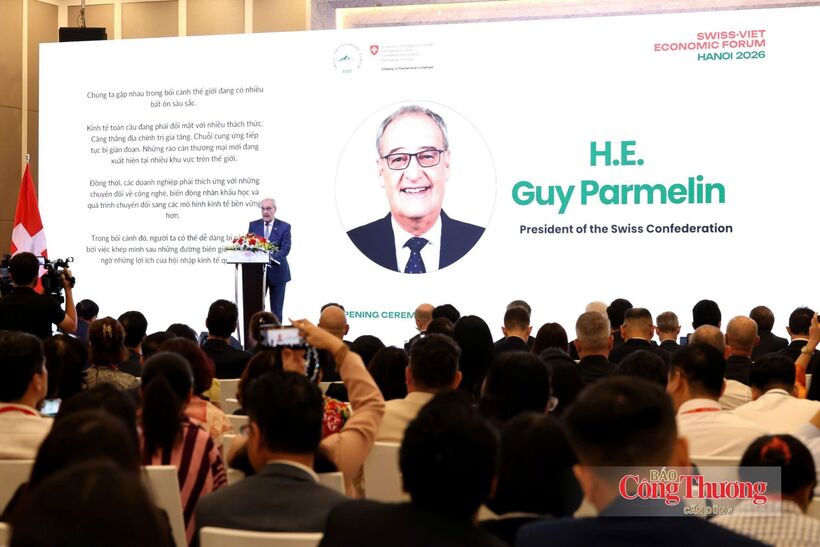
Guy Parmelin, President of the Swiss Confederation and Head of the Federal Department of Economic Affairs, Education and Research, addresses the forum.
Echoing Minister Le Manh Hung's views, Swiss President Guy Parmelin noted that considerable opportunities remained for cooperation between the two sides across a wide range of sectors, including advanced manufacturing, life sciences and healthcare, sustainable infrastructure and clean technologies, digital transformation and innovation, as well as other areas where Swiss expertise and Viet Nam's dynamism could complement each other. "For this reason, I am particularly pleased that we have signed the free trade agreement between the EFTA member states and Viet Nam," President Guy Parmelin emphasized.
According to the Swiss President, VEFTA is more than a trade instrument; it represents a strategic commitment to strengthening economic cooperation. The agreement provides greater legal certainty, improves market access and creates new opportunities for businesses on both sides. "And perhaps most importantly, the agreement sends a strong message of confidence in the future of economic relations between our two countries," President Guy Parmelin affirmed.
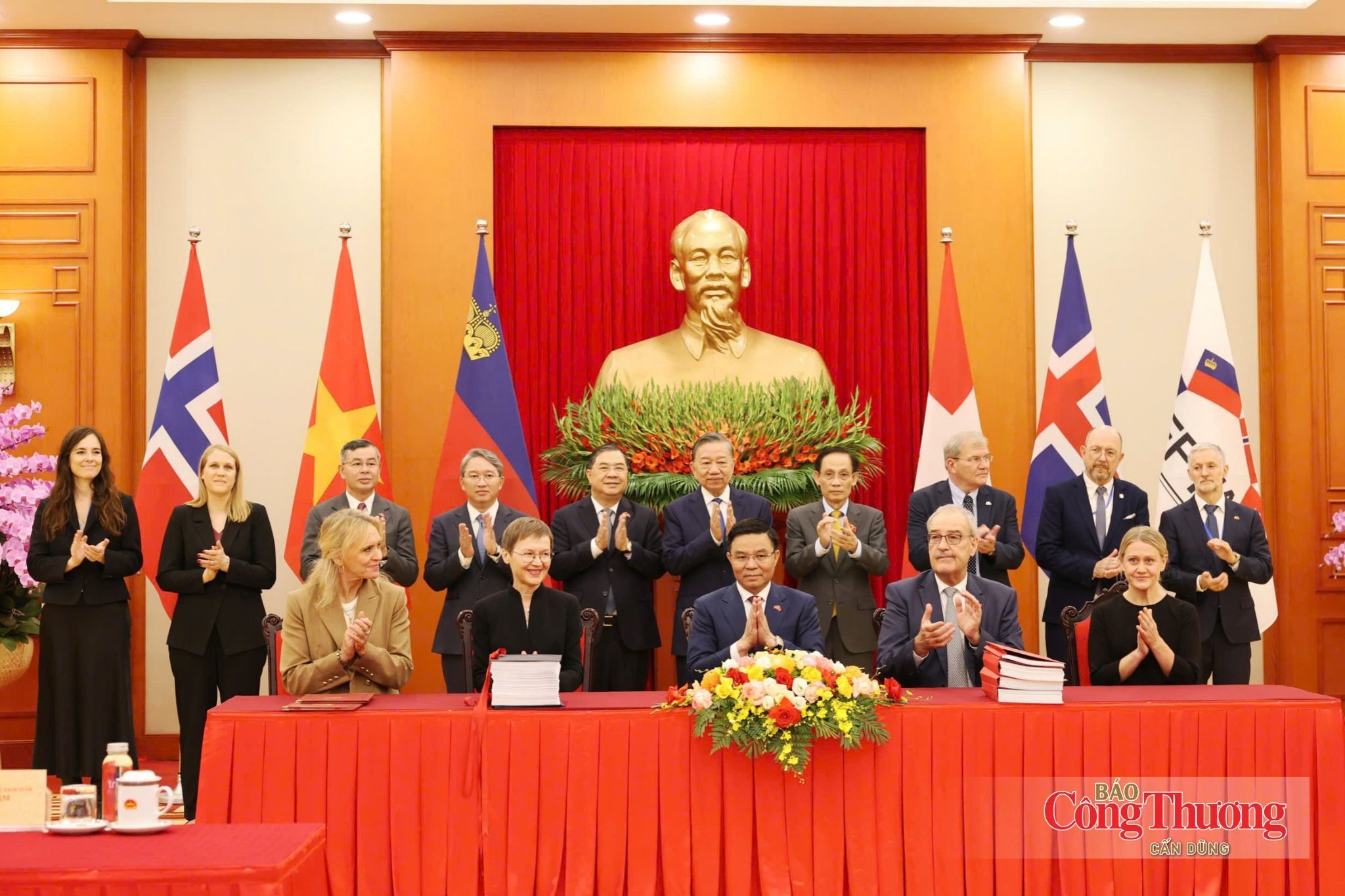
On the morning of October 18, in Ha Noi, in the presence of Party General Secretary and State President To Lam, Minister of Industry and Trade Le Manh Hung and representatives of the four member states of the European Free Trade Association (EFTA) officially signed the Viet Nam-EFTA Free Trade Agreement (VEFTA).
The EFTA signatories included Guy Parmelin, President of the Swiss Confederation and Head of the Federal Department of Economic Affairs, Education and Research; Brigitte Haas, Prime Minister of Liechtenstein and head of the Ministry of General Government Affairs and Finance; Þorgerður Katrín Gunnarsdóttir, Minister for Foreign Affairs of Iceland; and Astrid Bergmål, State Secretary in the Ministry of Foreign Affairs of Norway.
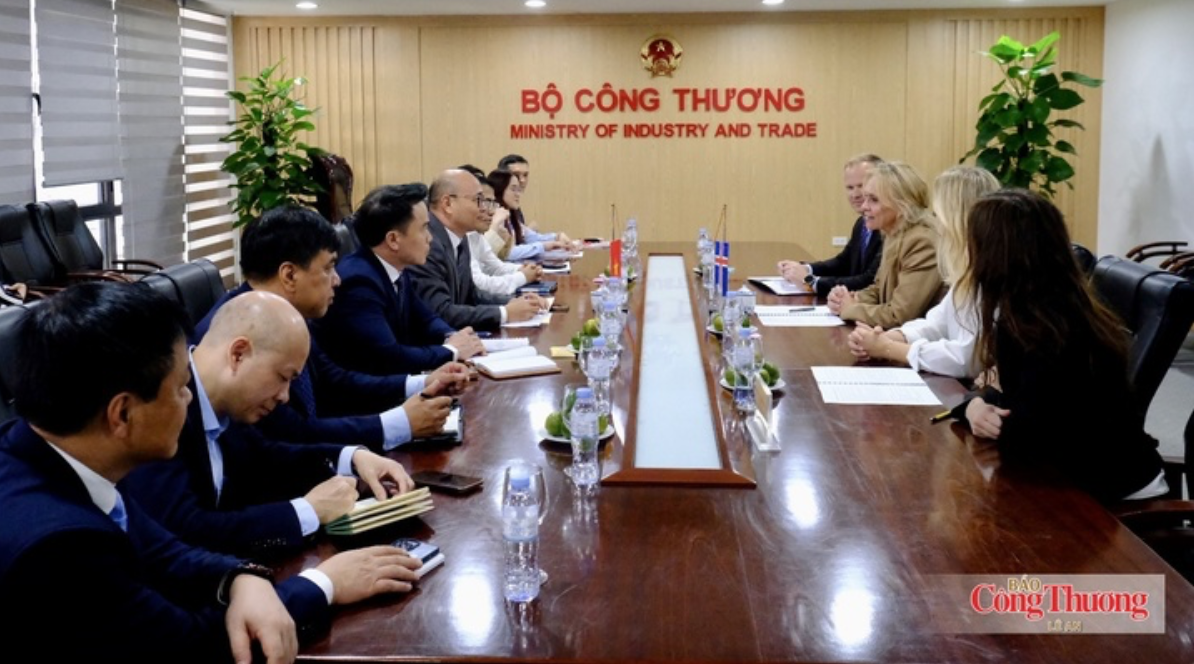
Viet Nam and Iceland discussed accelerating the Viet Nam - EFTA Free Trade Agreement deal and expanding cooperation in geothermal energy, fisheries and clean energy.
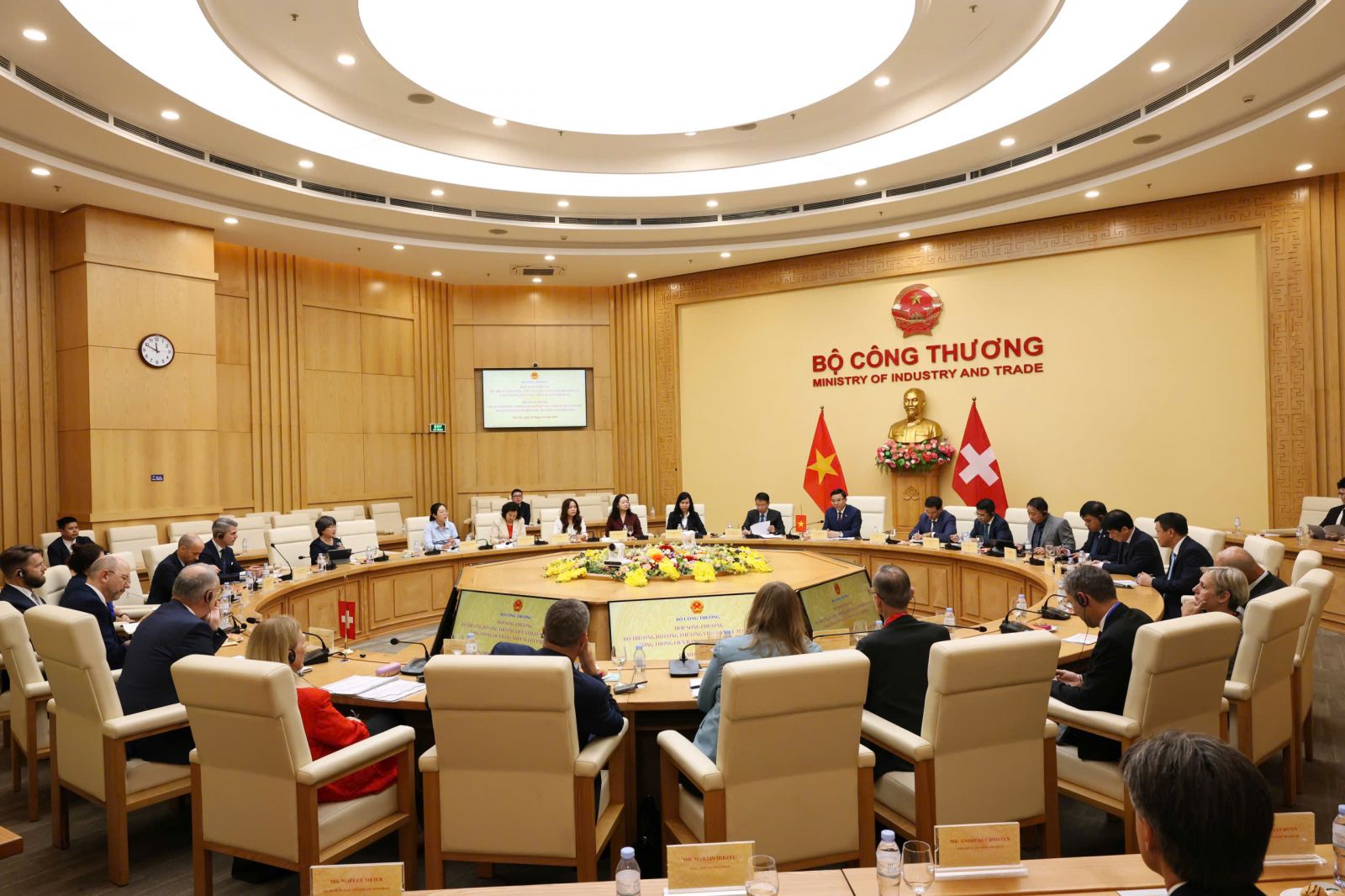
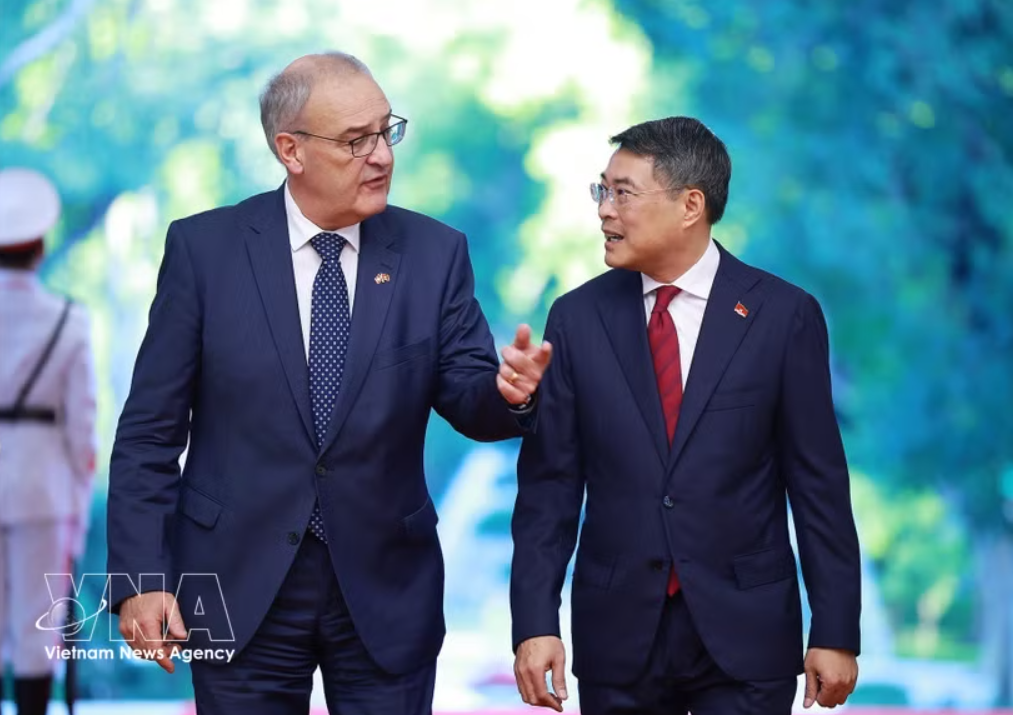
Minister Le Manh Hung and Swiss President Guy Parmelin discussed steps to bring the Viet Nam-EFTA FTA into force in early 2027 and deepen trade and investment ties.
The value of the Viet Nam-EFTA FTA must be demonstrated through cooperation opportunities translated into tangible business results, the Minister of Industry and Trade said.
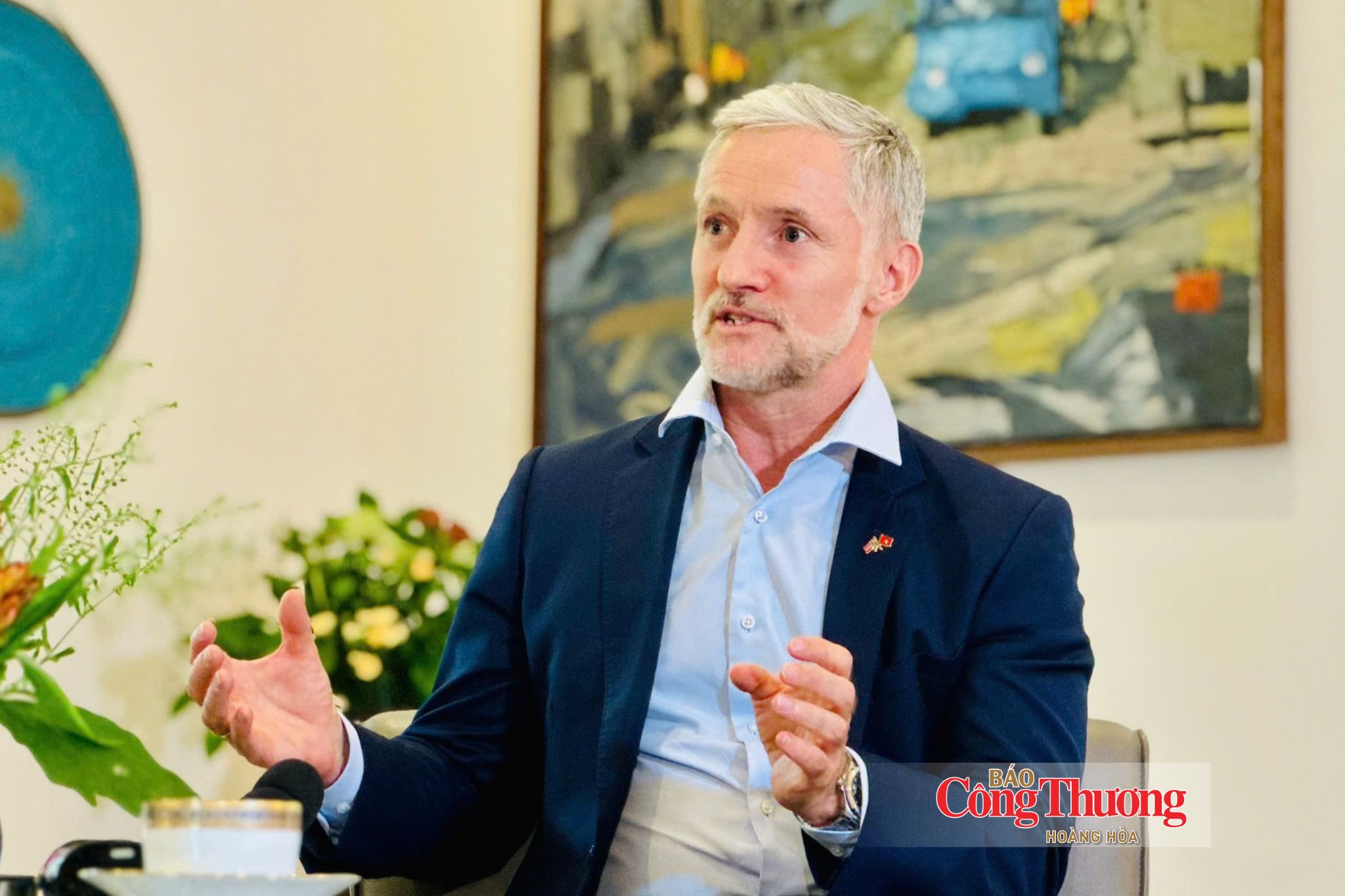
Norwegian Ambassador Stein Iversen said Viet Nam's economy could be twice the size of Norway's in 12 - 13 years if its current growth momentum continues.
The two sides pledged to promote ties between innovation hubs, research institutes, universities, and enterprises, while stepping up collaboration in AI, quantum technology, green energy, the digital economy, higher education, and vocational training.
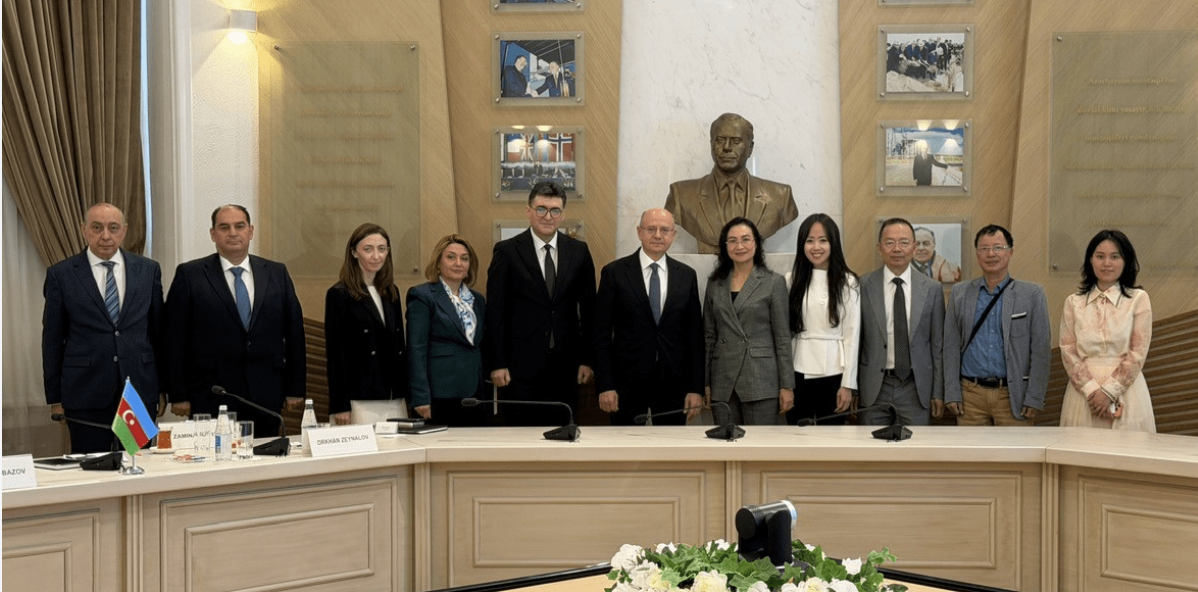
Deputy Minister Phan Thi Thang holds talks with Azerbaijan’s Minister of Energy to advance the bilateral trade and investment and expand cooperation in oil, gas, and LNG.
Viet Nam attaches great importance to its Comprehensive Partnership with Switzerland and wishes to continue working alongside the country to promote shared development and contribute to peace, stability and development in the region.